Save our Tomales Bay – Part 5

Click the words above “Save our Tomales Bay…” to see this post as it was meant to be seen.

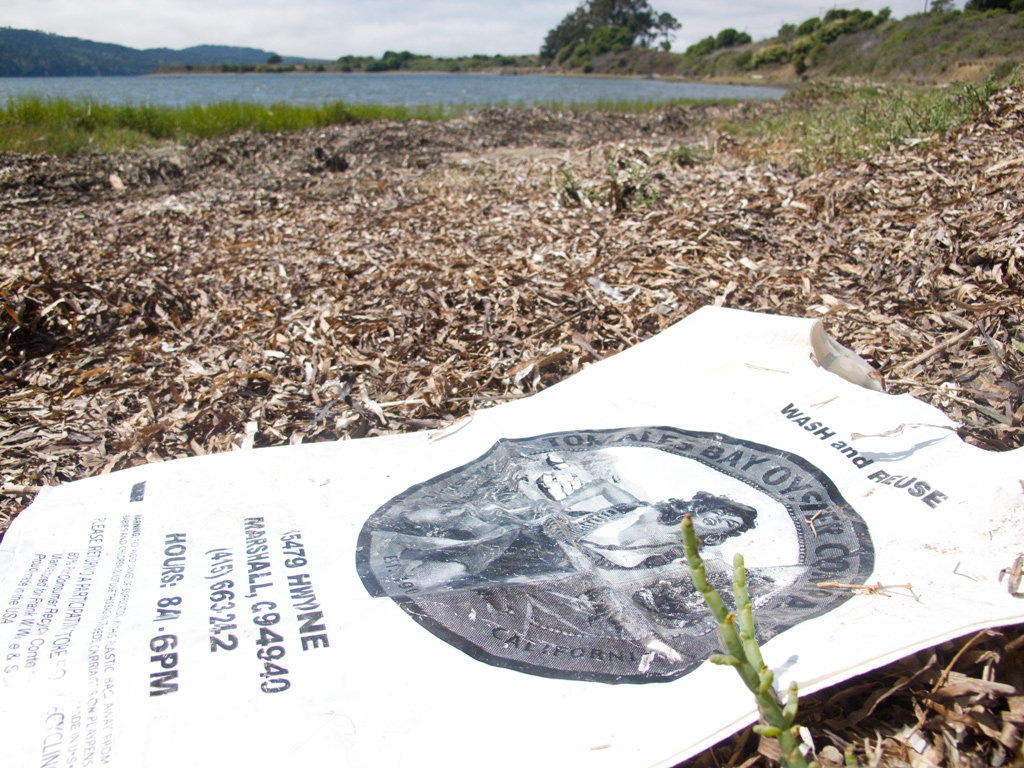
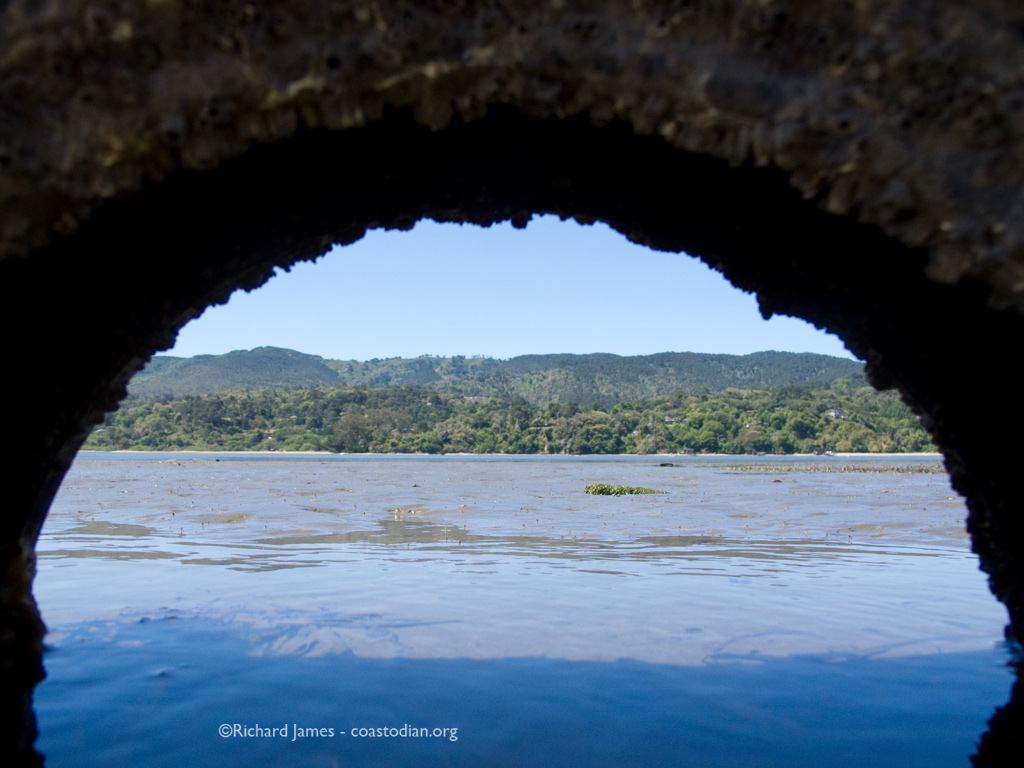
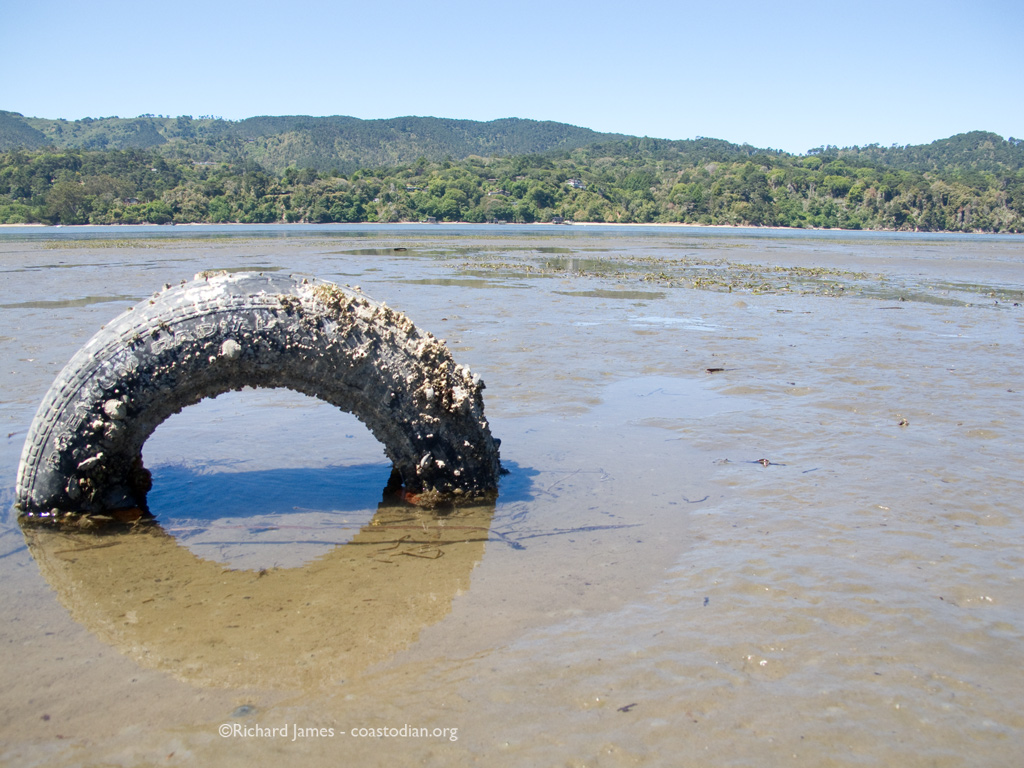
The past several weeks I’ve been picking up the trash left behind by local oyster farming operations on Tomales Bay.

In this post from 29 June, I wondered aloud if those responsible for the mess would pick up after themselves, or would I need to find more help to rid the environment of the trash of private enterprise.

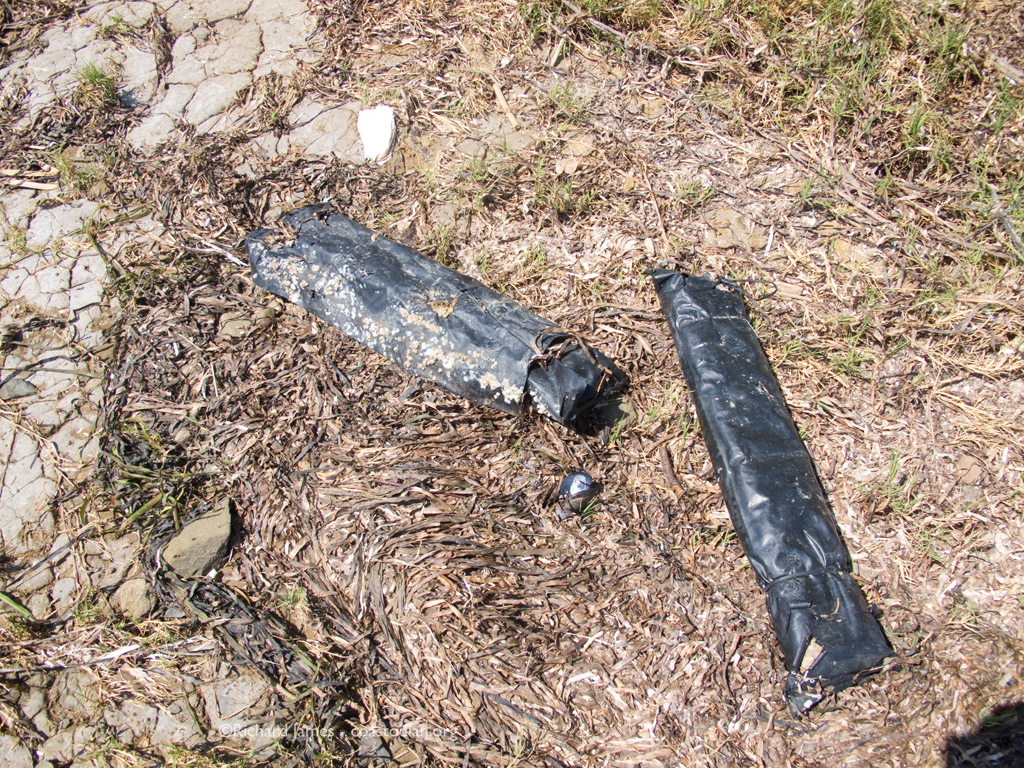
A week later and a few of the larger bales of plastic oyster grow-out bags had been recovered.

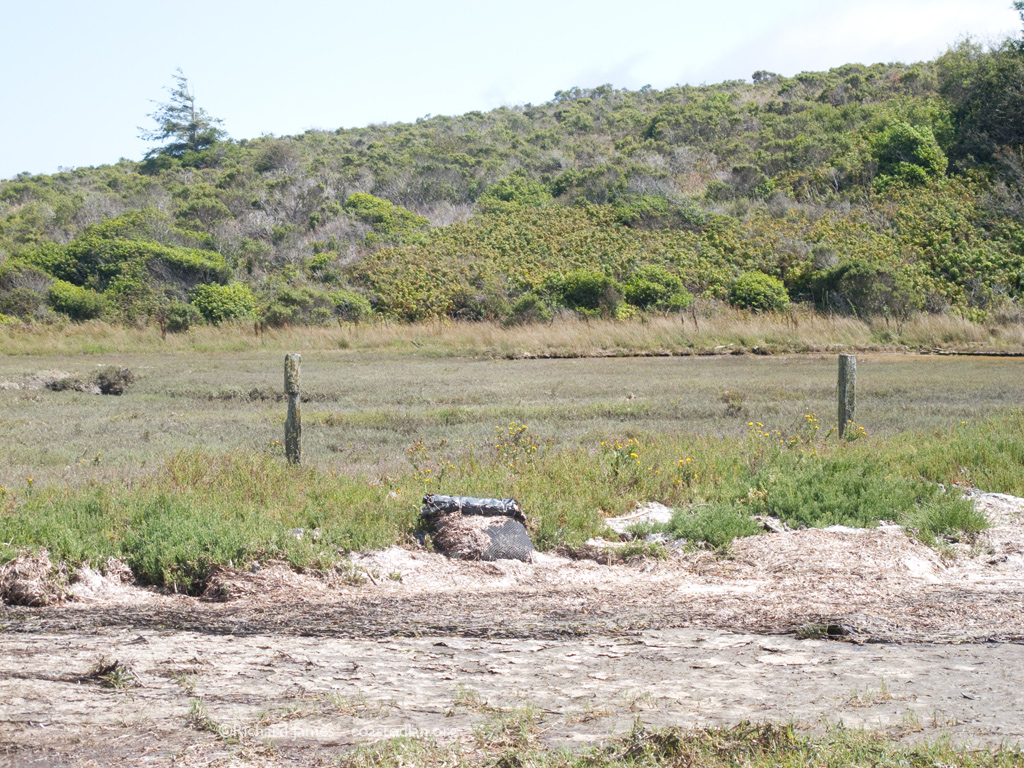
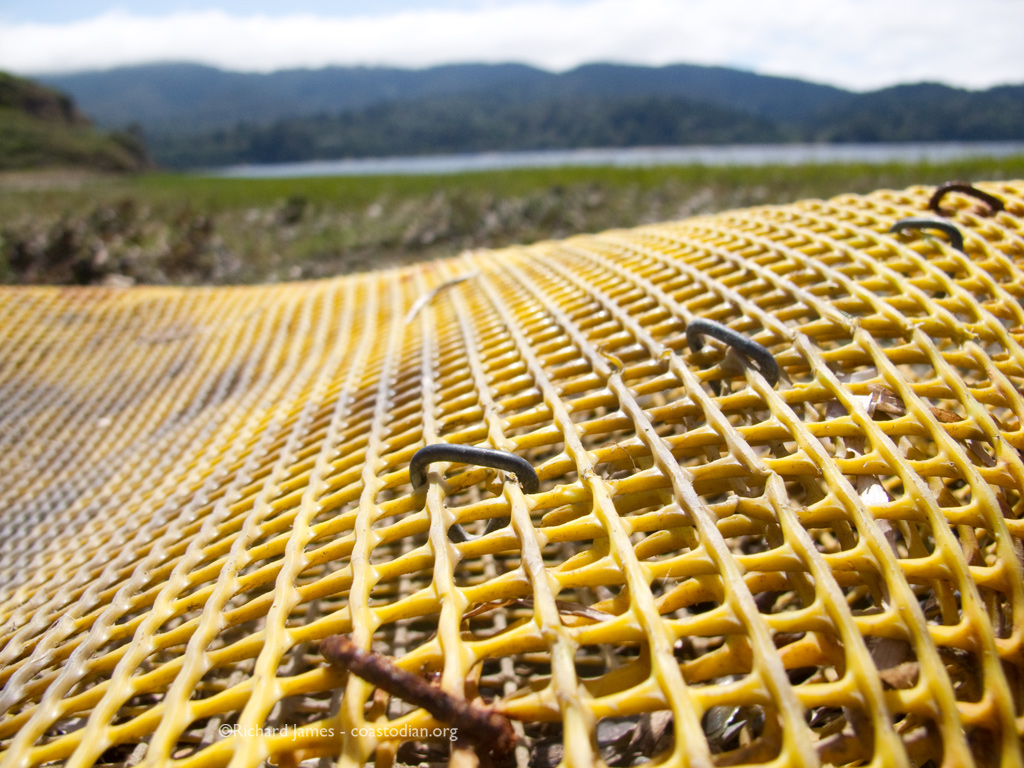
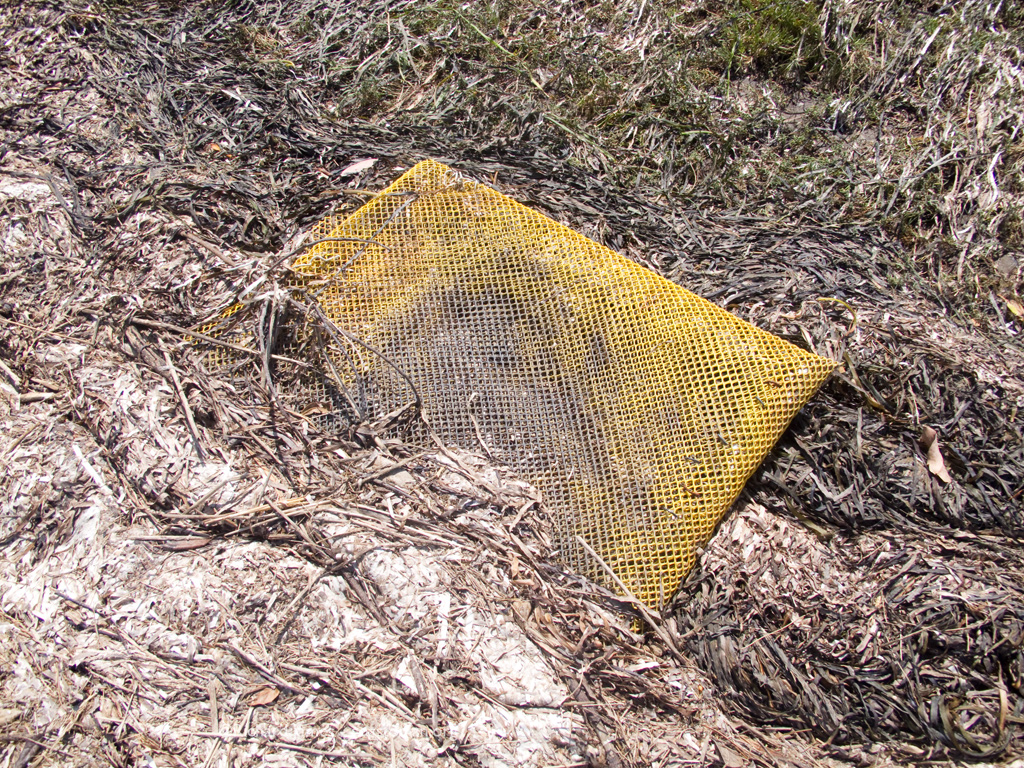
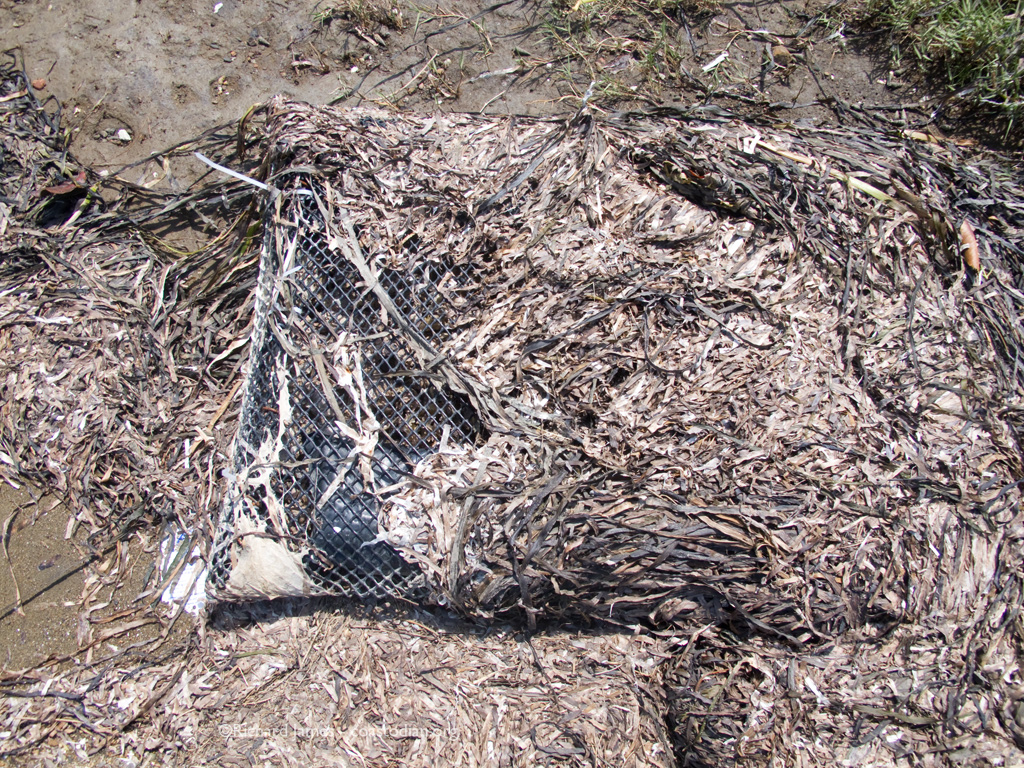
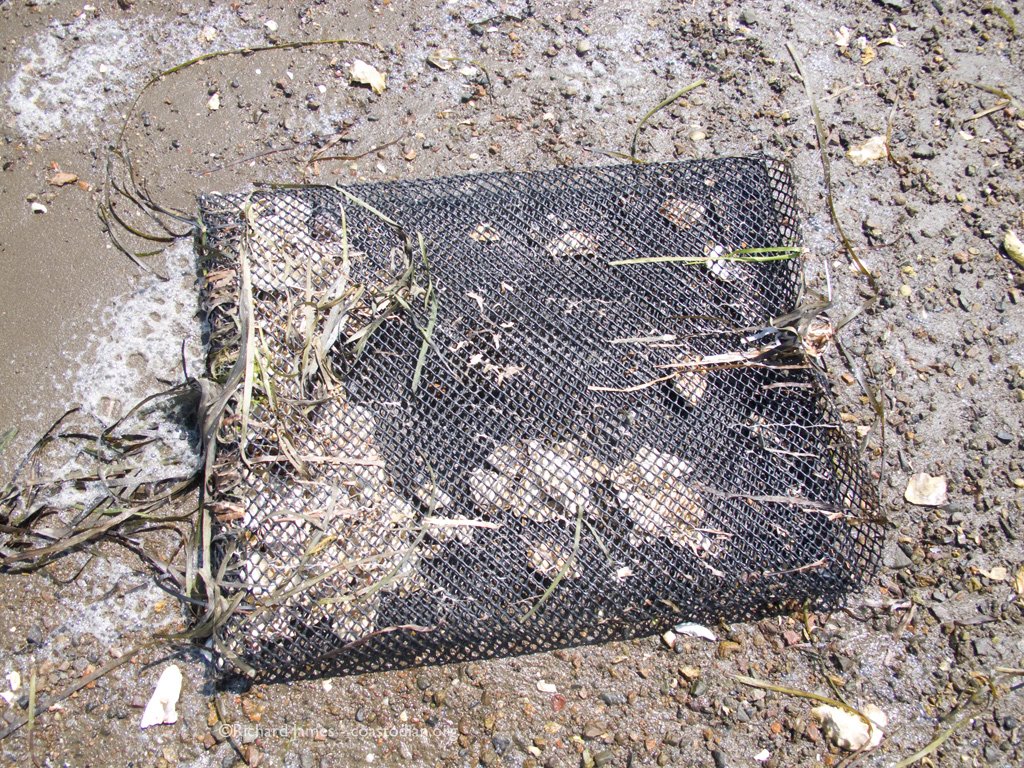
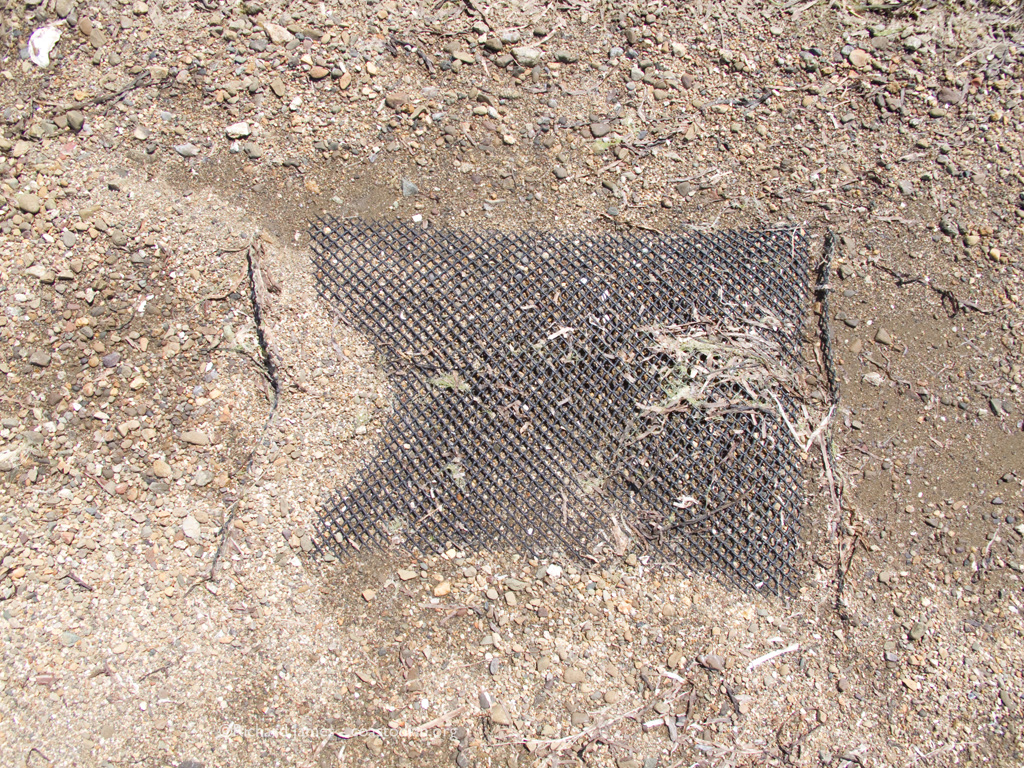
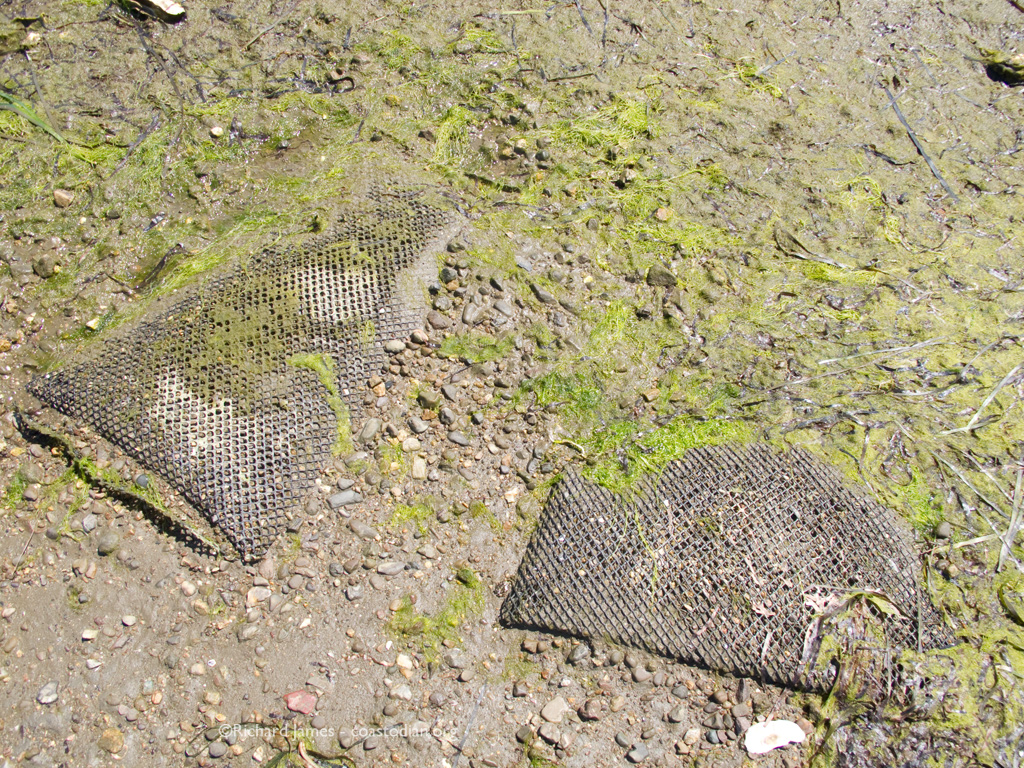
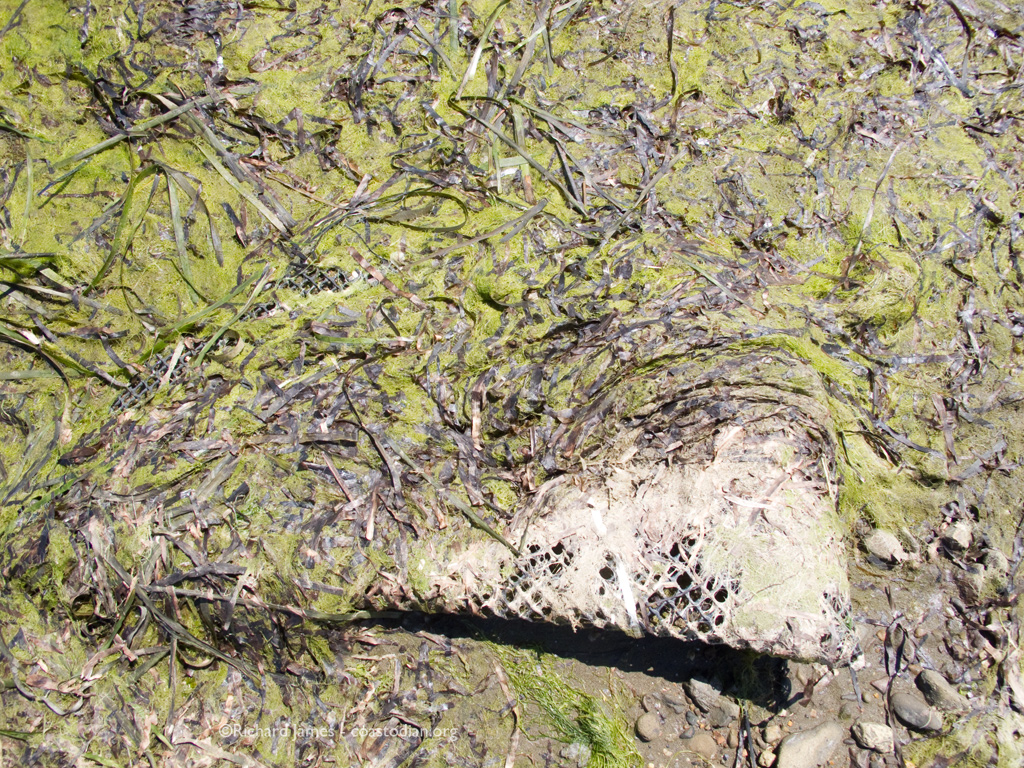
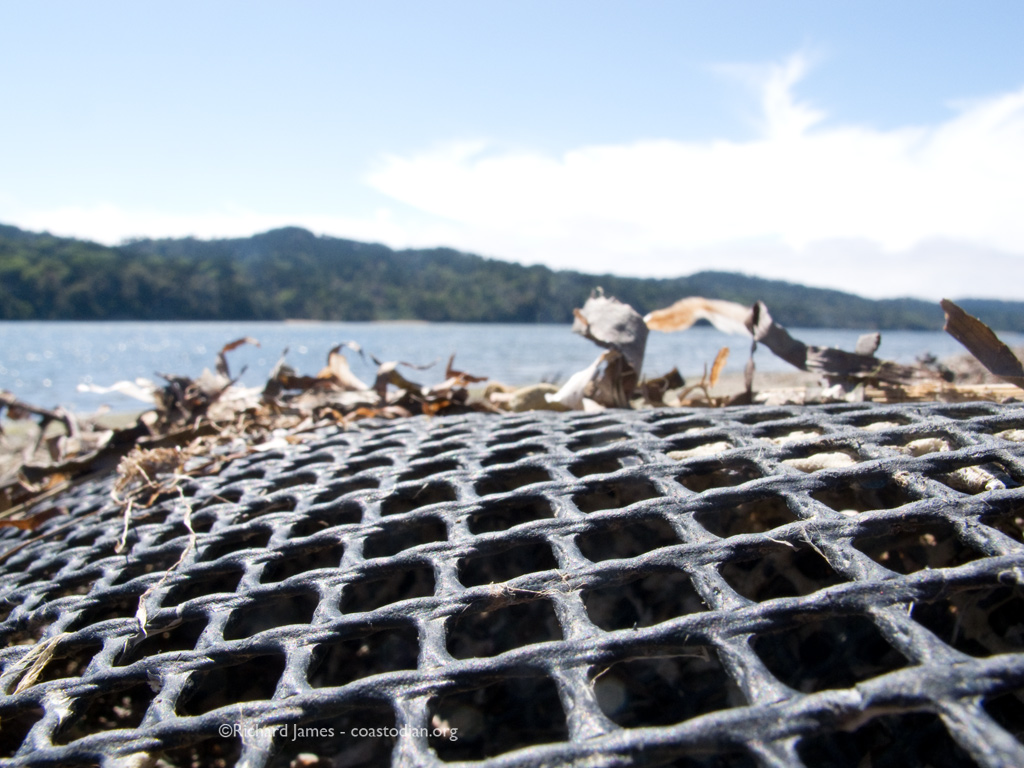
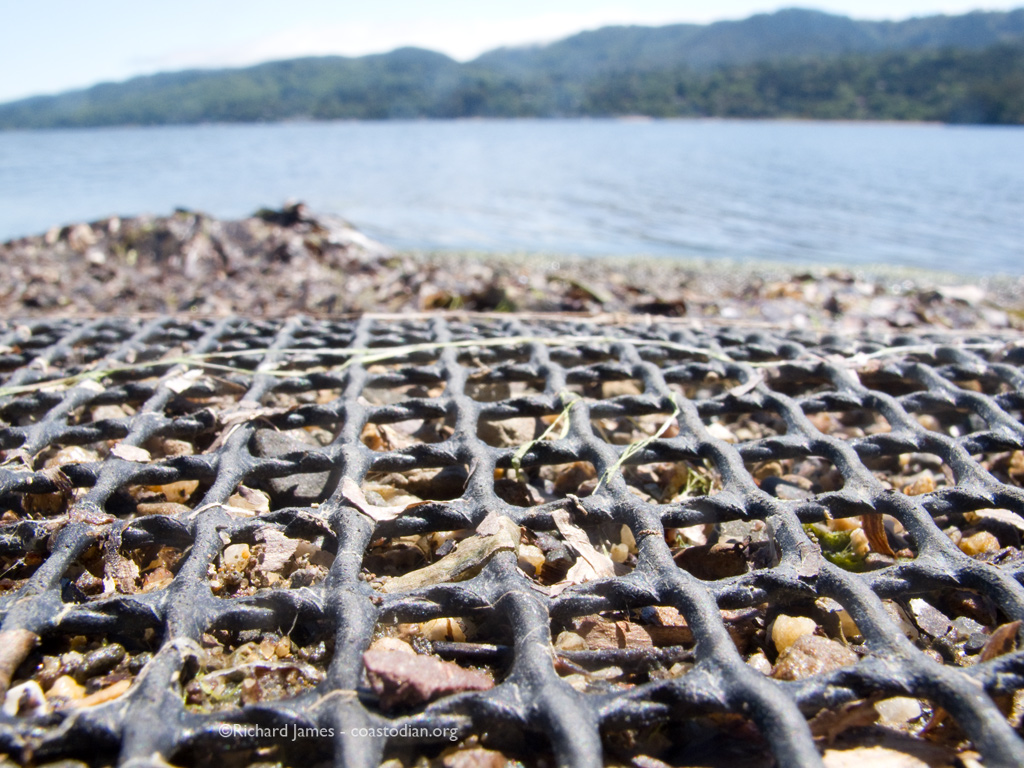
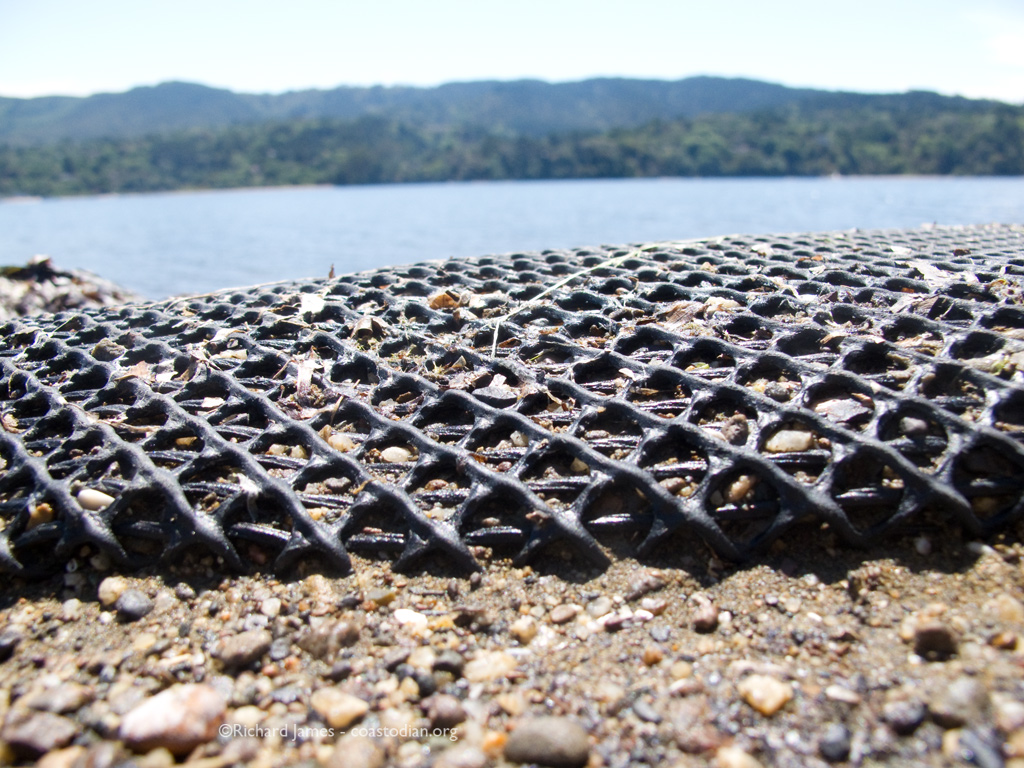
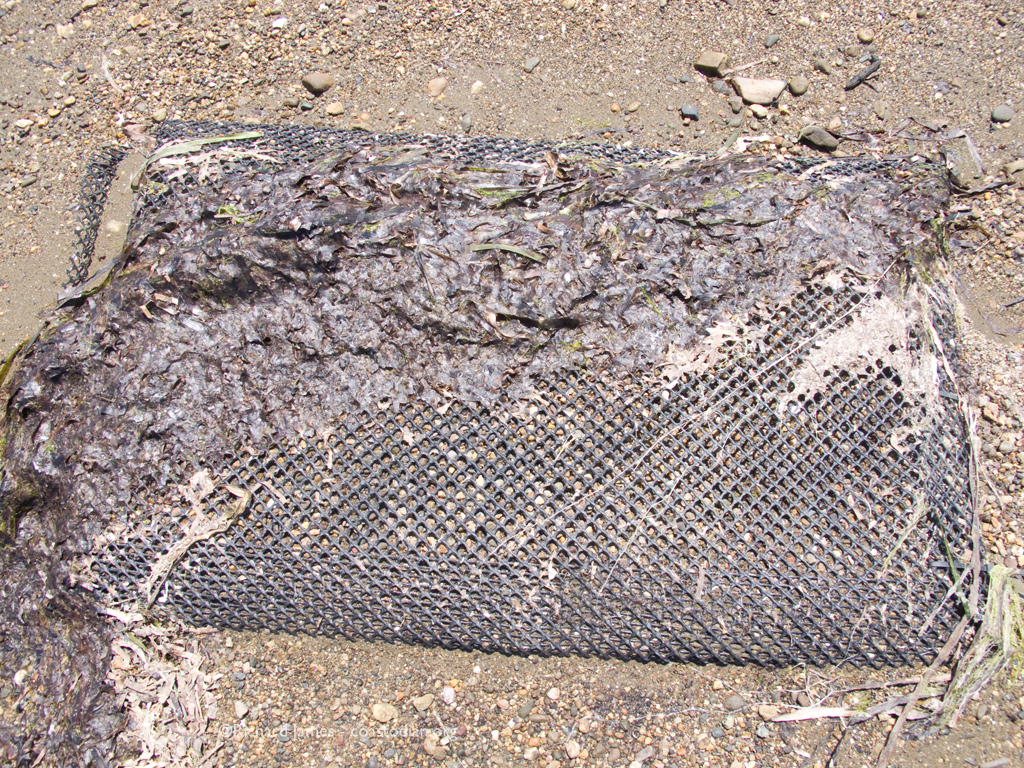
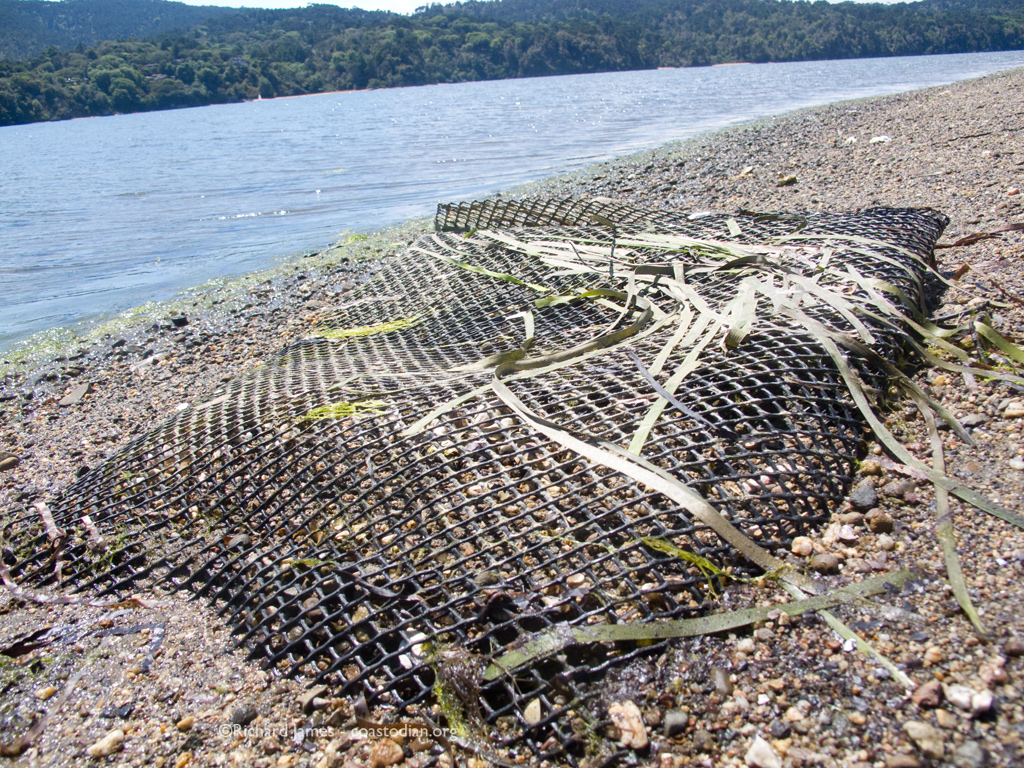
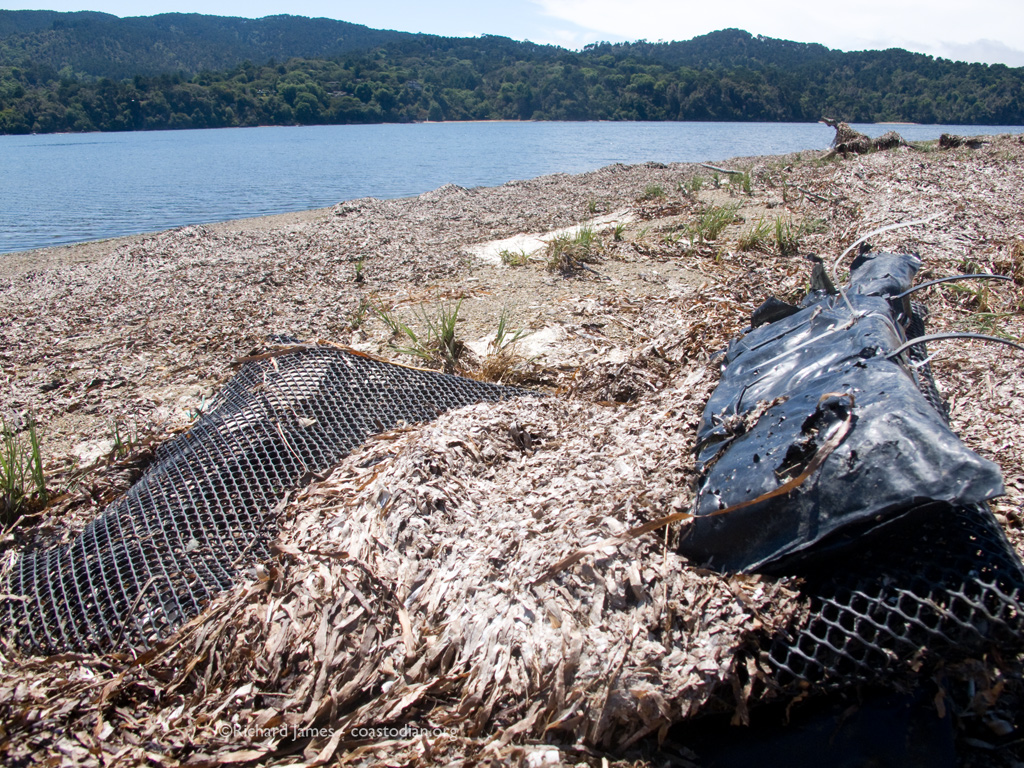
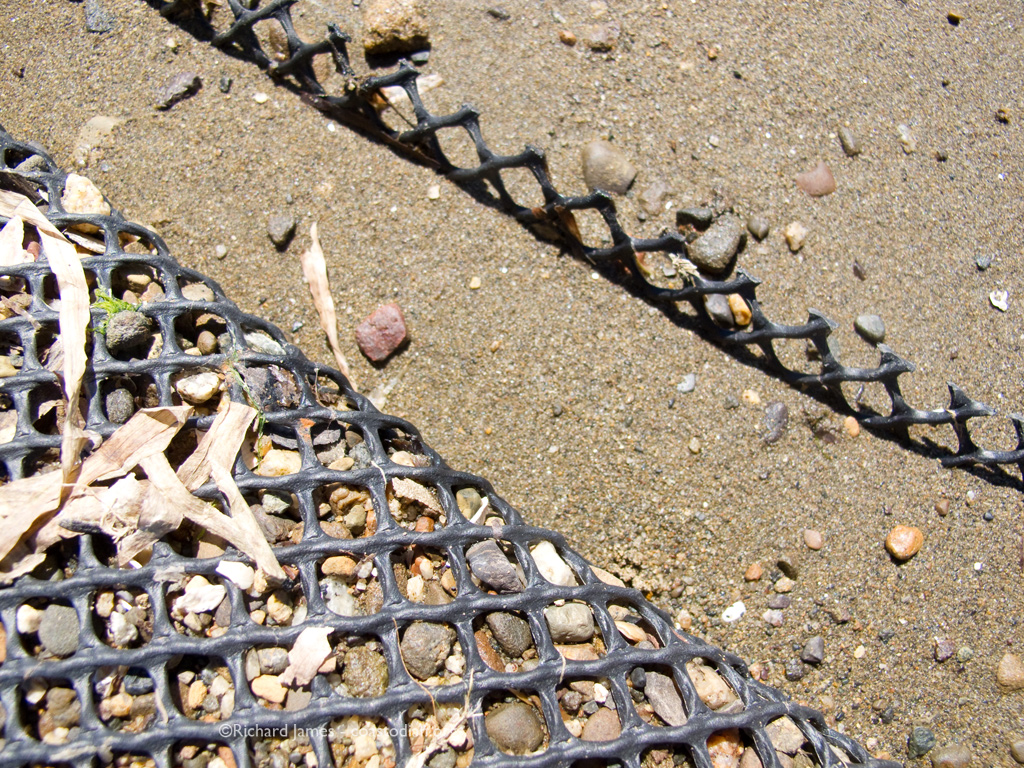
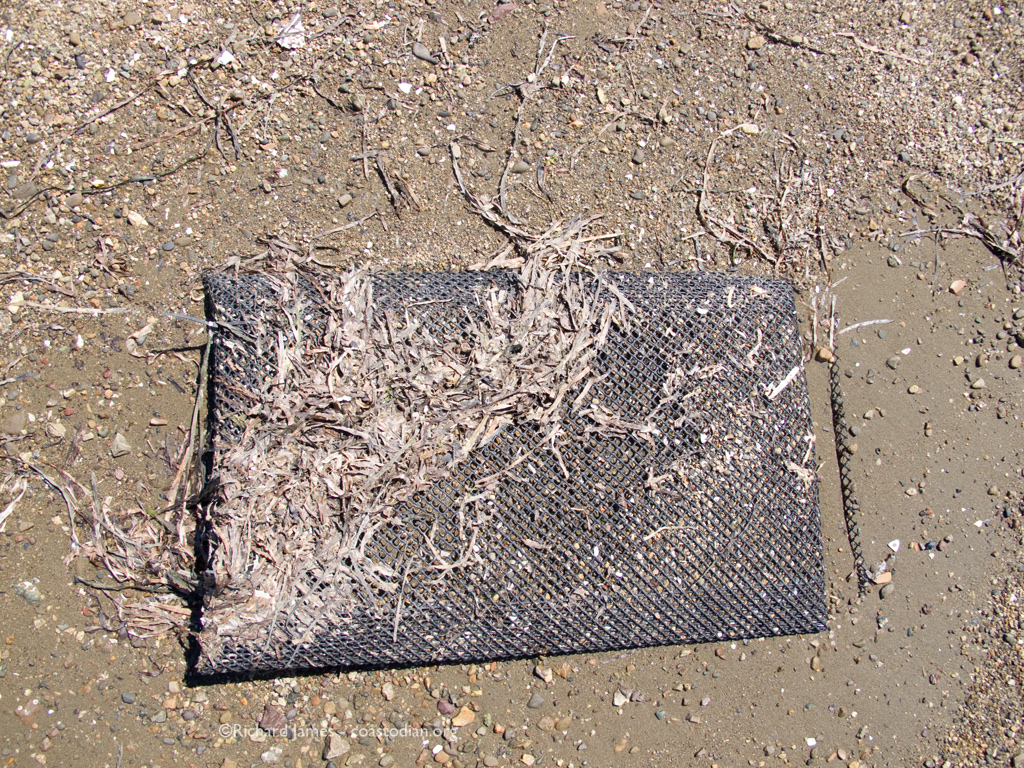
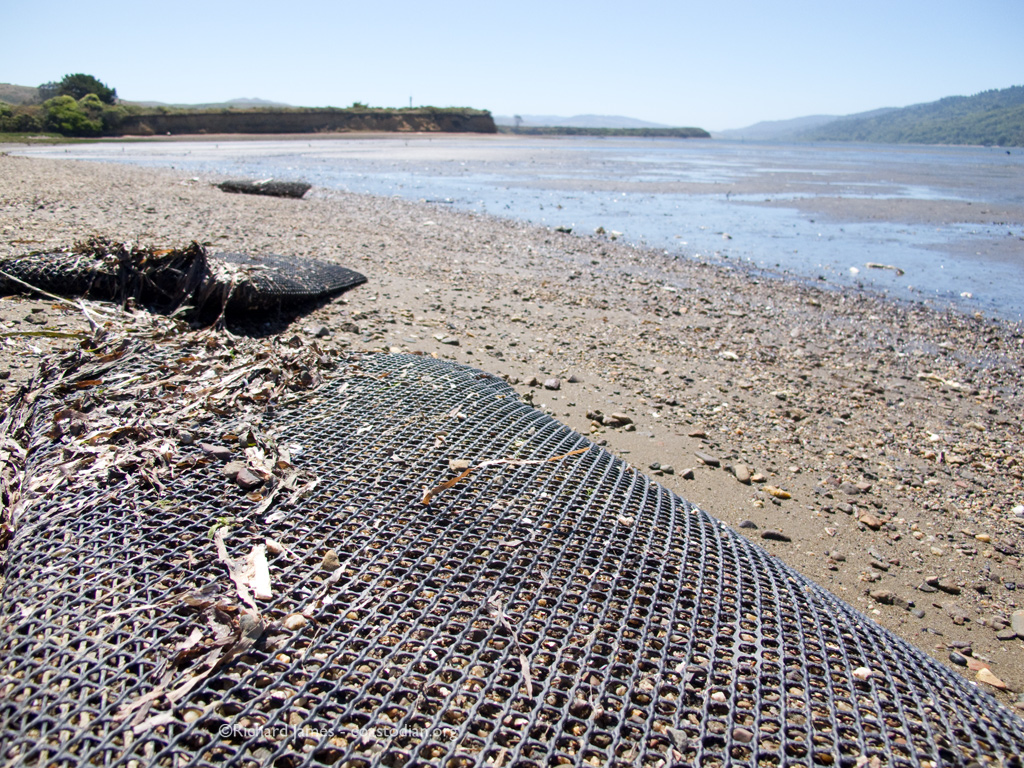
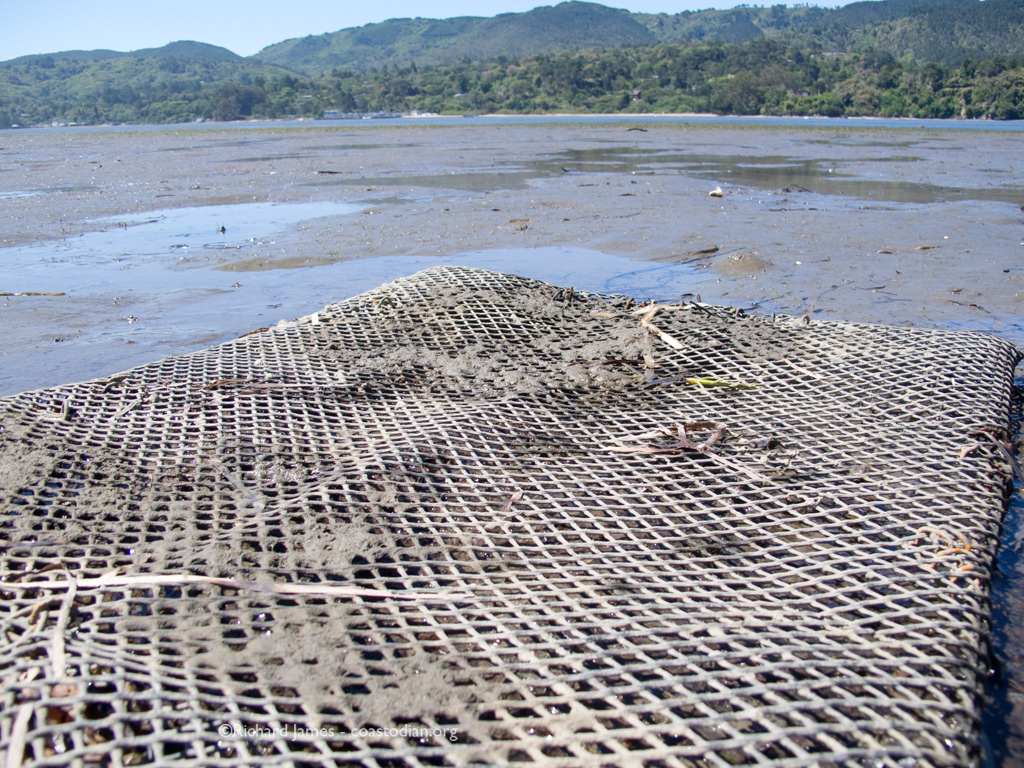
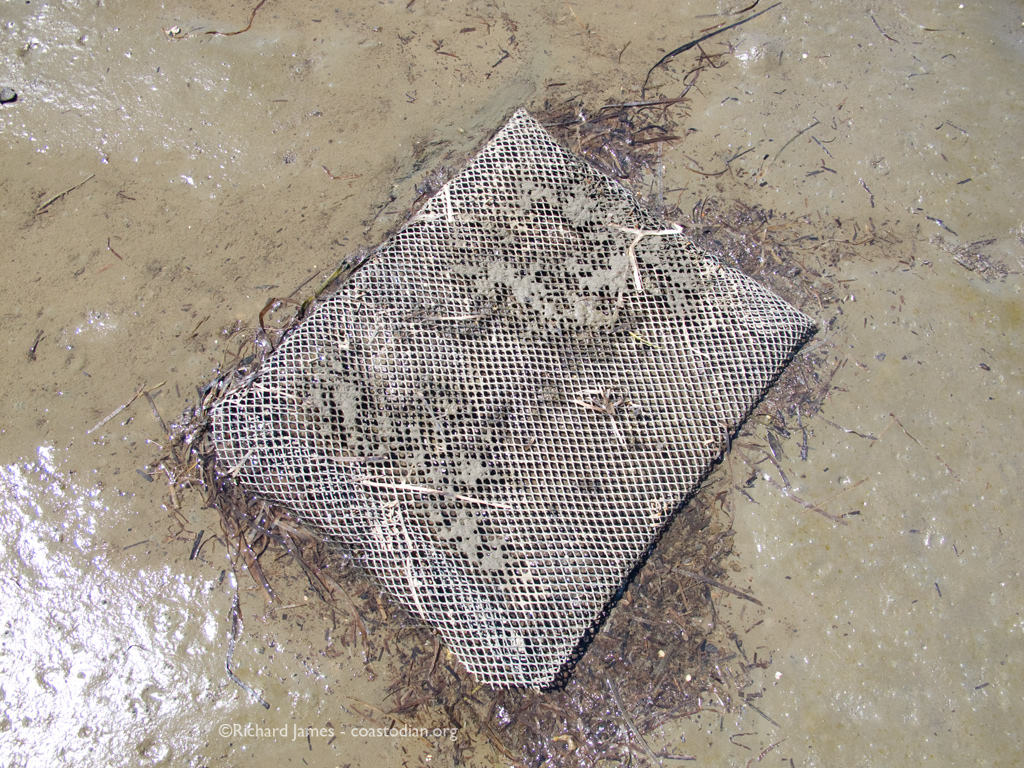
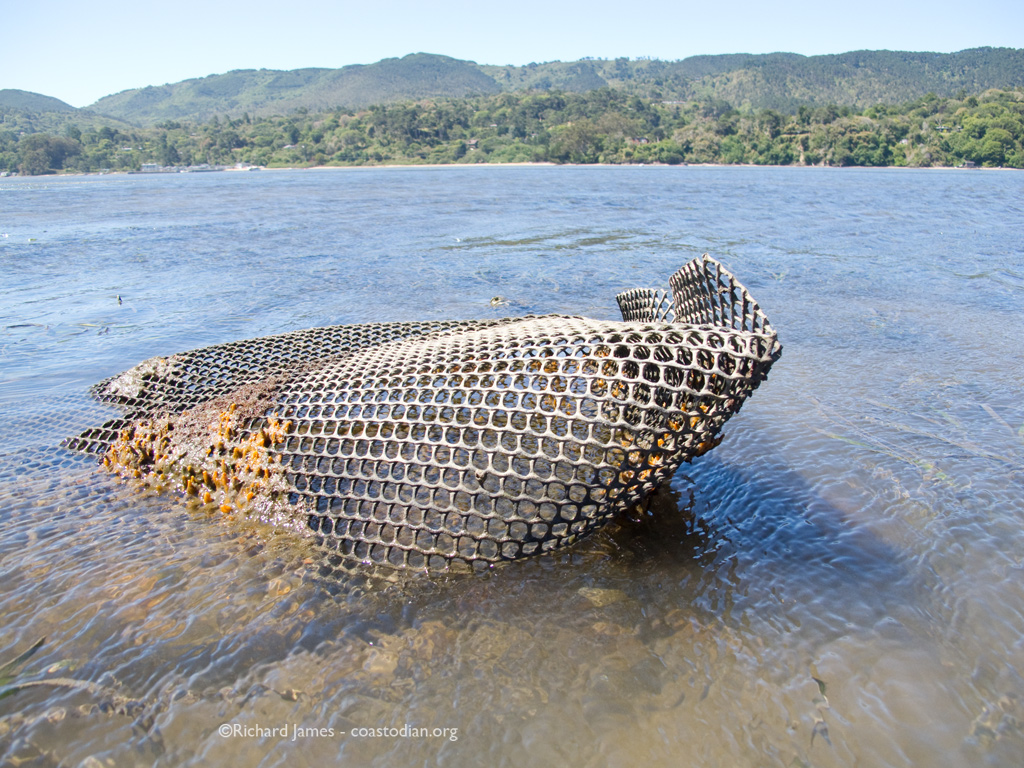
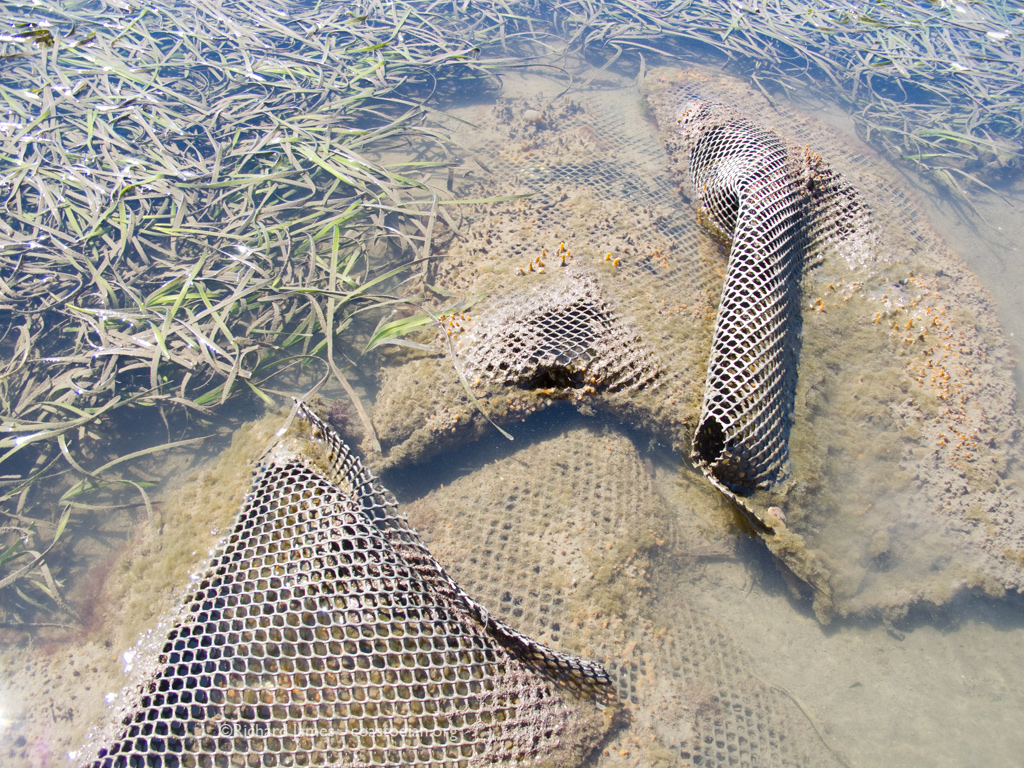
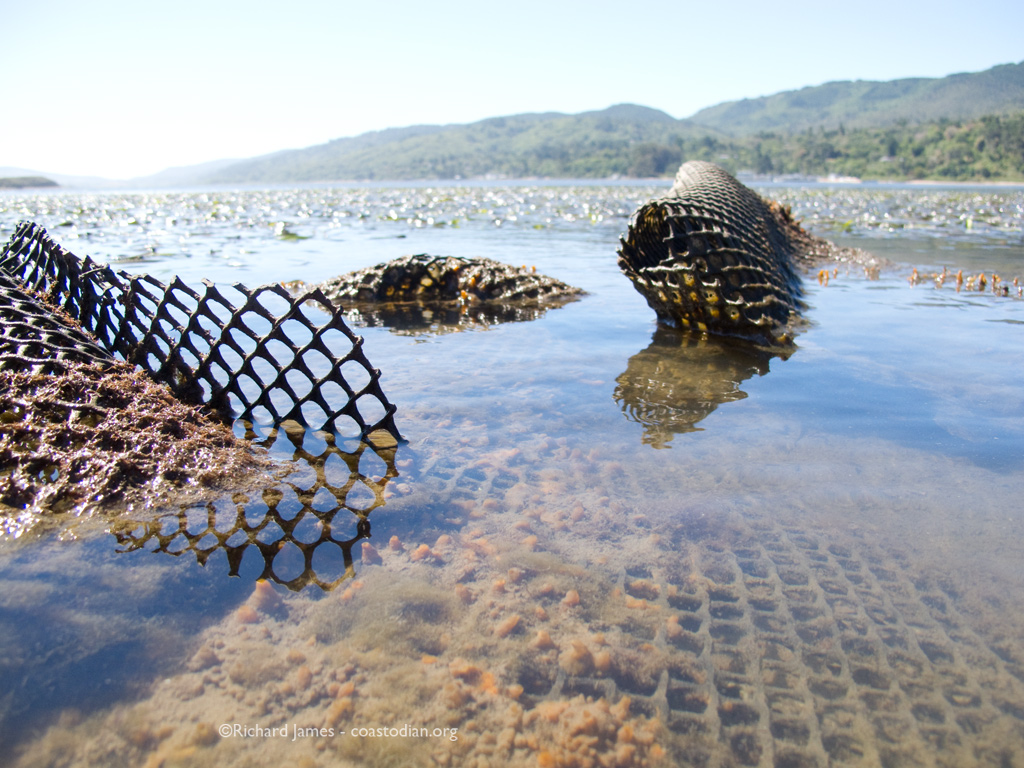
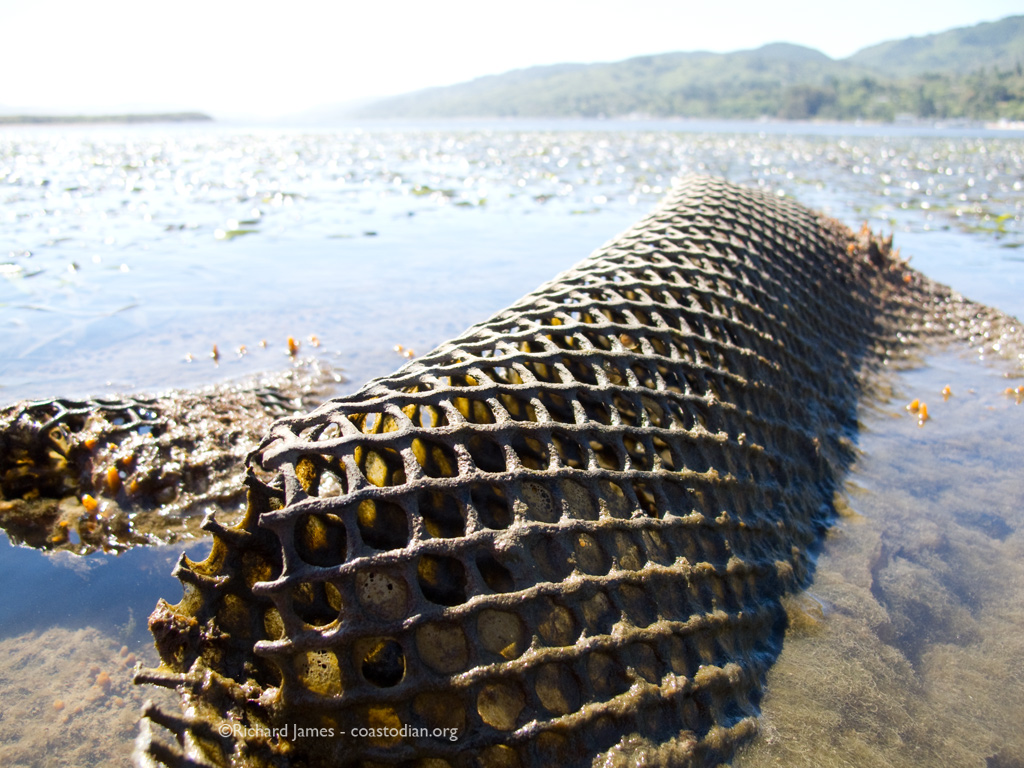
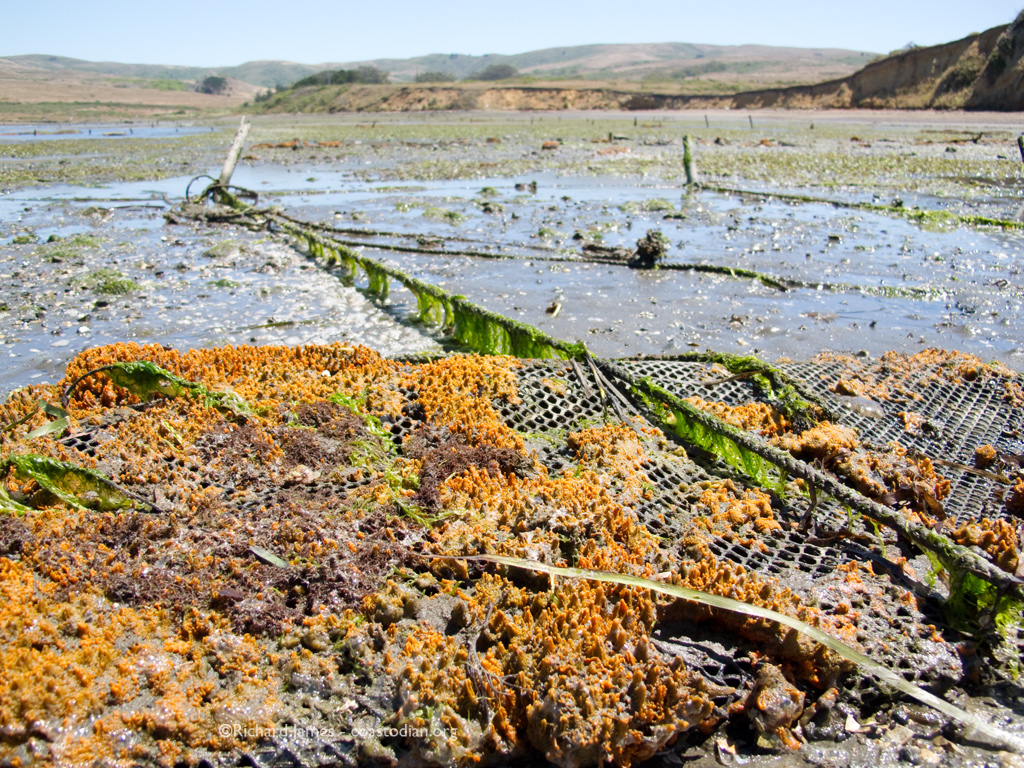
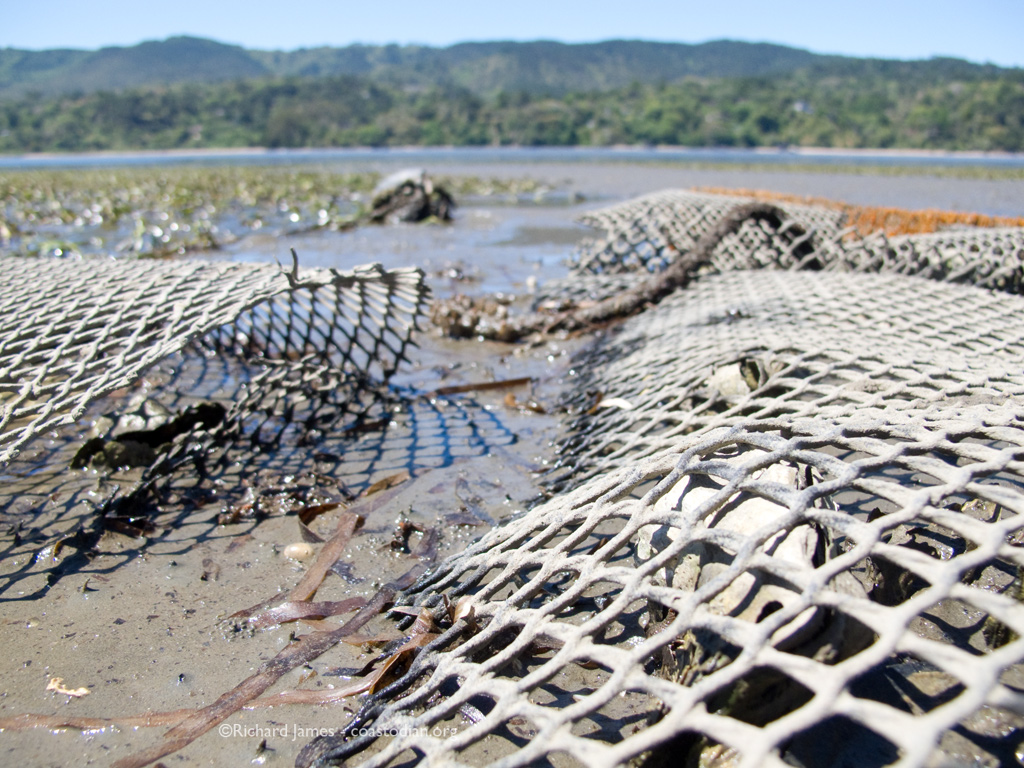
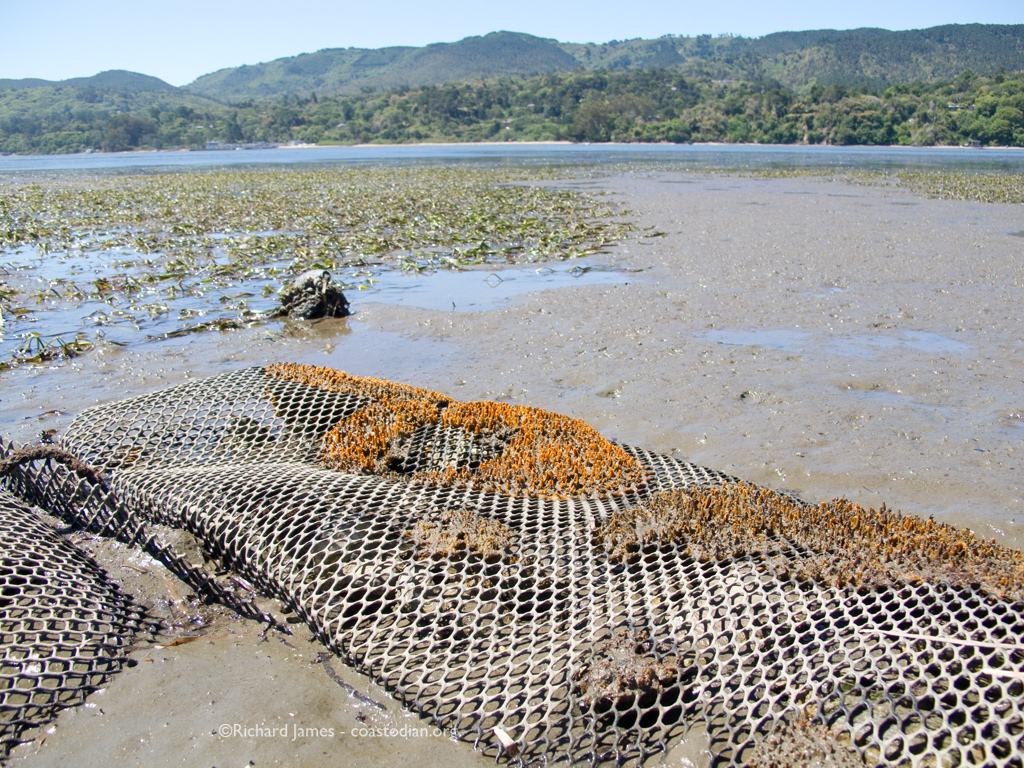
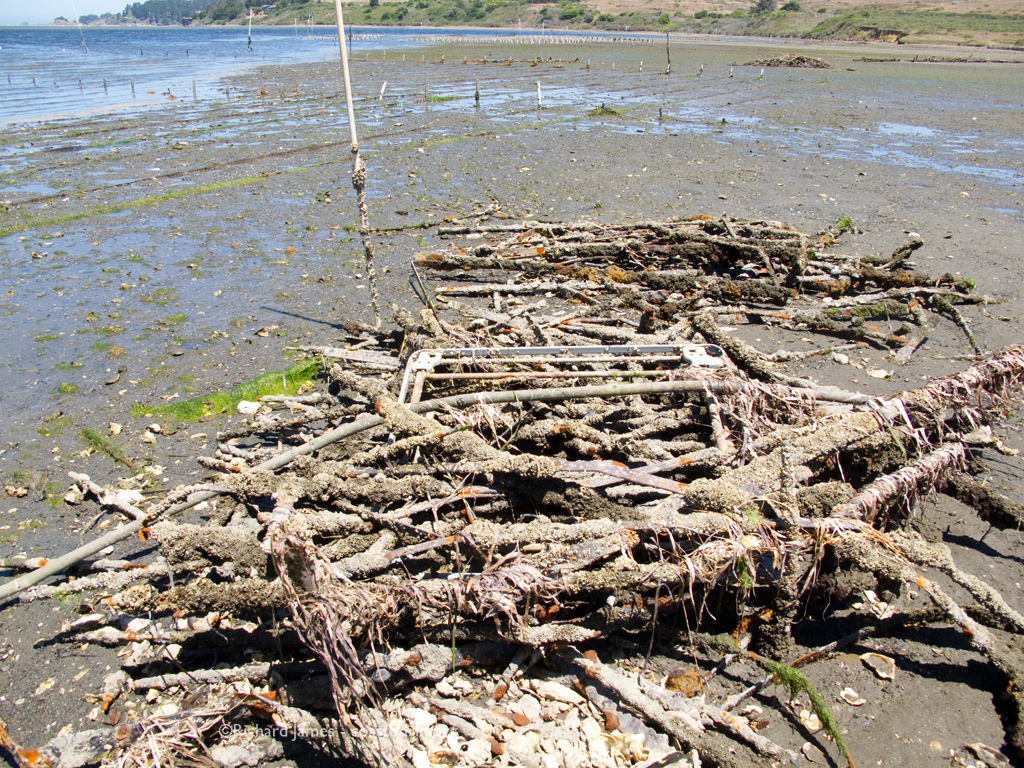
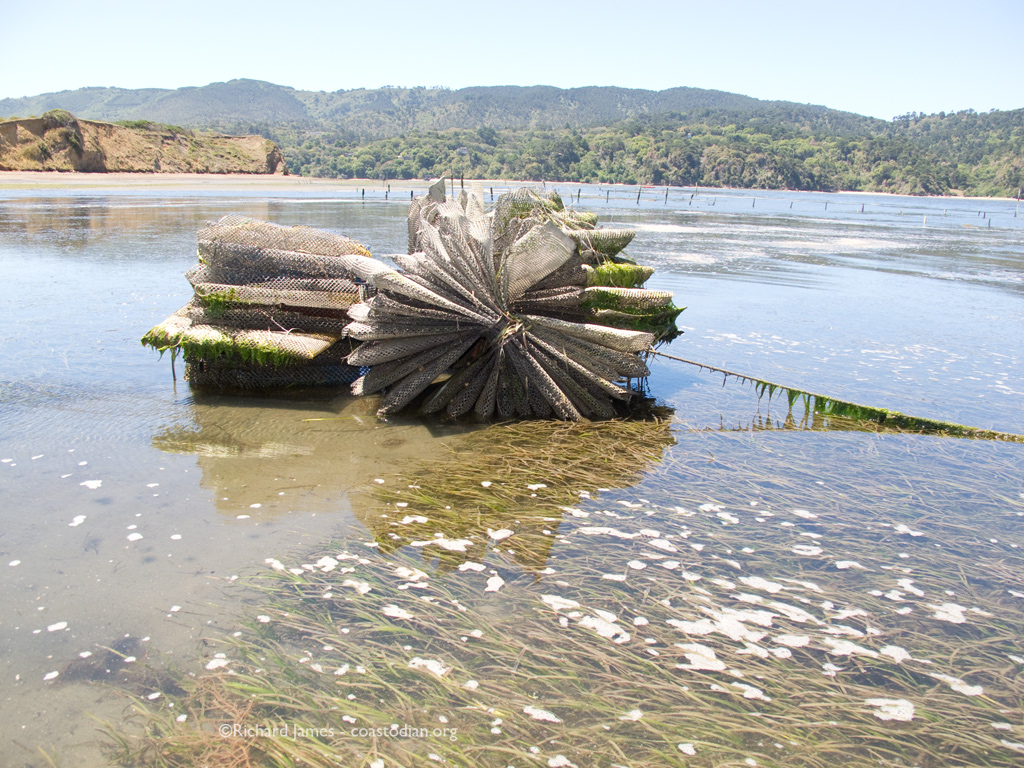
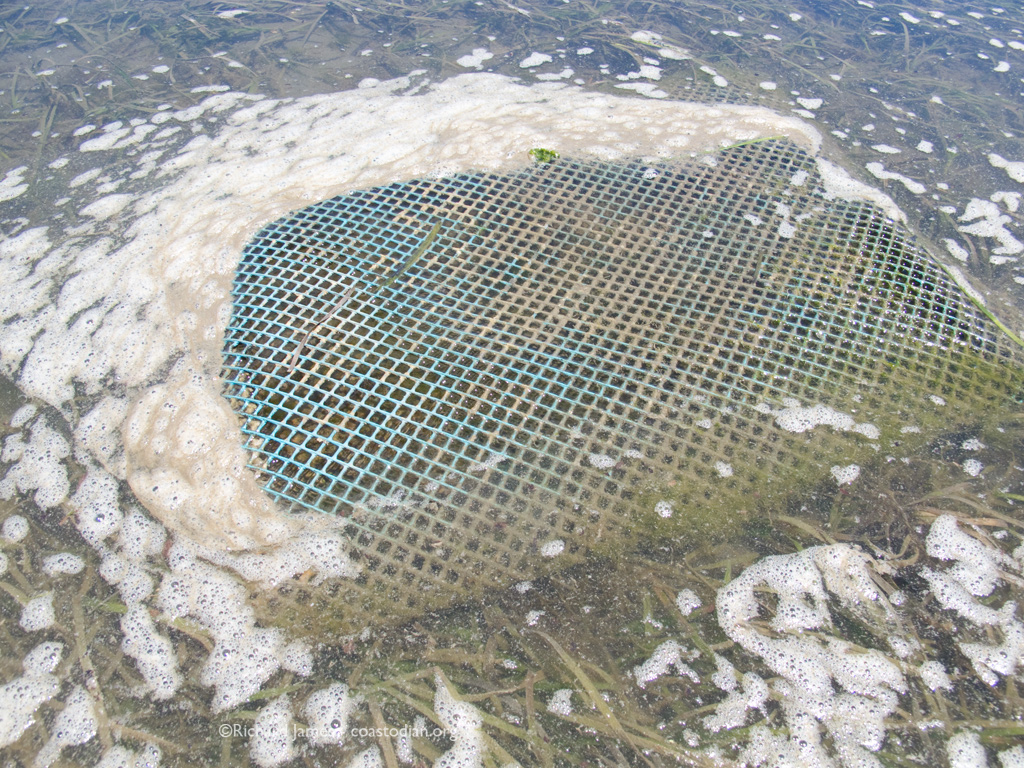
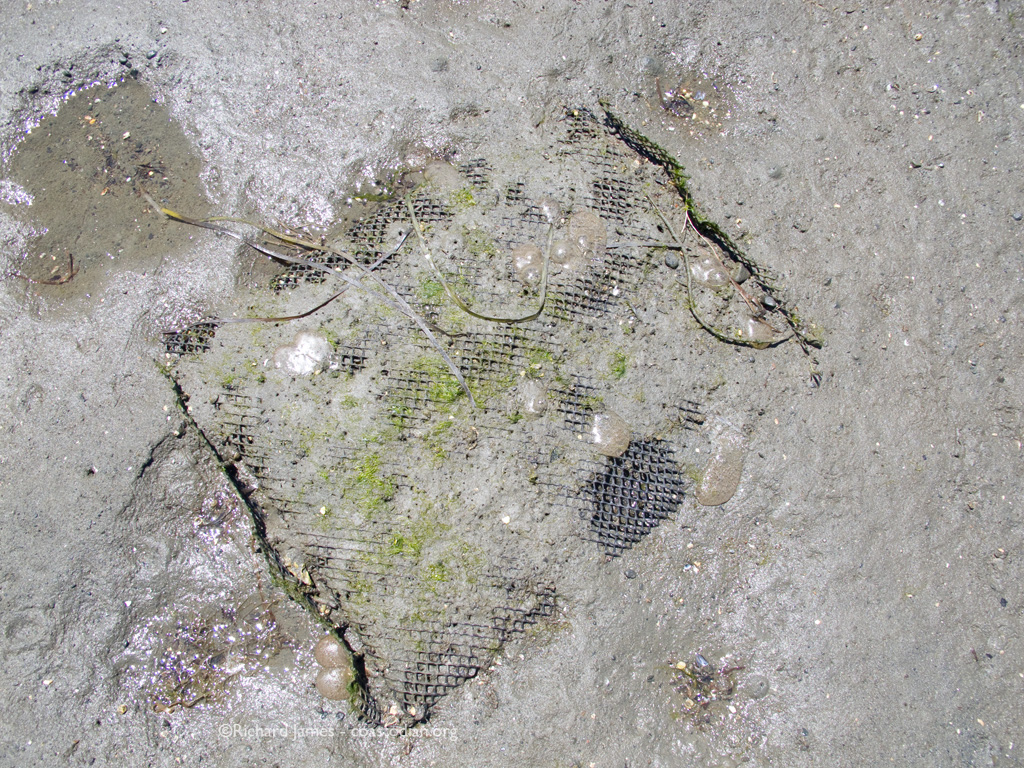
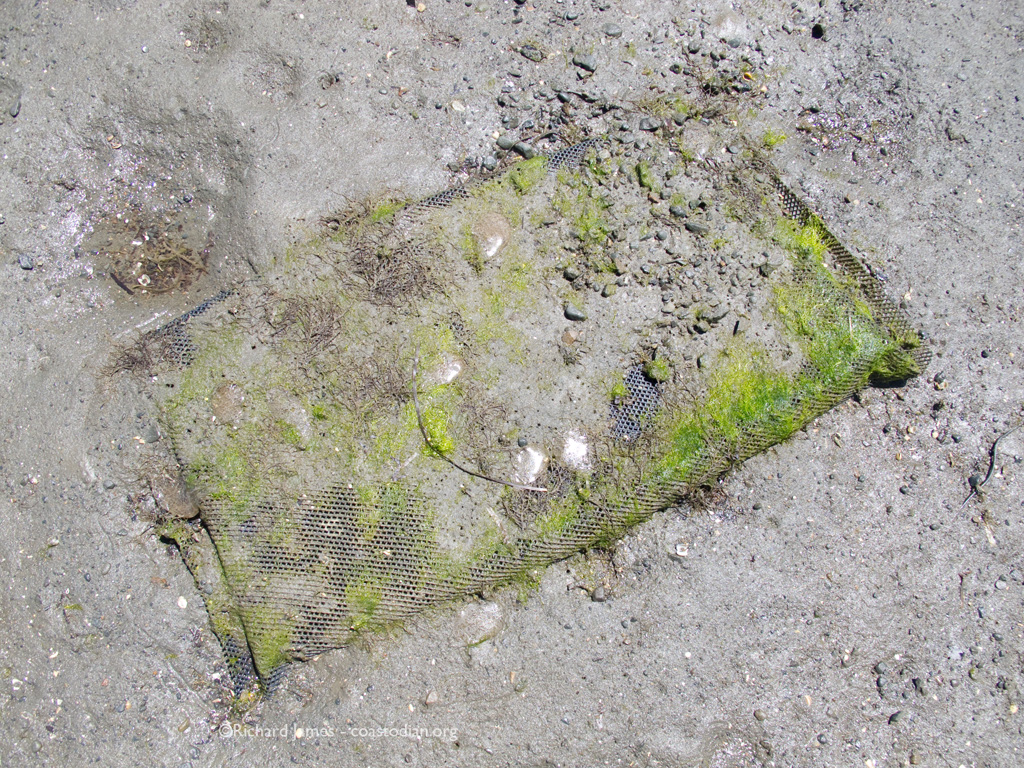
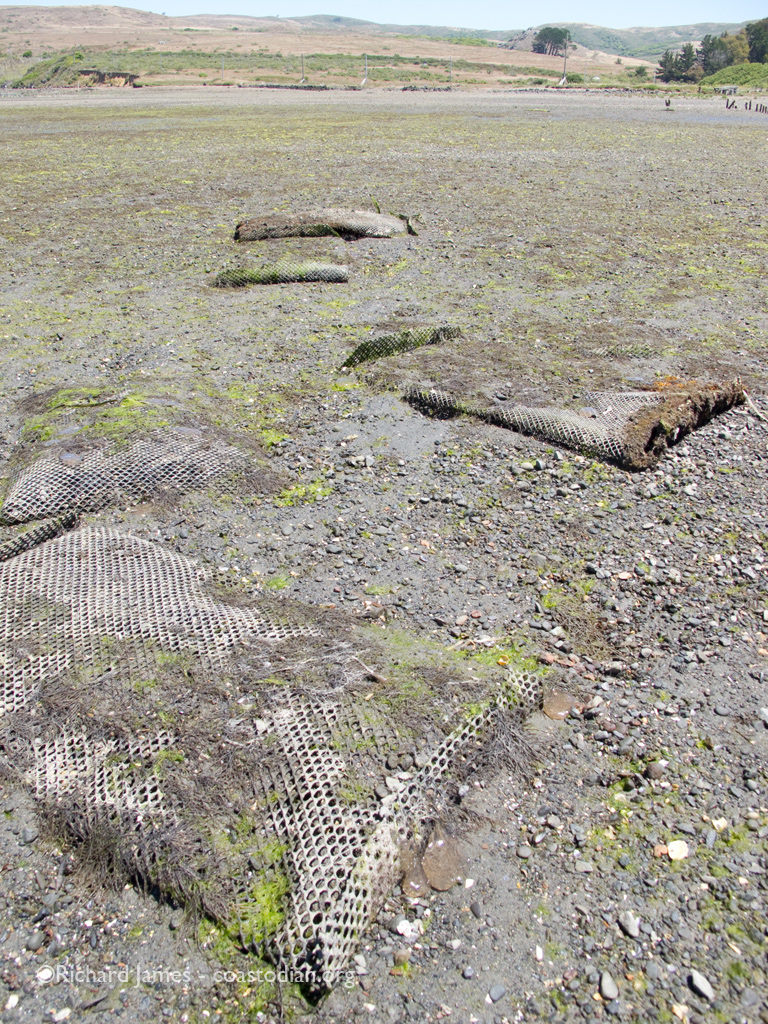
This past weekend I went back to have a look at some of the submerged bags, those filled with gravel and embedded in the sand, mud and gravel.

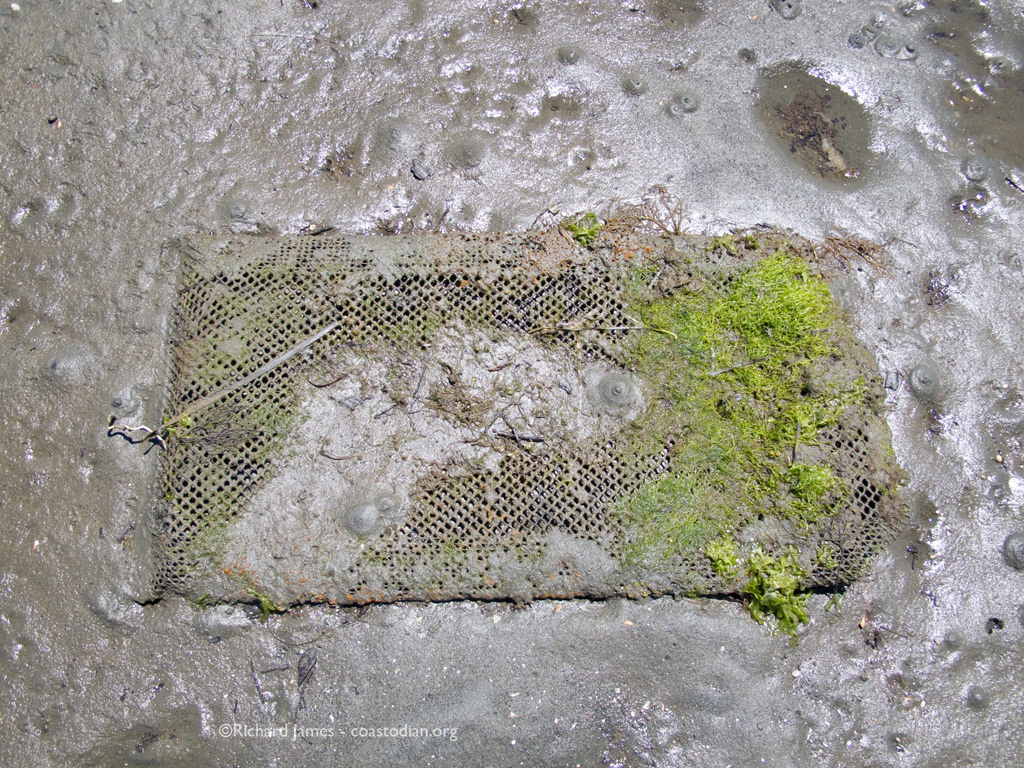
Unfortunately they were still there. as were the many bags I had tossed up high on the shore to keep the tide from carrying them away.

I found that by slicing along one edge of the buried bags, the sand and gravel can be more easily emptied out. But, the freshly sliced plastic is also very sharp. My punctured thumb bled profusely after learning this the hard way.

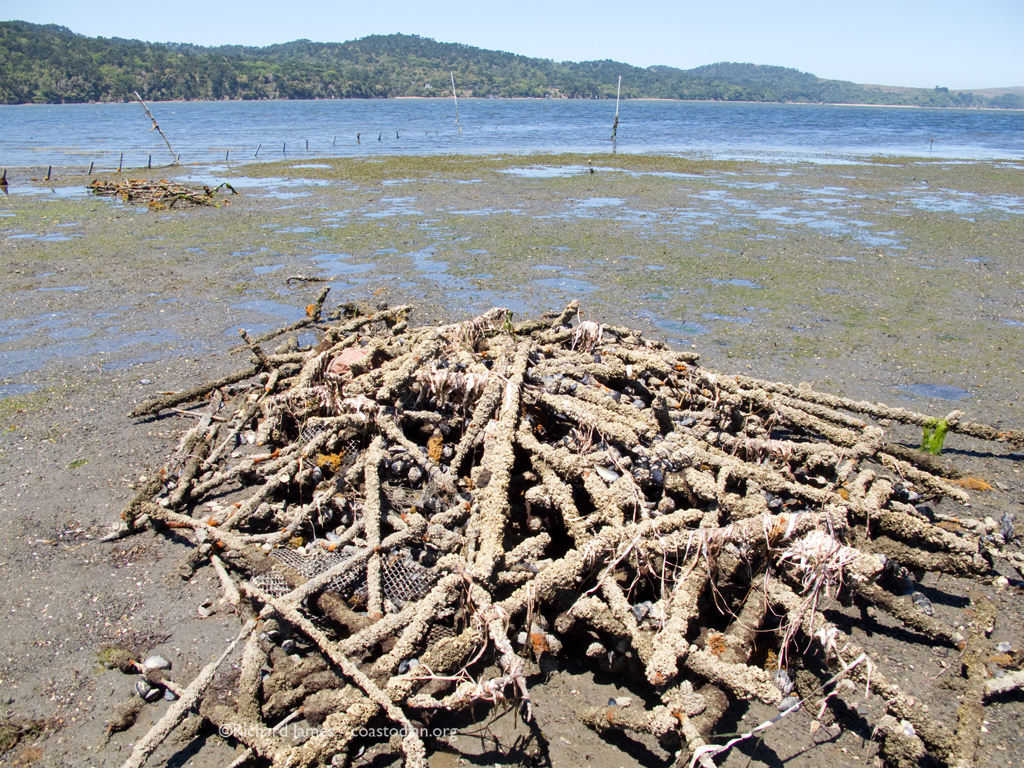
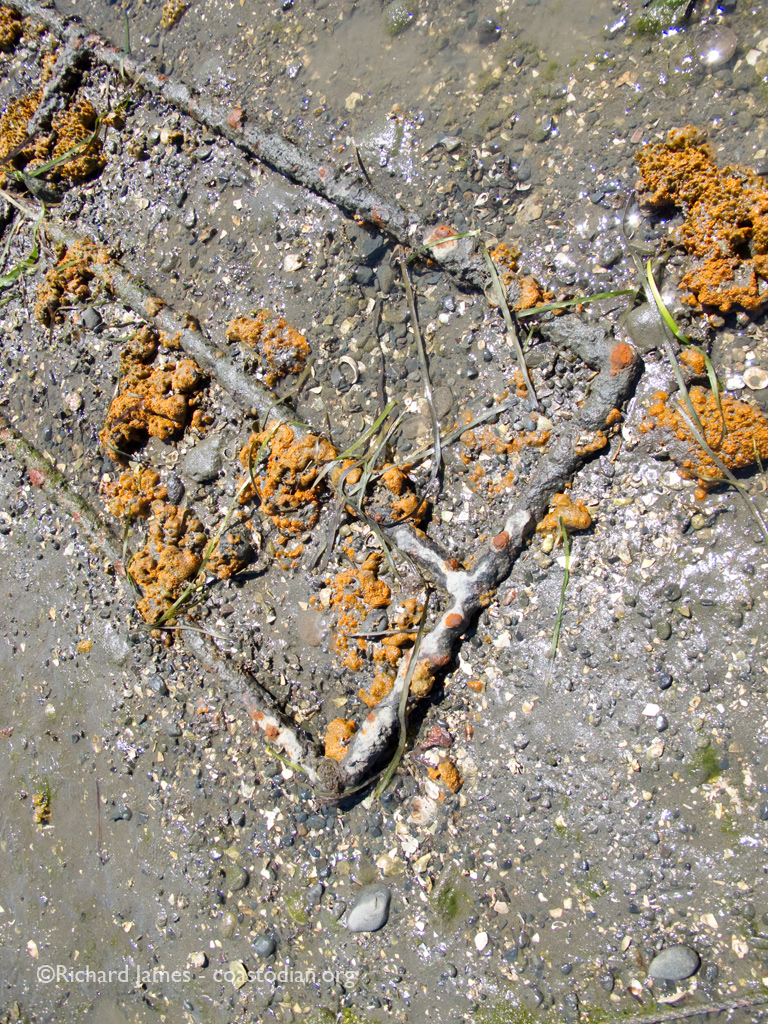
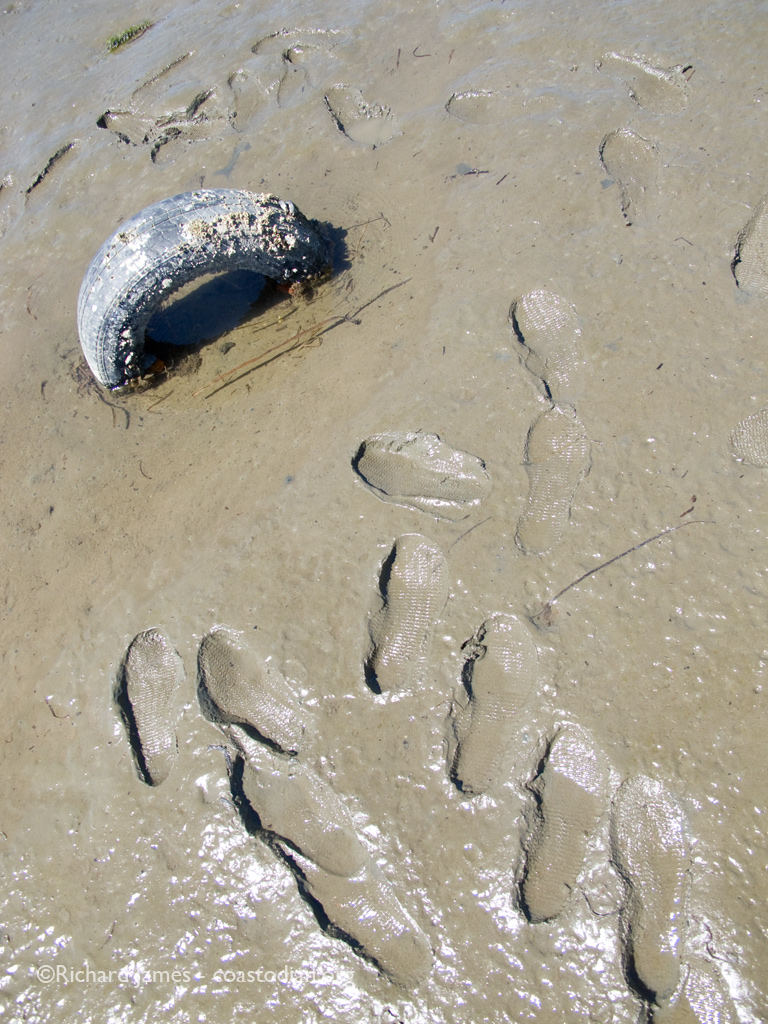
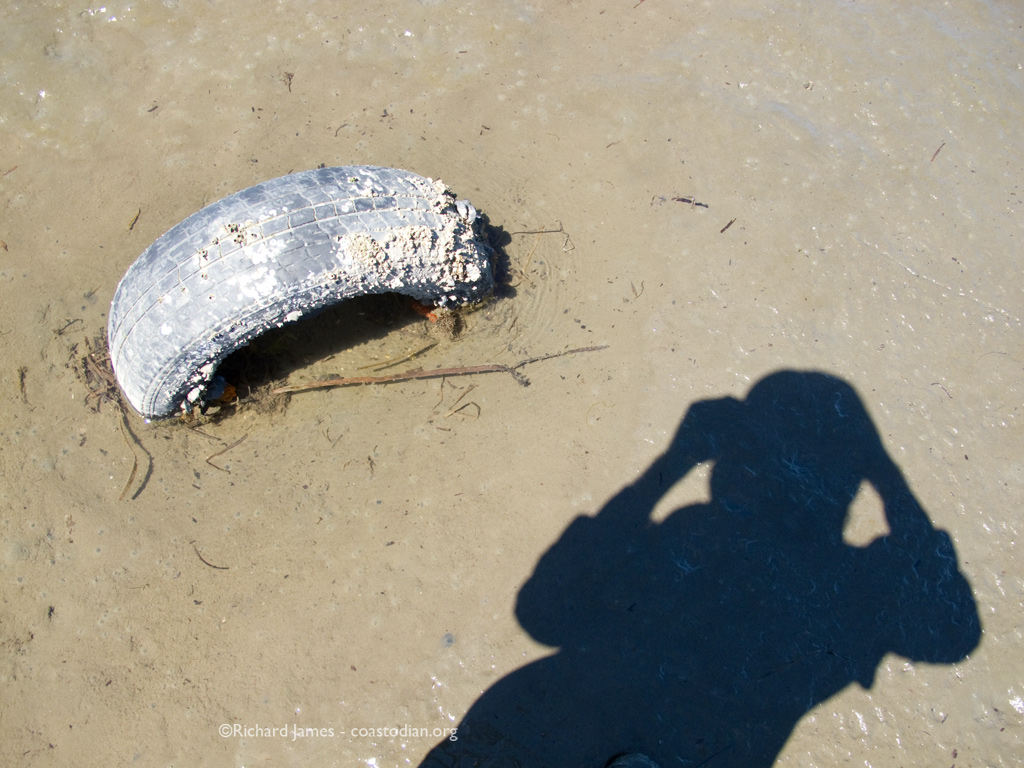
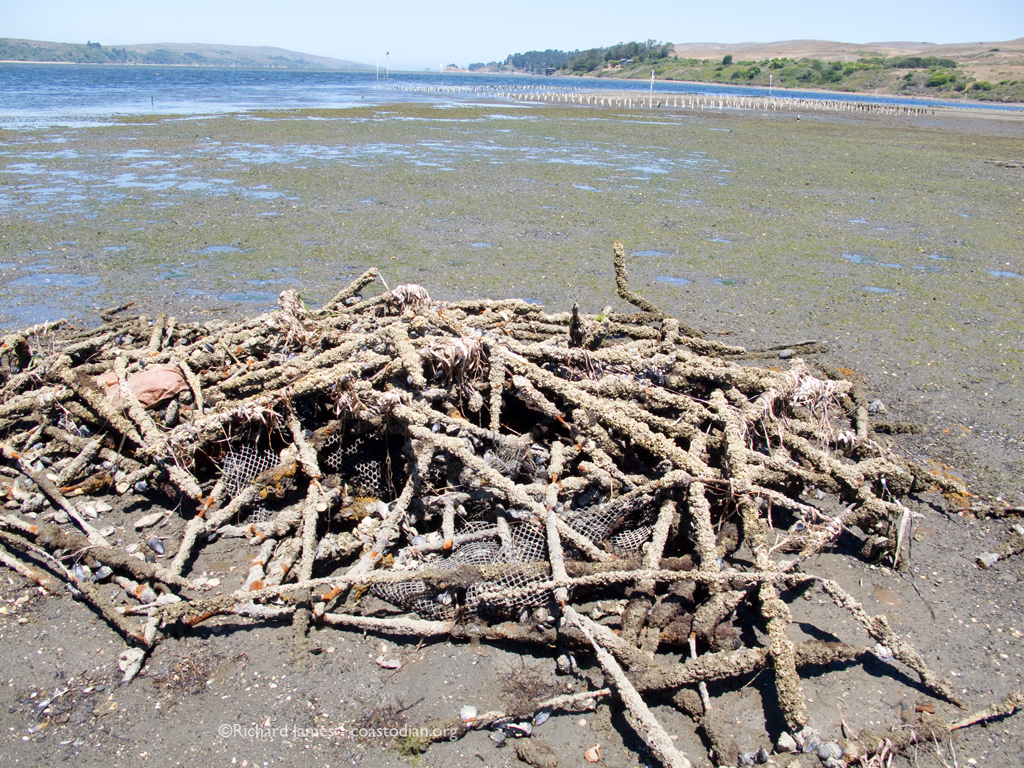
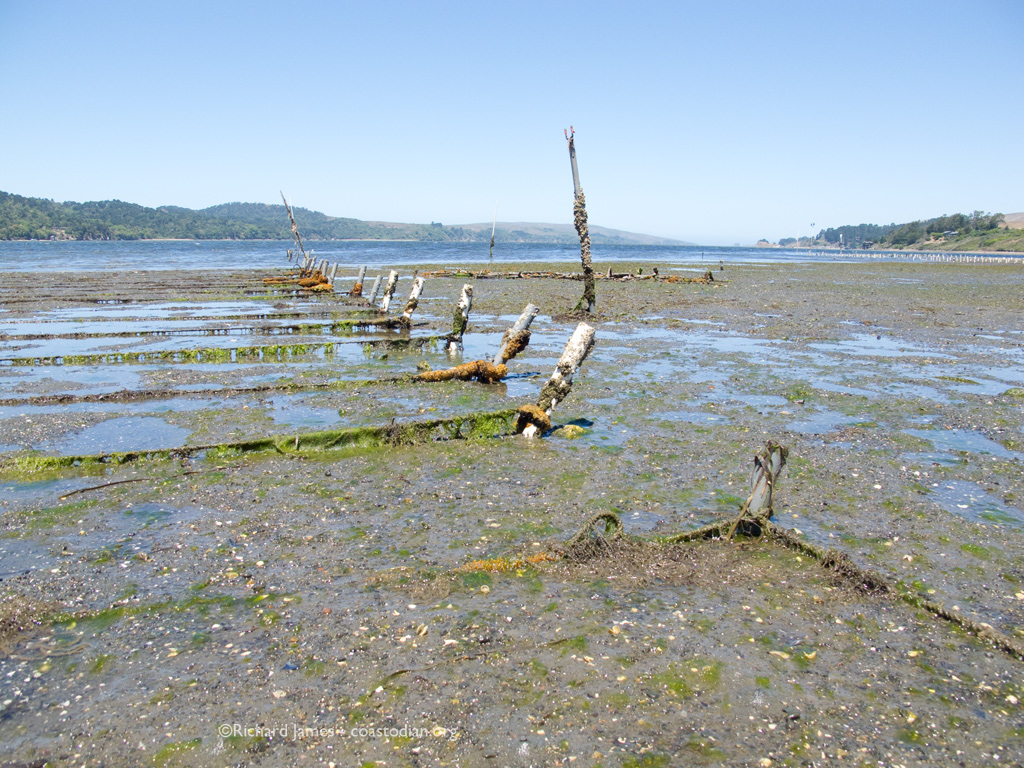
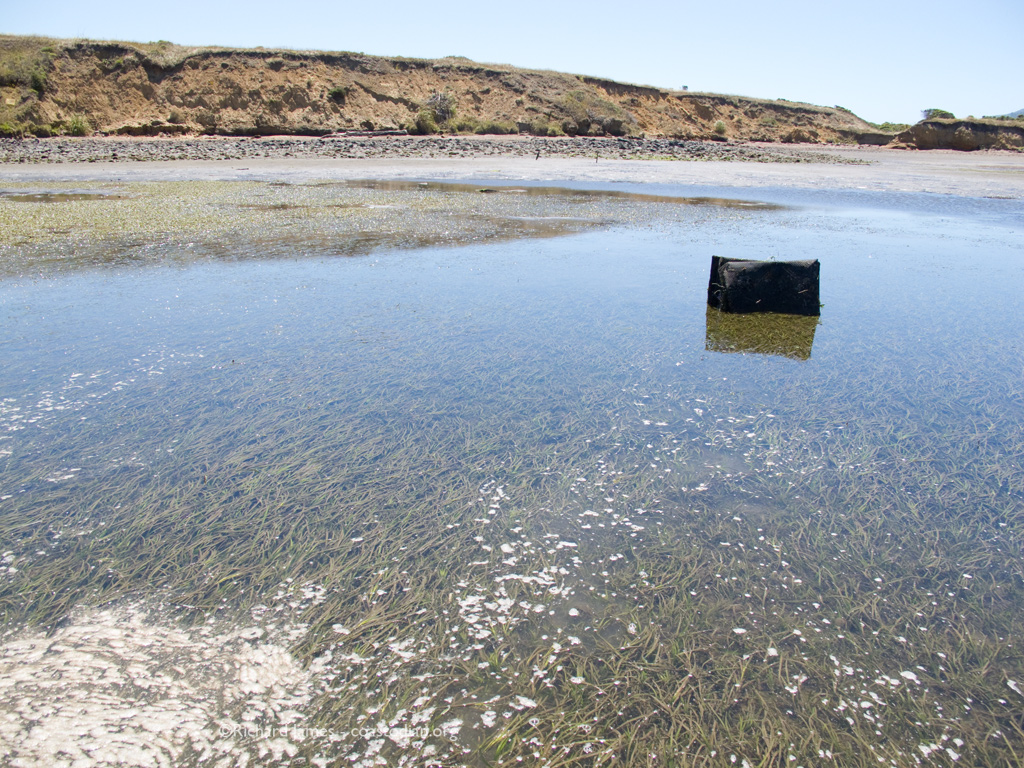
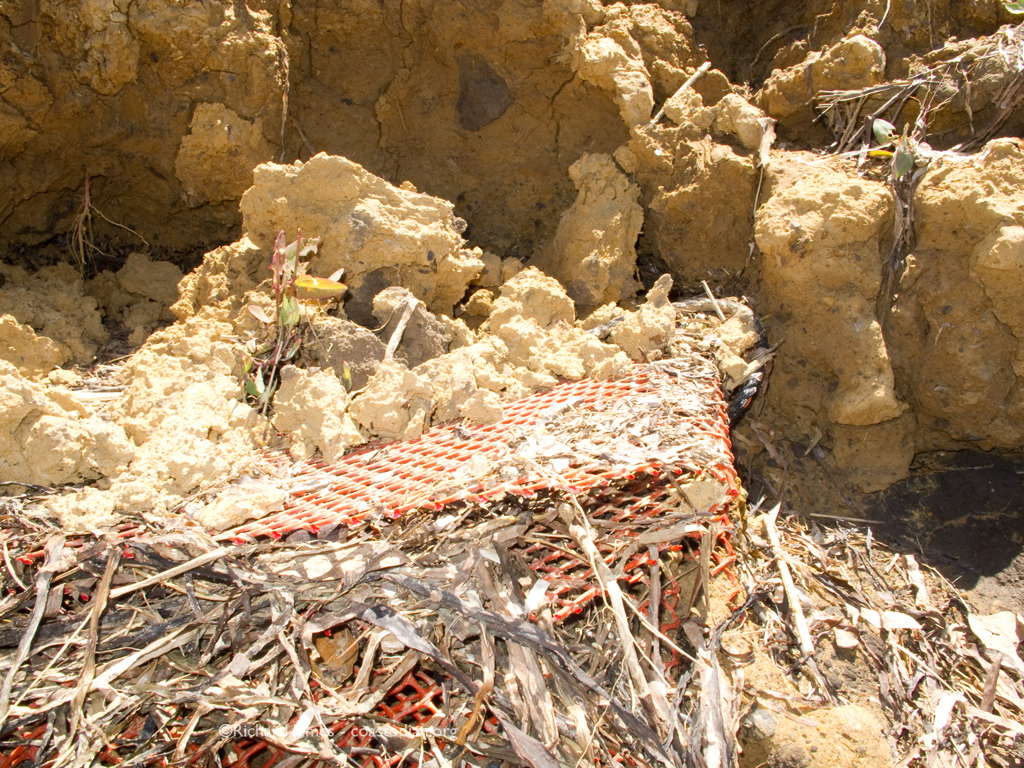
What follows are images showing the consequences of sustainable, low-impact, no inputs required mariculture of West Marin.

Have a look and ask yourself if this truly is as earth-friendly as it is being portrayed. I imagine with some thought, as well as more labor, oysters could be grown and harvested without leaving such a mess behind.

In a future post, you’ll see evidence of the origin of many of the oysters sold in West Marin to a public that thinks they are buying “local”, as well as sustainable.

All images can be seen larger simply by clicking on them.
IMG_0655


click image for larger version

IMG_0654


IMG_0653


click image for larger version

IMG_0651


IMG_0650


click image for larger version

IMG_0649


IMG_0647


click image for larger version

IMG_0645


IMG_0644


click image for larger version

IMG_0641


IMG_0639


click image for larger version

RJames.MVI_0622


RJames.IMG_0637


click image for larger version

RJames.IMG_0636


RJames.IMG_0635


click image for larger version

RJames.IMG_0634


RJames.IMG_0632


click image for larger version

RJames.IMG_0630


Above or below, which view do you prefer?

RJames.IMG_0629


click image for larger version

RJames.IMG_0628


RJames.IMG_0627


click image for larger version

RJames.IMG_0626


RJames.IMG_0625


click image for larger version

RJames.IMG_0621


RJames.IMG_0619


click image for larger version

RJames.IMG_0617


RJames.IMG_0614


click image for larger version

RJames.IMG_0613


RJames.IMG_0612


click image for larger version

RJames.IMG_0611


RJames.IMG_0610

.

Next related post may be found here.

Previous related post may be found here.

See the first post in this series “Save our Tomales Bay” here.
Doing what’s right for the ecology

In yesterday’s Marin Independent-Journal is a view of the situation unfolding in Drake’s Estero not before seen in print (by me anyhow).

Joe Mueller, professor of Marine Biology, College of Marin writes:

“I COMMEND the level of public engagement in the debate over whether to protect Drakes Estero marine wilderness or continue commercial oyster operations in our local national park. While the decision did not rest on scientific matters, fundamental ecological principles have always supported protecting this estuary.

As a local professor of marine ecology and environmental science for the past 25 years, I would be remiss if I didn’t voice strong disagreement with those that feel growing and extracting 20 million non-native oysters from the Drakes Bay Ecosystem is in any way commendable as an environmentally healthy practice.”

Read his entire piece here.

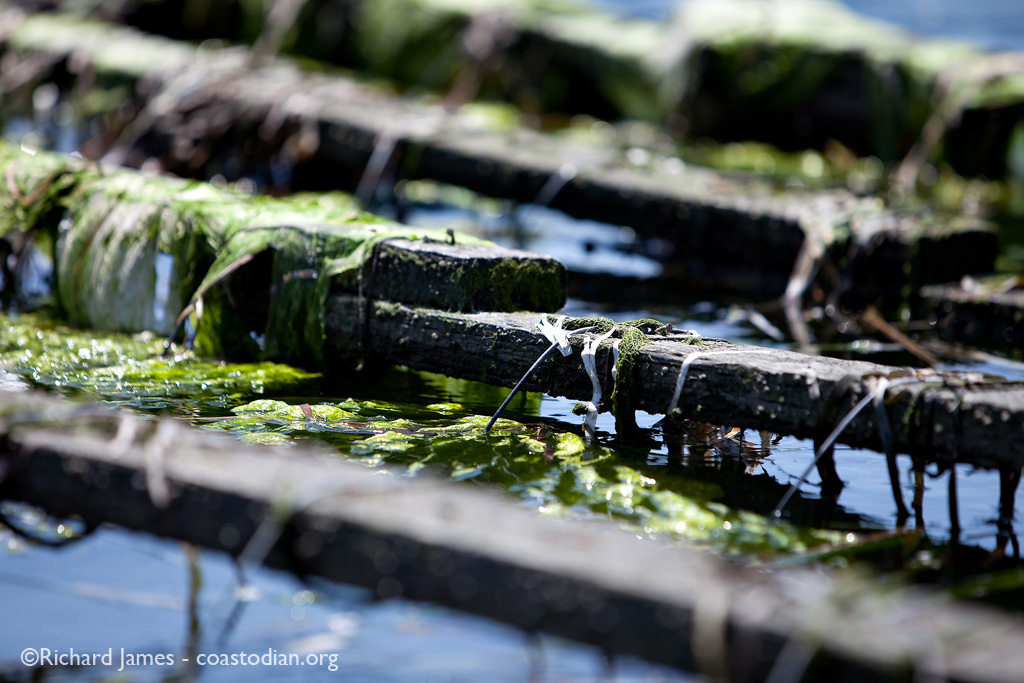
Oyster racks imbued with creosote covered with eel grass

Oyster racks imbued with creosote covered with eel grass

Click image for a larger view.

Read about creosote here.

Cormorants resting on oyster racks imbued with creosote

Cormorants resting on oyster racks imbued with creosote

Click image for a larger view.

Save our Tomales Bay – Part 4

Click on the words “Save our Tomales Bay” above to see this post as it was meant to be seen.

As always, to see a larger version of an image below, click on the image.

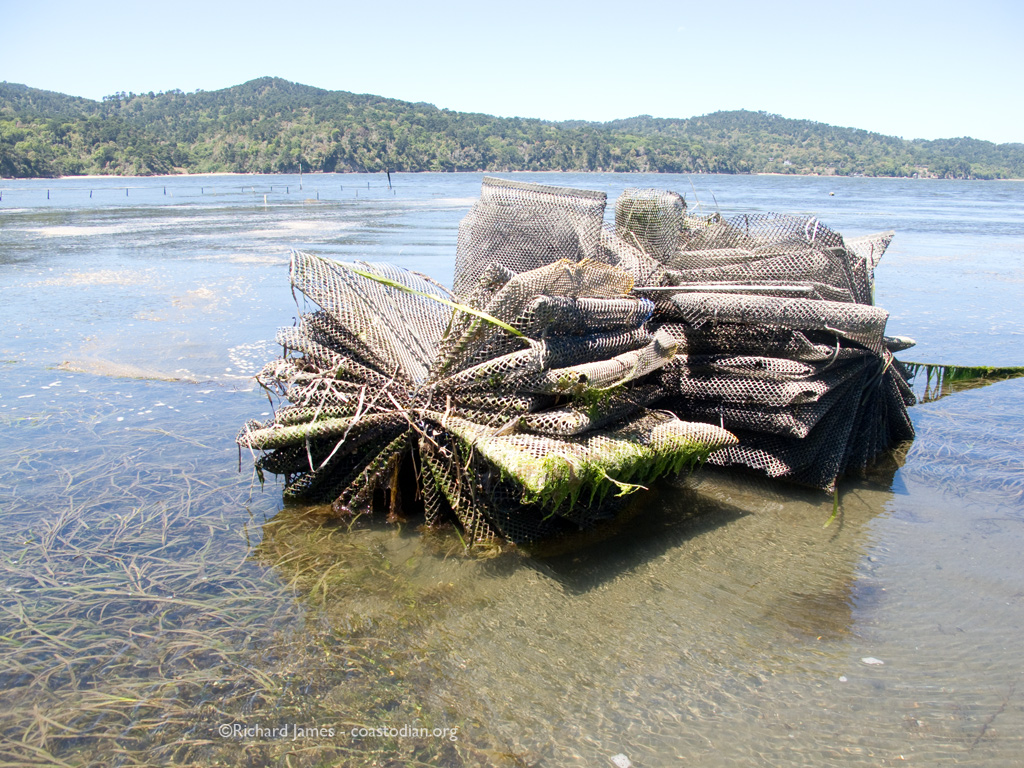
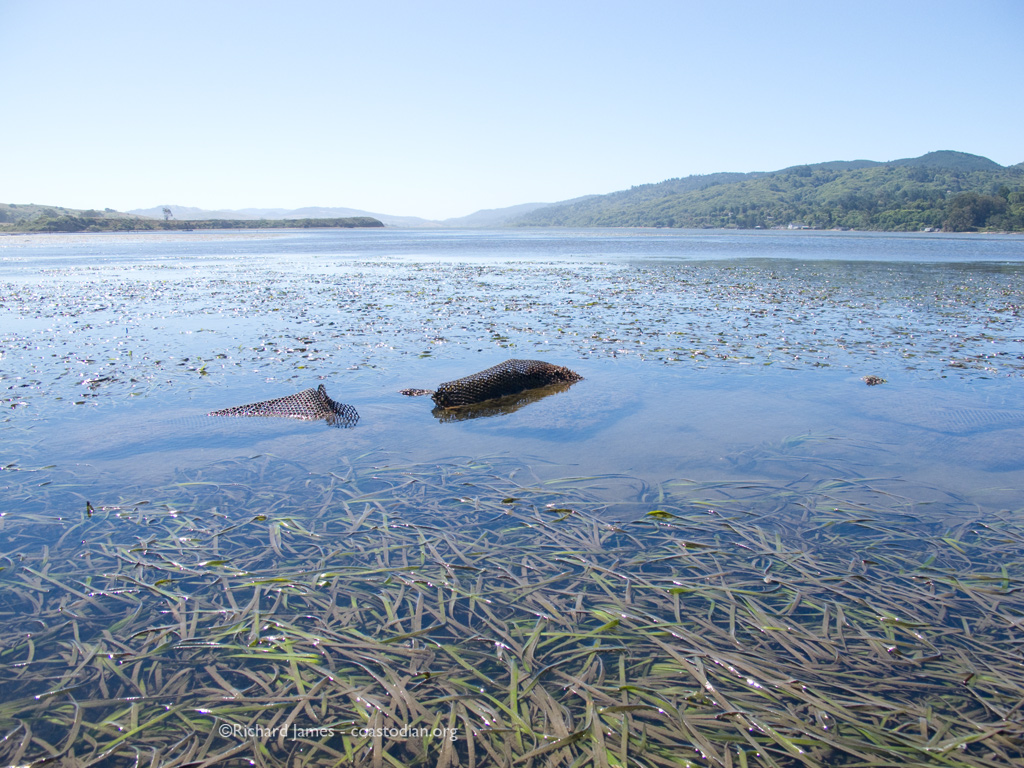
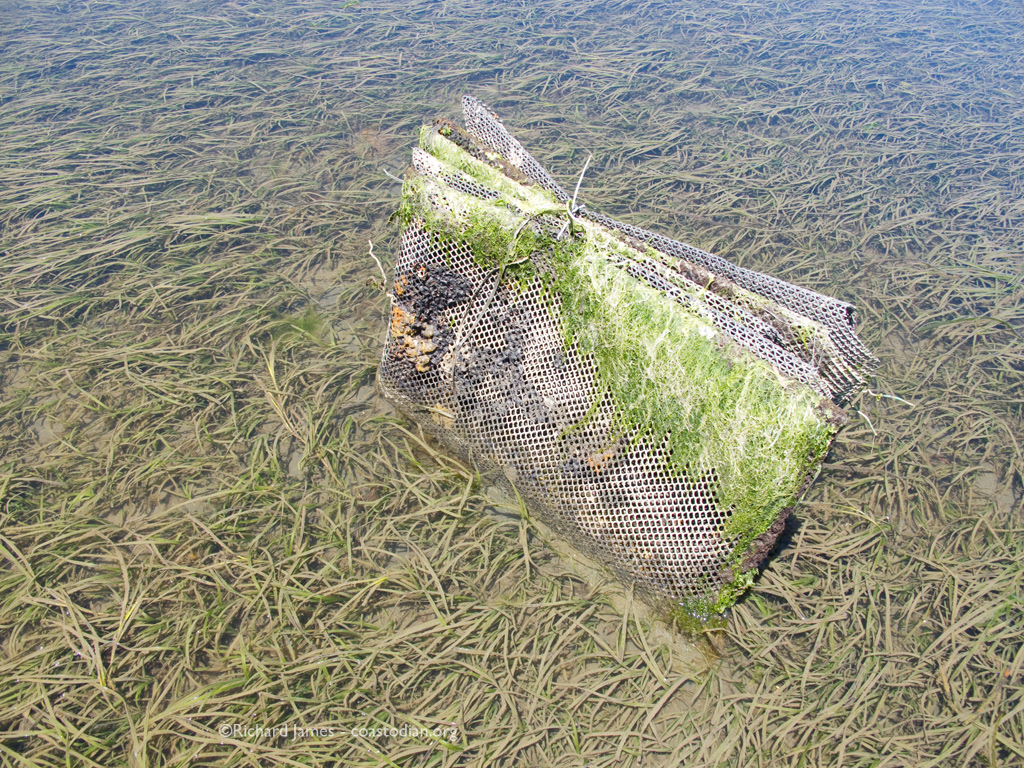
Last week while kayaking on Tomales Bay I came upon this grow out bag floating in the hot, bath-like water and mud south of Inverness Park – nearly to White House Pool. It had gotten loose from the area the commercial operation had placed it to grow and drifted a few miles south.

These bags get loose by the hundreds each year and drift all over the ocean, breaking down into smaller and smaller pieces of deadly plastic, one day to be eaten by a hapless bird out looking for food.

One idea that could address employment as well as ocean debris problems is for the oyster farms to hire more people to keep a closer eye on things.

Depending on the outcome of the seemingly never-ending dance of the liars, err lawyers, we may soon have many very experienced oyster-workers looking for work. And, as can be seen by anyone that takes the time to visit the waters of Tomales Bay, we have a never ending supply of feral plastic that needs tending to.


IMG_4703.cc


IMG_4705.crop.cc.cw

No matter which side of the fence you stand on the oyster issue, there is no denying that the view is sublime, and one which we all need to be doing our utmost to protect from degradation.


IMG_4712.cc.cw


I shall not tire in my efforts to ameliorate the impact of humans on this most sacred of places, earth.

IMG_4588.cc

.

Next related post may be found here.

Previous related post may be found here.

See the first post in this series “Save our Tomales Bay” here.

Tomales Bay Triptych – Western sandpiper style

Click on the words “Tomales Bay Triptych” above to see this post how it was meant to be seen.

As always, click on an image to see a larger version.

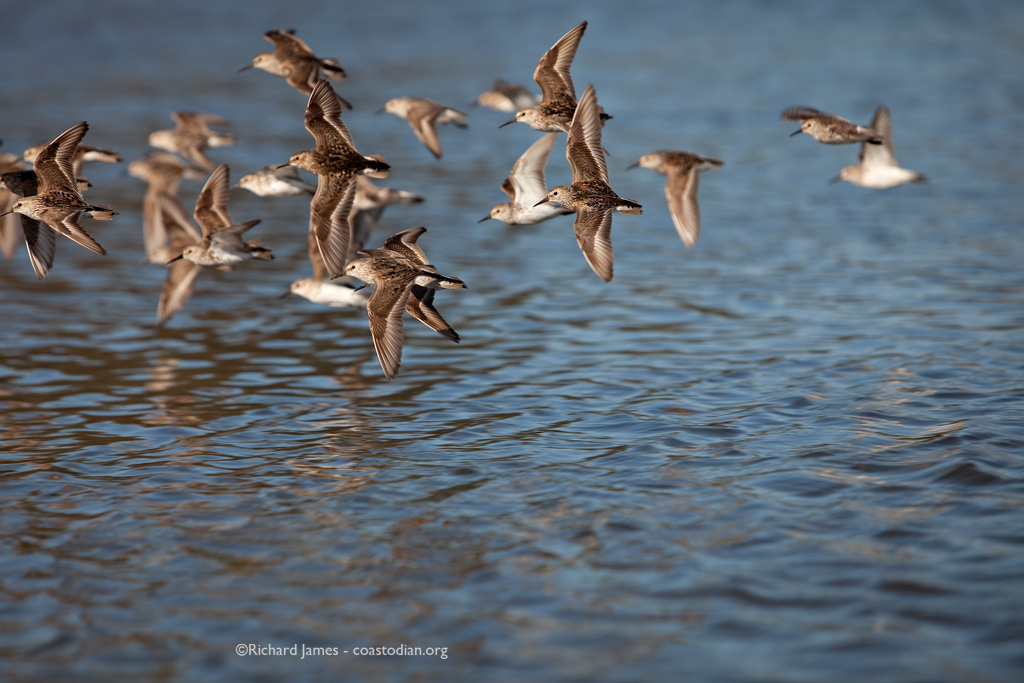
Put in at Chicken Ranch and paddled south nearly to White House Pool. Since I usually see these birds on a background of sand, they really look out of place on this large log in the bay.

Poetry in motion fairly describes their winged wandering.

IMG_4624.crop.cc

.

IMG_4658.8x12.cc

.

IMG_4668.cc

A day on the bay, SF that is

Click on the words “A day on the bay, SF that is” above to see this post as it was meant to be viewed.

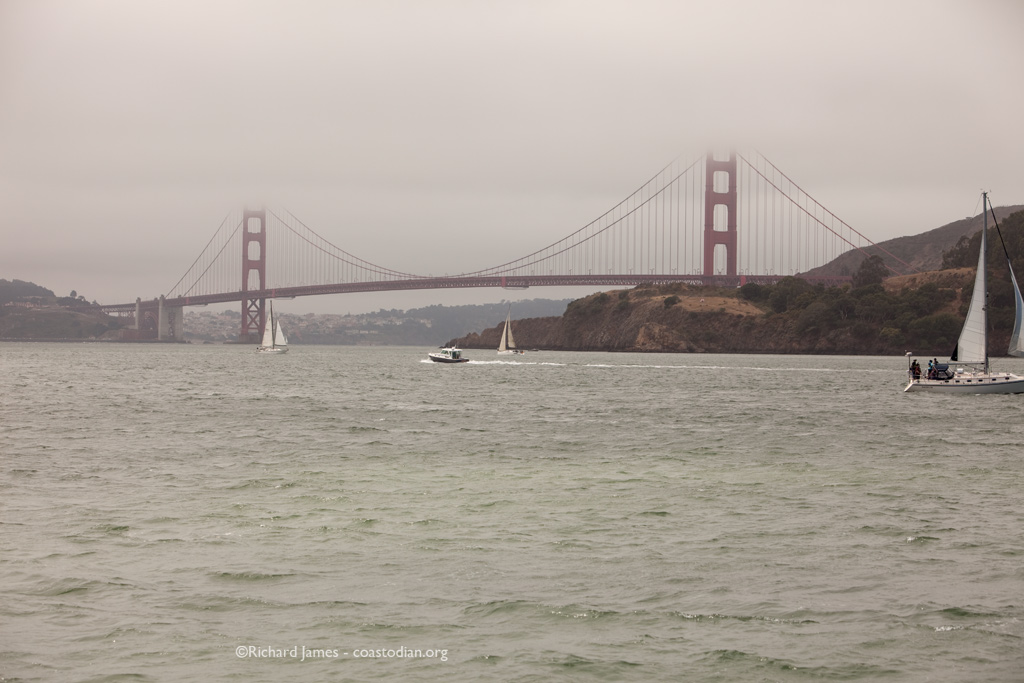
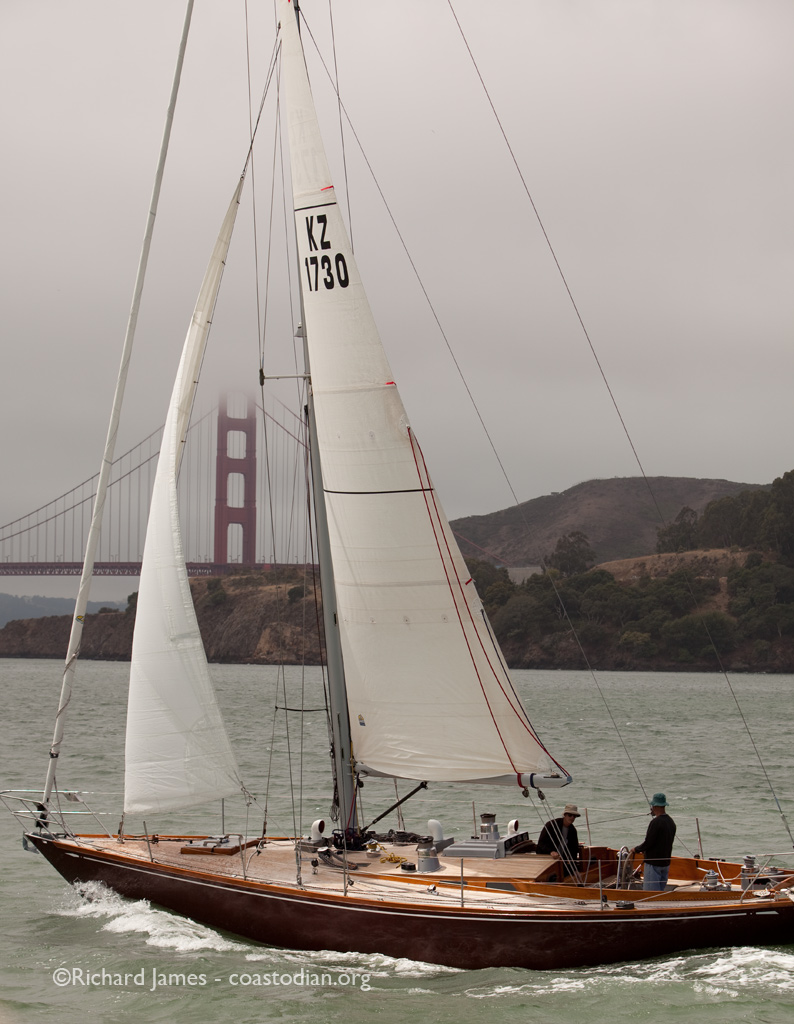
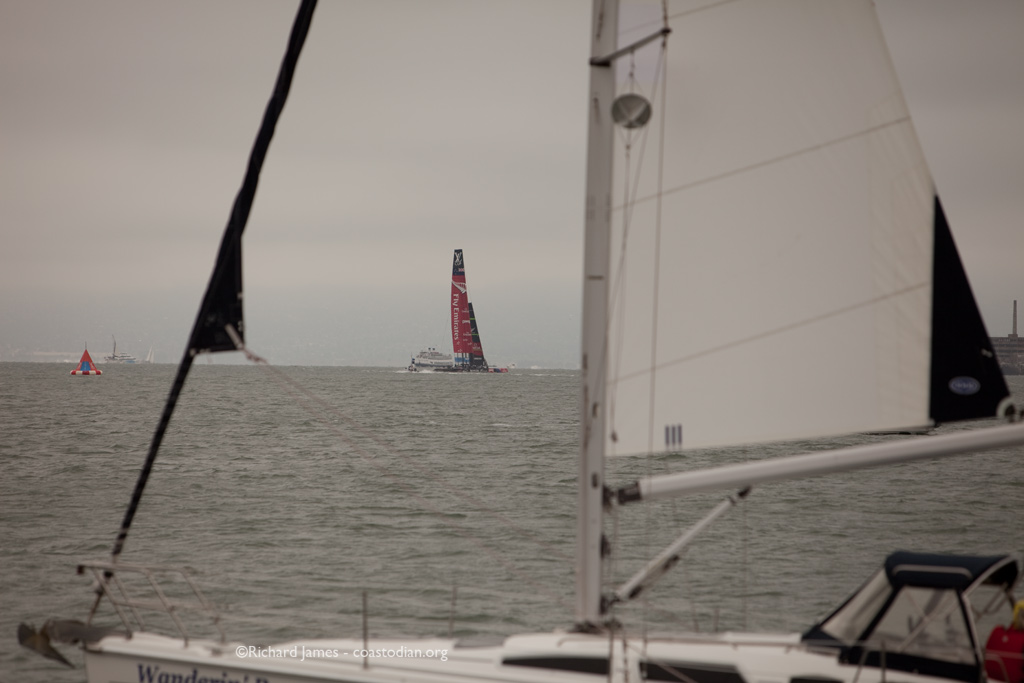
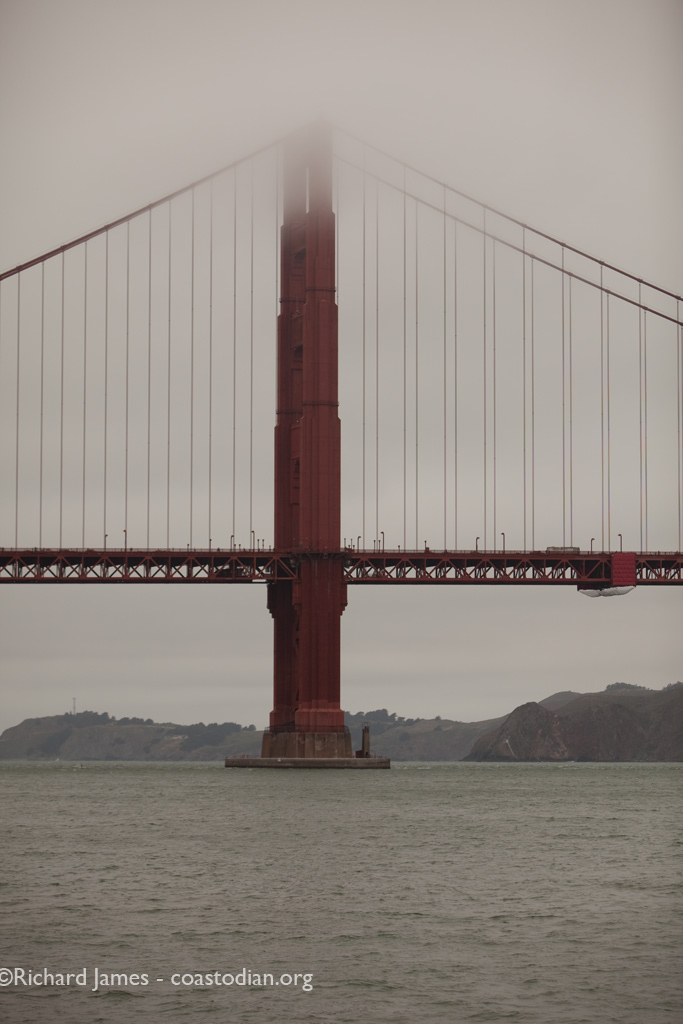
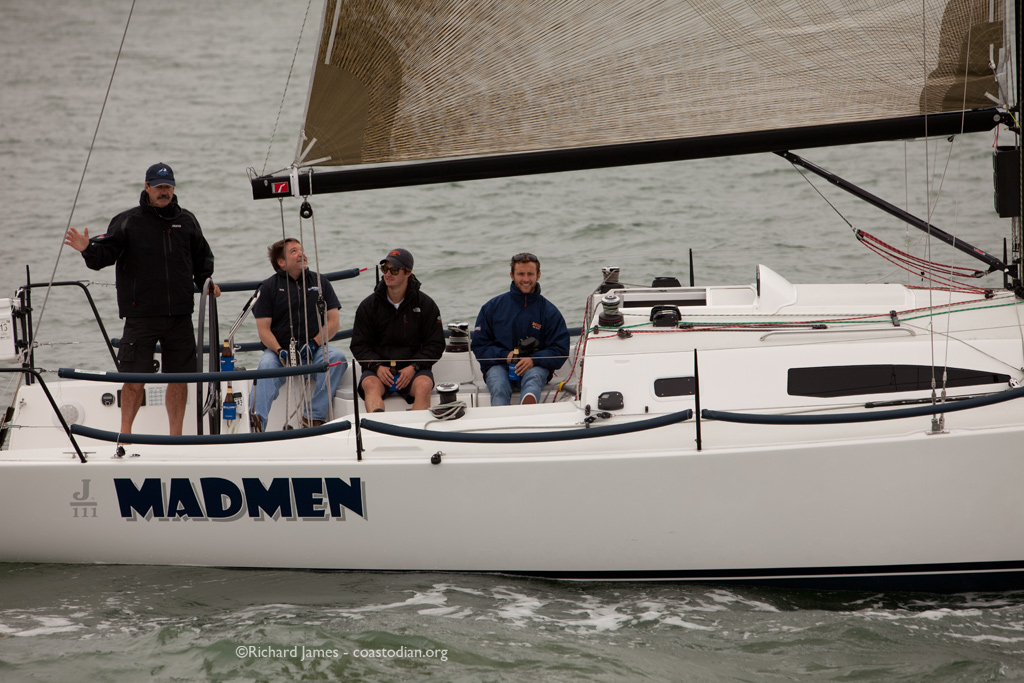
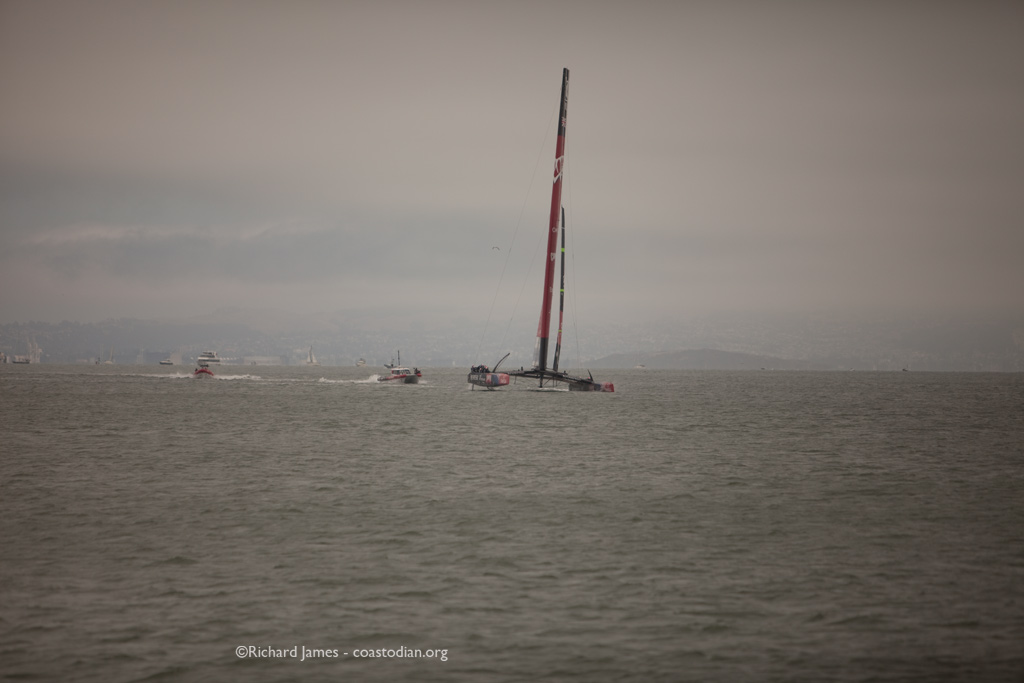
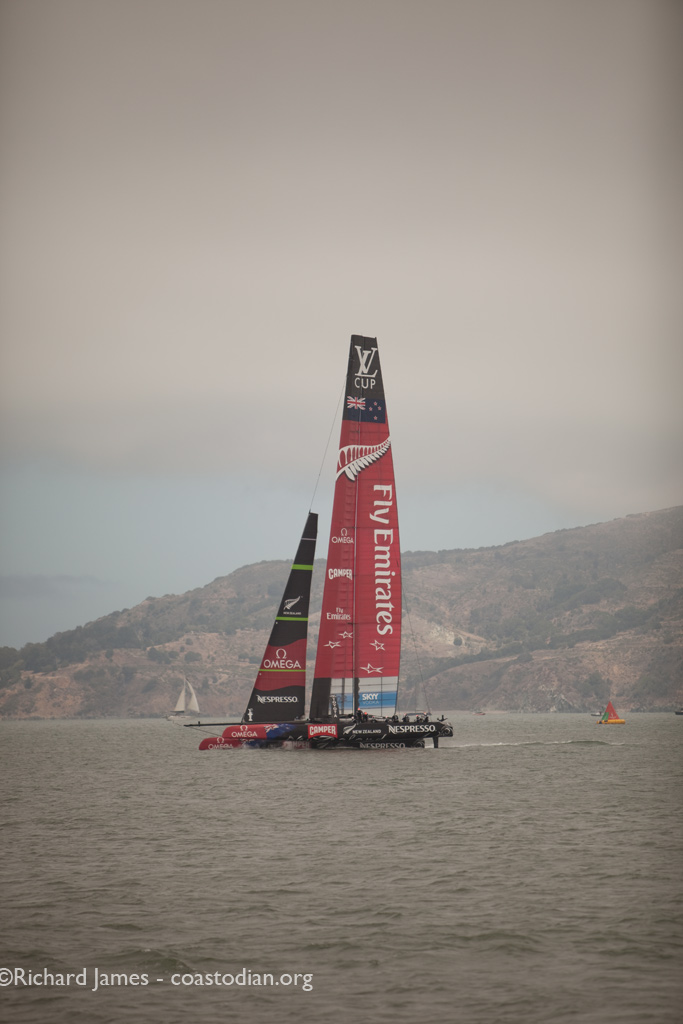
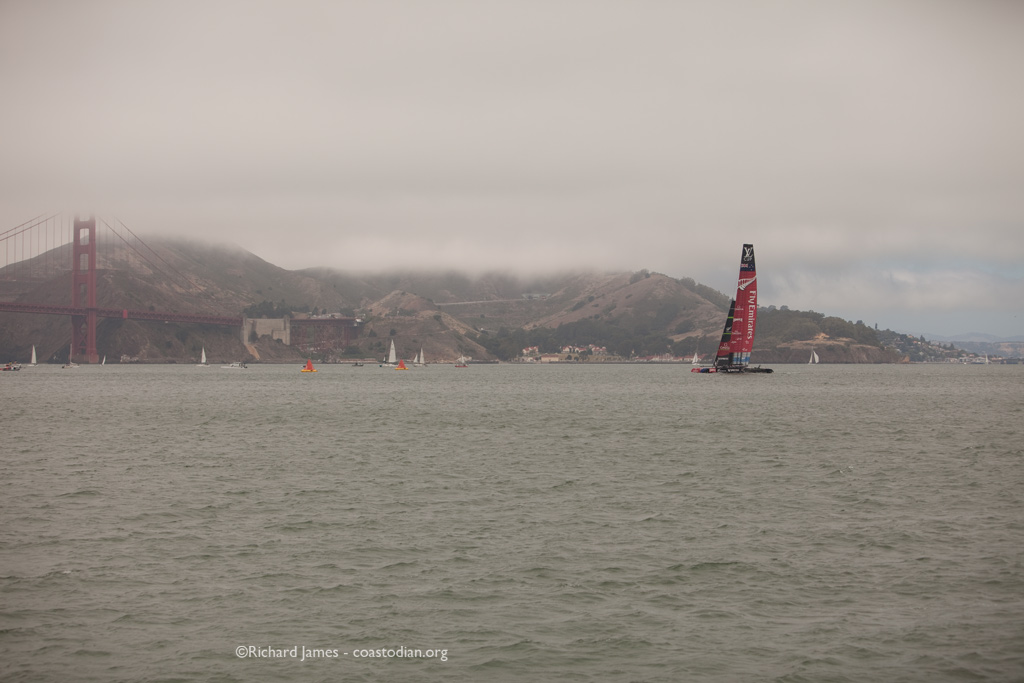
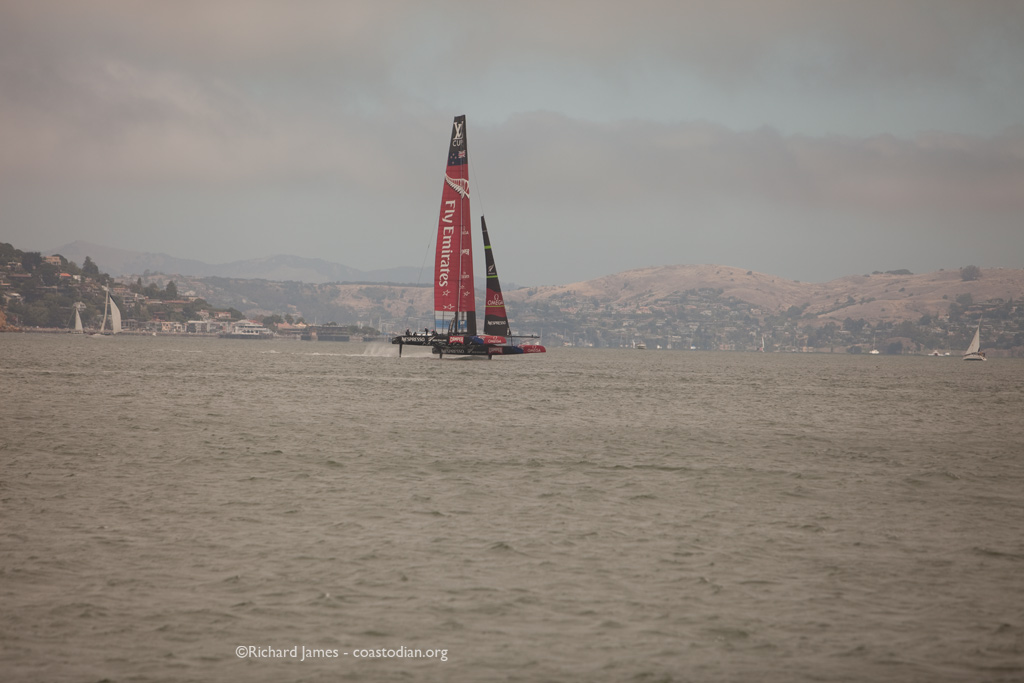
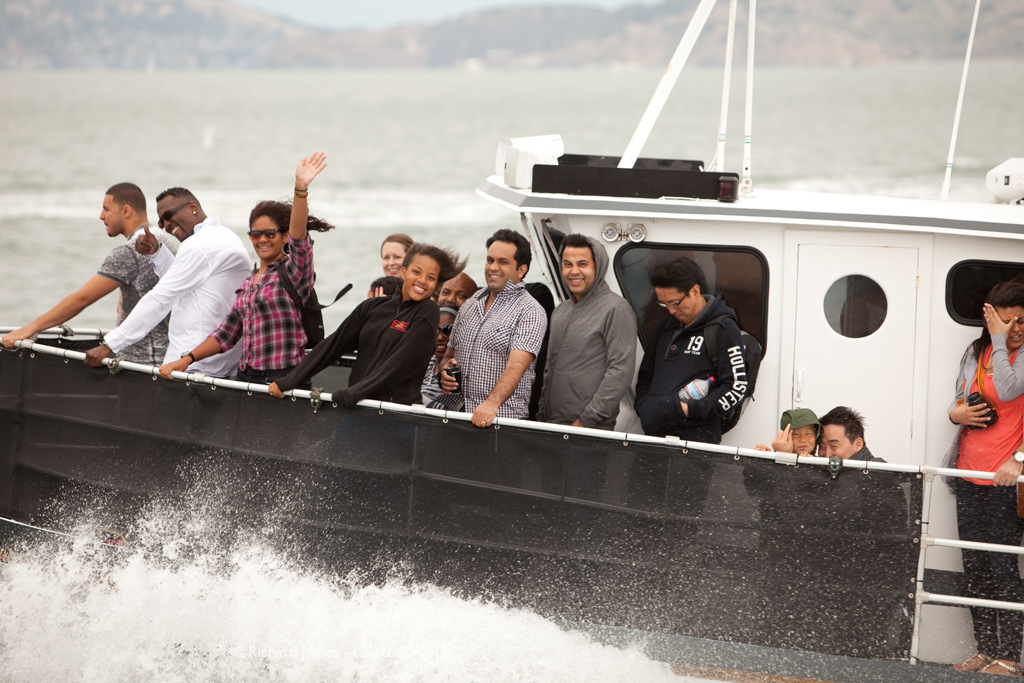
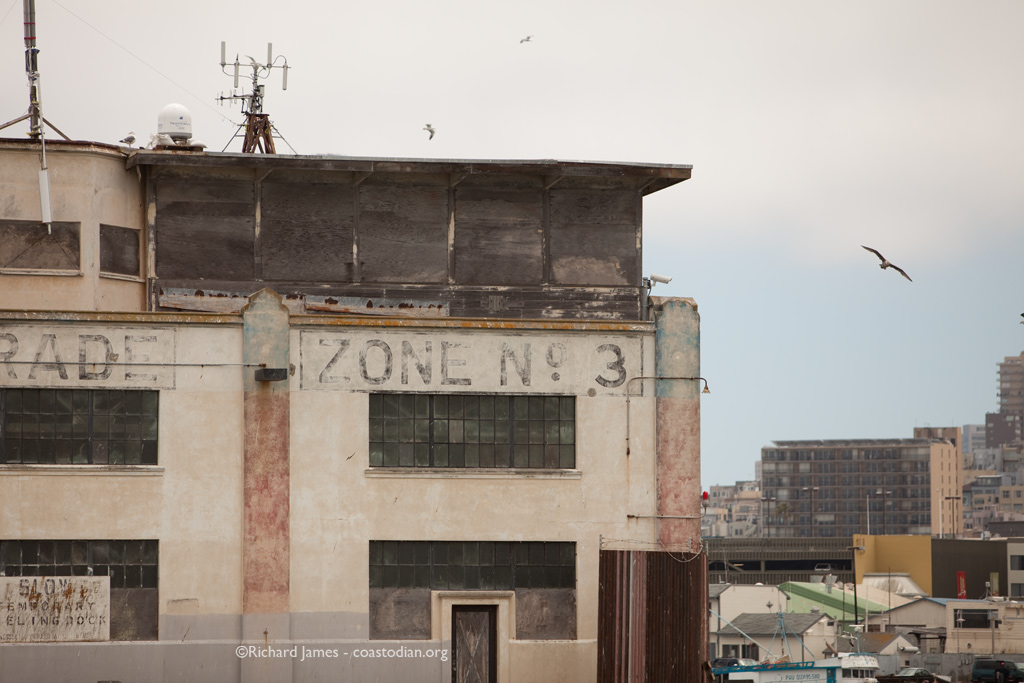
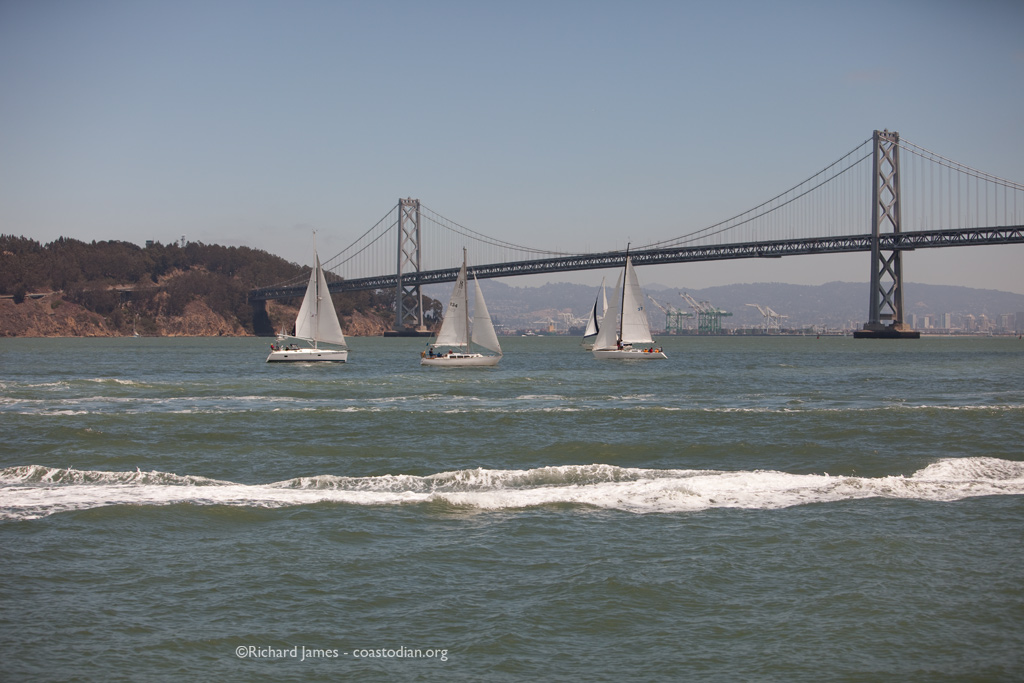
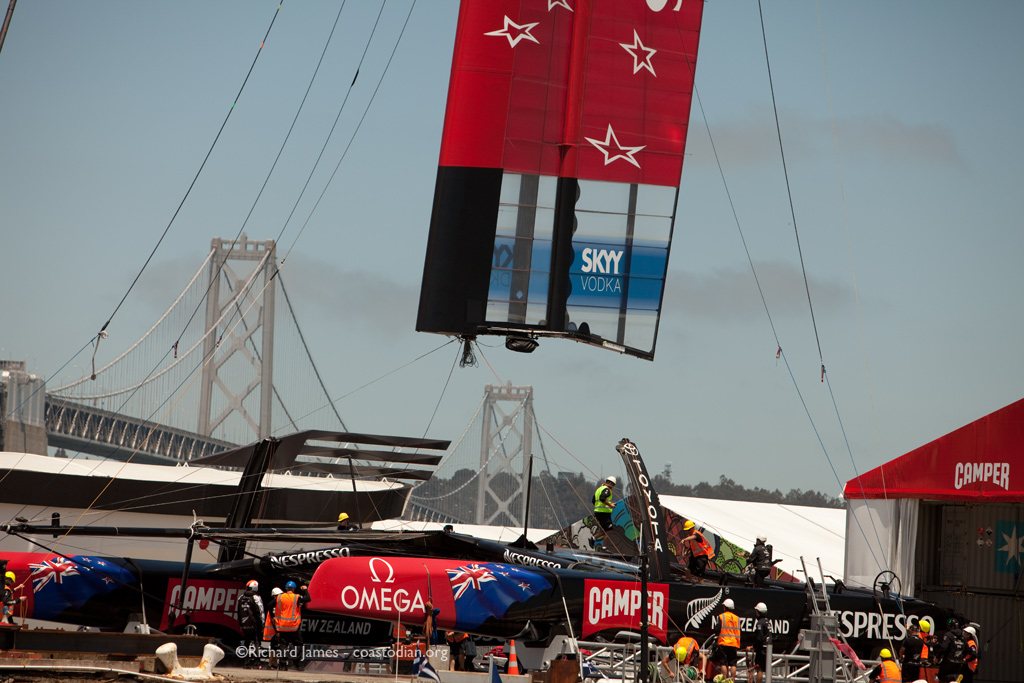
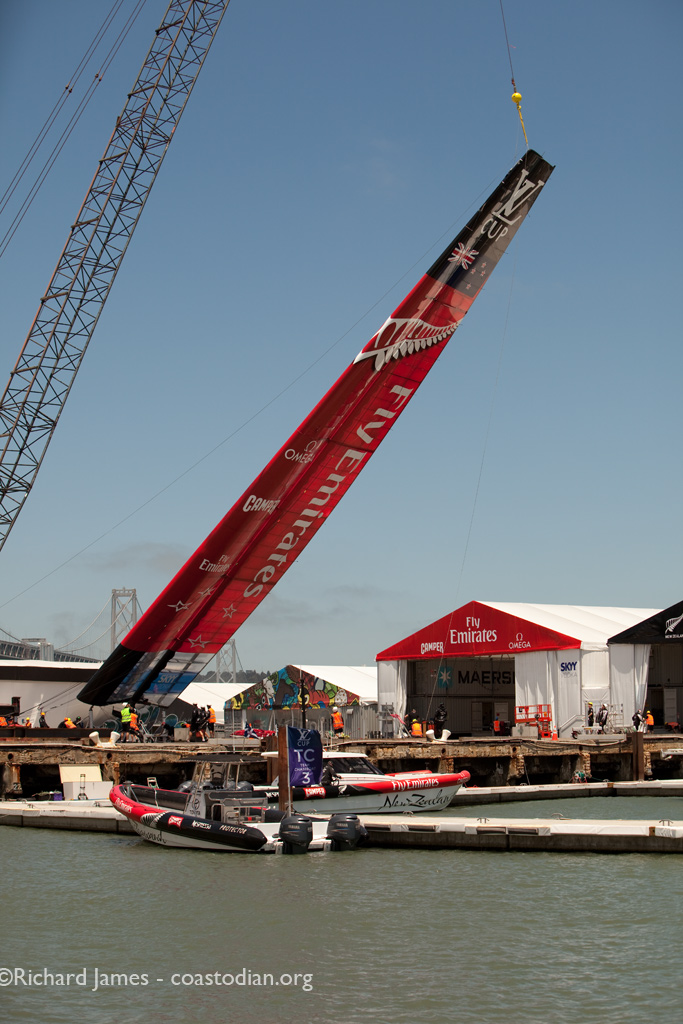
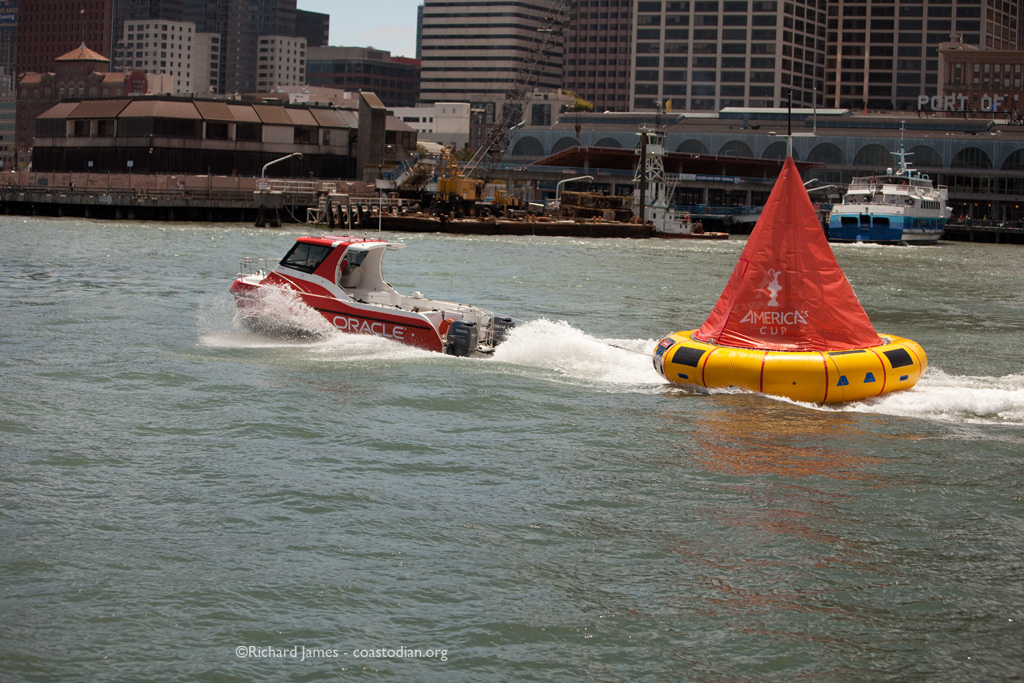
On my way to get a haircut, a neighbor suggested I come along on a boat trip to SF Bay and watch billionaires play with their toys (America’s Cup).

Me, my shaggy hair and camera went along.

We had a grand time on a grand boat as one very large boat raced around for a few minutes. I think it won. Meanwhile, dozens of America’s Cup patrol boats zoomed around protecting the course. The SFFD, SFPD, NPS and USCG rounded out the effort with their own patrol boats. I may have seen a Russian submarine briefly surface with what looked like Edward Snowden atop the sail. Or was that a harbor porpoise off in the distance.

Some images from the day follow (most all of them are straight out of the camera and not at their best (due to time constraints).


RJames.IMG_4752 RJames.IMG_4753 RJames.IMG_4755 RJames.IMG_4762 RJames.IMG_4767 RJames.IMG_4781 RJames.IMG_4782 RJames.IMG_4785 RJames.IMG_4787 RJames.IMG_4802 RJames.IMG_4811 RJames.IMG_4818 RJames.IMG_4820 RJames.IMG_4823 RJames.IMG_4828 RJames.IMG_4831 RJames.IMG_4838 RJames.IMG_4844 RJames.IMG_4856 RJames.IMG_4866.cc RJames.IMG_4888 RJames.IMG_4891 RJames.IMG_4898 RJames.IMG_4911 RJames.IMG_4913 RJames.IMG_4915 RJames.IMG_4919 RJames.IMG_4920 RJames.IMG_4928 RJames.IMG_4929 RJames.IMG_4936 RJames.IMG_4937 RJames.IMG_4940 RJames.IMG_4942 RJames.IMG_4949 RJames.IMG_4961 RJames.Shadow

Malala Yousafzai’s address to the UN

Nature provides us with both truth and beauty.

Watch this 17 minute video to see both, along with great courage.

Yesterday this young woman celebrated her 16th birthday.

Last year a Taliban (student of Islam) shot her in the head because she was speaking up for the right of girls to go to school.

Happy Birthday Malala!


The banner image shows The Swat Valley in Pakistan, the home of Malala. It is from Wikipedia and used under the creative Commons license.

Transgenic salmon egg floats ashore in Tomales Bay

Click on the words “Transgenic salmon egg…” above to see this post as it was intended to be seen.

While out foraging for plastic today, I was witness to a rare event.

A giant salmon egg from a newly developed transgenic salmon floated ashore.

https://youtu.be/hVEQIHV63H8

Click on the image above to see rare transgenic salmon egg in Tomales Bay.

From the looks of the label, it appears to be one of the exciting new products from Monsanto, “Roundup ready salmon®” Oncorhynchus glyphosatii

This fish is completely resistant to the effects of herbicides in the environment, while tasting mostly like a fish, and not very much at all like a toxic chemical. An assortment of food dyes are provided with each steak so you can ensure it matches the rest of your meal.

In other exciting news, Monsanto is reportedly working in conjunction with the makers of bisphenol A (Bayer, Dow, Hexion Specialty Chemicals, SABIC Innovative Plastics (formerly GE Plastics), and Sunoco) to release a new fish that can survive while being exposed to the plastic additive bisphenol A (BPA).

It is not known what effect, if any these laboratory creations have on naturally spawned, wild salmon. Actually, it is not known if there are any wild salmon left to give a damn about.

Speaking of dam(n)s, have a look at these videos to learn one sure-fire way to help wild salmon thrive:

https://www.youtube.com/watch?v=oD4QHkN57FM


Condit Dam removal on White Salmon River, Washington State.

Learn about the effort to restore 300 miles of spawning habitat on the Klammath here

Send a letter to your senator urging them to un-dam The Klammath, it’s easy. Please do it.

Gosh, don’t we have the last of the Central Coast Coho Salmon fighting extinction right here in West Marin? What could we do to ensure they don’t go the way of the Tasmanian Tiger or Stellar’s Sea Cow?

Ahhhh, who gives a damn about these animals anyhow? There are apps for each and every one of them at the itunes store. Besides, real animals smell. Yuck!

Save our Tomales Bay – part 3

Click on the words “Save our Tomales Bay” above to see this post as it was intended to be seen.

For the many thousands of you that wait on the edge of your recliner for my next batch of images showcasing the worrisome ways in which humans lay waste to the watersheds of the world, I apologize.

Today while visiting the shore of Tomales Bay, as I have the past few weeks in search of debris to remove from the shore and water, I found that much of it had been removed.

Woo hoo!

Last week I opined that with the volume of oyster grow-out bags still littering the shore (hundreds), either the people that put them there would need to pack them out, or I’d need lots of help.

I’m, not sure who did it, but thank you!

RJames.IMG_0528

The above bundle of bags is gone, Hopefully retrieved and no longer poised to explode and spread plastic all over the bay. Thank you.

Today the tide was higher and I was on land, not in my boat. So I had no easy way to see if the piles of iron and dozens of submerged, gravel filled bags buried in the bottom have been removed. I hope they were. I’ll come back again to see.

I did find fewer than ten bags on shore and only a few in the water.

IMG_0583

IMG_0582

IMG_0581

Location -     38.119608° N   -122.864715° W   Datum WGS84

Location – 38.119608° N -122.864715° W Datum WGS84

This work site still had the fifteen or so bags laying about I saw weeks ago. I left them then, and I left them today. The wind can easily take these bags into the water where the tides can carry them out to sea. Surely this work area can be kept cleaner!

Location -  38.128490° N   -122.864172° W   Datum WGS84

Location – 38.128490° N -122.864172° W Datum WGS84

Location -  38.128490° N   -122.864172° W   Datum WGS84

Location – 38.128490° N -122.864172° W Datum WGS84

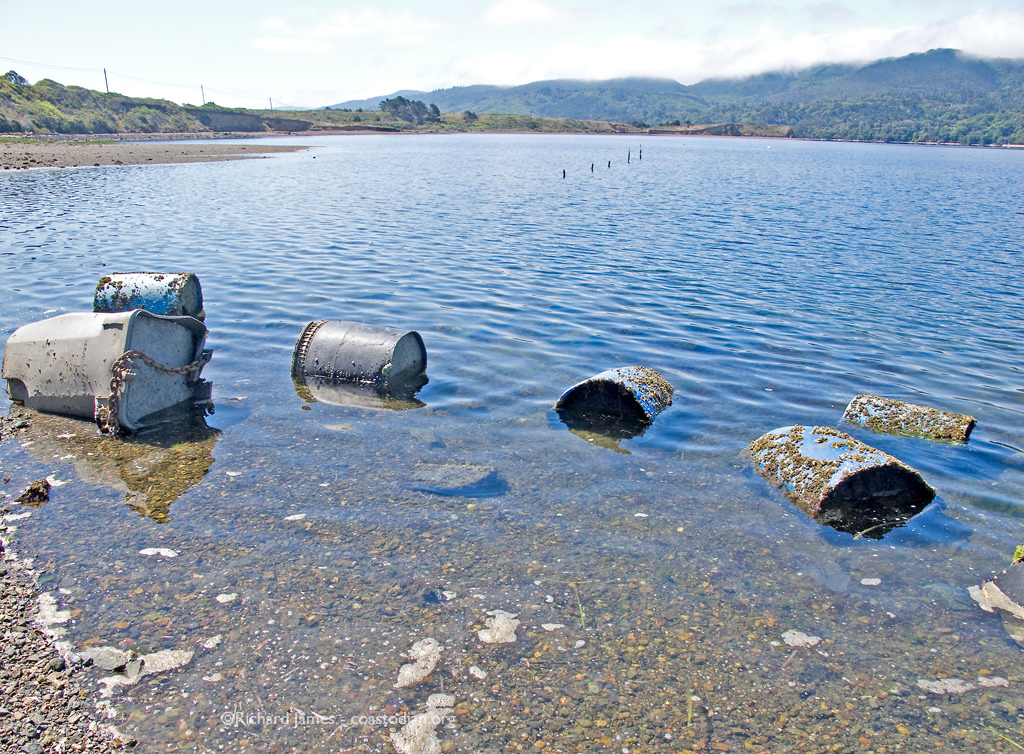
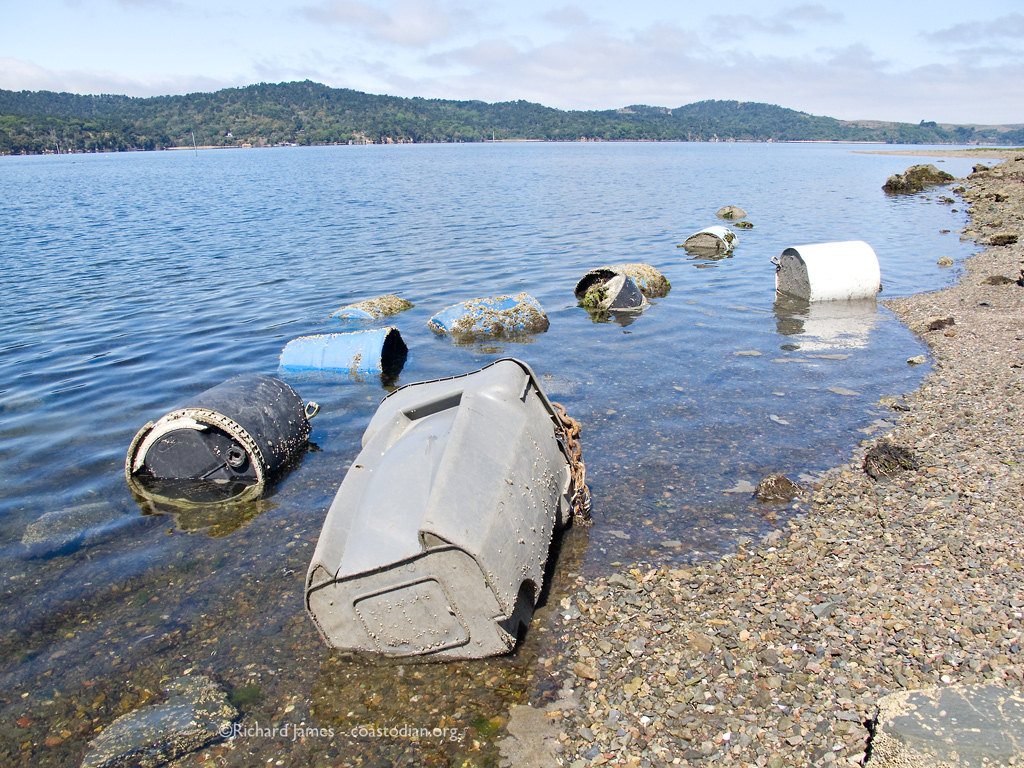
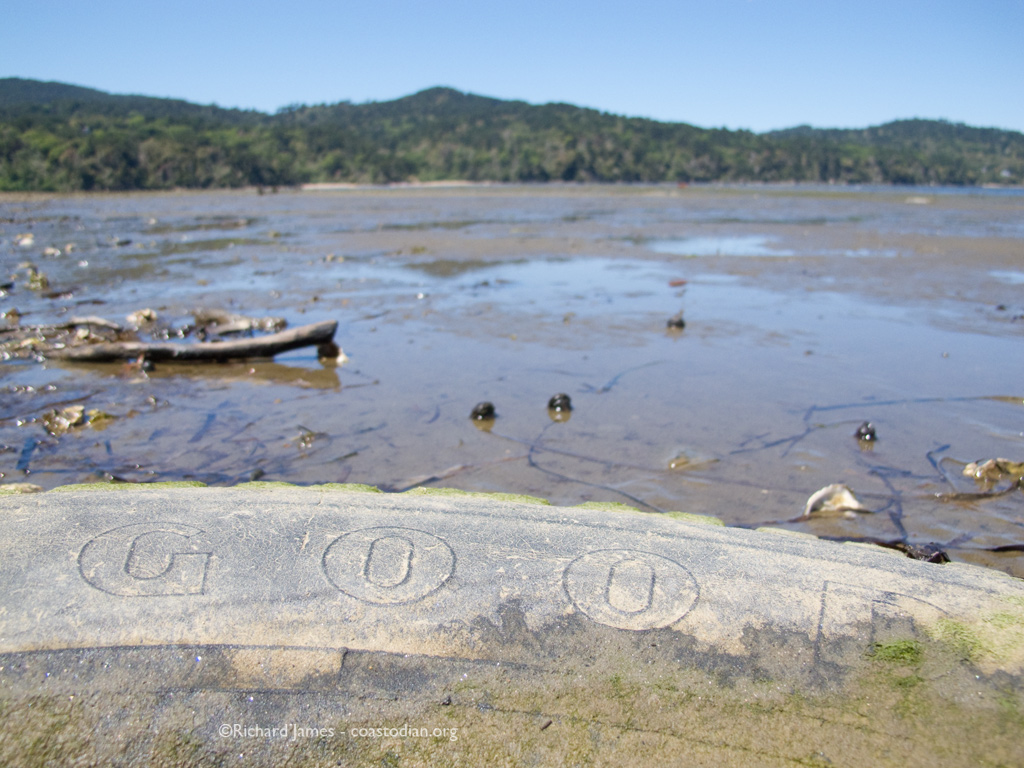
The sad new discovery was the anchors shown in the banner image and again above. Ten to twelve large plastic trash cans or barrels filled with concrete. Who left these here? This is 2013, not 1950. We have known for a long time that we can’t simply extract resources and leave our mess behind for others to deal with. Our planet is buckling under the damage caused by that out-dated thinking.

Who amongst you has an idea on how to get this blight out of Tomales Bay?

Location -   38.125753° N   -122.862869° W   Datum WGS84

Location – 38.125753° N -122.862869° W Datum WGS84

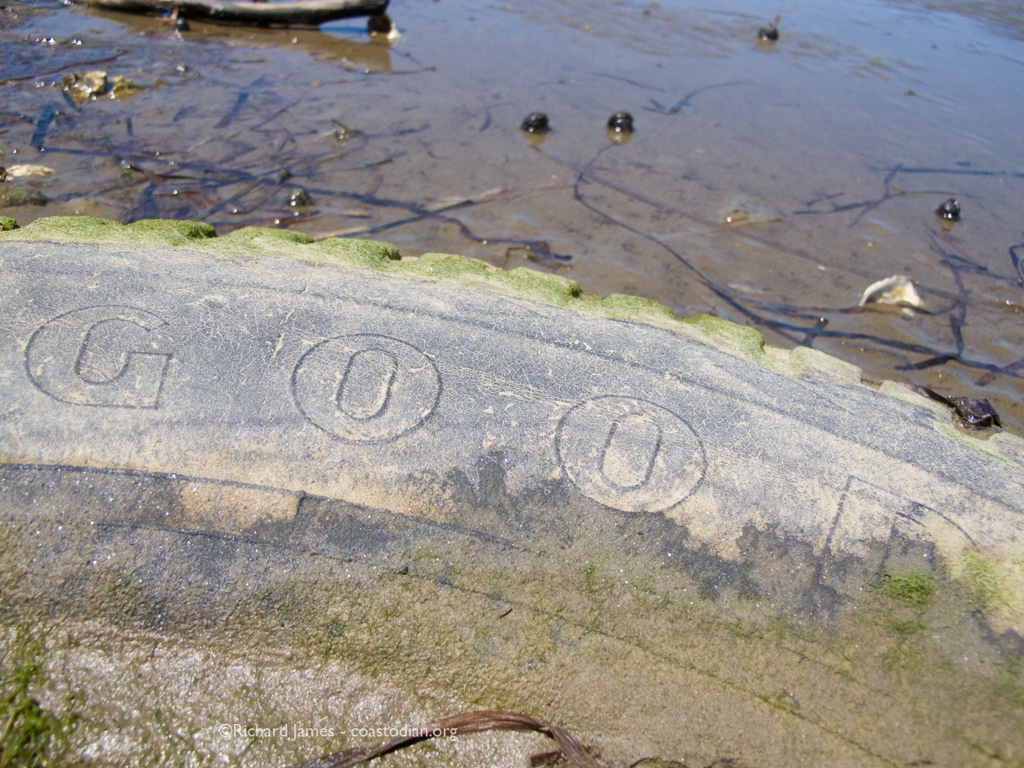
I could have had a V8!

Location -    38.125670° N   -122.862855° W   Datum WGS84

Location – 38.125670° N -122.862855° W Datum WGS84

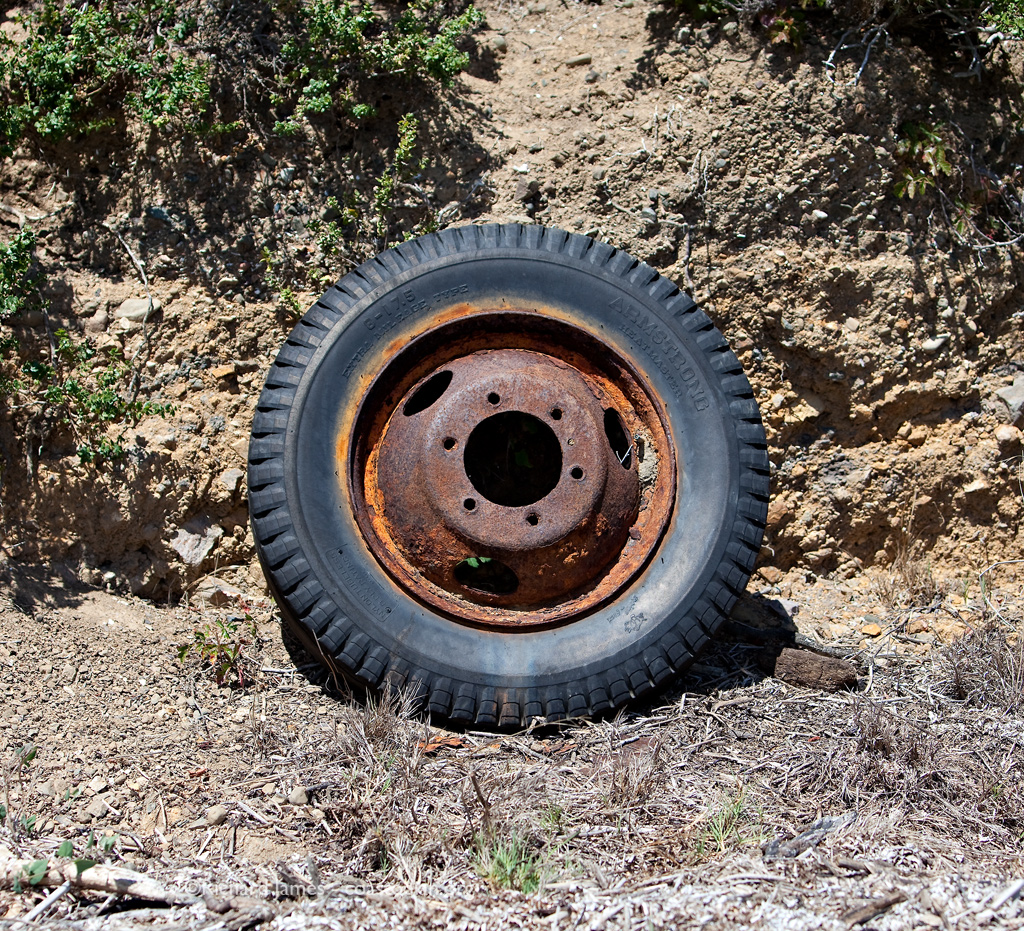
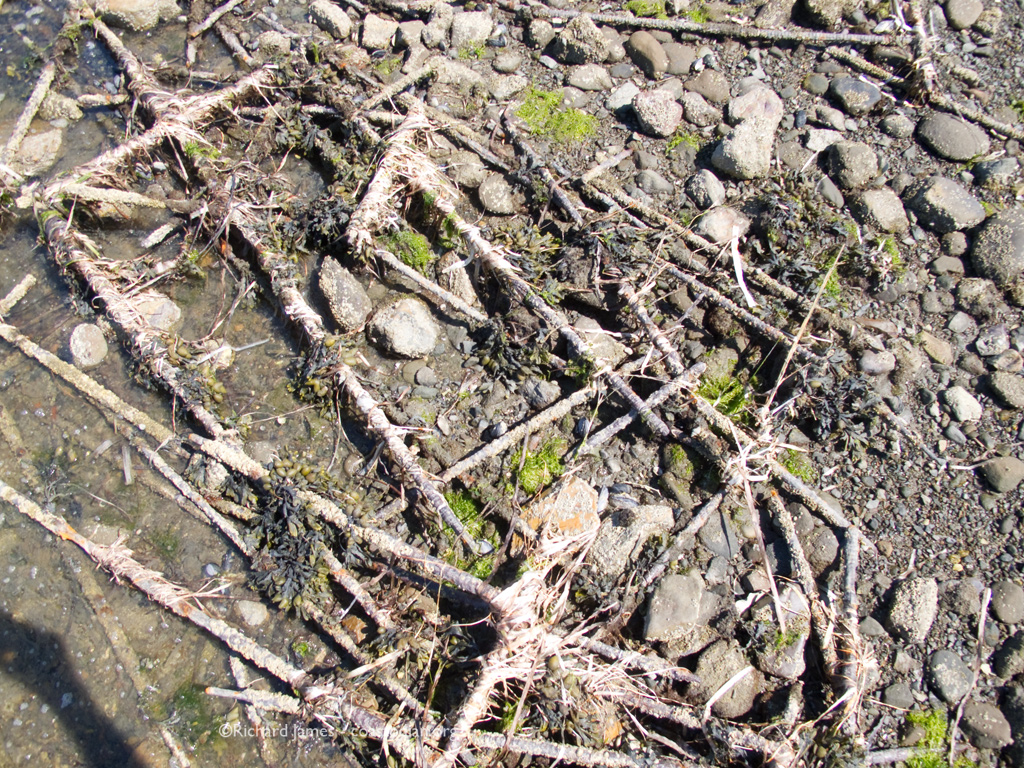
Still more rusty oyster infrastructure from days gone by, littering the bay.

Location -    38.125670° N   -122.862855° W   Datum WGS84

Location – 38.125670° N -122.862855° W Datum WGS84

Next I plan to visit the area around Walker Creek and Preston Point to see what sort of monuments to the human madness are mired in the mud up that way.

IMG_0584

Here are a few images showing what a healthy shoreline looks like, plastic free!

IMG_0595

IMG_0593

IMG_0594

.

Next related post may be found here.

Previous related post may be found here.

See the first post in this series “Save our Tomales Bay” here.

Drakes Estero

Click on the words “Drakes Estero” above to see this post as it was meant to be seen.

Today I had hoped to record some video of life on the estero.

The wind and the chop said otherwise.

I did get a heck of a workout. Picked up a little trash too.

Saw the largest bat ray I have ever seen, nearly four feet from tip to tip.

Only one shark.

Many loons.

What follows are some scenes from the day.

RJames.IMG_4447.cc.cw

Oyster racks with eel grass

Oyster racks with eel grass

RJames.IMG_4502.cc.cw

RJames.IMG_4505.cc.cw

RJames.IMG_4541.CC.cw

RJames.IMG_4544.crop.cc.cw

RJames.IMG_4560.crop.cc.cw

Hmmmm, this is not food, only oyster spacers and discarded plastic water bottles.

Hmmmm, this is not food, only oyster spacers and discarded plastic water bottles.

RJames.IMG_4577.cc.cw

RJames.IMG_4585.cc.cw

Save our Tomales Bay – Part 2

Click on the words “Save our Tomales Bay” above to see the related banner image.

Today and last week I boated across Tomales Bay with the intention of seeing what sort of plastic debris I could find and haul out.

Given my last post about the oyster farming debris I dug out of the shore of Tomales Bay and packed out, I did not think I’d find nearly so much.

How wrong I was.

Last week, a little north of the area of my last visit on the SE shoreline of Tomales Bay, I beached my boat and began to walk the wrack.

I stopped counting oyster grow-out bags after 20.

There were so many, I had to make 3 trips back across after loading my boat as tall as I dare. Digging the heavy bags out of the mud high on the beach was exhausting. Lack of energy and daylight prevented me from making another 3-4 trips that I figured were needed to remove all the bags littering the sand, plants and water.

Today I went back to the same area with photography in mind. I wanted to be sure to record the impact of mariculture on our shared bay. To be honest, I also did not want to feel like I’d been hit by a truck, as I felt the day after 8 hours of picking up trash last week.

In four trips across Tomales Bay in a small sit on top kayak, I hauled out 160 grow out bags, along with lots of other bottles, wrappers, foam etc. There is easily twice that many more in this one area. I wonder if the farm(s) that leave this mess there will begin to clean-up after themselves? If not, I am going to need lots of help.

Commerce makes a profit, consumers enjoy a meal. The earth pays a steep price never to be compensated.

When will humans learn that the unpaid compensation will be recovered one day in the form of a dead planet, no longer able to sustain humans as well as many other life forms?

What follows are images that to me, are proof positive that the decision to let the oyster lease in Drakes Estero expire was the right choice. These same scenes repeated themselves throughout The Estero, though I never personally saw this many bags washed ashore on one boating trip in The Estero. I did see dozens of them that had been pulled out by the tides into Drakes Bay and deposited on Limantour and Drakes Beaches, as well as other nearby beaches. How many escaped unnoticed?

See earlier post about the nearly 6000 PVC pipe spacers I collected from Point Reyes beaches.

All of the images can be clicked on to see a larger image.

160 polyethelene oyster grow out bags left to the elements in Tomales Bay

160 polyethelene oyster grow out bags left to the elements in Tomales Bay

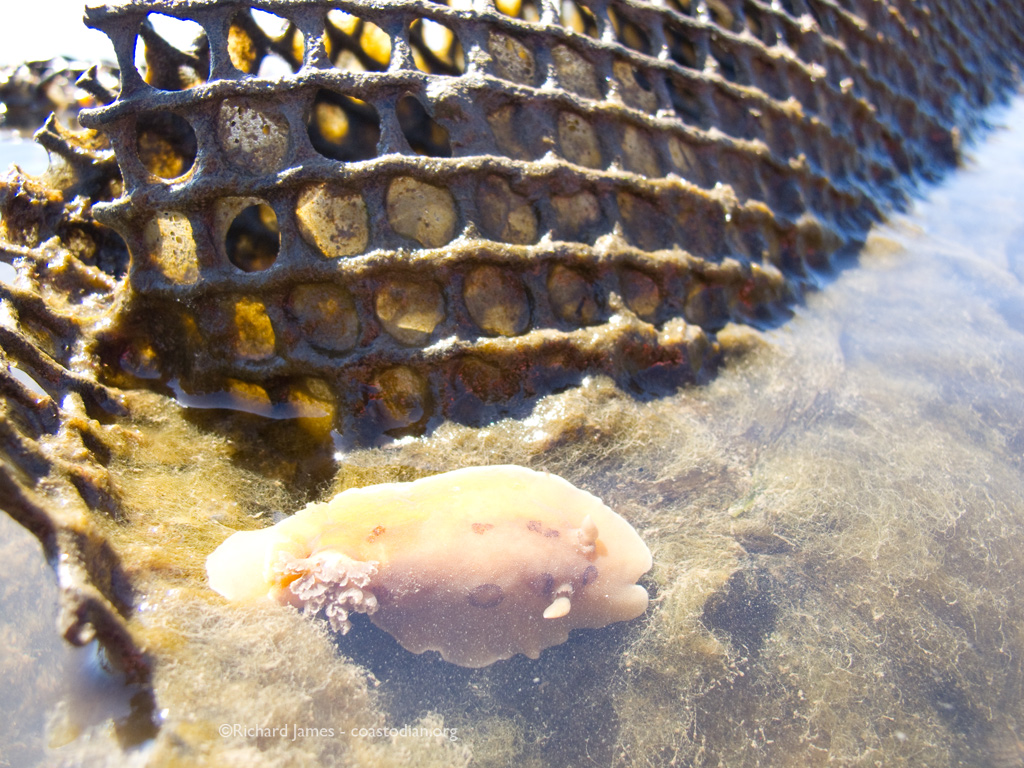
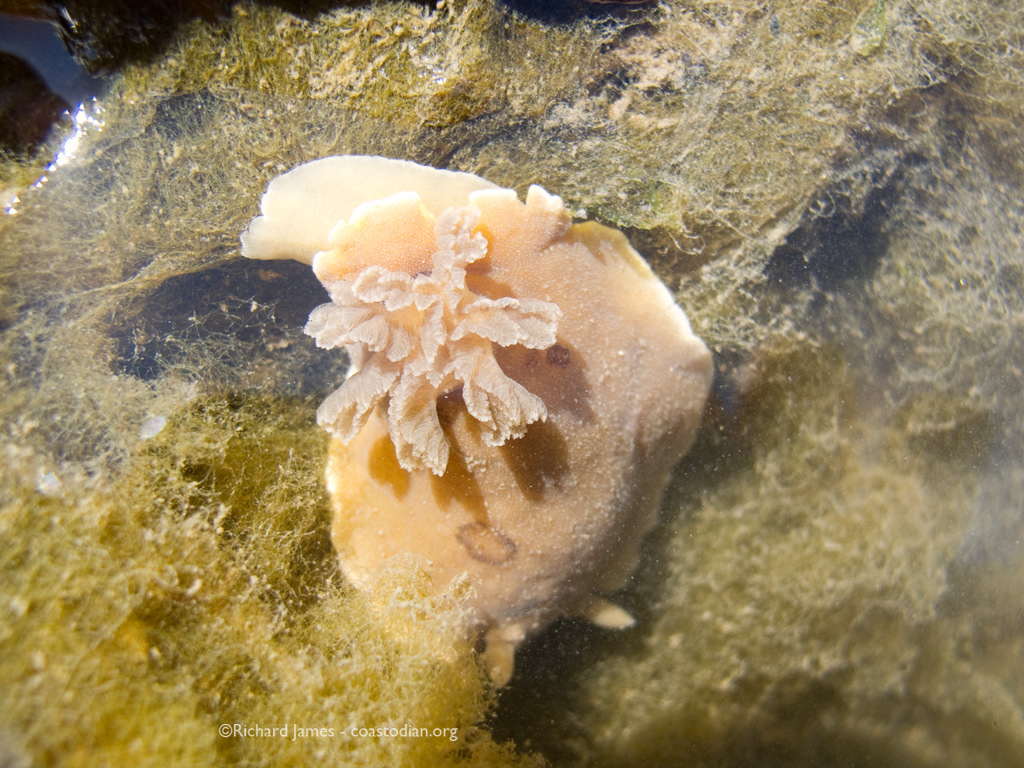
Nudibranch dining on a grow out bag

Nudibranch dining on a grow out bag

RJames.IMG_0455

Click on image to see a larger version.

RJames.IMG_0454

IMG_0542

IMG_0532

Click on image to see a larger version.

IMG_0518

IMG_0494

Click on image to see a larger version.

IMG_0482

160 polyethelene oyster grow out bags left to the elements in Tomales Bay

160 polyethelene oyster grow out bags left to the elements in Tomales Bay

160 polyethelene oyster grow out bags left to the elements in Tomales Bay

160 polyethelene oyster grow out bags left to the elements in Tomales Bay

Click on image to see a larger version.

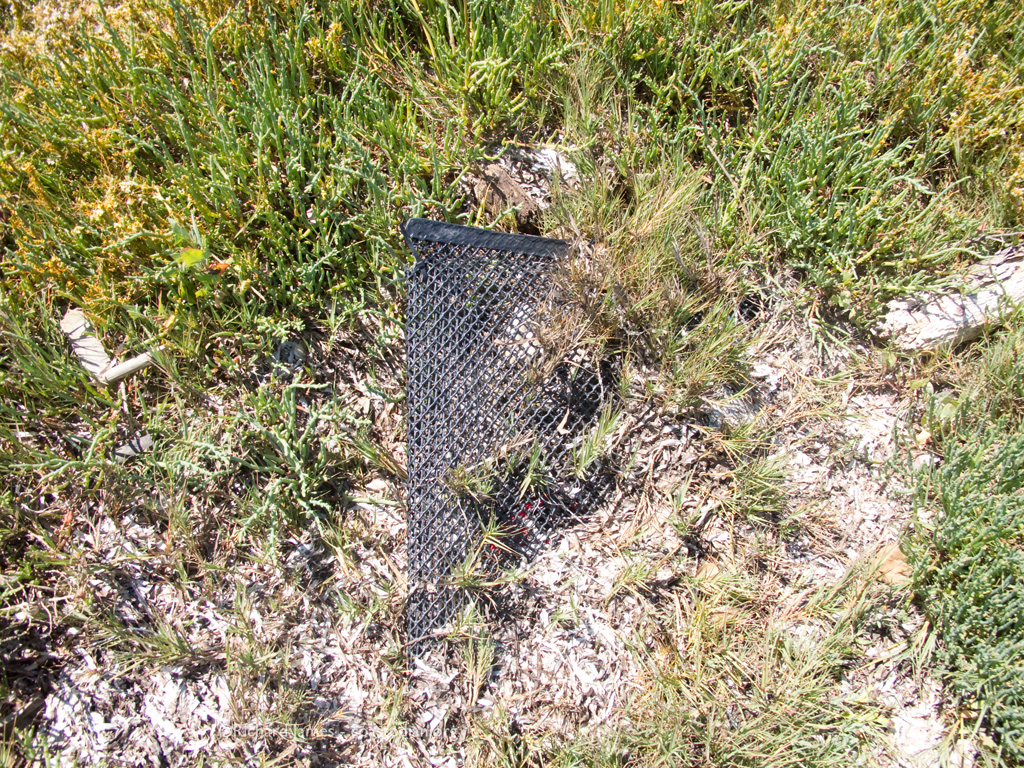
Been there so long, pickleweed is growing through it.

Been there so long, pickleweed is growing through it.

RJames.IMG_0480

RJames.IMG_0478

RJames.IMG_0477

Click on image to see a larger version.

RJames.IMG_0475

RJames.IMG_0474

RJames.IMG_0473

Click on image to see a larger version.

RJames.IMG_0471

RJames.IMG_0470

RJames.IMG_0469

Click on image to see a larger version.

RJames.IMG_0467

RJames.IMG_0465

RJames.IMG_0463

Click on image to see a larger version.

Nudibranch dining on a grow out bag

Nudibranch dining on a grow out bag

RJames.IMG_0516

RJames.IMG_0515

Click on image to see a larger version.

RJames.IMG_0513

RJames.IMG_0512

RJames.IMG_0511

Click on image to see a larger version.

RJames.IMG_0510

RJames.IMG_0509

RJames.IMG_0506

Click on image to see a larger version.

RJames.IMG_0505

RJames.IMG_0504

RJames.IMG_0503

Click on image to see a larger version.

RJames.IMG_0499

RJames.IMG_0495

RJames.IMG_0541

Click on image to see a larger version.

RJames.IMG_0540

RJames.IMG_0539

RJames.IMG_0538

Click on image to see a larger version.

RJames.IMG_0537

RJames.IMG_0536

RJames.IMG_0535

Click on image to see a larger version.

RJames.IMG_0534

RJames.IMG_0531

RJames.IMG_0530

Click on image to see a larger version.

RJames.IMG_0528

RJames.IMG_0527

RJames.IMG_0526

Click on image to see a larger version.

RJames.IMG_0524

RJames.IMG_0523

RJames.IMG_0522

Click on image to see a larger version.

been there so long it is buried

been there so long it is buried

been there so long it is buried

been there so long it is buried

been there so long it is buried

been there so long it is buried

Click on image to see a larger version.

NOT good!

NOT good!

RJames.IMG_0546

Click on image to see a larger version.

RJames.IMG_0545

RJames.IMG_0543

In West Marin of all places!

Calling this sustainable mariculture would be as crazy as saying The Inverness Garden Club sprayed Roundup® in a public area near Tomales Bay, without permits, telling no one.


.

Next related post may be found here.
See the first post in this series “Save our Tomales Bay” here.