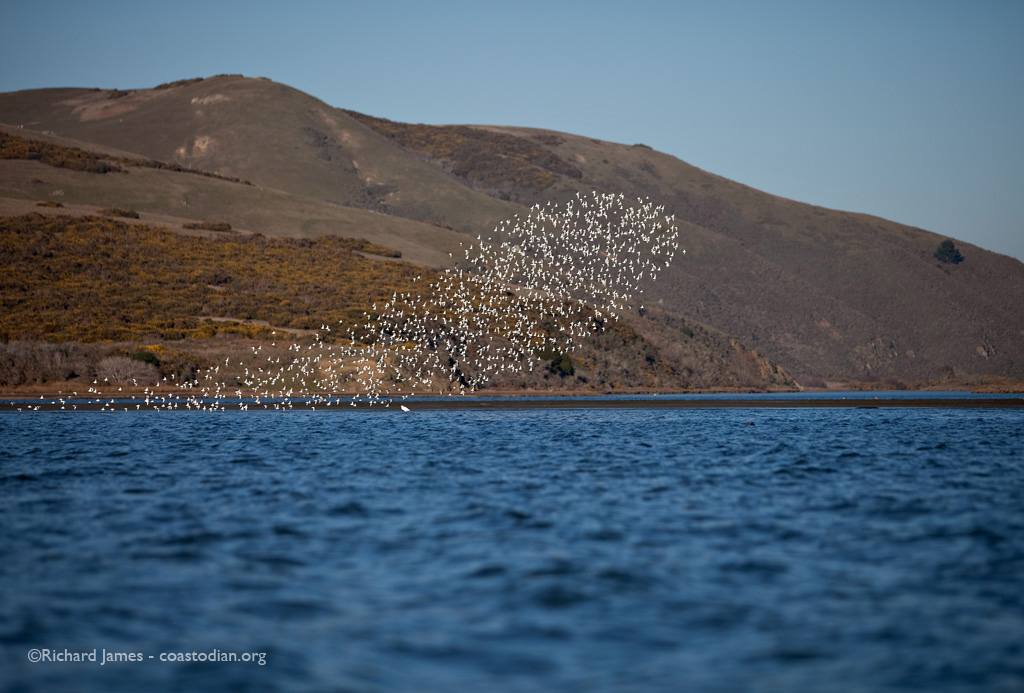
Tomales Bay Triptych – Western sandpiper style

Click on the words “Tomales Bay Triptych” above to see this post how it was meant to be seen.

As always, click on an image to see a larger version.

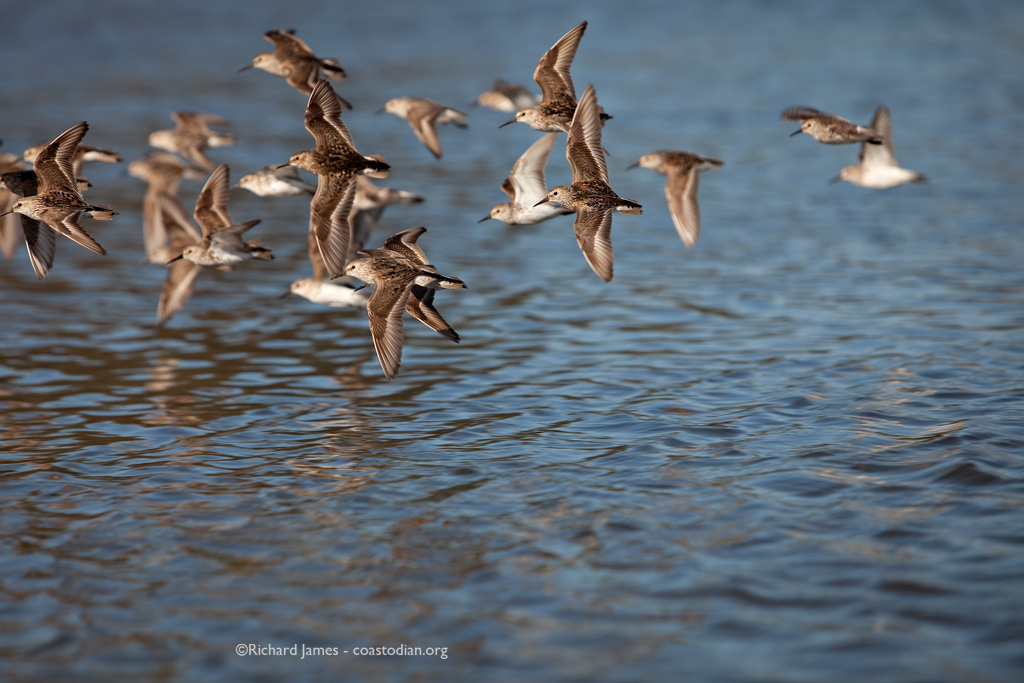
Put in at Chicken Ranch and paddled south nearly to White House Pool. Since I usually see these birds on a background of sand, they really look out of place on this large log in the bay.

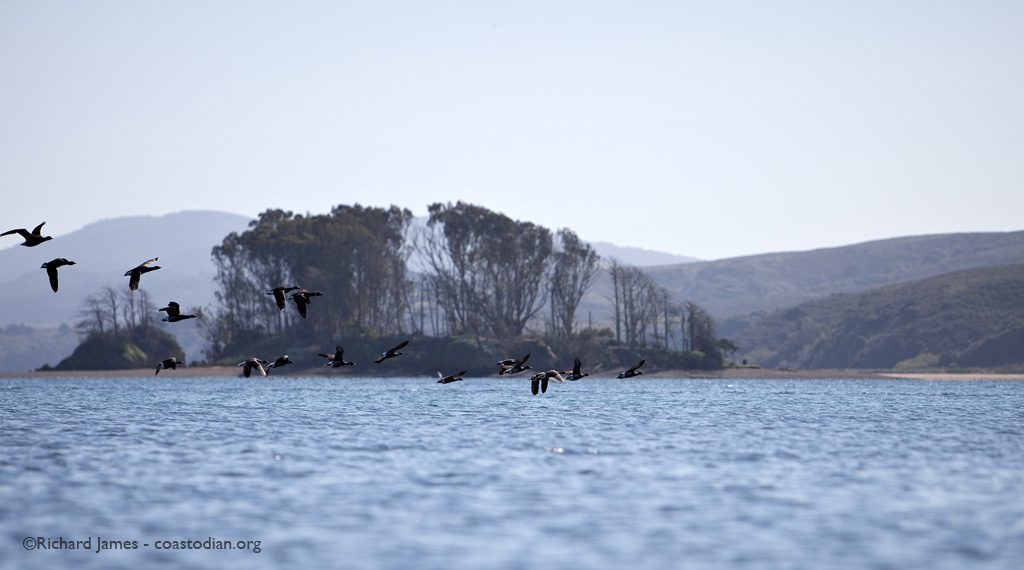
Poetry in motion fairly describes their winged wandering.

IMG_4624.crop.cc

.

IMG_4658.8x12.cc

.

IMG_4668.cc

Save our Tomales Bay – part 3

Click on the words “Save our Tomales Bay” above to see this post as it was intended to be seen.

For the many thousands of you that wait on the edge of your recliner for my next batch of images showcasing the worrisome ways in which humans lay waste to the watersheds of the world, I apologize.

Today while visiting the shore of Tomales Bay, as I have the past few weeks in search of debris to remove from the shore and water, I found that much of it had been removed.

Woo hoo!

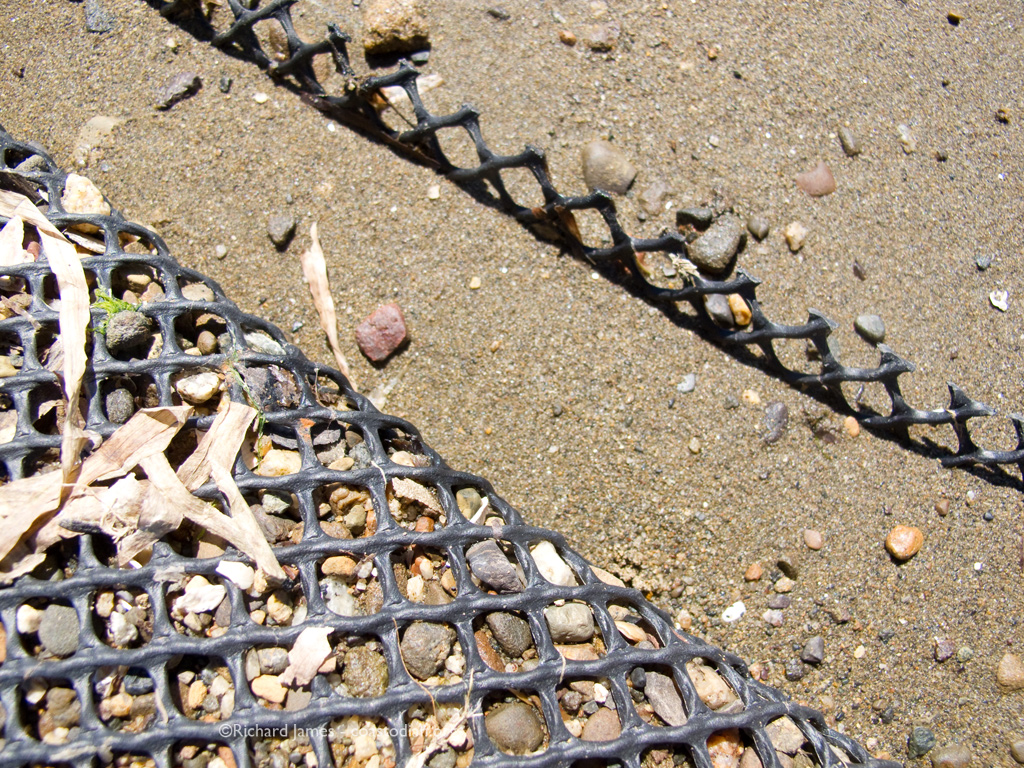
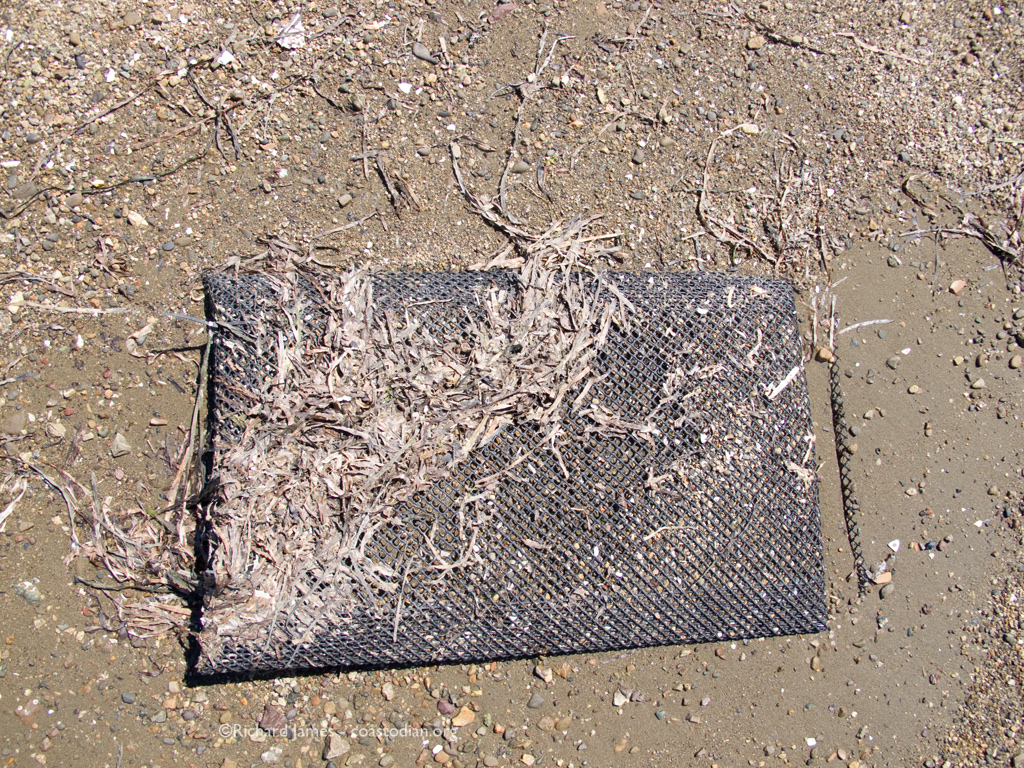
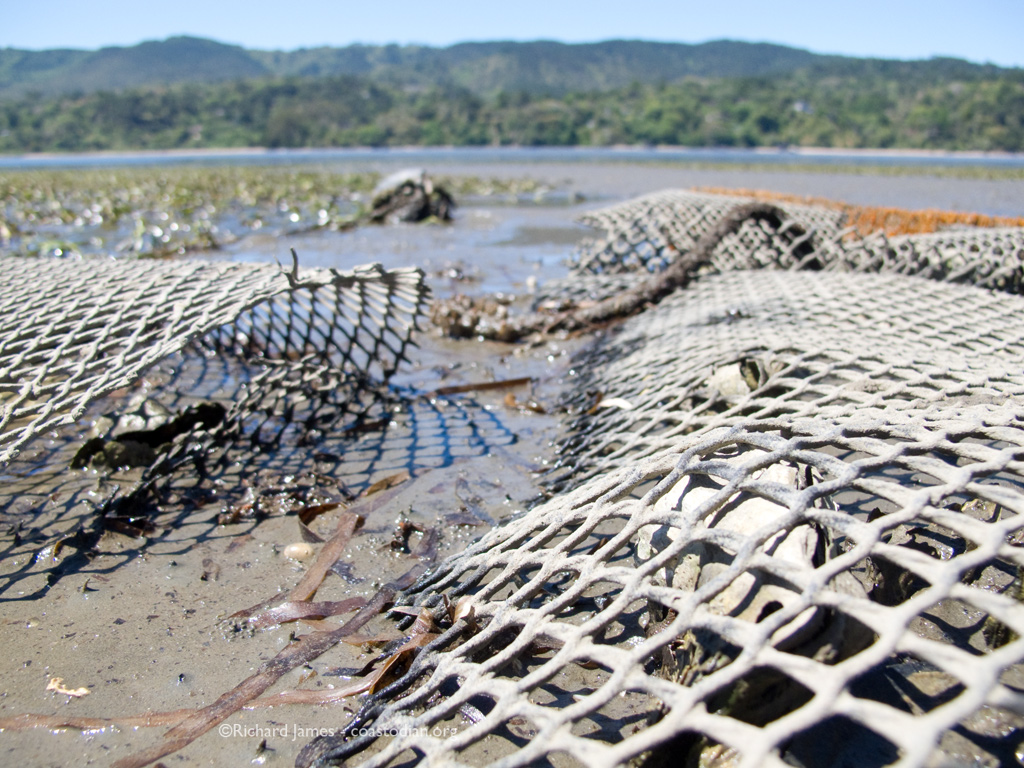
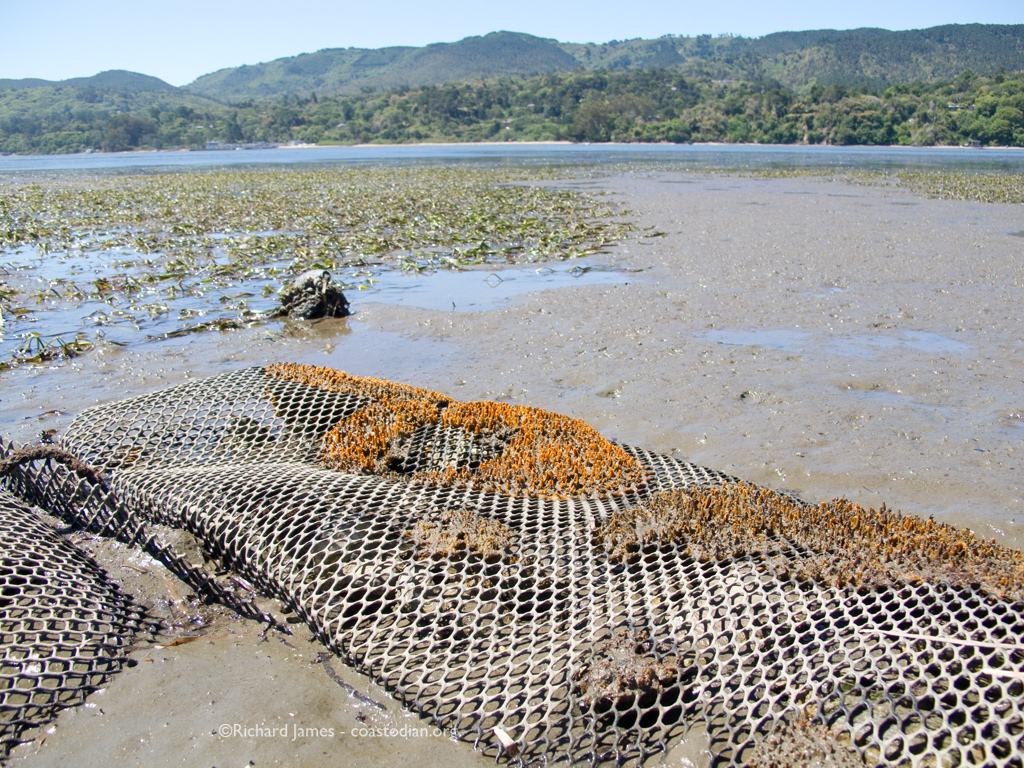
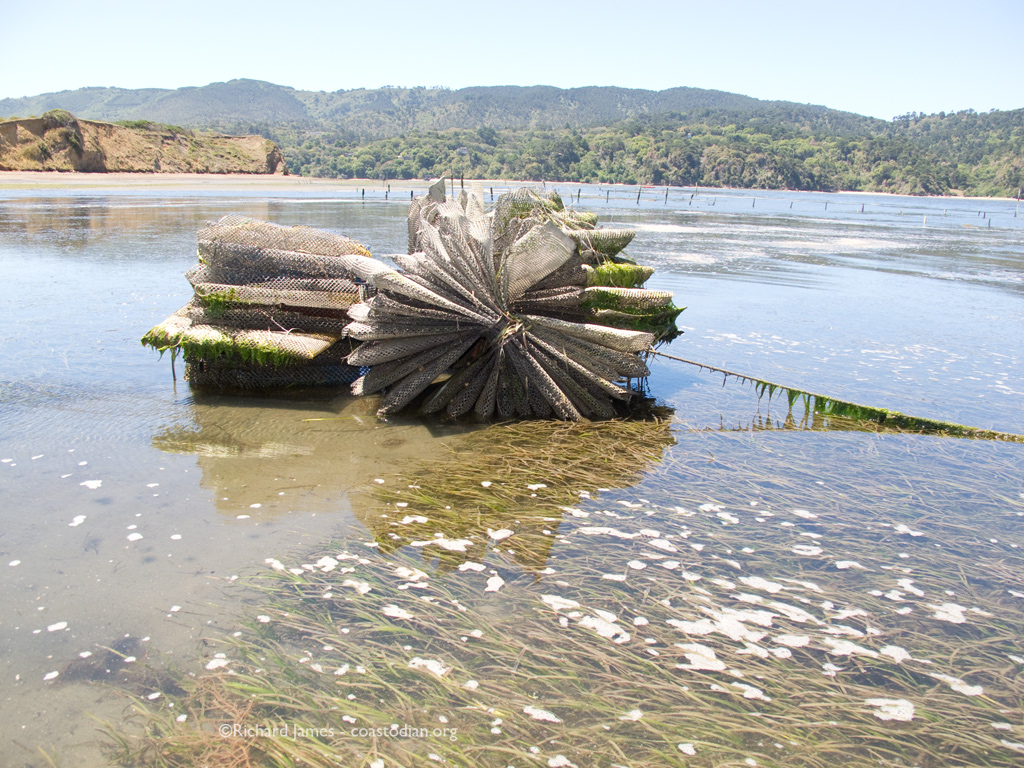
Last week I opined that with the volume of oyster grow-out bags still littering the shore (hundreds), either the people that put them there would need to pack them out, or I’d need lots of help.

I’m, not sure who did it, but thank you!

RJames.IMG_0528

The above bundle of bags is gone, Hopefully retrieved and no longer poised to explode and spread plastic all over the bay. Thank you.

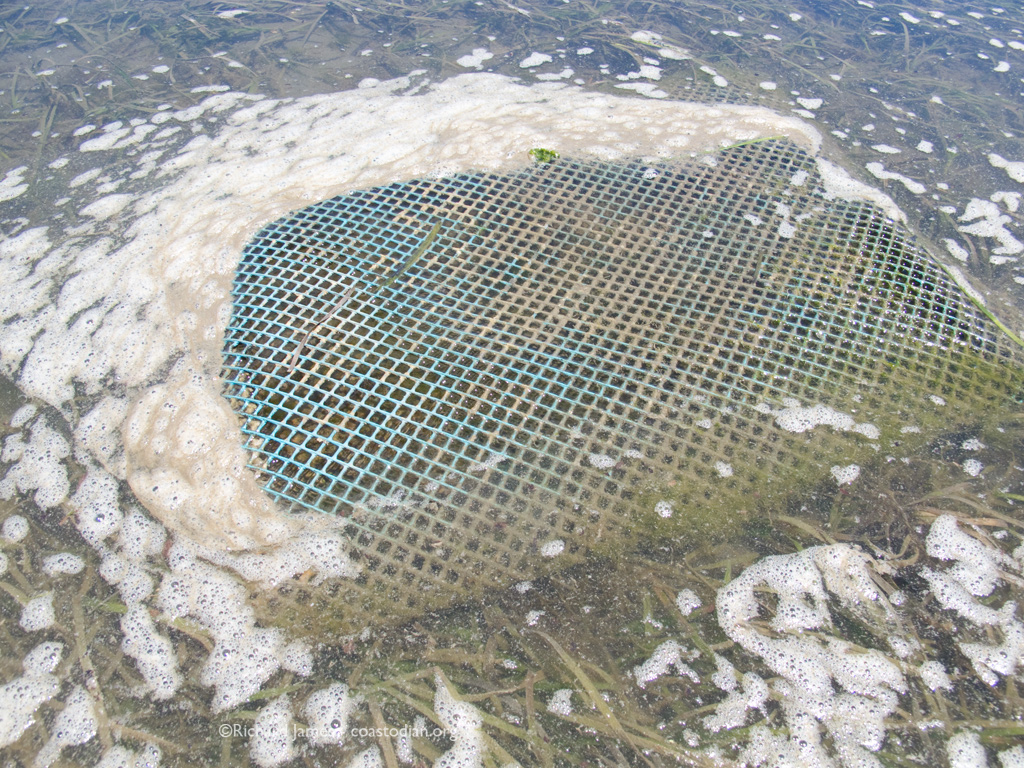
Today the tide was higher and I was on land, not in my boat. So I had no easy way to see if the piles of iron and dozens of submerged, gravel filled bags buried in the bottom have been removed. I hope they were. I’ll come back again to see.

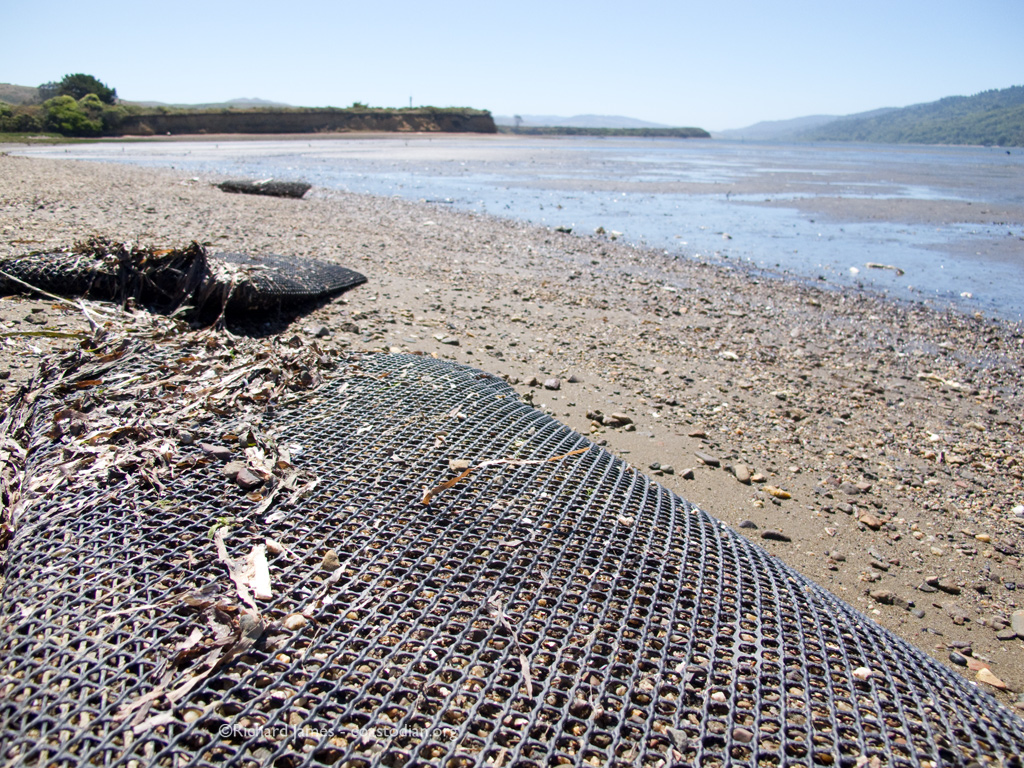
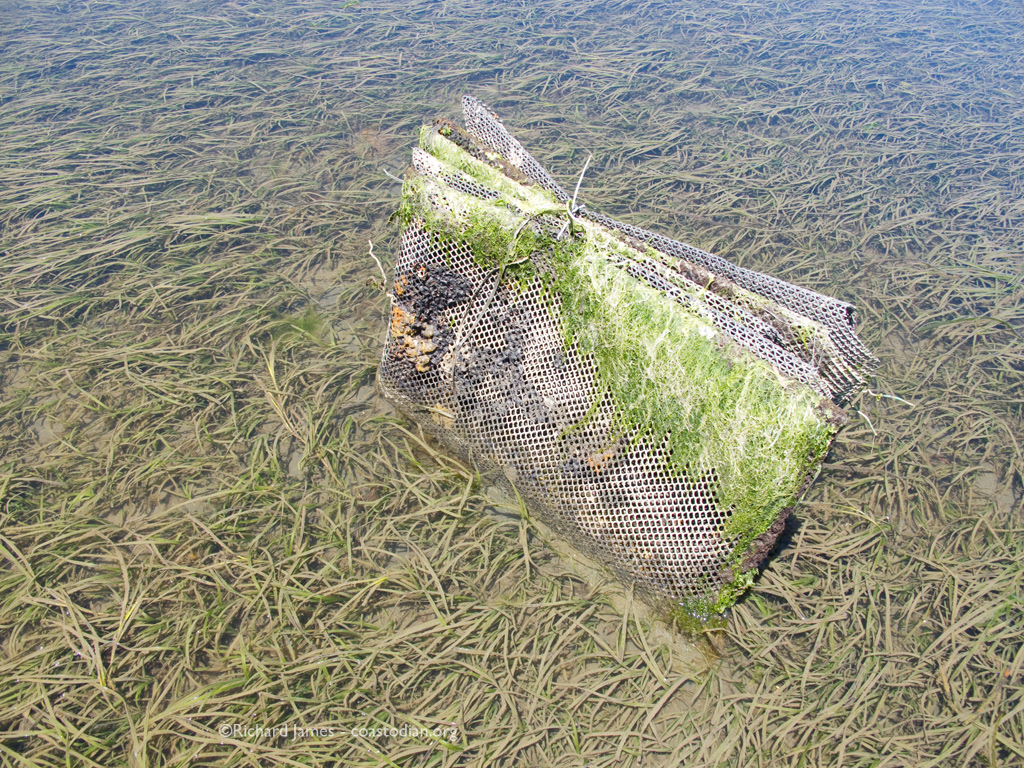
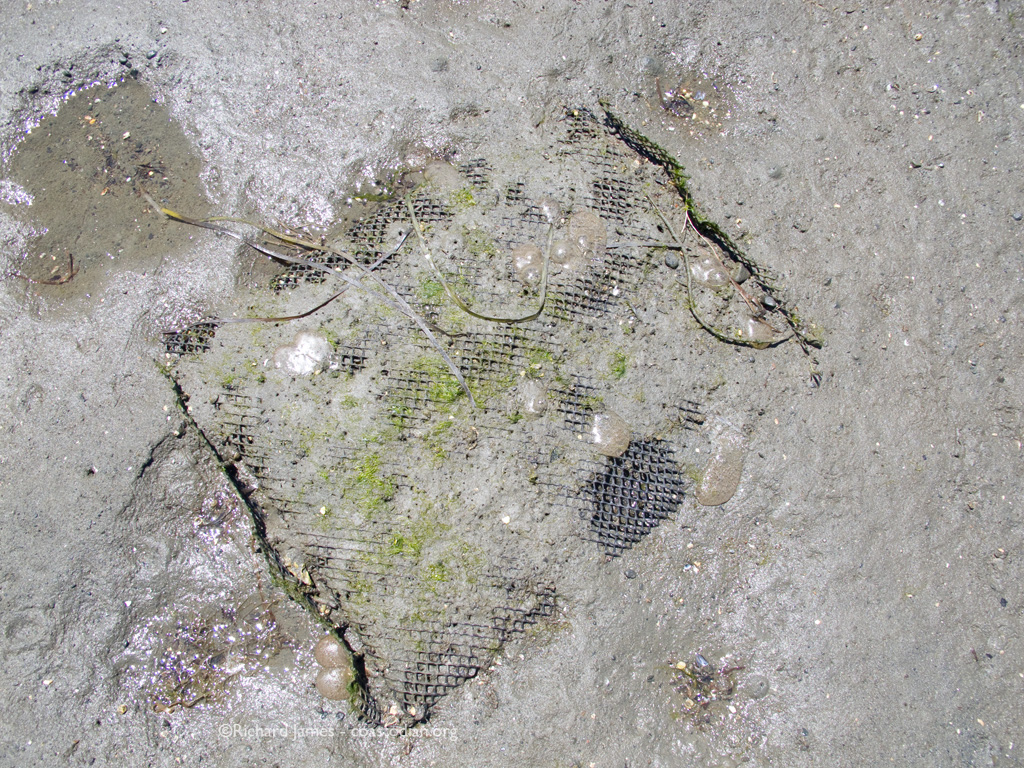
I did find fewer than ten bags on shore and only a few in the water.

IMG_0583

IMG_0582

IMG_0581

Location -     38.119608° N   -122.864715° W   Datum WGS84

Location – 38.119608° N -122.864715° W Datum WGS84

This work site still had the fifteen or so bags laying about I saw weeks ago. I left them then, and I left them today. The wind can easily take these bags into the water where the tides can carry them out to sea. Surely this work area can be kept cleaner!

Location -  38.128490° N   -122.864172° W   Datum WGS84

Location – 38.128490° N -122.864172° W Datum WGS84

Location -  38.128490° N   -122.864172° W   Datum WGS84

Location – 38.128490° N -122.864172° W Datum WGS84

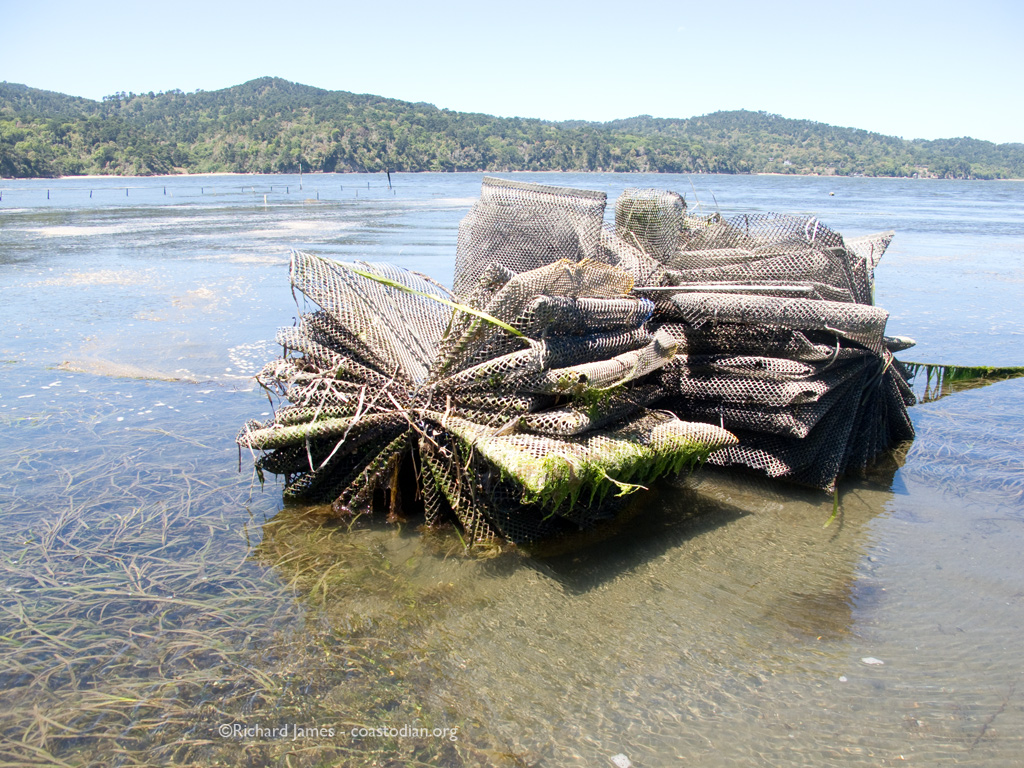
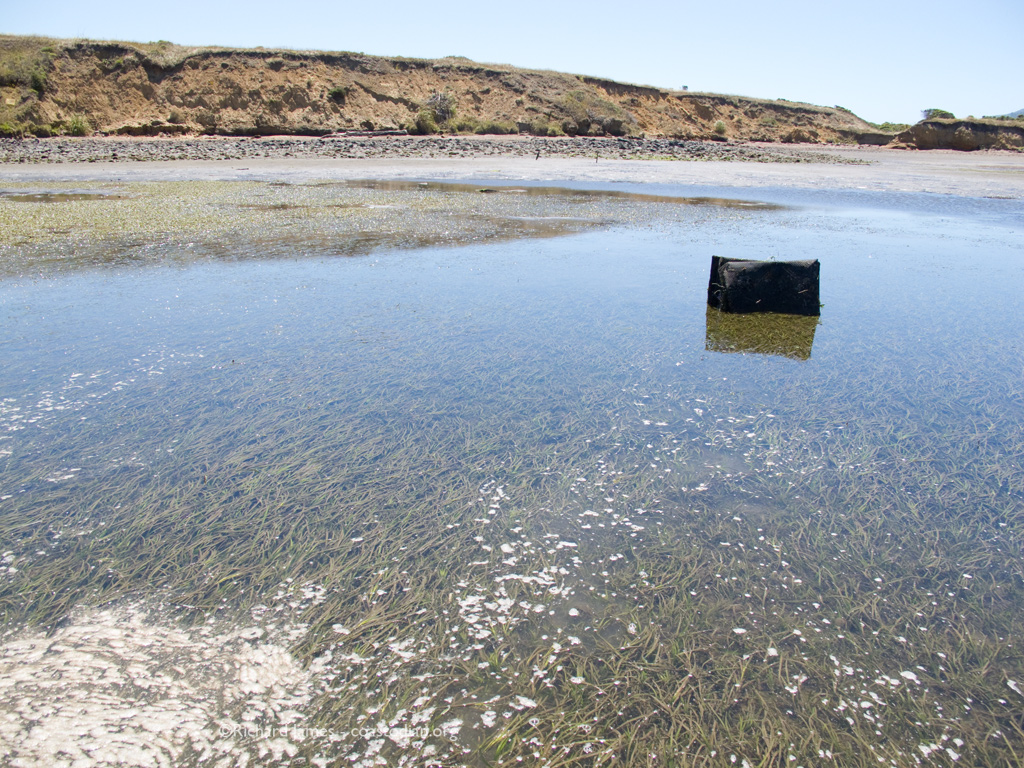
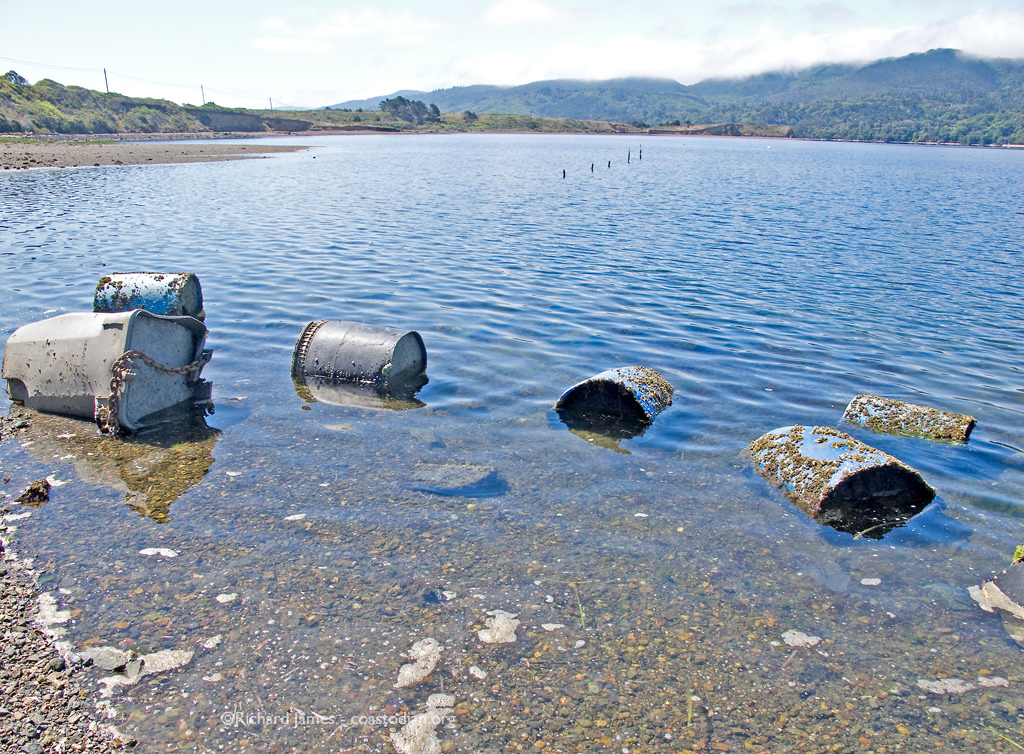
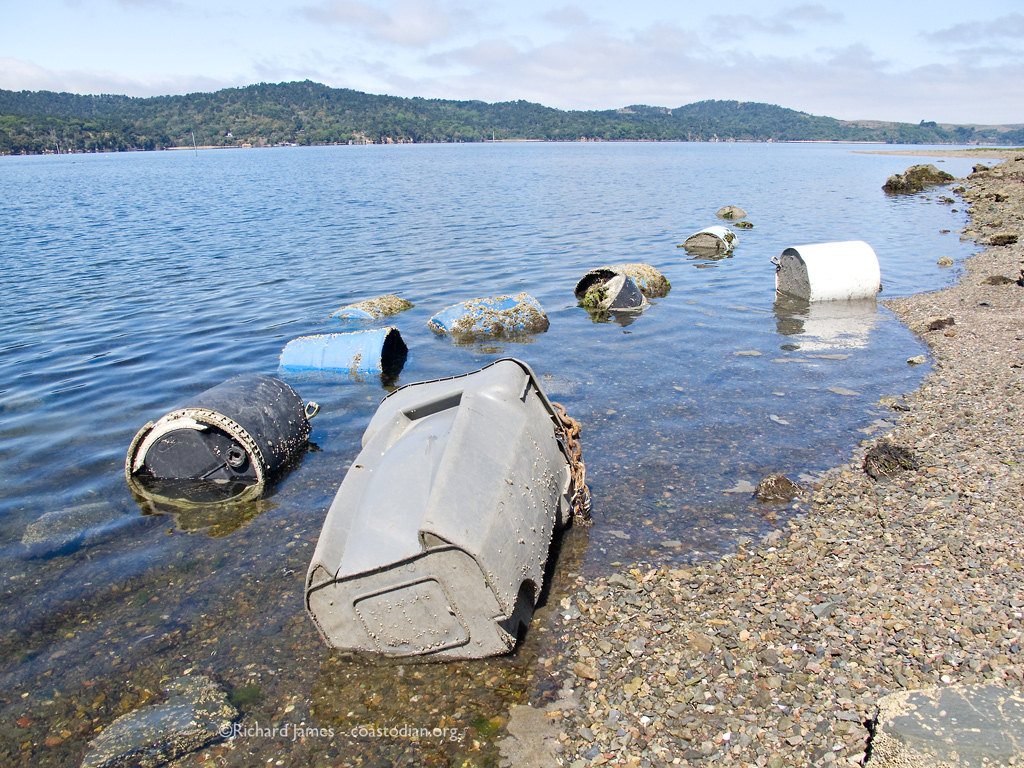
The sad new discovery was the anchors shown in the banner image and again above. Ten to twelve large plastic trash cans or barrels filled with concrete. Who left these here? This is 2013, not 1950. We have known for a long time that we can’t simply extract resources and leave our mess behind for others to deal with. Our planet is buckling under the damage caused by that out-dated thinking.

Who amongst you has an idea on how to get this blight out of Tomales Bay?

Location -   38.125753° N   -122.862869° W   Datum WGS84

Location – 38.125753° N -122.862869° W Datum WGS84

I could have had a V8!

Location -    38.125670° N   -122.862855° W   Datum WGS84

Location – 38.125670° N -122.862855° W Datum WGS84

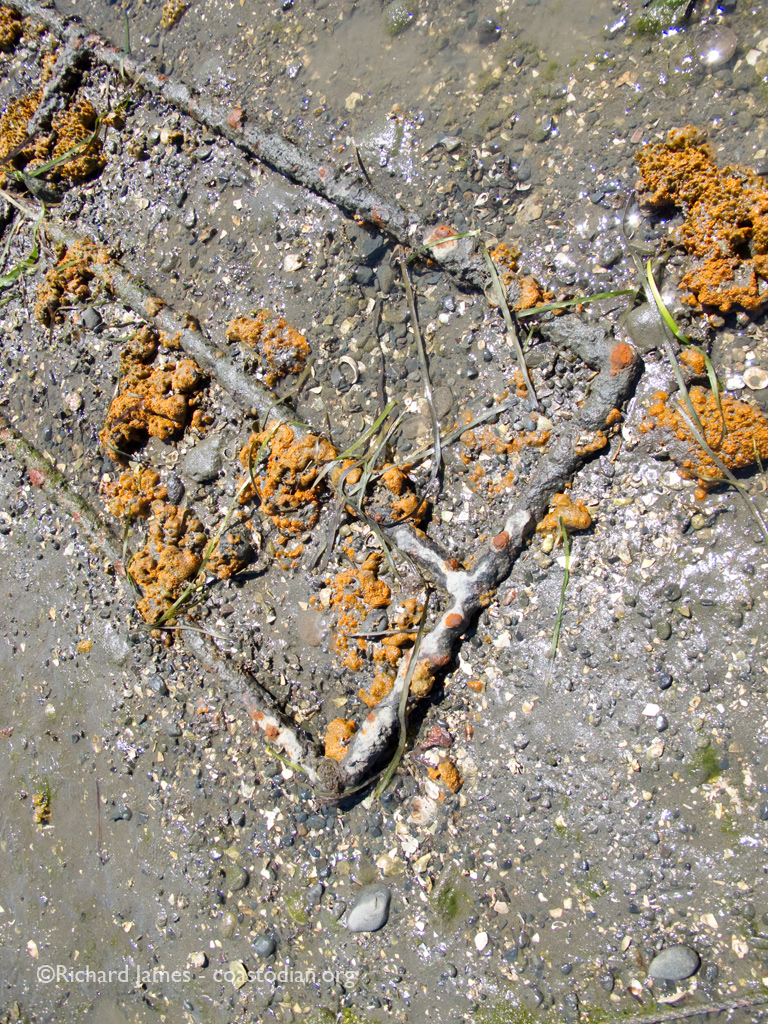
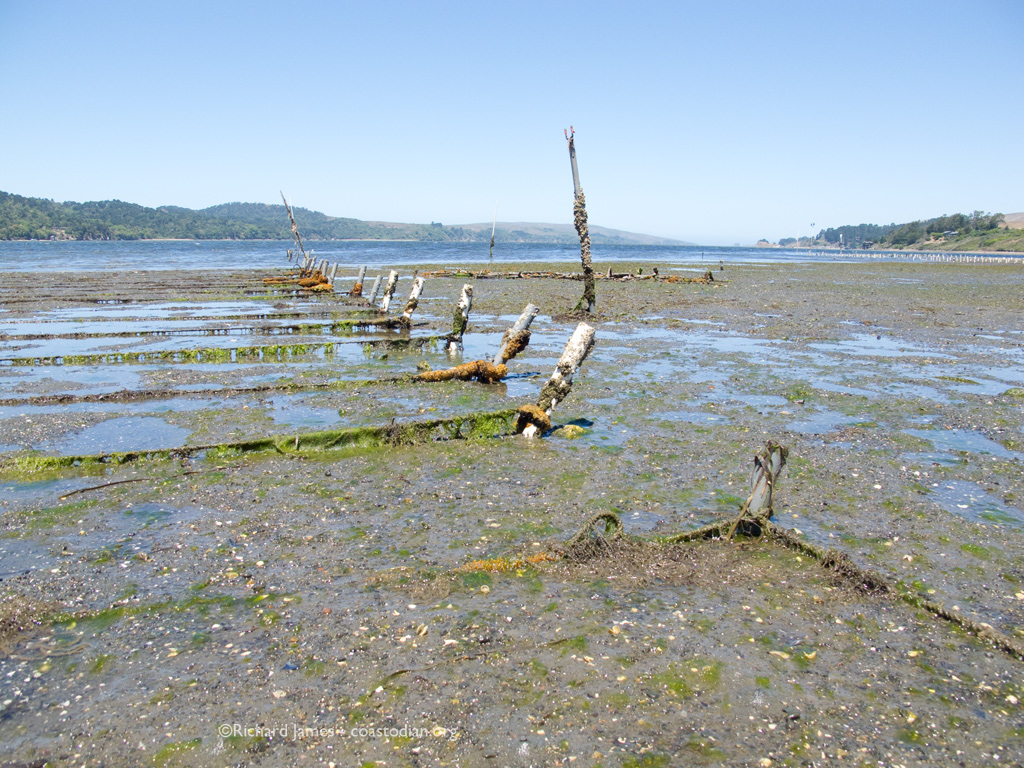
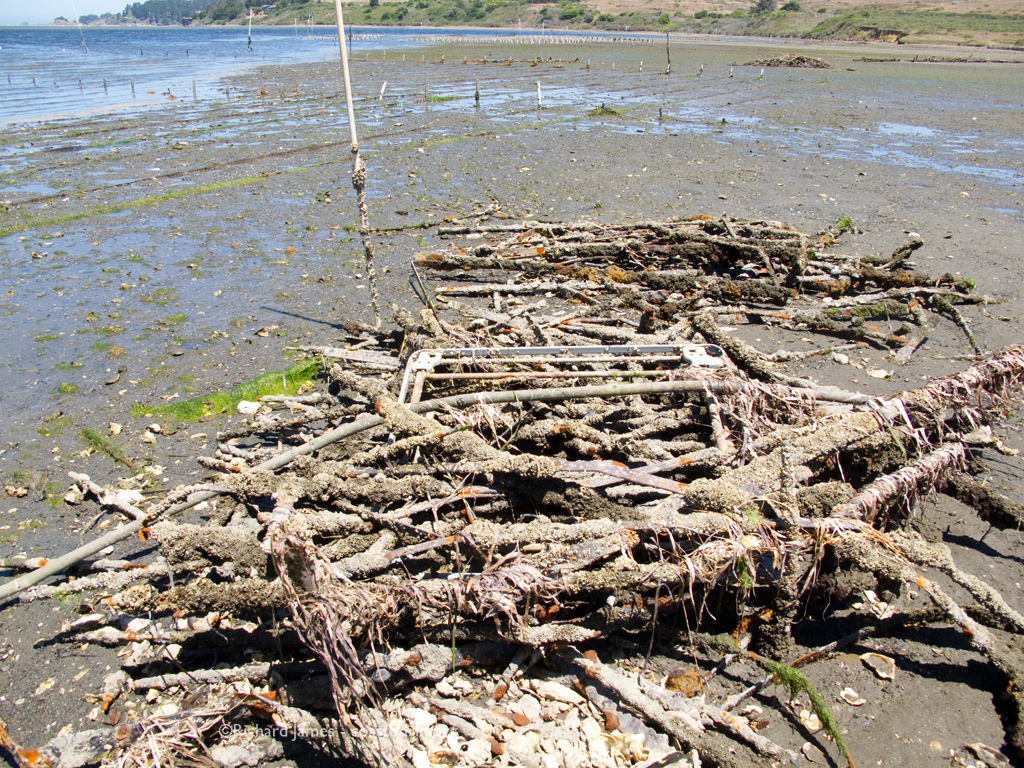
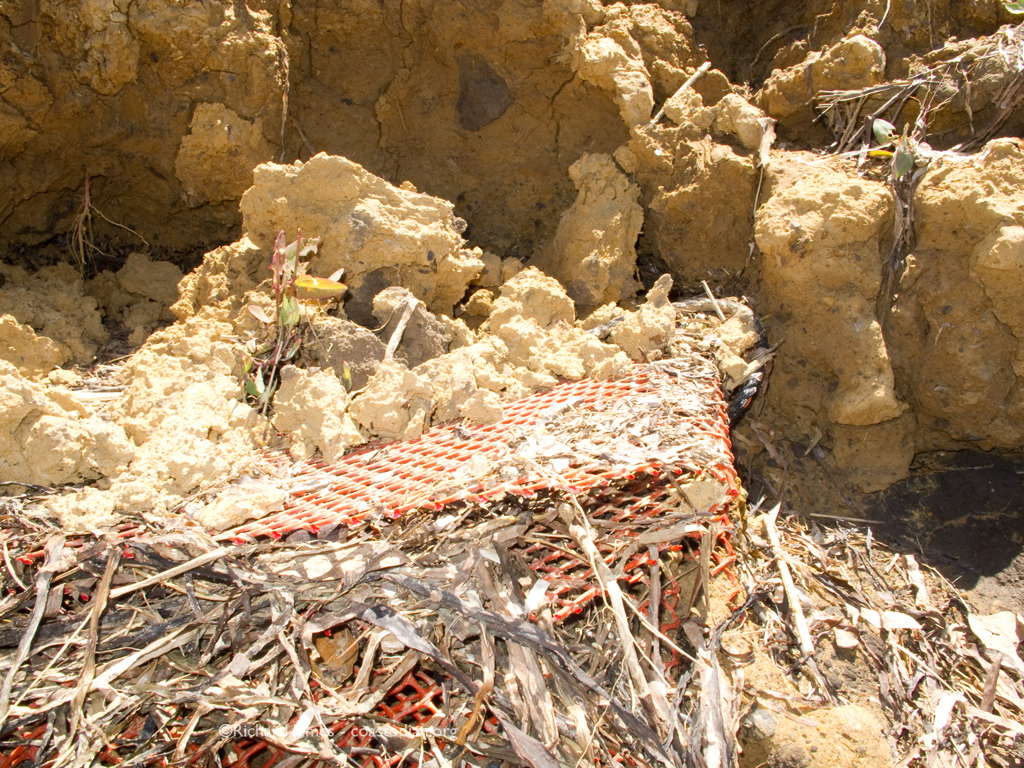
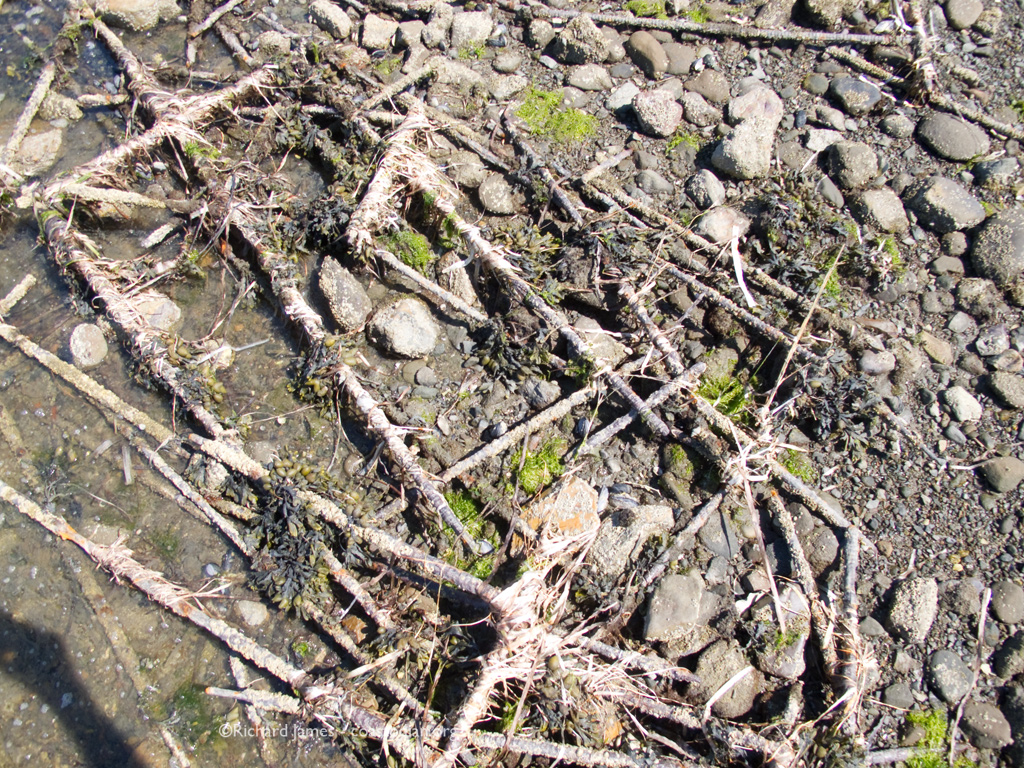
Still more rusty oyster infrastructure from days gone by, littering the bay.

Location -    38.125670° N   -122.862855° W   Datum WGS84

Location – 38.125670° N -122.862855° W Datum WGS84

Next I plan to visit the area around Walker Creek and Preston Point to see what sort of monuments to the human madness are mired in the mud up that way.

IMG_0584

Here are a few images showing what a healthy shoreline looks like, plastic free!

IMG_0595

IMG_0593

IMG_0594

.

Next related post may be found here.

Previous related post may be found here.

See the first post in this series “Save our Tomales Bay” here.

Save our Tomales Bay – Part 2

Click on the words “Save our Tomales Bay” above to see the related banner image.

Today and last week I boated across Tomales Bay with the intention of seeing what sort of plastic debris I could find and haul out.

Given my last post about the oyster farming debris I dug out of the shore of Tomales Bay and packed out, I did not think I’d find nearly so much.

How wrong I was.

Last week, a little north of the area of my last visit on the SE shoreline of Tomales Bay, I beached my boat and began to walk the wrack.

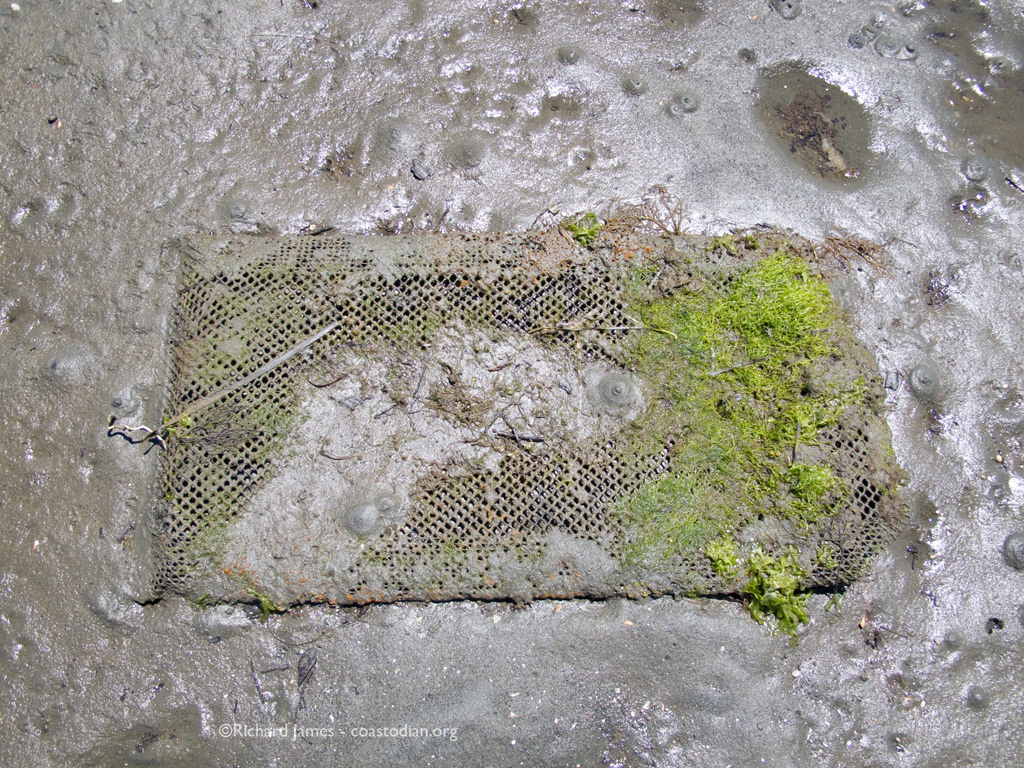
I stopped counting oyster grow-out bags after 20.

There were so many, I had to make 3 trips back across after loading my boat as tall as I dare. Digging the heavy bags out of the mud high on the beach was exhausting. Lack of energy and daylight prevented me from making another 3-4 trips that I figured were needed to remove all the bags littering the sand, plants and water.

Today I went back to the same area with photography in mind. I wanted to be sure to record the impact of mariculture on our shared bay. To be honest, I also did not want to feel like I’d been hit by a truck, as I felt the day after 8 hours of picking up trash last week.

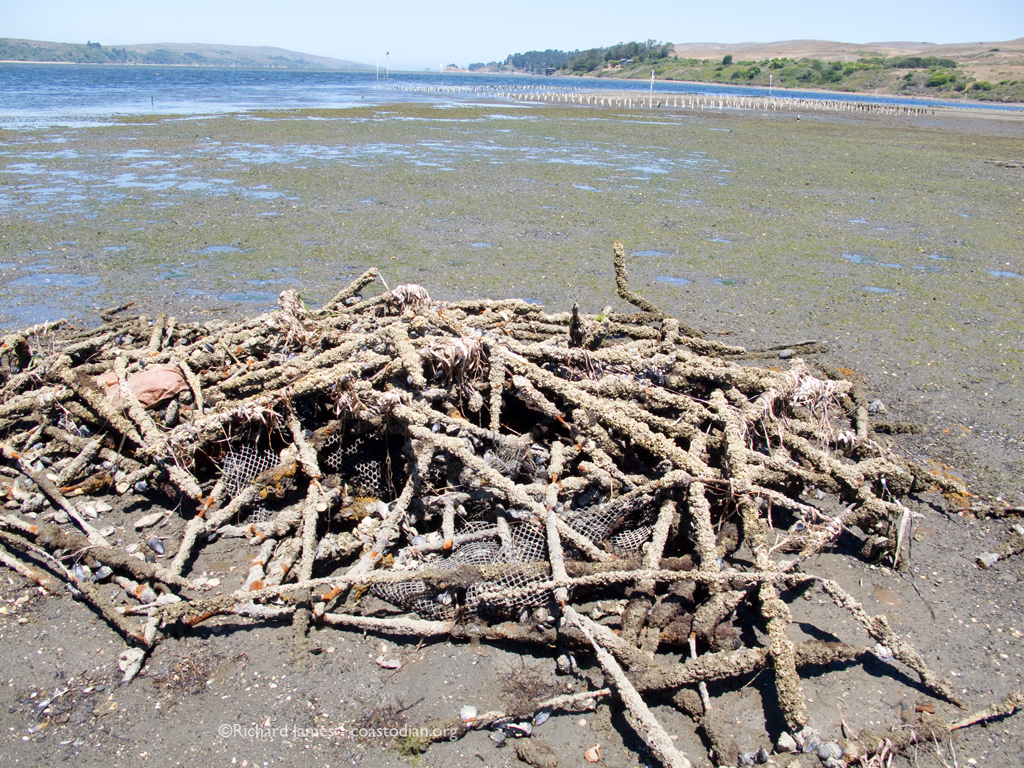
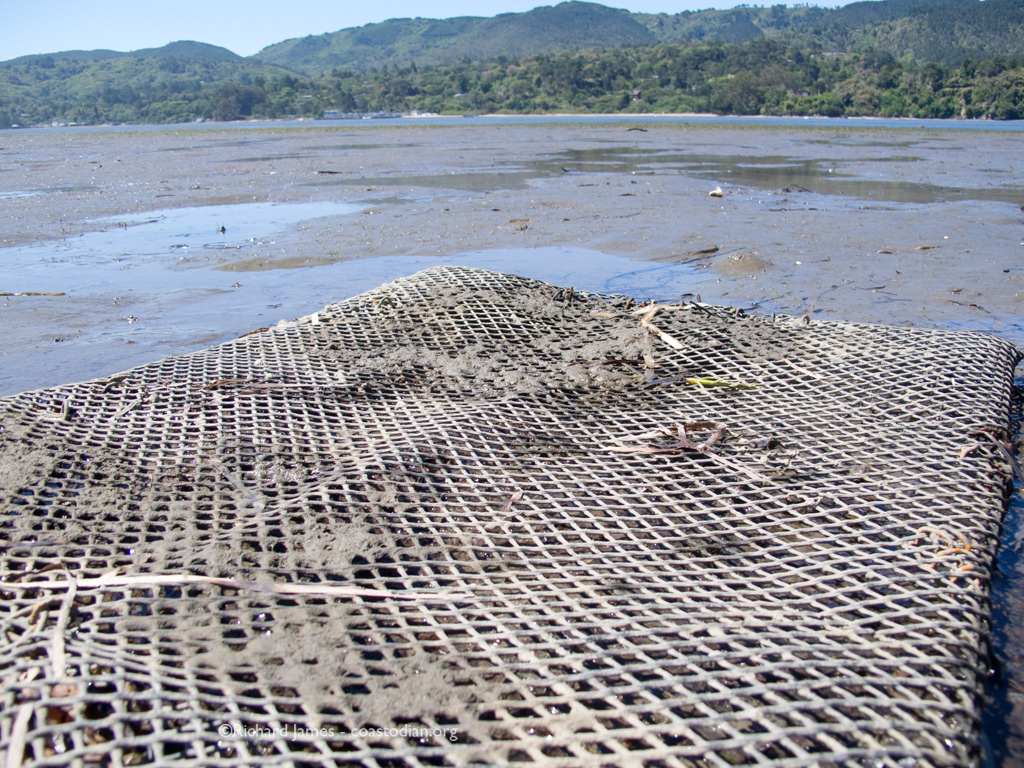
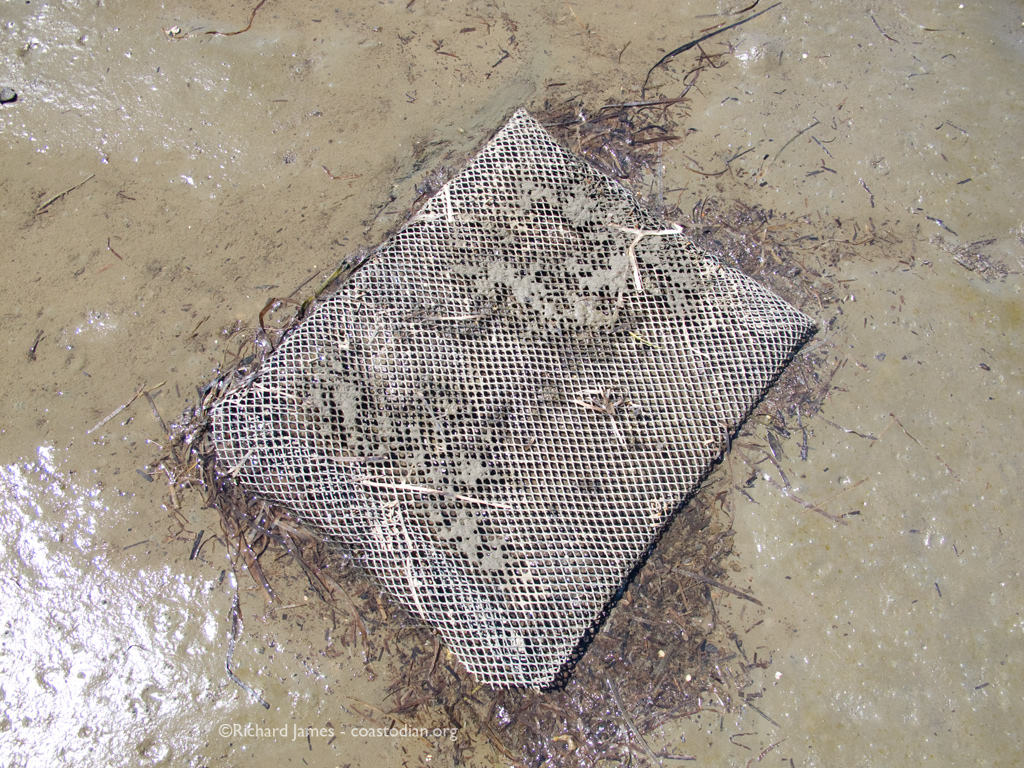
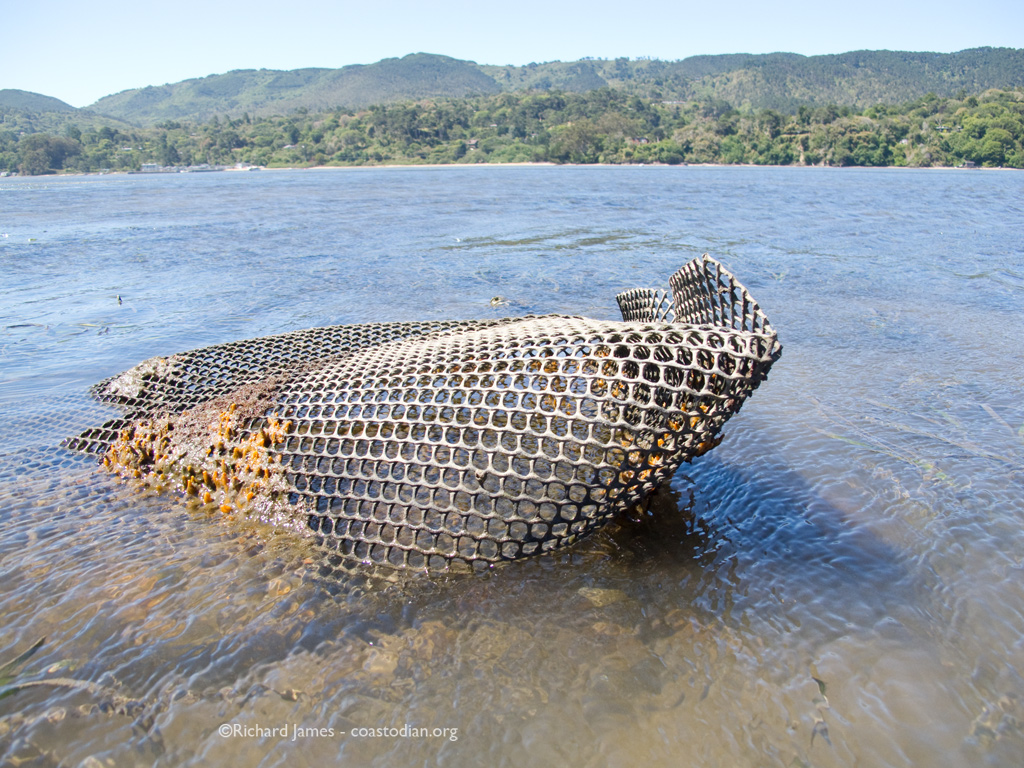
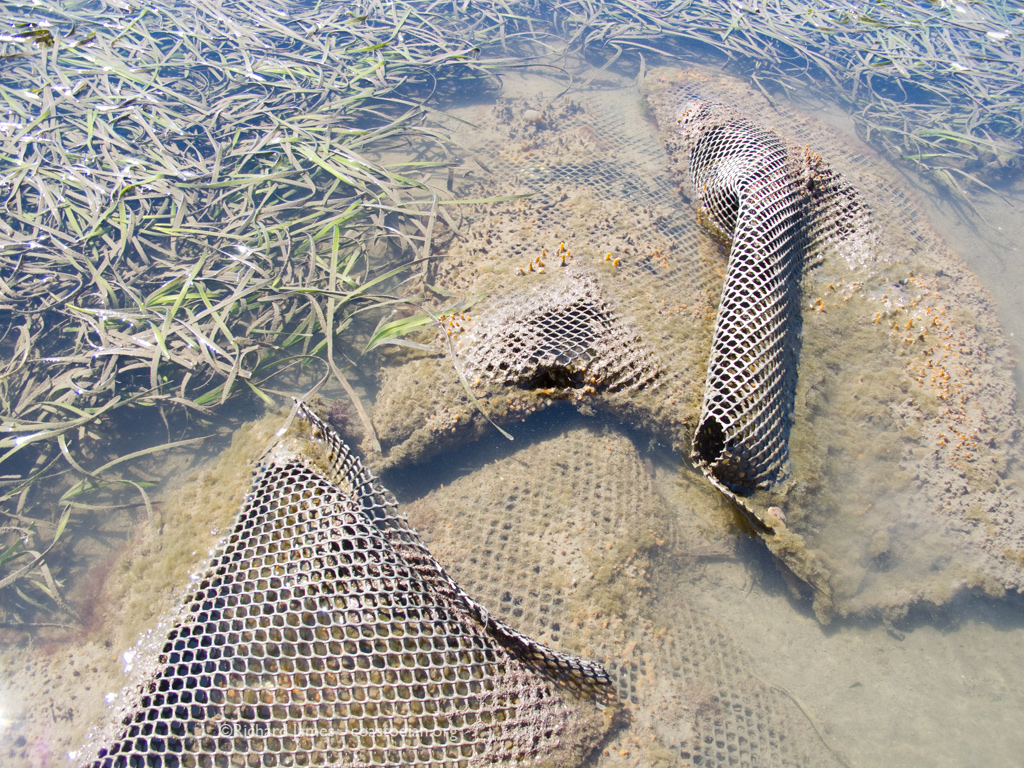
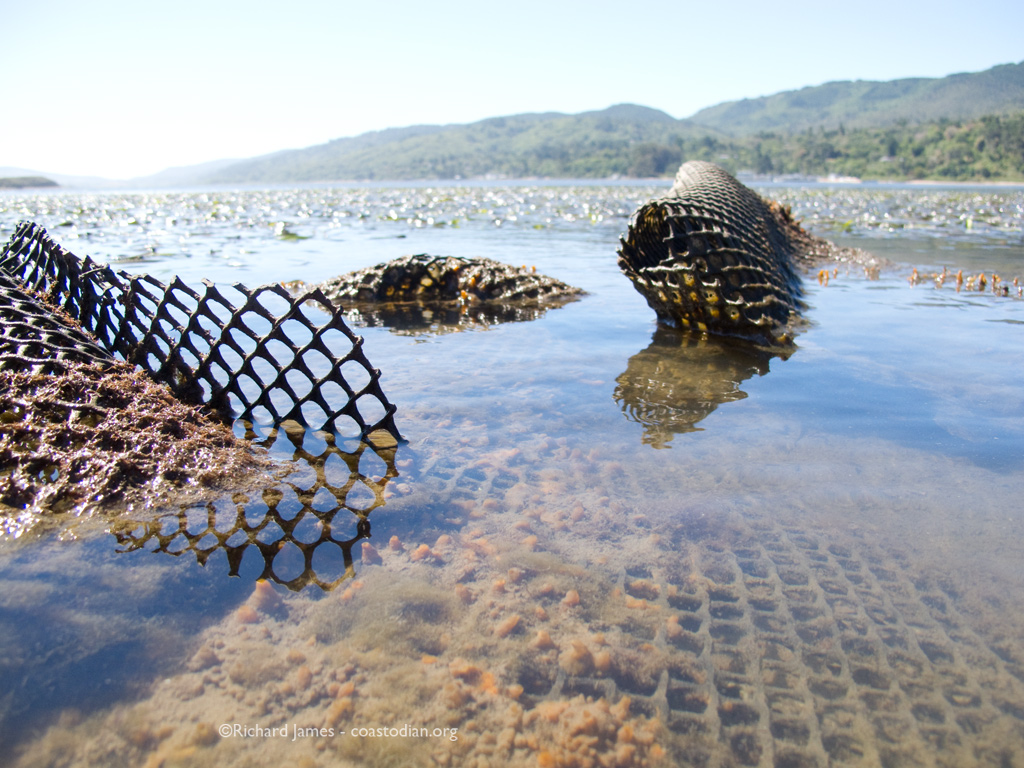
In four trips across Tomales Bay in a small sit on top kayak, I hauled out 160 grow out bags, along with lots of other bottles, wrappers, foam etc. There is easily twice that many more in this one area. I wonder if the farm(s) that leave this mess there will begin to clean-up after themselves? If not, I am going to need lots of help.

Commerce makes a profit, consumers enjoy a meal. The earth pays a steep price never to be compensated.

When will humans learn that the unpaid compensation will be recovered one day in the form of a dead planet, no longer able to sustain humans as well as many other life forms?

What follows are images that to me, are proof positive that the decision to let the oyster lease in Drakes Estero expire was the right choice. These same scenes repeated themselves throughout The Estero, though I never personally saw this many bags washed ashore on one boating trip in The Estero. I did see dozens of them that had been pulled out by the tides into Drakes Bay and deposited on Limantour and Drakes Beaches, as well as other nearby beaches. How many escaped unnoticed?

See earlier post about the nearly 6000 PVC pipe spacers I collected from Point Reyes beaches.

All of the images can be clicked on to see a larger image.

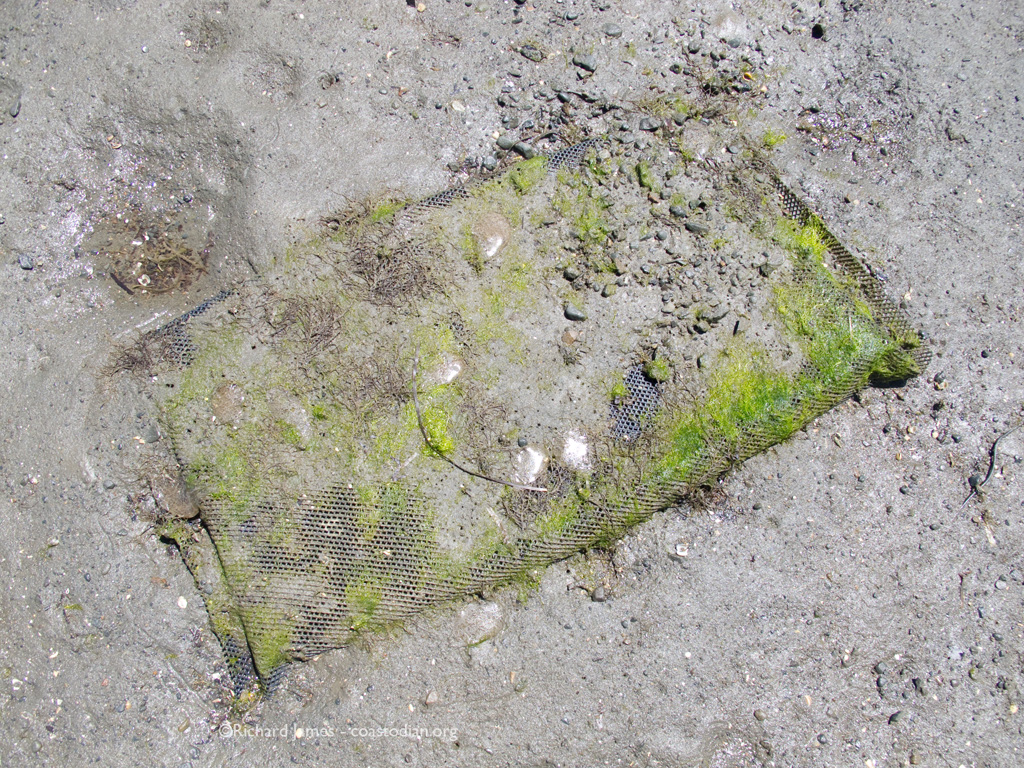
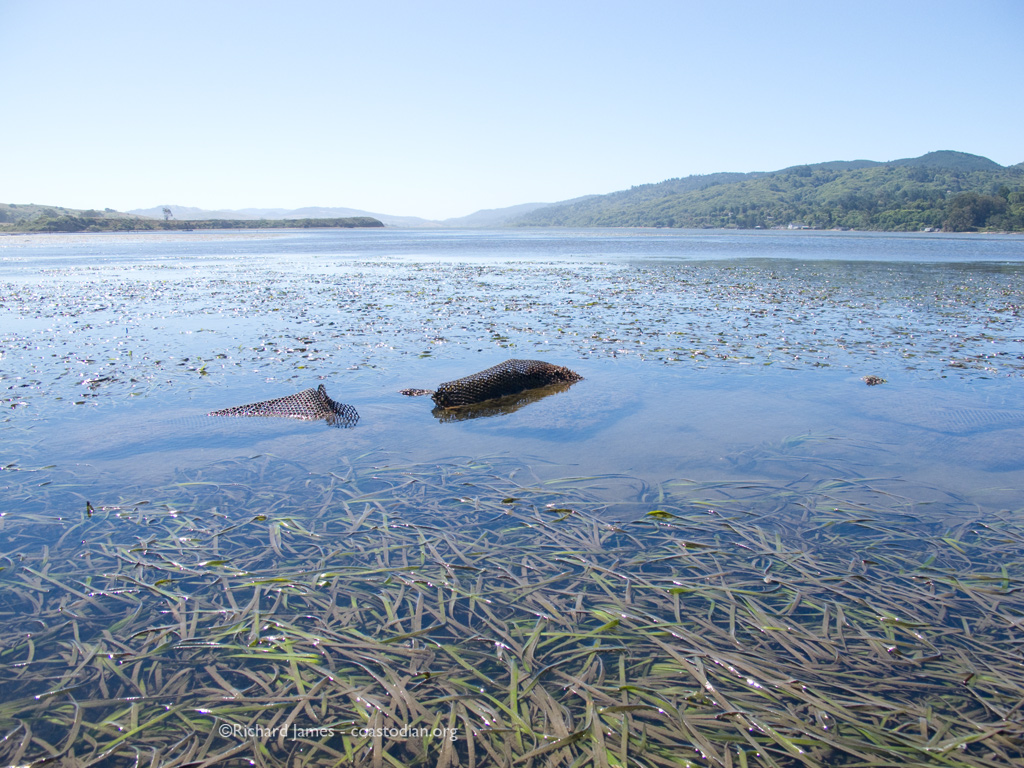
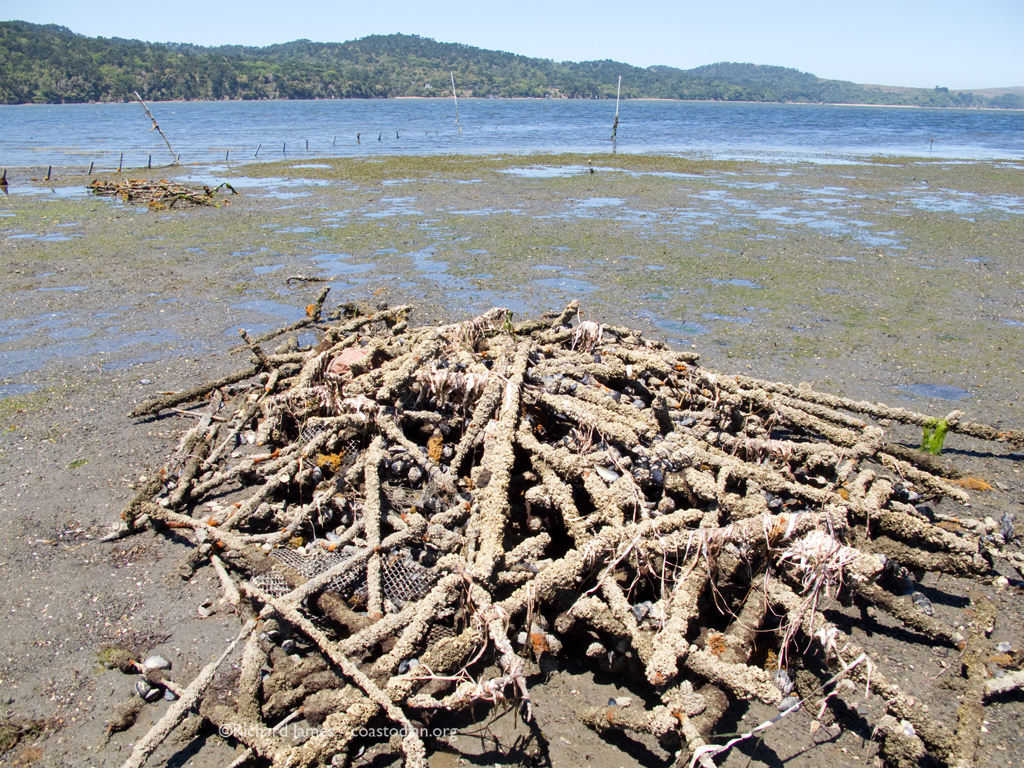
160 polyethelene oyster grow out bags left to the elements in Tomales Bay
160 polyethelene oyster grow out bags left to the elements in Tomales Bay

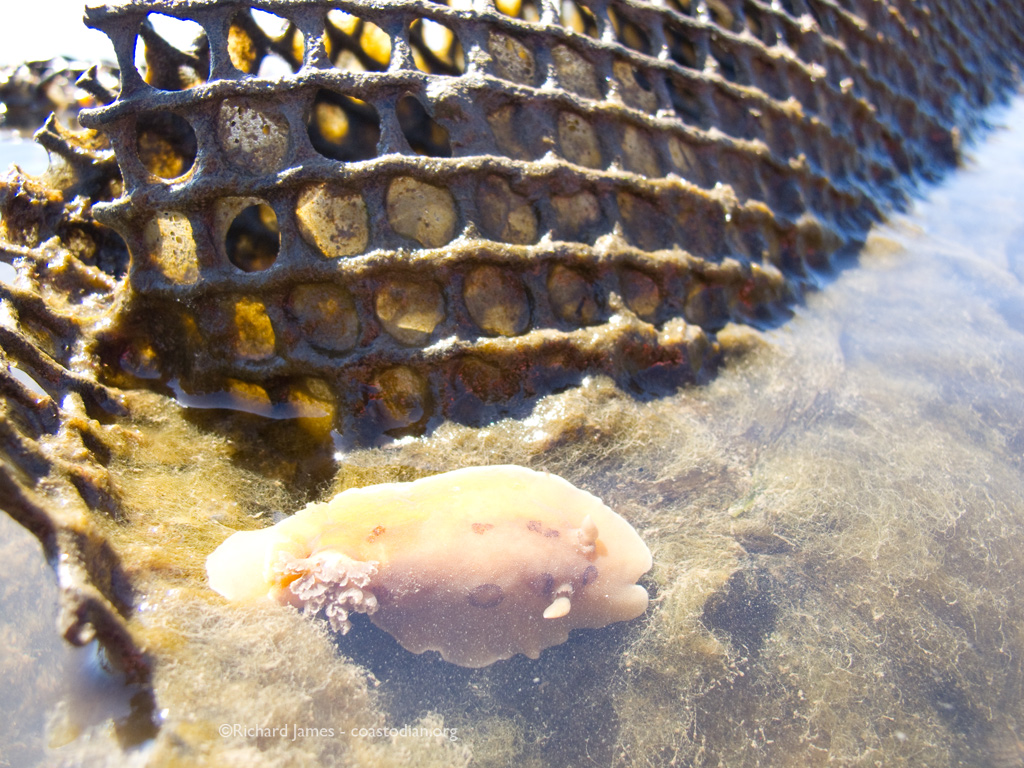
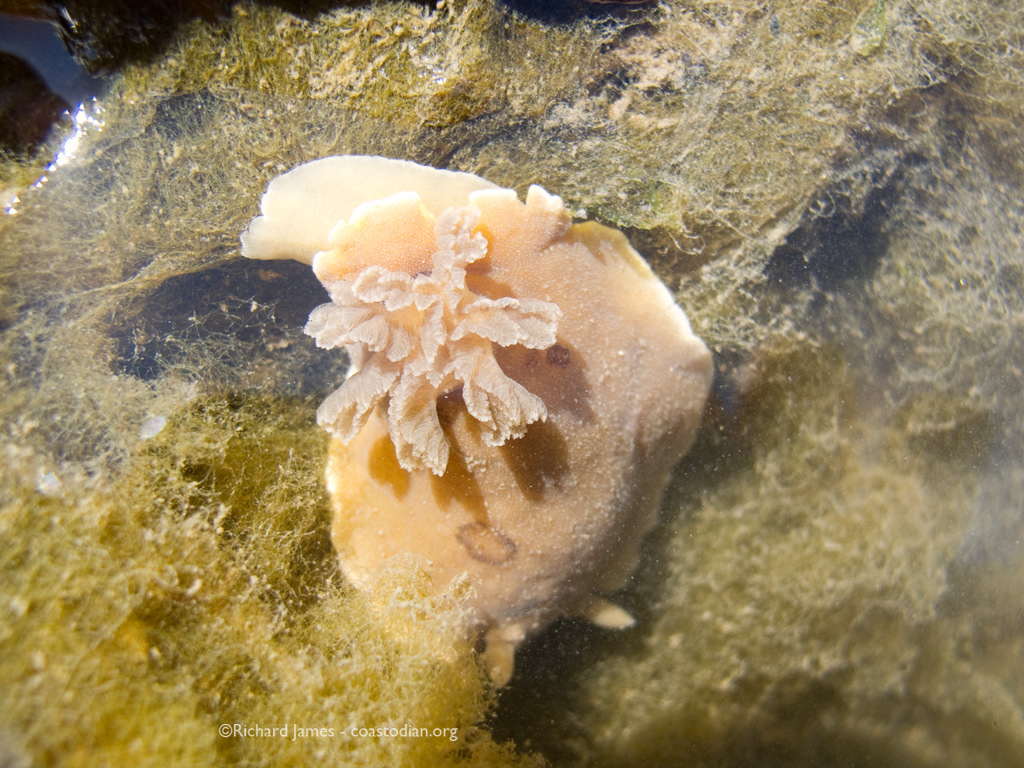
Nudibranch dining on a grow out bag

Nudibranch dining on a grow out bag

RJames.IMG_0455

Click on image to see a larger version.
RJames.IMG_0454

IMG_0542

IMG_0532

Click on image to see a larger version.
IMG_0518

IMG_0494

Click on image to see a larger version.

IMG_0482

160 polyethelene oyster grow out bags left to the elements in Tomales Bay

160 polyethelene oyster grow out bags left to the elements in Tomales Bay

160 polyethelene oyster grow out bags left to the elements in Tomales Bay

160 polyethelene oyster grow out bags left to the elements in Tomales Bay

Click on image to see a larger version.
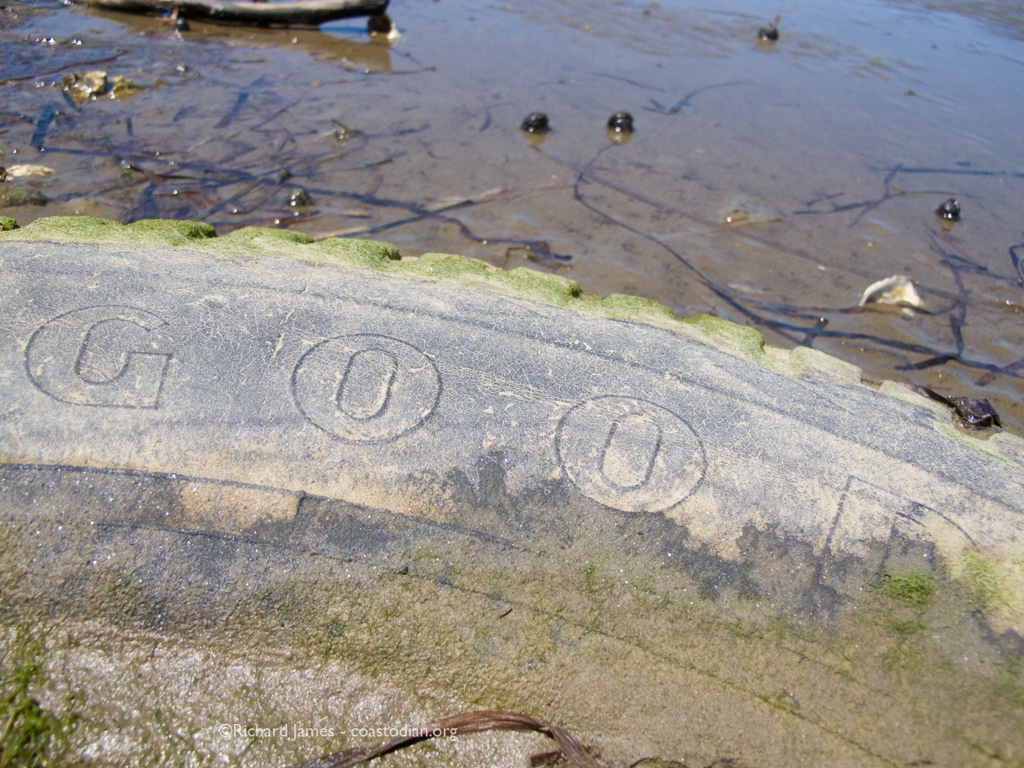
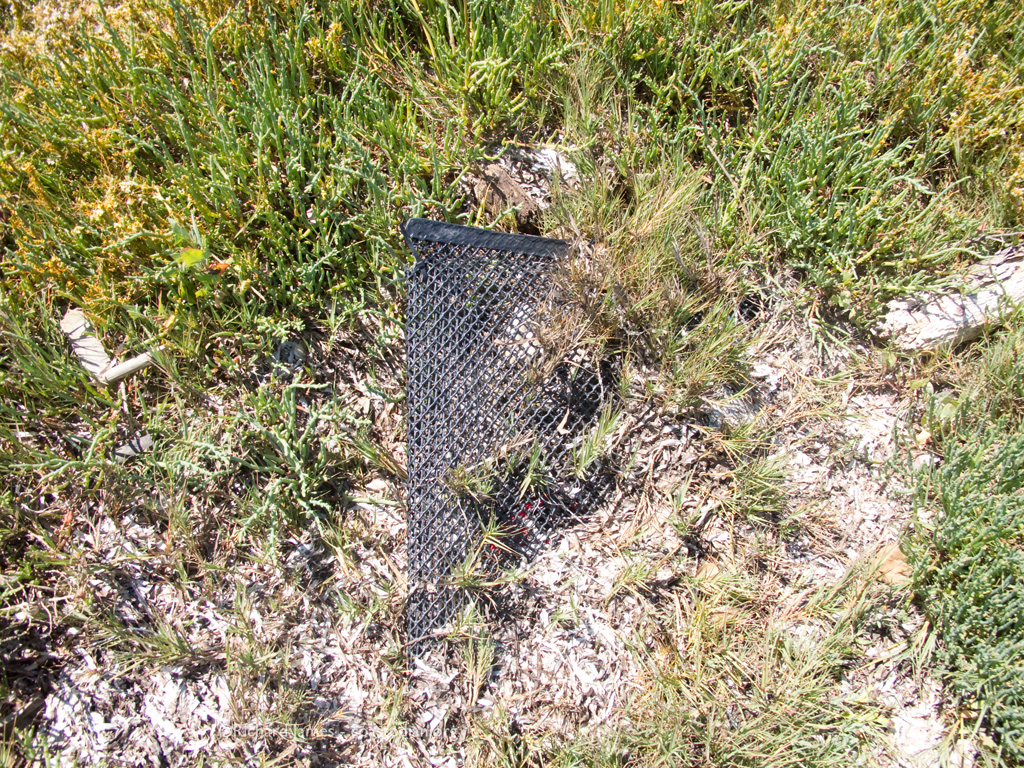
Been there so long, pickleweed is growing through it.

Been there so long, pickleweed is growing through it.

RJames.IMG_0480

RJames.IMG_0478

RJames.IMG_0477

Click on image to see a larger version.
RJames.IMG_0475

RJames.IMG_0474

RJames.IMG_0473

Click on image to see a larger version.
RJames.IMG_0471

RJames.IMG_0470

RJames.IMG_0469

Click on image to see a larger version.

RJames.IMG_0467

RJames.IMG_0465

RJames.IMG_0463

Click on image to see a larger version.

Nudibranch dining on a grow out bag

Nudibranch dining on a grow out bag

RJames.IMG_0516

RJames.IMG_0515

Click on image to see a larger version.
RJames.IMG_0513

RJames.IMG_0512

RJames.IMG_0511

Click on image to see a larger version.
RJames.IMG_0510

RJames.IMG_0509

RJames.IMG_0506

Click on image to see a larger version.

RJames.IMG_0505

RJames.IMG_0504

RJames.IMG_0503

Click on image to see a larger version.

RJames.IMG_0499

RJames.IMG_0495

RJames.IMG_0541

Click on image to see a larger version.
RJames.IMG_0540

RJames.IMG_0539

RJames.IMG_0538

Click on image to see a larger version.
RJames.IMG_0537

RJames.IMG_0536

RJames.IMG_0535

Click on image to see a larger version.

RJames.IMG_0534

RJames.IMG_0531

RJames.IMG_0530

Click on image to see a larger version.
RJames.IMG_0528

RJames.IMG_0527

RJames.IMG_0526

Click on image to see a larger version.
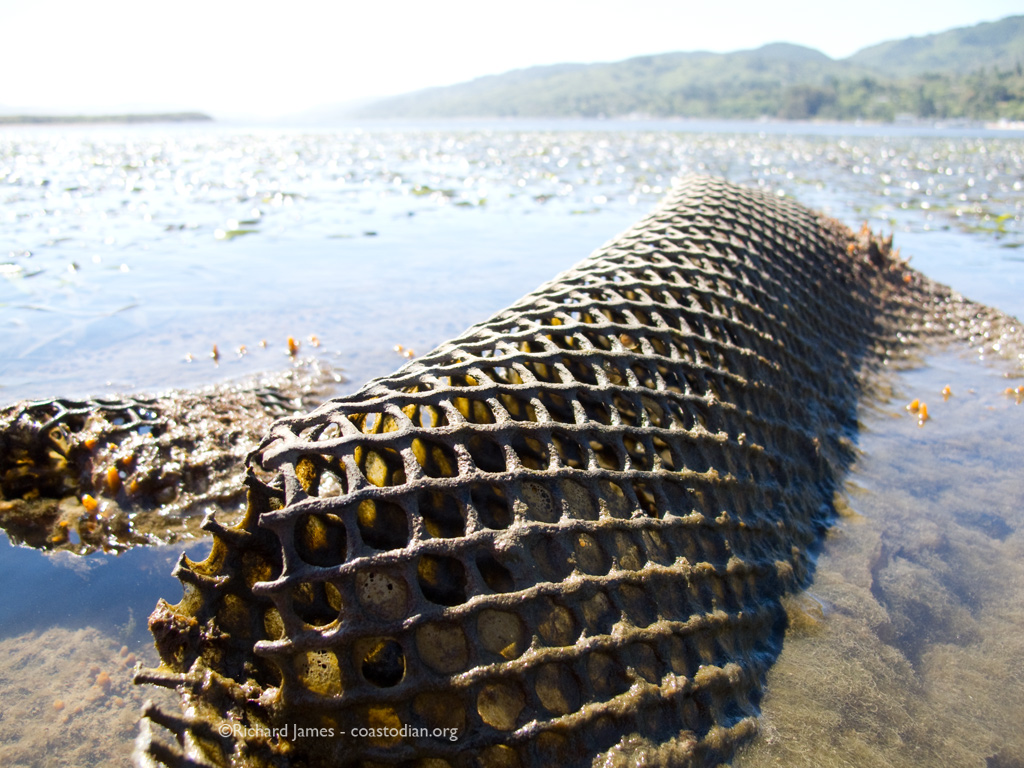
RJames.IMG_0524

RJames.IMG_0523

RJames.IMG_0522

Click on image to see a larger version.
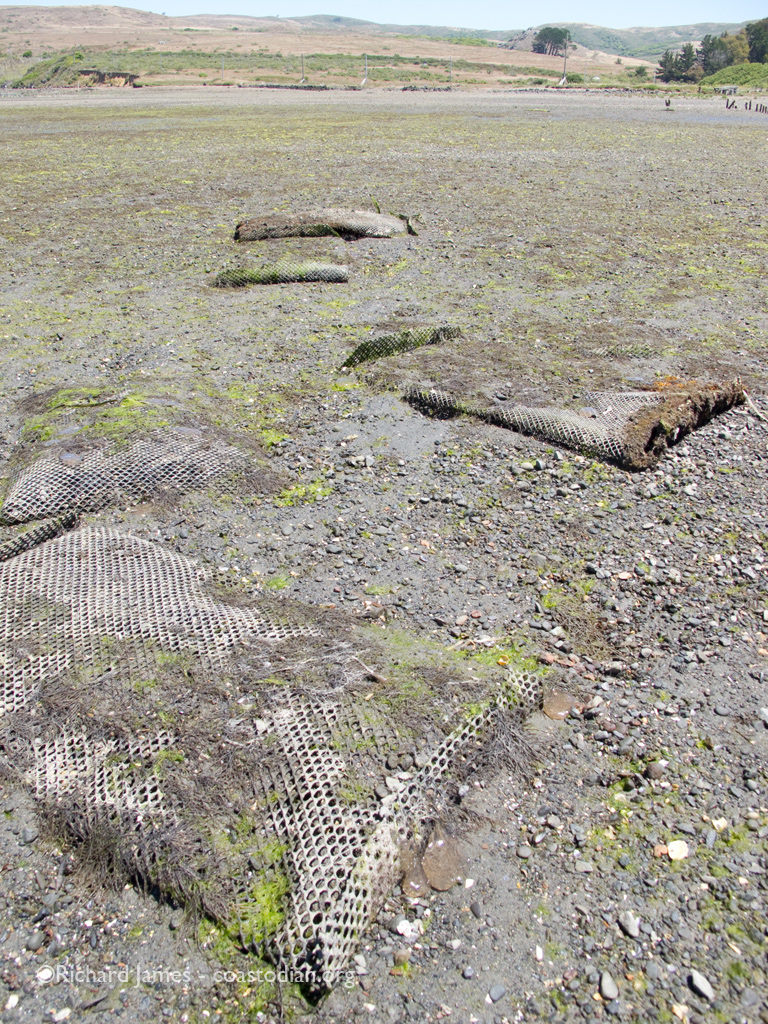
been there so long it is buried

been there so long it is buried

been there so long it is buried

been there so long it is buried

been there so long it is buried

been there so long it is buried

Click on image to see a larger version.
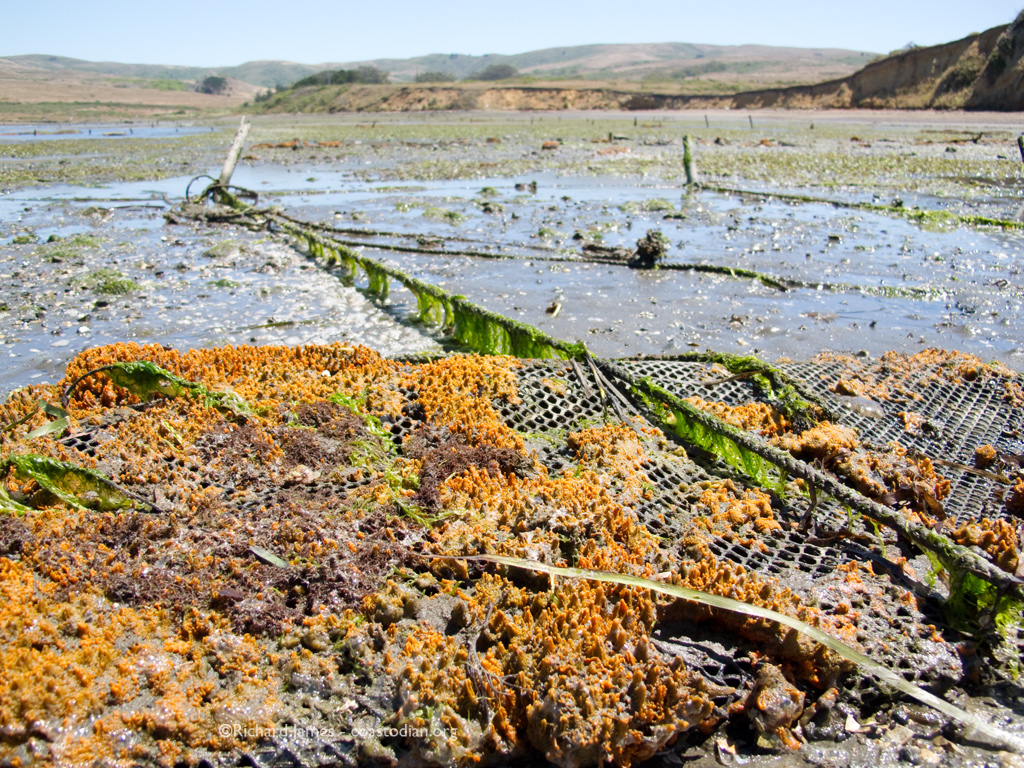
NOT good!

NOT good!

RJames.IMG_0546

Click on image to see a larger version.

RJames.IMG_0545

RJames.IMG_0543

In West Marin of all places!

Calling this sustainable mariculture would be as crazy as saying The Inverness Garden Club sprayed Roundup® in a public area near Tomales Bay, without permits, telling no one.


.

Next related post may be found here.

See the first post in this series “Save our Tomales Bay” here.

Save our Tomales Bay

Over the past few weeks signs have popped up all over West Marin stating
“Save our Drakes Bay Oyster Farm”.

I am reminded of a young child that wants a puppy. Really wants a puppy.

Begs and pleads to her/his parents to get a puppy.

Days and weeks of begging for a puppy.

The parents engage in the sort of dialog you might expect.

“Puppies are a lot of responsibility honey.”

“I’ll take care of him” is the reply.

“You have to feed the puppy and make sure it has clean water.”

“I will, I’ll feed it every day.”

“And you have to pick up the mess from the puppy too.”

“I will, I will pick up after him.”

And so a puppy is purchased and brought home.

At first, all is well and the child does indeed do as promised. After a few weeks, soccer practice gets in the way and the dog poop is not picked up regularly. Then homework is too burdensome and the morning walk is not doable anymore. Soon, even feeding the dog is forgotten by the child.

Everywhere around us we see signs asking for an oyster farm. An oyster farm that has been shitting in the estero for as long as it has been there. See a previous post for a image showing a tiny subset of what an oyster farm does to a pristine seascape.

You’d think that with all the scrutiny on the Drakes Bay Oyster Company and the environment, the other oyster farmers in Tomales Bay would be super-vigilant, keeping a close eye on their operations, making sure they clean up after their gear is ripped out and strewn about by wind and wave.

Well, think again. I boated across Tomales Bay yesterday from my place and spent a few hours walking the shore, digging oyster grow-out bags, blue foam, rope, floats, trays etc out of the wrack.

Collected from SE shore of Tomales Bay on 8 June, 2013 in a few hours by one person. Click image for a larger version

Collected from SE shore of Tomales Bay on 8 June, 2013 in a few hours by one person.
Click image for a larger version


Drakes Estero is situated in a National Seashore and has been defiled by human commerce for 70 years or more.

Tomales Bay is designated a state park if I am not mistaken. And, as you can see is clearly not very well respected by local commerce.

Both of these places are situated on earth, the only earth we have. And unless your head is in the sand, or some other place, you can see that we have been trashing it at an ever faster pace since we learned how to use our opposable thumbs.

We can feed ourselves without trashing the planet. We all have to share the burden a little bit, but we can do it.

West Marin prides itself on local, sustainable…….in light of local practices, add blah, blah, blah to the mantra.

I’m sorry, no puppy for you. And no oyster farm in Drakes Estero.

Kehoe Beach – 27 January, 2012, 3:58 pm looking south, status quo.
Click image for a larger version

Next installment may be found here.
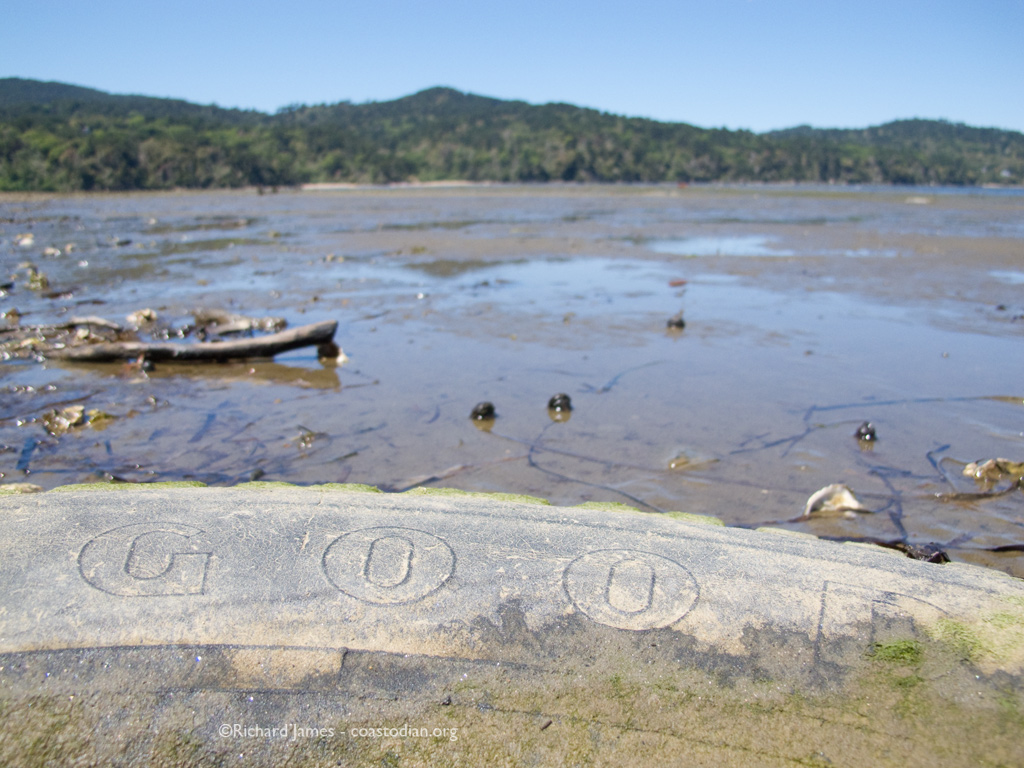
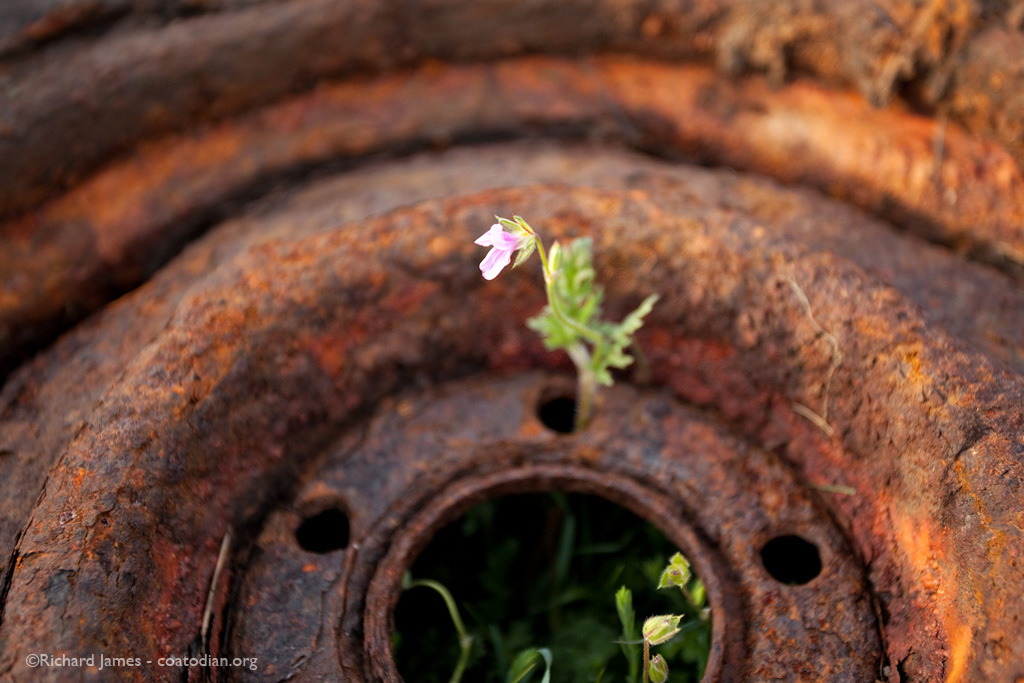
Tire is no match for flower

Click on the title of this post to read it and see a related header image.

IMG_4019.cc.cw

Nature responds to the careless, selfish ways of humans.


IMG_0243.cc.cw


Four-Treads.cw

What destinations did these tires venture to?

The stories these tires could tell.


IMG_0246.cc.cw


IMG_0254.cc.cw

Let’s hope these tires are responsibly handled by the NPS. The heavy lifting has been done for them.

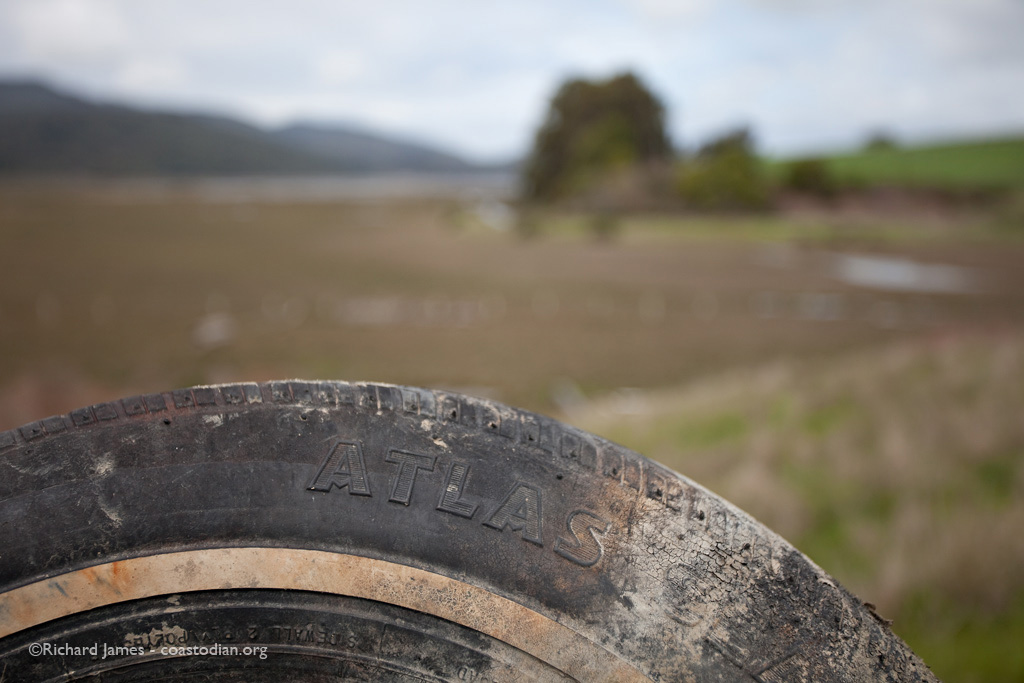
Atlas Lugged….out of Tomales Bay

Click on the title of this post to read it and see a related header image.

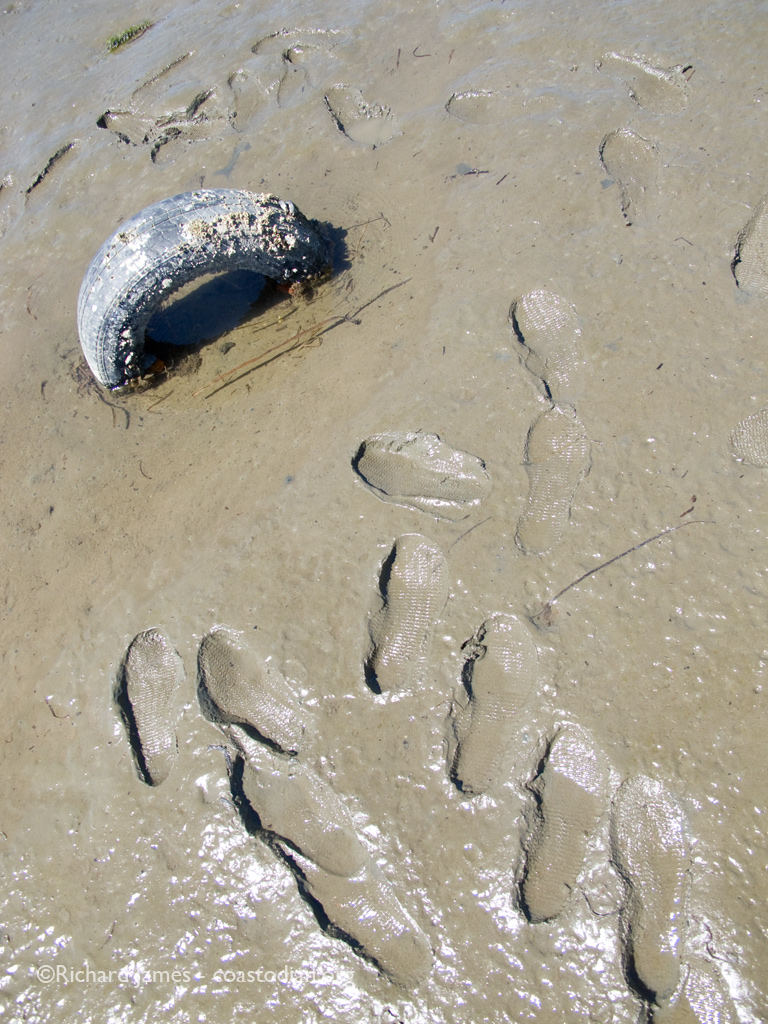
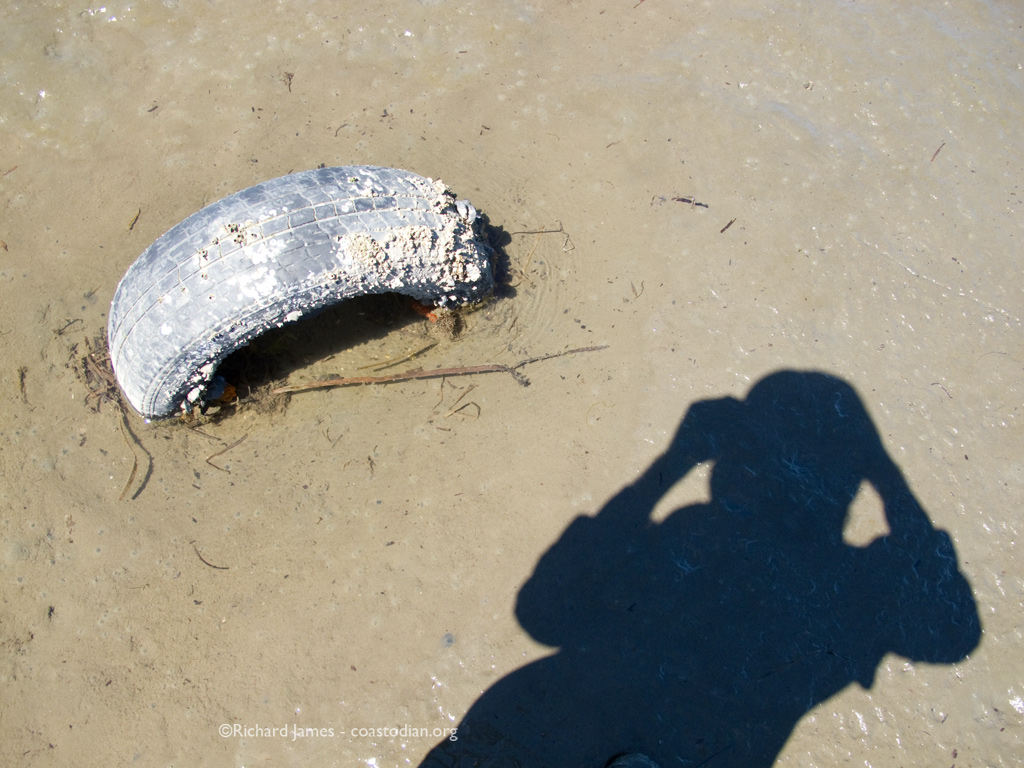
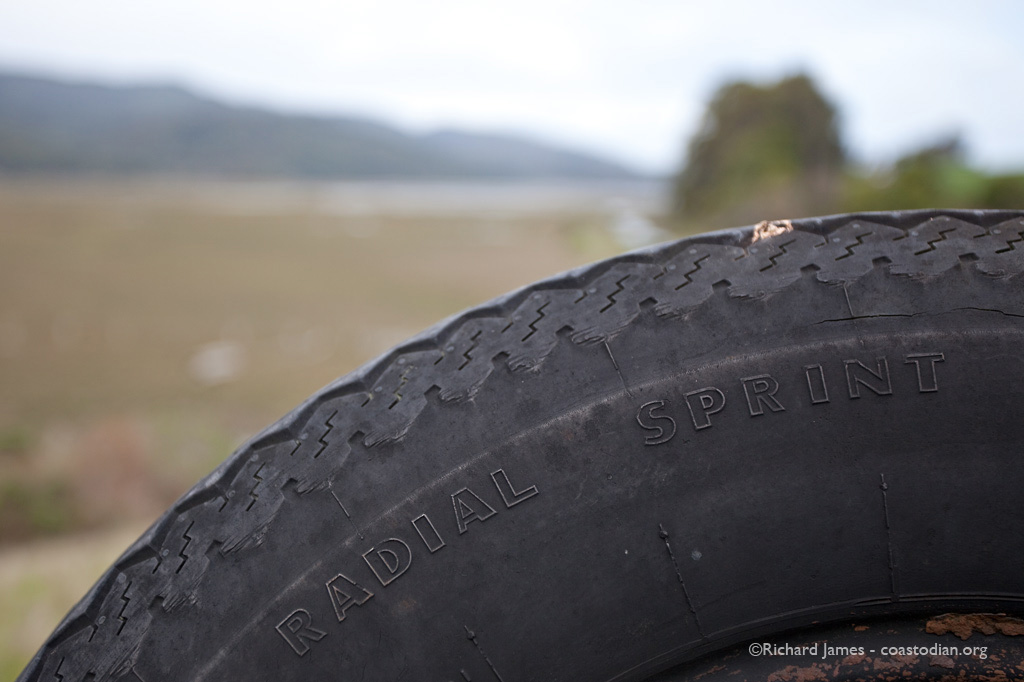
Last week I shared some images of my kayak adventure during which I recovered nine discarded tires from the muck of Tomales Bay.

Come see the meager progress I made in cleaning up the local environment.

Ayn Rand wrote of a dystopian society in her book, Atlas Shrugged. To me, the way we humans treat this place we call home is about as dystopian as it can get. ©2013 Richard James Photography - coastodian.org

Ayn Rand wrote of a dystopian society in her book, Atlas Shrugged.
To me, the way we humans treat this place we call home is about as dystopian as it can get.
©2013 Richard James Photography – coastodian.org

©2013 Richard James Photography - coastodian.org

©2013 Richard James Photography – coastodian.org

©2013 Richard James Photography - coastodian.org

©2013 Richard James Photography – coastodian.org

©2013 Richard James Photography - coastodian.org

©2013 Richard James Photography – coastodian.org

©2013 Richard James Photography - coastodian.org

©2013 Richard James Photography – coastodian.org

Anyone know what that green thing is? ©2013 Richard James Photography - coastodian.org

Anyone know what that green thing is?
©2013 Richard James Photography – coastodian.org

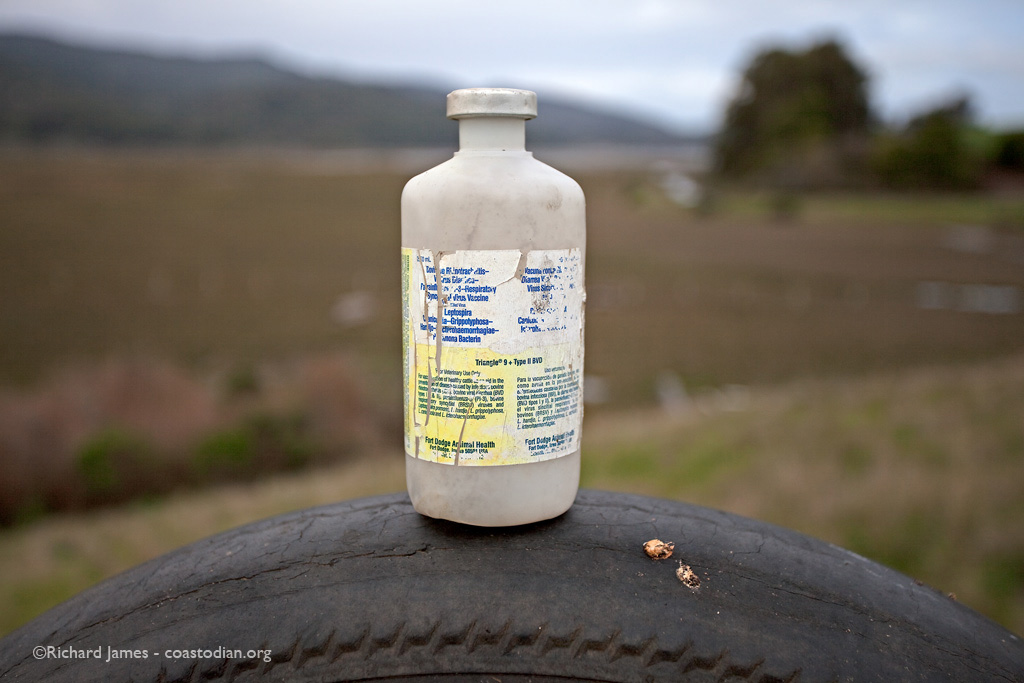
Veterinary drug container found in the wrack

Veterinary drug container found in the wrack

For Veterinary Use Only For vaccination of healthy cattle as an aid in the prevention of disease caused by infectious bovine rhinotracheitis (IBR), bovine viral diarrhea (BVD types I & II), parainfluenza-3 (PI-3), bovine respiratory syncytial (BRSV) viruses and Leptospira pomona, L. hardjo, L. grippotyphosa, L. canicola and L. icterohaemorrhagiae. This product contains BVD Types I and II.

For Veterinary Use Only
For vaccination of healthy cattle as an aid in the prevention of disease caused by infectious bovine rhinotracheitis (IBR), bovine viral diarrhea (BVD types I & II), parainfluenza-3 (PI-3), bovine respiratory syncytial (BRSV) viruses and Leptospira pomona, L. hardjo, L. grippotyphosa, L. canicola and L. icterohaemorrhagiae. This product contains BVD Types I and II.

Triangle 9 gives the local seafood that “je ne sais quoi

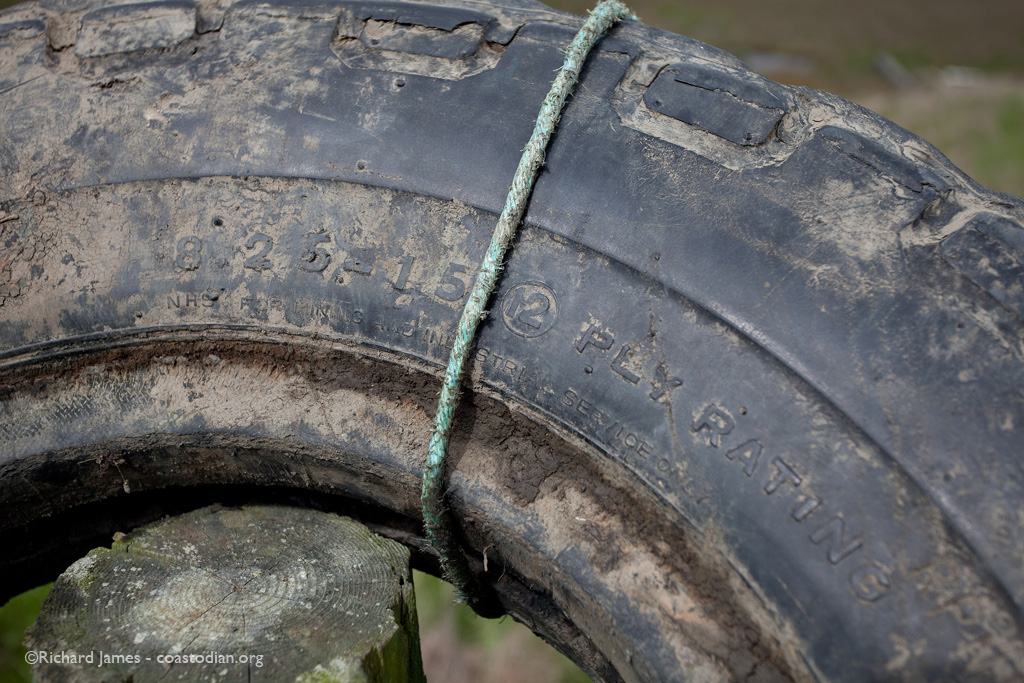
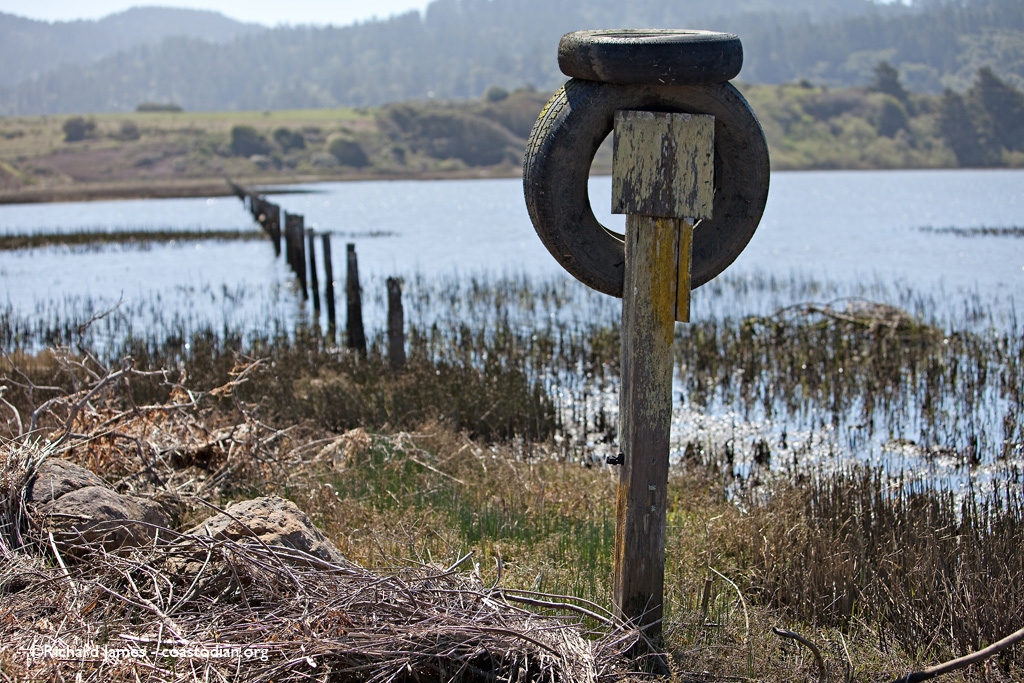
Nine nasty tires hung upon a fence. ©2013 Richard James Photography - coastodian.org

Nine nasty tires hung upon a fence.
©2013 Richard James Photography – coastodian.org

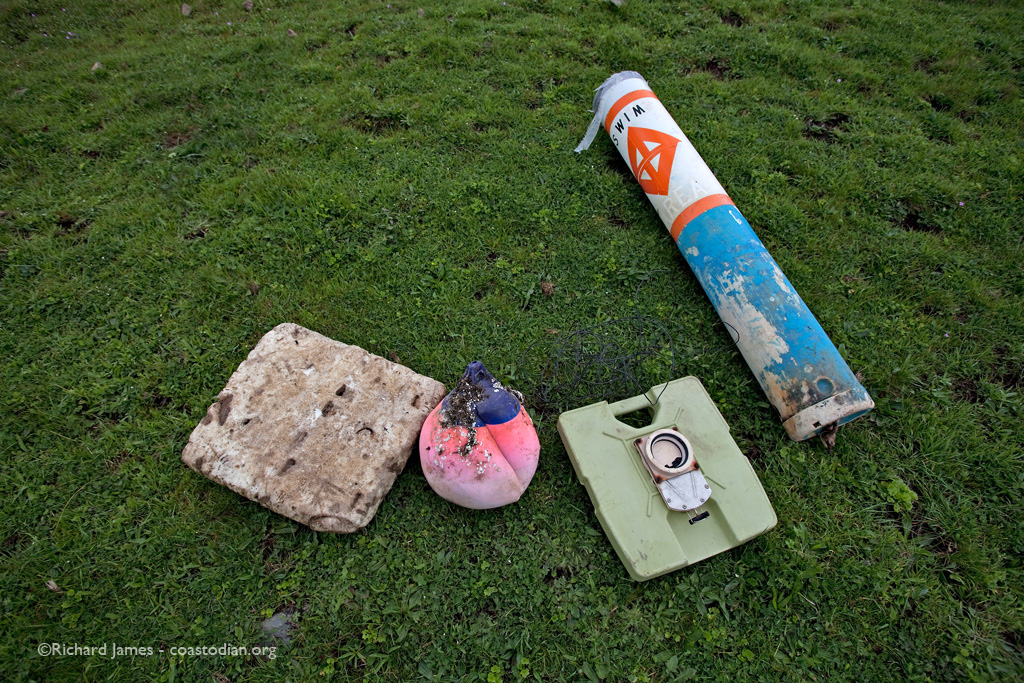
With the rise of the sea that is expected, this may be a fine home for this marker buoy. ©2013 Richard James Photography - coastodian.org

With the rise of the sea that is expected, this may be a fine home for this marker buoy.
©2013 Richard James Photography – coastodian.org

Anyone know where this buoy belongs? Let me know and I’ll drop it off so it can be replaced.

Anyone want to help pack these tires out next weekend?

The cows in this pasture are some of the friendliest I have ever had the pleasure to walk near.

Tired & broken

Click on the title of this post to read it and see a related header image.

The weather today was fine for a paddle on Tomales. Provided one got on the water in time to use the tide and beat the wind.

I did some of the former and little of the latter.

A late start also means the light is gone, unless there is a heavy cloud layer which there was not.

So I headed east to an area I had not walked before in search of human trash.

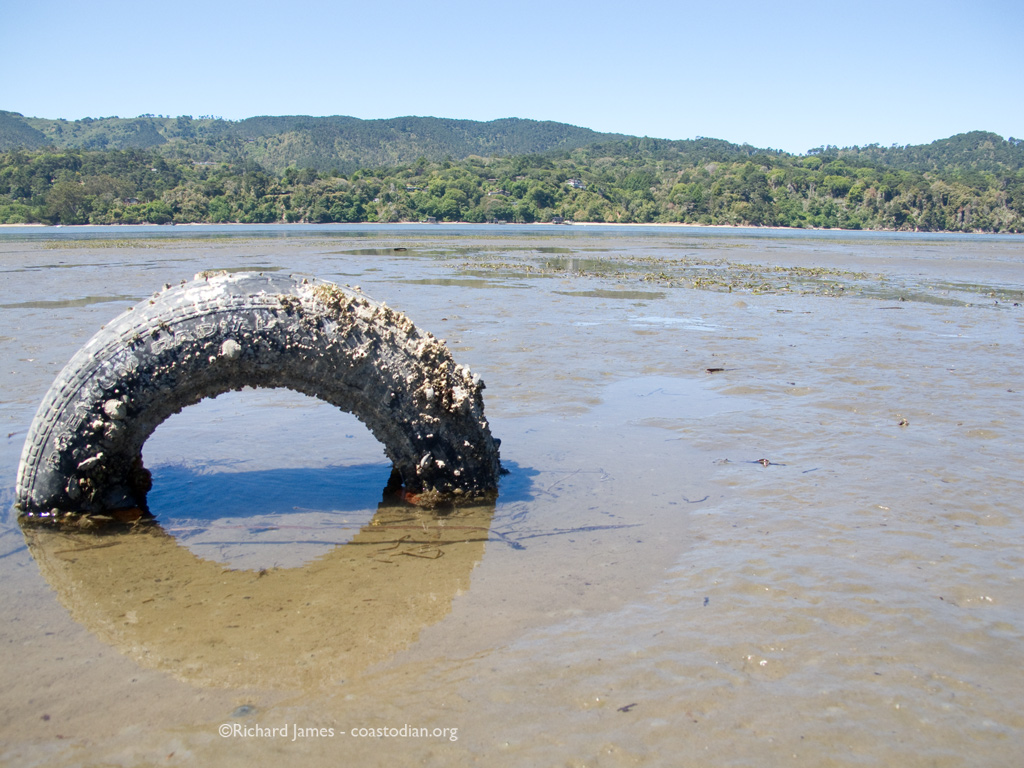
The usual suspects were in great abundance – plastic bottles, glass bottles, tennis balls, food wrappers, shotgun shell wads and tires. Nine of them.

I pulled three of them out of the deep dark muck that is the bottom of parts of the bay. Sinking up to my knees at times, I quickly became covered in dark, black, smelly mud. With my hands and most of the rest of me covered in mud, there are not many pictures from today.

Two of the tires adorn an old post as you see in the photo below.

IMG_3546.cc.cw

One was too heavy with mud to haul very far, so I pulled it up as high above the highest wrack for future efforts. Another still on the rim got the same treatment. Five others adorn a newer fence up closer to the highway.

Oh, the broken in the title of this post refers to my side-view mirror.

As I pulled my kayak off my car at the end of the day, it slipped and slid to the ground, shearing off the mirror as it went.

No good deed goes unpunished some say.

Maybe I will get a little better gas mileage without that appendage hanging off the side.

Tomales Bay Triptych – Osprey Style!

Click on the title of this post to read it and see a related header image.

It is that time of year. The osprey are back and the sky is full of birds and the sounds of birds.

It was pretty windy so these are not the finest images, but you get the idea of how beautiful these birds are.

Last week I counted 13 birds at one time over my place. Talk about some noise!

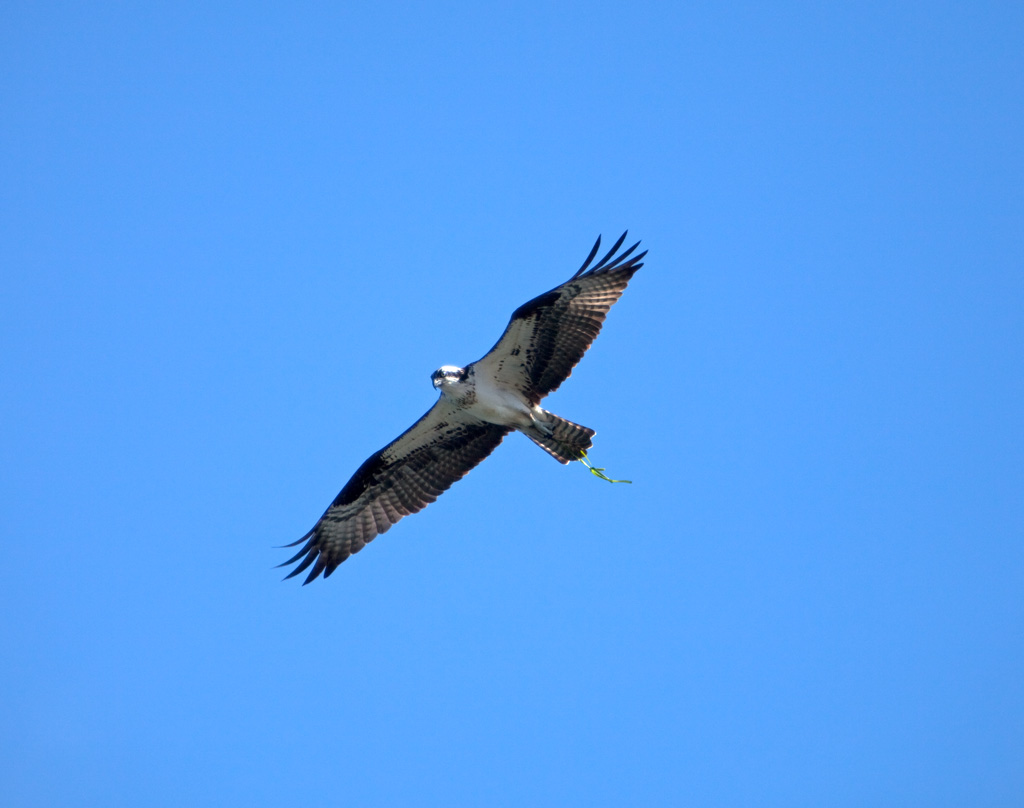
Those are not jesses in two of the images below. That bird has one talon draped with eel grass, surely picked up after a dive for dinner.

Yesterday a neighbor of mine that lives across the street from a nest recounted a story from last year.

An adult returned from fishing and dropped a fish into the nest. Both well developed chicks grabbed onto said fish and a struggle for complete ownership ensued. After a while, both birds spilled out of the nest, each firmly grasping the fish in question. After a brief fall, they both started flying away, tethered as one by the none-too-happy fish. After more struggling in mid-air, one of the birds let go and the other bird took off to find a table for one to enjoy the prize.

Osprey (Pandion haliaetus)

Osprey (Pandion haliaetus)

.

Osprey (Pandion haliaetus)

Osprey (Pandion haliaetus)

.

Osprey (Pandion haliaetus)

Osprey (Pandion haliaetus)