Save our Tomales Bay – Part 33 Litter, litter everywhere, not a bite to eat

Please click on the above text “Litter, litter everywhere, not a bite to eat” to see this entire post

Gorgeous day to be out on Tomales Bay.

Tomales Bay - looking south. Please pardon iphone image on rocking boat. ©Richard James coastodian.org

Tomales Bay – looking south. Please pardon iphone image on rocking boat. ©Richard James coastodian.org

Flat water and light wind made for delicious paddling. The water was pretty turbid from the recent winds, so visibility down below was poor, even with polarized glasses. So I only saw clouds of mud kicked up by rays and sharks, instead of seeing actual rays and sharks.

Did see eight common snipe (or at least that is what they looked like to me). Have not seen many of this bird, they like to keep a low profile. I’ll bring a long lens next time I head over to this area of the bay and try to record some images to share.

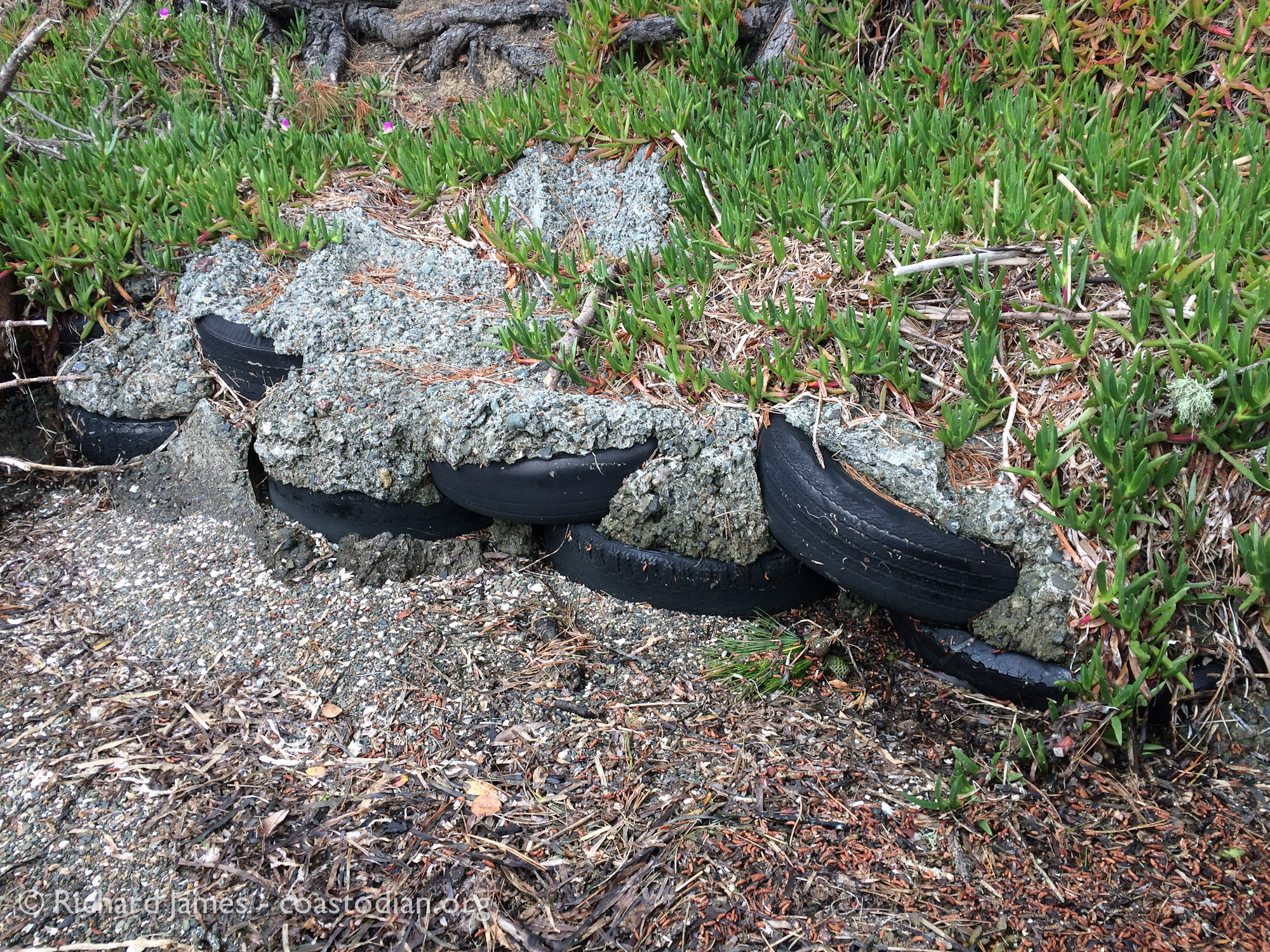
Found three tires, two of them on the rim, one of which was pretty well ensconced in poison oak (so I left it for later). Speaking of tires, a big shout out to Hogi Island Oyster Company for collecting dozens of abandoned tires from the boat launch at Marconi Cove. It looks a lot better there. Thank you. Don’t de-spare, there are still plenty of tires despoiling the shore at the south end of Marconi Cove. Perhaps 150 or more.

tires littering Tomales Bay at Marconi Cove.

tires littering Tomales Bay at Marconi Cove.

.

tires littering Tomales Bay at Marconi Cove.

tires littering Tomales Bay at Marconi Cove.

.

Two oyster bags, full of medium oysters, all dead. As well as a shellfish purse full of mussels. I think somebody must have “borrowed” this from up by Walker Creek and moved it south for a personal mussel farm, as it had a custom float attached.

Also found my second paddle which I plan to give to a friend.

Find of the day was an intact vintage Pepsi Cola bottle.

See below for the sadly large haul for a short day on the water.

As always, click on an image to see a larger version.

.

Litter from southern Tomales Bay ©Richard James coastodian.org

Litter from southern Tomales Bay ©Richard James coastodian.org

.
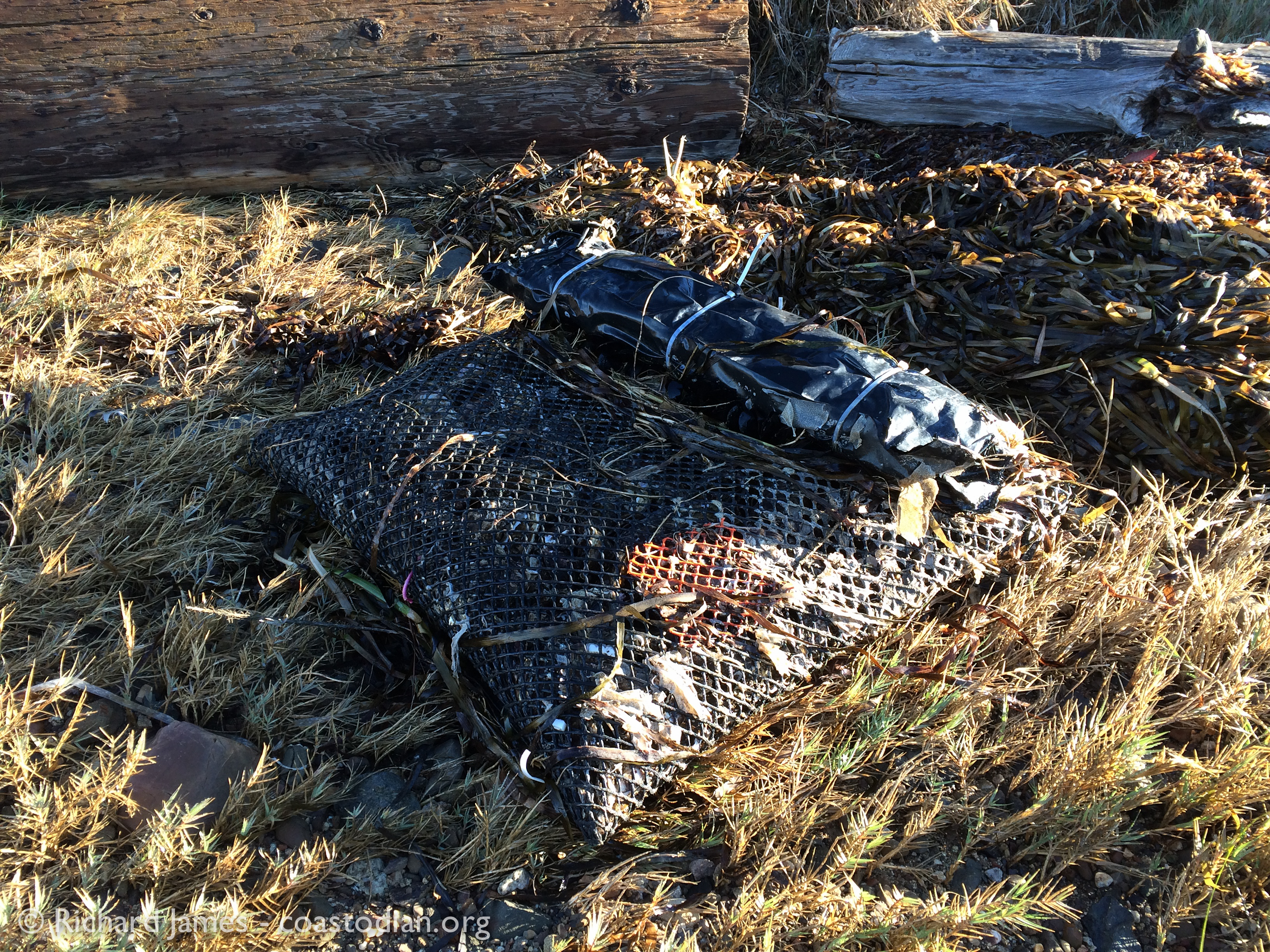
oyster farmers litter in Tomales Bay ©Richard James coastodian.org

oyster farmers litter in Tomales Bay ©Richard James coastodian.org

.
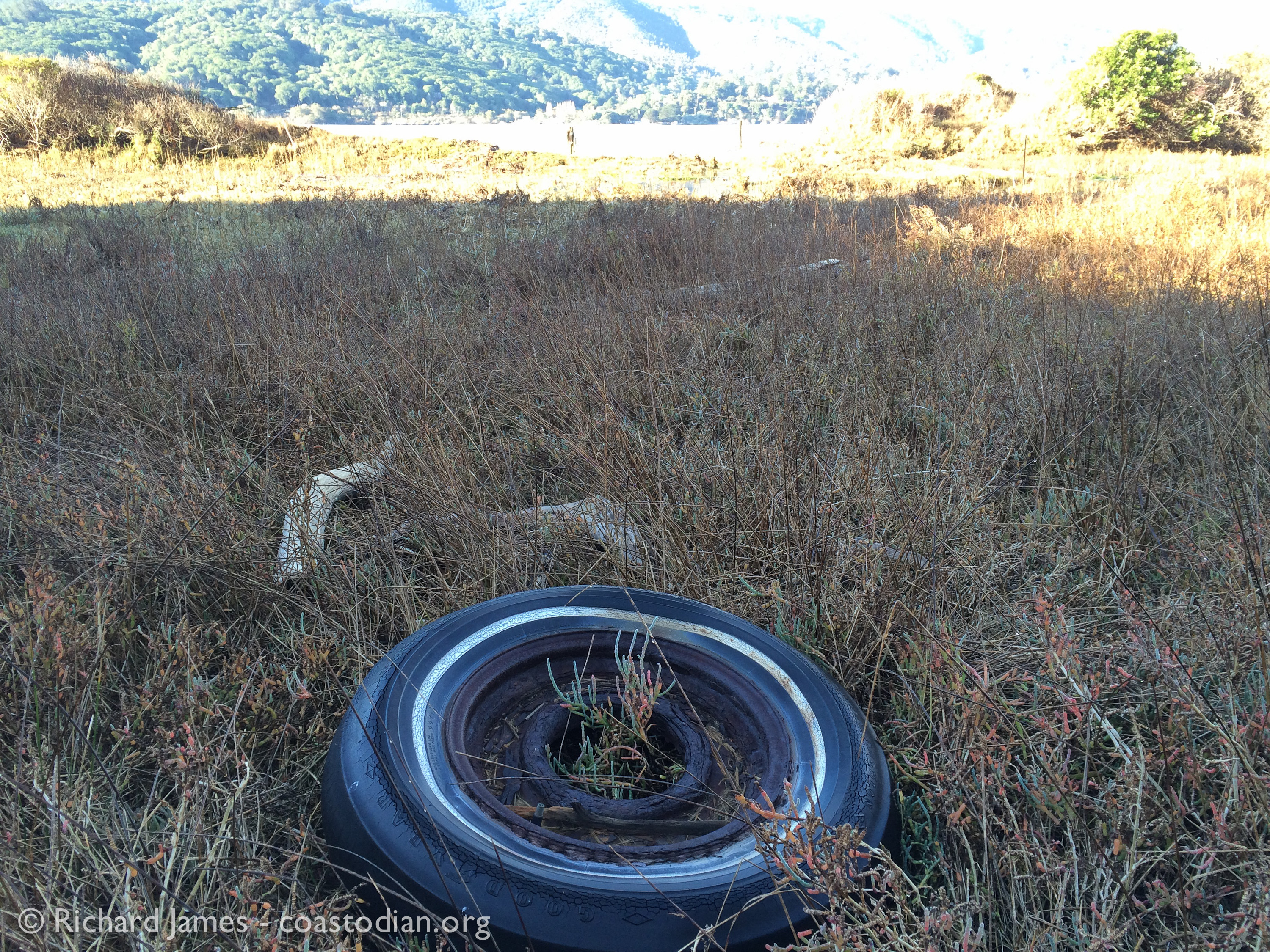
car owners litter in Tomales Bay ©Richard James coastodian.org

car owners litter in Tomales Bay ©Richard James coastodian.org

.
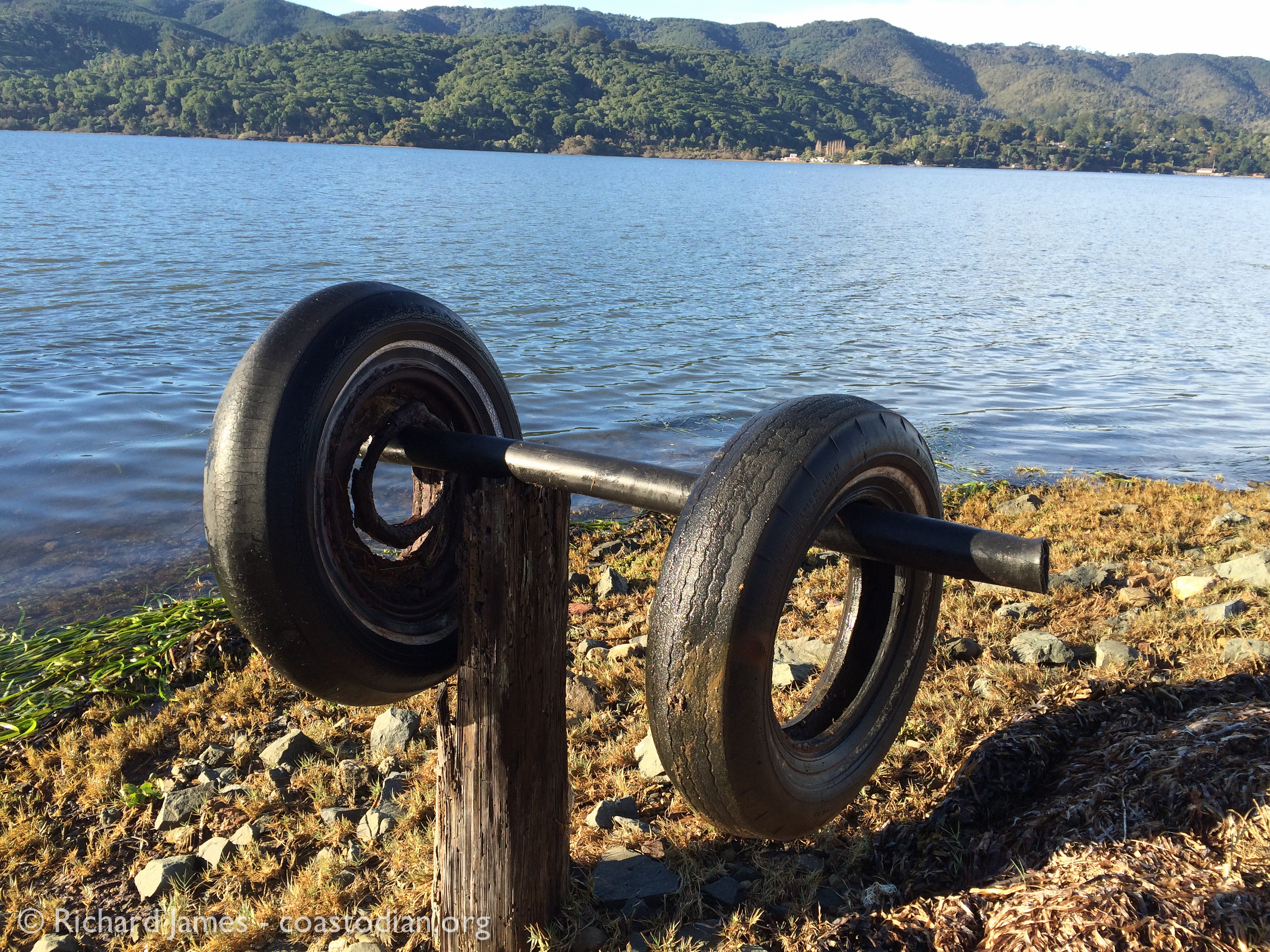
car owners litter in Tomales Bay ©Richard James coastodian.org

car owners litter in Tomales Bay ©Richard James coastodian.org

.
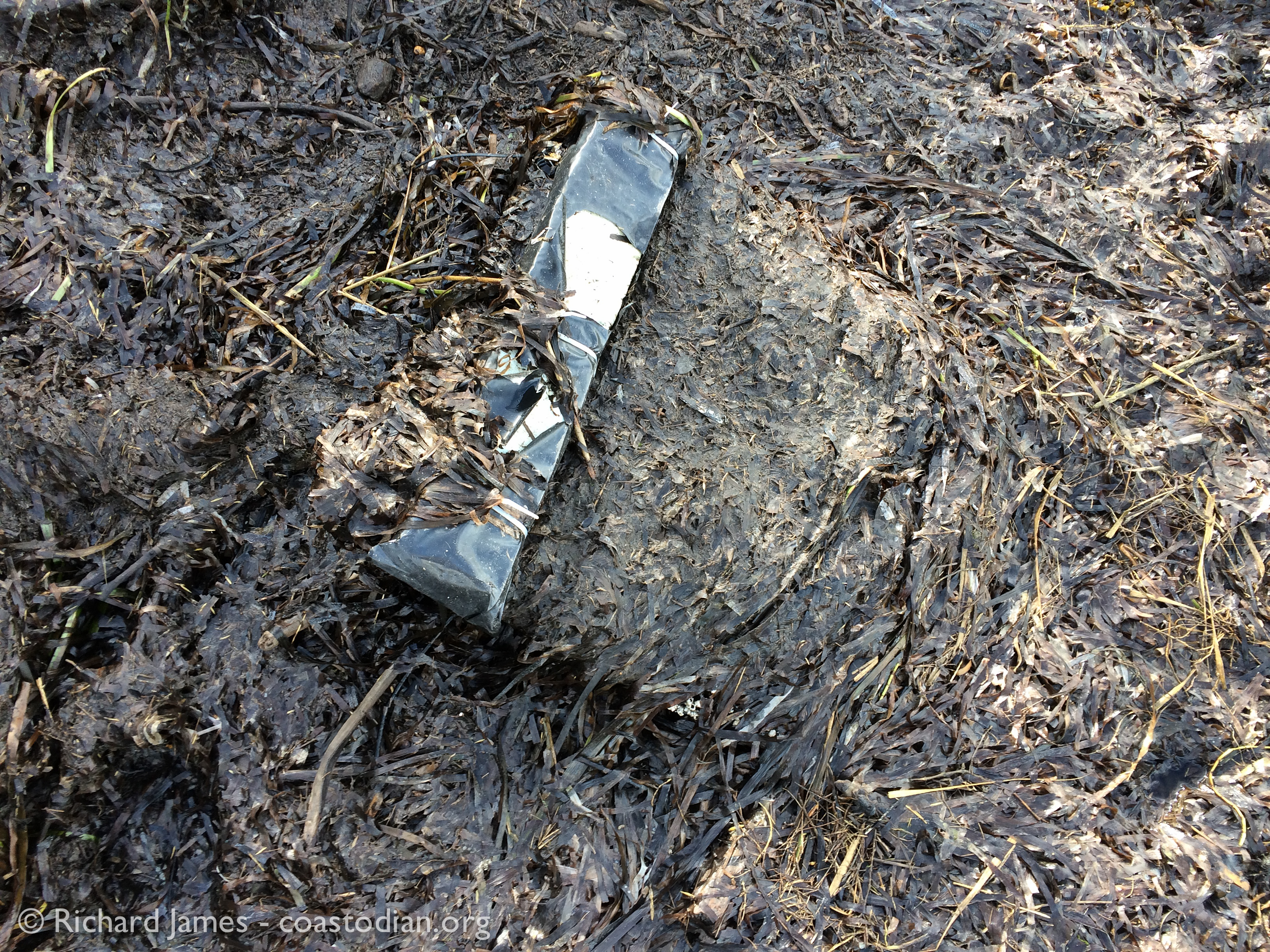
oyster farmers litter in Tomales Bay ©Richard James coastodian.org

oyster farmers litter in Tomales Bay ©Richard James coastodian.org

.

dog owners and bottle smashers litter in Tomales Bay ©Richard James coastodian.org

dog owners and bottle smashers litter in Tomales Bay ©Richard James coastodian.org

.
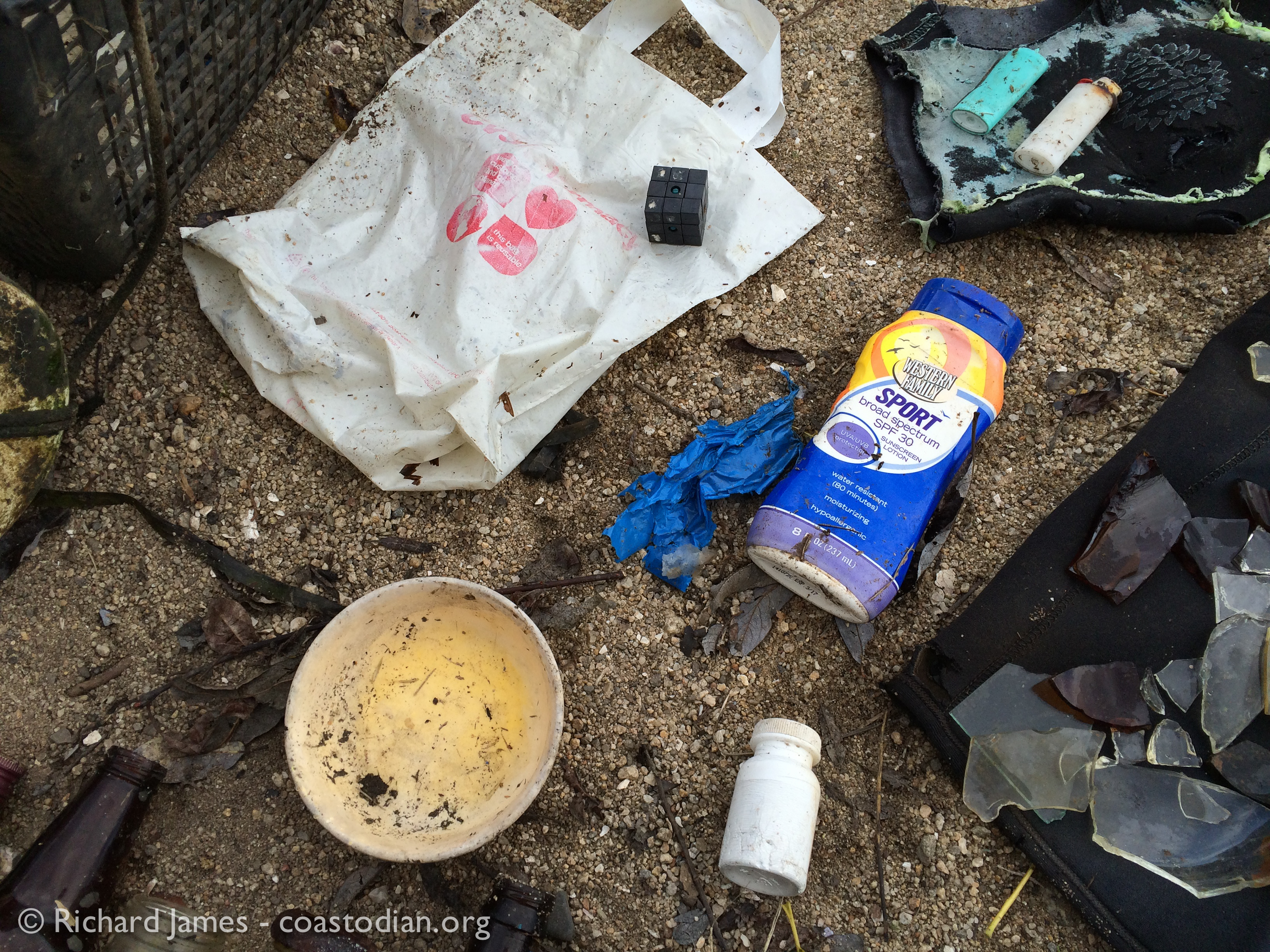
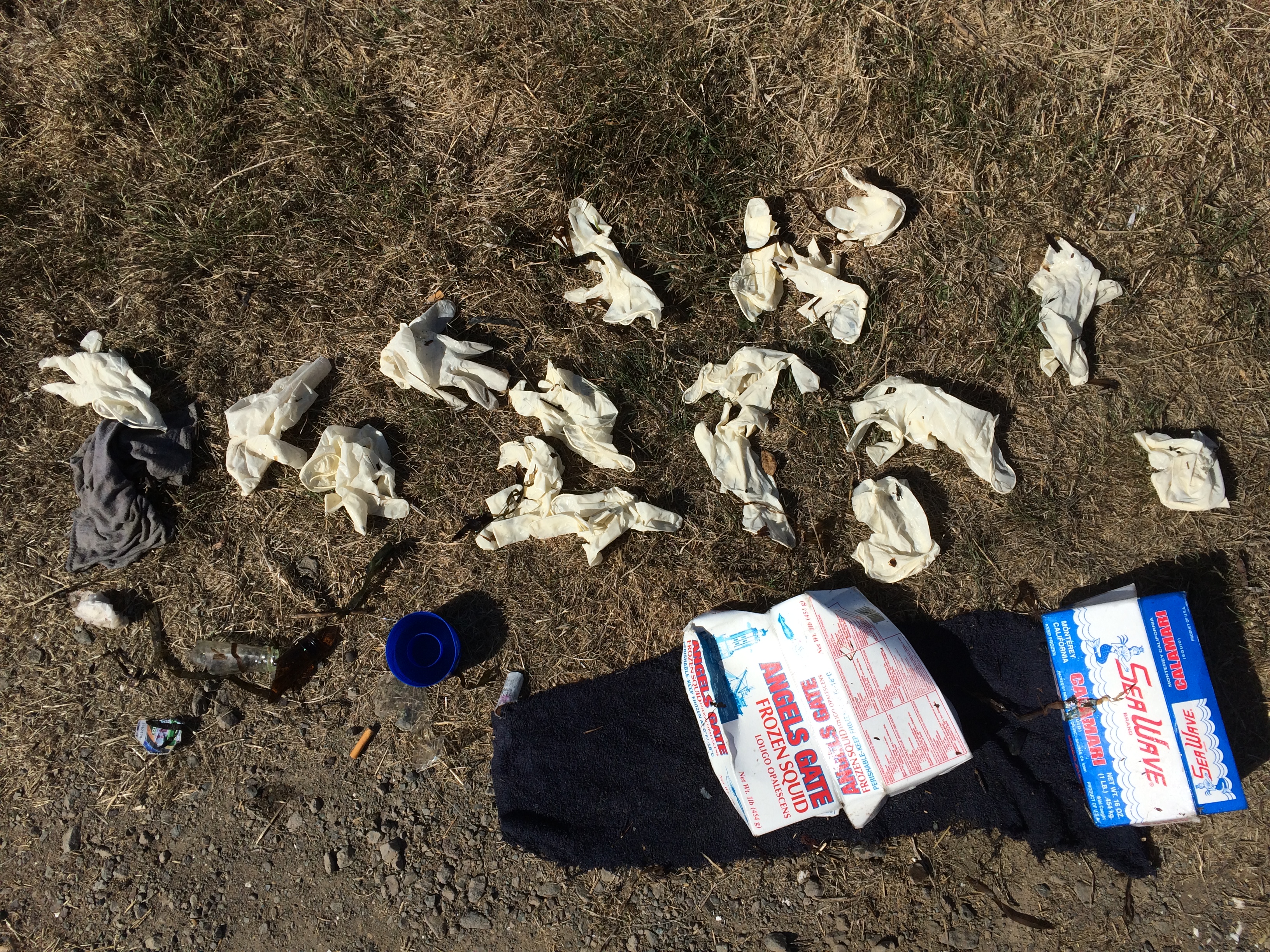
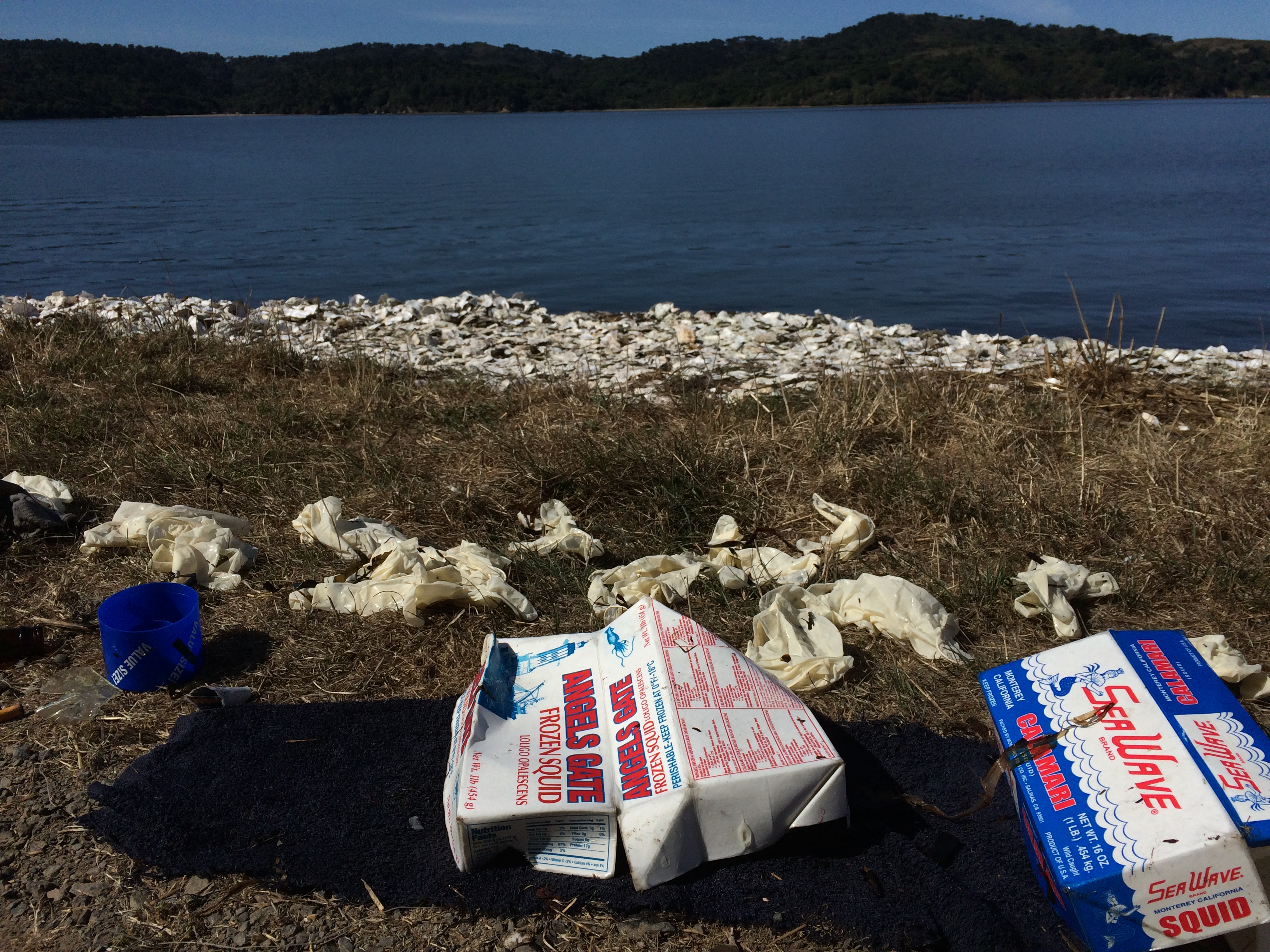
Drugstore shoppers and skin protectors litter in Tomales Bay ©Richard James coastodian.org

Drugstore shoppers and skin protectors litter in Tomales Bay ©Richard James coastodian.org

.
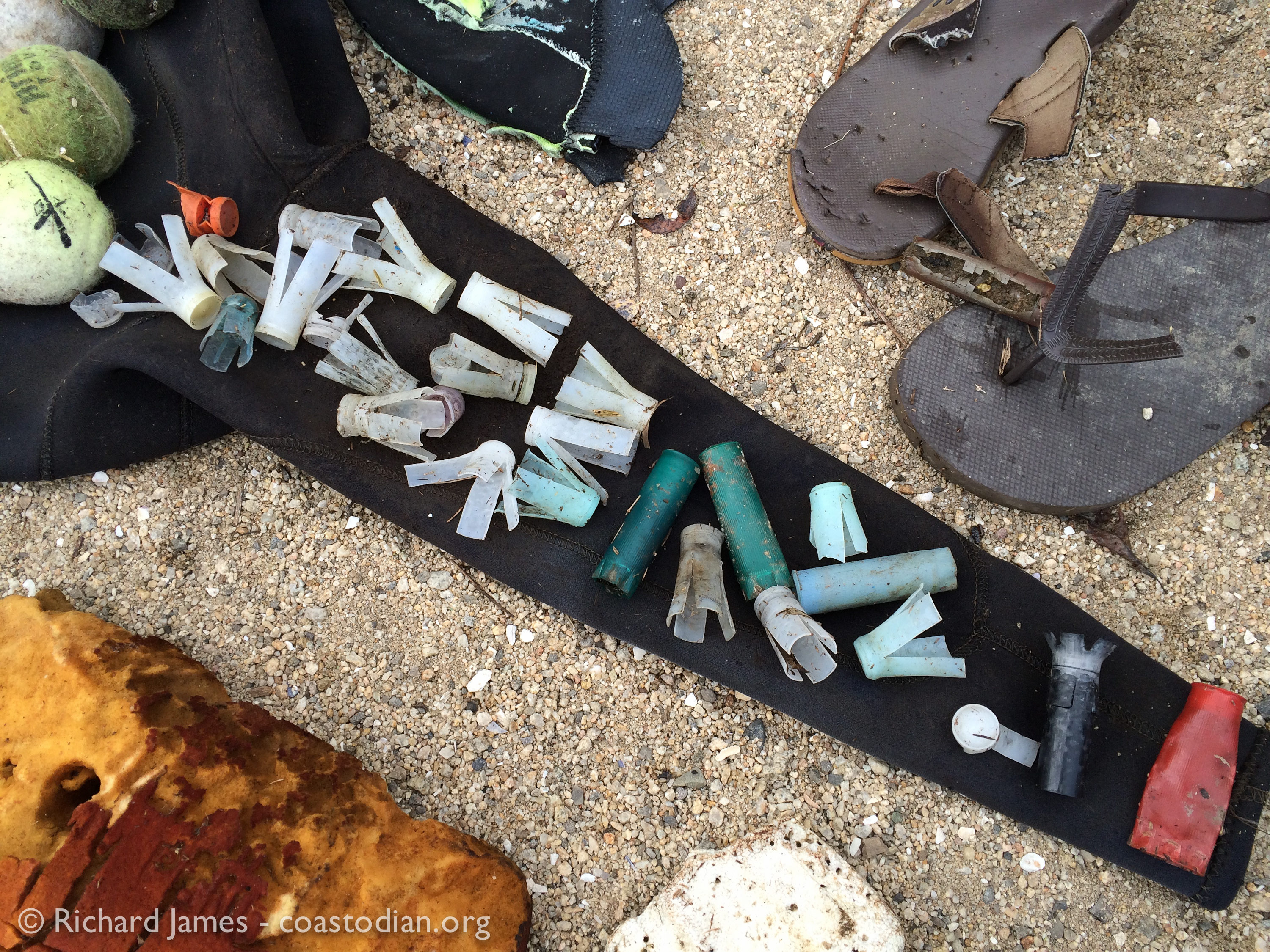
Duck hunters litter in Tomales Bay ©Richard James coastodian.org

Duck hunters litter in Tomales Bay ©Richard James coastodian.org

.
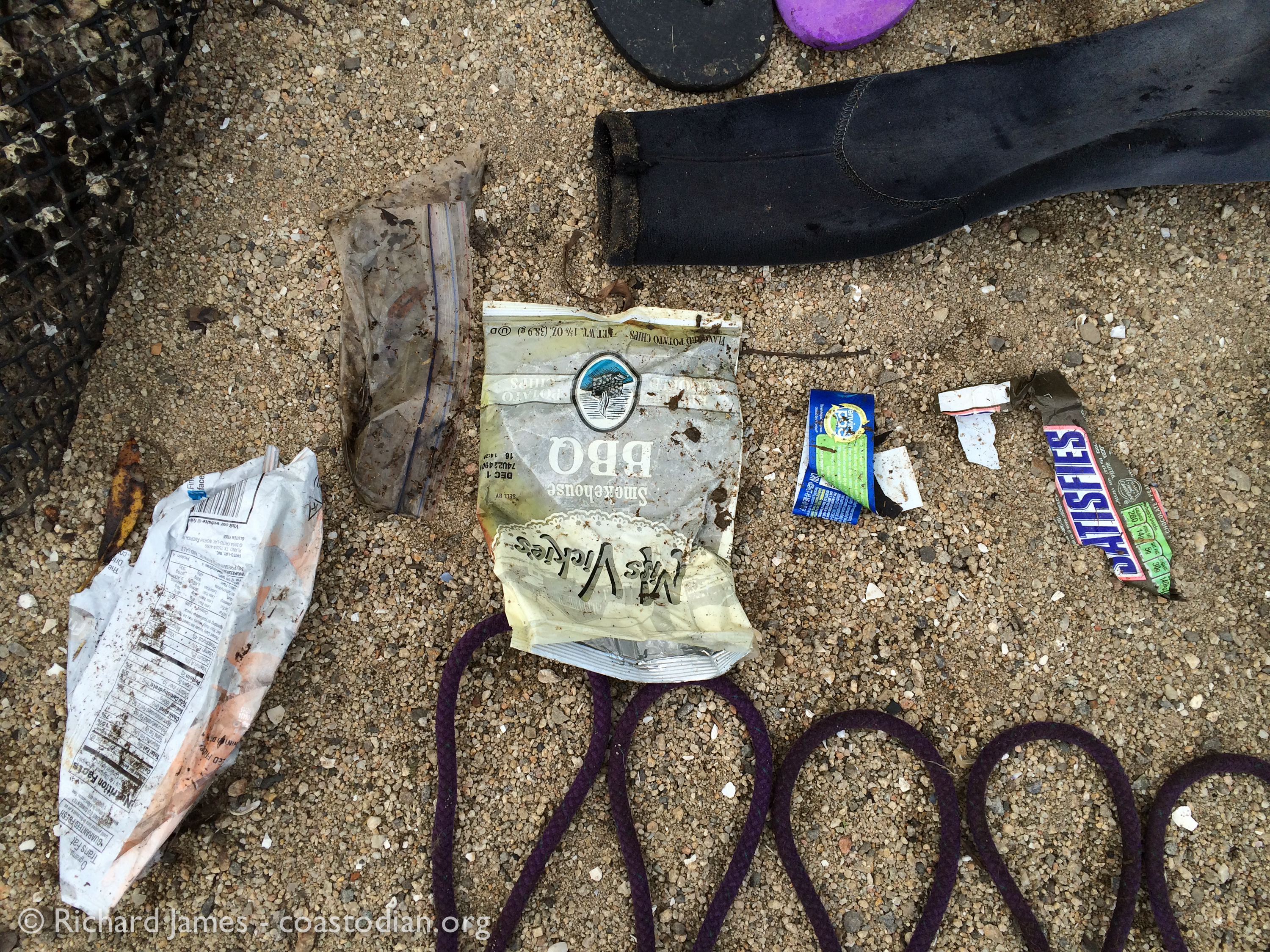
Rope owners and junkfood eaters littter in Tomales Bay ©Richard James coastodian.org

Rope owners and junkfood eaters littter in Tomales Bay ©Richard James coastodian.org

.

Shoeless people litter in Tomales Bay ©Richard James coastodian.org

Shoeless people litter in Tomales Bay ©Richard James coastodian.org

.

plastic lovers and frisbee throwers litter in Tomales Bay ©Richard James coastodian.org

plastic lovers and frisbee throwers litter in Tomales Bay ©Richard James coastodian.org

.
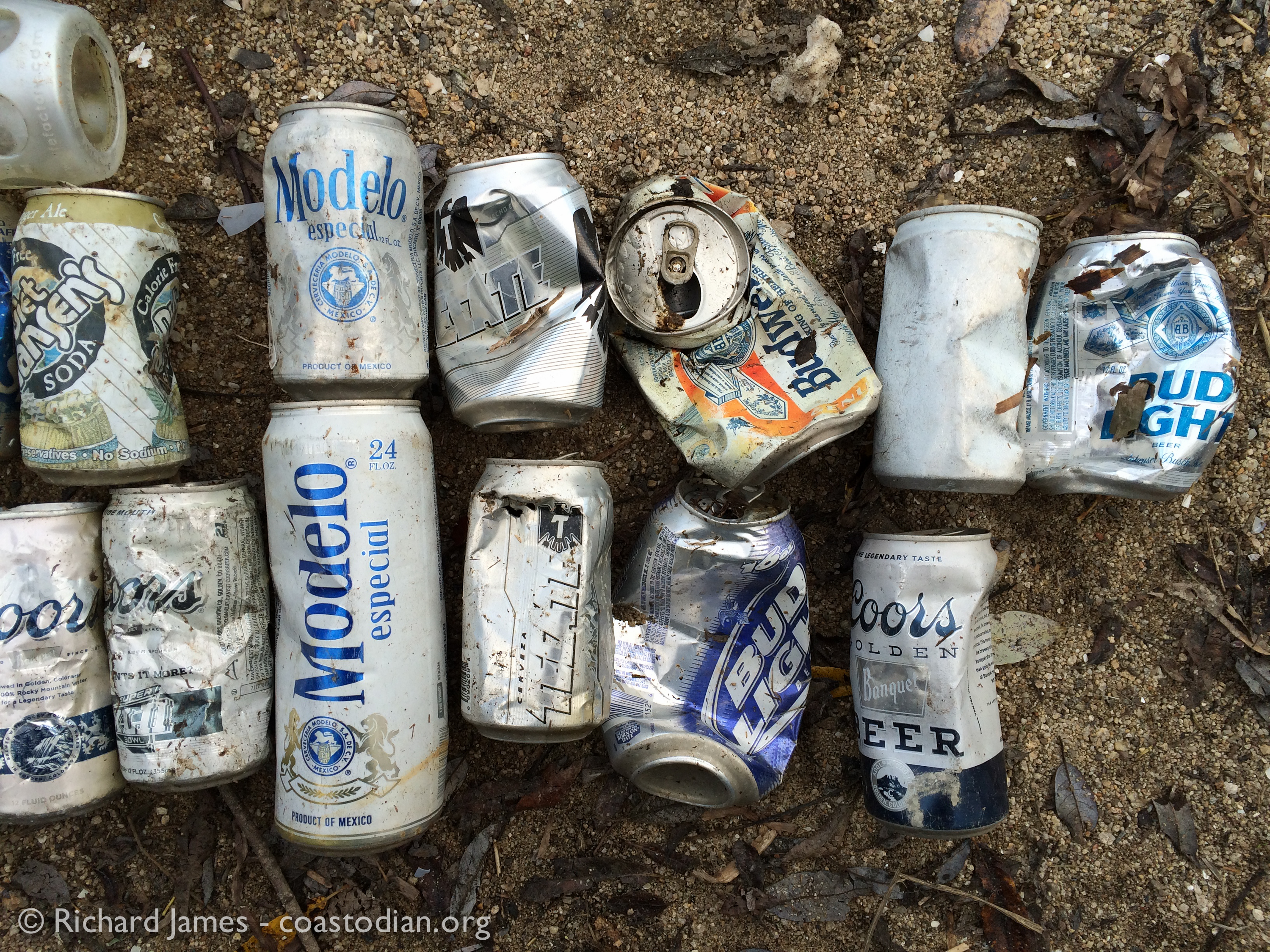
Thirsty people litter in Tomales Bay ©Richard James coastodian.org
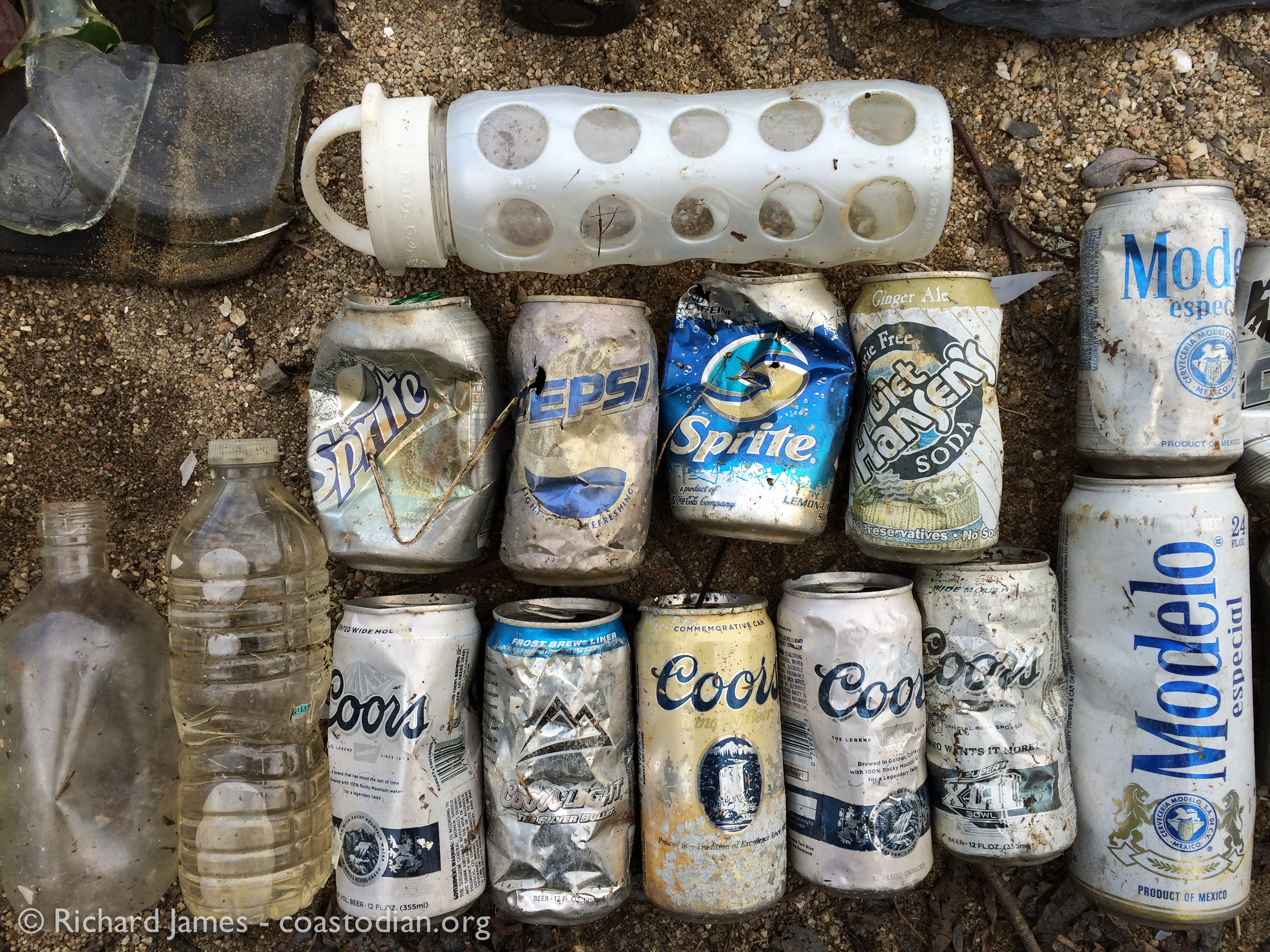
Thirsty people litter in Tomales Bay ©Richard James coastodian.org

Thirsty people litter in Tomales Bay ©Richard James coastodian.org

Thirsty people litter in Tomales Bay ©Richard James coastodian.org

.

Thirsty people litter in Tomales Bay ©Richard James coastodian.org

Thirsty people litter in Tomales Bay ©Richard James coastodian.org

.
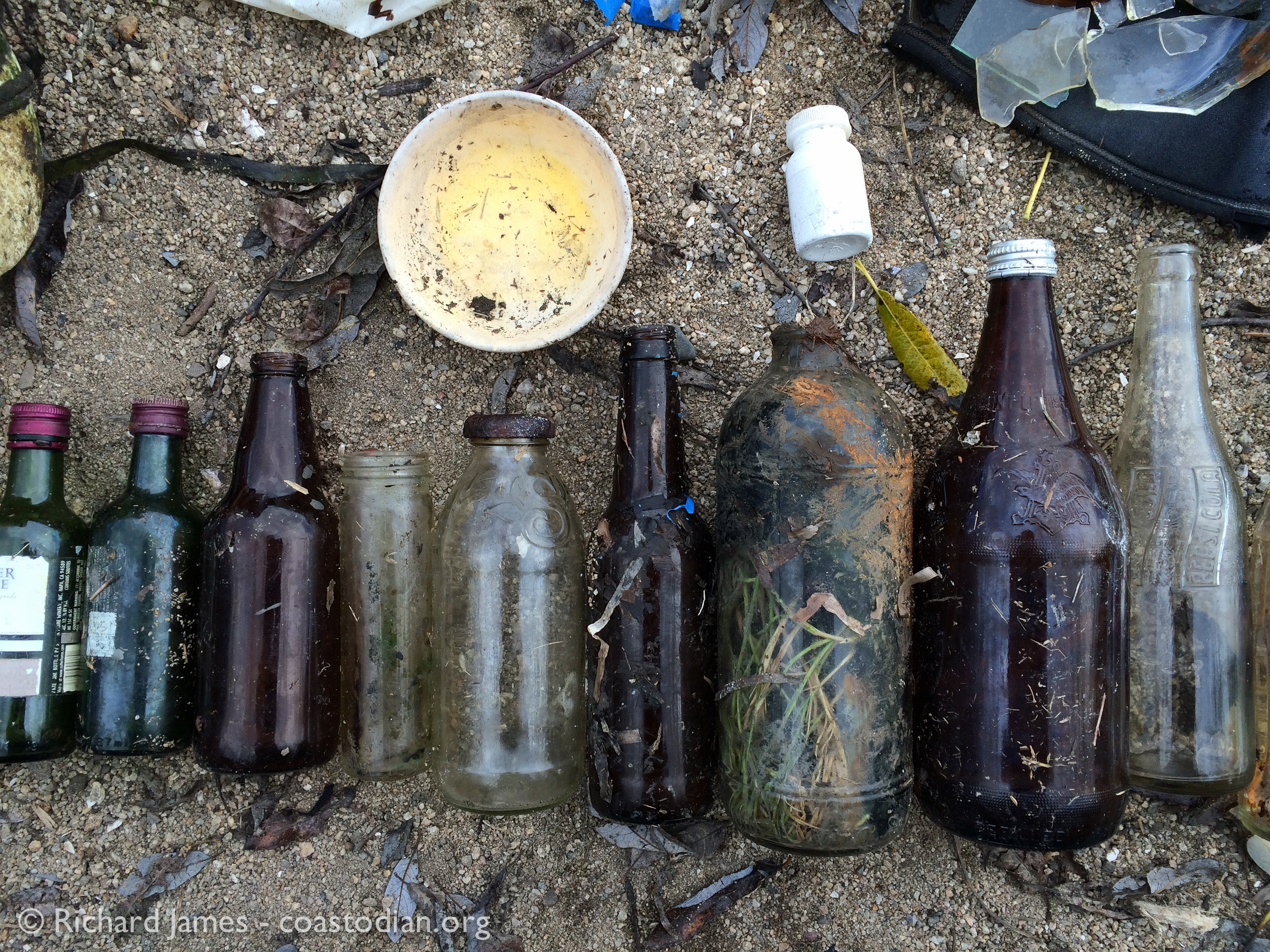
Thirsty people litter in Tomales Bay ©Richard James coastodian.org

Thirsty people litter in Tomales Bay ©Richard James coastodian.org

.

oyster farmers and foam lovers litter in Tomales Bay ©Richard James coastodian.org

oyster farmers and foam lovers litter in Tomales Bay ©Richard James coastodian.org

.
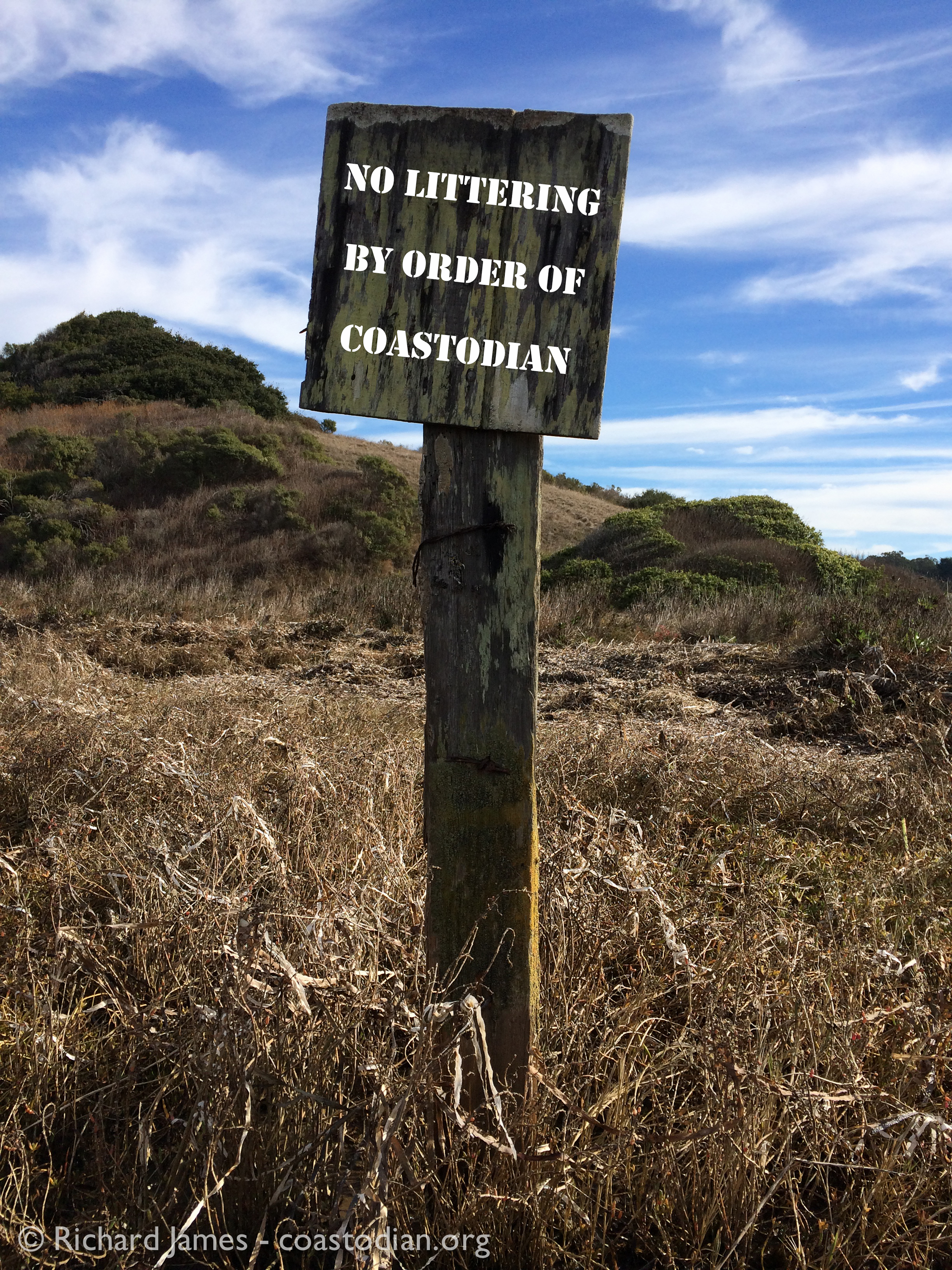
New signage in Tomales Bay ©RIchard James coastodian.org

New signage in Tomales Bay ©RIchard James coastodian.org

.

Next related post may be found here.

Previous related post may be found here.

See the first post in this series “Save our Tomales Bay” here.

Save our Tomales Bay – Part 32 roadside fishermen trashing Tomales Bay continues

Please click on the words above “Save our Tomales Bay – Part 32 roadside fishermen trashing Tomales Bay continues” to see this entire post.

Two months ago I wrote about the mess left by roadside fisher-people along route 1 near Tony’s Seafood.

Since then the place has been pretty clean, no large bait boxes or smashed beer bottles to speak of, a great improvement.

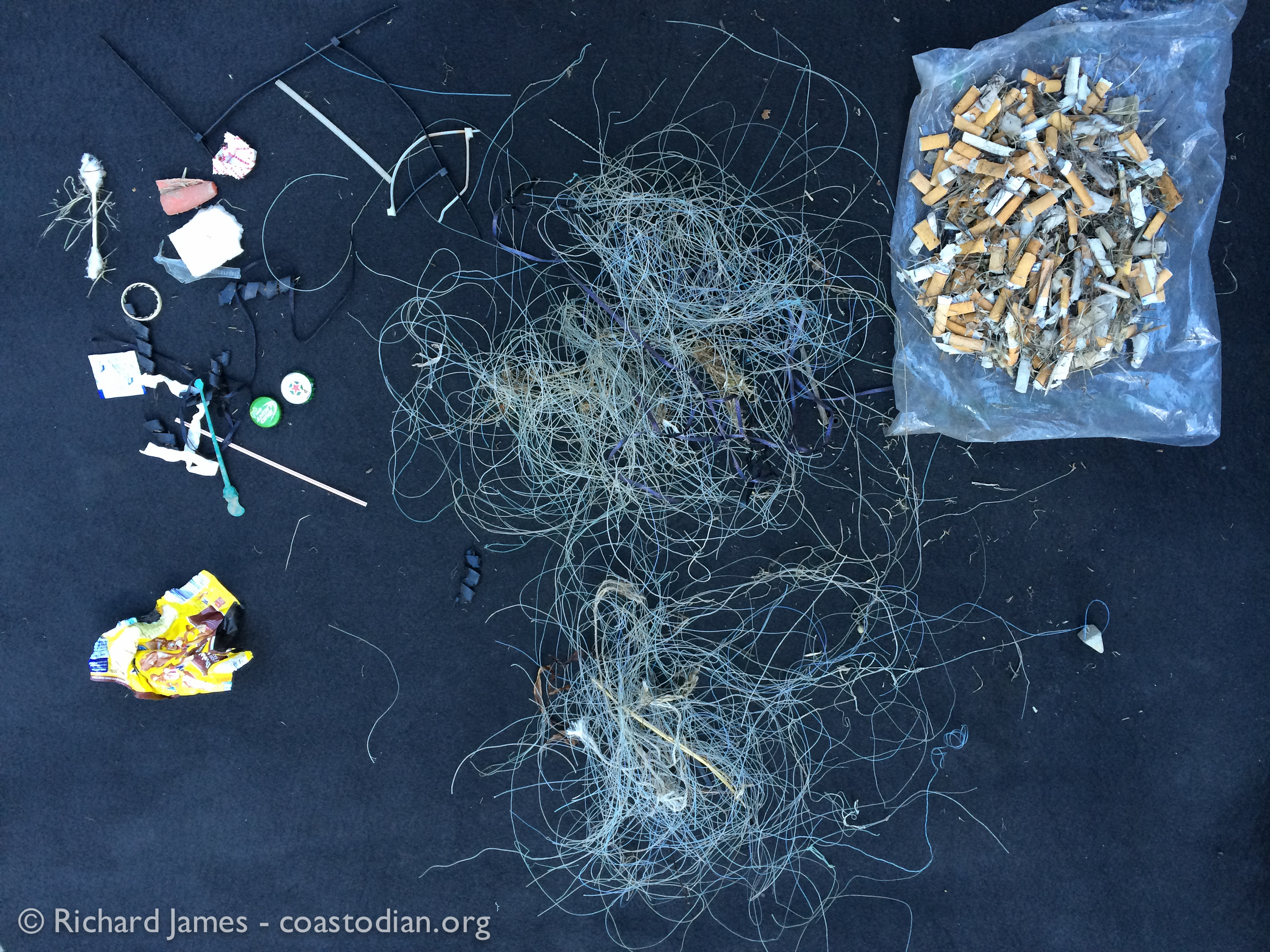
Last weekend on my way north to document the removal of the unpermitted structures built by oyster farmers in the Bay, I stopped and went after the small, but no less toxic items, cigarette butts and fishing line.

Picked up 346 butts or filters and enough line and hardware to hook a striped bass (I did not say land one).

If you know people that fish in the area, please ask them kindly to be sure and take away all the items they bring with them to enjoy our lovely coastal environment. Leaving it on the shore is disrespectful, illegal and pretty damn rude. Shall we visit their home and dump trash on their cherished spaces? Ok then!

Leaving this mess degrades the very beauty they come for, and causes great harm to the non-human animals that call Tomales Bay home.

This same logic applies to the boat launch area at Miller Park (Nick’s Cove).

There are thousands of pieces of micro-trash left behind by fishermen, boaters and others who use this public space to recreate.

See what happens to small pieces of plastic that humans dump in the sea, or litter the land with, only to be washed to the sea….

Dead Albatross, killed by ingesting plastic -  by Chris Jordan - where disposable lighters end up.

Dead Albatross, killed by ingesting plastic – by Chris Jordan – where disposable lighters end up.

.

The dumpster area is routinely besieged by ravens, crows and raccoons who scour the open dumpster for food, then paint the hillside with plastic bags, food wrappers, fish bait etc.

As always, click on an image to see a lager version.

346 cigarette butts, fishing line, beer bottle caps, food wrappers left by fishermen near Tony's Seafood.

346 cigarette butts, fishing line, beer bottle caps, food wrappers left by fishermen near Tony’s Seafood.

.

Fishing line left at Nick's Cove boat launch area

Fishing line left at Nick’s Cove boat launch area

.

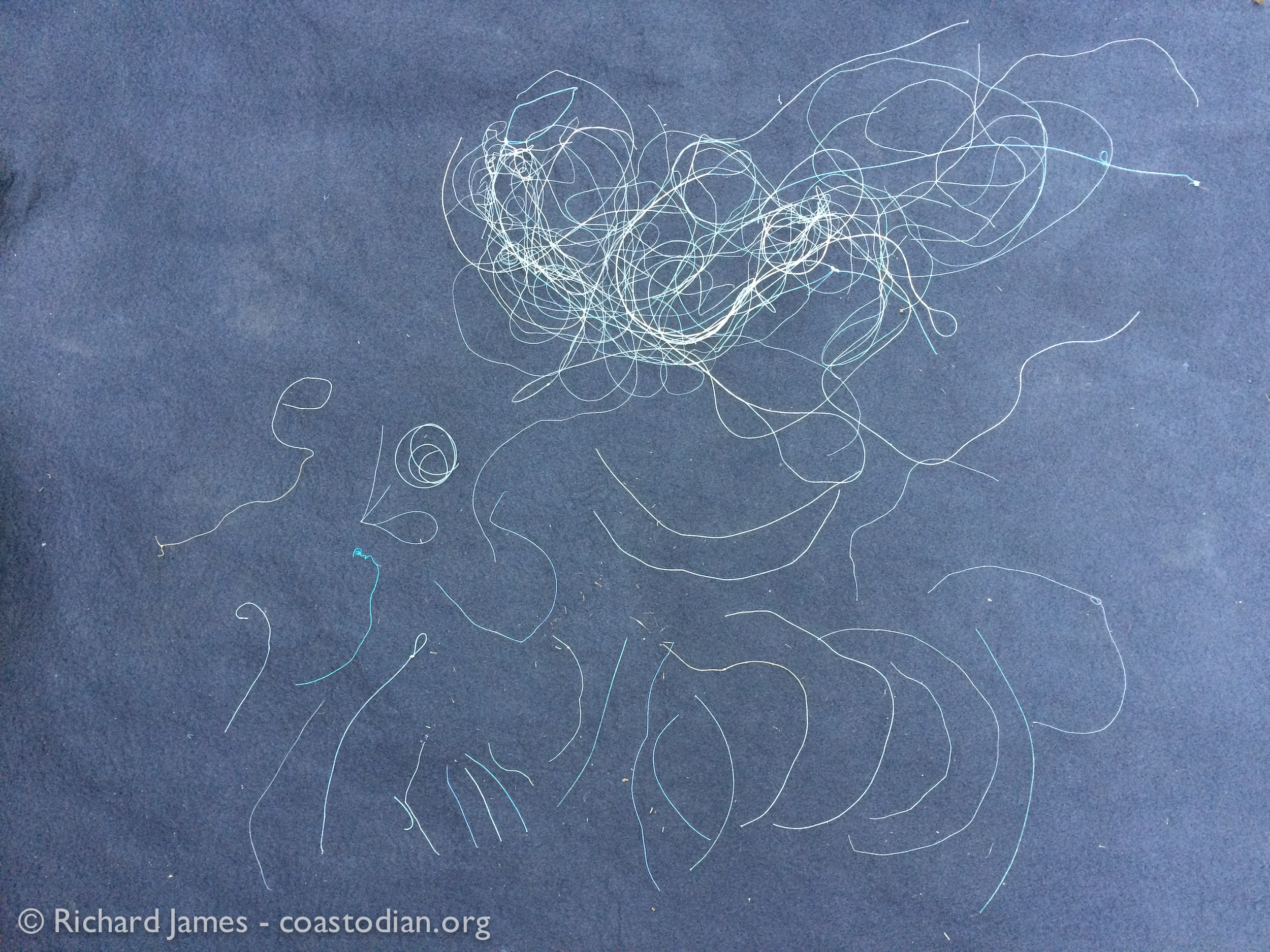
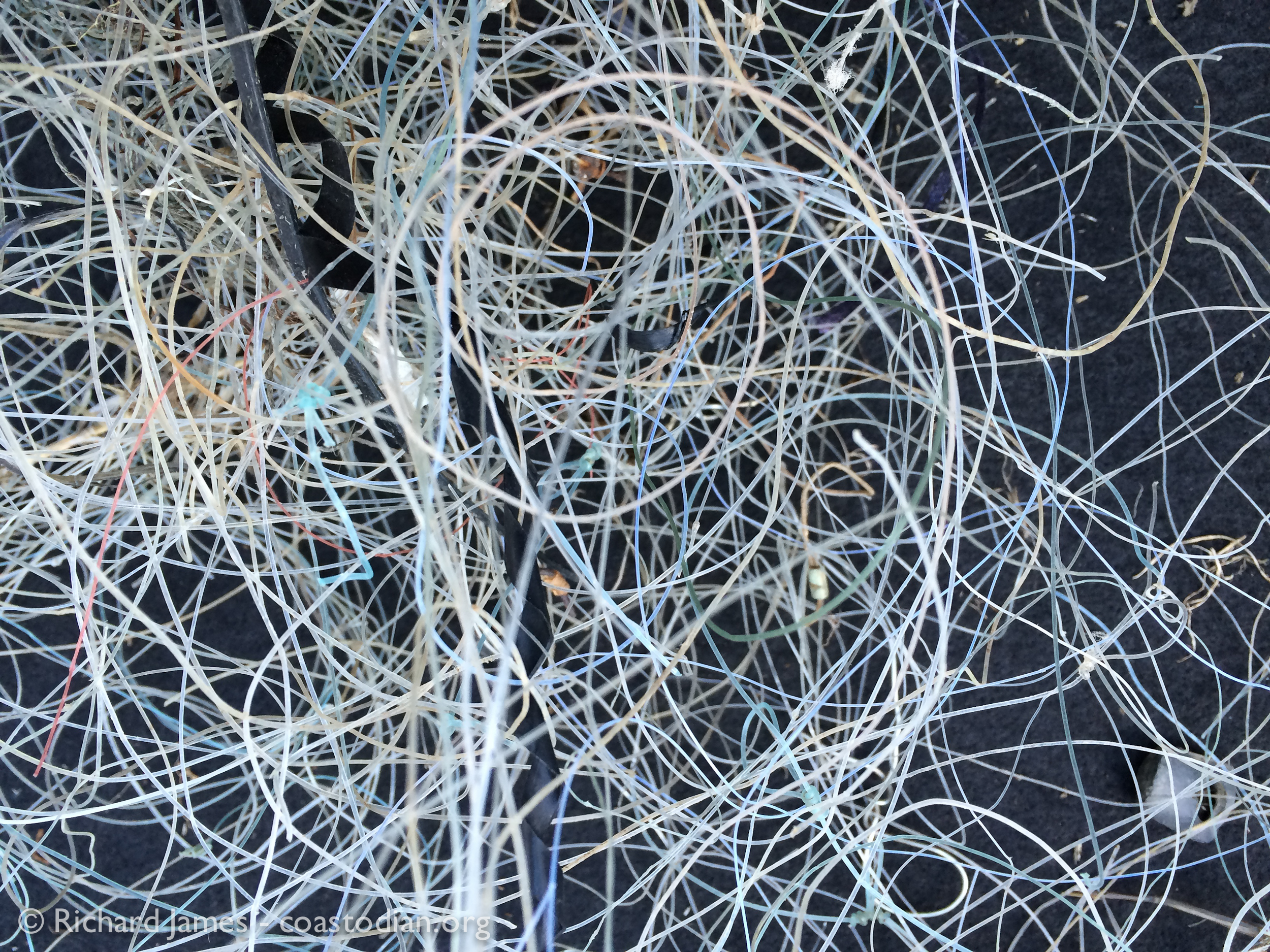
Fishing line left by fishermen near Tony's Seafood along route 1.

Fishing line left by fishermen near Tony’s Seafood along route 1.

.

Comfy, though questionable seating installed at Marconi Cove, along with beer can and oyster shucker packaging. C'mon people, pick up after yerselves!

Comfy, though questionable seating installed at Marconi Cove, along with beer can and oyster shucker packaging. C’mon people, pick up after yerselves!

.

Next related post may be found here.

Previous related post may be found here.

See the first post in this series “Save our Tomales Bay” here.
Birds of Tomales Bay – Remembering Nate Knight

Click on the words above “Birds of Tomales Bay – Remembering Nate Knight” to see this entire post

This morning I paddled from Chicken Ranch to Hearts Desire so I could pay respect to a fine person that left us too soon.

The sky was completely obscured by fog as I carried my gear to the waters’ edge at Chicken Ranch.

Calm wind and a following ebb tide ushered me northward to my destination.

With each pull of the paddle, the warmth from above evaporated the mist that cloaked the beauty that is Tomales Bay.

The usual suspects accompanied me on my journey to pay respect and show support for Jill and her adorable children.

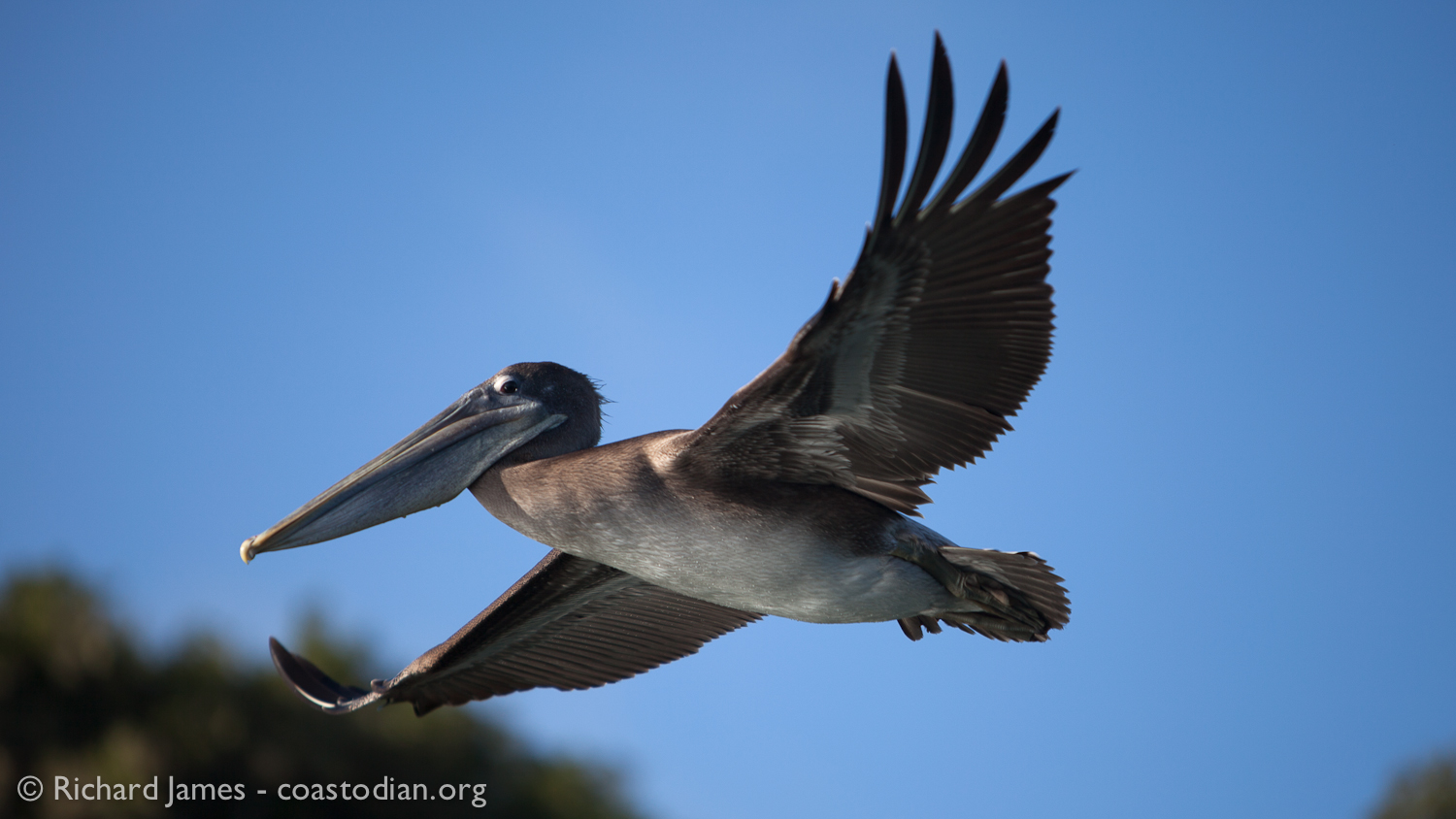
Feast your eyes on the pelicans, cormorants, egret and heron I was blessed to observe today.

If you’d care to help out a fine family, follow this link and donate what you can.
NOTE: funding campaign has concluded.

As always, click on an image to see a larger version.

.

IMG_0702.crop

.

IMG_0711.crop

.

Slip to a landing

Slip to a landing

.

cleared for the option

cleared for the option

.

Rotate

Rotate

.

IMG_0733

.

IMG_0734

.

IMG_0755.crop

.

IMG_0756.crop

.

IMG_0758.crop

.

IMG_0775.crop

Save our Tomales Bay – Part 31 Tires do NOT belong in the bay

Click on the text above “Save our Tomales Bay – Part 31 Tires do NOT belong in the bay” to see this entire post.

Today is coastal cleanup day. Good to see people getting out and taking care of the planet.

I usually take this day off from picking up trash.

It would be better if this event took place in December, or January, when the beaches are covered with garbage. Having it in September gives people a false sense of the situation. There is relatively little trash on California beaches in September.

I know, having the masses out on beaches during the stormy months is more hazardous. Well, life, when you live it, is hazardous. So I vote for this event to be on January 19th instead.

We could celebrate my late friend BZM’s birthday too, as opposed to his death on this day in ’99. caaw caaw!

Last week I pulled 4 tires (still on the rim) and one model T style tire (30″ white wall, no rim) out of the bay.
IMG_1204

.

IMG_1202

.

IMG_1201

Plus two oyster grow out bags, courtesy Tomales Bay Oyster Company.

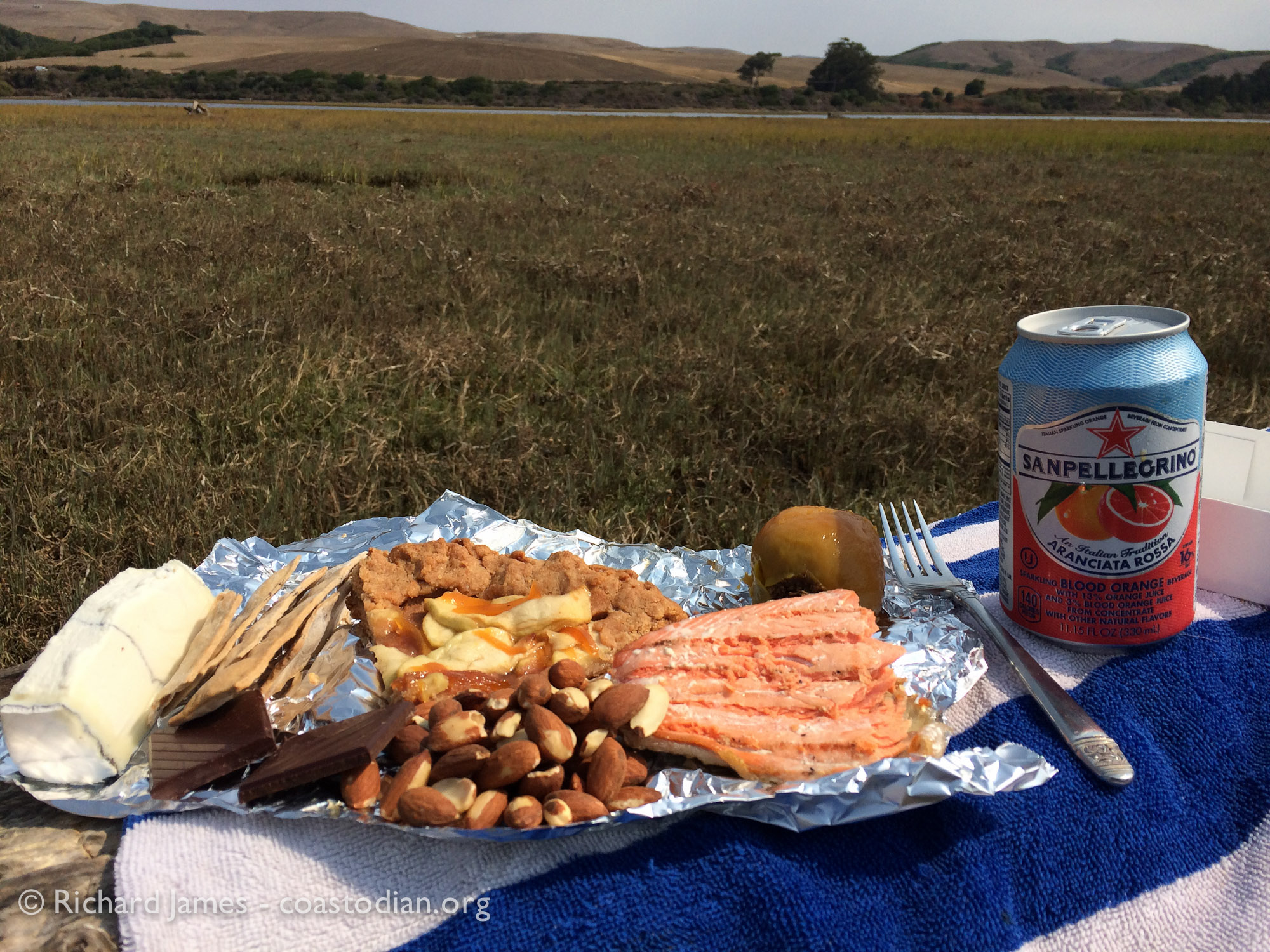
A joyful lunch was then enjoyed, thanks to Monica. Thanks Monica.
IMG_1198

It sure would be great if people stopped tossing their engines, tires, couches and TV’s into Tomales Bay.

Wouldn’t you agree?

Please, when you read this, go find the person nearest you, look them in the eye and say “Please don’t toss any engines, tires, couches or TV’s into Tomales Bay.”

Thanks.

Speaking of tires in Tomales Bay

Who else thinks Tomales Bay would be better off if this garbage at Marconi Cove were removed? By my count there are over 200 tires at this site.

Have a look below, then let me know who we should write to ask about cleaning up this disgraceful situation.

Tomales Bay deserves better than this!

Thanks again.

tires littering Tomales Bay at Marconi Cove.

tires littering Tomales Bay at Marconi Cove.

.

tires littering Tomales Bay at Marconi Cove.

tires littering Tomales Bay at Marconi Cove.

.

tires littering Tomales Bay at Marconi Cove.

tires littering Tomales Bay at Marconi Cove.

.

tires littering Tomales Bay at Marconi Cove.

tires littering Tomales Bay at Marconi Cove.

.

tires littering Tomales Bay at Marconi Cove.

tires littering Tomales Bay at Marconi Cove.

.

tires littering Tomales Bay at Marconi Cove.

tires littering Tomales Bay at Marconi Cove.

.

Next related post may be found here.

Previous related post may be found here.

See the first post in this series “Save our Tomales Bay” here.
Save our Tomales Bay – Part 30 roadside fishermen trashing the shoreline

Click on the words above “Save our Tomales Bay – Part 30 roadside fishermen trashing our shoreline” to see this entire post.

If you hadn’t noticed already, I take umbrage when people mindlessly (or mindfully) leave trash in or around Tomales Bay.

Out of town people (no locals would do this, would they?) like to set up camp alongside route 1 just South of Tony’s Seafood and fish. No problem with that.

But I have a big problem when they leave their beer cans, surgical gloves, bait, bait boxes etc on the rocks, in the water along the road.

If you know who is doing this, please ask them to stop leaving their trash along the bay.

If it keeps happening, these fisher-folk will need to find another place to try their luck.

I’ve twice spoken with a group that comes down from Sebastopol, explaining the situation as I see it. They said they would spread the word, as well as pick up trash they find.

The same goes for the fishing shack further south. If I keep finding that place covered with trash left by fishermen (likely local people), I’ll lobby hard for it to be removed.

If you folks love coming out to enjoy Tomales Bay, then damnit, stop trashing the place! Or you may find the welcome wagons circling and not so welcoming.

The images below show what I recovered from the same two locations just south of Tony’s the past two weekends.

Garbage left along Tomales Bay by fishermen - just south of Tony's Seafood. ©Richard James - coastodian.org

Garbage left along Tomales Bay by fishermen – just south of Tony’s Seafood.
©Richard James – coastodian.org

.

Garbage left along Tomales Bay by fishermen - just south of Tony's Seafood. ©Richard James - coastodian.org

Garbage left along Tomales Bay by fishermen – just south of Tony’s Seafood.
©Richard James – coastodian.org

.

Garbage left along Tomales Bay by fishermen - just south of Tony's Seafood. ©Richard James - coastodian.org

Garbage left along Tomales Bay by fishermen – just south of Tony’s Seafood.
©Richard James – coastodian.org

.

Garbage left along Tomales Bay by fishermen - just south of Tony's Seafood. ©Richard James - coastodian.org

Garbage left along Tomales Bay by fishermen – just south of Tony’s Seafood.
©Richard James – coastodian.org

.

Garbage left along Tomales Bay by fishermen - just south of Tony's Seafood. ©Richard James - coastodian.org

Garbage left along Tomales Bay by fishermen – just south of Tony’s Seafood.
©Richard James – coastodian.org

.

Garbage left along Tomales Bay by fishermen - just south of Tony's Seafood. ©Richard James - coastodian.org

Garbage left along Tomales Bay by fishermen – just south of Tony’s Seafood.
©Richard James – coastodian.org

.

Next related post may be found here.

Previous related post may be found here.

See the first post in this series “Save our Tomales Bay” here.
Save our Tomales Bay – Part 27 Good news continues

Click the above words “Save our Tomales Bay – Part 26 Good news and great news” to see this entire post.

As I slipped on my mud boots yesterday in preparation for my seventy-seventh week of walking the shore near the TBOC retail site to pick up their trash, an odd sound filled the air.

Power tools, like none I’d heard before at the farm. Hmmmm?

Found zip-tie number one as soon as I set foot on the beach. No zero-day day today Tod. Soon, the second and third were in the bag. Along with some “tourist trash”, or likely oyster customer trash given the location. Still that sound…..

Then I turned the corner to see Tod and nine of his guys fanned out in the mud, picking up trash. Was I hallucinating?

No, there they were.

.

Tomales Bay Oyster Company owner and staff picking up their trash. What a great idea!

Tomales Bay Oyster Company owner and staff picking up their trash. What a great idea!

.

The truck was on the beach too, but no oysters in it.

.

Truck full of Tomales Bay Oyster Company trash no longer creating an eyesore in the bay, nor a risk to wildlife.

Truck full of Tomales Bay Oyster Company trash no longer creating an eyesore in the bay, nor a risk to wildlife.

.

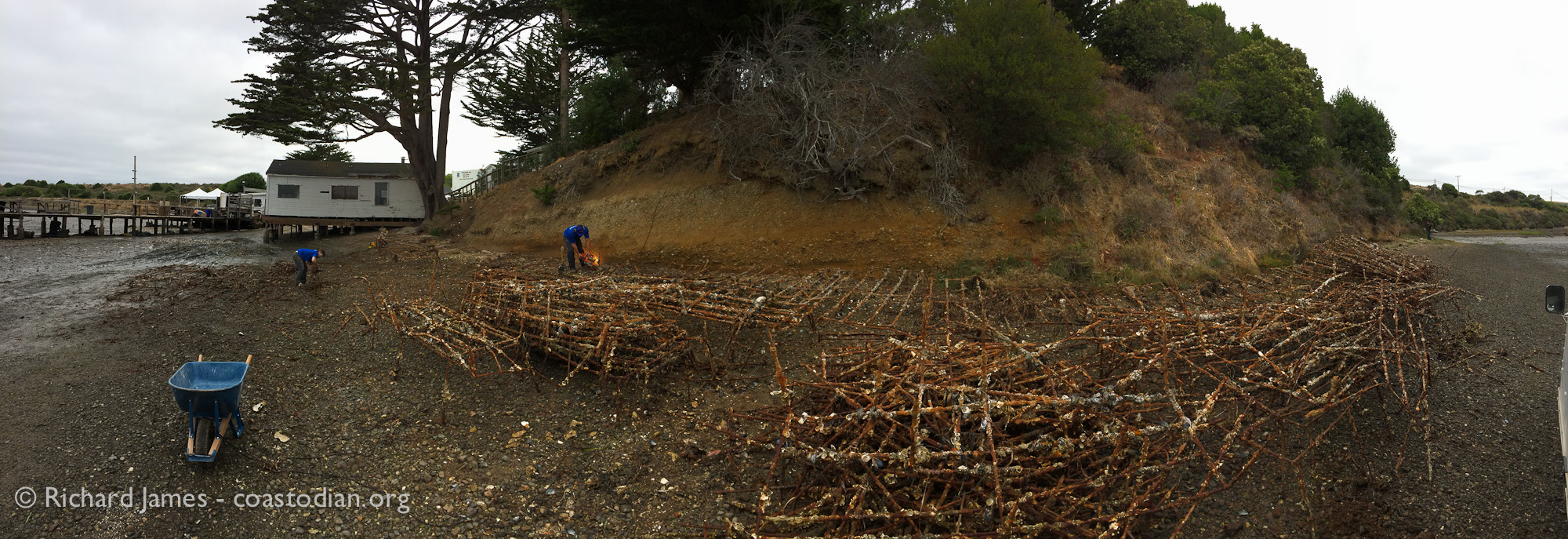
Next to the truck was the source of the noise. Tod had hired 1-800-got-junk to cut up the large mountain of rusting oyster racks that had been in the bay for 25 years, and on this beach for a few months at least.

This is a great sight to see. I thanked Tod and his workers and even tried to help them, but was shooed away by Tod.

Let’s hope that this trend continues. That is, any mess made by the oyster companies gets picked up by the oyster companies. Tod and his workers told me there are at least as many old, rusting racks spoiling the bay still to be removed.
Not to mention the thousands of PVC tubes and other plastic trash left over from Drew Alden, the previous leaseholder that left this in the bay for somebody else to deal with.

Preferably, we’ll see oyster companies that make very little mess.

Redesigning their gear to reduce loss, regular patrols of the beaches and bay to pickup their lost gear in a timely fashion and workers that do not take shortcuts or purposely drop garbage in the bay will all contribute to a healthier ecosystem.

Panorama of the area blighted by Tomales Bay Oyster Company, in the process of being de-blighted.

Panorama of the area blighted by Tomales Bay Oyster Company, in the process of being de-blighted.

.

1-800-got-junk guys removing oyster farming junk from Tomales Bay.

1-800-got-junk guys removing oyster farming junk from Tomales Bay.

.

.

Please take a moment to read this brief document, then write Sonke Mastrup, the Executive Director of the Fish & Game Commission, as well as Randy Lovell, the State Aquaculture Coordinator at the CA Dept Fish & Wildlife and tell them you want stronger language in the leases they provide to growers using your waters to make a profit.

Sonke can be reached at: fgc@fgc.ca.gov – 916-653-4899

Randy can be reached at: randy.lovell@wildlife.ca.gov – 916-445-2008

.

Next related post may be found here.

Previous related post may be found here.

See the first post in this series “Save our Tomales Bay” here.

Save our Tomales Bay – Part 26 Good news and great news

Click the above words “Save our Tomales Bay – Part 26 Good news and great news” to see this entire post.

Boated out to Tom’s Point on Saturday to pull ice plant and pick up trash.

The good news is I only found four grow out bags, three from Hog Island and one purse-type bag from another grower, a type I have never found loose before. Had that purse been uniquely labeled, I, and anyone else out picking up trash would know exactly whose gear it was and we could contact the owner about it. This is good news because usually I find dozens, or even hundreds of abandoned grow out bags in this area.

One reason I found so few is because the tide was high, so I was not able to pull what are usually, but not always legacy trash from many years ago.
Rather, I only scanned the shore. Still, finding only three bags is a great sign. Because fewer bags getting lost means fewer bags to become buried in the mud or plant-life, never to be seen again.

A likely reason I found only three bags can be found in the next paragraph.

The great news is I found four Hog Island workers out walking the beaches with bags in hand, picking up trash!

I was pleasantly amazed.

Spoke with two of them, shared info on where I find particular items and thanked them again and again.

.

Hog Island Oyster worker on trash patrol, Tom's Point - Tomales Bay

Hog Island Oyster worker on trash patrol, Tom’s Point – Tomales Bay

.

When I explained the large wooden rack mess left in place by the brother of Charlie Johnson (who long ago raised oysters in this area) to one of them, he said that Hog might be interested in removing the hundreds of vertical pilings from the bay. I told him that the NPS was in the process of hiring a firm to remove over 5 lineal miles of racks from Drakes Estero and that the techniques learned would likely be transferable.

These Hog guys told me they had been coming out every two weeks for a while now, which is fantastic.

Come winter time, with harsher weather, this schedule will really pay off in keeping lost gear from being entombed in the wetlands and bay bottom, or pulled out into the Pacific Ocean.

A great day indeed.

Prediction: more jobs at oyster farms as the importance of regularly patrolling the shores of the bay, as well as the lease and non-lease areas of the bay become evident.

So stoked was I, that the next nearly 3 hours was spent pulling out one of several large plots of invasive ice plant, creating a pile almost six feet high for the Audubon people that own the land.

As always, click an image to see a larger version.

.

Large pile of ice plant pulled out by one coastodian

Large pile of ice plant pulled out by one coastodian

.

Large pile of ice plant pulled out by one coastodian

Large pile of ice plant pulled out by one coastodian

.

View of Tomales Bay from Tom's Point

View of Tomales Bay from Tom’s Point

.

Next related post may be found here.

Previous related post may be found here.

See the first post in this series “Save our Tomales Bay” here.

Save our Tomales Bay – Part 25 Why?

Click the words above “Save our Tomales Bay – Part 25 Why?” to see this entire post.

Over the years I’ve packed thousands of pounds of trash off the beaches of Point Reyes National Seashore and Tomales Bay, one question asked of me often is:

Where does this stuff come from?

Initially, when I found a plastic water bottle labeled “Made in China”, I thought that it had floated from China to make landfall on Pierce Point for me to find and remove.

Then something happened that changed my mind.

During 2010, the craziest year for trash I have ever seen, I cleaned the 2+ mile portion of Point Reyes Beach between North Beach parking lot and South Beach parking lot.

I cleaned it not once, not twice, but three days in a row.

Each day it looked as bad, if not worse than the day before.

On the third day, I found two identical, pristine water bottles from China. By pristine, I mean they looked as if someone had just come from Palace Market, drank the water, then dropped them on the beach.

Brand new.

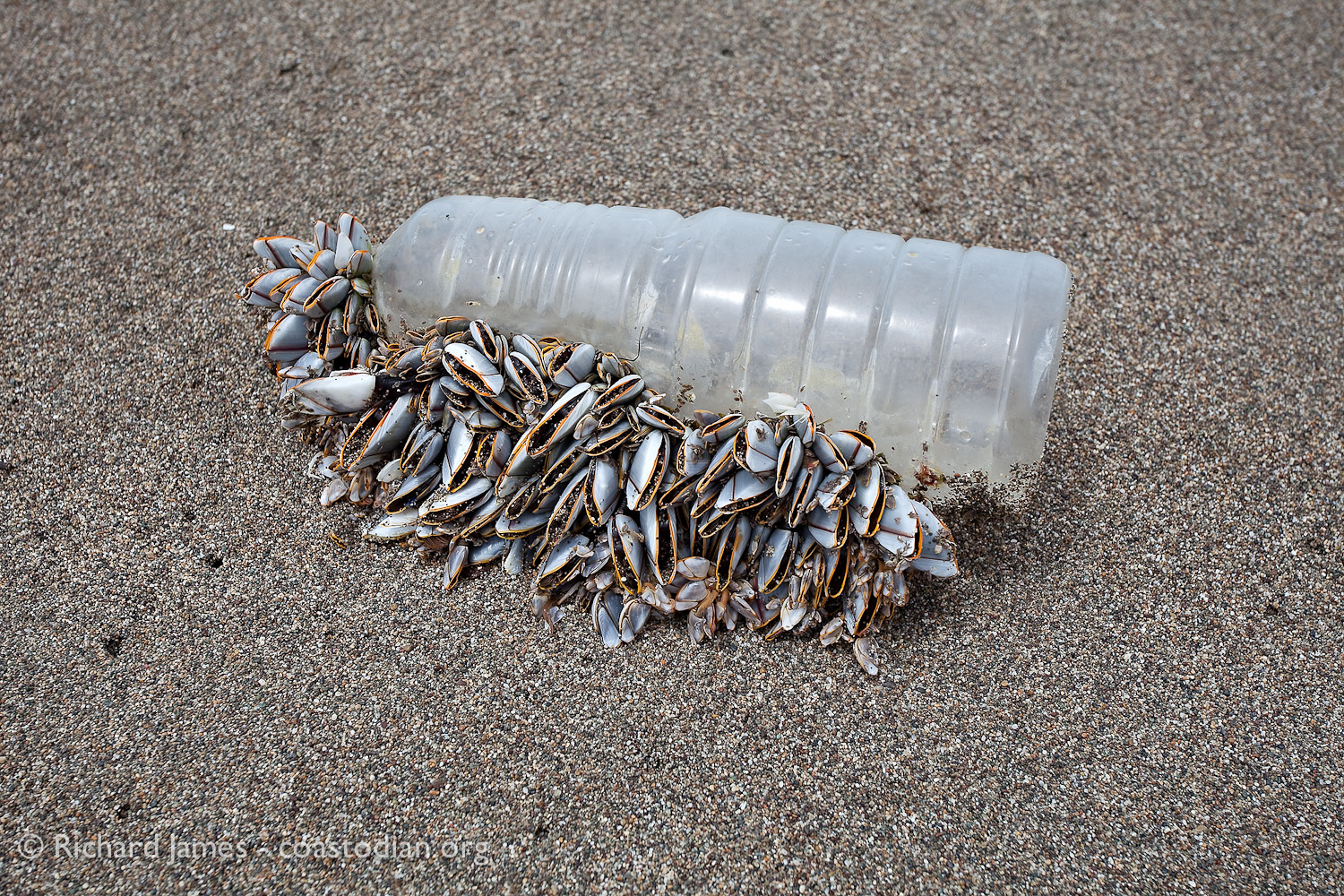
Not covered with goose-neck barnacles or bryozoan as would a bottle that had spent months or years bobbing around the Pacific Ocean.

Gooseneck barnacle encrusted plastic water bottle - South Beach, 7 June, 2010

Gooseneck barnacle encrusted plastic water bottle – South Beach, 7 June, 2010

These new bottles I’d found hadn’t drifted over from China on their own.

They had likely been tossed overboard by a crew-member of one of the thousands of container ships that bring countless millions of tons of cheap diversions to the world each year.

After contacting the Port of Oakland, I learned the following about container ships visiting Oakland:

       Only 19 hours or less to unload and load all the containers from one enormous ship.
       See here for a time lapse video of the loading of 18,000 containers.

       Less than 20 crew, most from the Philippines.

For a few months I tried to get my “Thirsty” image of 5 large meta-bottles hung in the room where this crew stays during unloading/loading. The woman with whom I spoke at the Port of Oakland really wanted to do this, but her superiors got in the way and in the end I failed in my attempt to educate the crews of these ships to not toss their trash into the sea.

BUT

I learned something that day.

I never really now where the litter I find comes from, I only know where it ends up.

Which is mostly true.

Mostly, because I know where the 6000+ black plastic spacer tubes I have picked up came from (Drakes Estero – oyster farming operations)

I know where the oyster grow-out bags come from.

Abandoned grow-out bags from Tomales Bay Oyster Company returned to them.

Abandoned grow-out bags from Tomales Bay Oyster Company returned to them.

.

©Richard James - coastodian.org Abandoned Hog Island Oysters grow-out bags collected adjacent to lease M-430-15 on 22 March, 2015

©Richard James – coastodian.org
Abandoned Hog Island Oysters grow-out bags collected adjacent to lease M-430-15 on 22 March, 2015

.

I know where the thousands upon thousands of plastic zip-ties and lengths of plastic coated copper wire and plastic floats pecked by hungry birds that are discarded into Tomales Bay come from.

TBOC oyster bag float, pecked by birds looking for food. Zip-ties, blue foam bits of all sizes and the black plastic cover can be found by the thousands all around Tomales Bay.

TBOC oyster bag float, pecked by birds looking for food.
Zip-ties, blue foam bits of all sizes and the black plastic cover can be found by the thousands all around Tomales Bay.

.

Small fraction of the zip-ties (en español: los cinchos) collected from leases of TBOC

Small fraction of the zip-ties (en español: los cinchos) collected from leases of TBOC

.

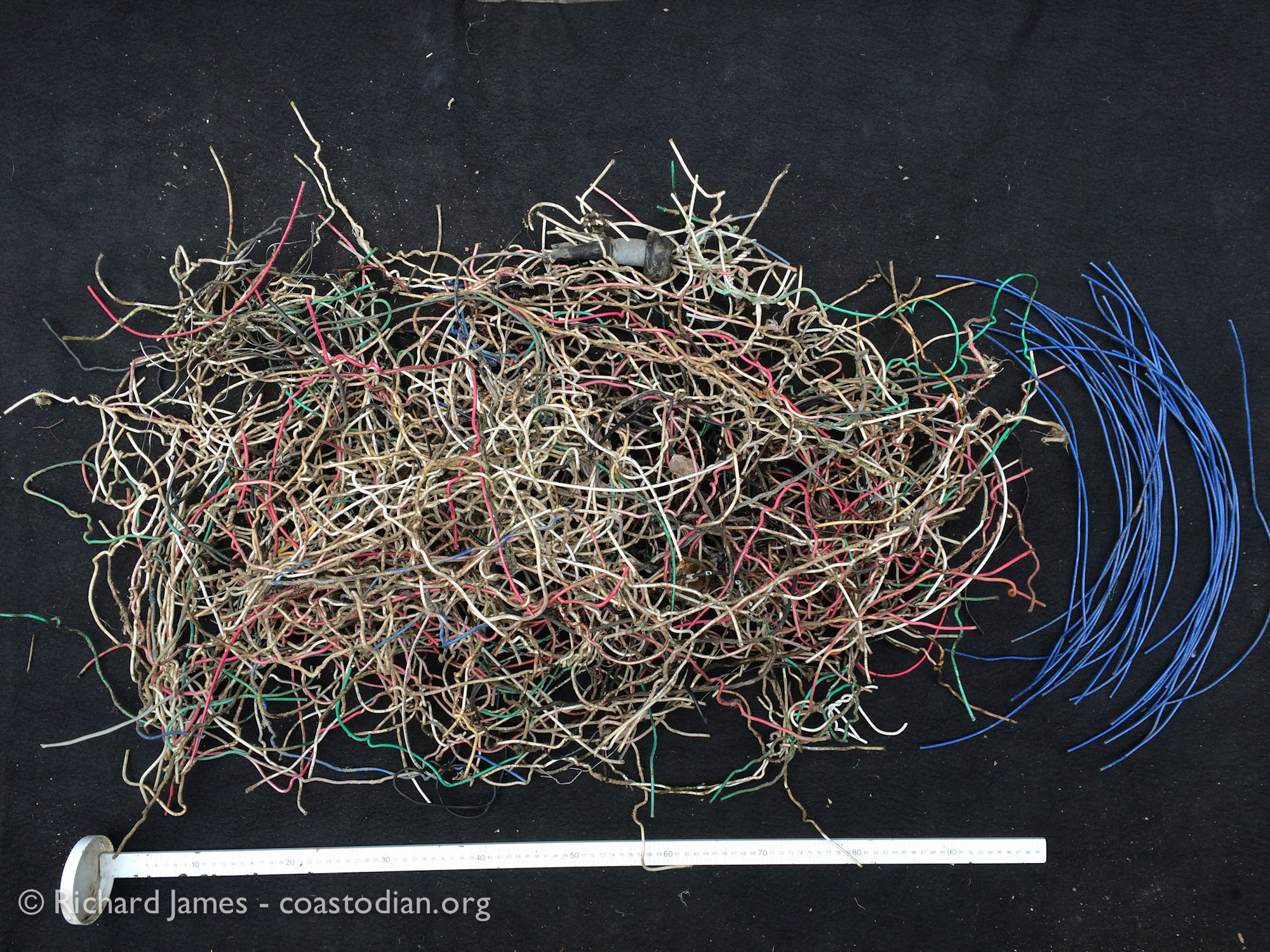
Small fraction of the plastic coated copper wire (en español: cables) collected from leases of TBOC

Small fraction of the plastic coated copper wire (en español: cables) collected from leases of TBOC

.

Tiny fraction of the discarded PVC pipes and pipe shards left by TBOC in Tomales Bay

Tiny fraction of the discarded PVC pipes and pipe shards left by TBOC in Tomales Bay

They come from the growers of oysters, clams and mussels in Tomales Bay.

I may not be able to stop the people around the world from polluting our planet.

But I will do all I can in my local area to stop the rampant disregard for the Tomales Bay by local oyster, clam and mussel growers.

And until these growers stop polluting the earth with their trash,

until the Fish & Game Commission takes its responsibility as the “landlord” of these public waters seriously,

I’ll continue to boat the bay and walk the shore, picking up their mess and reporting on it, just as I found it.

If, when I go boating on the bay, all I see are godwits, dowitchers and willets, that is what I’ll share with photos and words.

The true "owners" of Tomales Bay.

The true “owners” of Tomales Bay.

So growers, if you don’t wish to read about your mess, stop making one.


Three leases are coming up for renewal soon. Leases that, as written are pretty loose in terms of holding these companies responsible for the mess they make on a daily basis.

It will end up costing US tax payers more than a few million dollars to clean up the mess left by Johnsons / Drakes Bay Oyster Company in Drakes Estero.

The escrow fund language used in the current leases is over 25 years old. We need a contract worthy of the land it is designed to protect!

If you’d like to see the leases re-written so that growers pay fines if they leave a mess,

If you’d like to see the Fish & Wildlife Department more actively monitor the activities of growers that have made a mess of Tomales Bay for over a hundred years

If you’d like to take an active role in protecting the environment of West Marin

Write Sonke Mastrup, the Executive Director of the California Fish & Game Commission and tell him so.

You can reach him here:

Mr. Sonke Mastrup
Executive Director, Fish and Game Commission
fgc@fgc.ca.gov
phone 916-653-4899

California Fish and Game Commission P.O. Box 944209, Sacramento, CA 94244-2090

Please also ask him when he plans to hold the public meeting in West Marin so that the public can weigh in on how the public lands are being treated (mistreated).

.

Next related post may be found here>.

Previous related post may be found here.

See the first post in this series “Save our Tomales Bay” here.
Save our Tomales Bay – Part 24 Whence cometh the detritus

Click on the words above “Save our Tomales Bay – Part 24 Whence cometh the detritus” to see this entire post.

Over the past few years of working with local oyster farmers to improve their processes in order to leave less trash in our local waters, I’ve heard them say more than once “When we go out on our yearly trash pickups, we always find more non-oyster trash than oyster farm trash.”

Let’s look at this statement in more detail.

Yearly litter pickups.

Look at the image below of a grow-out bag nearly obscured by pickleweed in less than 3 weeks at the mouth of Walker Creek.

click on image, then click once more to see a much larger version.

This bag lay here for less than three weeks!

This bag lay here for less than three weeks!

Imagine if the growers came out a year later to look for this bag. Do you think they would have found it?

I had scoured this same area less than three weeks previously and that bag was not there.

No wonder the growers don’t find much oyster trash on their yearly cleanups, nature has enveloped their mess, making it invisible to their efforts.

Growers need to go out every two weeks in order to keep their mess from becoming a permanent part of the very same ecosystem they extract profit from. They need to walk the shores, as I do. At Hog Island Oysters and Tomales Bay Oyster Company, efforts to redesign gear to avoid these losses are underway, a good thing.

.

Now let’s look at my cleanup efforts from two consecutive weeks along the shore from Preston Point to the fence at the Audubon Canyon parcel at Tom’s Point, as well as a small section of the Point Reyes Oyster Company lease at Walker Creek.

NOTE: click on an image, then click once more to see a much larger version.

May 3rd

Alleged non-oyster litter collected on 3 May, 2015 along coast from Preston Point to Audubon Canyon Ranch parcel.

Alleged non-oyster litter collected on 3 May, 2015 along coast from Preston Point to Audubon Canyon Ranch parcel.

.

Alleged oyster litter collected on 3 May, 2015 along coast from Preston Point to Audubon Canyon Ranch parcel.  Large zip ties found on beach adjacent to Hog Island lease at Tom's Point. 53 abandoned oyster grow-out bags were also located, 26 of which hauled out.

Alleged oyster litter collected on 3 May, 2015 along coast from Preston Point to Audubon Canyon Ranch parcel. Large zip ties found on beach adjacent to Hog Island lease at Tom’s Point. 53 abandoned oyster grow-out bags were also located, 26 of which hauled out.


To the above items, add 53 grow-out bags, a very large volume of high-density polyethylene being ground into tiny bits by sand, wave and wind.

.

May 10th

Alleged non-oyster litter collected on 10 May, 2015 along coast from Preston Point to Audubon Canyon Ranch parcel.

Alleged non-oyster litter collected on 10 May, 2015 along coast from Preston Point to Audubon Canyon Ranch parcel.

.

Alleged oyster litter collected on 10 May, 2015 along coast from Preston Point to Audubon Canyon Ranch parcel.  Plastic coated copper wire found under Point Reyes Oyster Company racks, large zip ties found on beach adjacent to Hog Island lease at Tom's Point. 154 abandoned oyster grow-out bags were also located, 41 of which hauled out.

Alleged oyster litter collected on 10 May, 2015 along coast from Preston Point to Audubon Canyon Ranch parcel. Plastic coated copper wire found under Point Reyes Oyster Company racks, large zip ties found on beach adjacent to Hog Island lease at Tom’s Point. 154 abandoned oyster grow-out bags were also located, 41 of which hauled out.


To the above items, add 154 grow-out bags, a very large volume of high-density polyethylene being ground into tiny bits by sand, wave and wind.

The ratio of “tourist” trash to oyster trash varies over the year, depending on weather and visitation.

If you don’t look for it, you won’t find it! Oyster growers need to get out of their boats more often, they will find what I find if they are willing to walk the shore and mudflats and look.
.

A list of proposed best practices I drew up was submitted to the Fish & Game Commission in April at their meeting in Santa Rosa. Both Hog Island Oysters and Tomales Bay Oyster Company are in the process of redesigning their gear, both of which I applaud. With better gear to withstand the beating doled out by sun, wind and waves, less of this gear will go missing, which means a healthier ecosystem for all.

Let’s hope this trend continues, for earth’s sake.

.

Next related post may be found here.

Previous related post may be found here.

See the first post in this series “Save our Tomales Bay” here.

Save our Tomales Bay – Part 23 Bullshitter caught in the act!

Click on the words above “Save our Tomales Bay – Part 23 Bullshitter caught in the act!” to see this entire post.

On 16 May as I walked the shore near Tom’s Point and the oyster leases operated by Hog Island Oysters picking up zip-ties, grow out bags, discarded lumber and the occasional piece of non-oyster related trash, I was startled as this large bull burst forth on the hillside above me.

He snorted and stared at me, making sure I knew whose beach this was.

Then he sauntered off into the water, defecated, continuing on around this very long fence jutting out into Tomales Bay.

When the scent of lady cows in estrus is in the air, no string of wire will keep this bull from his appointed rounds.

Maybe that brownish/yellowish stuff is what give the local oysters their shittoir.

Off in the distance in this video are strings of hundreds of bags of oysters filter-feeding in the nutrient-rich waters of Tomales Bay.

It is not just the guys pooping in our local waters.

Have a look at these ladies that regularly relieve themselves in and around Drakes Estero (image from a few years ago)

RJames.IMG_4541.CC.cwRJames.IMG_4560.crop.cc.cwIs this the secret ingredient of the non-native oysters that were once raised in Drakes Estero?


Speaking of bullshit, stay tuned for more images of the steady supply of plastic left in Tomales Bay by oyster farmers of present and past.

Local growers are making efforts to reduce the debris abandoned to the watershed. I applaud and encourage these and more efforts.

Enough of an effort?

Perhaps when the Fish & Game Commission hosts the public meeting in West Marin they promised me is coming, we’ll all find out.

Until then, let the chips fall where they may.

.

Next related post may be found here.

Previous related post may be found here.

See the first post in this series “Save our Tomales Bay” here.