America’s Cup continues to deliver – Marine Debris

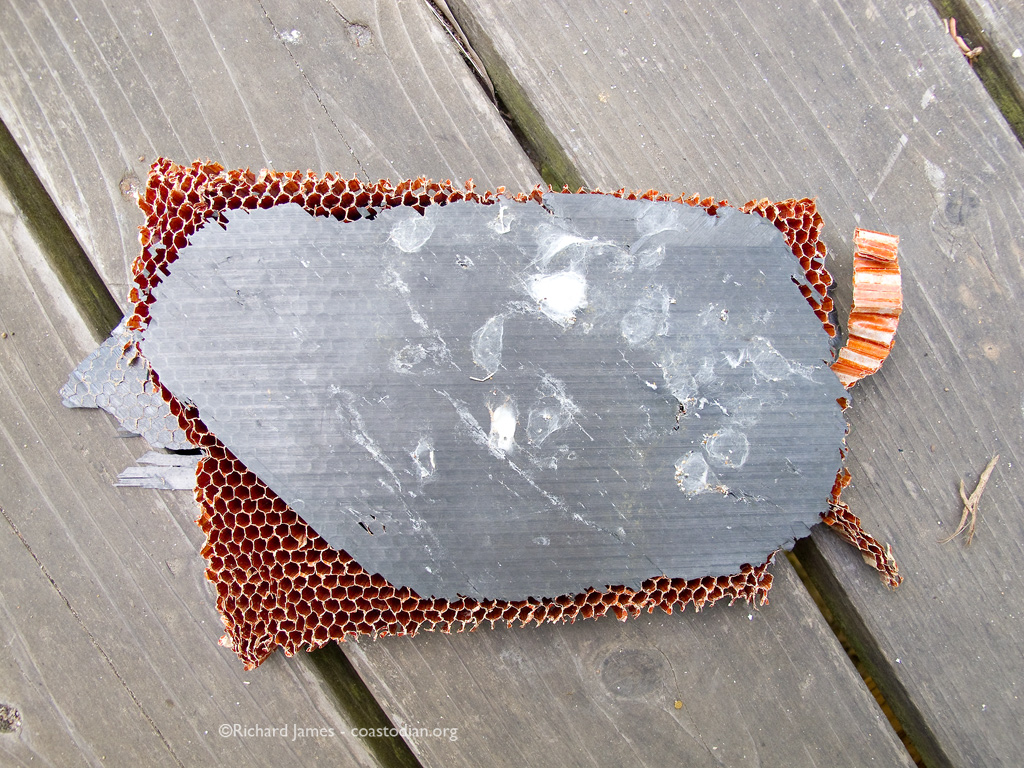
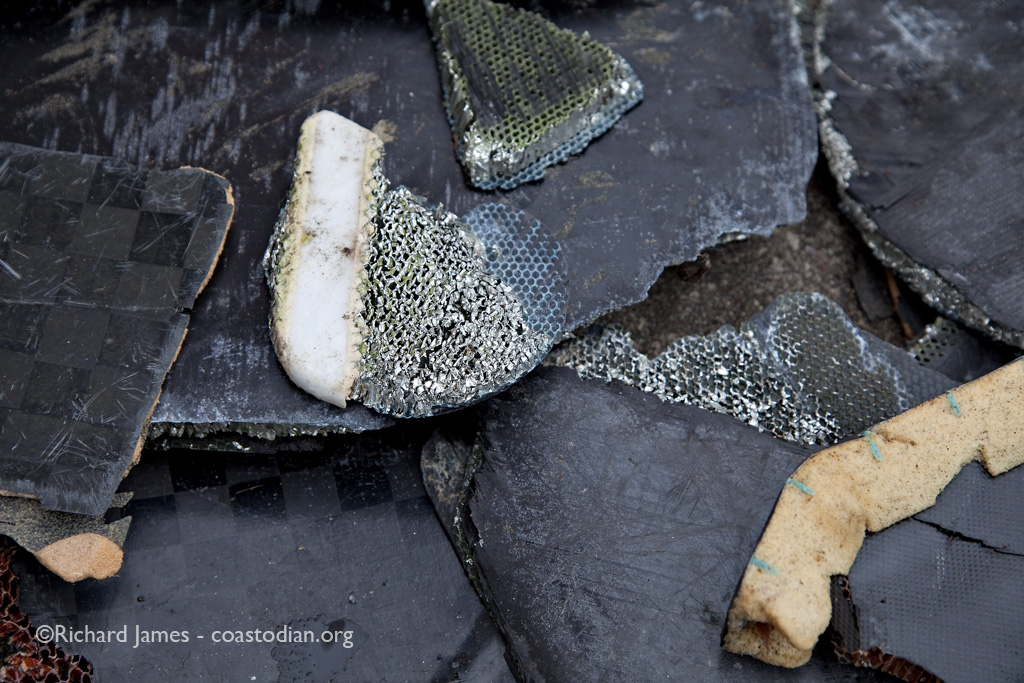
As the spectacle that are AC72 boat races continue inside SF Bay, the pieces of Larry Ellison’s big-boy toy that pitch-poled last October keep washing ashore on the beaches of Point Reyes.

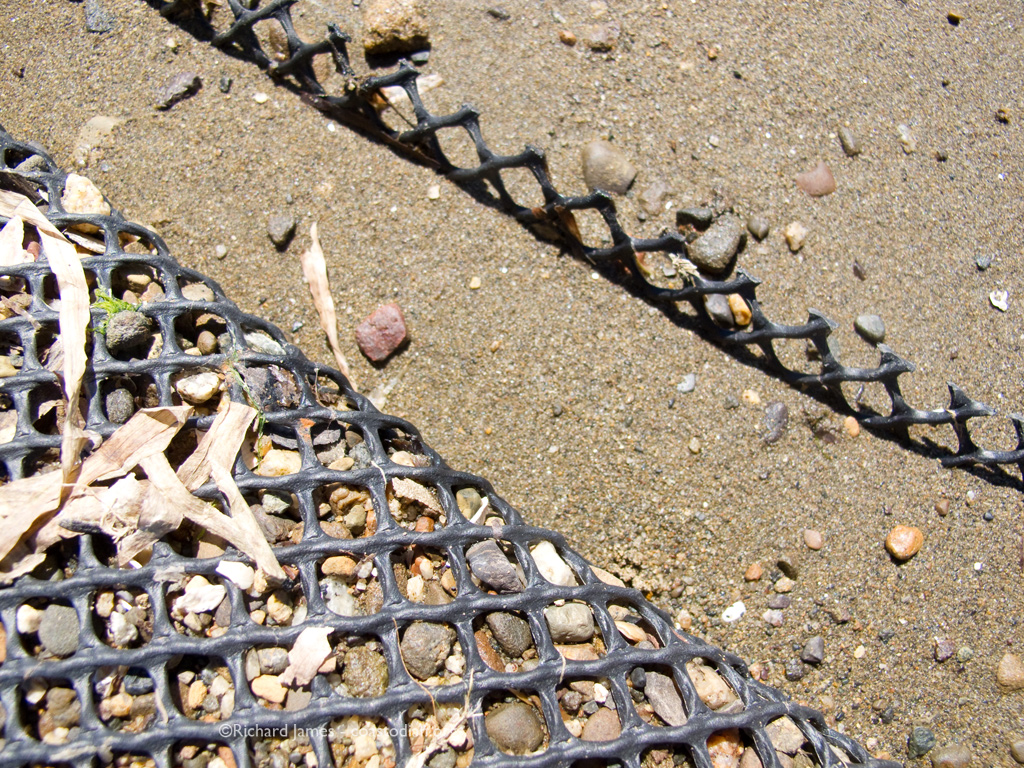
This piece had been laying out on the sand so long, spiders have been using it for nest building.

IMG_0665.cc

Go Larry!

Go out and pick up after yourself that is.

Save our Tomales Bay – part 3

Click on the words “Save our Tomales Bay” above to see this post as it was intended to be seen.

For the many thousands of you that wait on the edge of your recliner for my next batch of images showcasing the worrisome ways in which humans lay waste to the watersheds of the world, I apologize.

Today while visiting the shore of Tomales Bay, as I have the past few weeks in search of debris to remove from the shore and water, I found that much of it had been removed.

Woo hoo!

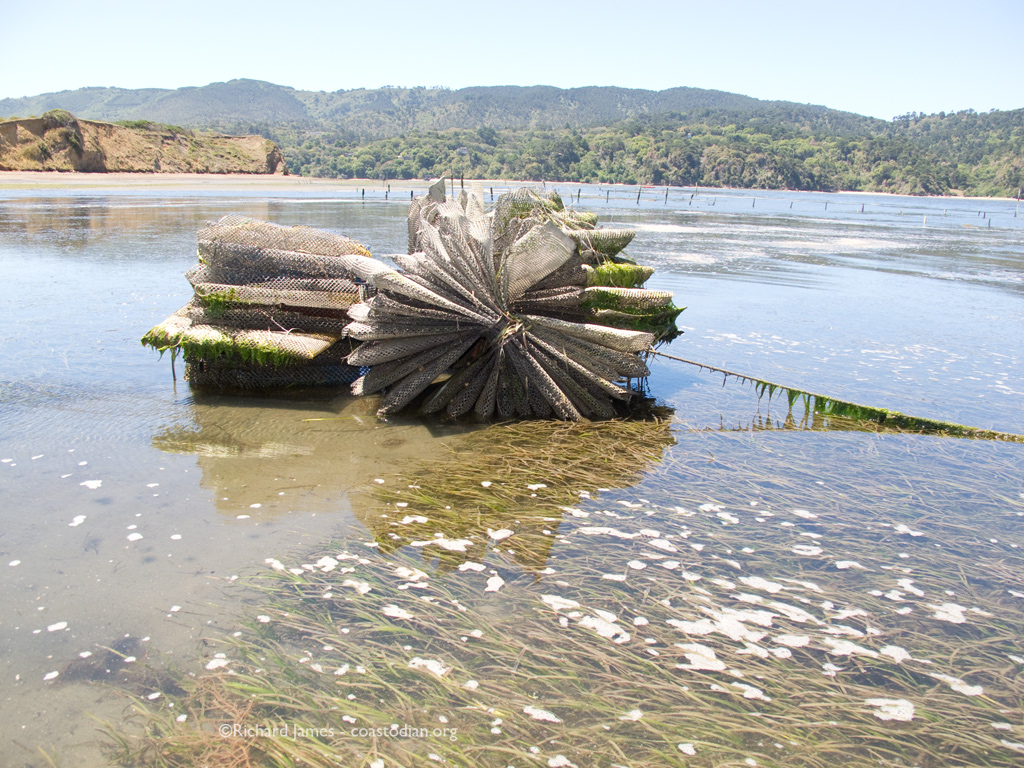
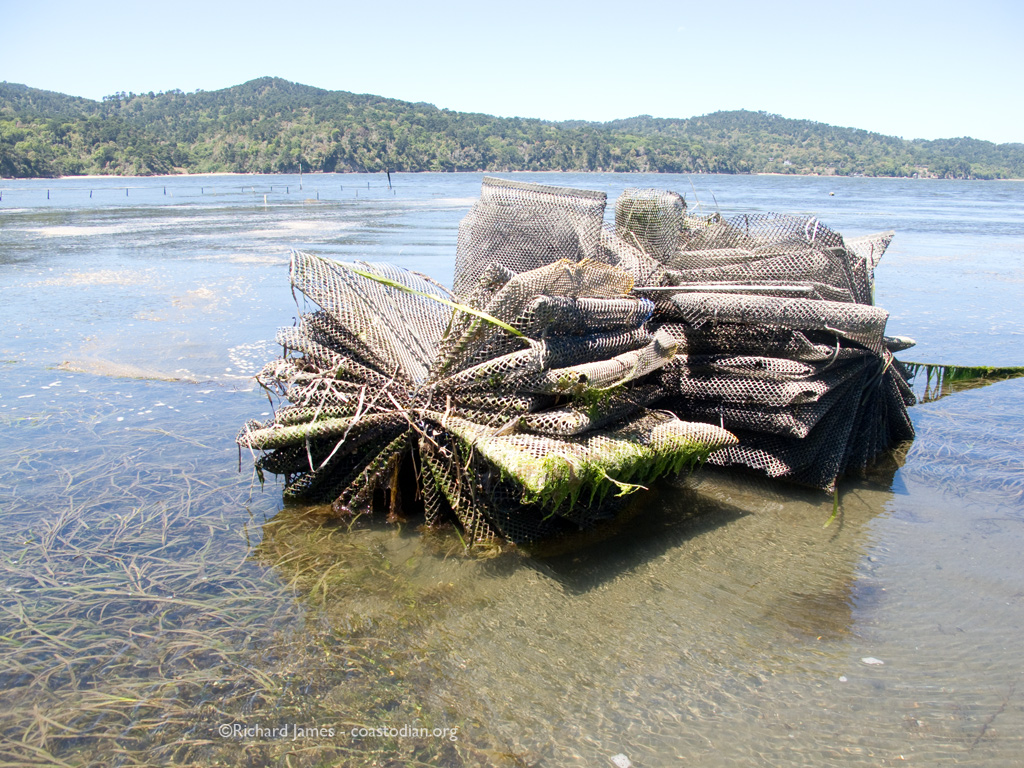
Last week I opined that with the volume of oyster grow-out bags still littering the shore (hundreds), either the people that put them there would need to pack them out, or I’d need lots of help.

I’m, not sure who did it, but thank you!

RJames.IMG_0528

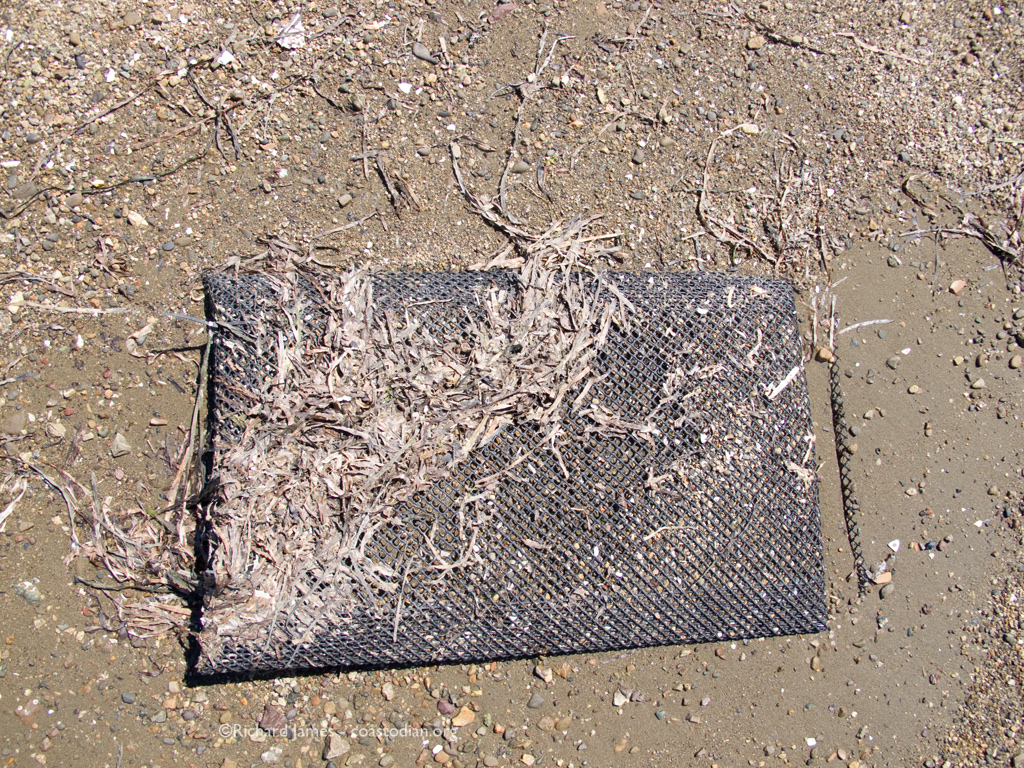
The above bundle of bags is gone, Hopefully retrieved and no longer poised to explode and spread plastic all over the bay. Thank you.

Today the tide was higher and I was on land, not in my boat. So I had no easy way to see if the piles of iron and dozens of submerged, gravel filled bags buried in the bottom have been removed. I hope they were. I’ll come back again to see.

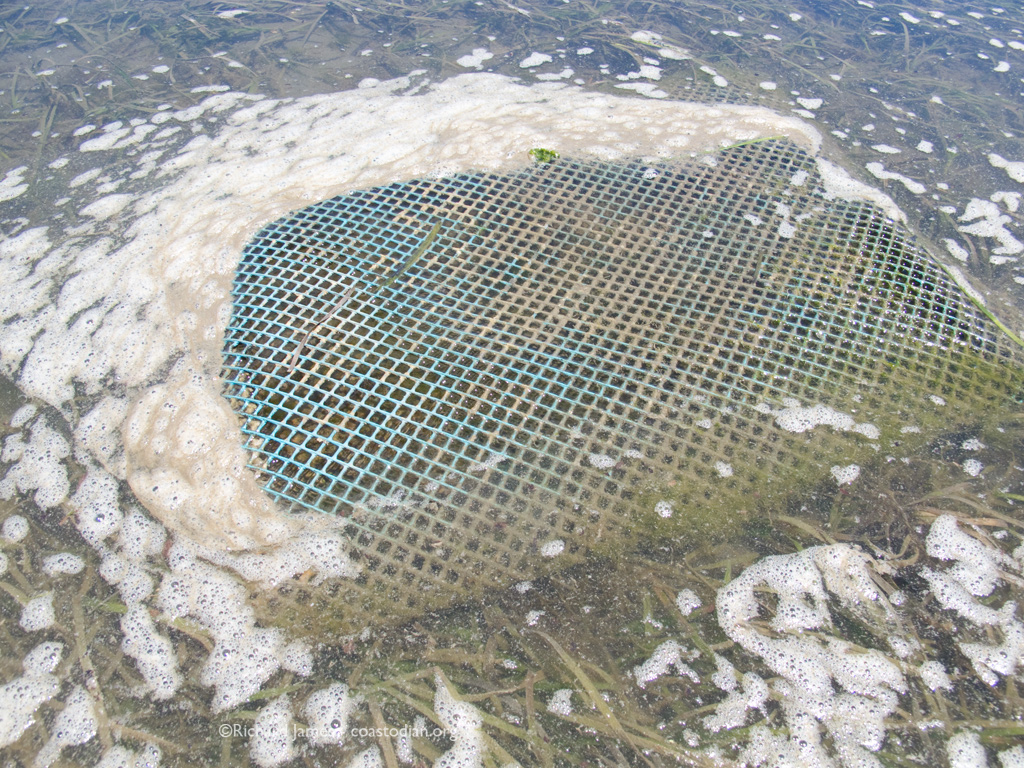
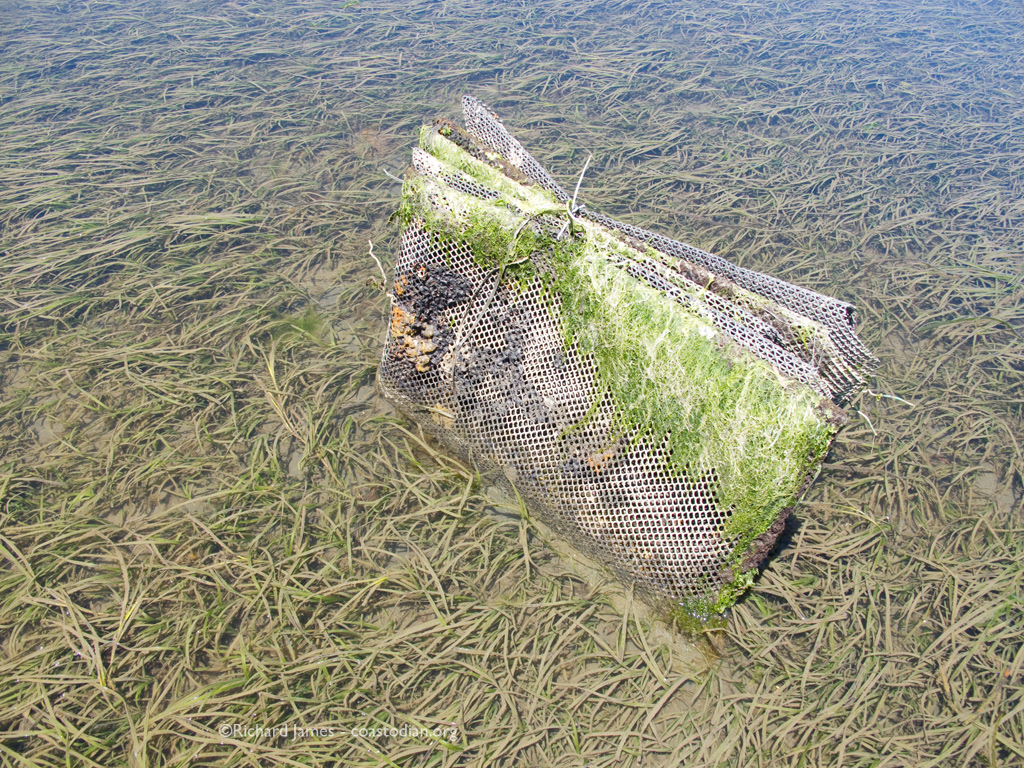
I did find fewer than ten bags on shore and only a few in the water.

IMG_0583

IMG_0582

IMG_0581

Location -     38.119608° N   -122.864715° W   Datum WGS84

Location – 38.119608° N -122.864715° W Datum WGS84

This work site still had the fifteen or so bags laying about I saw weeks ago. I left them then, and I left them today. The wind can easily take these bags into the water where the tides can carry them out to sea. Surely this work area can be kept cleaner!

Location -  38.128490° N   -122.864172° W   Datum WGS84

Location – 38.128490° N -122.864172° W Datum WGS84

Location -  38.128490° N   -122.864172° W   Datum WGS84

Location – 38.128490° N -122.864172° W Datum WGS84

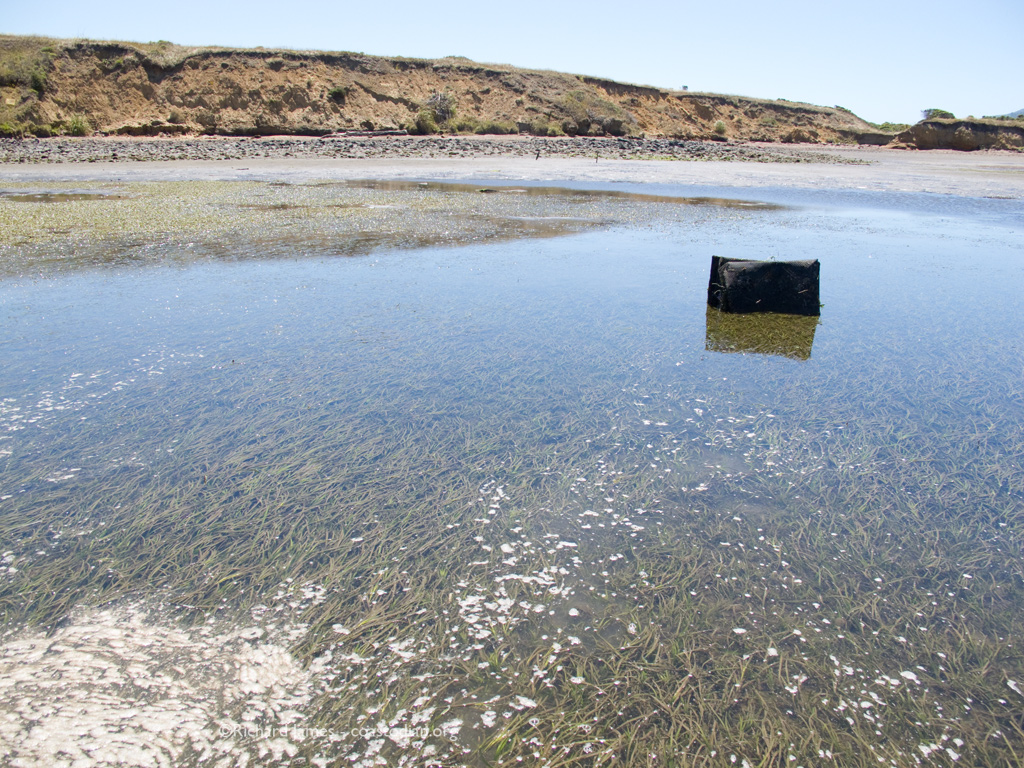
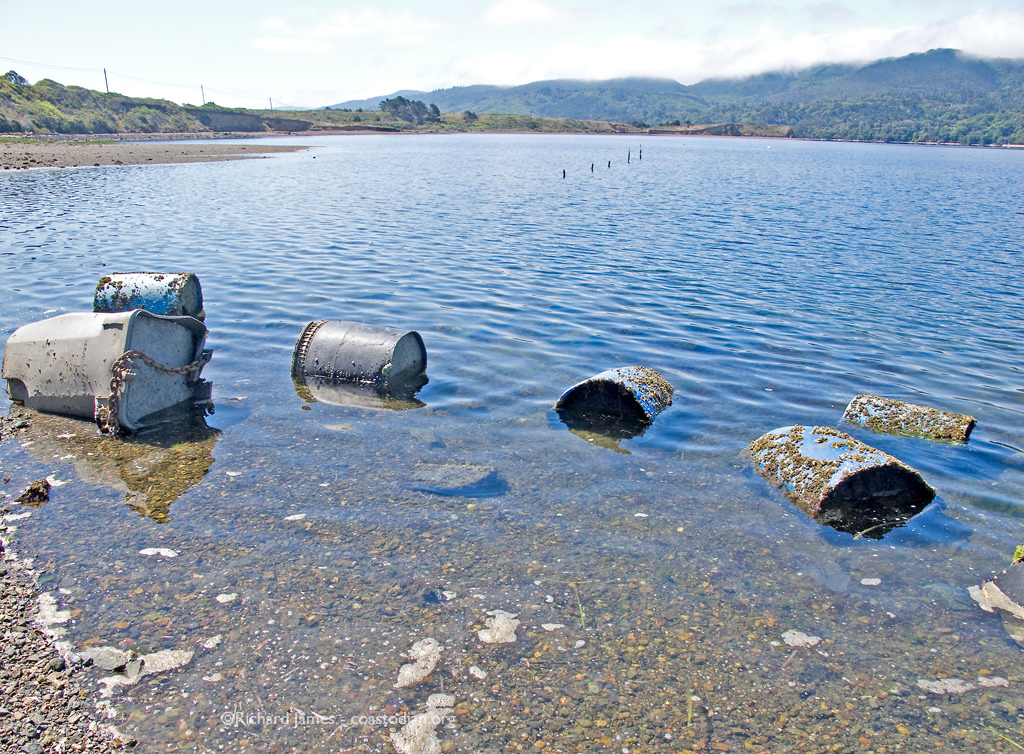
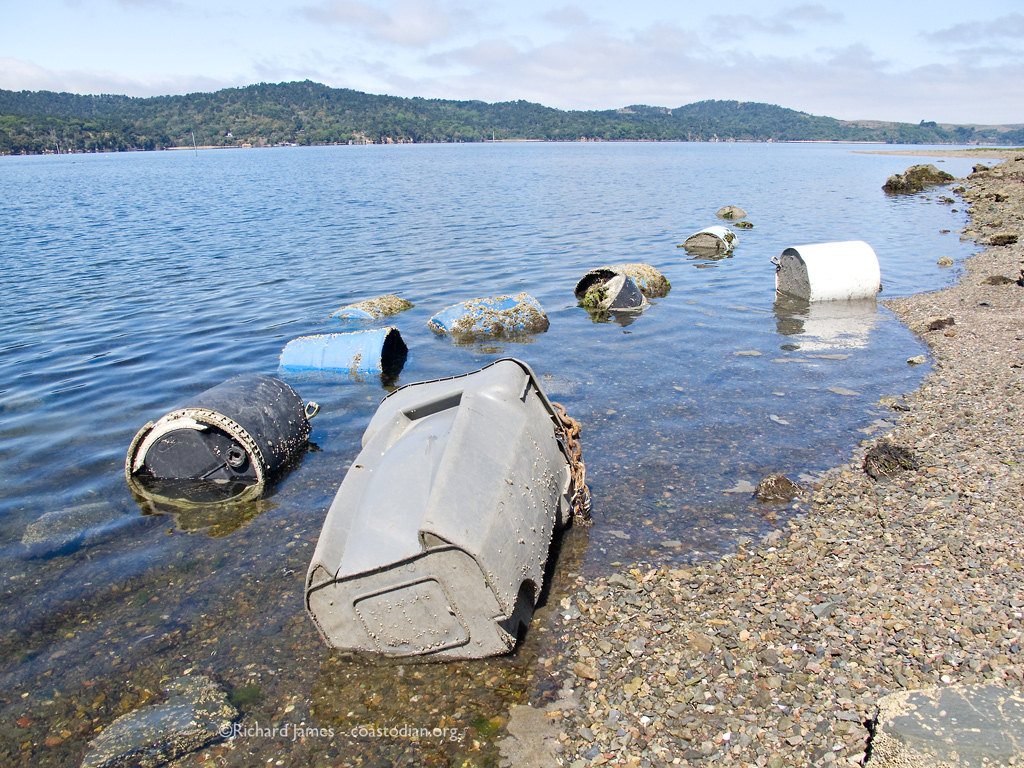
The sad new discovery was the anchors shown in the banner image and again above. Ten to twelve large plastic trash cans or barrels filled with concrete. Who left these here? This is 2013, not 1950. We have known for a long time that we can’t simply extract resources and leave our mess behind for others to deal with. Our planet is buckling under the damage caused by that out-dated thinking.

Who amongst you has an idea on how to get this blight out of Tomales Bay?

Location -   38.125753° N   -122.862869° W   Datum WGS84

Location – 38.125753° N -122.862869° W Datum WGS84

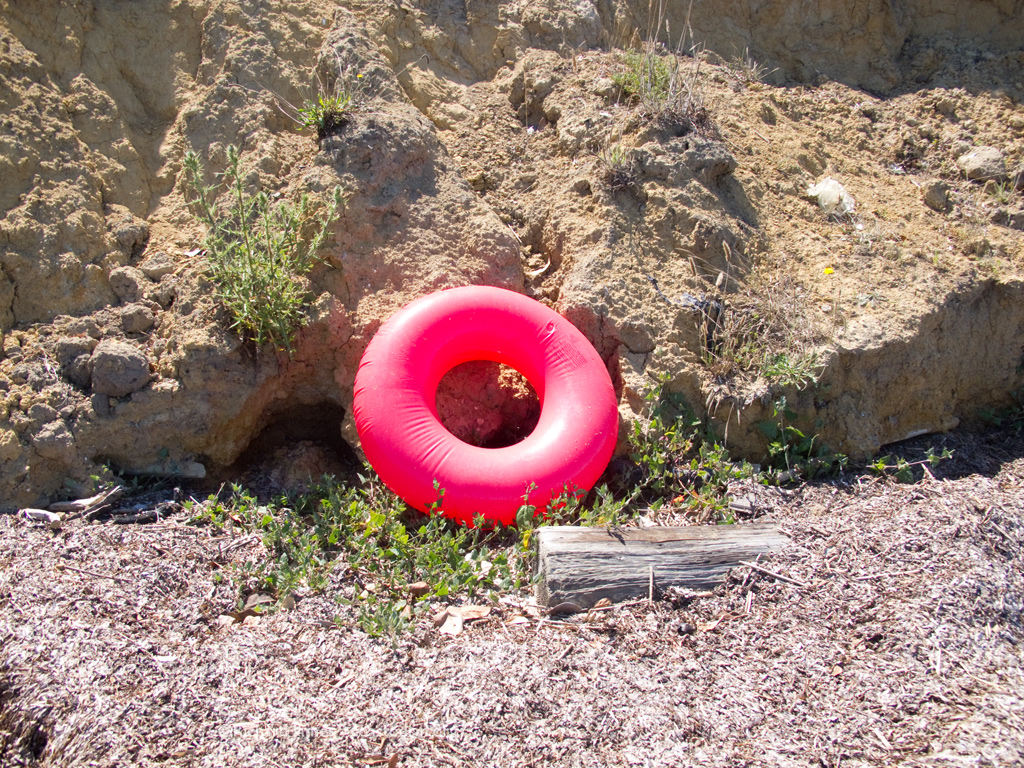
I could have had a V8!

Location -    38.125670° N   -122.862855° W   Datum WGS84

Location – 38.125670° N -122.862855° W Datum WGS84

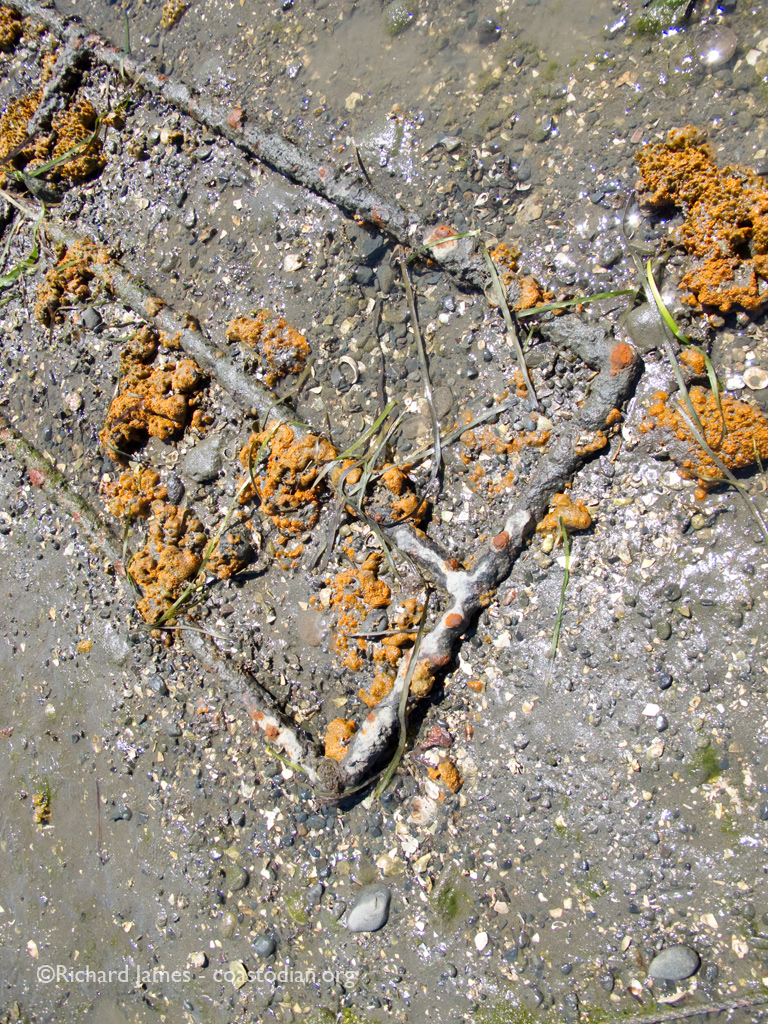
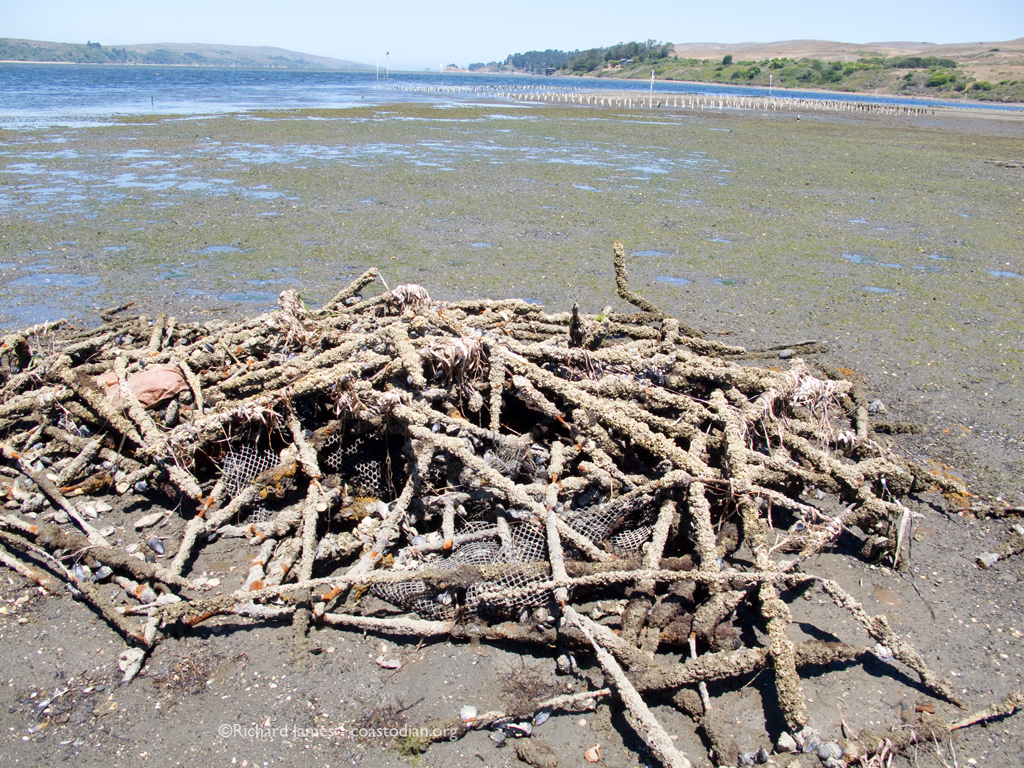
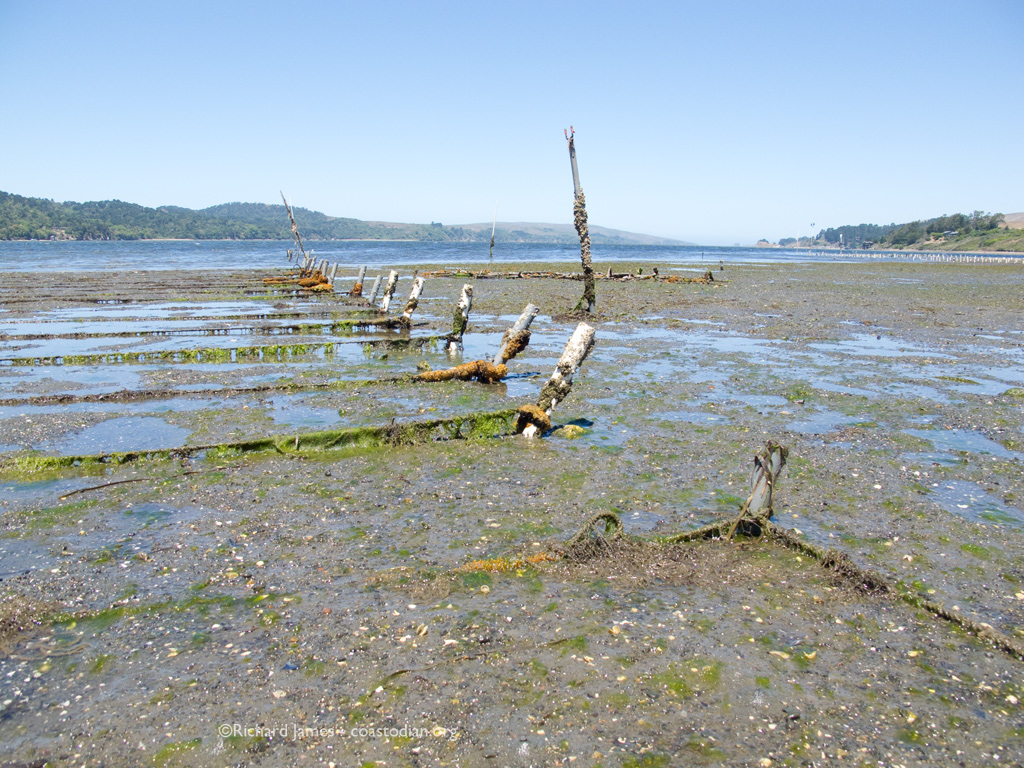
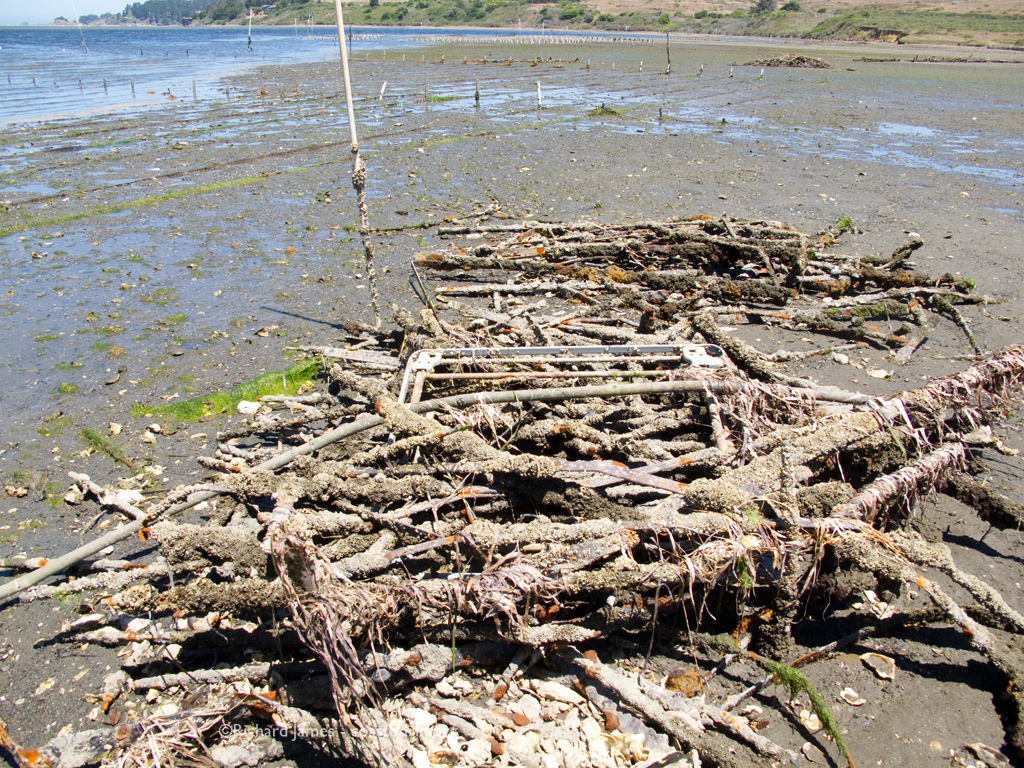
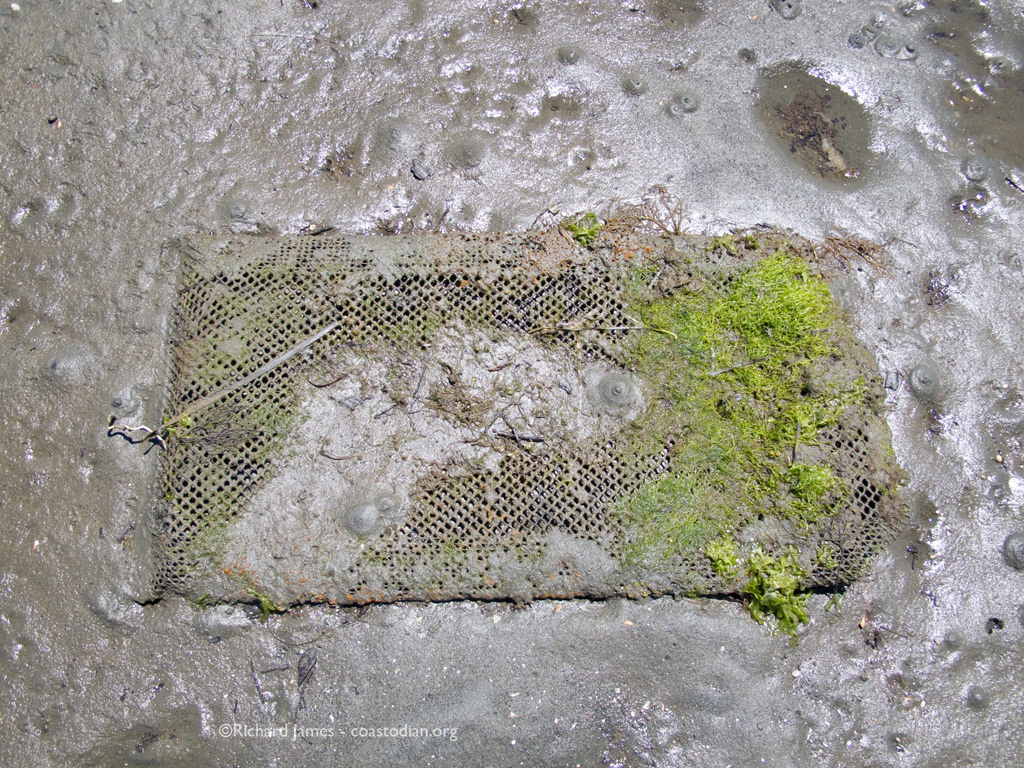
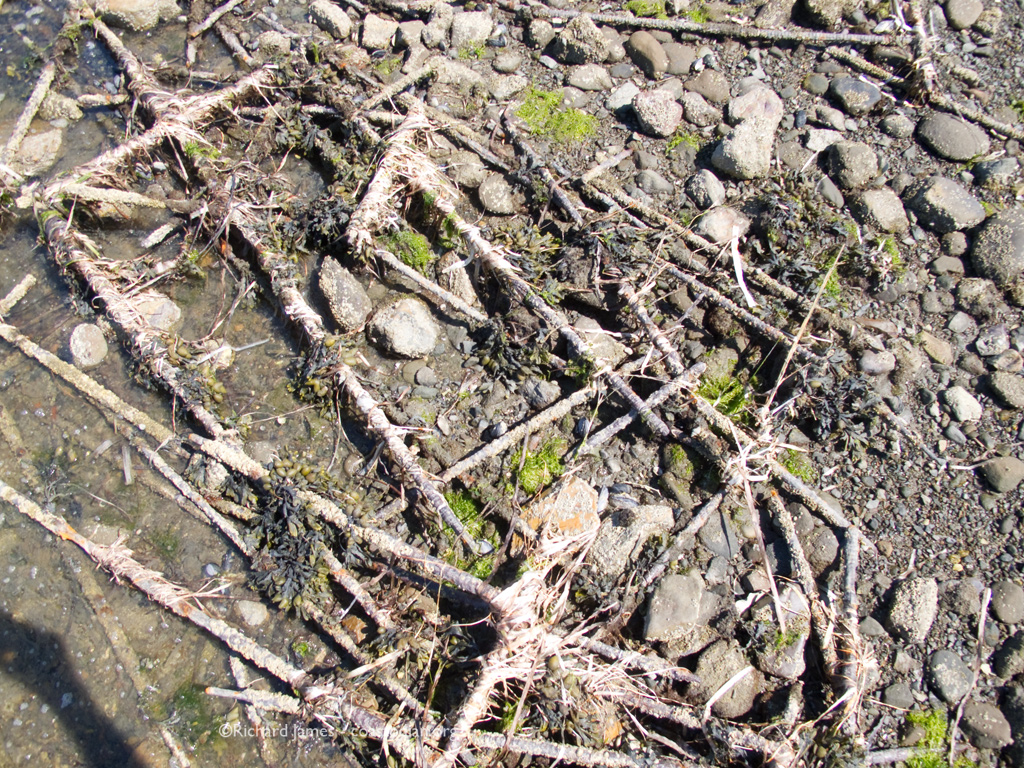
Still more rusty oyster infrastructure from days gone by, littering the bay.

Location -    38.125670° N   -122.862855° W   Datum WGS84

Location – 38.125670° N -122.862855° W Datum WGS84

Next I plan to visit the area around Walker Creek and Preston Point to see what sort of monuments to the human madness are mired in the mud up that way.

IMG_0584

Here are a few images showing what a healthy shoreline looks like, plastic free!

IMG_0595

IMG_0593

IMG_0594

.

Next related post may be found here.

Previous related post may be found here.

See the first post in this series “Save our Tomales Bay” here.

Save our Tomales Bay – Part 2

Click on the words “Save our Tomales Bay” above to see the related banner image.

Today and last week I boated across Tomales Bay with the intention of seeing what sort of plastic debris I could find and haul out.

Given my last post about the oyster farming debris I dug out of the shore of Tomales Bay and packed out, I did not think I’d find nearly so much.

How wrong I was.

Last week, a little north of the area of my last visit on the SE shoreline of Tomales Bay, I beached my boat and began to walk the wrack.

I stopped counting oyster grow-out bags after 20.

There were so many, I had to make 3 trips back across after loading my boat as tall as I dare. Digging the heavy bags out of the mud high on the beach was exhausting. Lack of energy and daylight prevented me from making another 3-4 trips that I figured were needed to remove all the bags littering the sand, plants and water.

Today I went back to the same area with photography in mind. I wanted to be sure to record the impact of mariculture on our shared bay. To be honest, I also did not want to feel like I’d been hit by a truck, as I felt the day after 8 hours of picking up trash last week.

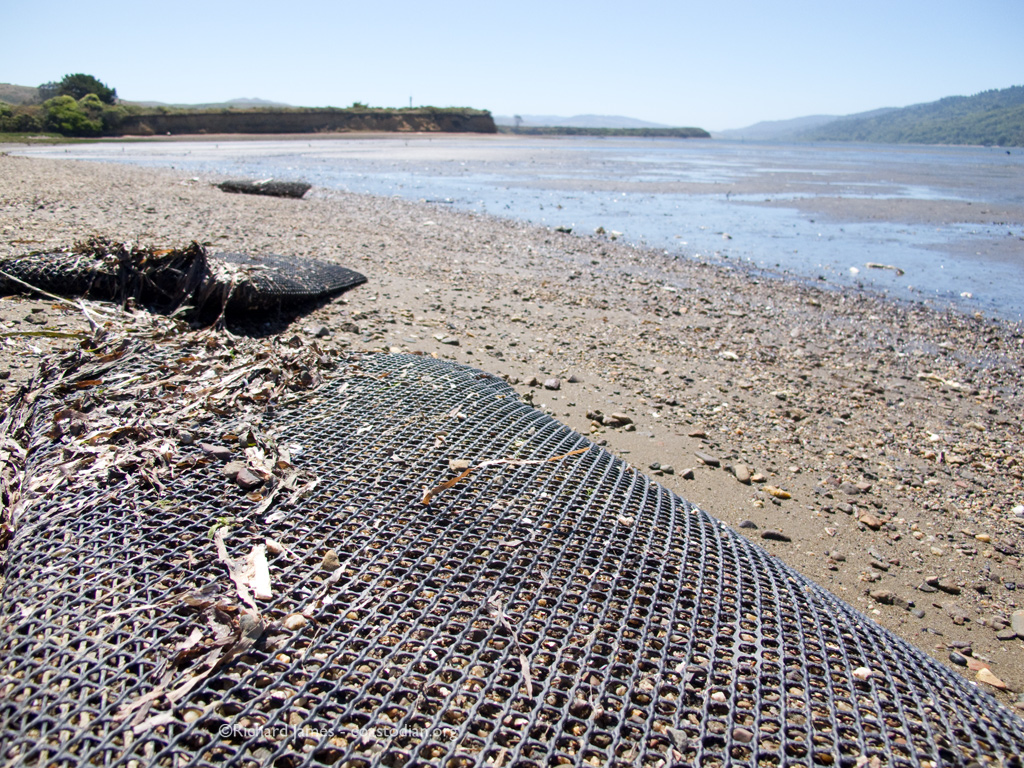
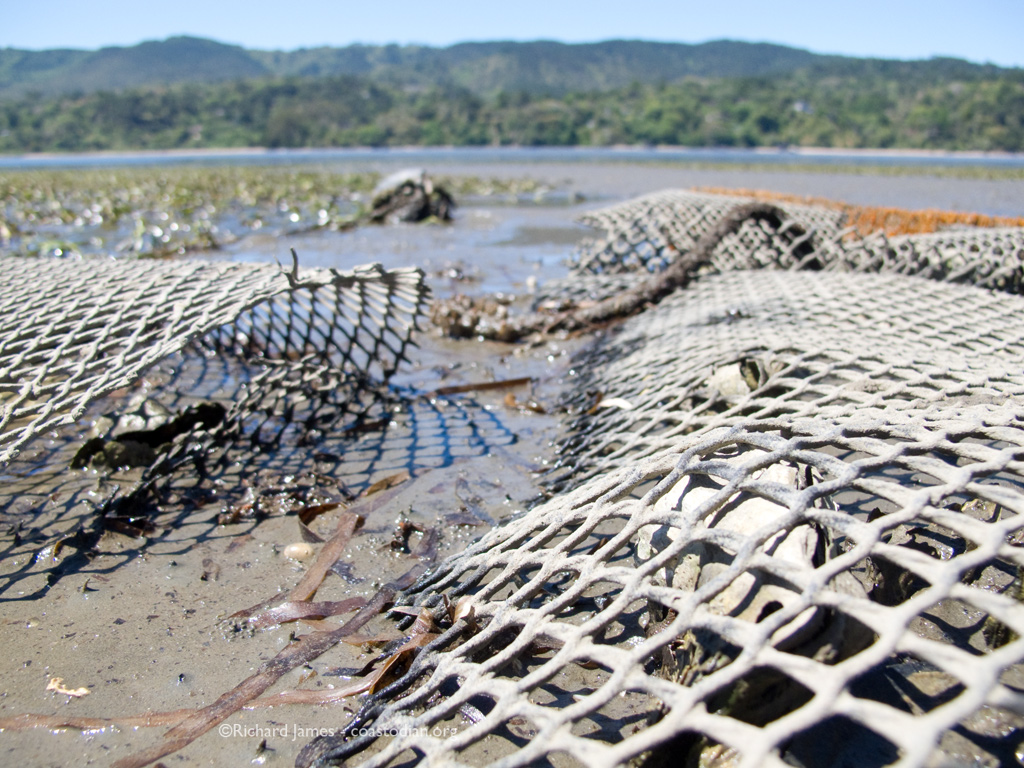
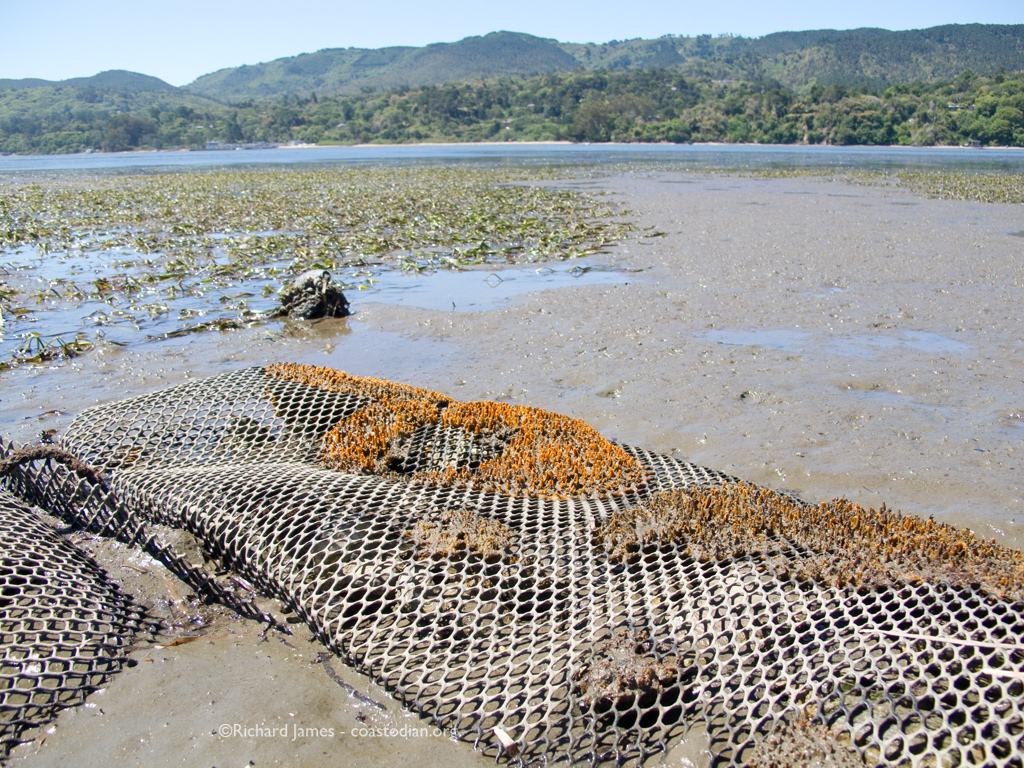
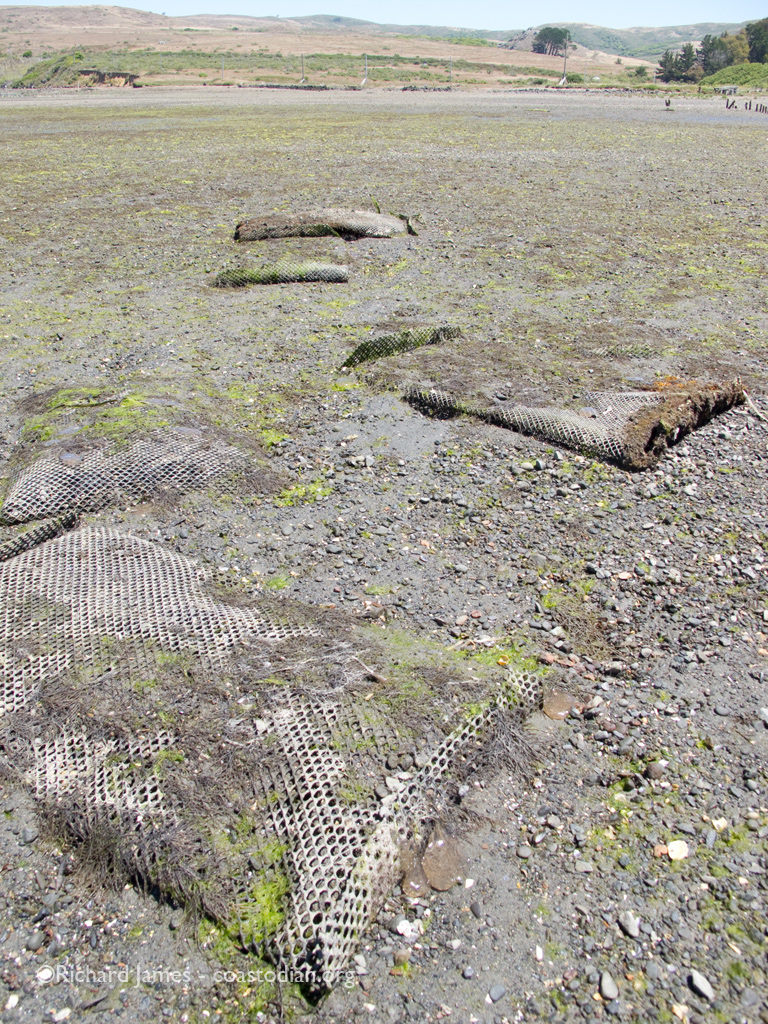
In four trips across Tomales Bay in a small sit on top kayak, I hauled out 160 grow out bags, along with lots of other bottles, wrappers, foam etc. There is easily twice that many more in this one area. I wonder if the farm(s) that leave this mess there will begin to clean-up after themselves? If not, I am going to need lots of help.

Commerce makes a profit, consumers enjoy a meal. The earth pays a steep price never to be compensated.

When will humans learn that the unpaid compensation will be recovered one day in the form of a dead planet, no longer able to sustain humans as well as many other life forms?

What follows are images that to me, are proof positive that the decision to let the oyster lease in Drakes Estero expire was the right choice. These same scenes repeated themselves throughout The Estero, though I never personally saw this many bags washed ashore on one boating trip in The Estero. I did see dozens of them that had been pulled out by the tides into Drakes Bay and deposited on Limantour and Drakes Beaches, as well as other nearby beaches. How many escaped unnoticed?

See earlier post about the nearly 6000 PVC pipe spacers I collected from Point Reyes beaches.

All of the images can be clicked on to see a larger image.

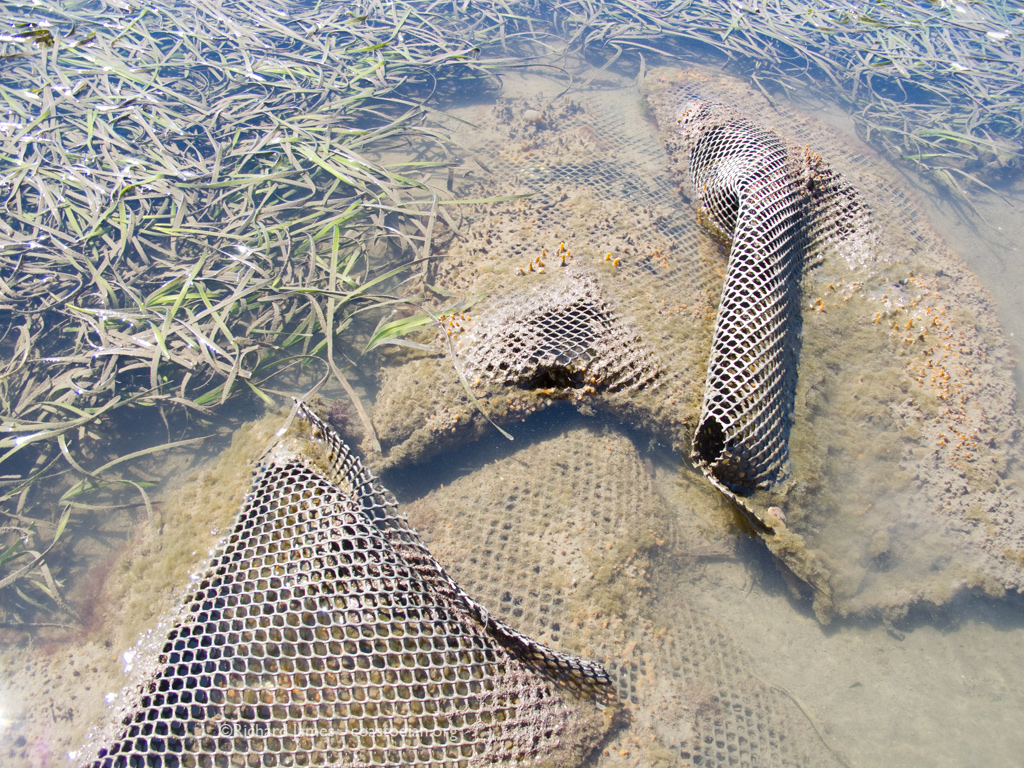
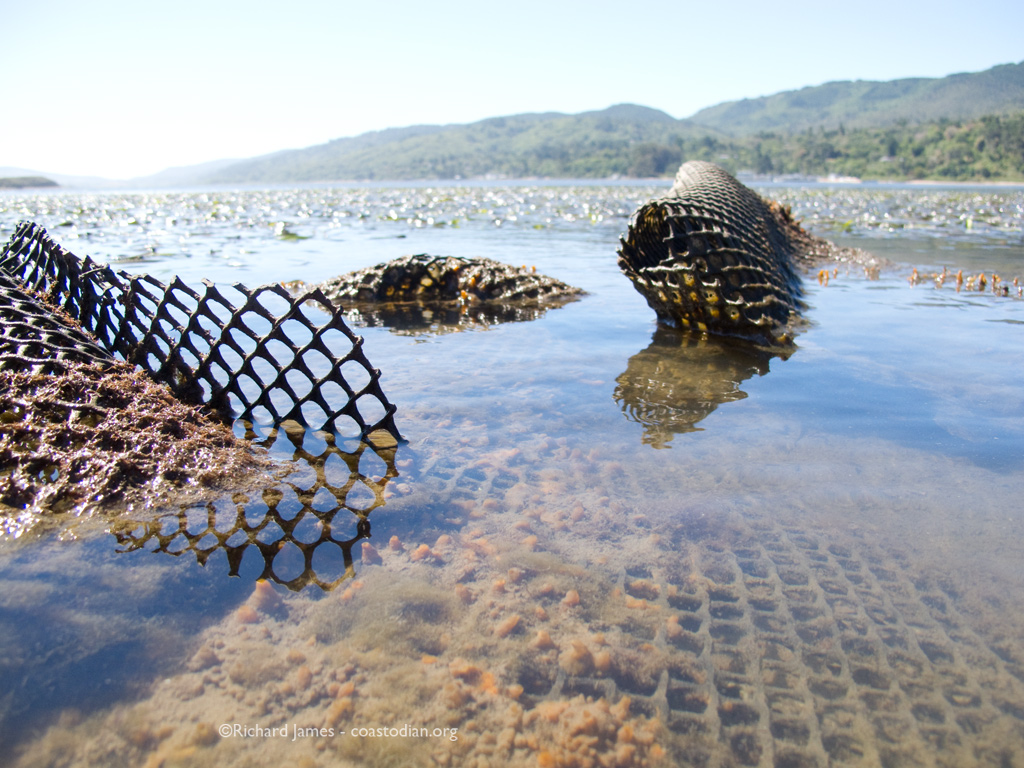
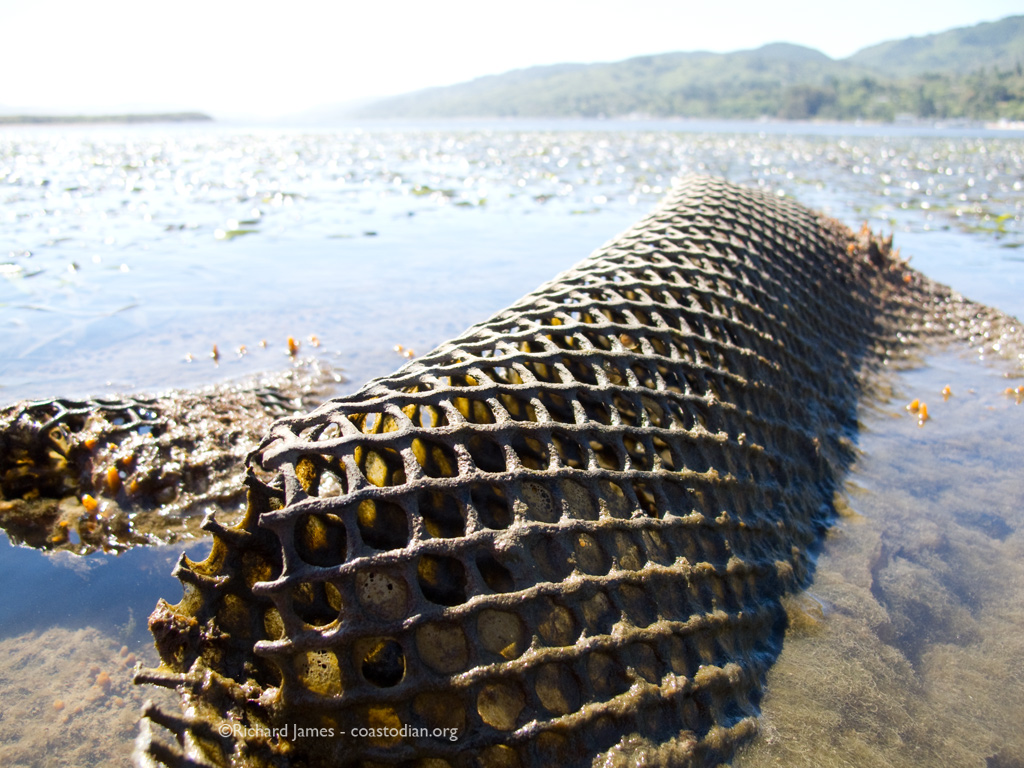
160 polyethelene oyster grow out bags left to the elements in Tomales Bay
160 polyethelene oyster grow out bags left to the elements in Tomales Bay

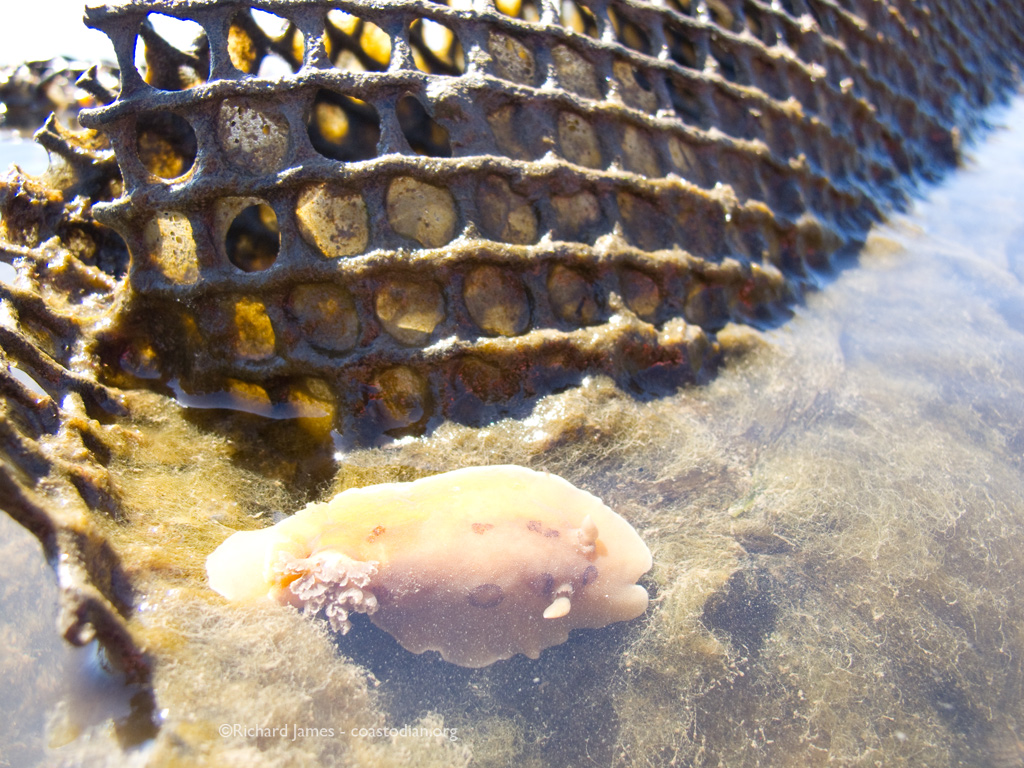
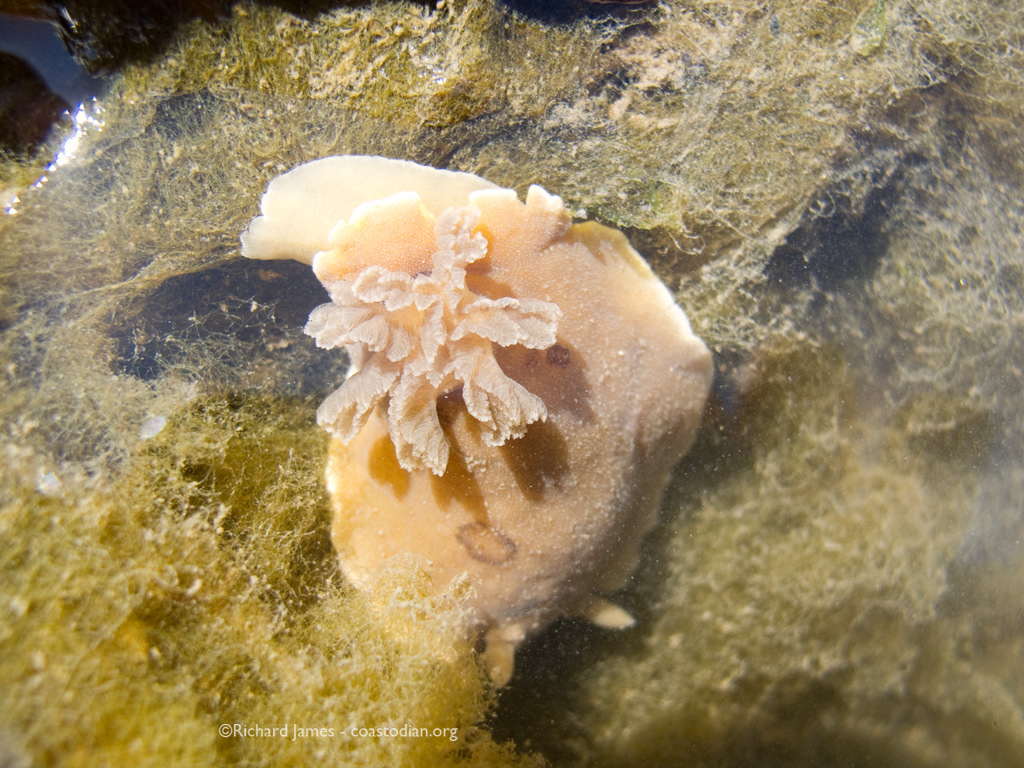
Nudibranch dining on a grow out bag

Nudibranch dining on a grow out bag

RJames.IMG_0455

Click on image to see a larger version.
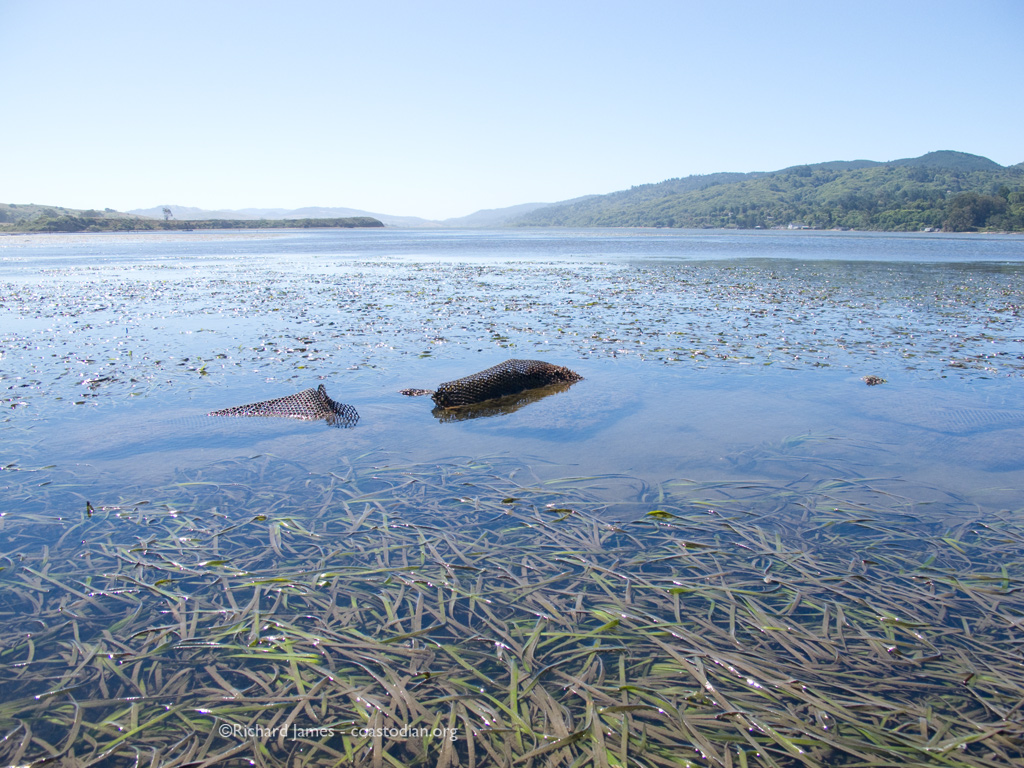
RJames.IMG_0454

IMG_0542

IMG_0532

Click on image to see a larger version.
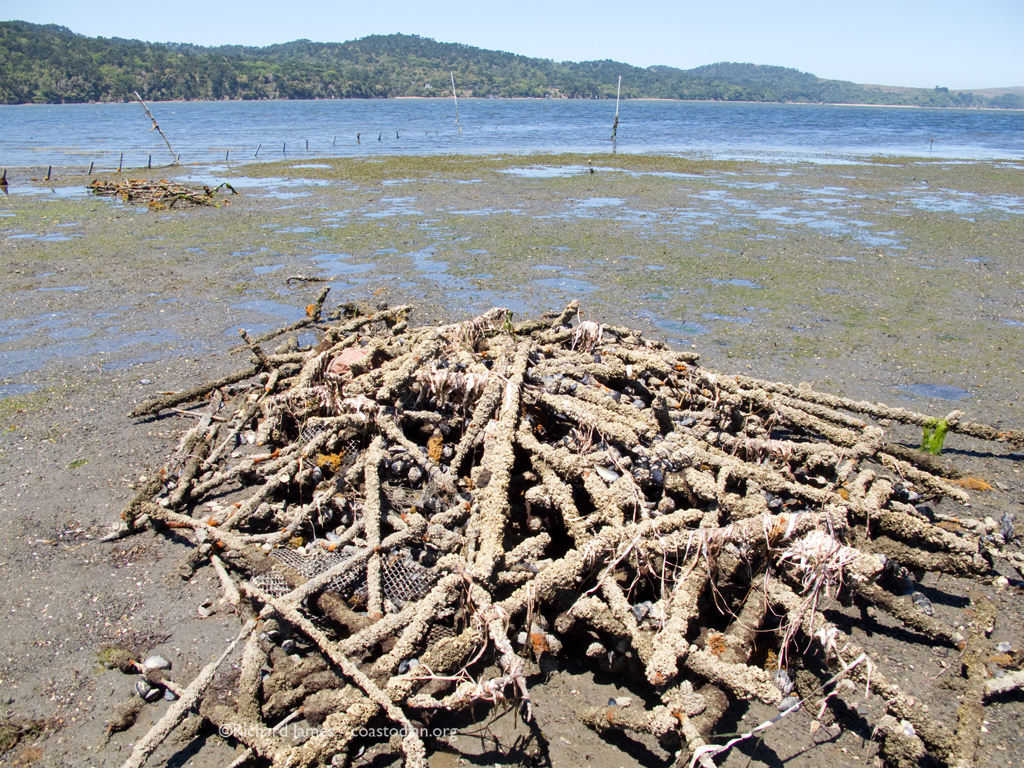
IMG_0518

IMG_0494

Click on image to see a larger version.

IMG_0482

160 polyethelene oyster grow out bags left to the elements in Tomales Bay

160 polyethelene oyster grow out bags left to the elements in Tomales Bay

160 polyethelene oyster grow out bags left to the elements in Tomales Bay

160 polyethelene oyster grow out bags left to the elements in Tomales Bay

Click on image to see a larger version.
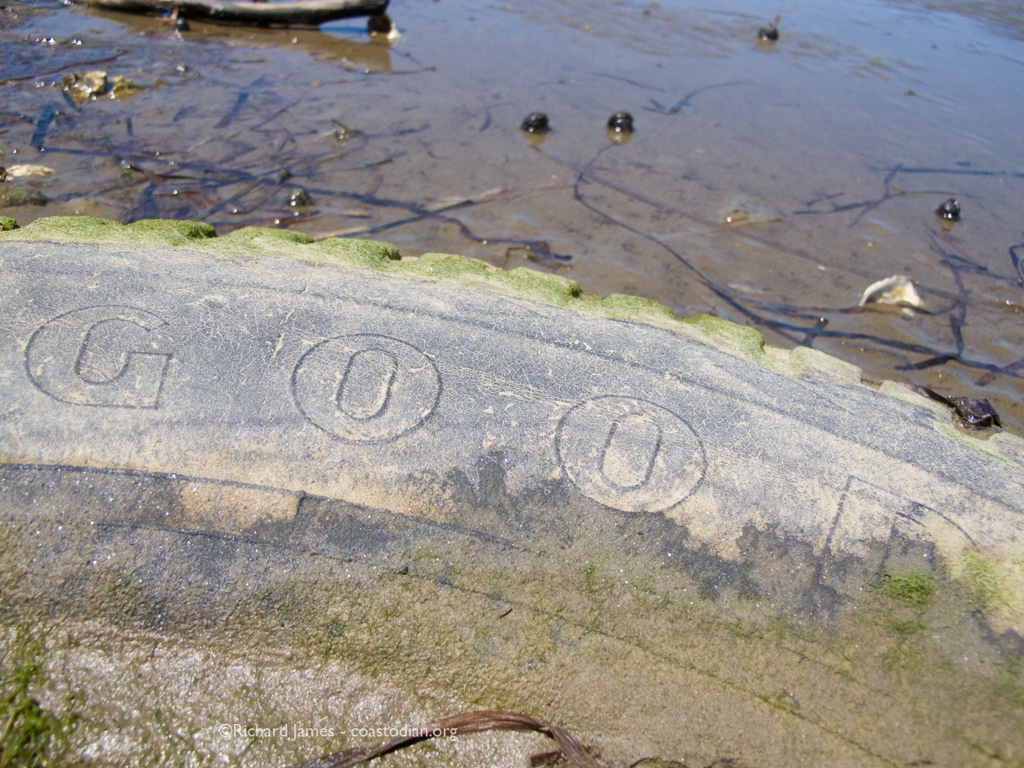
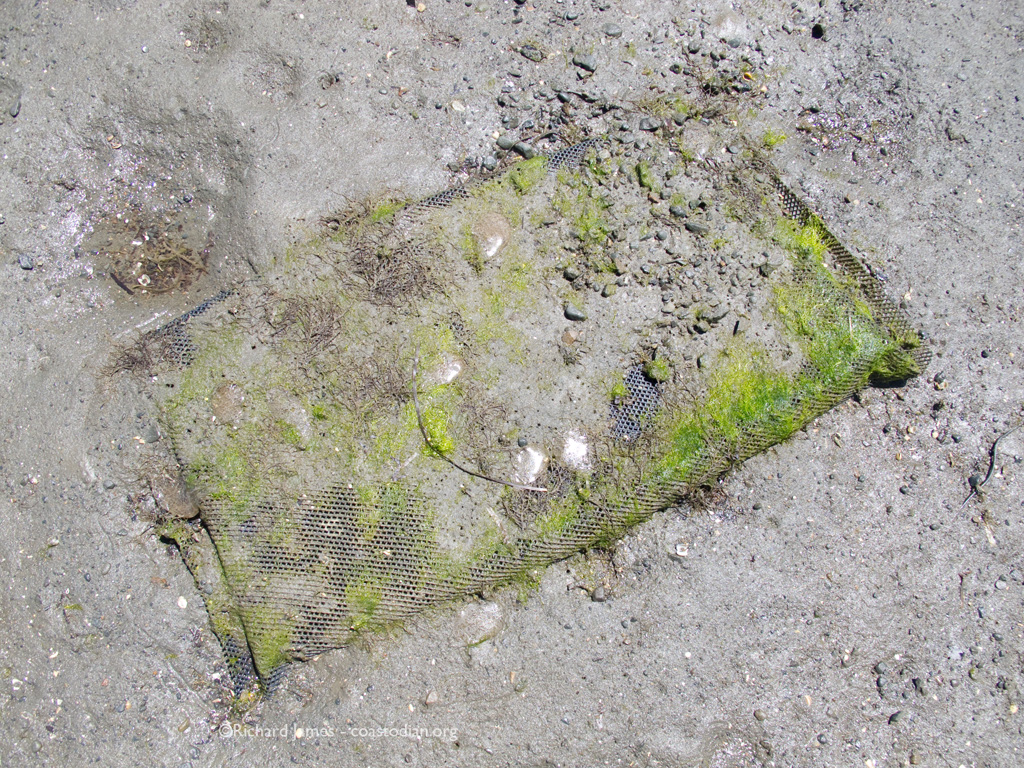
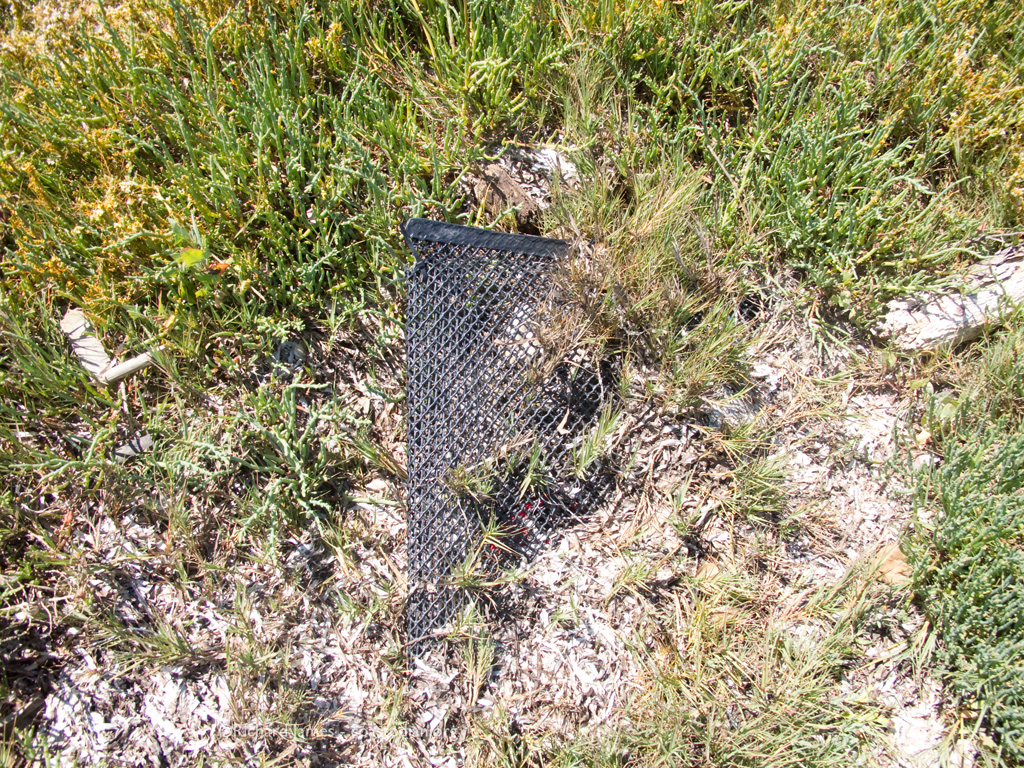
Been there so long, pickleweed is growing through it.

Been there so long, pickleweed is growing through it.

RJames.IMG_0480

RJames.IMG_0478

RJames.IMG_0477

Click on image to see a larger version.
RJames.IMG_0475

RJames.IMG_0474

RJames.IMG_0473

Click on image to see a larger version.
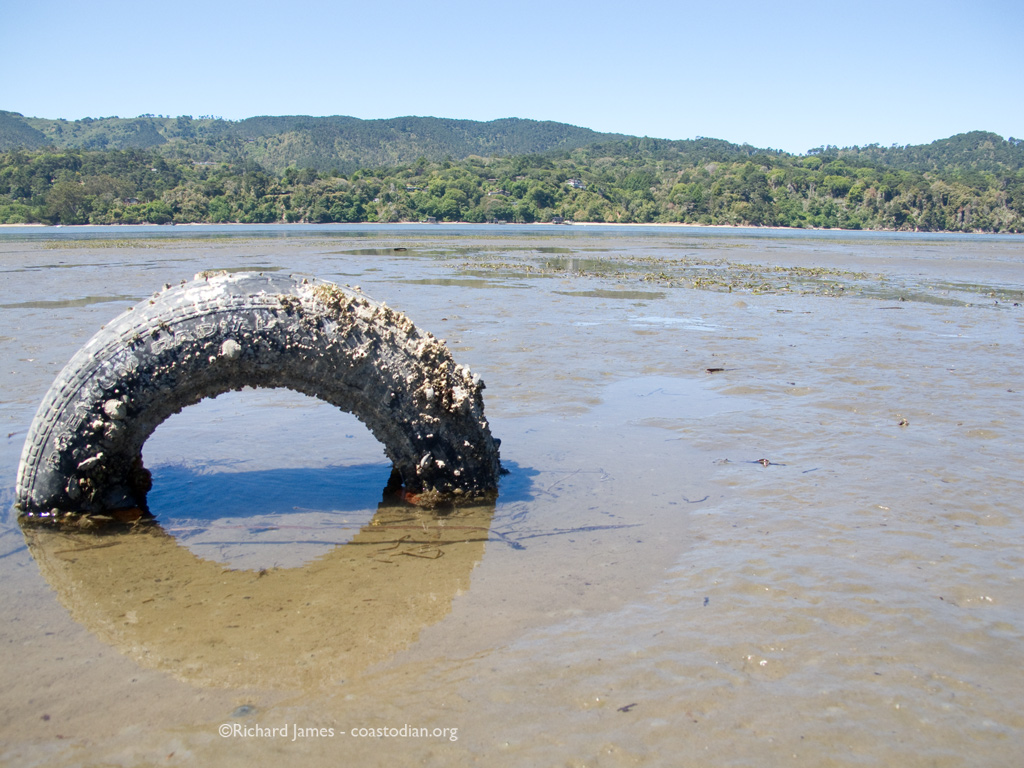
RJames.IMG_0471

RJames.IMG_0470

RJames.IMG_0469

Click on image to see a larger version.

RJames.IMG_0467

RJames.IMG_0465

RJames.IMG_0463

Click on image to see a larger version.

Nudibranch dining on a grow out bag

Nudibranch dining on a grow out bag

RJames.IMG_0516

RJames.IMG_0515

Click on image to see a larger version.
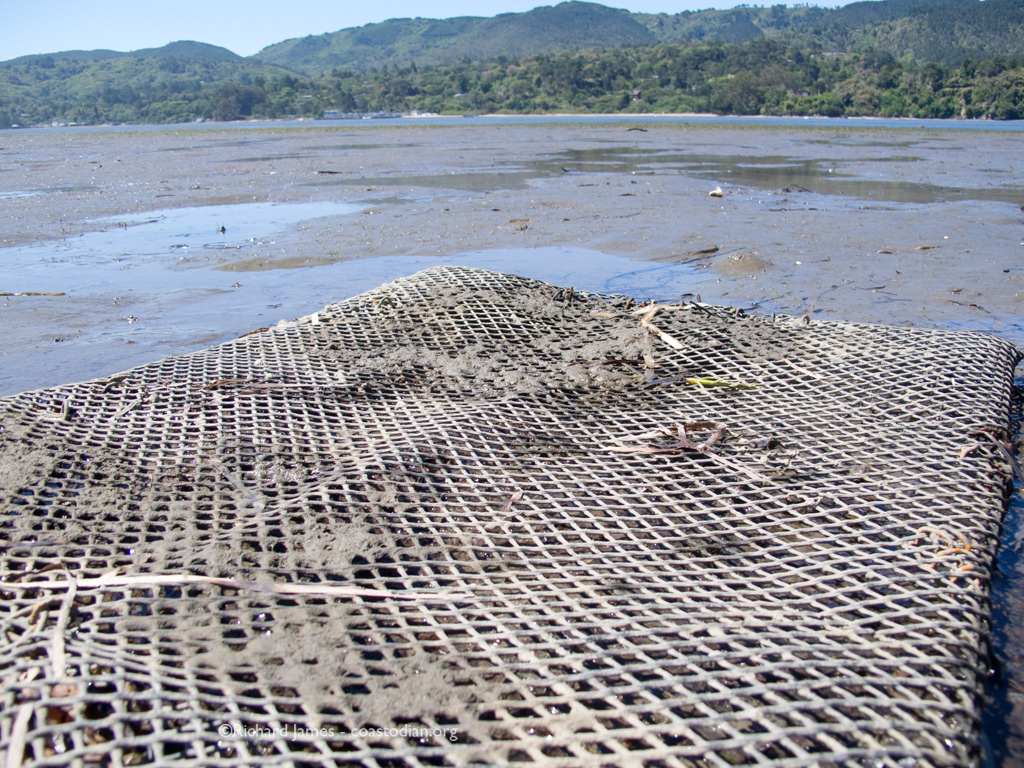
RJames.IMG_0513

RJames.IMG_0512

RJames.IMG_0511

Click on image to see a larger version.
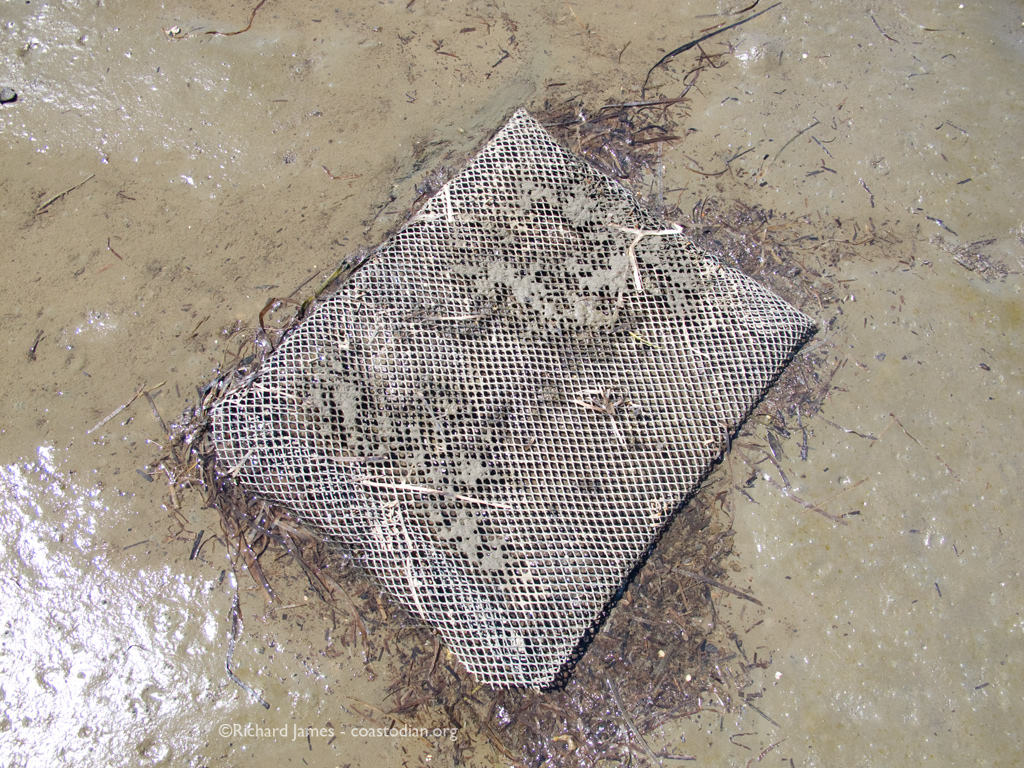
RJames.IMG_0510

RJames.IMG_0509

RJames.IMG_0506

Click on image to see a larger version.

RJames.IMG_0505

RJames.IMG_0504

RJames.IMG_0503

Click on image to see a larger version.

RJames.IMG_0499

RJames.IMG_0495

RJames.IMG_0541

Click on image to see a larger version.
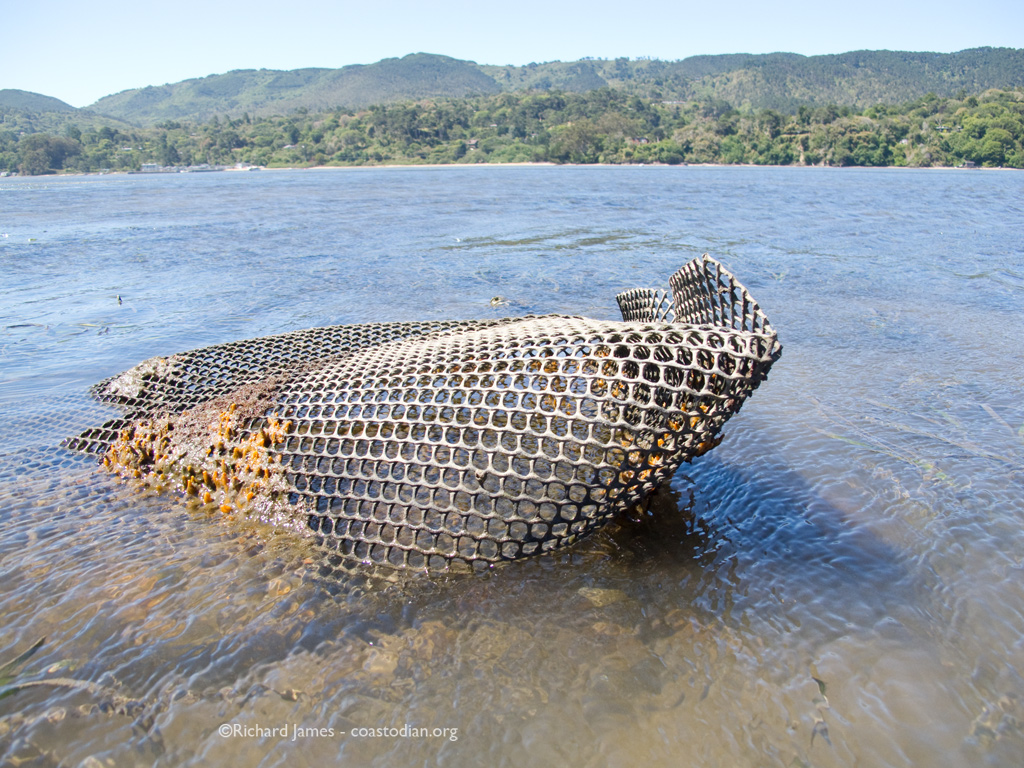
RJames.IMG_0540

RJames.IMG_0539

RJames.IMG_0538

Click on image to see a larger version.
RJames.IMG_0537

RJames.IMG_0536

RJames.IMG_0535

Click on image to see a larger version.

RJames.IMG_0534

RJames.IMG_0531

RJames.IMG_0530

Click on image to see a larger version.
RJames.IMG_0528

RJames.IMG_0527

RJames.IMG_0526

Click on image to see a larger version.
RJames.IMG_0524

RJames.IMG_0523

RJames.IMG_0522

Click on image to see a larger version.
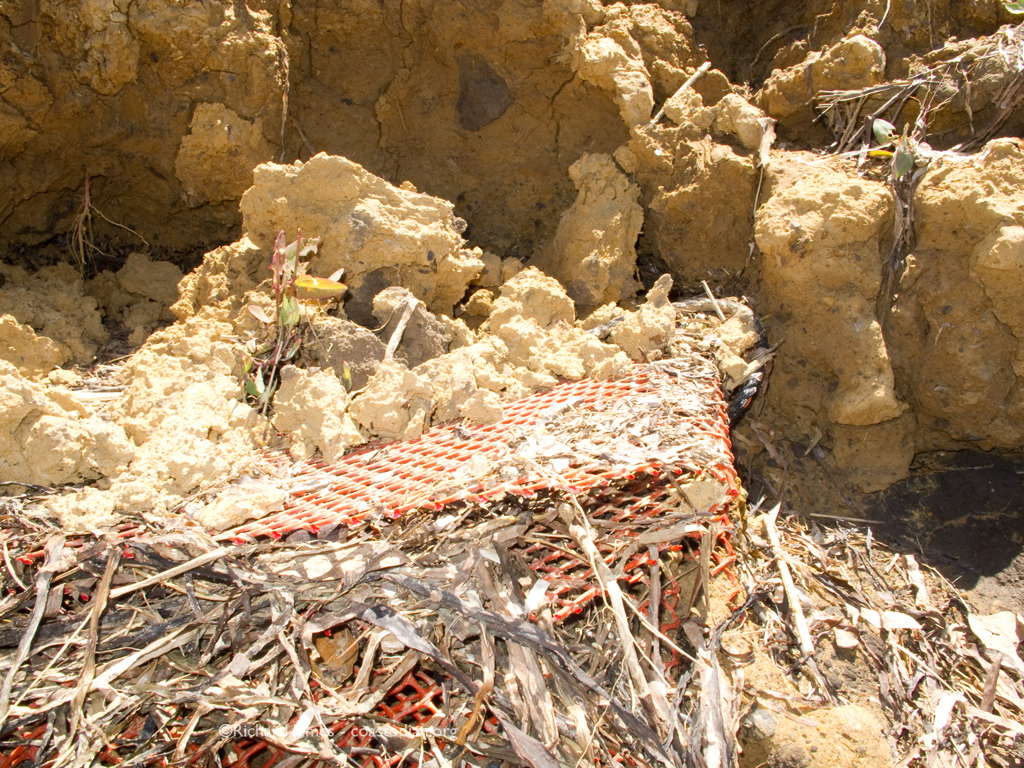
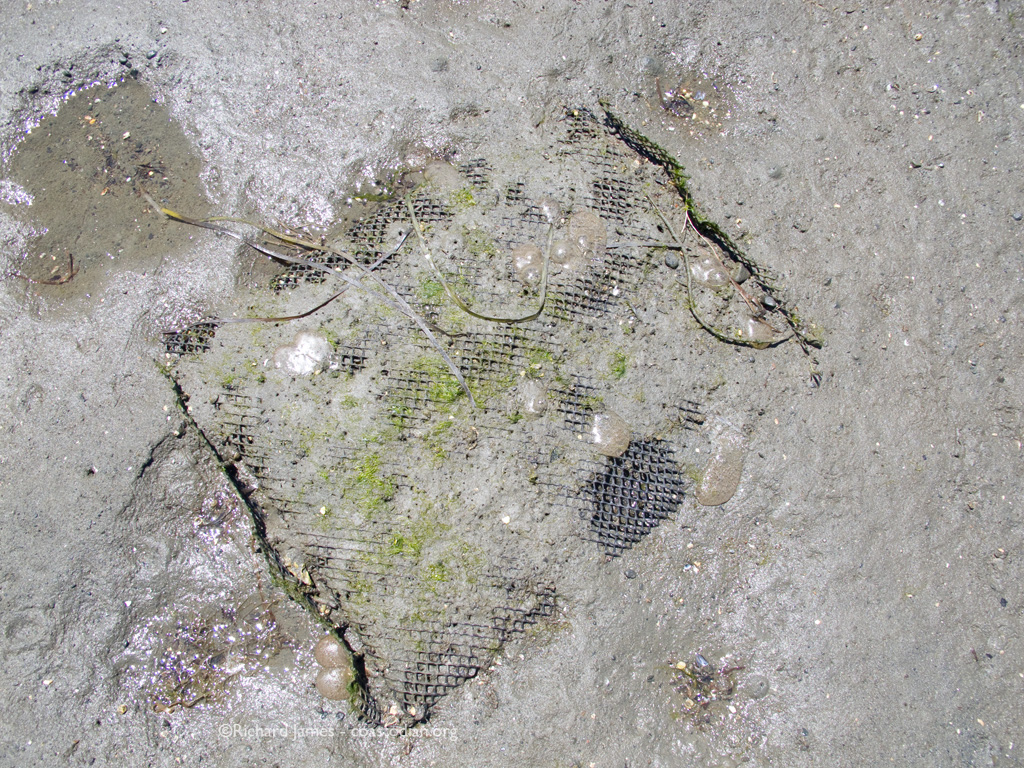
been there so long it is buried

been there so long it is buried

been there so long it is buried

been there so long it is buried

been there so long it is buried

been there so long it is buried

Click on image to see a larger version.
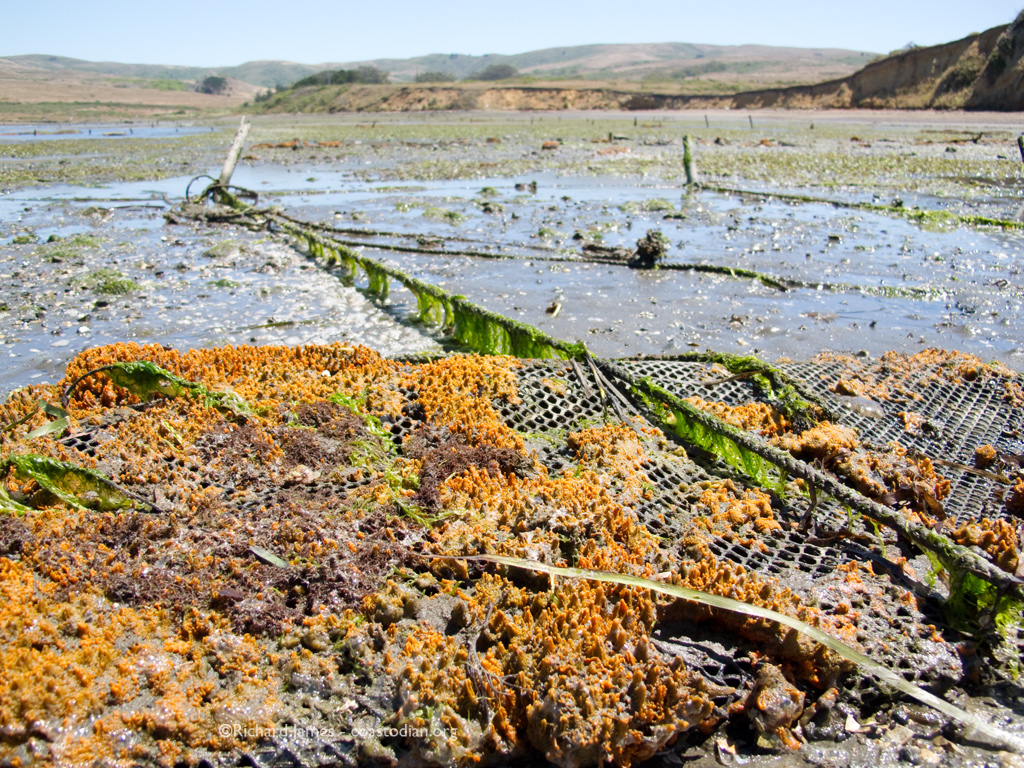
NOT good!

NOT good!

RJames.IMG_0546

Click on image to see a larger version.

RJames.IMG_0545

RJames.IMG_0543

In West Marin of all places!

Calling this sustainable mariculture would be as crazy as saying The Inverness Garden Club sprayed Roundup® in a public area near Tomales Bay, without permits, telling no one.


.

Next related post may be found here.

See the first post in this series “Save our Tomales Bay” here.

Save our Tomales Bay

Over the past few weeks signs have popped up all over West Marin stating
“Save our Drakes Bay Oyster Farm”.

I am reminded of a young child that wants a puppy. Really wants a puppy.

Begs and pleads to her/his parents to get a puppy.

Days and weeks of begging for a puppy.

The parents engage in the sort of dialog you might expect.

“Puppies are a lot of responsibility honey.”

“I’ll take care of him” is the reply.

“You have to feed the puppy and make sure it has clean water.”

“I will, I’ll feed it every day.”

“And you have to pick up the mess from the puppy too.”

“I will, I will pick up after him.”

And so a puppy is purchased and brought home.

At first, all is well and the child does indeed do as promised. After a few weeks, soccer practice gets in the way and the dog poop is not picked up regularly. Then homework is too burdensome and the morning walk is not doable anymore. Soon, even feeding the dog is forgotten by the child.

Everywhere around us we see signs asking for an oyster farm. An oyster farm that has been shitting in the estero for as long as it has been there. See a previous post for a image showing a tiny subset of what an oyster farm does to a pristine seascape.

You’d think that with all the scrutiny on the Drakes Bay Oyster Company and the environment, the other oyster farmers in Tomales Bay would be super-vigilant, keeping a close eye on their operations, making sure they clean up after their gear is ripped out and strewn about by wind and wave.

Well, think again. I boated across Tomales Bay yesterday from my place and spent a few hours walking the shore, digging oyster grow-out bags, blue foam, rope, floats, trays etc out of the wrack.

Collected from SE shore of Tomales Bay on 8 June, 2013 in a few hours by one person. Click image for a larger version

Collected from SE shore of Tomales Bay on 8 June, 2013 in a few hours by one person.
Click image for a larger version


Drakes Estero is situated in a National Seashore and has been defiled by human commerce for 70 years or more.

Tomales Bay is designated a state park if I am not mistaken. And, as you can see is clearly not very well respected by local commerce.

Both of these places are situated on earth, the only earth we have. And unless your head is in the sand, or some other place, you can see that we have been trashing it at an ever faster pace since we learned how to use our opposable thumbs.

We can feed ourselves without trashing the planet. We all have to share the burden a little bit, but we can do it.

West Marin prides itself on local, sustainable…….in light of local practices, add blah, blah, blah to the mantra.

I’m sorry, no puppy for you. And no oyster farm in Drakes Estero.

Kehoe Beach – 27 January, 2012, 3:58 pm looking south, status quo.
Click image for a larger version

Next installment may be found here.
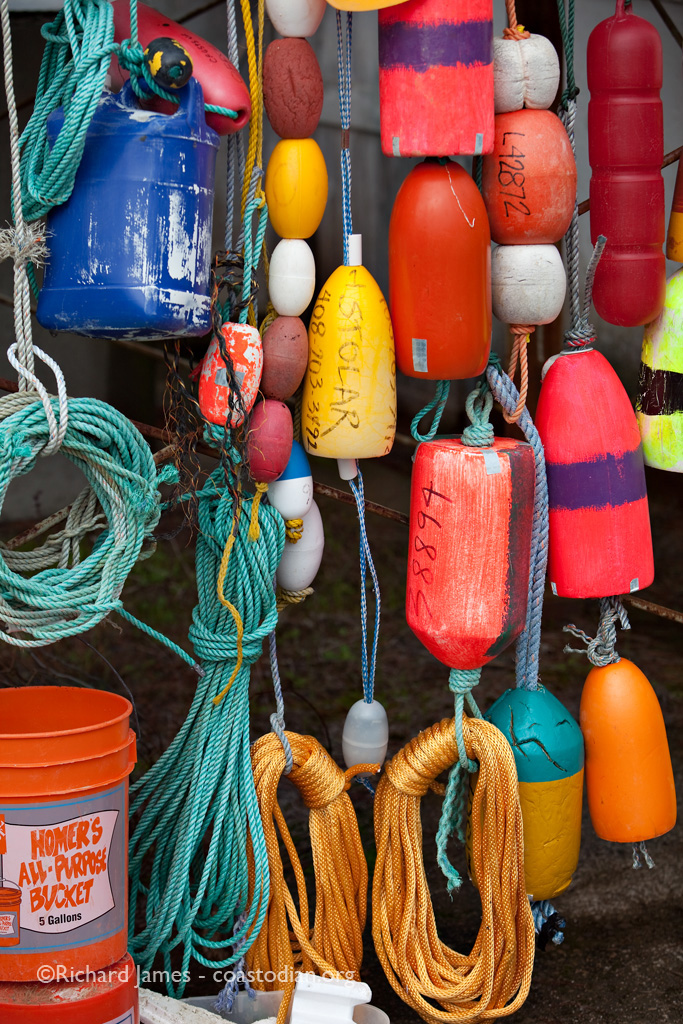
What price convenience? Plastic, the gift that keeps on giving.

Click on the title of this post to read it and see a related header image.

After Thanksgiving 2012 I made six visits in quick succession to the beaches of Limantour, Drakes, and South within Point Reyes National Seashore as well as one visit to Slide Ranch.

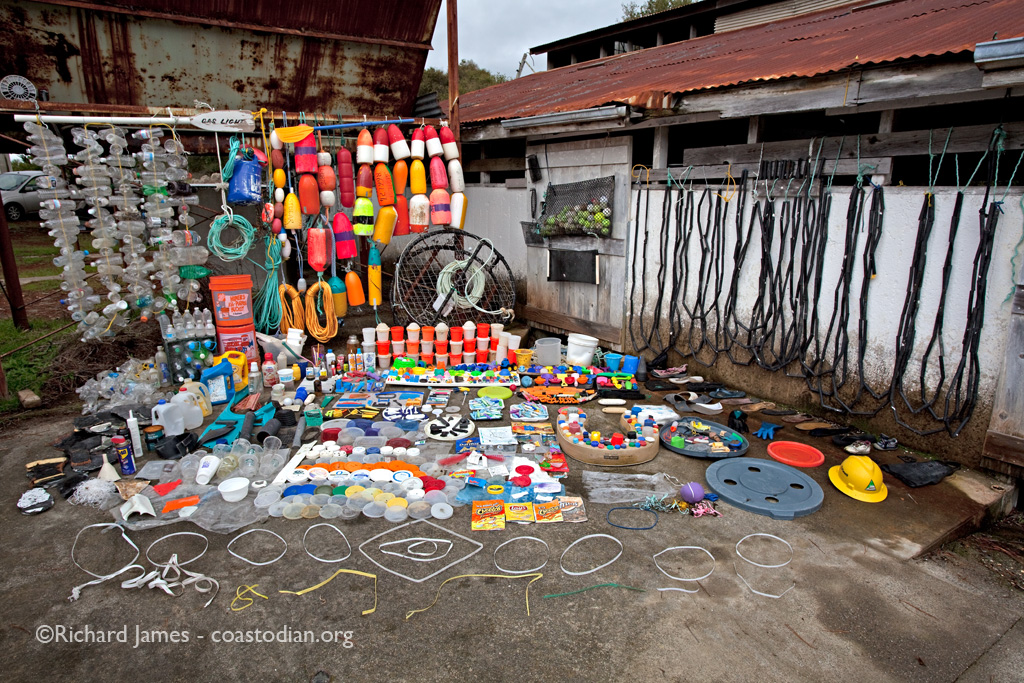
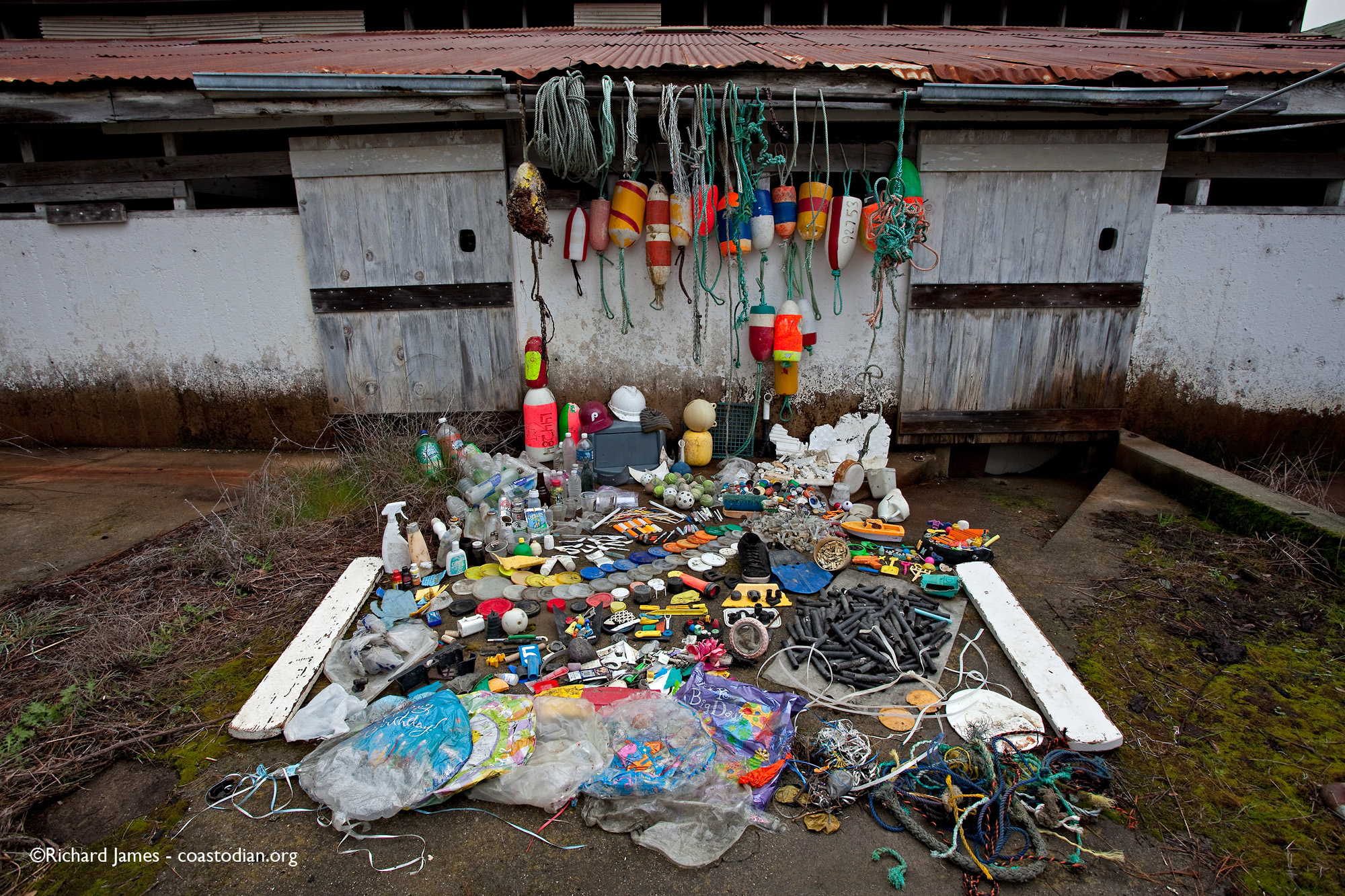
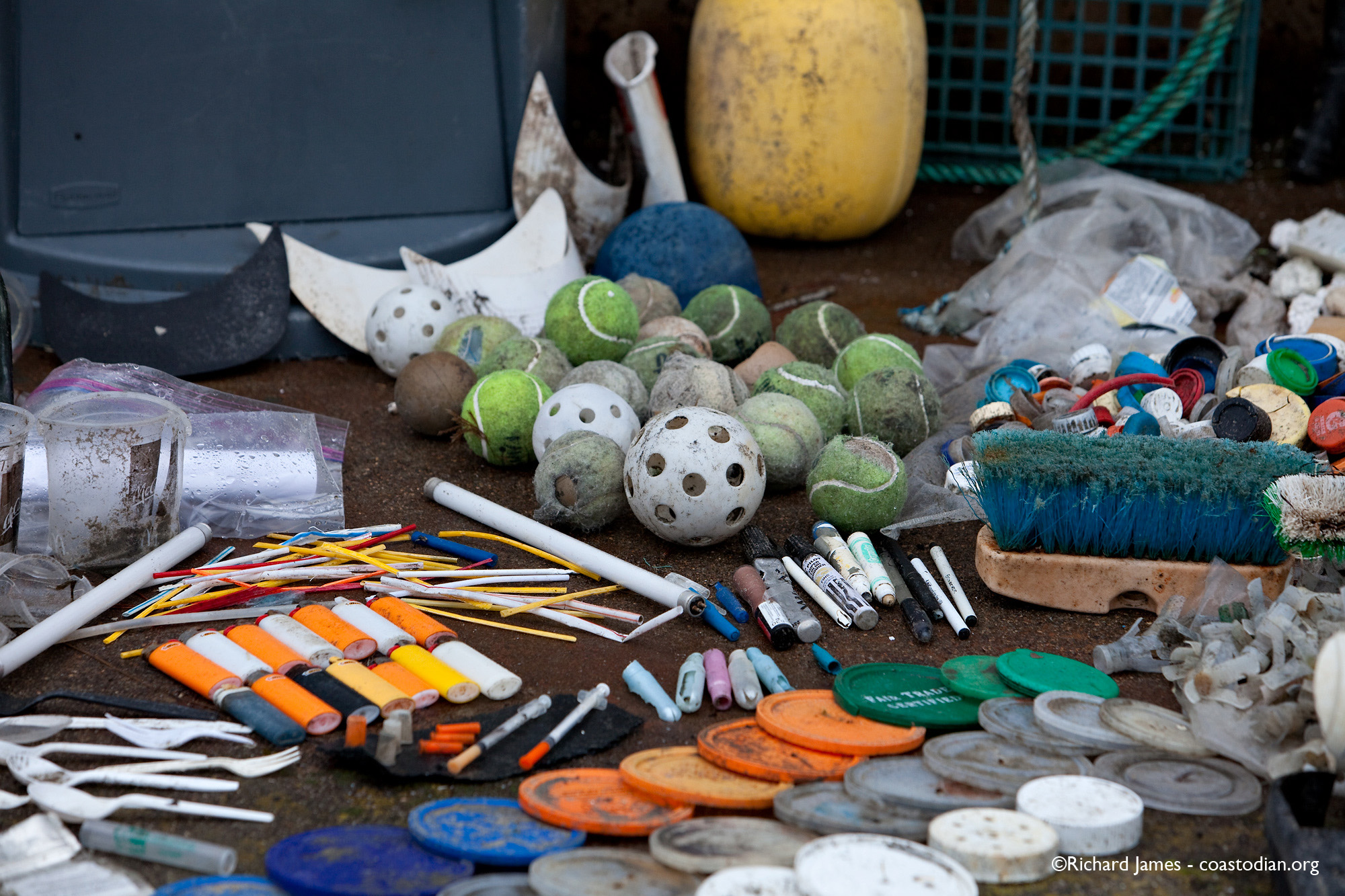
What you see in the images below was what I collected. It is by no means all that had washed up. I packed out what I could carry. And I do mean everything, all the items the smaller pieces are displayed upon were packed out as well.

All of these images can be seen larger if you click on them.

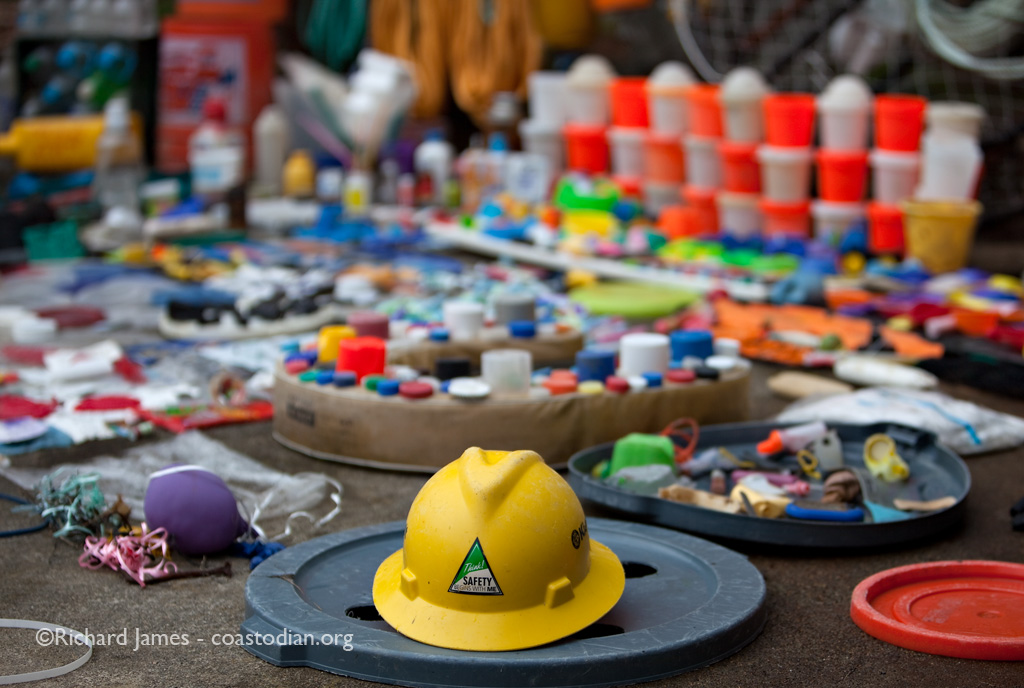
Human trash collected from Point Reyes beaches during six visits

Human trash collected from Point Reyes beaches during six visits

Tampon applicators - known as beach whistles in the beach-walking community. I am told by a female friend that if women were not taught to be afraid of their own bodies, these would not exist. They wash up by the hundreds when conditions are right, err wrong.

Tampon applicators – known as beach whistles in the beach-walking community. I am told by a female friend that if women were not taught to be afraid of their own bodies, these would not exist. They wash up by the hundreds when conditions are right, err wrong.

©RJames.IMG_1963.cc

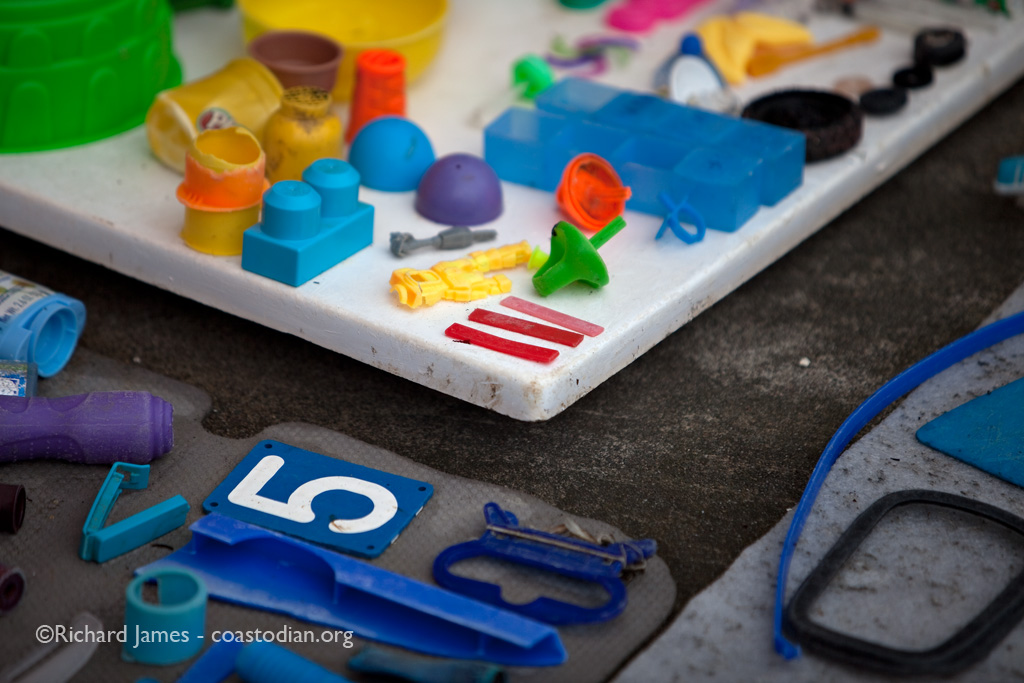
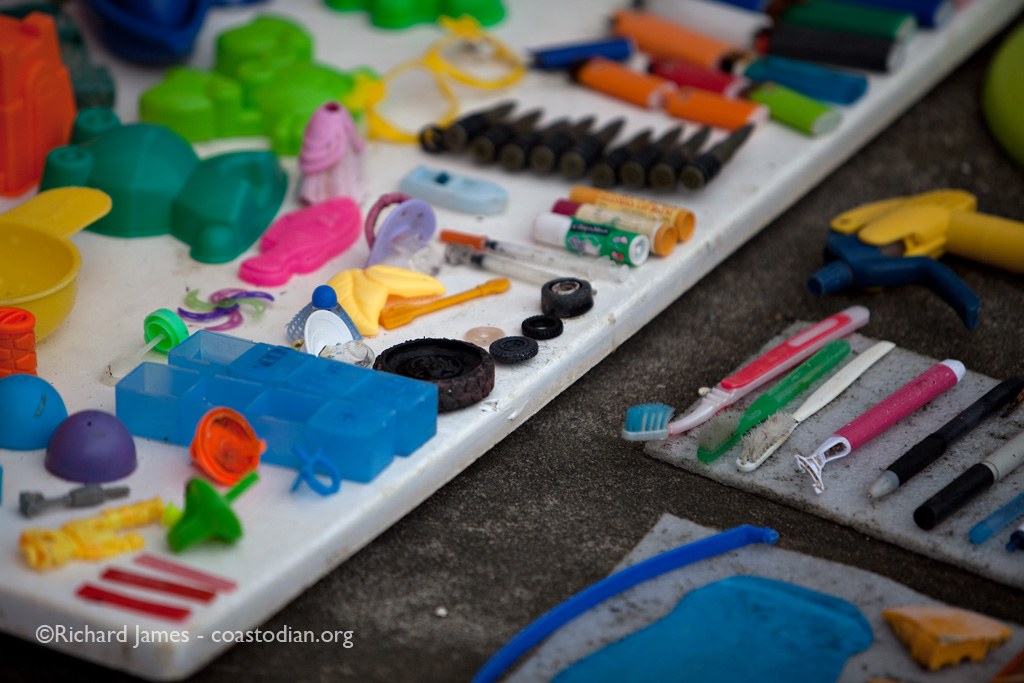
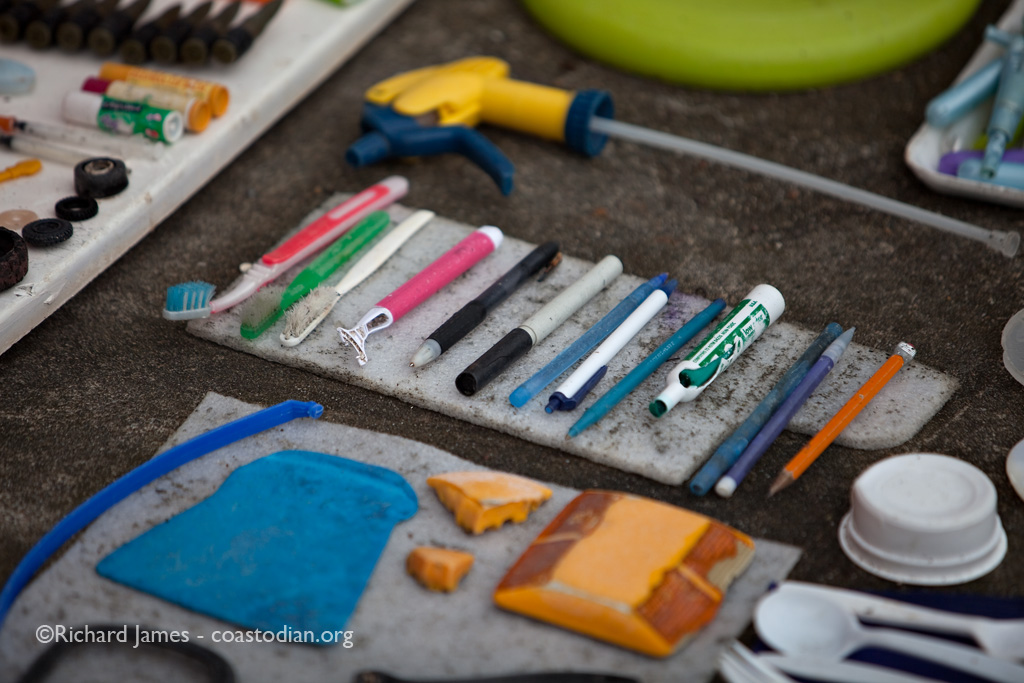
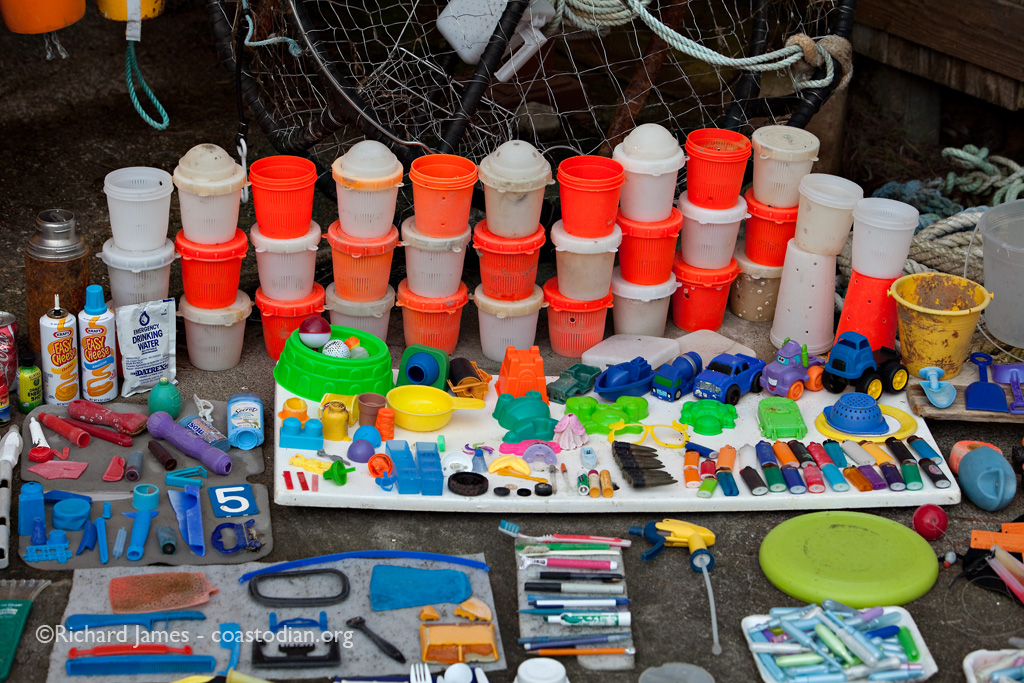
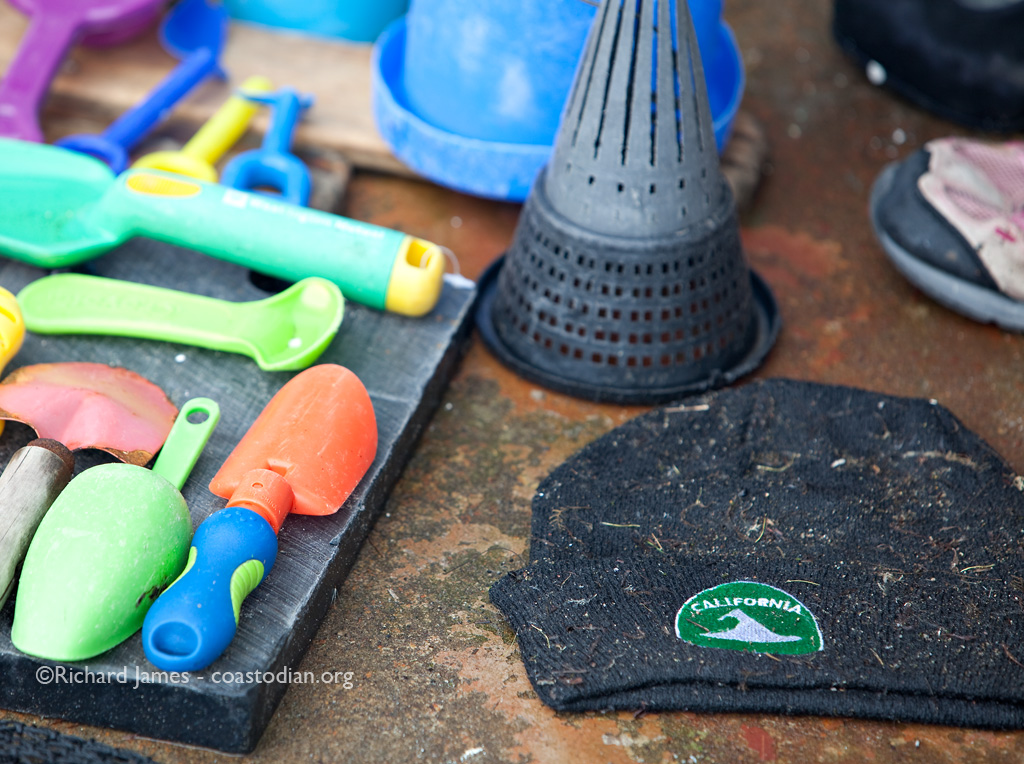
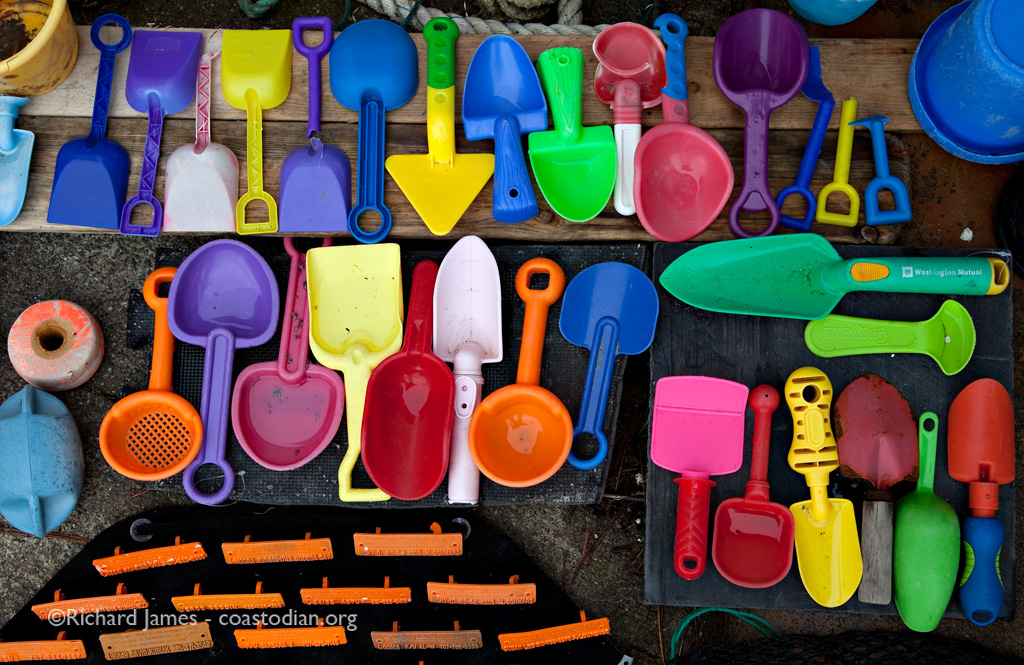
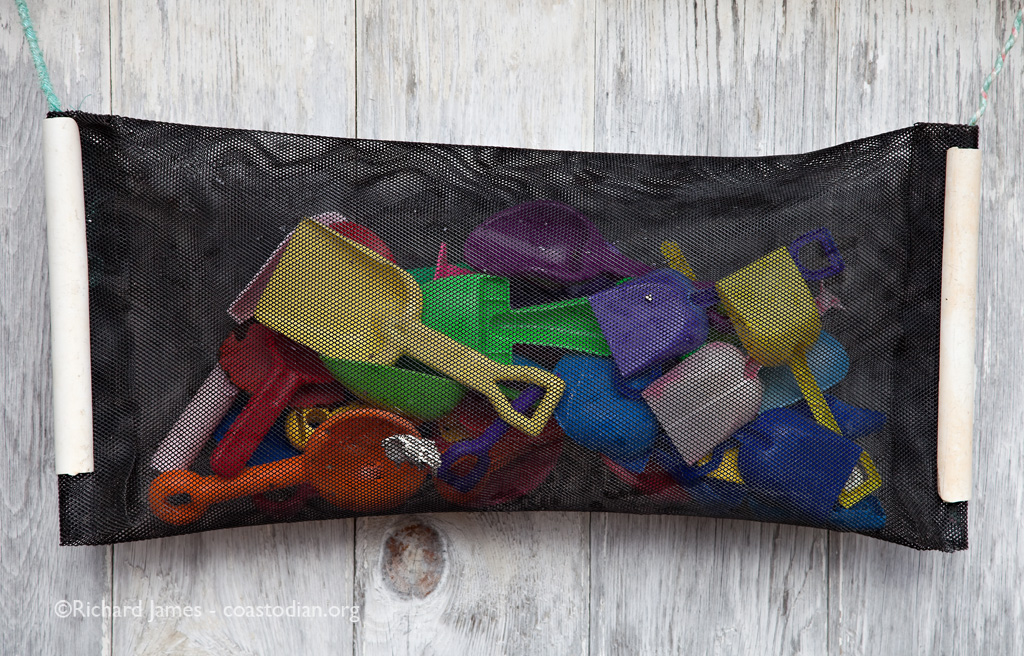
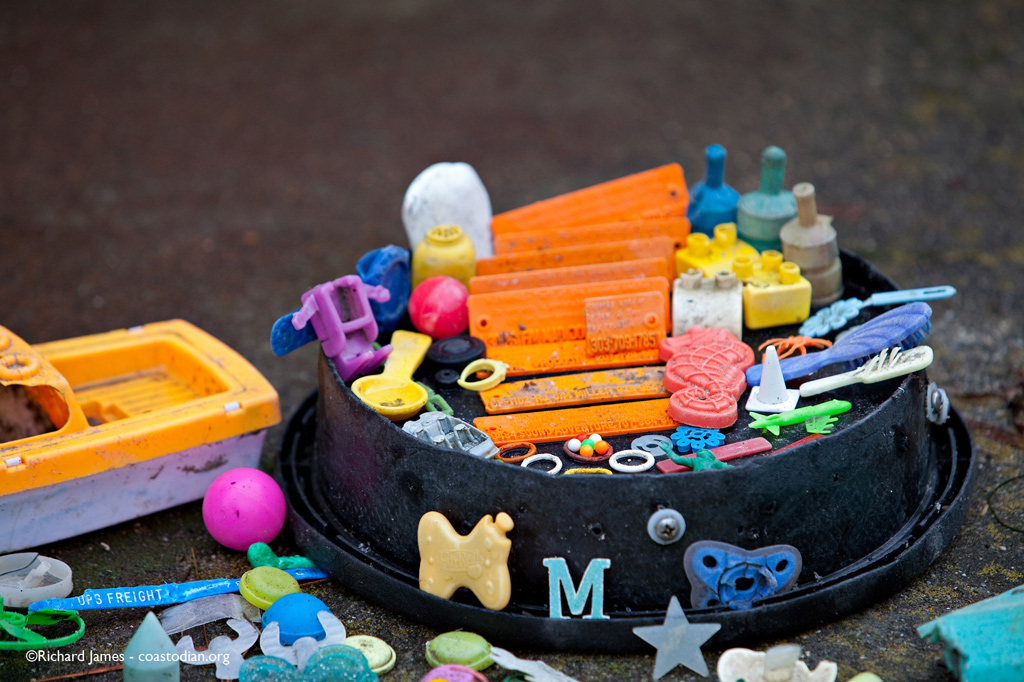
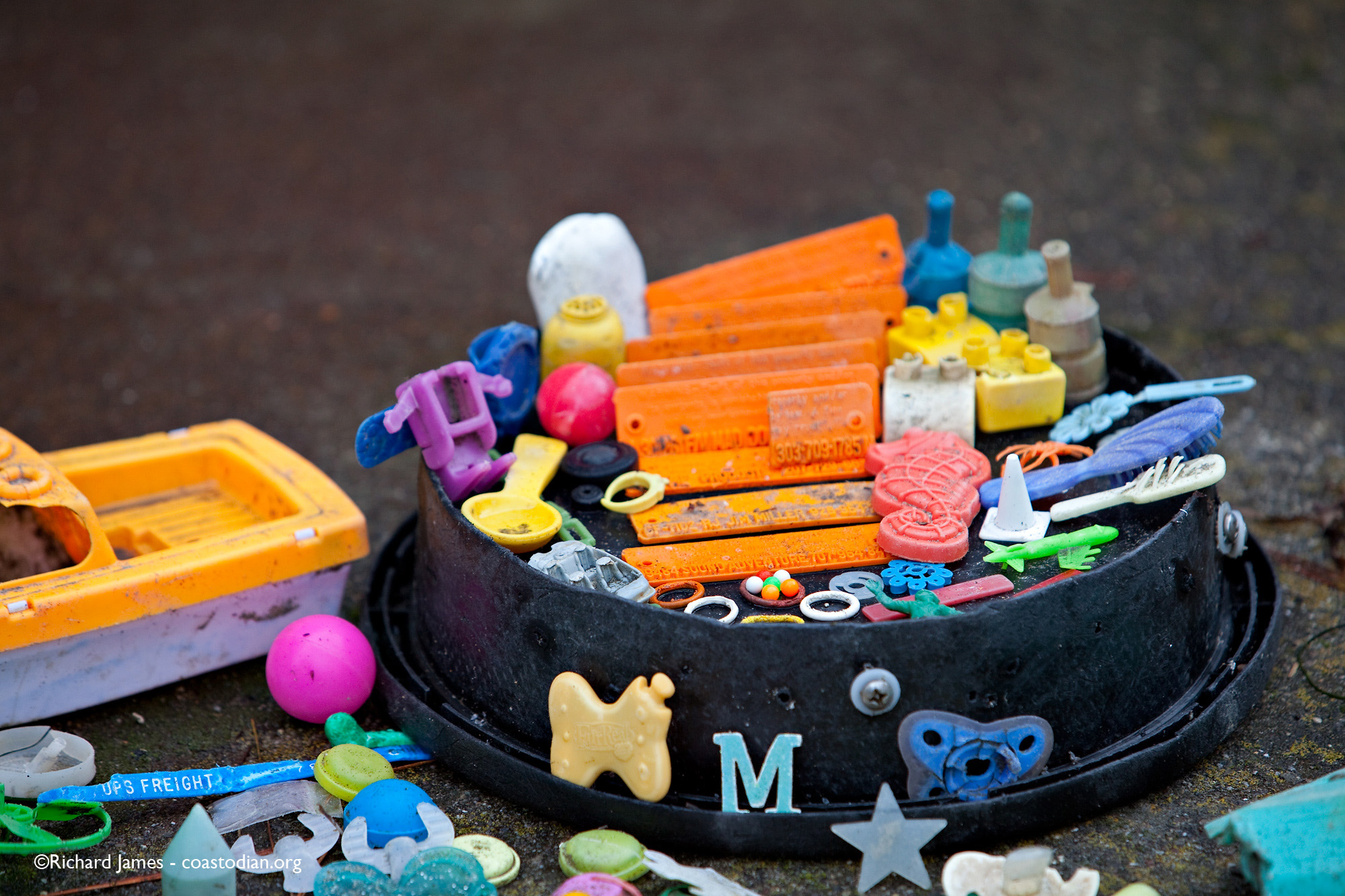
Toys, pill containers, cheese-like-substance spreaders, deodorant applicators. All part of the fast-paced human life of convenience.

Toys, pill containers, cheese-like-substance spreaders, deodorant applicators. All part of the fast-paced human life of convenience.

©RJames.IMG_1967.cc

I recently purchased a toothbrush where I can replace the brush part when needed, keeping the handle which may never wear out. See below this image on where you can buy one and reduce the amount of plastic crap we humans inject into our ecosystem.

I recently purchased a toothbrush where I can replace the brush part when needed, keeping the handle which may never wear out. See below this image on where you can buy one and reduce the amount of plastic crap we humans inject into our ecosystem.

One company that makes a sensible tooth brush is Ecodent

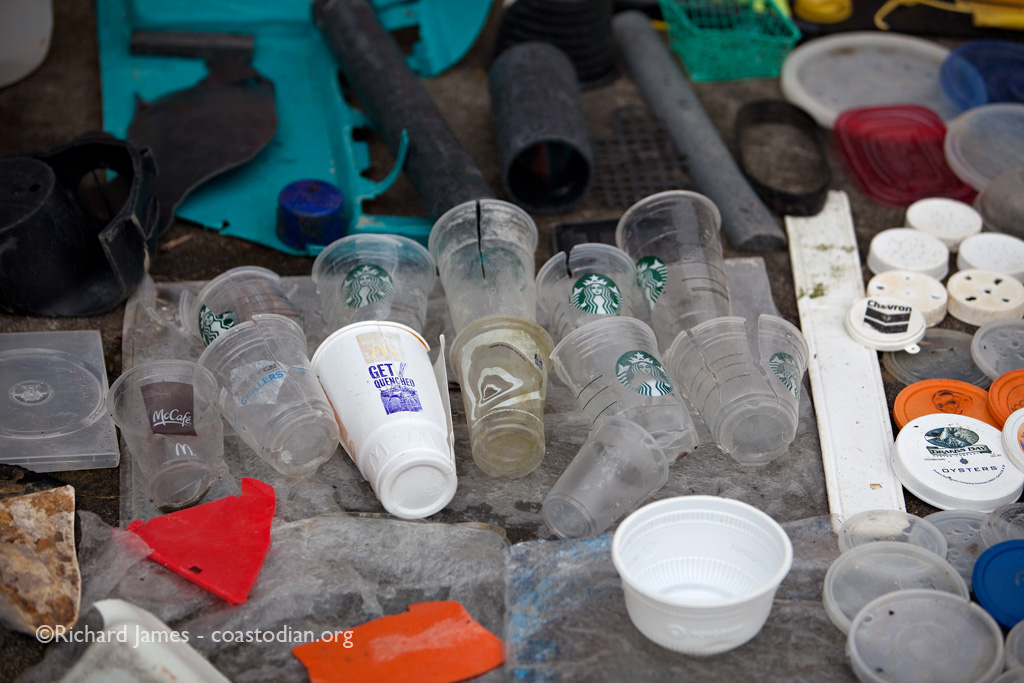
Toxic beverage containers, also known as disposable cups. See below this image for where to purchase a reusable coffee mug.

Toxic beverage containers, also known as disposable cups. See below this image for where to purchase a reusable coffee mug.

One company that sells a nice spill-proof coffee-cup is contigo

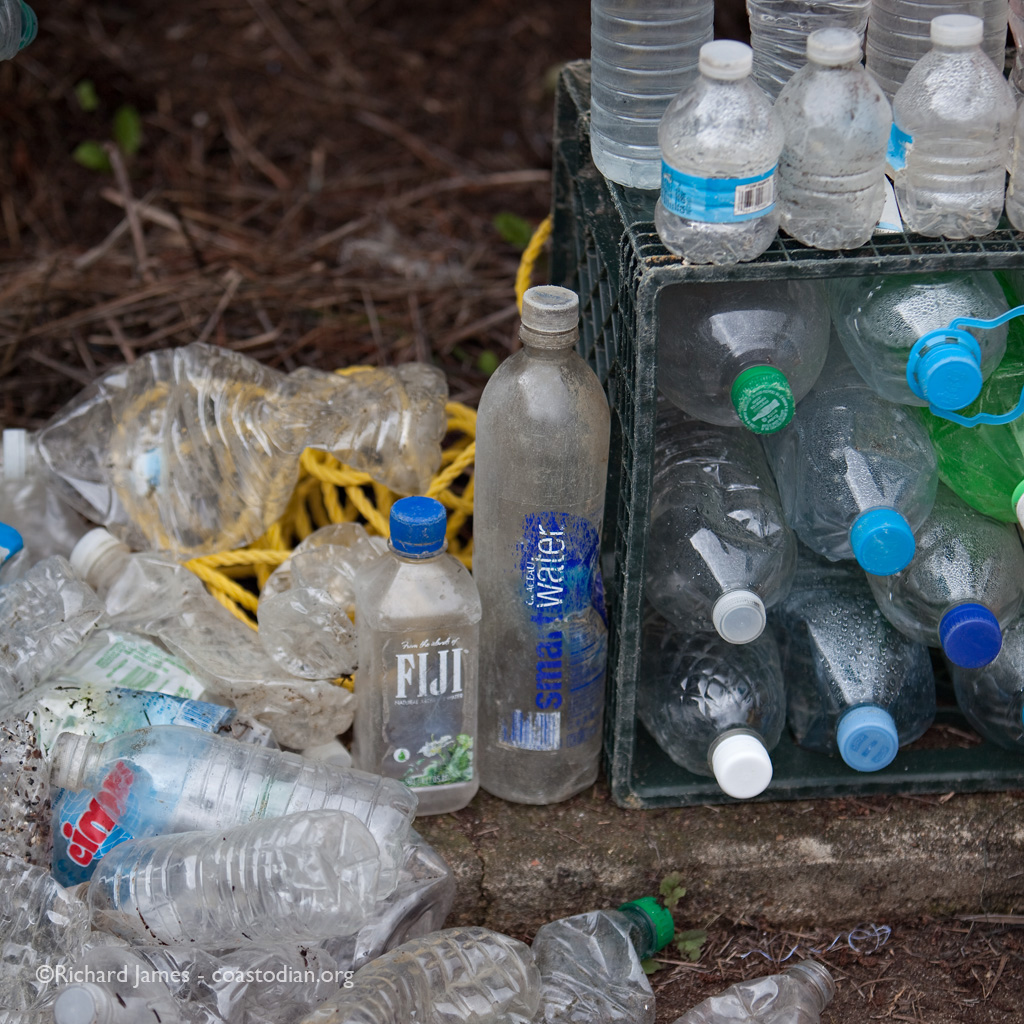
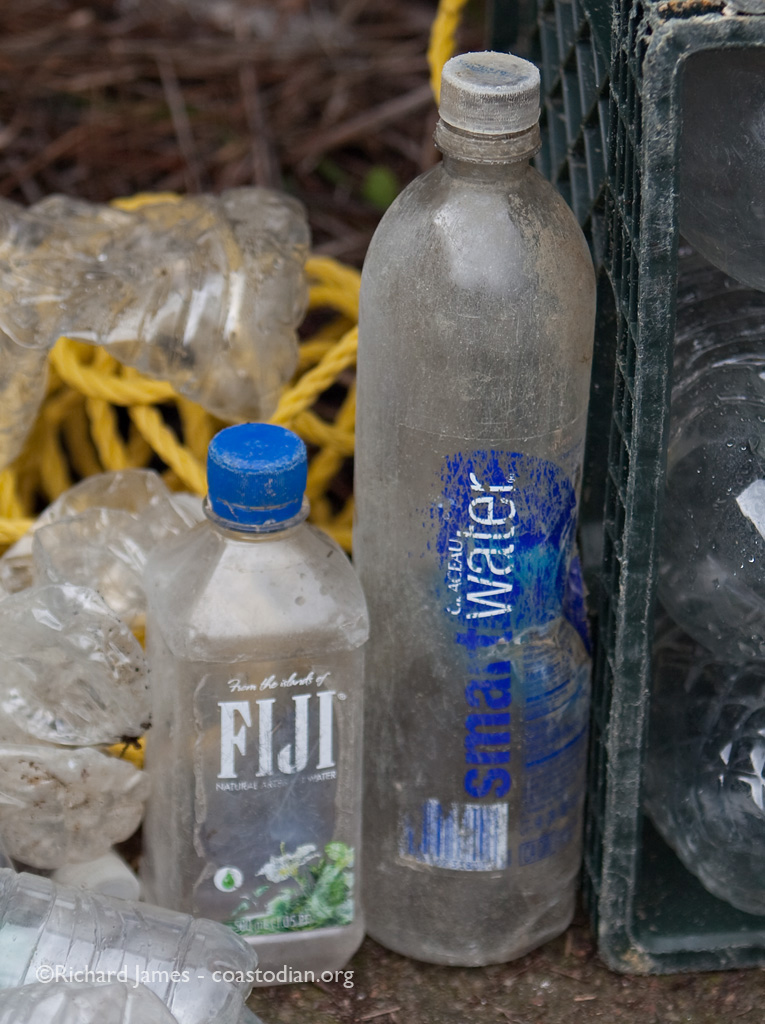
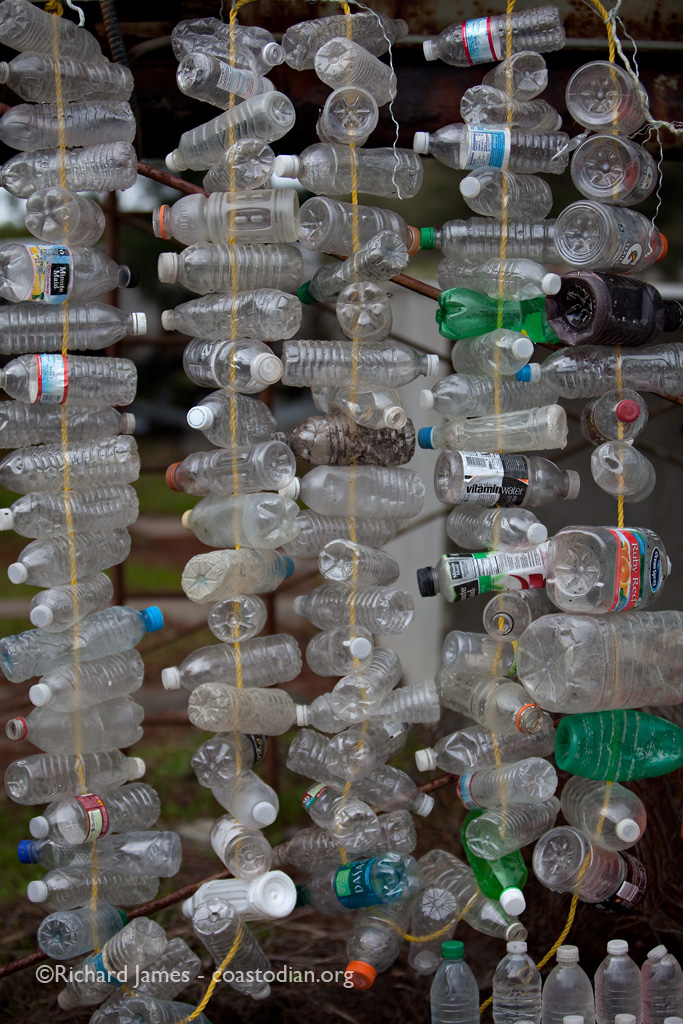
There is nothing smart about Smartwater. See below this image for where to purchase a metal water bottle you can use forever. Imagine not wasting oil to make a bottle that most people toss aside. Imagine.....

There is nothing smart about Smartwater. See below this image for where to purchase a metal water bottle you can use forever. Imagine not wasting oil to make a bottle that most people toss aside. Imagine…..

One company that makes a reusable water bottle is Klean Kanteen.

©RJames.IMG_1970.crop2.cc


Learn something you likely did not know about Fiji Water.

©RJames.IMG_1971.cc

©RJames.IMG_1972.crop.cc

©RJames.IMG_1973.cc

©RJames.IMG_1976.crop.cc

©RJames.IMG_1977.cc

©RJames.IMG_1979.crop.cc

Oyster grow-out bags, crab trap bait bags and many, many tennis balls. The bag on the bottom is definitely from Drakes Bay Oyster Company. The upper bag is used by all the local oyster farmers. I find them all the time.

Oyster grow-out bags, crab trap bait bags and many, many tennis balls. The bag on the bottom is definitely from Drakes Bay Oyster Company. The upper bag is used by all the local oyster farmers. I find them all the time.

Crab fishing residue. What if the price of crab in the market reflected the true cost to the planet of growing and harvesting it?

Crab fishing residue. What if the price of crab in the market reflected the true cost to the planet of growing and harvesting it?

©RJames.IMG_1984.crop.cc

©RJames.IMG_1985.crop.cc

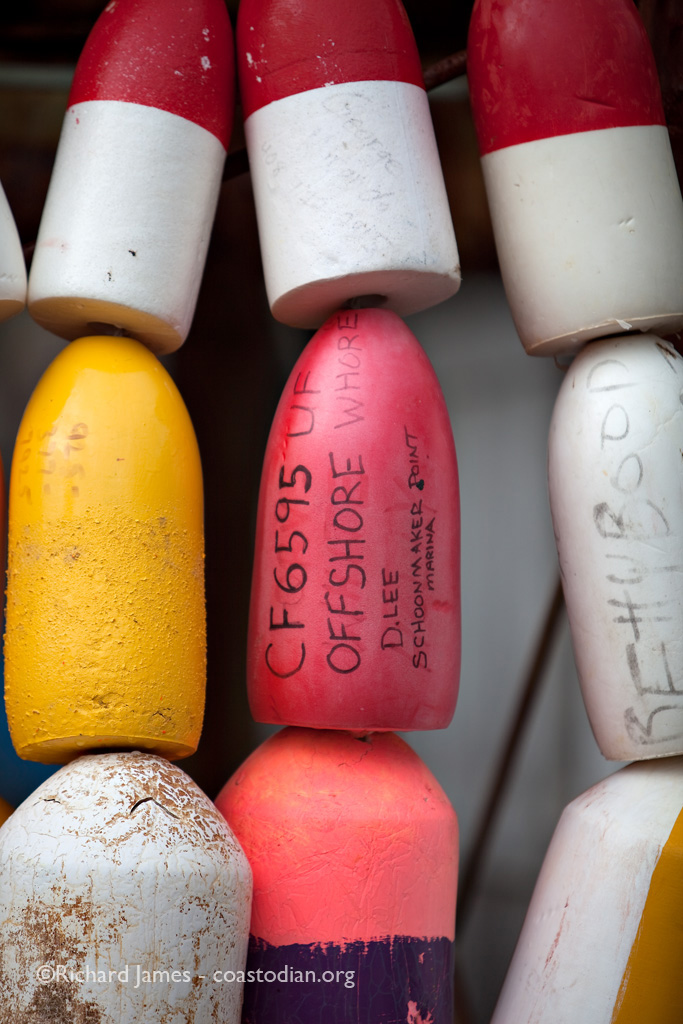
Could that bottle of mouthwash have belonged to D. Lee?

Could that bottle of mouthwash have belonged to D. Lee?

©RJames.IMG_1987.crop.cc

©RJames.IMG_1989.cc

©RJames.IMG_1990.crop.cc

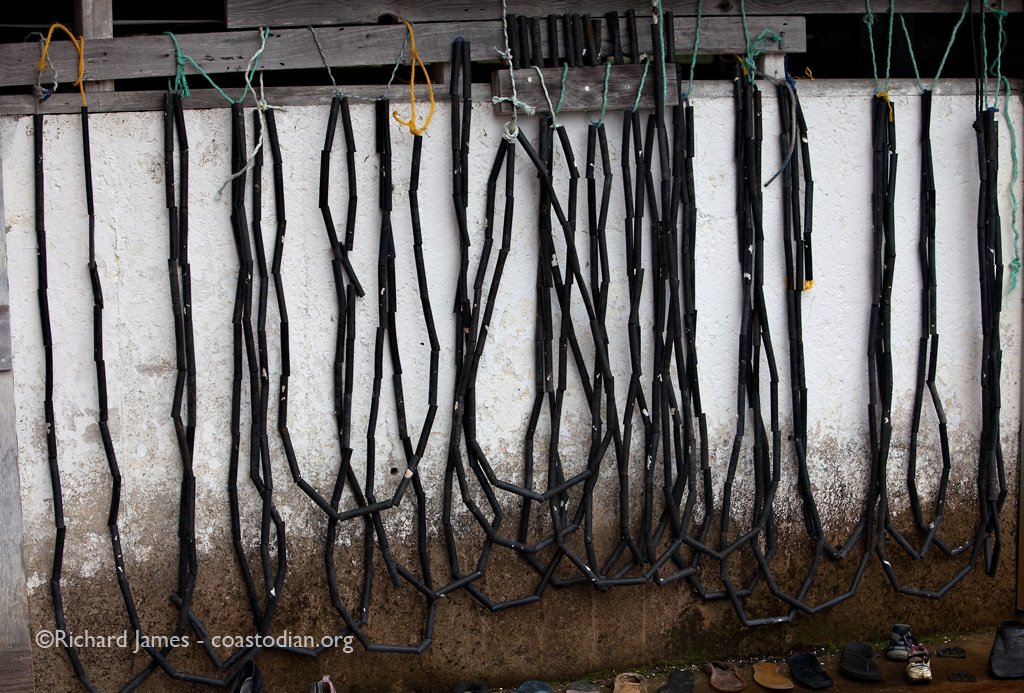
Oyster spacer tubes made from PVC pipe used by Johnson's Oysters which was purchased by Drakes Bay Oyster Company. I found 490 of them in less than a week. My one day record is 722. Many are clearly very old. Though many are like new, not a bit of ocean growth on them.

Oyster spacer tubes made from PVC pipe used by Johnson’s Oysters which was purchased by Drakes Bay Oyster Company. I found 490 of them in less than a week. My one day record is 722. Many are clearly very old. Though many are like new, not a bit of ocean growth on them.

©RJames.IMG_1992.crop.cc

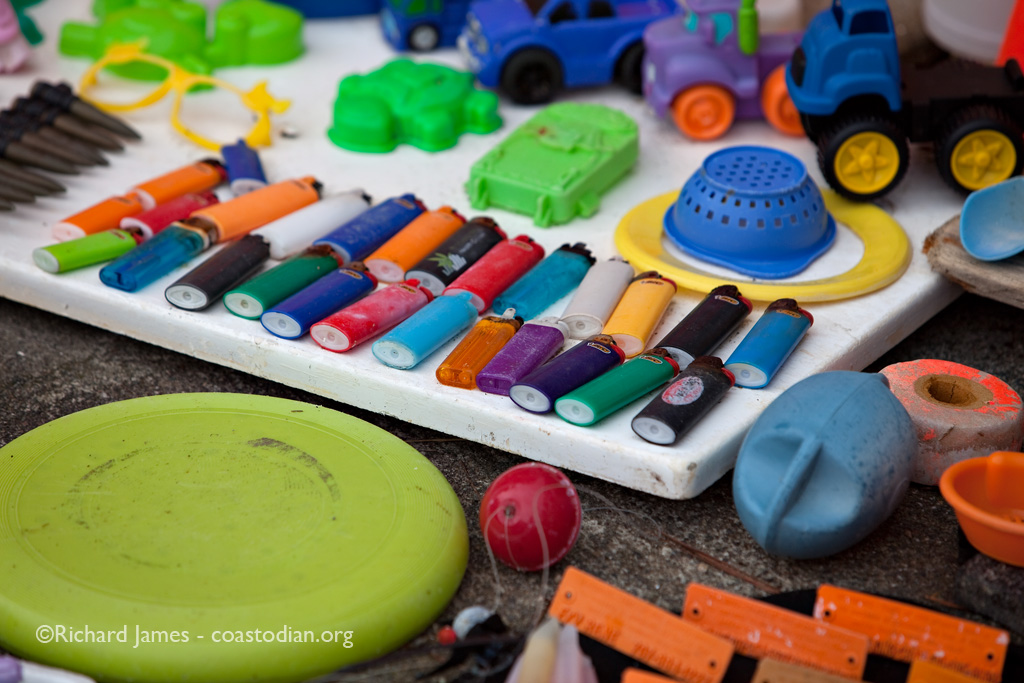
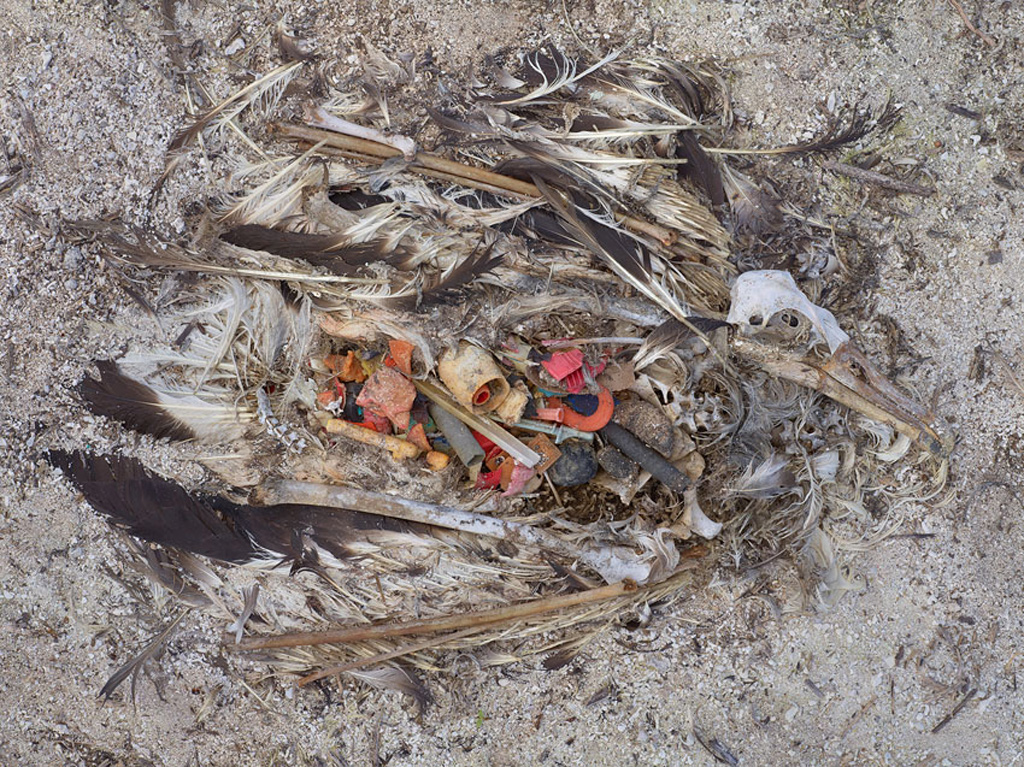
Disposable lighters, also known as fake-albatross food. See the link below this image for images made by Chris Jordan showing dead albatross on Midway Atoll whose bellies are full of plastic bits and lighters.

Disposable lighters, also known as fake-albatross food. See the link below this image for images made by Chris Jordan showing dead albatross on Midway Atoll whose bellies are full of plastic bits and lighters.

See a previous post showing the harm done to wild birds by our selfishness, here.

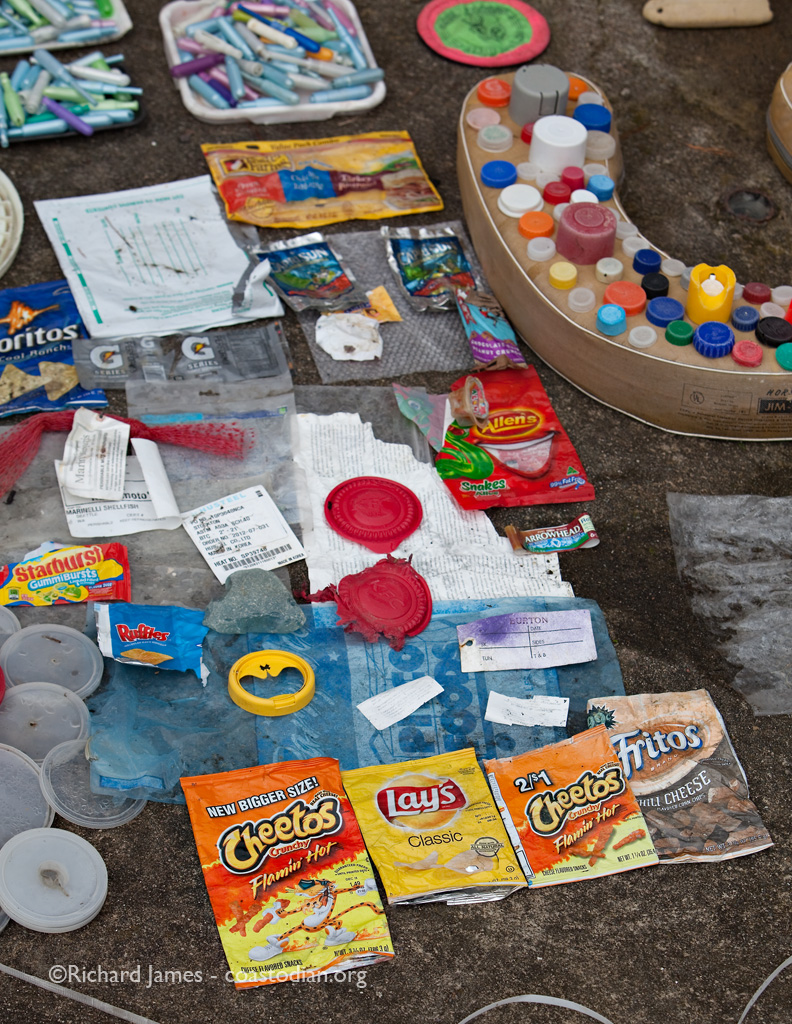
Packaging for non-food that is killing the human race. This stuff washes up by the truckload. That is, if it is not devoured by turtles first.

Packaging for non-food that is killing the human race. This stuff washes up by the truckload. That is, if it is not devoured by turtles first.

©RJames.IMG_1996.crop.cc

©RJames.IMG_1998.crop.cc

©RJames.IMG_2000.crop.cc

Oyster spacer tubes from Drakes Bay Oyster Company

Oyster spacer tubes from Drakes Bay Oyster Company

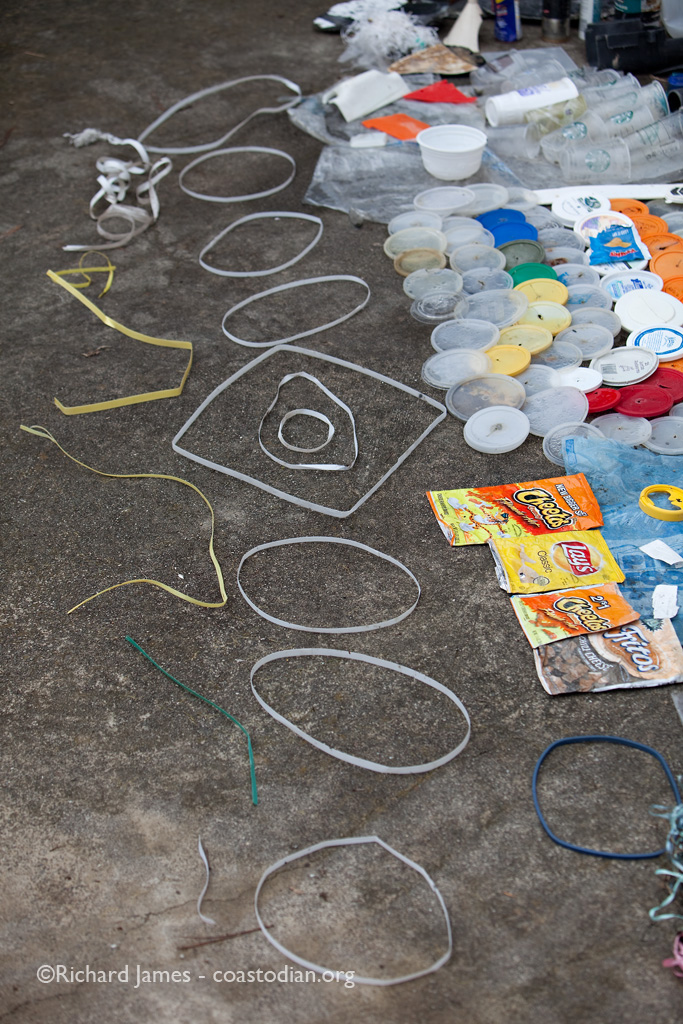
Packing straps fill the oceans, strangling turtles and seals. NOTE: Marine Mammal Center, contact me before using my images.

Packing straps fill the oceans, strangling turtles and seals. NOTE: Marine Mammal Center, contact me before using my images.

Oil, cottage cheese, yogurt, tapioca, yogurt, oysters, jumbo red worms and more oysters. All framed by an oyster grow-out bag from Drakes Bay Oyster Company

Oil, cottage cheese, yogurt, tapioca, yogurt, oysters, jumbo red worms and more oysters. All framed by an oyster grow-out bag from Drakes Bay Oyster Company

©RJames.IMG_2006.cc

Foster Farms Value Pack Combo, no added hormones or steroids. Wash some down with Capri Sun high fructose corn-syrup. Unsustainable petroleum-based packaging? Ahhhh, who gives a damn? Please pass the pastrami!

Foster Farms Value Pack Combo, no added hormones or steroids. Wash some down with Capri Sun high fructose corn-syrup. Unsustainable petroleum-based packaging? Ahhhh, who gives a damn? Please pass the pastrami!

Am I shoveling shit against the tide by picking up all this human trash from our beaches? Like Sisyphus, I've cheated death more than once. Like Sisyphus and his boulder, I've been walking the earth picking up after my species.

Am I shoveling shit against the tide by picking up all this human trash from our beaches? Like Sisyphus, I’ve cheated death more than once. Like Sisyphus and his boulder, I’ve been walking the earth picking up after my species.

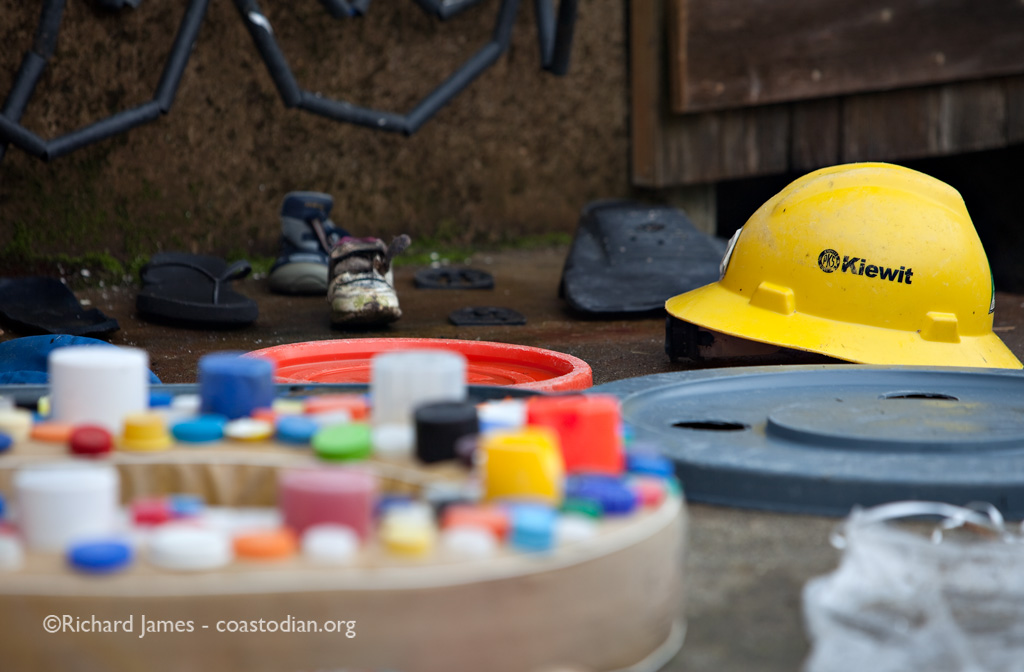
Shoes and hat brims by the hundreds

Shoes and hat brims by the hundreds

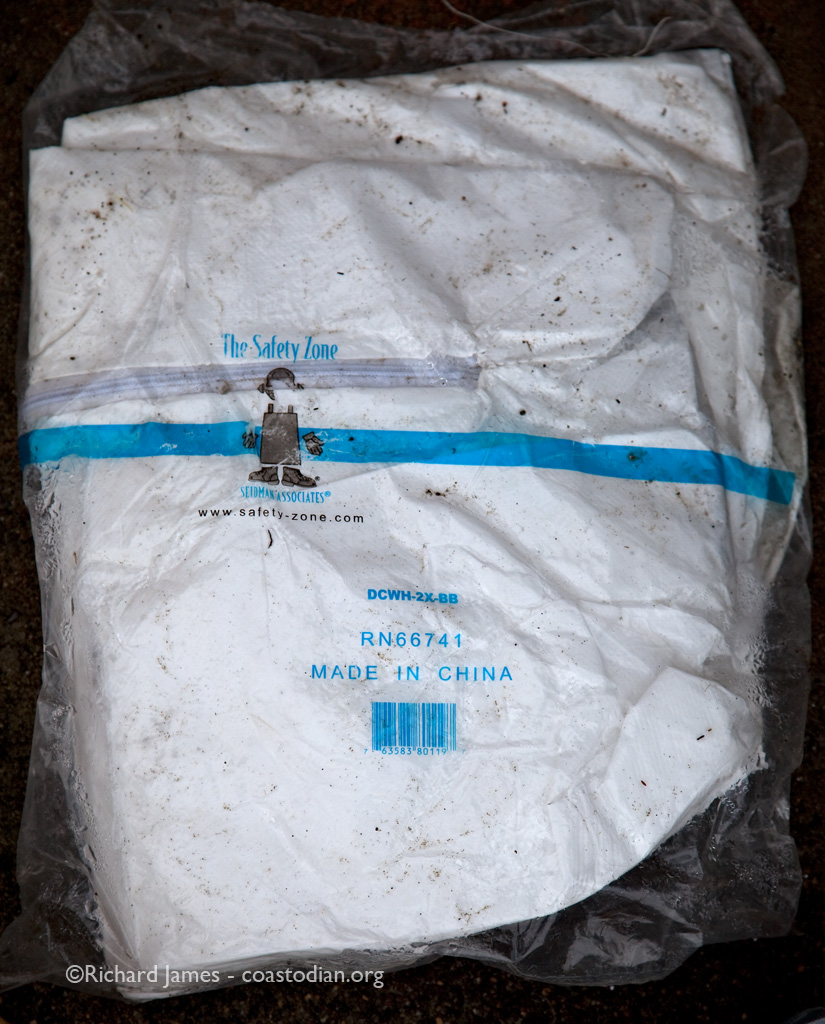
Tyvek suit, made in China. Most everything pictured in these images was fashioned there and shipped to the US. What a waste of energy. We can do better. We must.

Tyvek suit, made in China. Most everything pictured in these images was fashioned there and shipped to the US. What a waste of energy. We can do better. We must.

Commercial crab trap tags. Recognize anyone you know? I do.

Commercial crab trap tags. Recognize anyone you know? I do.

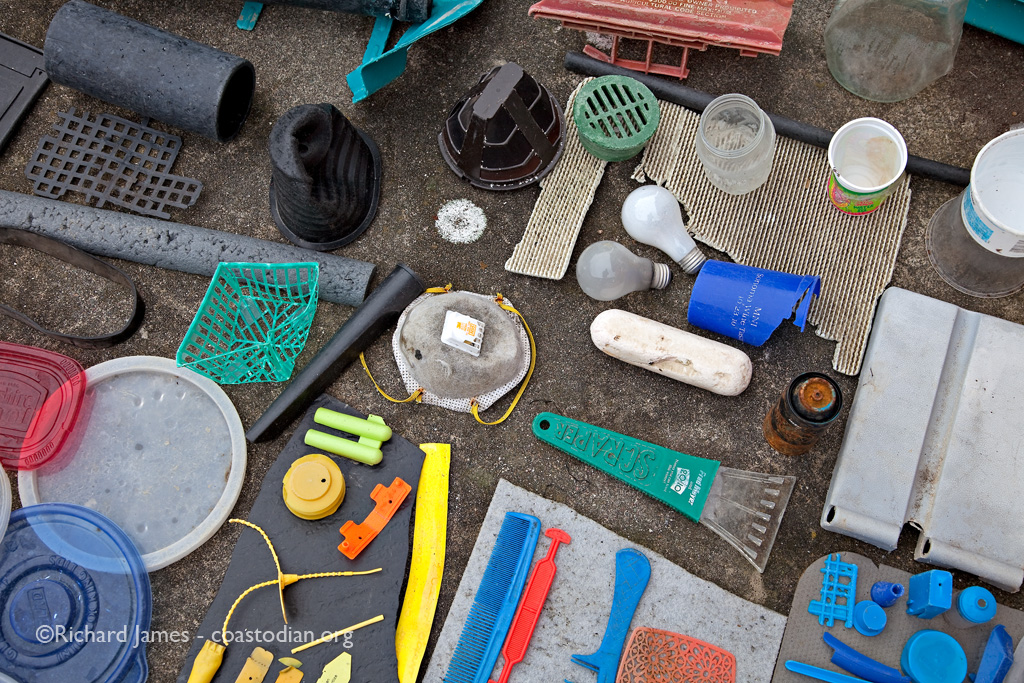
shuttle-cock, binkies, fish, flowers, lip-balm, and what day would be complete without a syringe or two? Oh yes and a toy star trek phaser cartridge bottom center. Brad Campbell taught me at a very young age that I could use those as a coin in a gumball machine. Thankfully the statute of limitation has likely expired on that crime.

shuttle-cock, binkies, fish, flowers, lip-balm, and what day would be complete without a syringe or two? Oh yes and a toy star trek phaser cartridge bottom center. Brad Campbell taught me at a very young age that I could use those as a coin in a gumball machine. Thankfully the statute of limitation has likely expired on that crime.

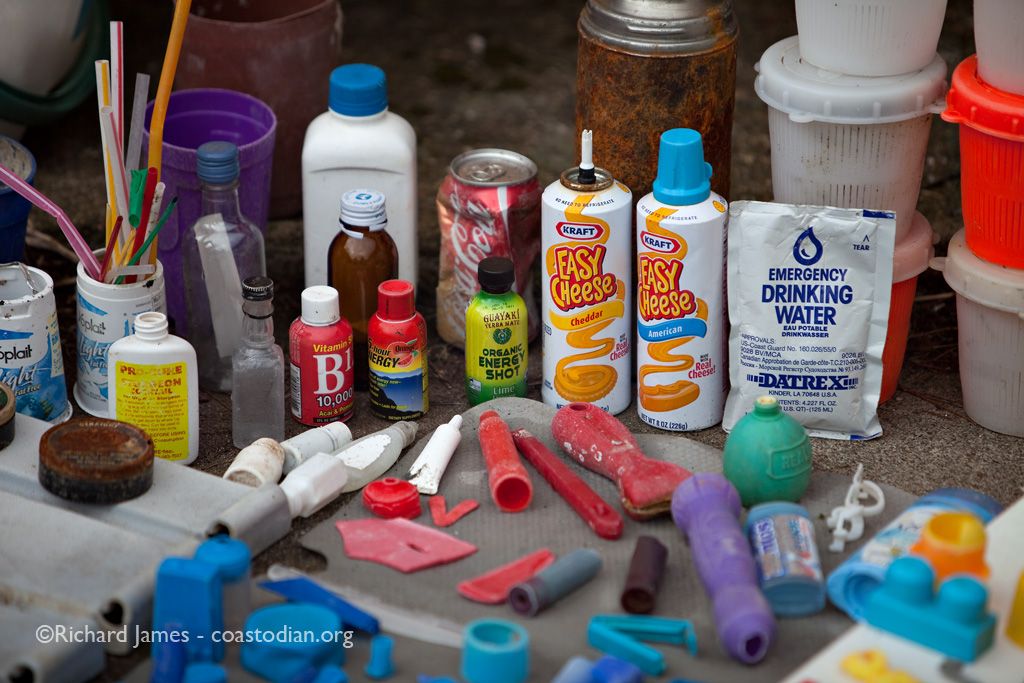
Organic energy shots are the best for washing down Easy Cheese. A pouch of emergency water is nice to have on hand too, as a chaser.

Organic energy shots are the best for washing down Easy Cheese. A pouch of emergency water is nice to have on hand too, as a chaser.

©RJames.IMG_2026.cc

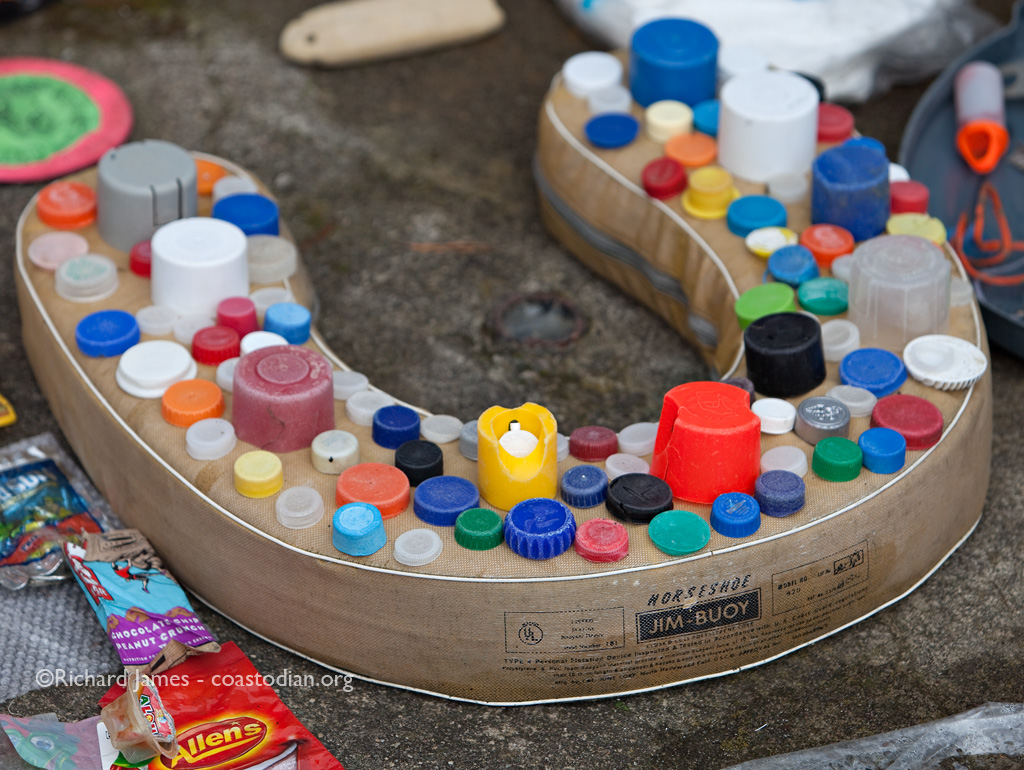
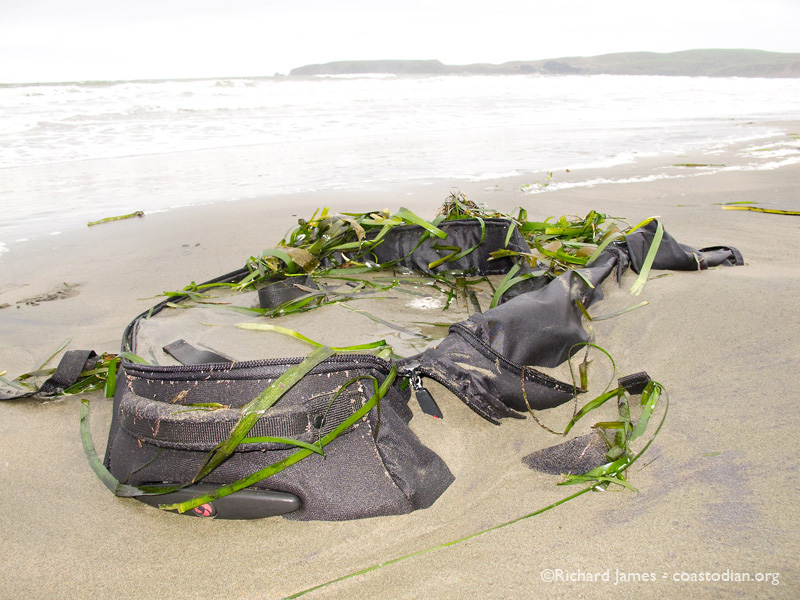
Larry Ellison had a little trouble with his 9 million dollar America's Cup boat (AC72). I have been finding pieces of it washing up all over the place. That is aluminum or paper honeycomb sandwiched by carbon fiber you see.

Larry Ellison had a little trouble with his 9 million dollar America’s Cup boat (AC72). I have been finding pieces of it washing up all over the place. That is aluminum or paper honeycomb sandwiched by carbon fiber you see.

©RJames.IMG_2030.crop.cc

©RJames.IMG_2032.crop.cc

Human trash collected from Point Reyes beaches during six visits

Human trash collected from Point Reyes beaches during six visits

Bad day to be a northern fulmar

Click on the title of this post to read it and see a related header image.

Since the high litter season is upon us, I am out on Drakes gathering the man-made debris washing in with the strong southern winds of late.

Near to where the northern fur seal found me just over a week ago (turns out it is a female and very feisty as well as still alive), I came around a corner just as a juvenile red-tailed hawk lifted off the sand with an injured, but still very alive northern fulmar. It was slowly climbing and headed straight towards me with the struggling pelagic payload in its’ talons.

I dropped down to the ground to cut a smaller profile as I watched the hawk flapping and flapping, yet gaining altitude like an overloaded Bonanza at noon in august at Truckee. That is, it had a positive rate of climb, barely.

The fulmar was flapping and struggling under the hawk which probably did not help matters much.

As the pair was about to be overhead and about 70-80 feet up, the hawk jettisoned the fulmar and floated upwards with ease. The fulmar dropped like, well, a rock. SPLATT! Onto the hard sand with about 1 inch of water. The dazed bird looked around, not sure if this was better than being pierced by talons and flown away to be eaten.

I sat crouching for a couple minutes to see if the hawk planned to return and try again. It did circle us a few times but eventually flew off to find a smaller bird.

After walking east a few hundred meters and picking up oyster spacer tubes and tampon applicators by the dozens, I turned around and found the floundering fulmar being swept back and forth in a slowly rising tide. I dropped my bags of plastic and went over to see if I could move it to a less hectic place. Even after all it had been through, this bird was very capable of defending itself. I barely was able to grasp its’ wings and keep my hands away from the sharp end trying to peck me. I carried it up to where a pile of logs had been pushed up against the wall and laid it in a protected spot in which to die without the tide and raptors interrupting.

I wonder what that crab fisherman was expecting to attract with a bait bag full of tampon applicators?

Squid egg masses

I learned today from the folks at The California Academy of Science that these egg masses are likely from the Common Market Squid (Doryteuthis opalescens)

You can learn a bit more about it here.
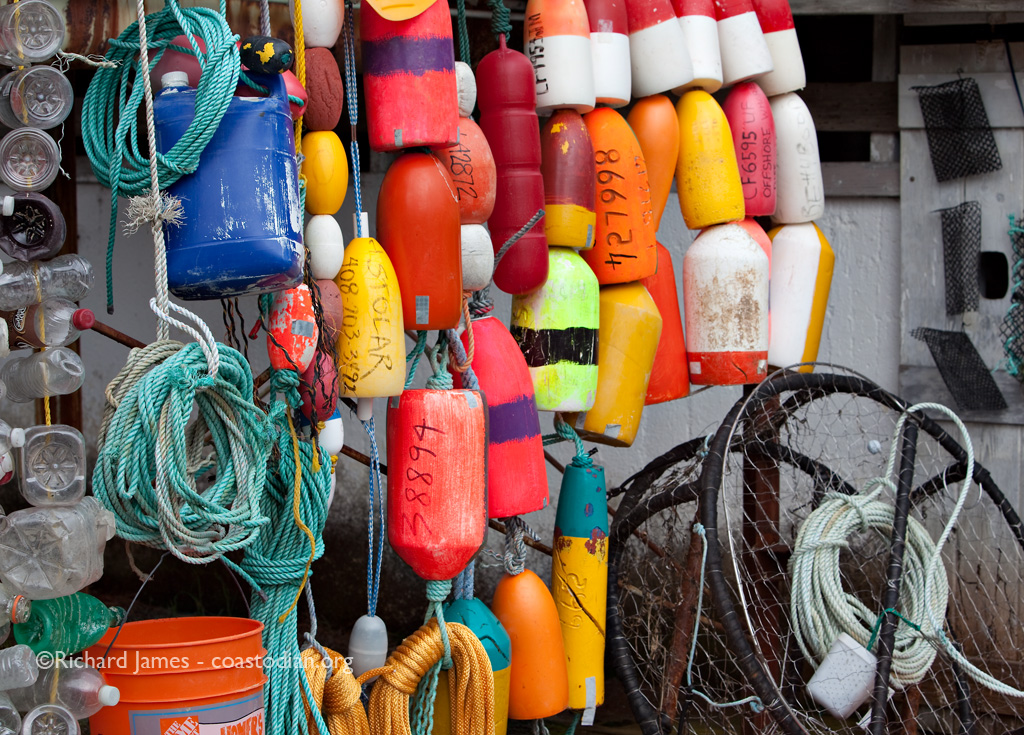
Squid egg masses

Squid egg masses

Still tired of all the man-made debris washing up.

Did they pack all that sand and eel grass? Was Drakes Beach their final destination?

Marc from France – A photographer touring California for the first time. He has two small children back home and was happy to find a frisbee for them. I gave him the football I had just found for his 9 year old son Isaac. Marc was in love with the light and the Point Reyes area. I offered some travel tips for his next 12 days.

Humans are hard on the planet, but we can learn how to be less so, if we care to.

In the post below this one, “Fishing is hard on the sea …” I shared images of trash I packed off my local beaches from one storm.

I need to expand a bit on what I wrote. The items you saw in those images are mistaken for food and eaten by hundreds of thousands of birds all over our planet each day. Some of these birds fly thousands of miles to gather food for their offspring. After being fed a belly full of plastic, they die.

Look at this image showing oyster farming detritus:

NOT albatross food

Now look at this image by Chris Jordan of a dead albatross on the Midway Atoll:

Dead Albatross by Chris Jordan – See the oyster spacer tube in there!

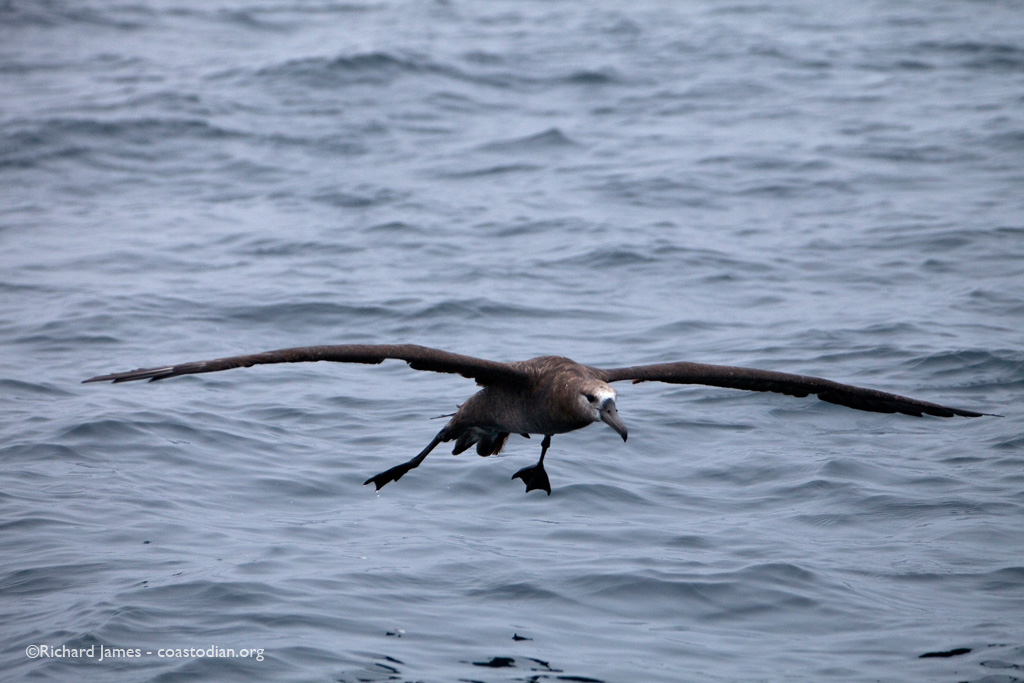
Here is a live albatross for comparison:

See all the disposable lighters in this image:

Disposable, hmmmm……where do they go?

And again, a dead albatross by Chris Jordan:

Dead Albatross by Chris Jordan – where disposable lighters end up.

More human waste from Point Reyes beaches:

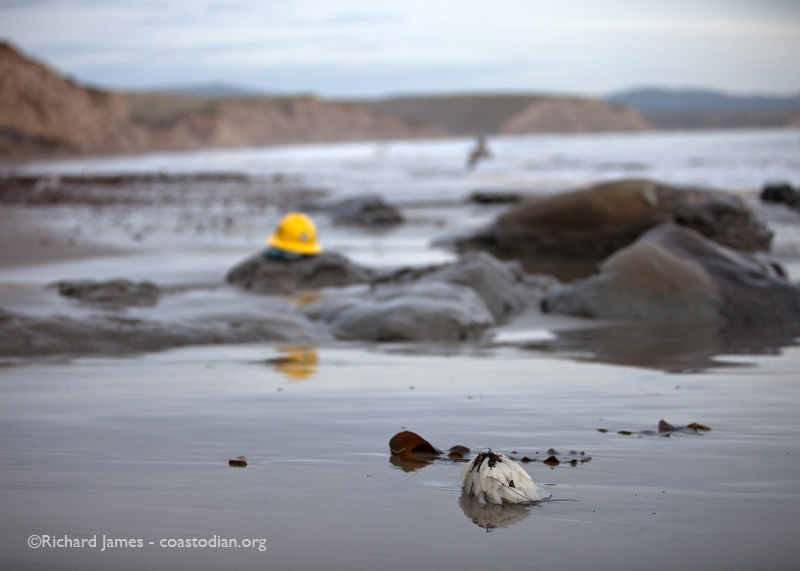
Discarded toys – NOT albatross food!

Another dead bird from Midway courtesy Chris Jordan:

Dead Albatross by Chris Jordan

Chris has been documenting the deaths of thousands of birds on Midway for several years. A movie is coming soon. You can see more of his work here

There, I wanted to draw a line between what I pick up off the beach and the impact it has on our planet.

Can you think of how you might adjust your daily living patterns a little so that you generate less stuff that may end up killing some hapless bird trying to put some food on the table?

So what is a Park for anyway?

To me, it is a place where I go to be away from the internet, curmudgeons, war, pointless consumerism. I go to places like the back-country of Kings Canyon National Park and remote beaches of Point Reyes National Seashore to be soothed by a planet unspoiled by the contrivances of humans. I go to these places to remember what life is all about. I’ve been blessed to be able to see all that I have seen.

It is important to protect these special places and I am glad (mostly) that we have the park service to do so.

I’ve been packing about 1 ton of trash off the beaches of Point Reyes each year since late 2008. My knees remember each stoop to pick up another bottle cap, another plastic wrapper, each step back up the hill onto to the Pierce Point trail.

When I started this cleaning, I secured permission to deposit what I gather in the park dumpsters. I’ve learned more about dumpsters than I care to know. When I find that the South Beach dumpster is so rusted out, that items placed in it fall out the bottom and are blown back on the beach, an email/call or two, or three will usually get it replaced. The same for South Beach and Drakes Beach. Thank you Cicely.

Lately I’ve become frustrated with the park service. OK, I have been frustrated with them for quite some time now. For example, seeing that the fellow who services the bathrooms at the many beach parking lots tosses large cardboard boxes into the dumpster instead of recycling them bothers me. If I, a volunteer, can sort and recycle the items I pluck off the beach, the paid staff can surely recycle the tools of their trade. I have been fishing them out, crushing them and recycling them at my house for sometime now.

I’ve told a number of NPS people, hoping to get the paid staff to do the right thing. It took a while until a small recycling bin eventually showed up at one site for staff to use instead of the dumpster. Bravo. Now, to get them all to use it…

Though, after hearing that one supervisor, having learned of me pulling cardboard out of trash bins again and again, said to another employee “I’m going to super-glue a box in the bottom of the dumpster so he has to crawl inside to get it,” a light went off for me.

I no longer track my hundreds of hours and submit them so the park can receive money for their volunteer program.

This may seem trivial on its own. But the above example is only one of many instances (nor is it the most troubling) I saw firsthand of “do as we say, not as we do” within the NPS.

I may still gather human trash off the otherwise pristine beaches around here. But I’ll do it for me, selfish bastard that I am.
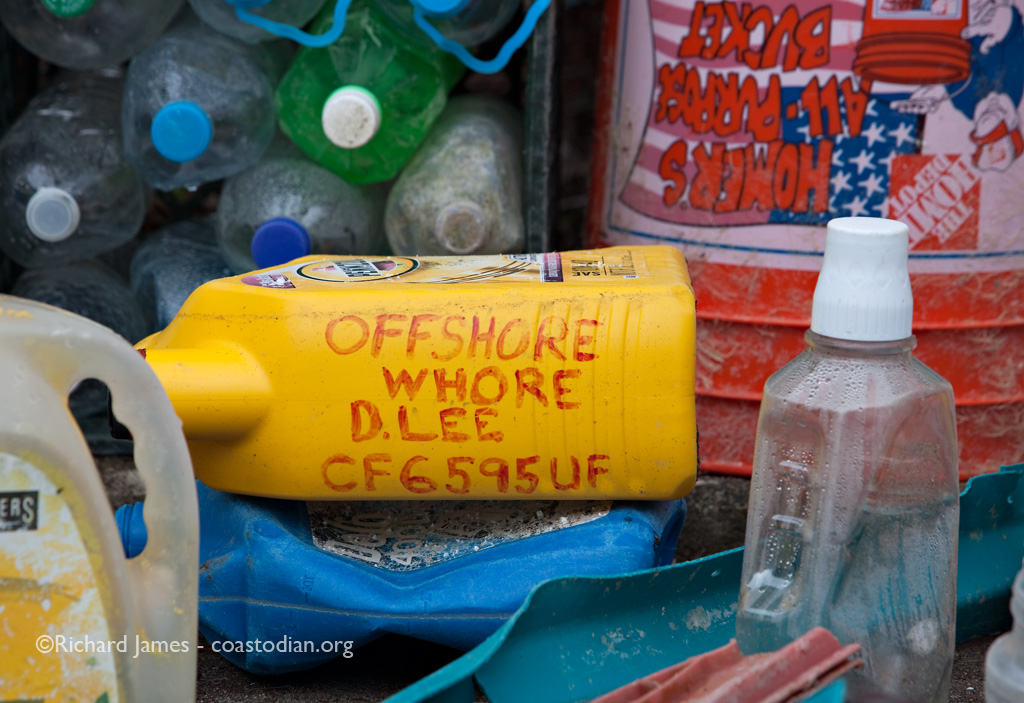
And for those that come after us.

Fishing is hard on the sea, living is hard on my heart

Click on the title of this post to read it and see a related header image.

The debris shown in the images below was collected after the first big storm of 2012 in early February.
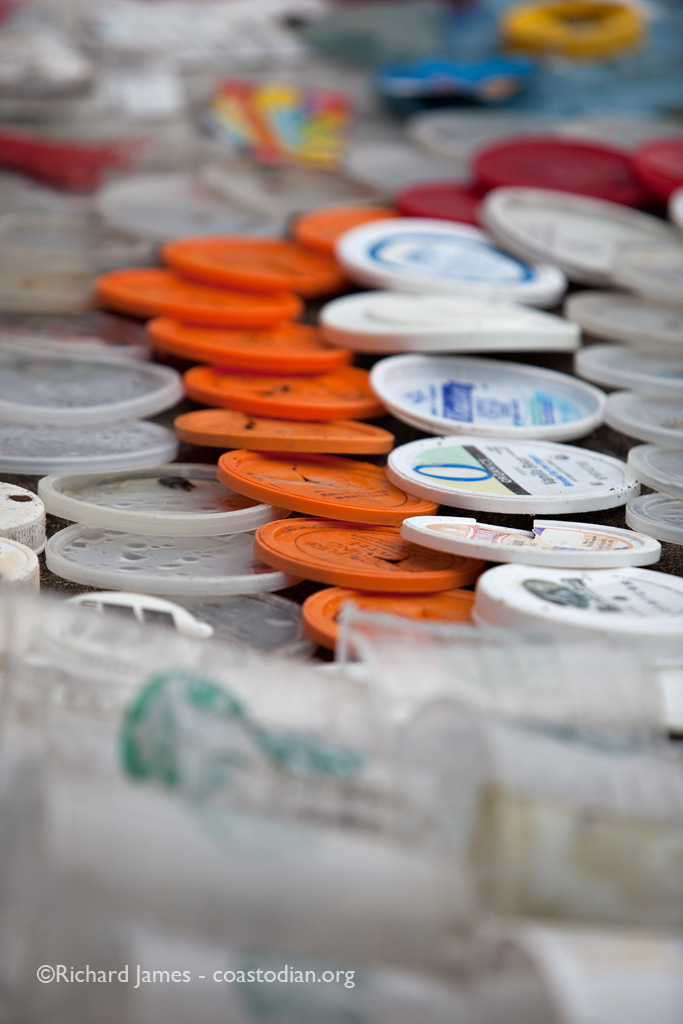
Over two days I spent 10 hours and covered about three miles of Drakes Beach and South Beach. Just imagine what all the beaches of Point Reyes were covered with from just one storm!

The plan was to have posted these images in February. Due to painful distractions, I am finally getting around to sharing what I hope you find are compelling images. That is, I hope they compel you to give some thought to all that happens in order to bring seafood to your table.

Tomorrow is the commercial crab opener of 2012. Thousands of crab pots have been dropped in the sea attached to miles and miles of petroleum based rope, foam floats and plastic bait jars. Much of this gear will be lost due to storm, propeller strike or other activities. While scraping and grinding along the bottom of the sea, or abrading on the beach sand, many thousands of pounds of plastic will be pulverized and deposited into the food chain.

Does society have any idea what is undertaken to put seafood on their table? The time, expense and effort of the fishermen, the vast amount of gear lost at sea each season, or stolen by unscrupulous crab fishermen? A local fishermen once told me, after sharing with me the many ways in which fishermen “do unto others” in not such golden ways, “Crab fishing makes ya crabby!”

Be sure to have a look at the last picture. There you will get a close look at about 75 oyster spacer tubes from Drakes Bay Oyster Company (DBOC) in the foreground. I have found well over 5000 of these in the last five years. From as far north as the tip of Tomales Point and south to Slide Ranch.

Click on image for bigger picture – Debris recovered over two days work, about ten hours effort

Click on image for bigger picture – Should the price of crab reflect the cost to the planet?

Click on image for bigger picture – Maybe some of this is yours?

Click on image for bigger picture

Click on image for bigger picture – Heroin, nicotine and caffeine….slower, faster, anywhere but here and now…

Click on image for bigger picture – If all dogs at the seashore are on leash….how come I find 100’s of tennis balls and ball tossers each year?

Click on image for bigger picture

Click on image for bigger picture – Each one of those orange tags represents about $200 in lost gear for a crab fisherman. What if they paid a deposit on each trap set? To offset the cost of picking up after all their gear that litters the ocean and beaches.

Click on image for bigger picture – Black PVC pipe oyster spacers used by Drakes Bay Oyster Company. You see 75 or so here. I have found over 5000 of these on Point Reyes beaches, as well as dozens oyster grow-out bags and the foam from inside grow-out bags.

All forms of commercial fishing take a huge toll on our planet.

Is it asking too much to set aside portions of the planet as areas we tread upon lightly, or tread upon not at all?

Many say we must do all we can to produce food locally, sustainably to feed the 7 billion humans on earth.

Others say we need to slow the growth of the human population, keep it more in line with the carrying capacity of earth.

This planet is fragile. Humans, only one of the many species on this blue sphere, have developed the means to do great good and great harm. As we ever more quickly modify our nest, it is less able to feed an ever growing population. Does this make sense? Does a growing family move into ever smaller and smaller housing?

I think The Dude said it best:

Tired of plastic on the beach

Click on the title of this post to read it and see a related header image.

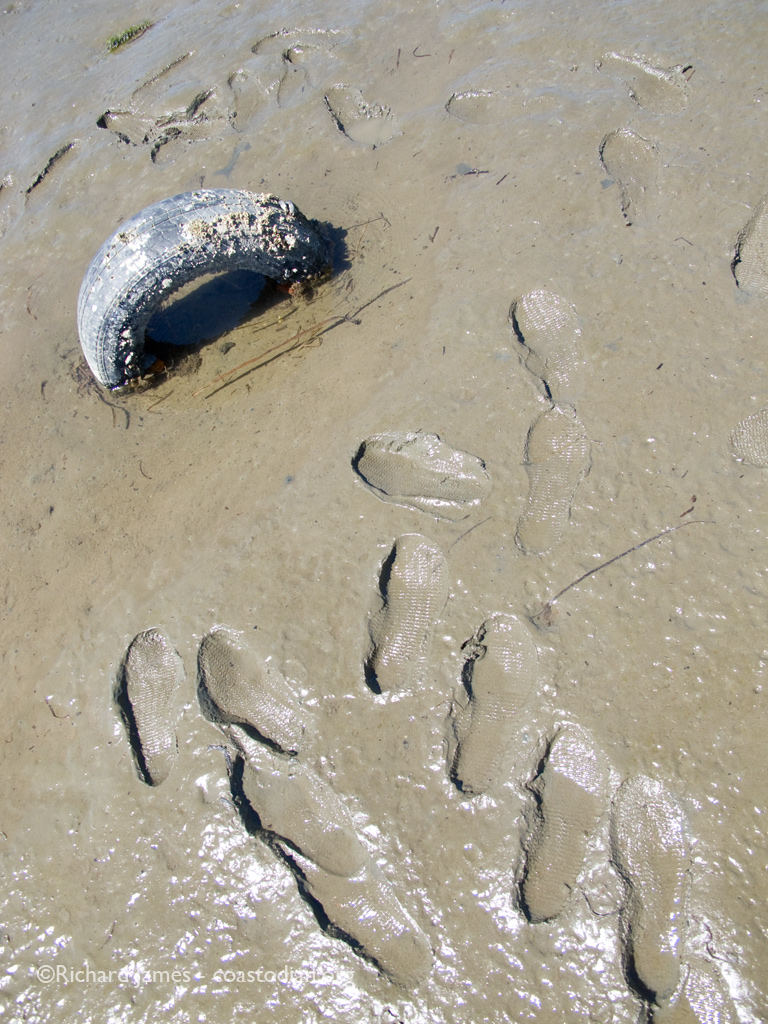
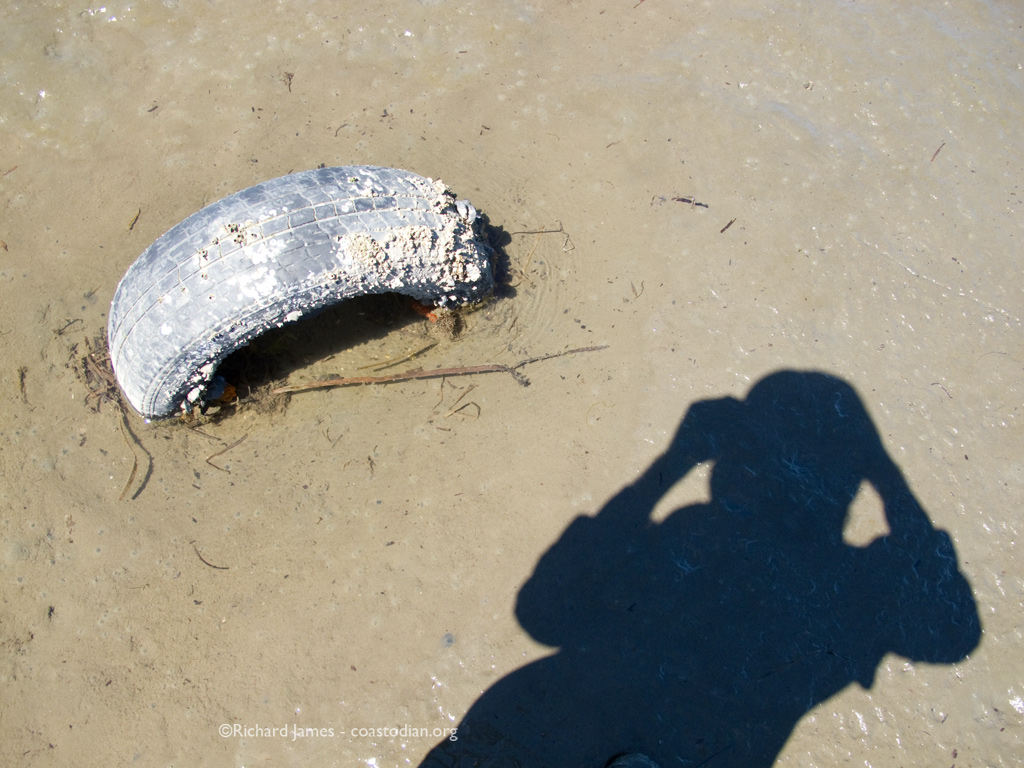
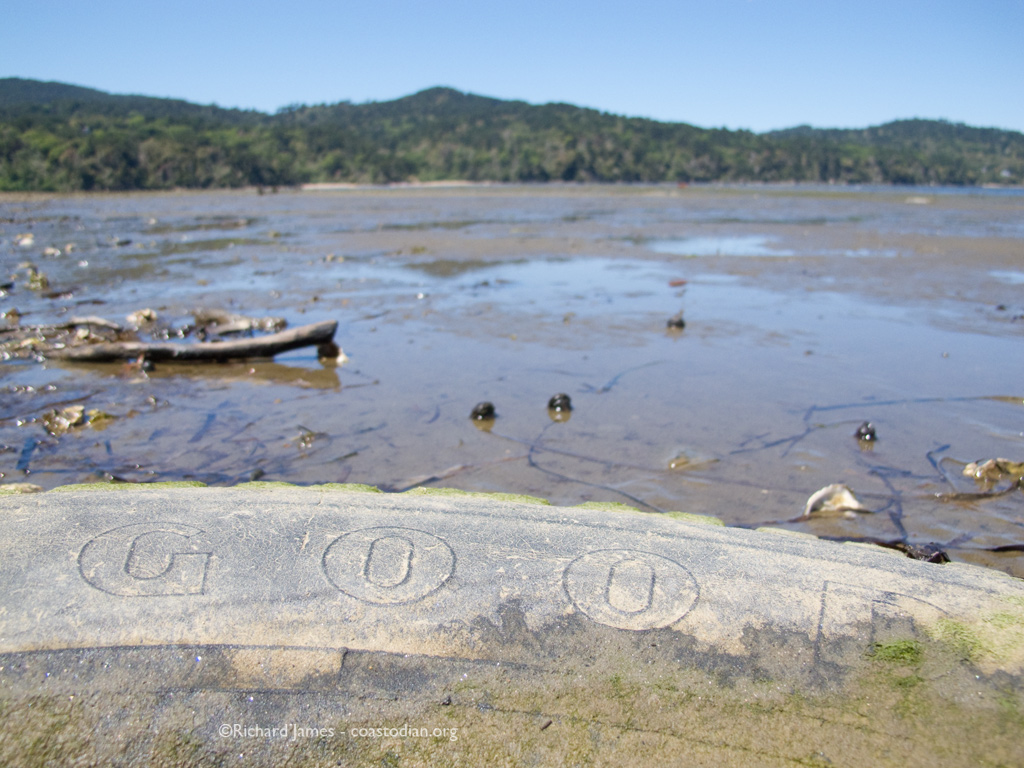
A dozen or so tires wash up on the beaches each year at Point Reyes. Most of them on the rim which makes them very heavy. I usually move them up as high on the beach as I can in case someone more industrious than myself feels like packing them out. I’ve only packed out two that I can recall. The rest either washed back out, or someone came and got them.

There is a forty-eight inch diameter aircraft tire buried in the sand on Drakes Beach, sans rim. In case you feel inclined to go get it, park your car near the cafe, walk ~2 miles to the right(low tide a must), it is high on the beach. Bring a shovel or two.

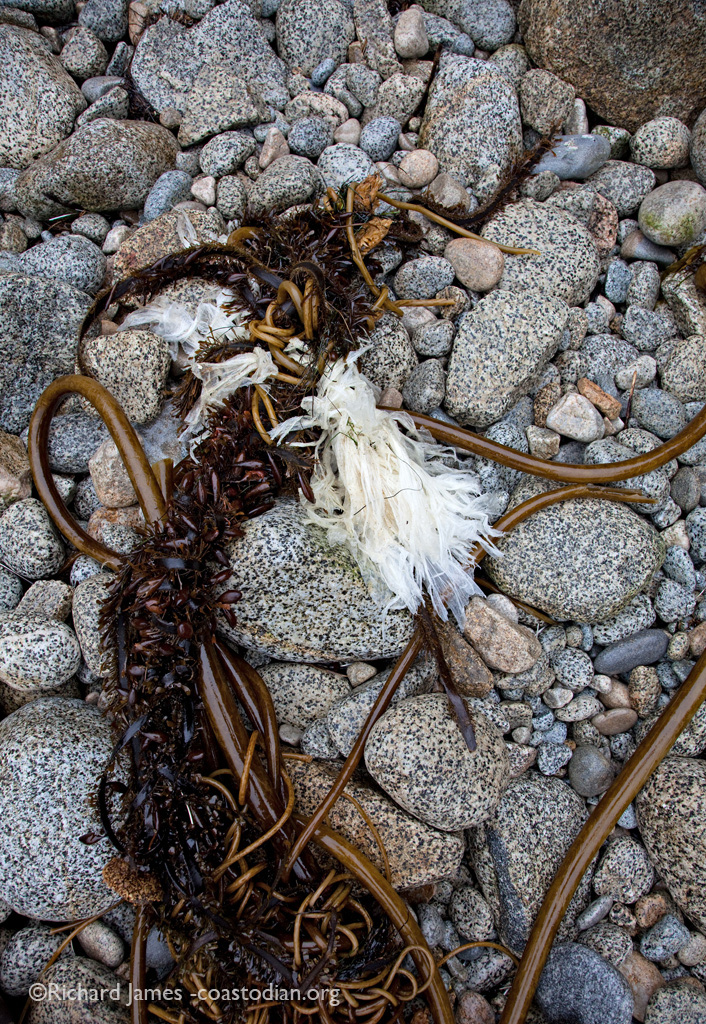
Shredded plastic wrap tangled in bull kelp and feather boa kelp

Bull kelp and feather boa kelp, minus the plastic

Tangled up and blue

Click on the title of this post to read it and see a related header image.

September, seductive winter light is coming on, beaches are covered deep in sand pushed ashore over the summer, making access easier. Not the high season for litter usually. Local fisherman have been plying the Marin coastline for months looking for crab, salmon, halibut and rockfish.

I can tell when they have been out. Beaches are covered in beer and soda cans, bait packaging, miles of plastic rope, hundreds of buoys and bait containers, snack wrappers and sometimes fishing poles or parts of boats. All blown or carelessly tossed overboard, then blown to shore. I pick it all up and pack it out on my back.
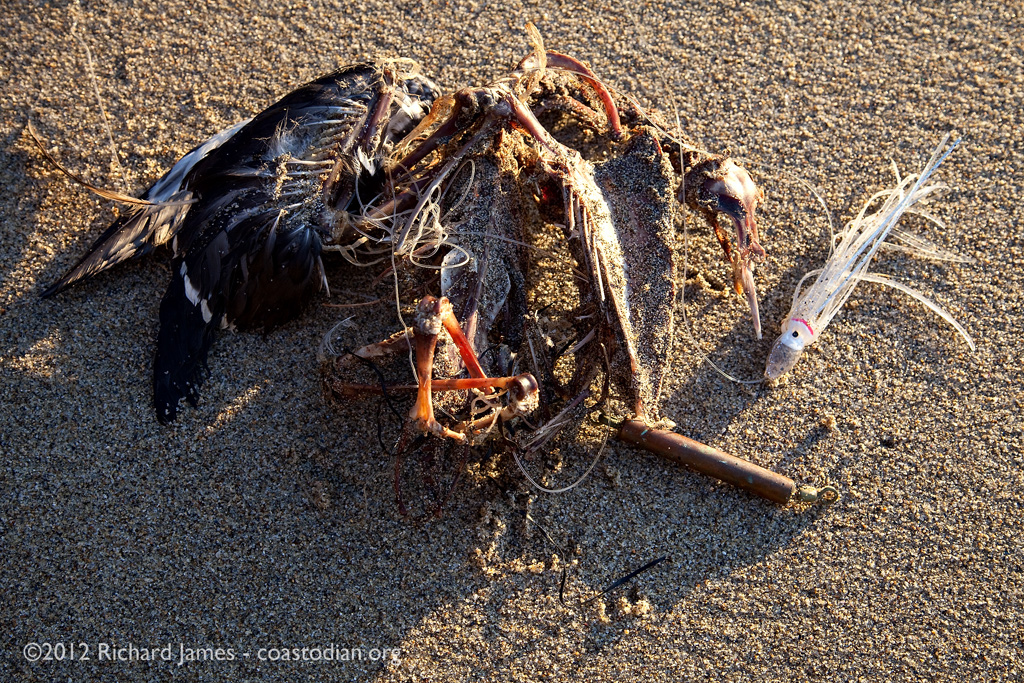
This evening a shiny flasher caught my eye in the wrack, I bent down to untangle it from the surf grass and other kelp. A long strand of mono-filament was threaded into the plants, a plastic hoochie, more line, a copper spring of some sort. Then I spied the scavenged body of a seabird, a murre or guillemot with a large nest of the mono-filament tangled around what was left of the wings and sternum.

NOTE: According to a bird expert I know, the bird is a common murre.

Had the bird seen a fish on the hook, swallowed it and died? Or had it surfaced and become tangled up in the line after diving perhaps 200 feet deep in search of a meal? I did not know. I only know that it was alive before coming into contact with this man-made trash, and now it was dead, wrapped in plastic.

Egg to bird to egg to bird and so on. Nothing in that cycle is toxic. All of it breaks down into something another creature uses for life.

Humans on the other hand have created all manner of clever tools. Tools made of plastic, which comes from oil. Plastic clothing, plastic fishing gear, plastic boats, plastic food wrappers. All of it so convenient for humans, for a moment that is. Once we are done with our “single-use” item, we generally toss it overboard, or into the land-fill, or the street, or out the window as we drive down the freeway.

None of this plastic breaks down or goes away or turns into something humans can eat.

What other creatures celebrate milestones in their life by releasing balloons into the air? Balloons made of nylon or latex that will fall back to earth eventually. Balloons that look like jellyfish and other forms of food to sea-life. Have a look here at the hundreds of images of balloons I found at the beach and in the High Sierra Nevada.

We are poisoning our nest, the nest of all the creatures on this planet, with our human conveniences.

Can we survive without so much plastic in our lives?

We survived until 1907 without any synthetic plastic.

From an article in the New York Times:

About 300 million tons of plastic is produced globally each year. Only about 10 percent of that is recycled. Of the plastic that is simply trashed, an estimated seven million tons ends up in the sea each year.

There, it breaks down into smaller and smaller fragments over the years.

The tinier the pieces, the more easily they are swallowed by marine life. (One study found that fish in the North Pacific ingest as much as 24,000 tons of plastic debris a year).