Save our Tomales Bay – part 7

Click on the words above “Save our Tomales Bay…” to see this post as it was meant to be seen.

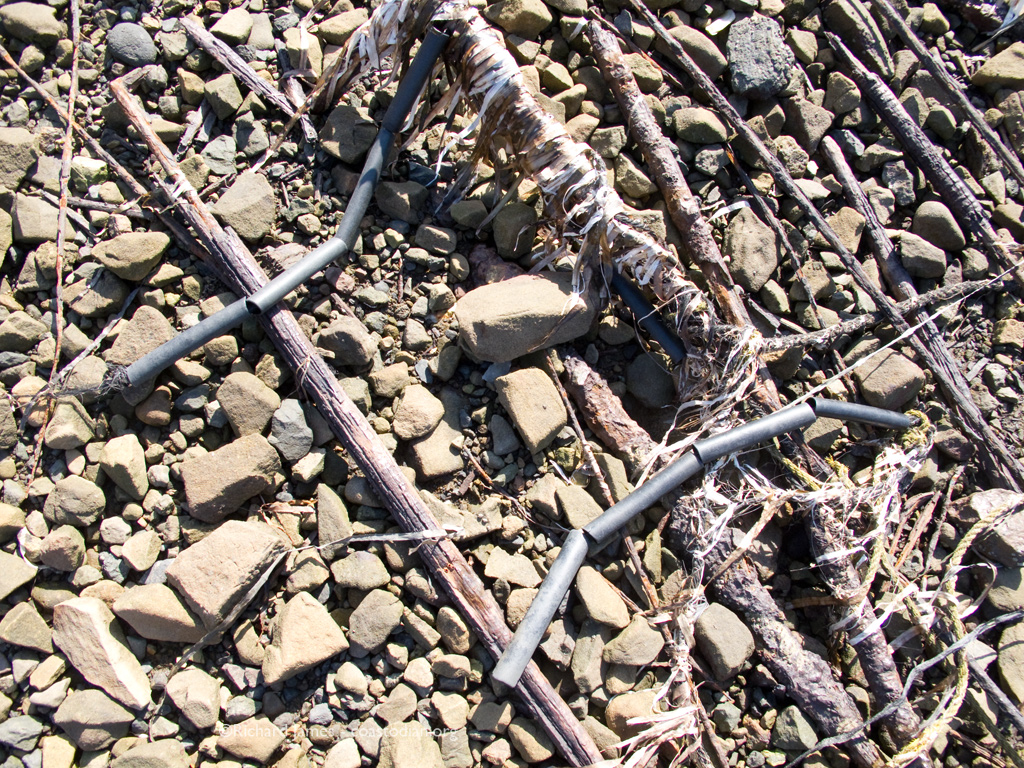
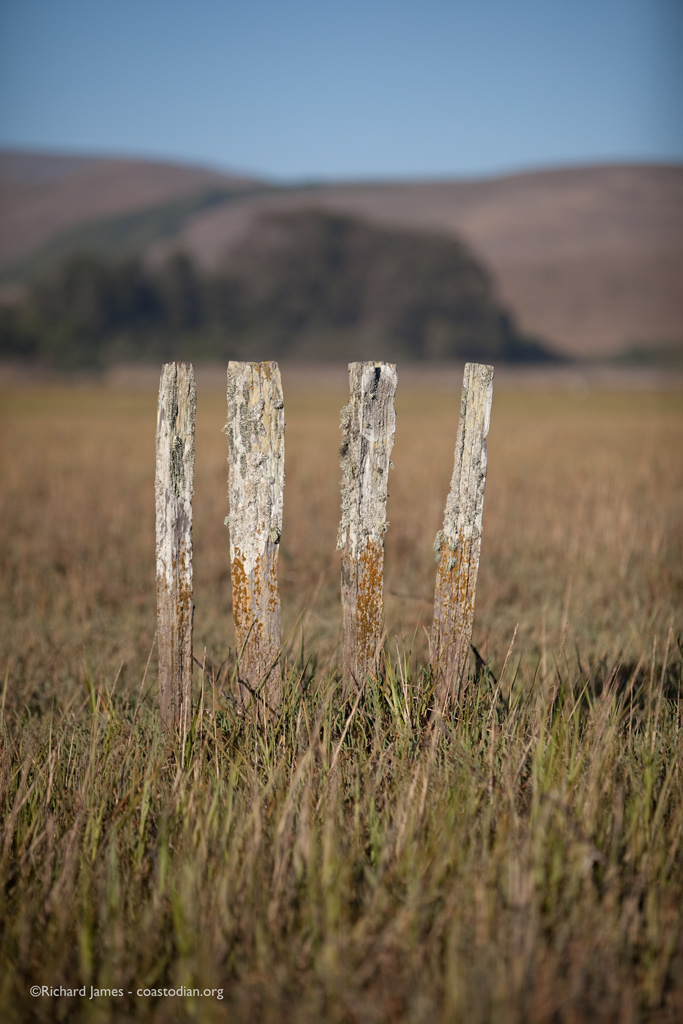
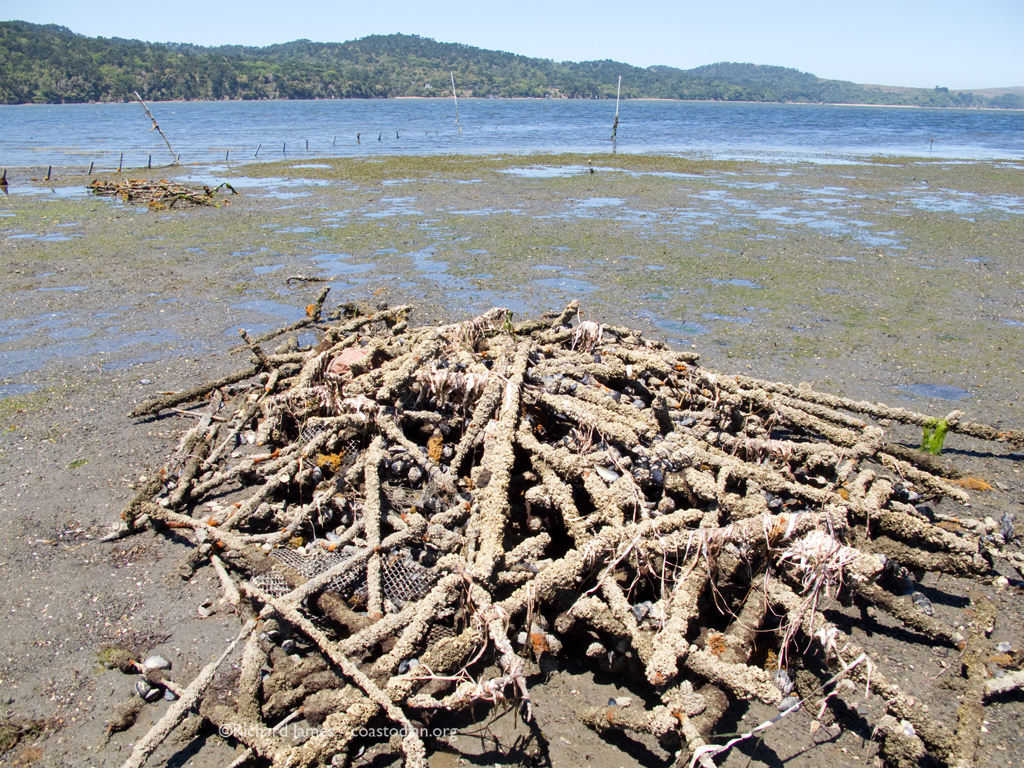
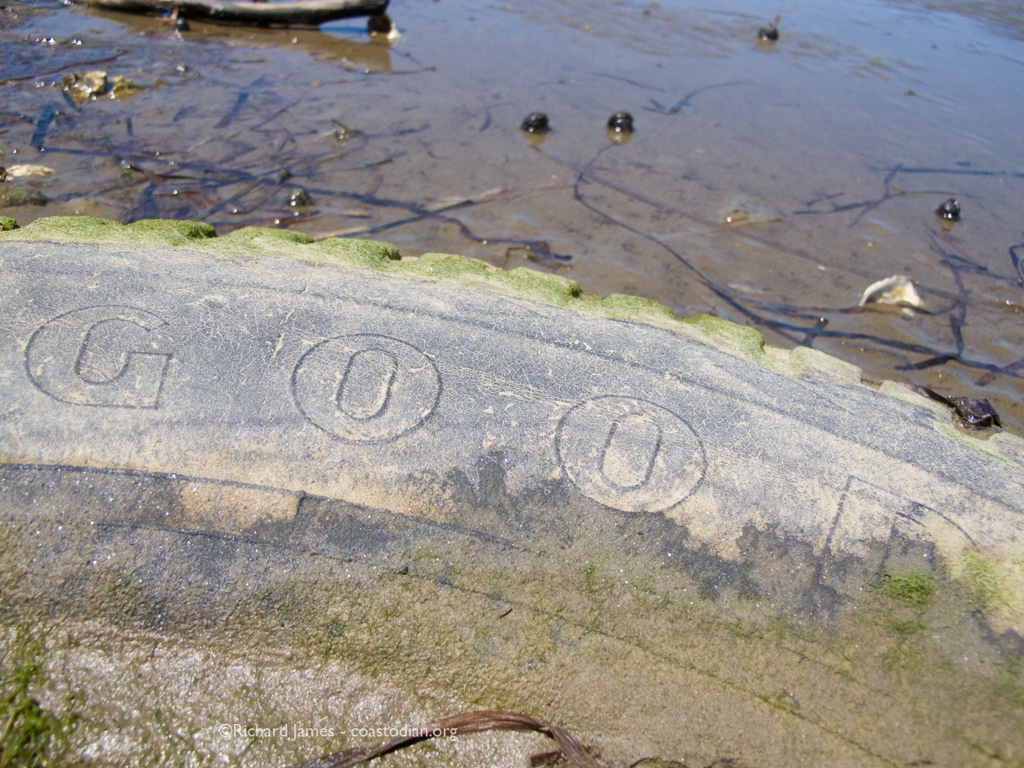
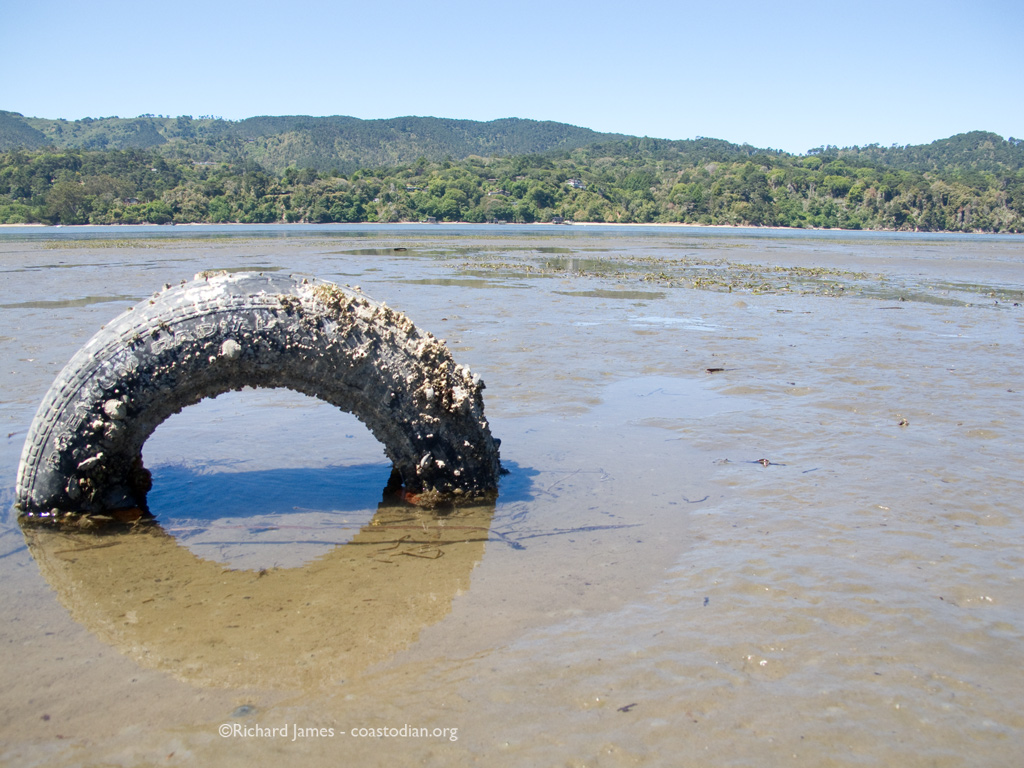
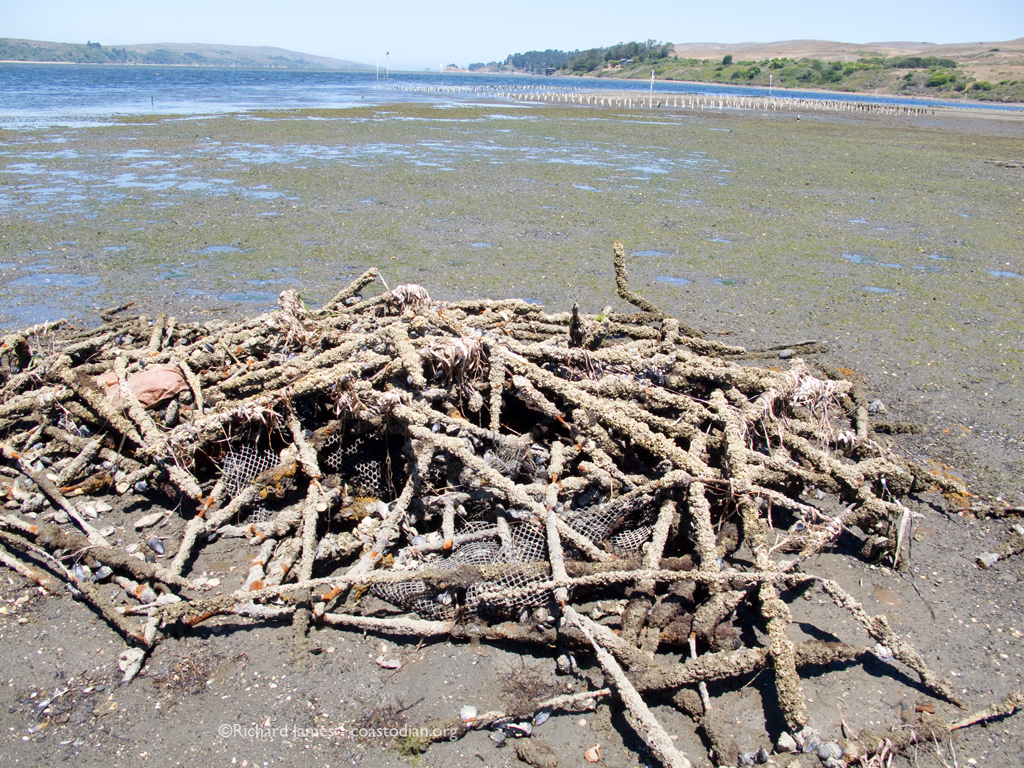
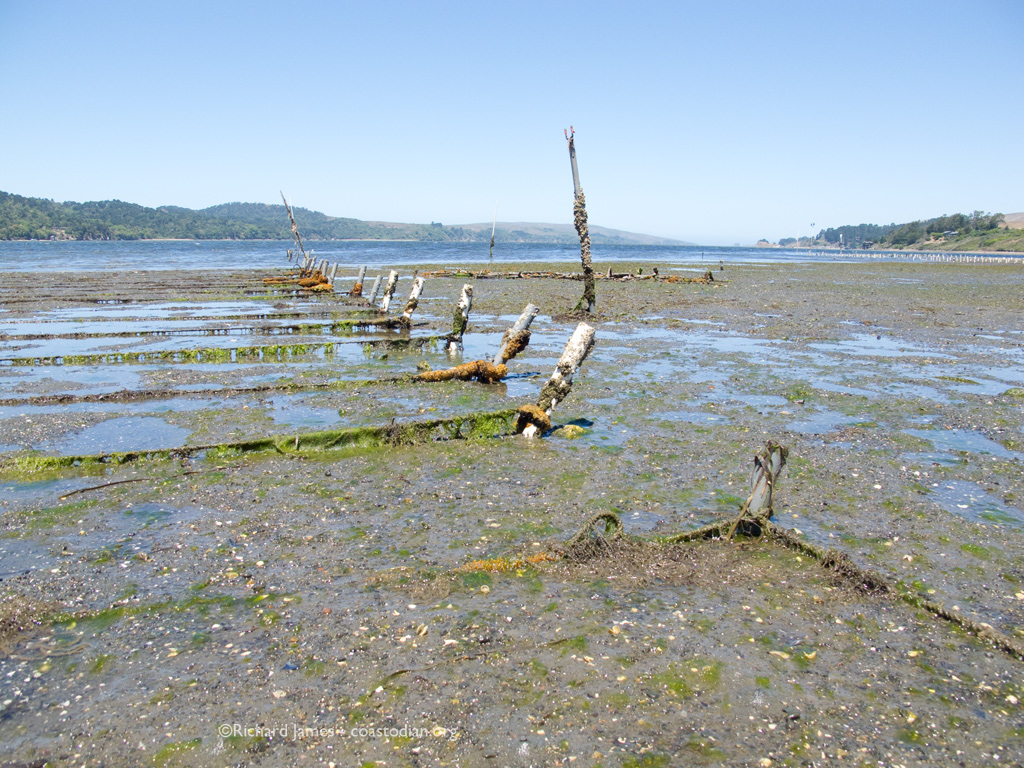
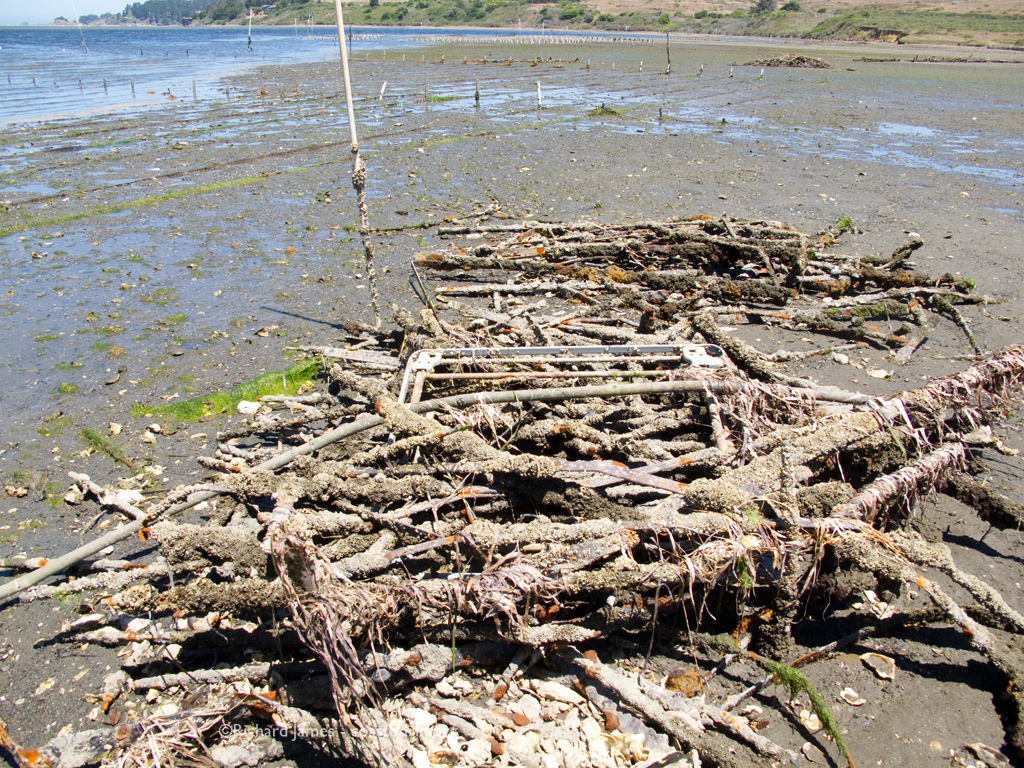
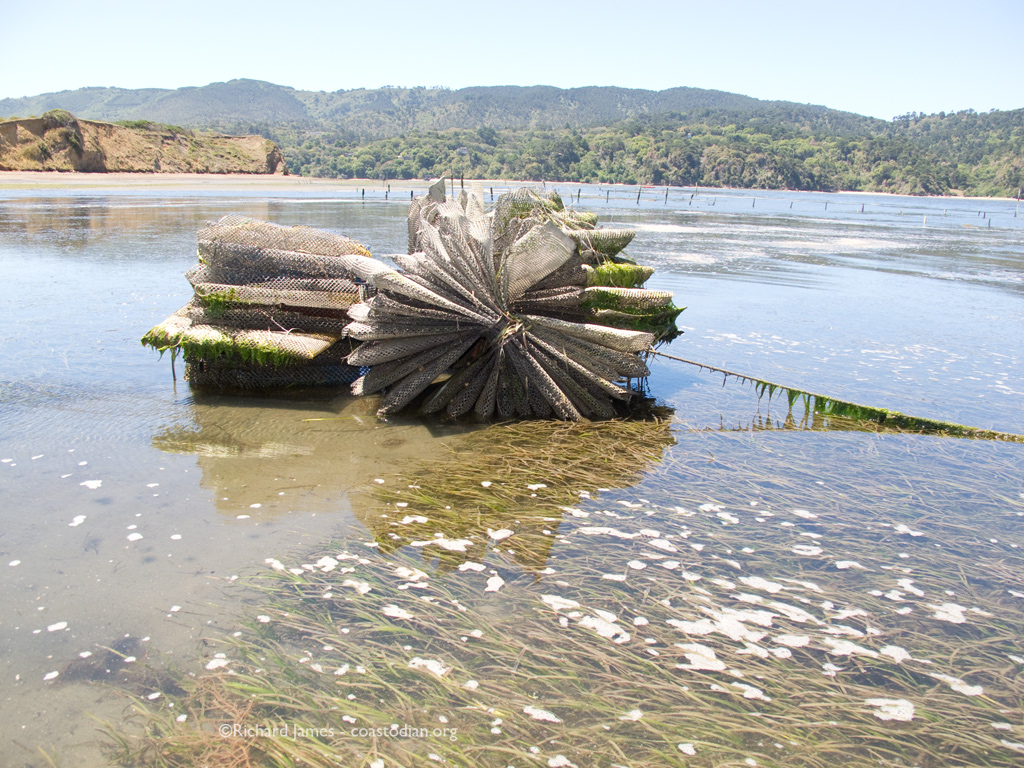
Historic-Oyster-Trash

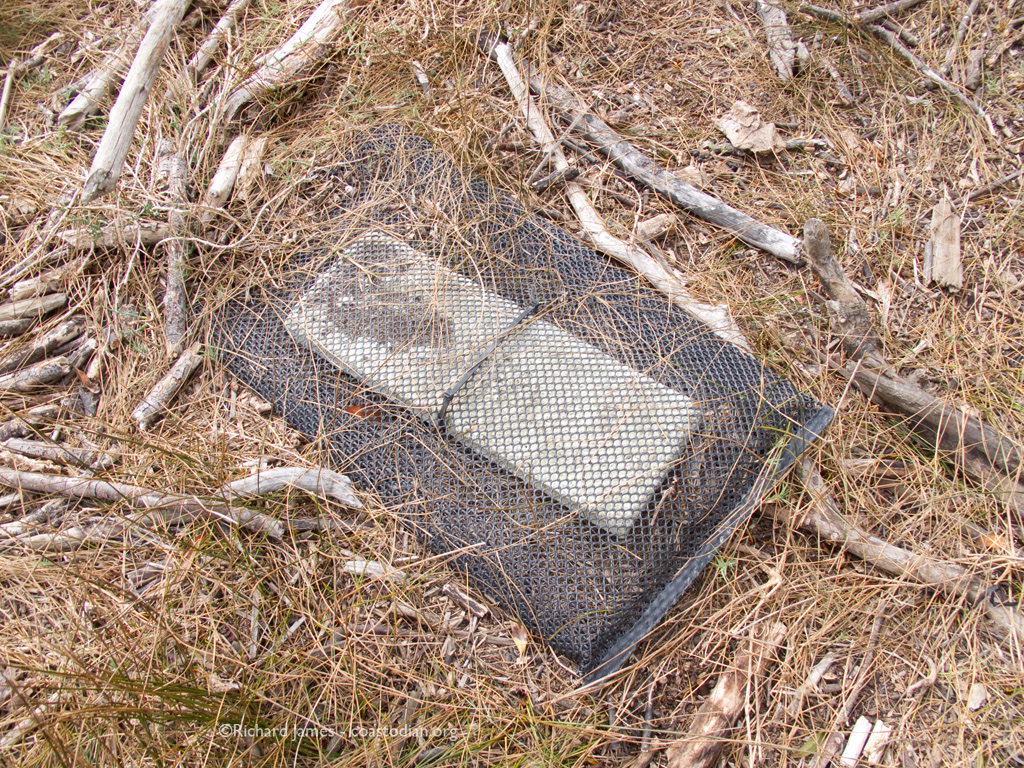
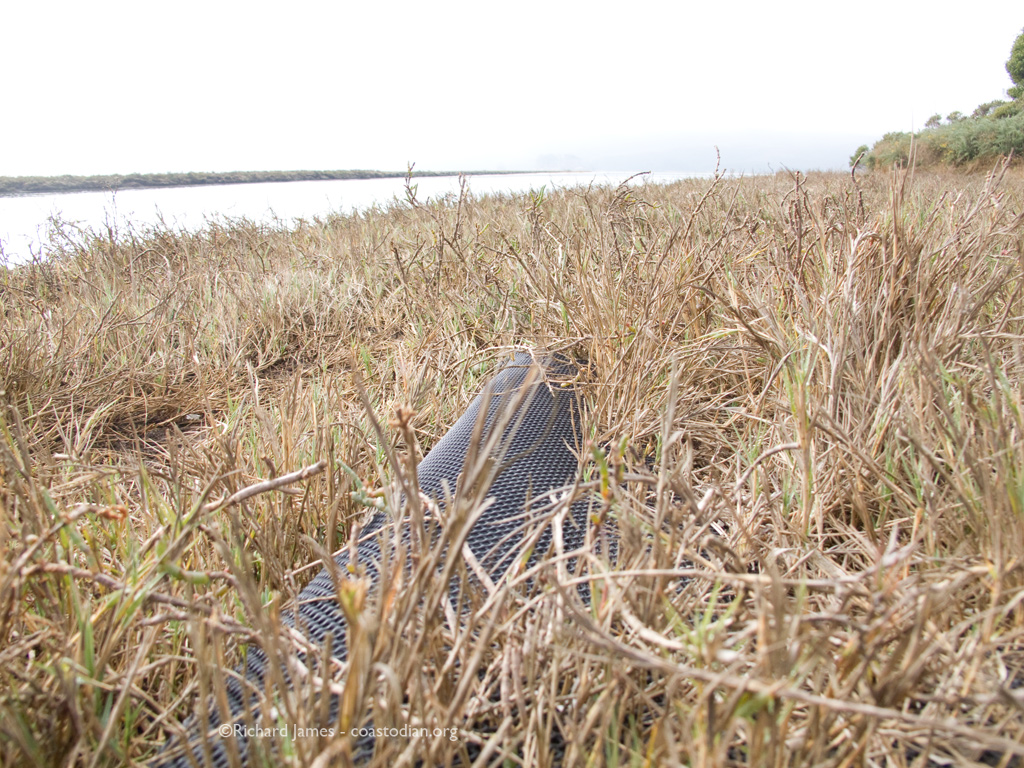
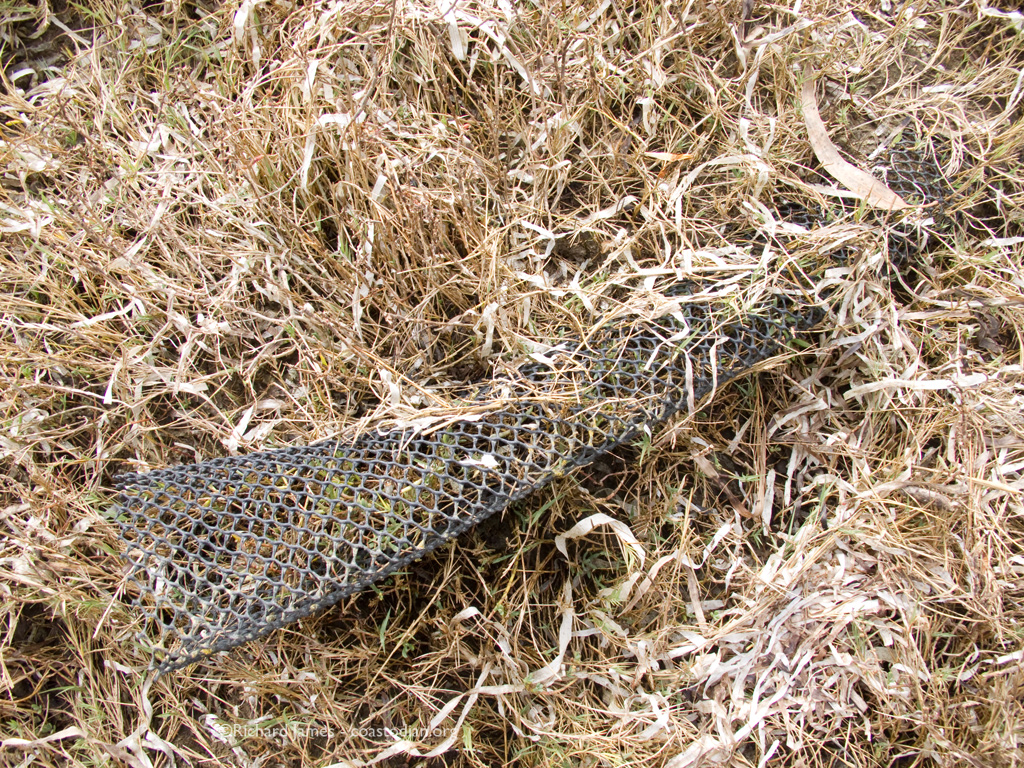
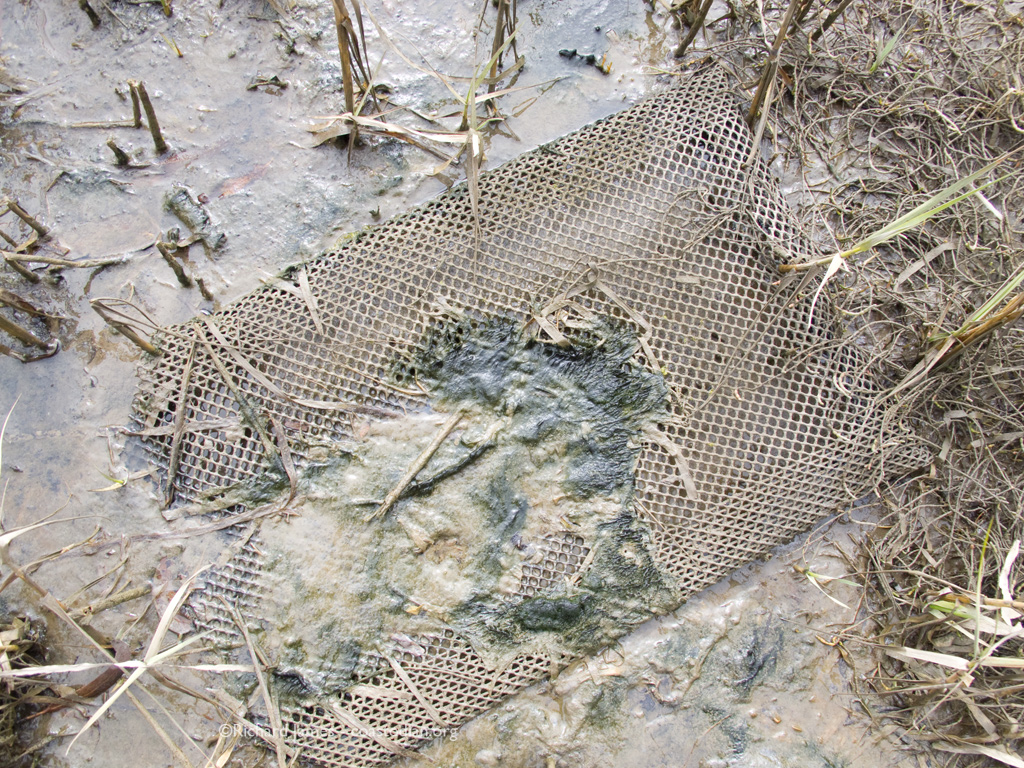
I’ve been boating the waters and walking the shore of Tomales Bay the past few months to see what the impact of oyster farming is on this body of water.

You can see my first post on this topic here.

You can see what I collected over 3 years from the soon to be closed oyster farm on Drakes Estero here.

Until recently I have only visited the area around Tomales Bay Oyster Company in the southern reaches of Tomales Bay.

There was so much debris to collect, it took me a while to get to other areas. And, as I said I would, I finally got up to the Walker Creek area to have a look at how the oyster growers in that area clean up after themselves.

More than one local told me that the folks at Hog Island expended great effort to clean up the mess that is inevitable when one tosses thousands of oyster filled bags into the bay for years at a time. The wind and waves wait for no one. Gear is blown all over the place, some, who knows how much, is sucked out to the open sea for the animals to contend with.

So, after loading my boat and gear onto my car, off I went to the north end of Tomales Bay.

I’ve made three visits to this area, this post will show what I found after visit number two.

This first image is from Google Earth. Each yellow pin shows where I found one or more grow out bags or other oyster debris.
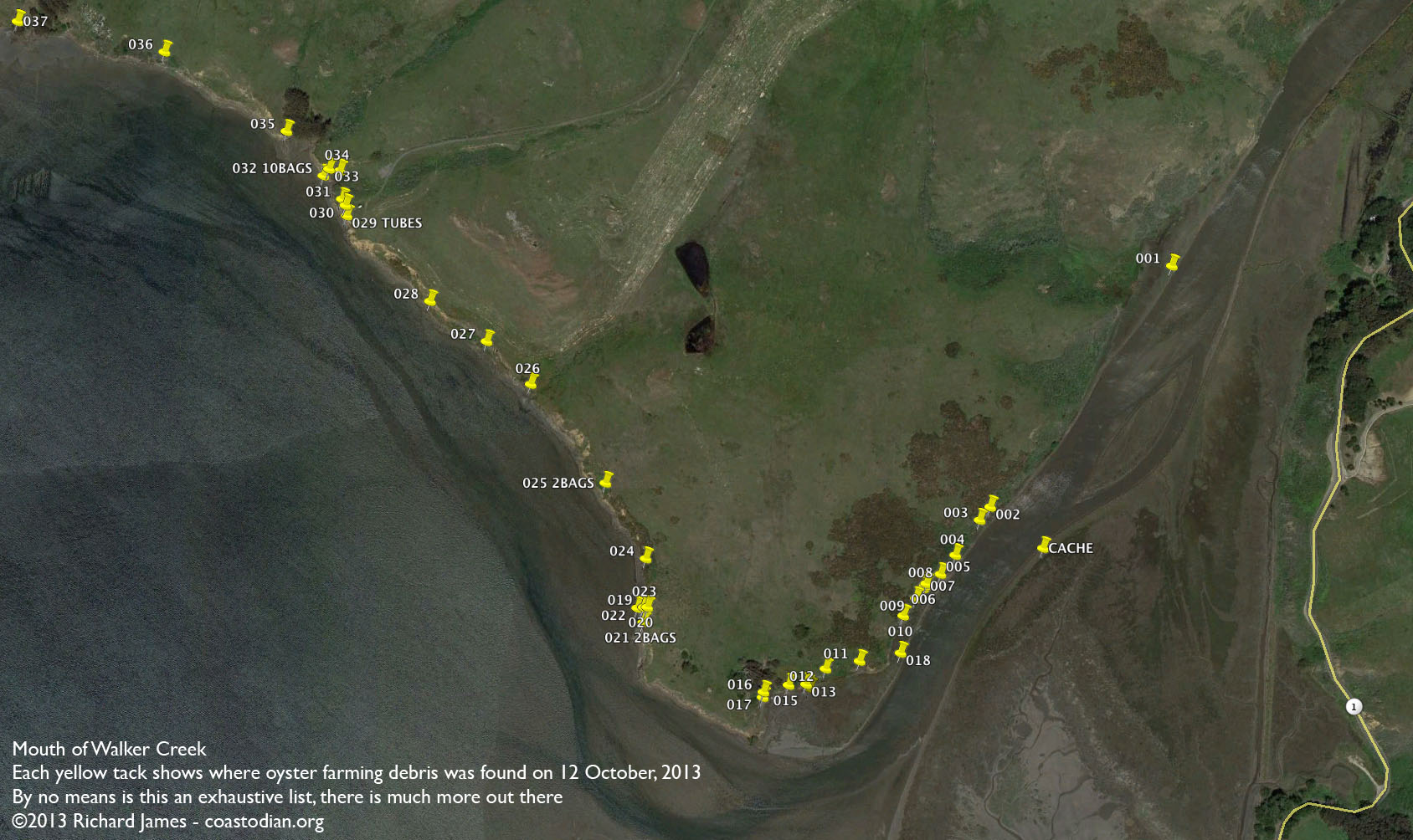
Map of Walker Creek mouth area showing oyster farming debris locations. Click for a larger image.

Map of Walker Creek mouth area showing oyster farming debris locations. Click for a larger image.

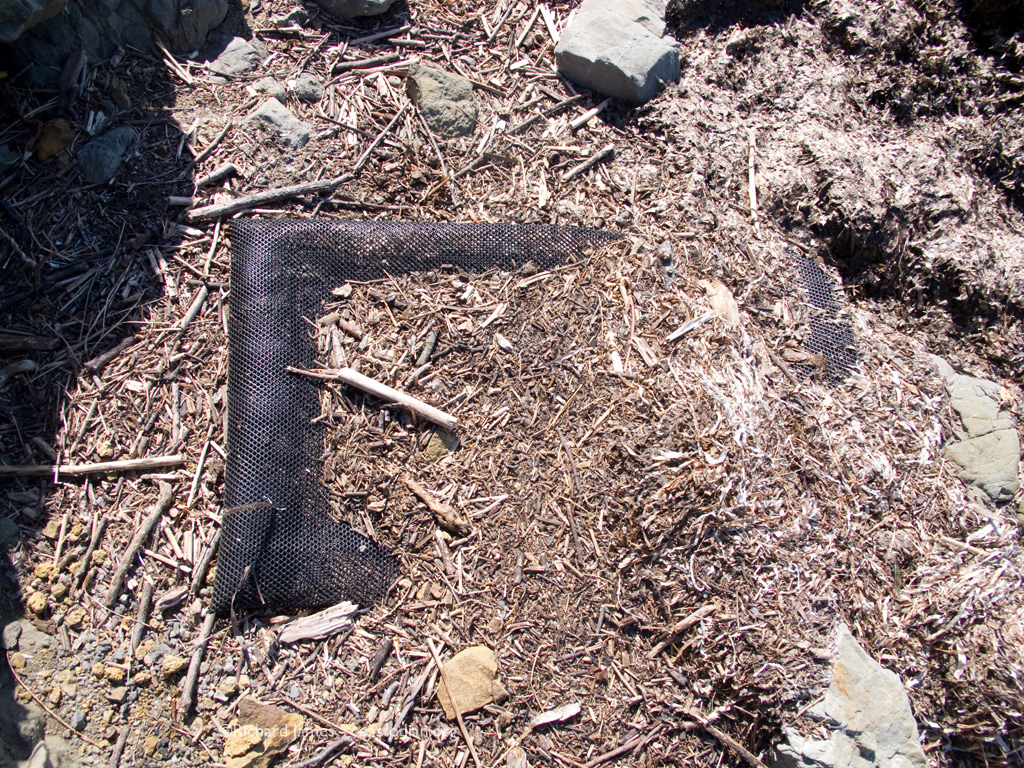
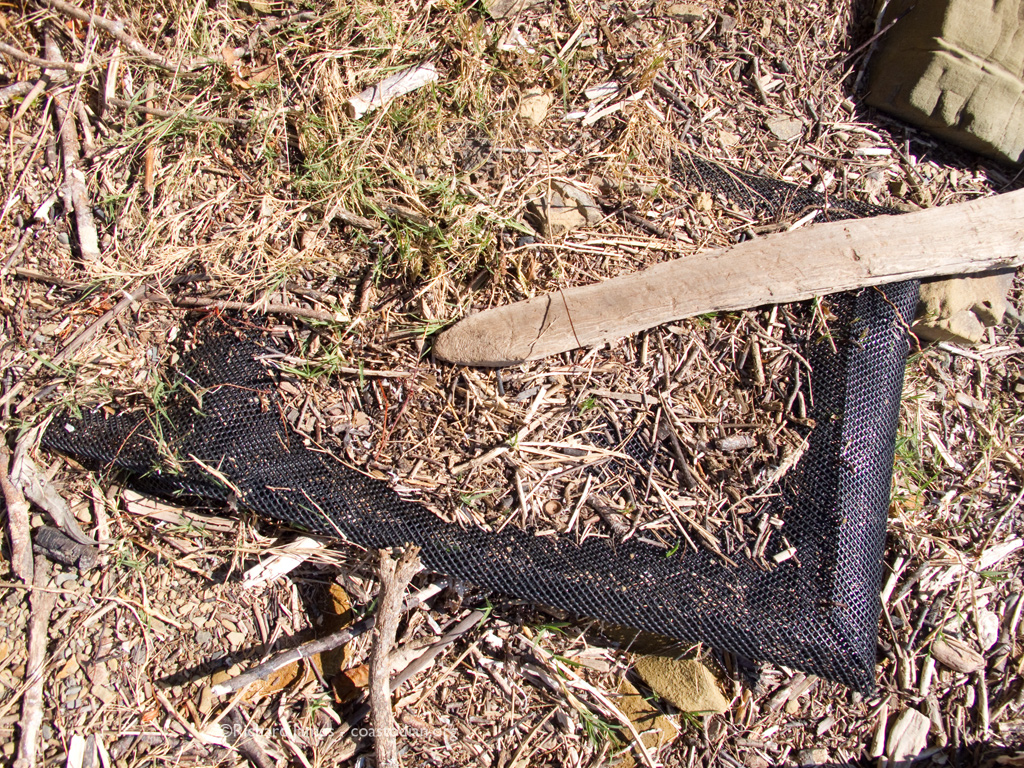
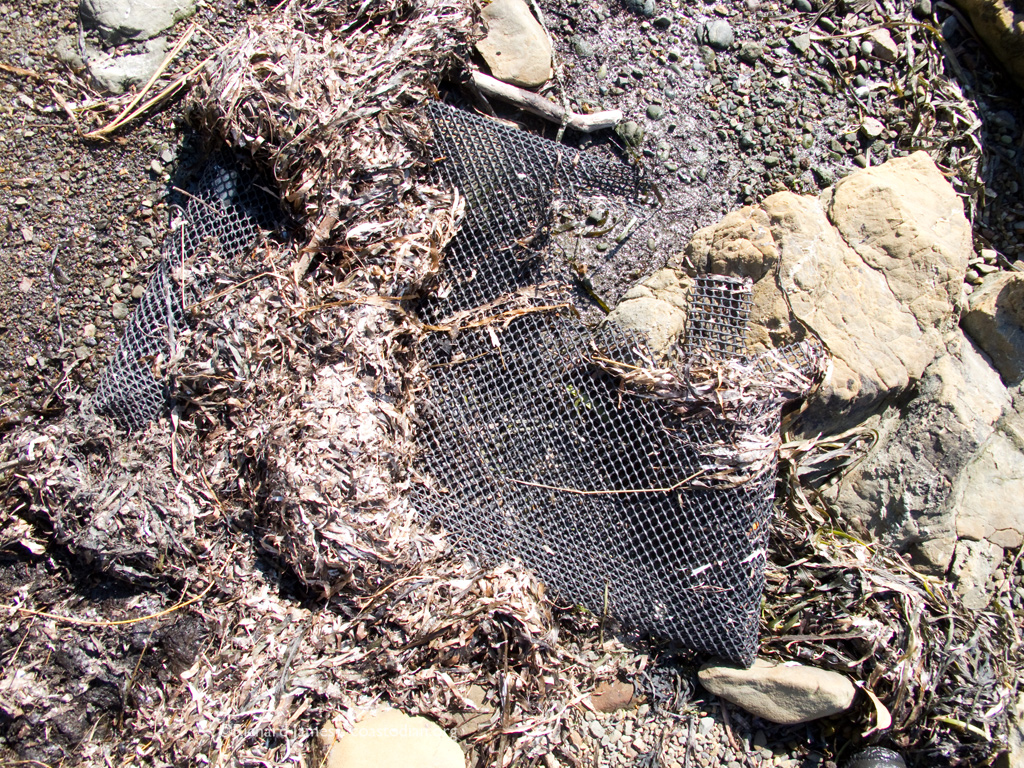
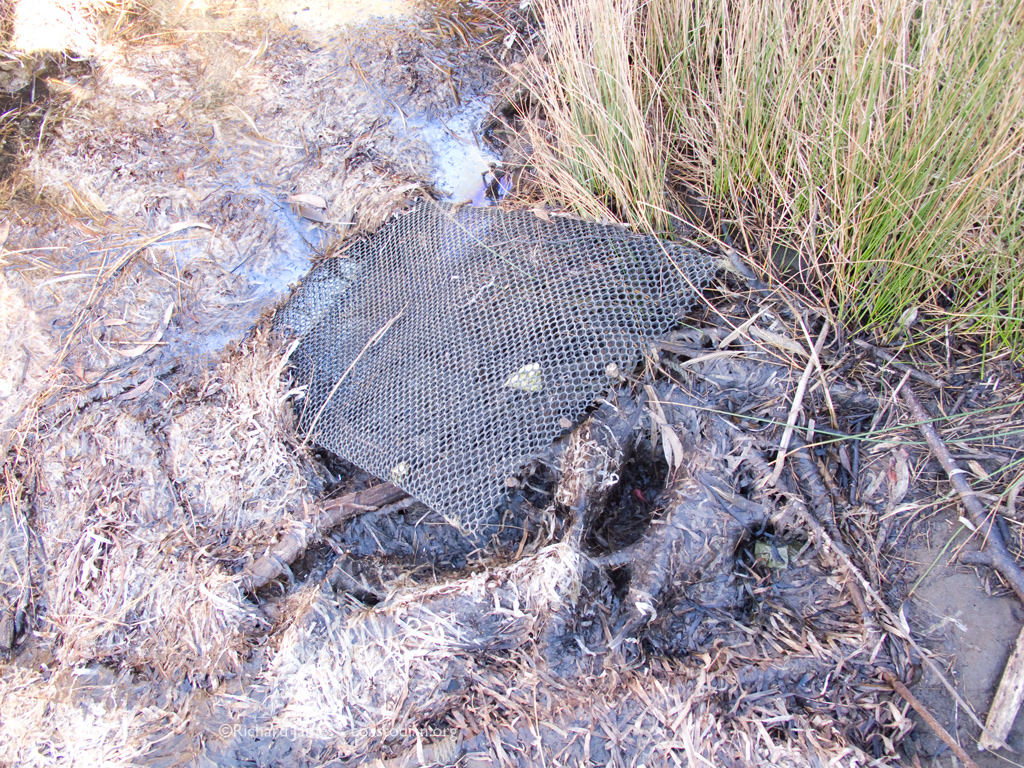
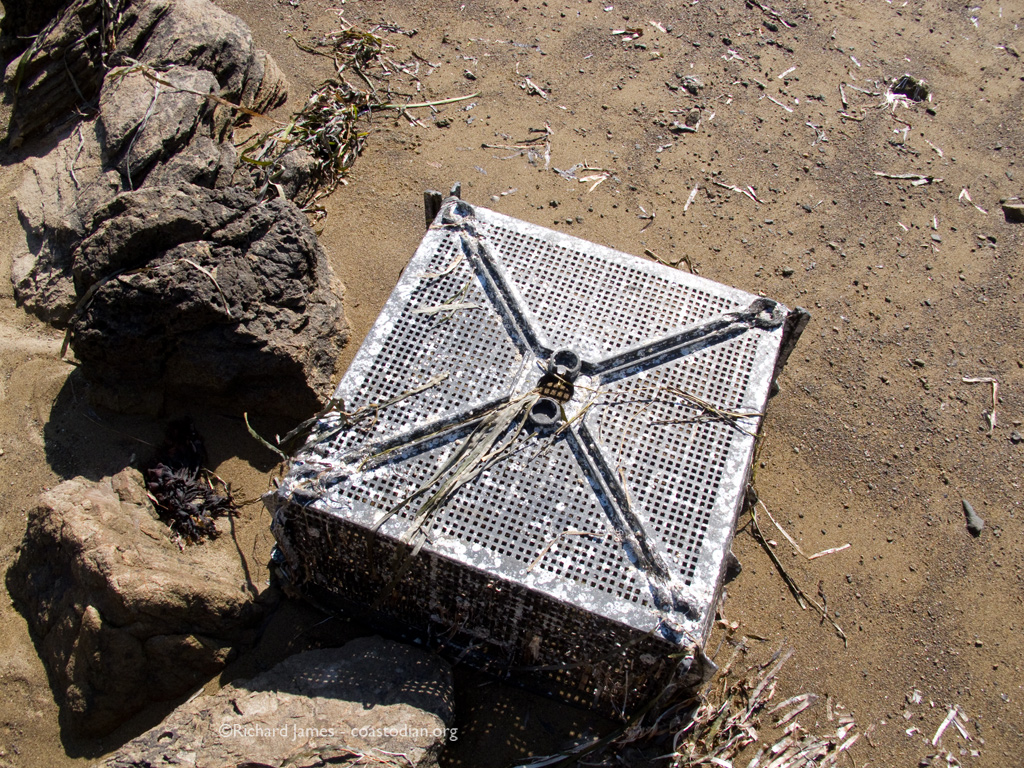
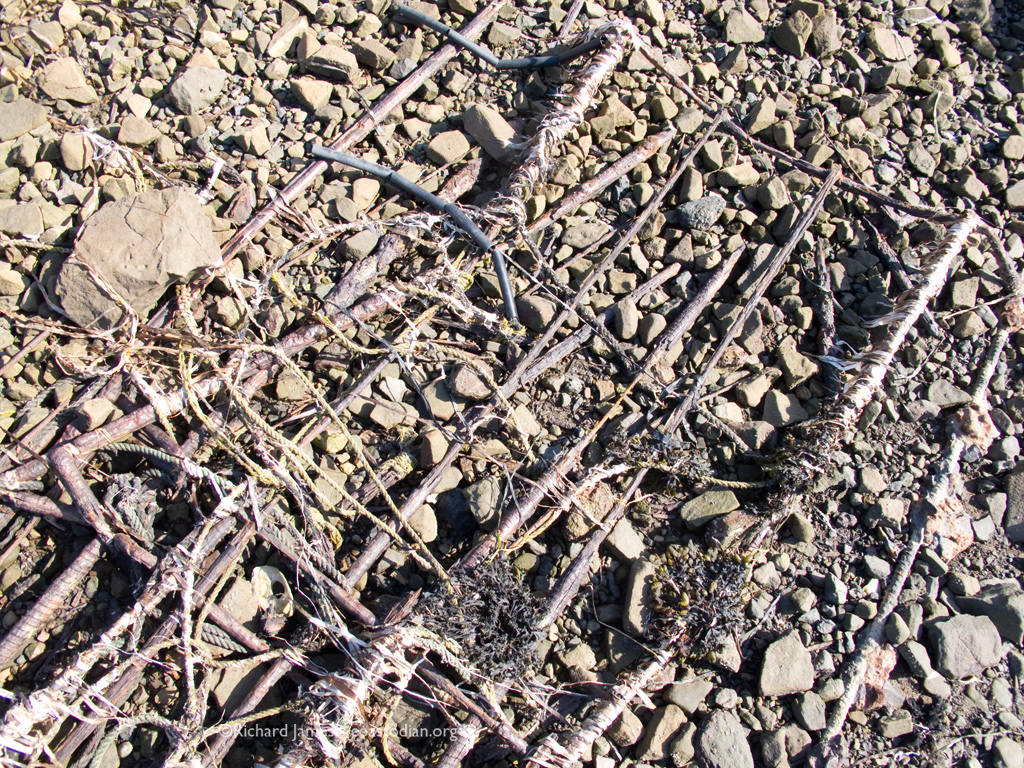
The next 60+ images show what I found at each yellow pinned location.

Tired of making many, many trips with my tiny boat to haul this garbage from others back to my car. Even more tired of destroying my car by hauling all of this trash belonging to those making a profit from public lands in my car, I had an idea. I was going to pile this trash where anyone driving by on route 1 could see it.

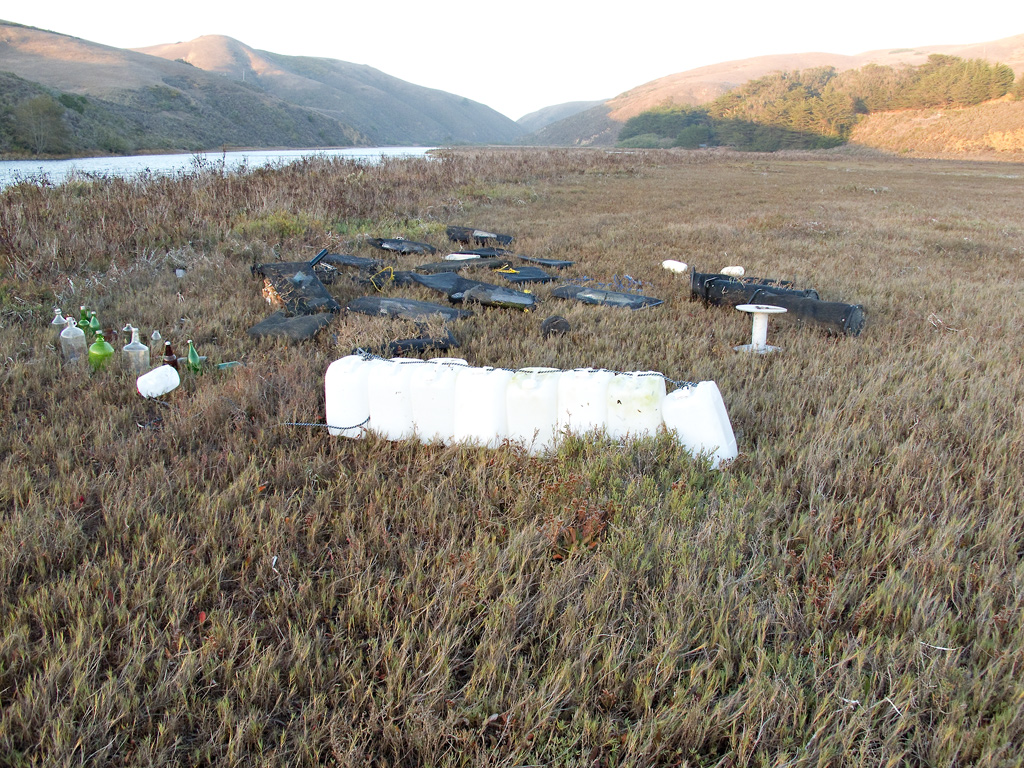
The last few images of this post will show the beginning of the monument to oyster profits for a few over a clean environment for all.

A future post will go into more details on this monument, and how it was received.

As you peruse these images, ask yourself if what I was told by a long time Hog Island worker and a parent of a Hog Island worker is true. That is, we take better care of the environment than do our colleagues to the south of us.

Did you see the monument to oyster profits for a few over a clean environment for all as you drove by? Please send me a note, or picture you made.

As always, click on an image to see a larger version.

RJames.IMG_0723

This first pile is what I collected as I drifted down Walker Creek. I hauled it up to the side of route 1 for collection later, where I found the following…

RJames.IMG_0724

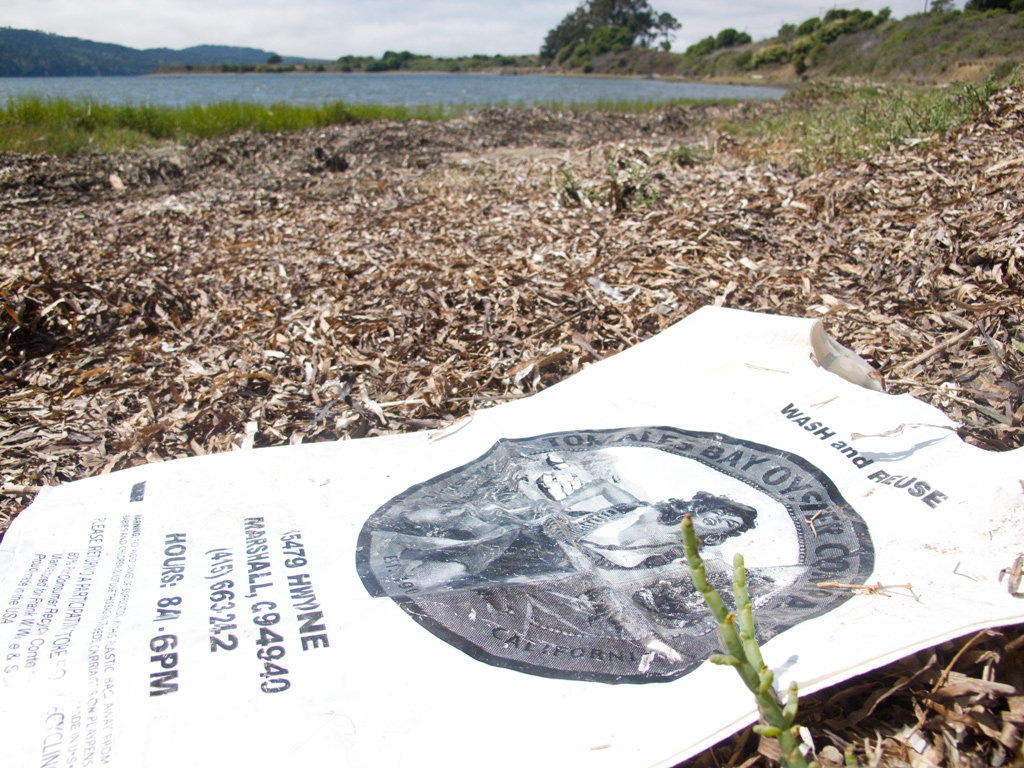
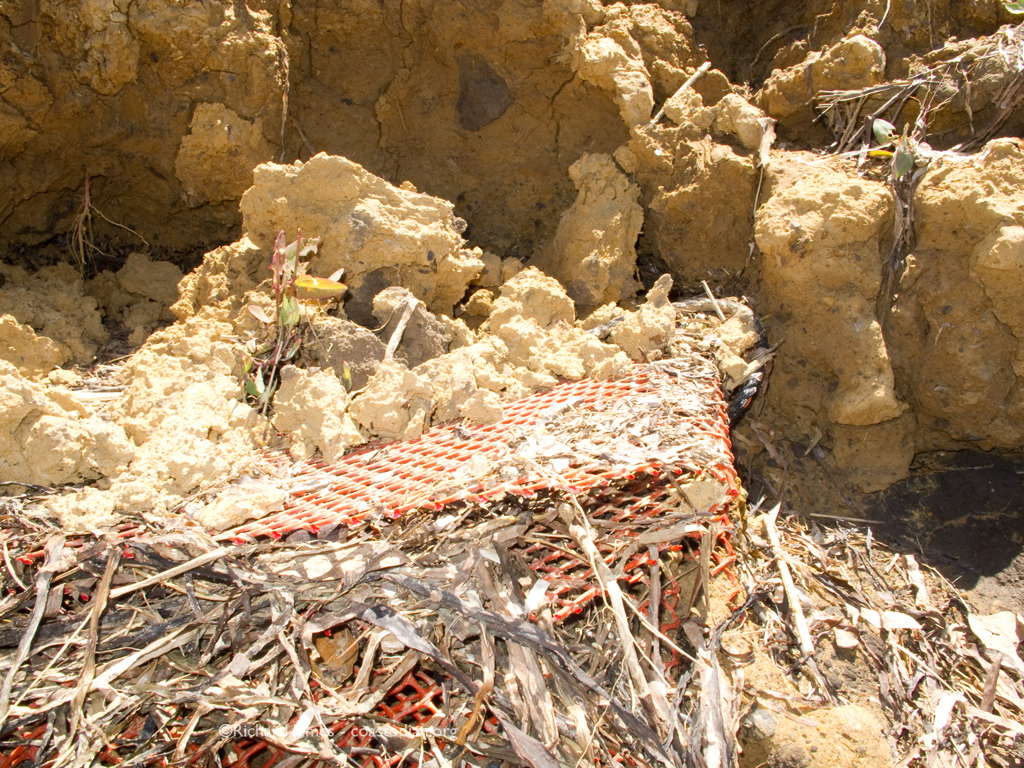
Someone decided that the right thing to do with this artwork and materials was to toss it over the side of the road. Does anyone recognize that painted fabric?

RJames.IMG_0729

RJames.IMG_0728

RJames.IMG_0727

RJames.IMG_0726

RJames.IMG_0730

RJames.IMG_0745

RJames.IMG_0744

RJames.IMG_0743

RJames.IMG_0742

RJames.IMG_0741

RJames.IMG_0740

RJames.IMG_0739

RJames.IMG_0738

RJames.IMG_0736

RJames.IMG_0735

RJames.IMG_0734

RJames.IMG_0733

RJames.IMG_0732

RJames.IMG_0731

RJames.IMG_0746

RJames.IMG_0747

RJames.IMG_0748

RJames.IMG_0750

RJames.IMG_0751

RJames.IMG_0752

RJames.IMG_0753

RJames.IMG_0754

RJames.IMG_0755

RJames.IMG_0756

RJames.IMG_0757

RJames.IMG_0759.1

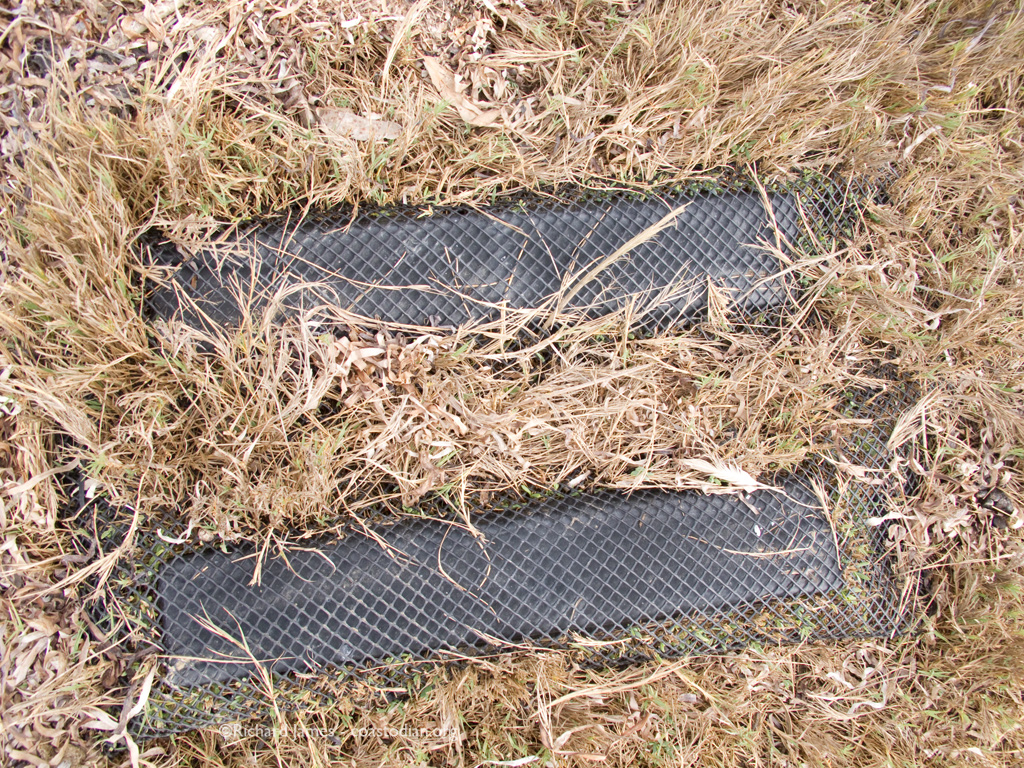
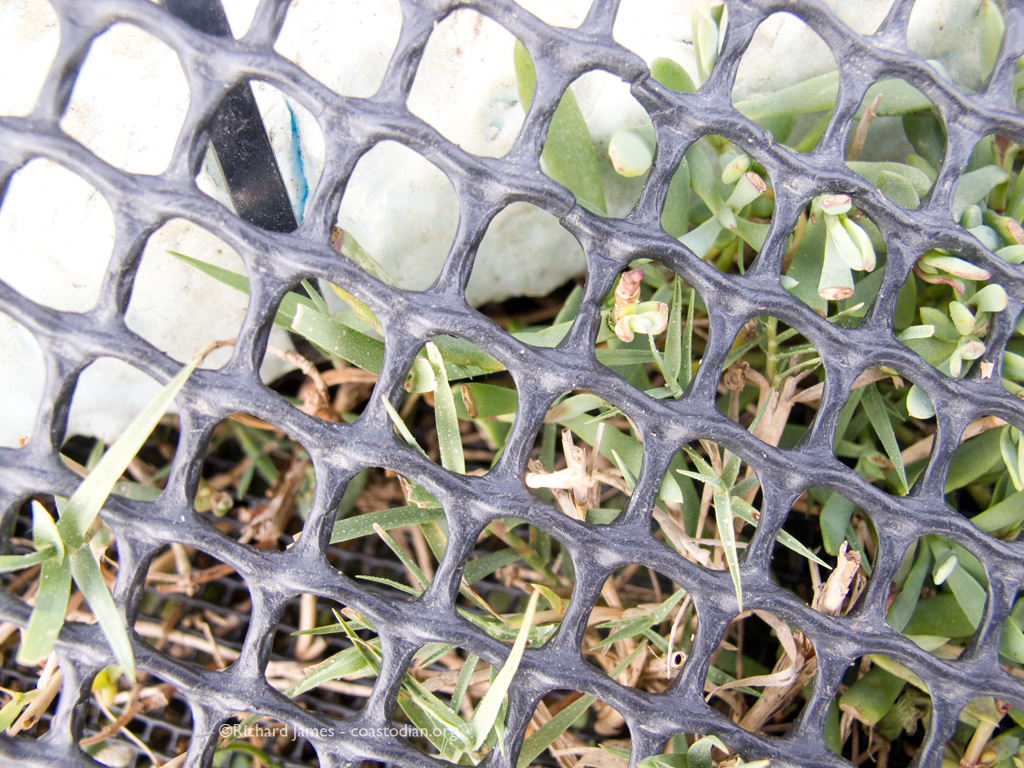
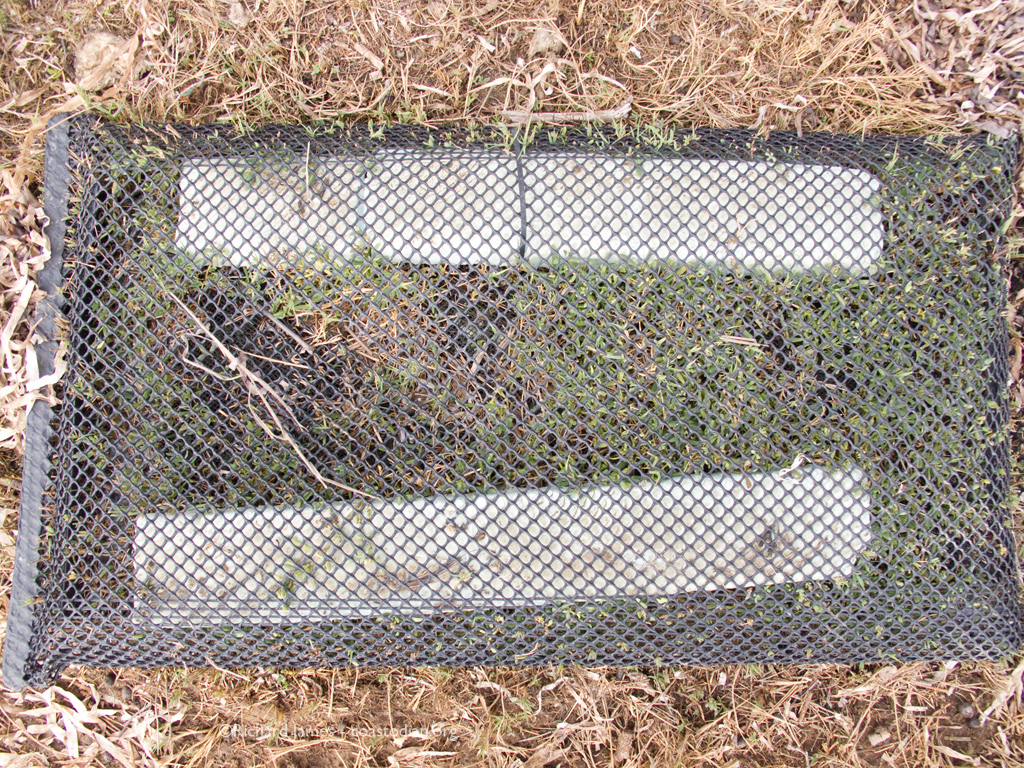
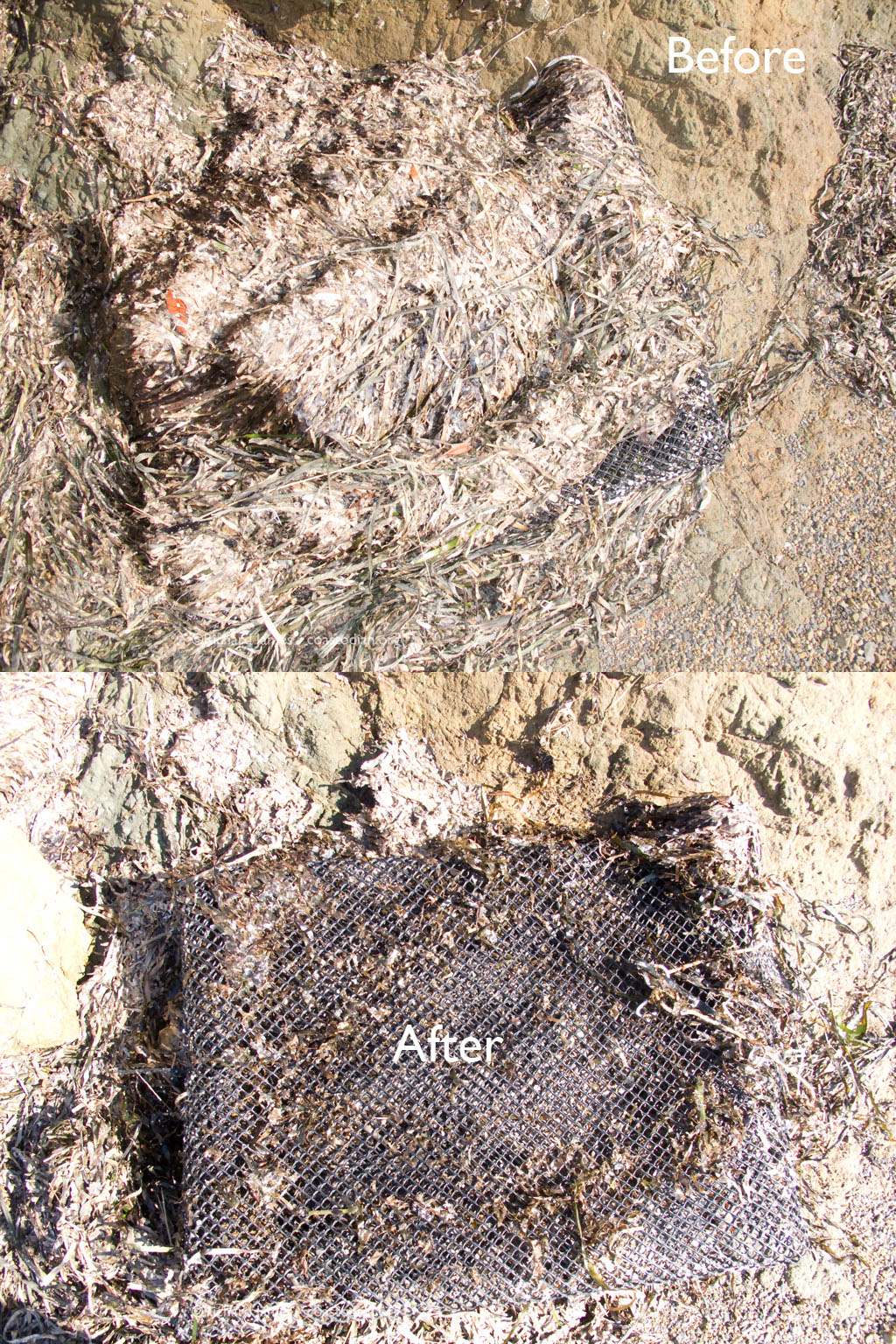
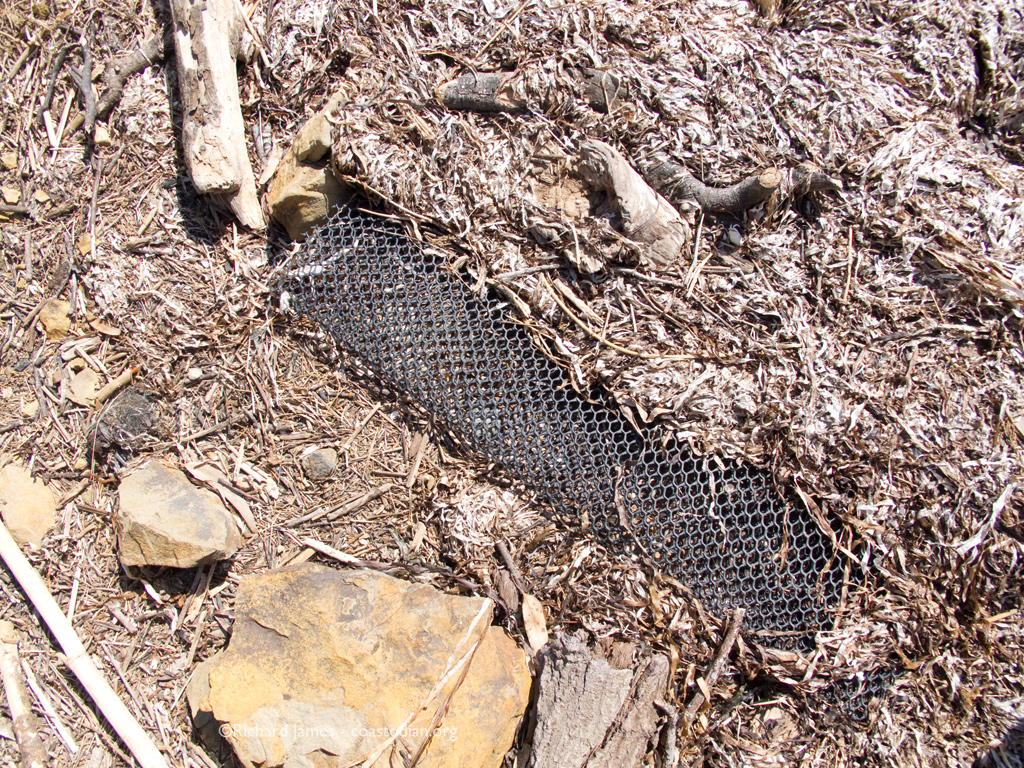
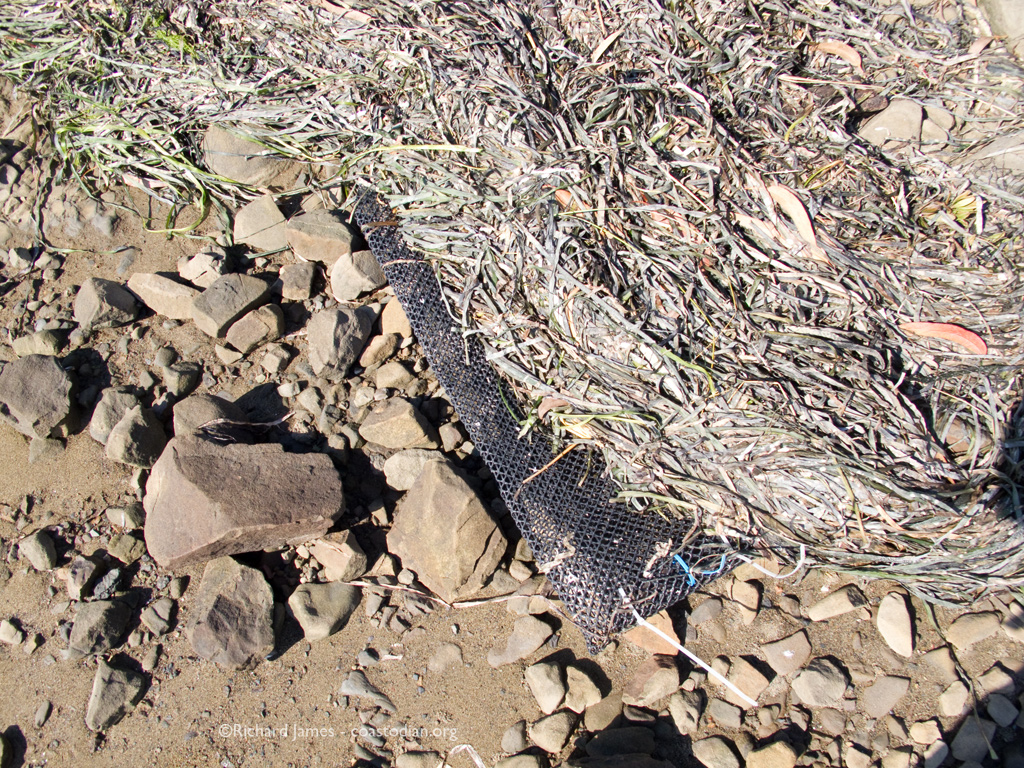
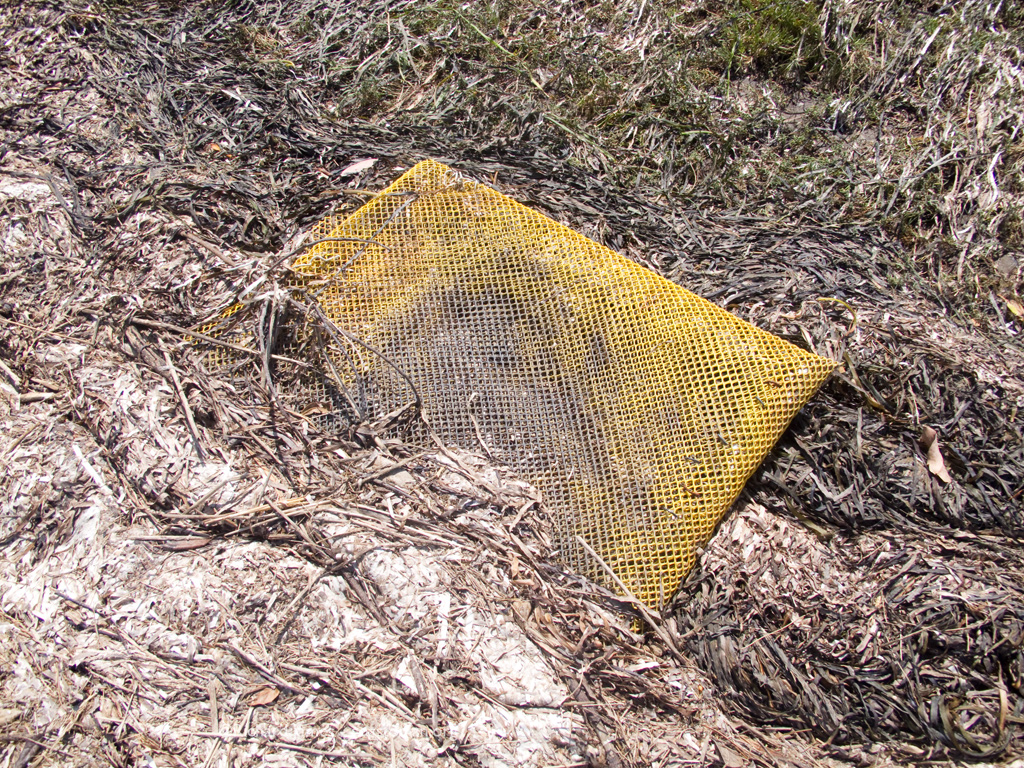
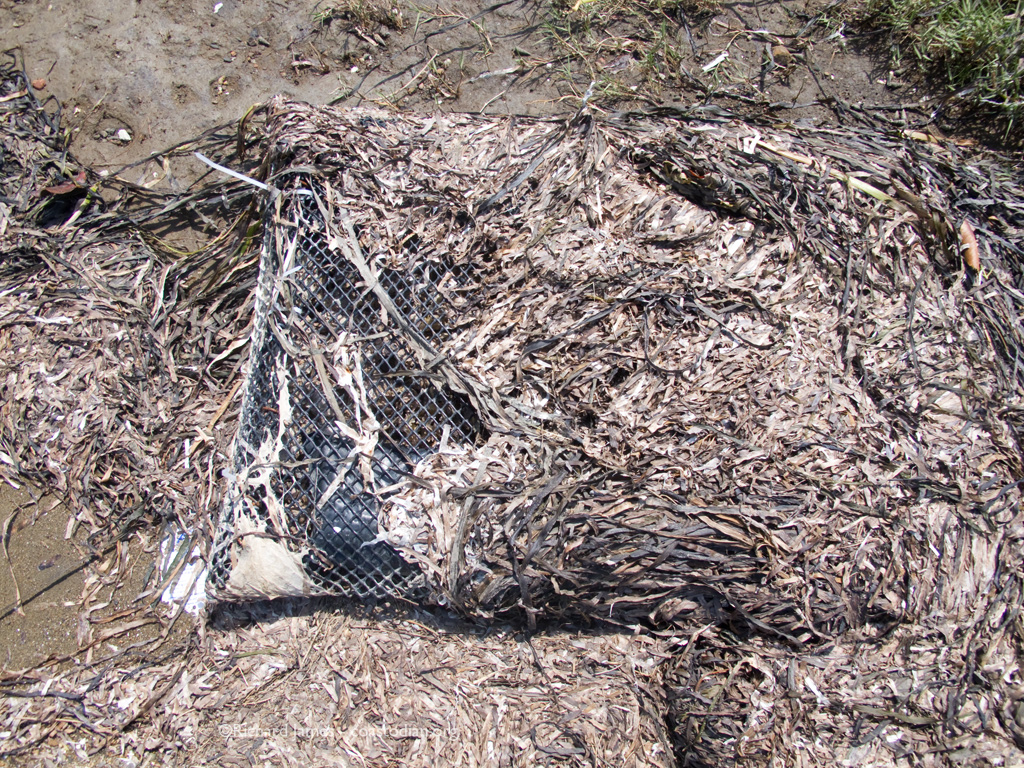
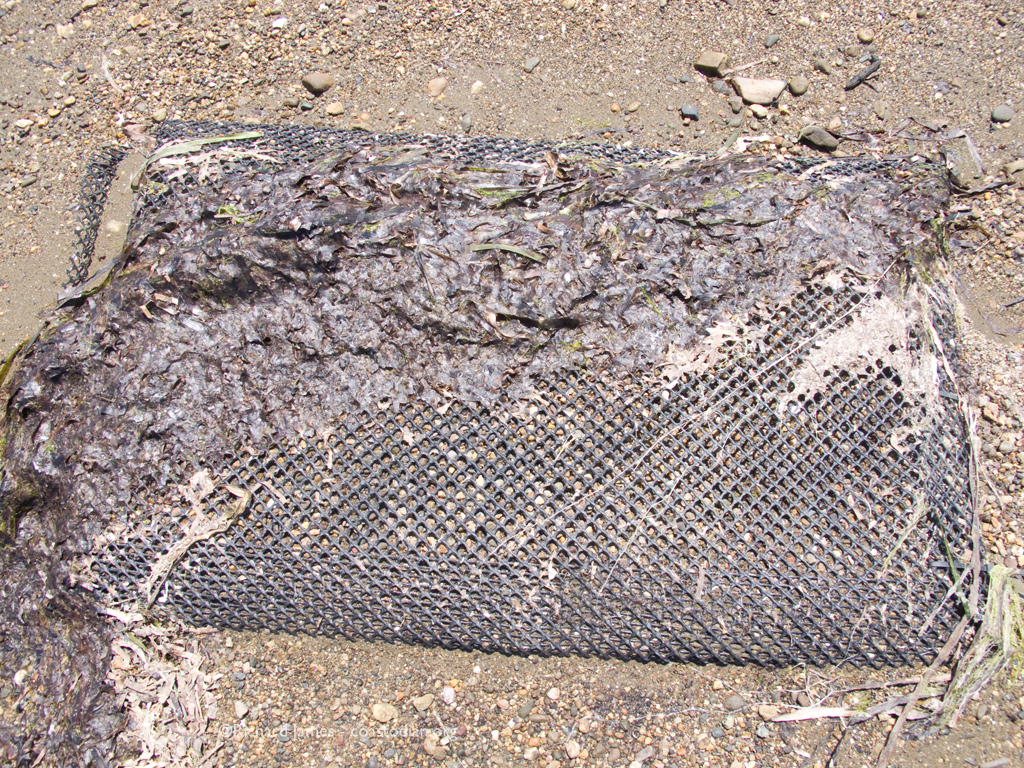
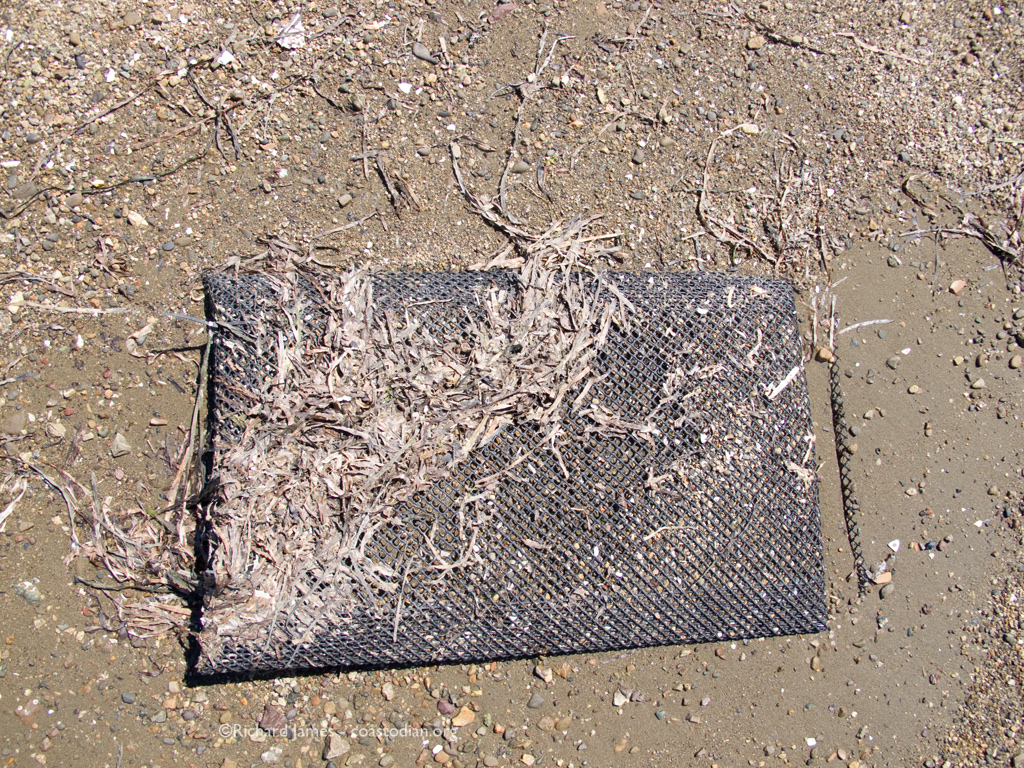
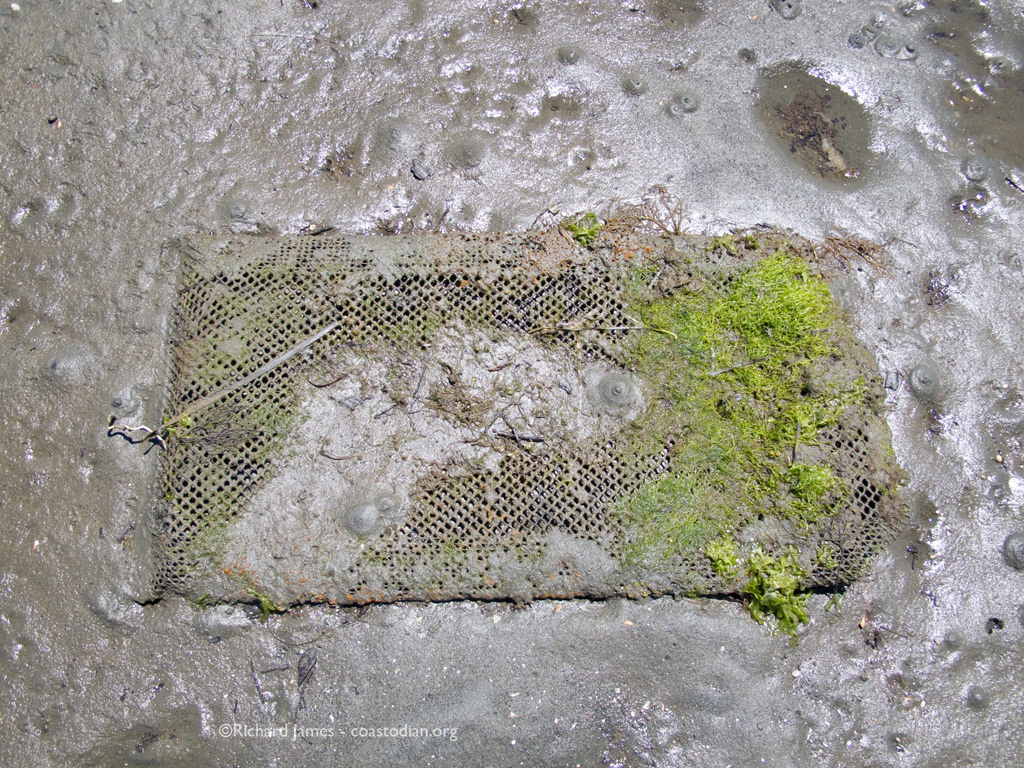
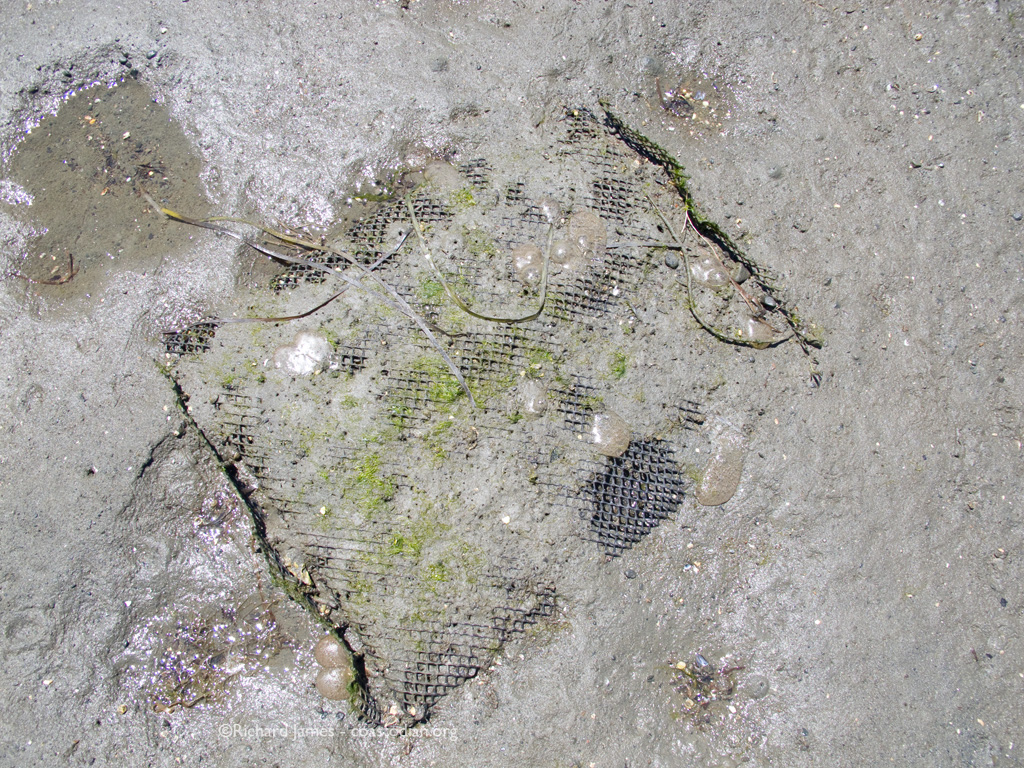
Above is what it looks like as I found it. After flipping it over to remove the eel grass camouflage is seen below.

RJames.IMG_0760

RJames.IMG_0762.1

Above is what it looks like as I found it. After flipping it over to remove the eel grass camouflage is seen below.

RJames.IMG_0763

RJames.IMG_0764

A short video showing a high density of oyster grow out bags abandoned on the shore of Tomales Bay.


Historic-Oyster-Trash

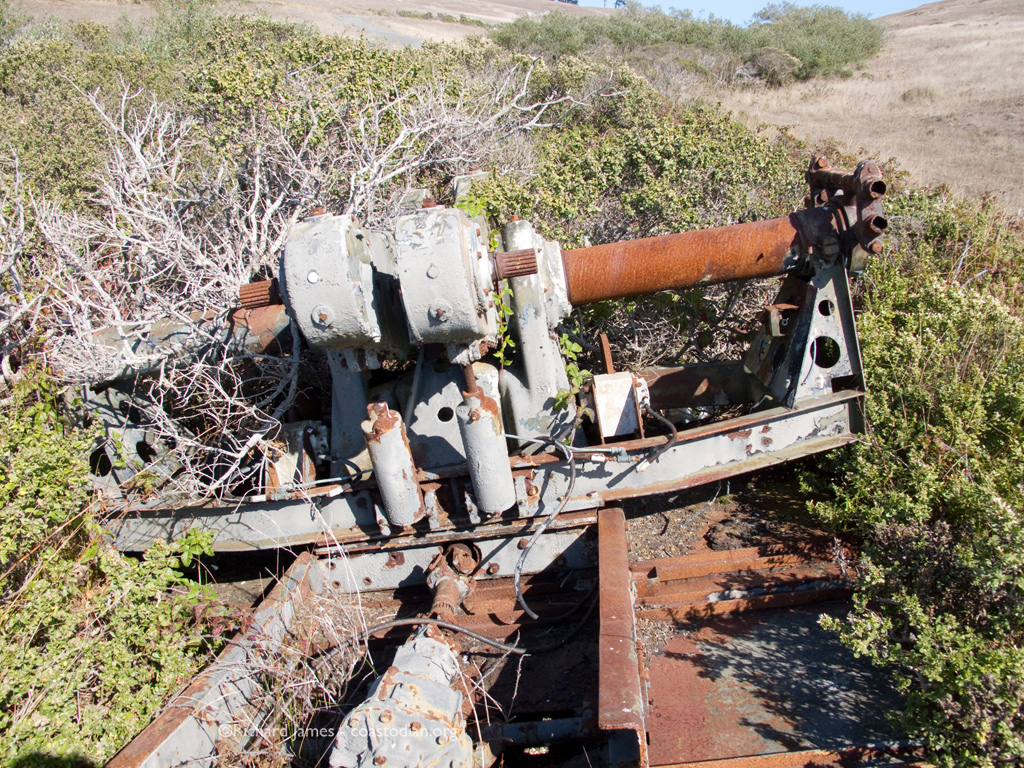
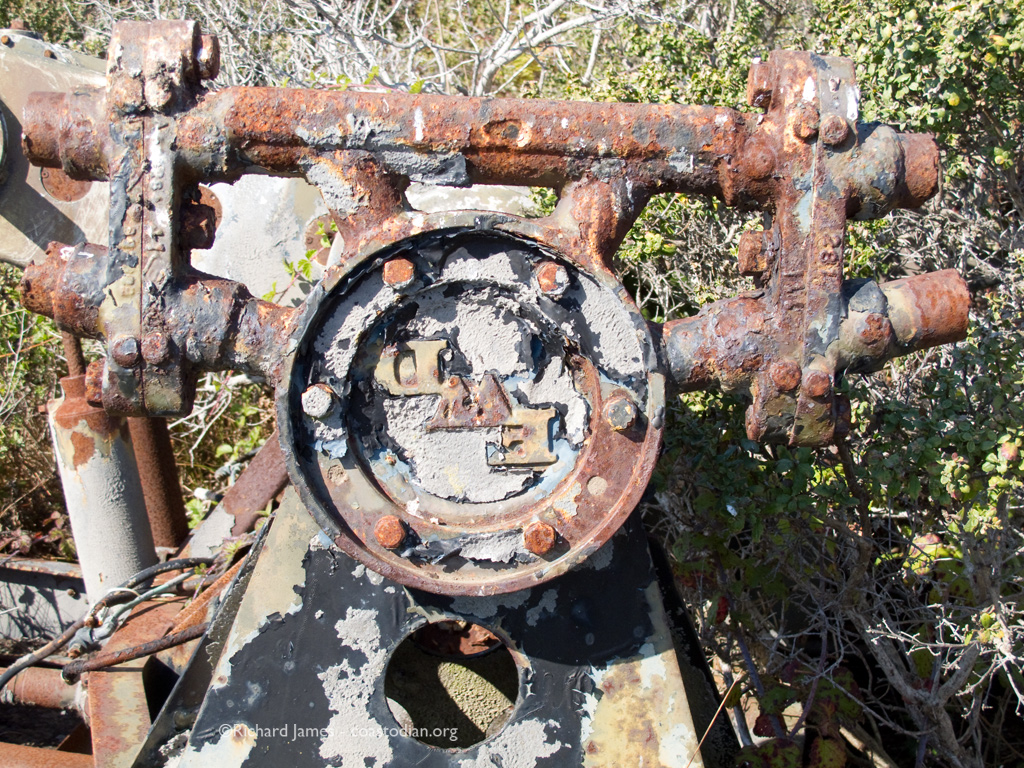
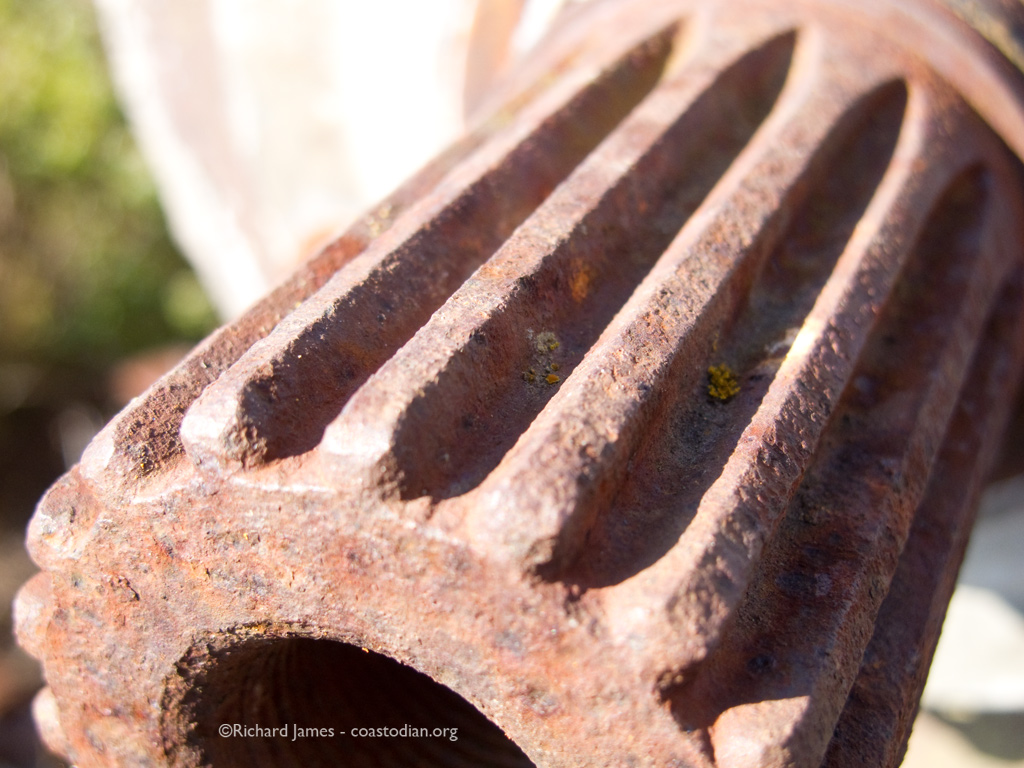
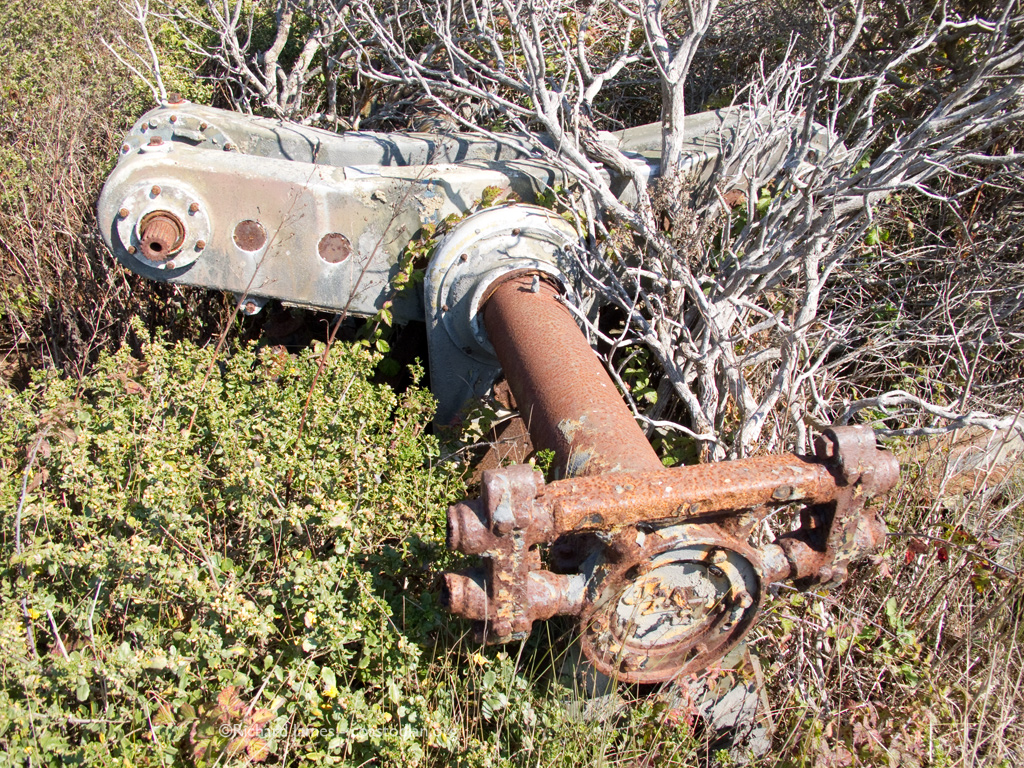
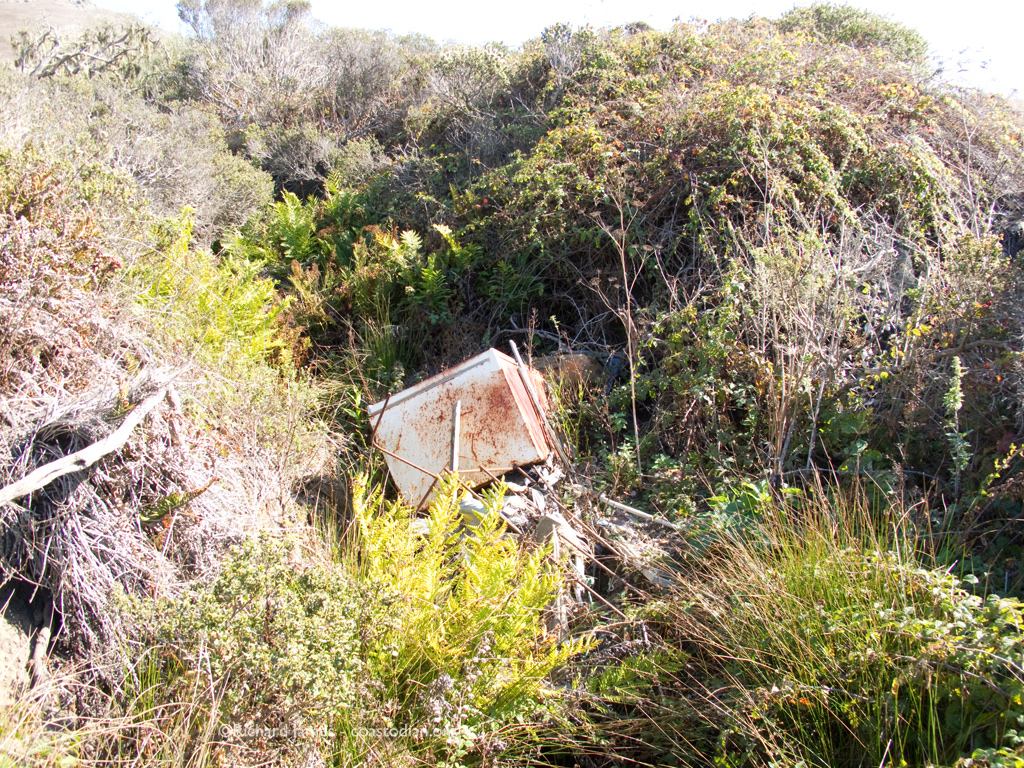
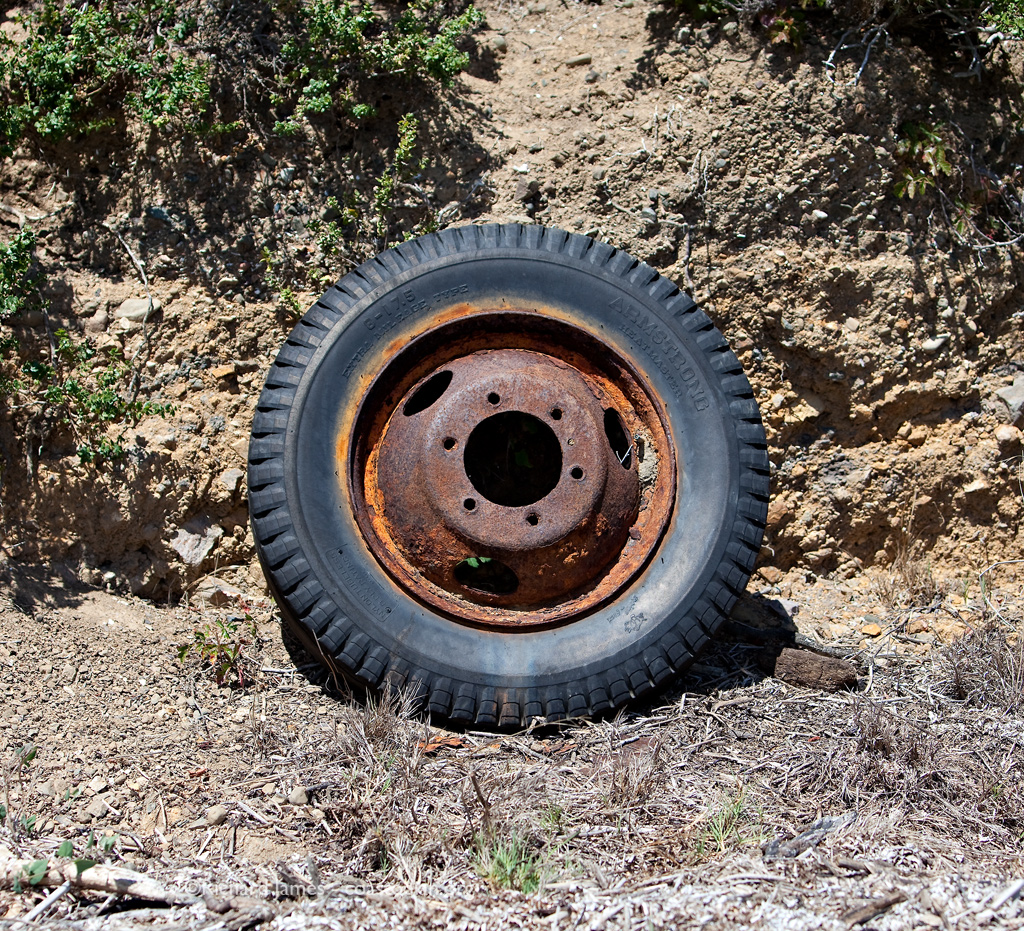
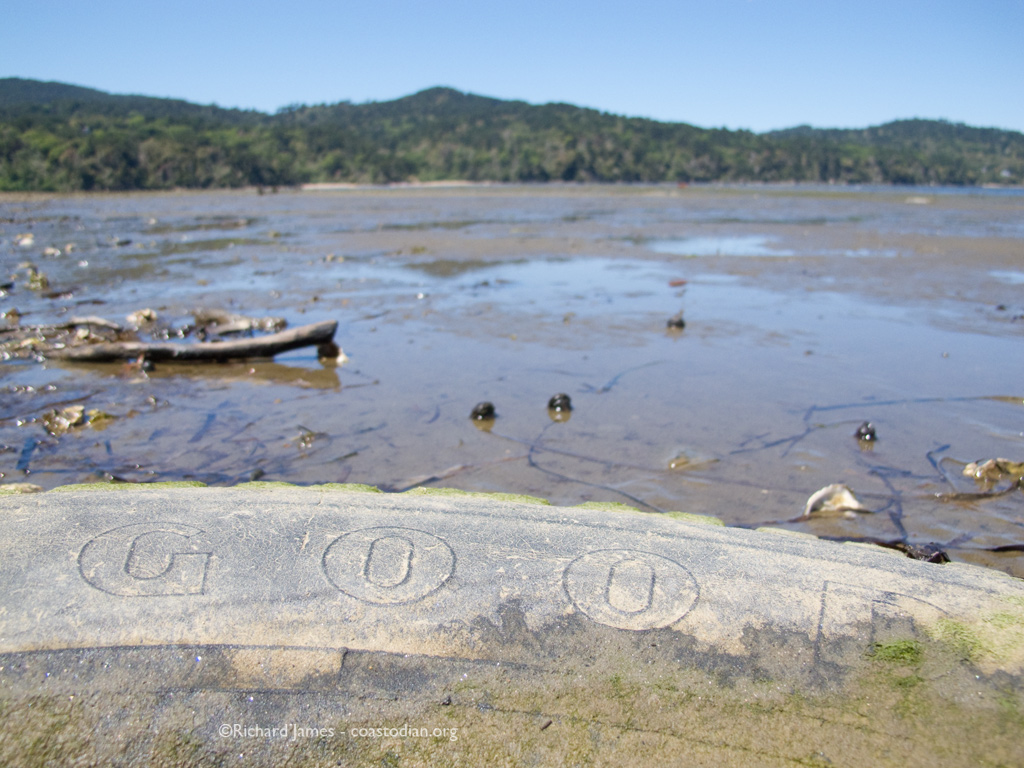
The next few images of heavy machinery are, I was told by a long-time West Marin resident, from oyster farming operations of long-ago.

Leaving a mess seems to run in the DNA of oyster farmers.

RJames.IMG_0770

RJames.IMG_0779

RJames.IMG_0781

RJames.IMG_0784

RJames.IMG_0787

RJames.IMG_0789

RJames.IMG_0790

RJames.IMG_0791

RJames.IMG_0792

RJames.IMG_0793

RJames.IMG_0794

RJames.IMG_0795

RJames.IMG_0796

RJames.IMG_0802.cc

My boat loaded down with as much as I dare take on such a windy day as this one was.

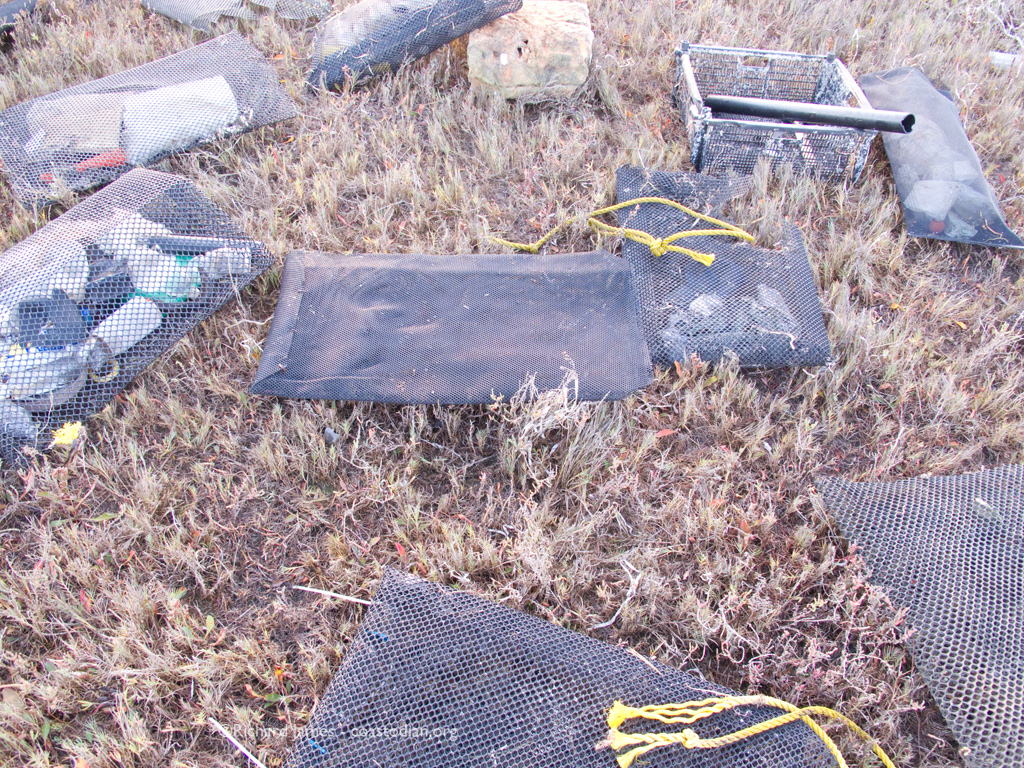
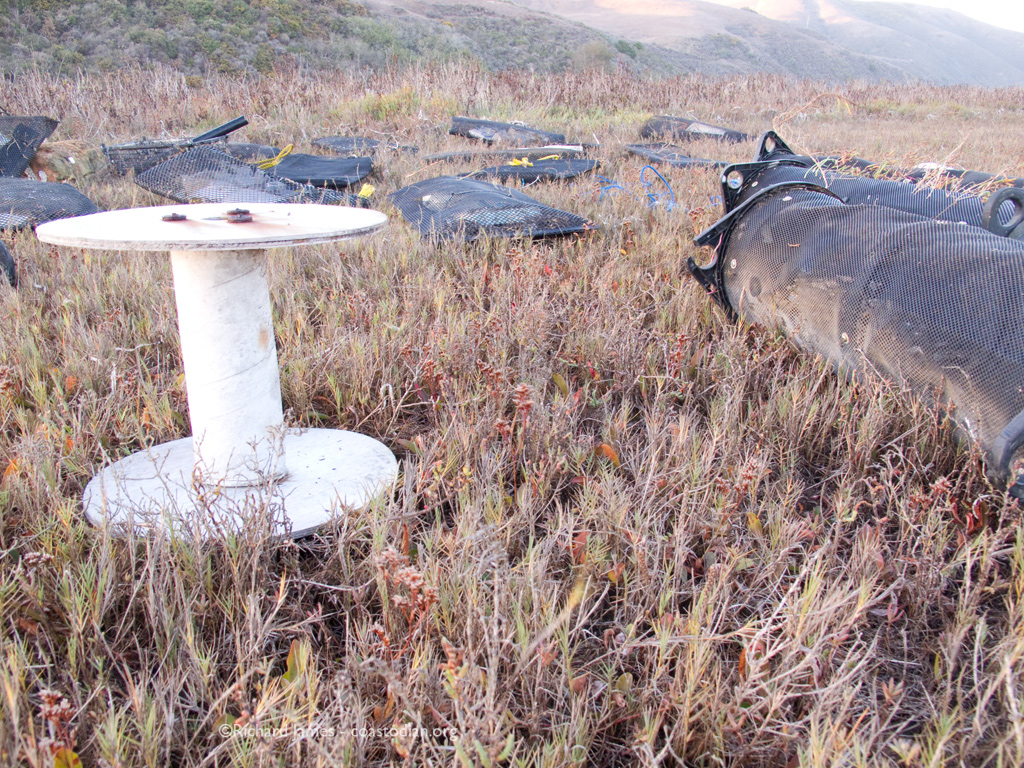
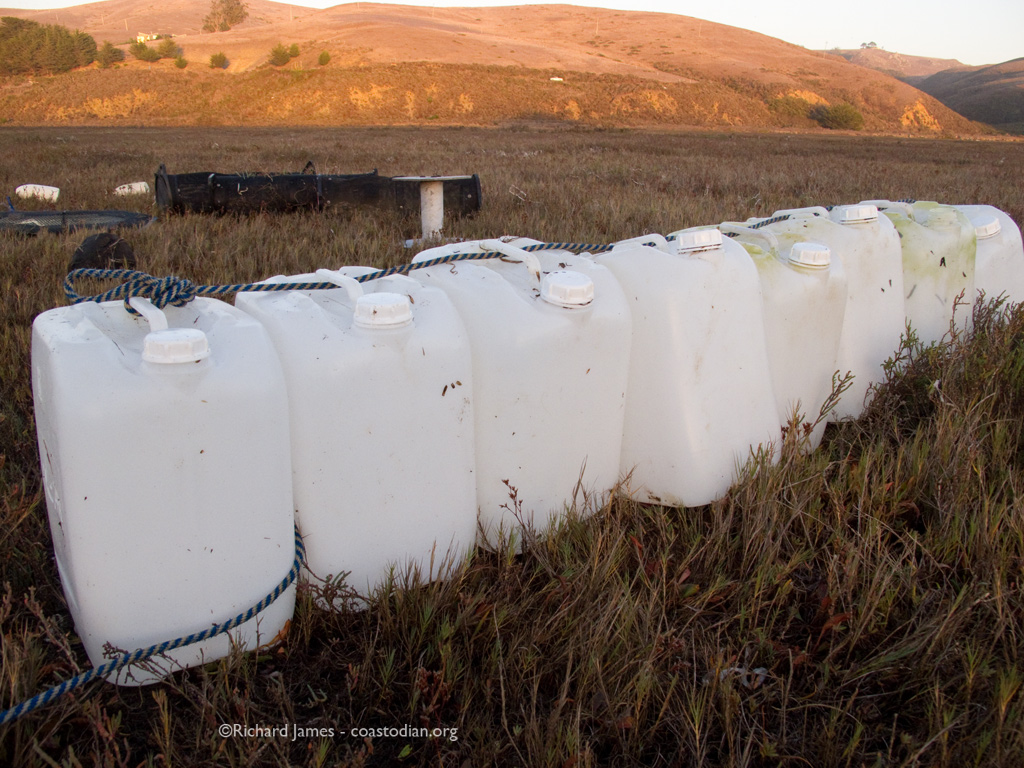
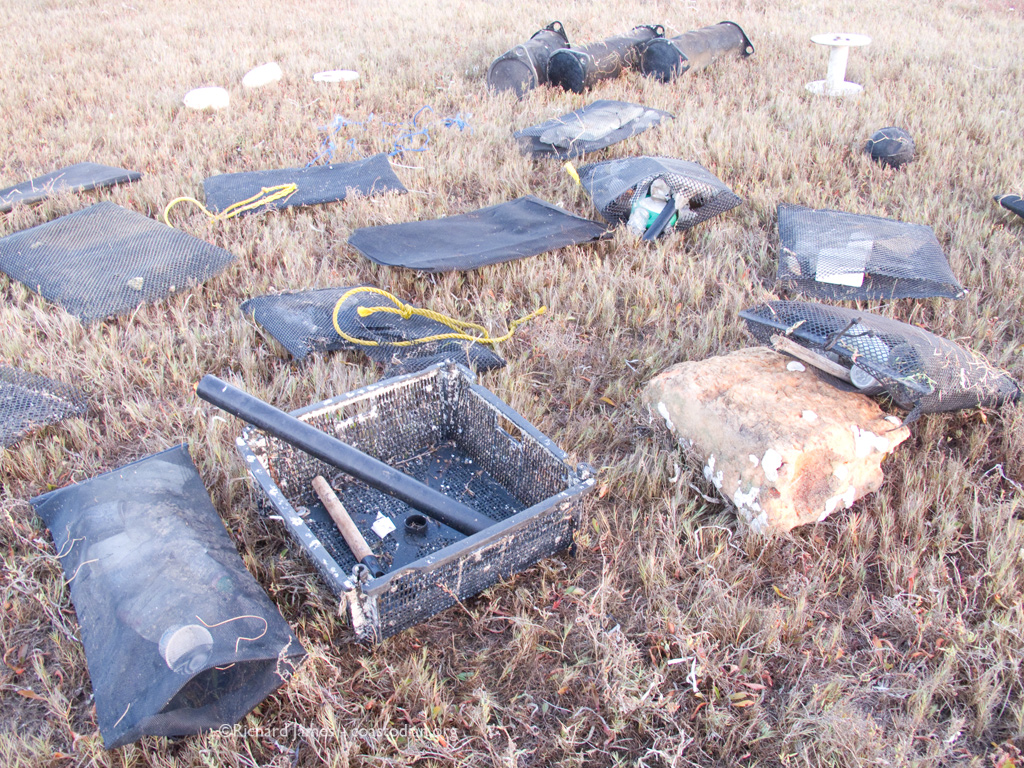
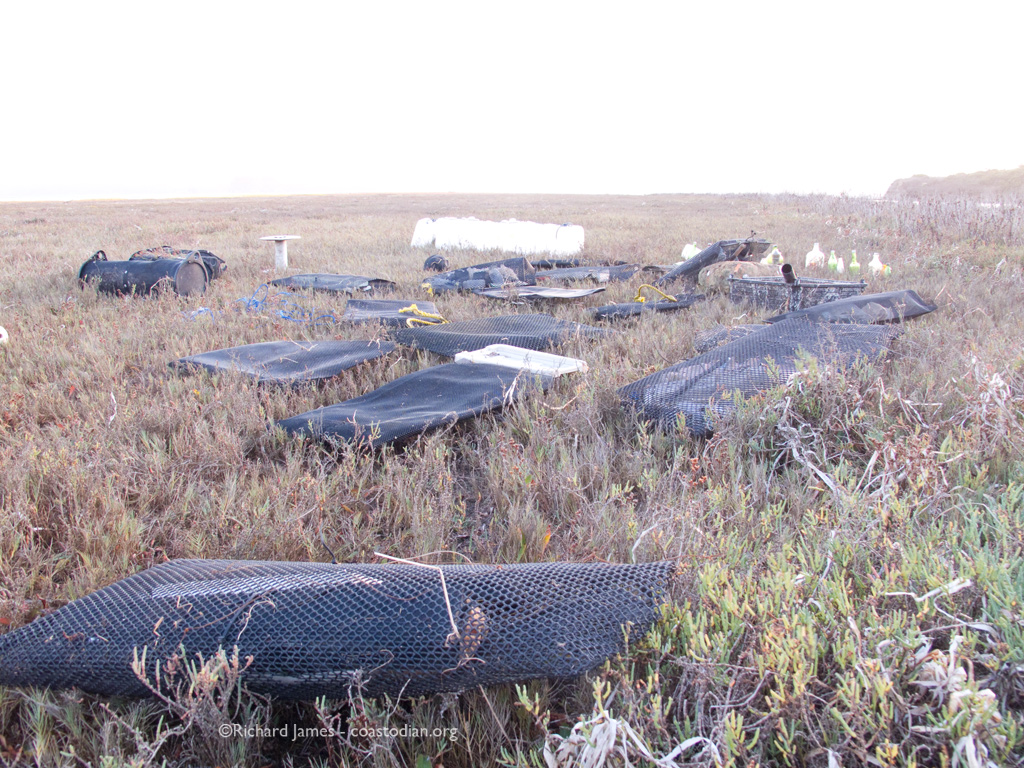
The following images are of the debris where I hauled it to make the monument to oyster profits for a few over a clean environment for all.
RJames.IMG_0803

RJames.IMG_0804

RJames.IMG_0805

RJames.IMG_0806

RJames.IMG_0807

RJames.IMG_0808

RJames.IMG_0809

RJames.IMG_0811

RJames.IMG_0812.cc

RJames.IMG_0813

RJames.IMG_0814

RJames.IMG_5384.cc

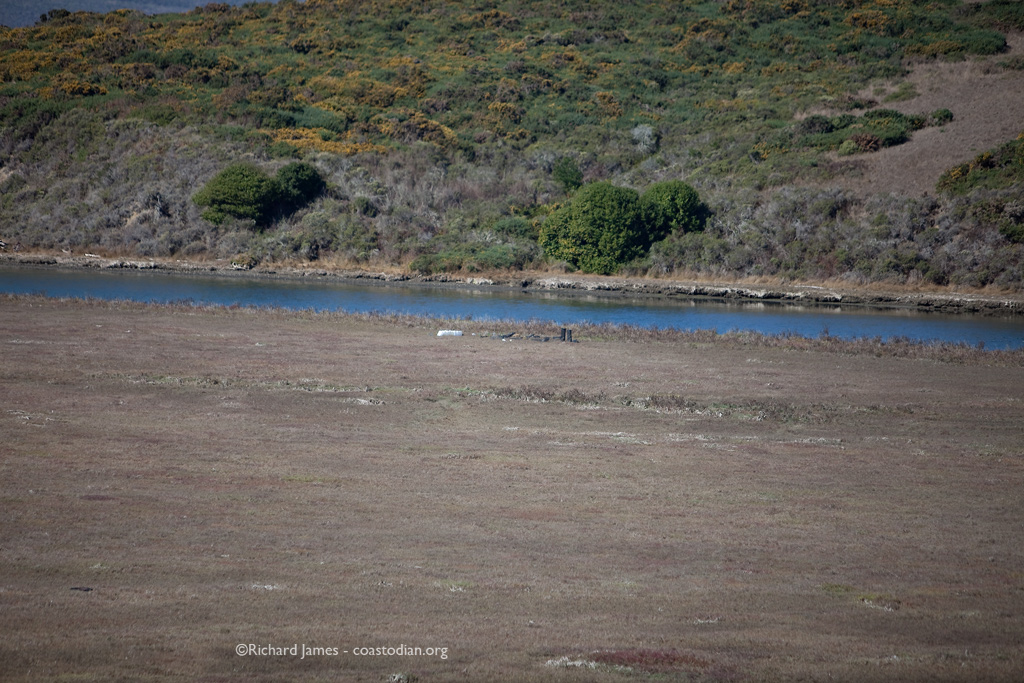
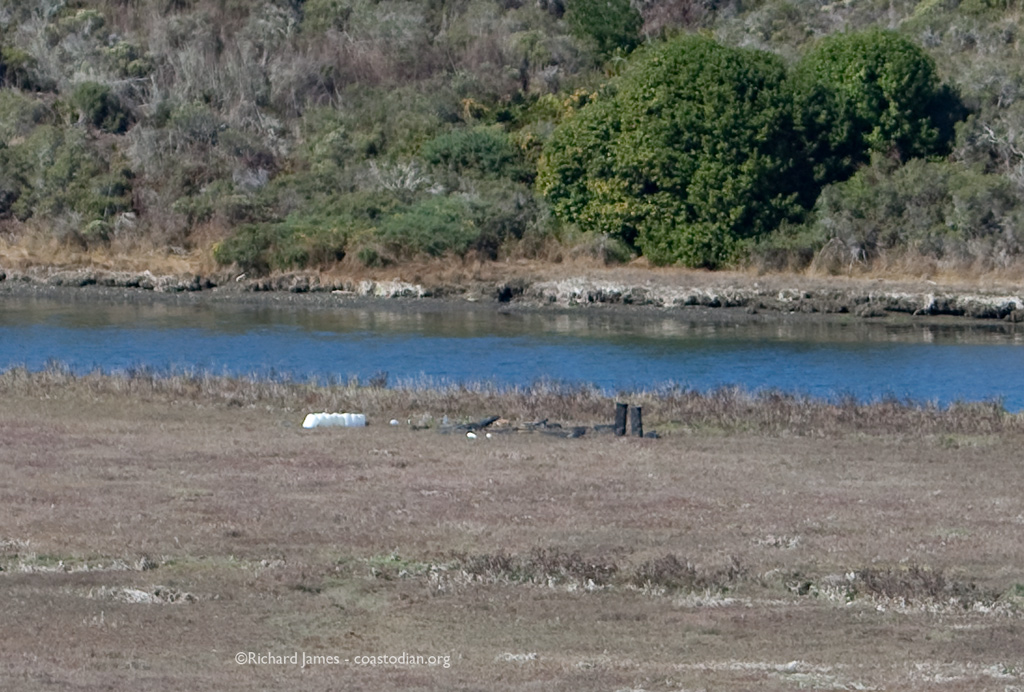
As you can see in this image taken from the side of route 1, even at 200 mm magnification, the monument is too far away to make an impact on even the most unusual of tourists that may make the effort to get out of their car before taking the iconic picture of nature.

RJames.IMG_5385.cc

I could move the oyster farming debris closer to the road for ease of viewing, but no, that would make it harder for the oyster farmers to come pick up their trash on their own. Even after doing the heavy lifting and long walking, I figured I needed to make this easy if they were going to clean up after themselves.

Stay tuned for the next exciting installment of “Save our Tomales Bay”, or “How to get the mess makers to clean up after themselves, or better yet, not make a mess in the first place…”

Those of you that made it this far are rewarded with the main reason I visit the wild places of California as often as I can.

This is why we all need to do our utmost to protect the environment that many, many species besides humans call home.

Black Turnstones on the wing. Click for a larger image.

Black Turnstones on the wing. Click for a larger image.

Egrets on the wing. Click for a larger image.

Egrets on the wing. Click for a larger image.

.

Next related post may be found here.

Previous related post may be found here.

See the first post in this series “Save our Tomales Bay” here.
Save our Tomales Bay – part 6

Click on the words above “Save our Tomales Bay…” to see this post as it was meant to be seen.

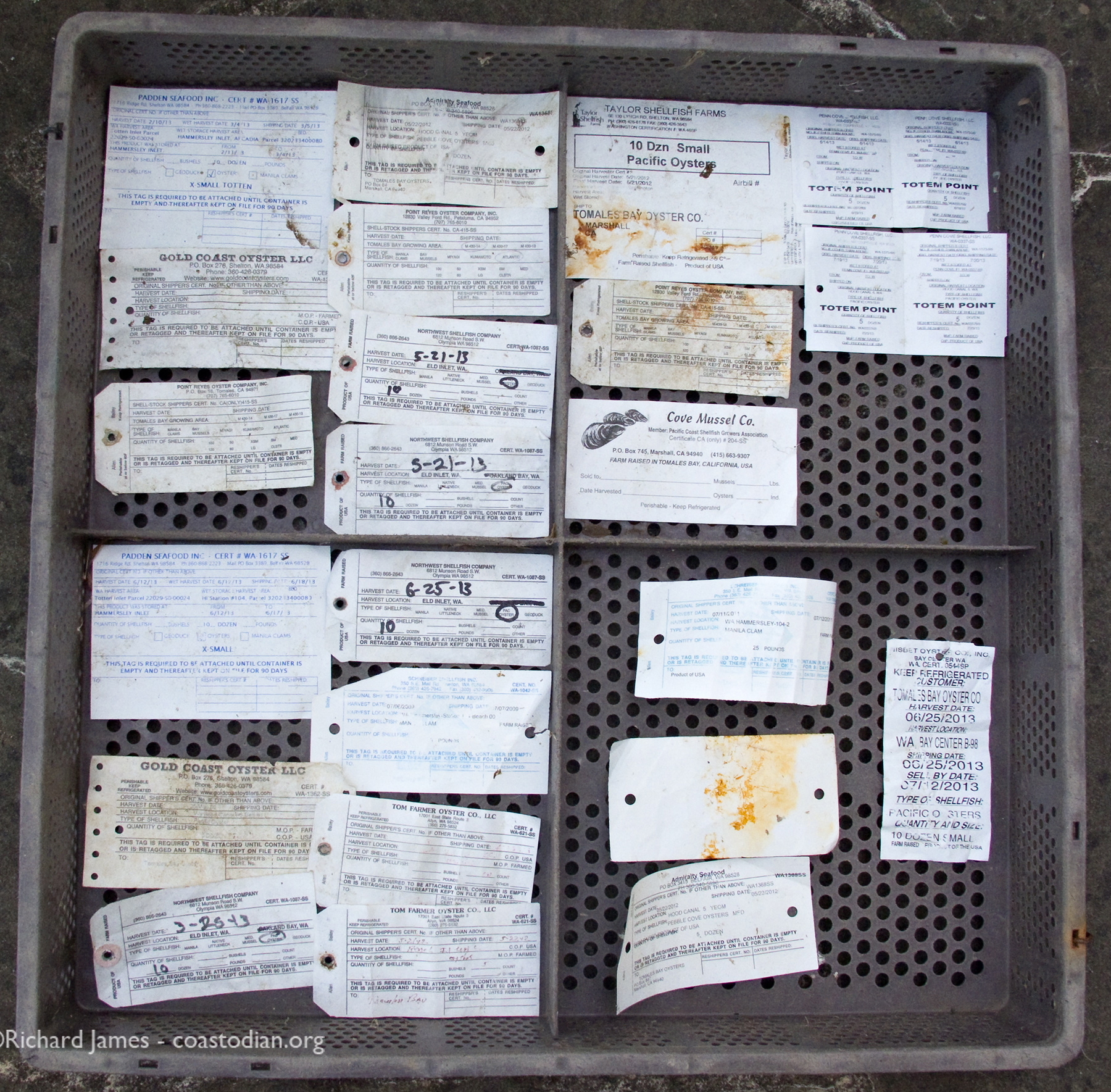
Oyster bags, oyster tags, what a drag!

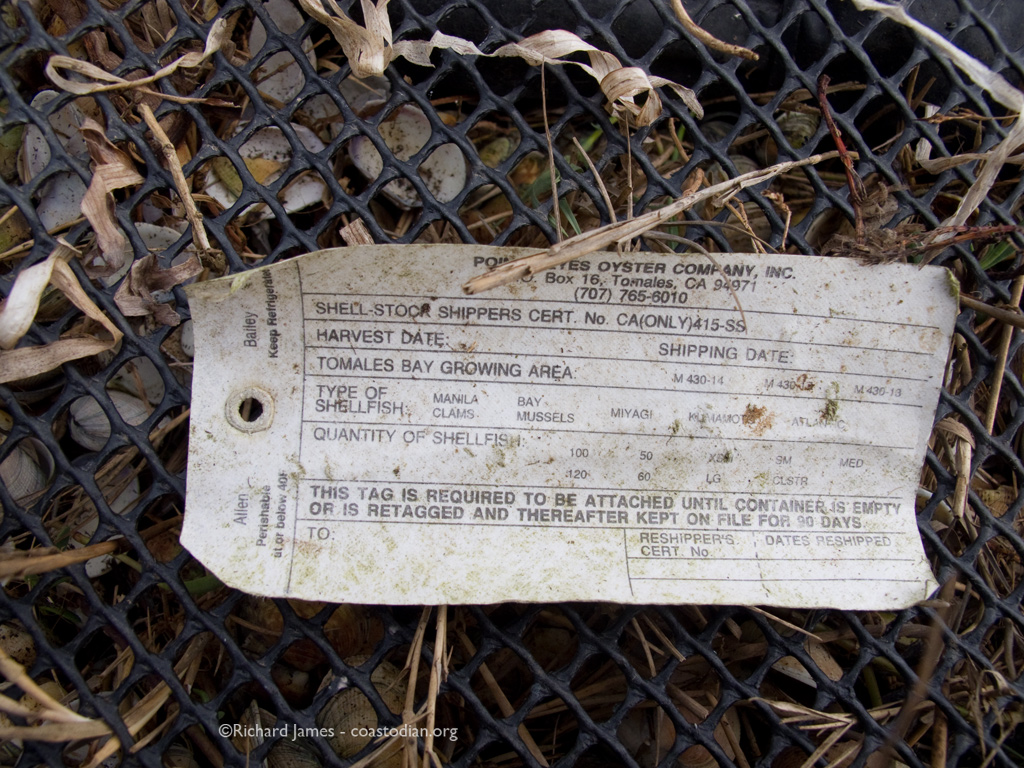
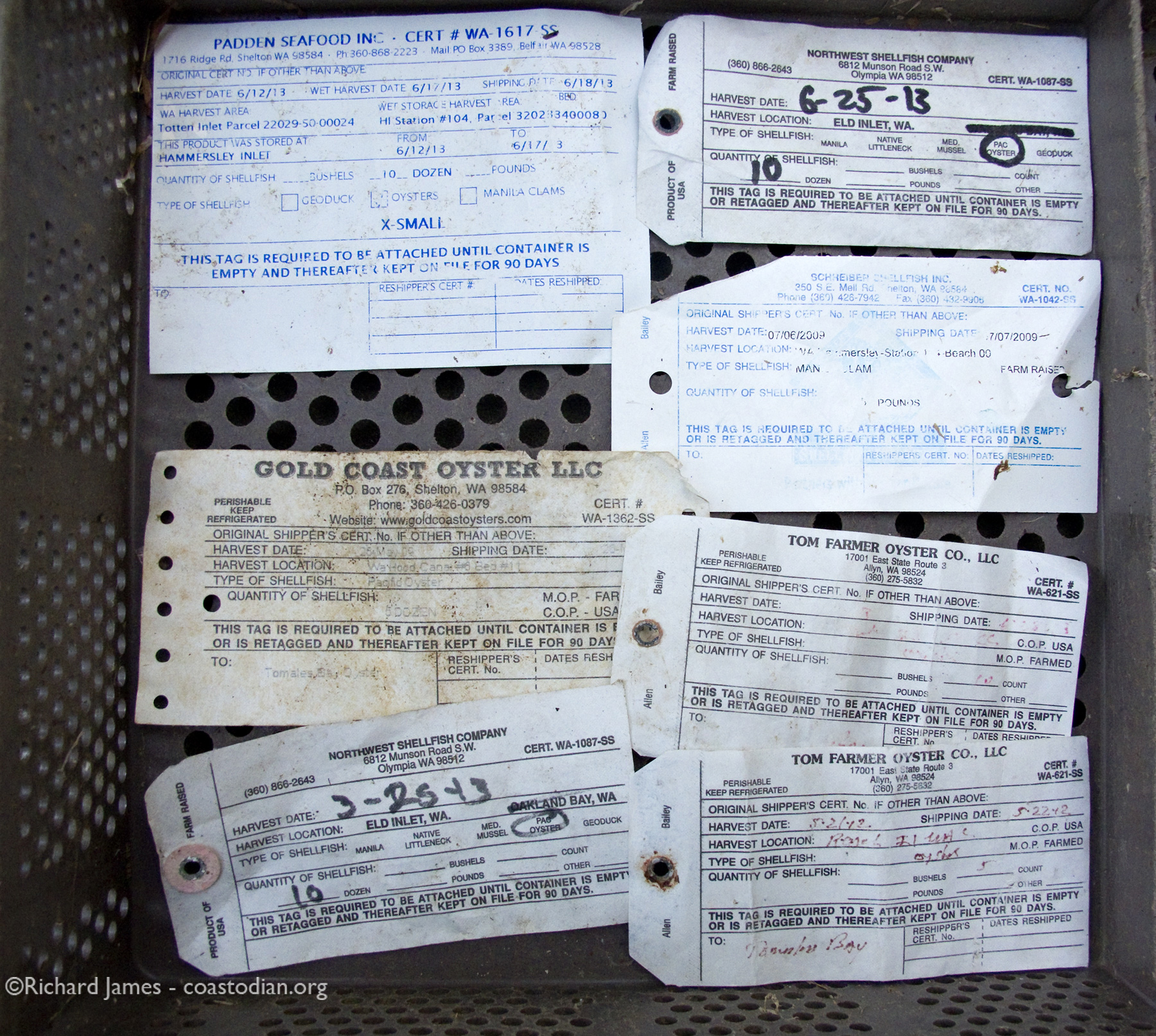
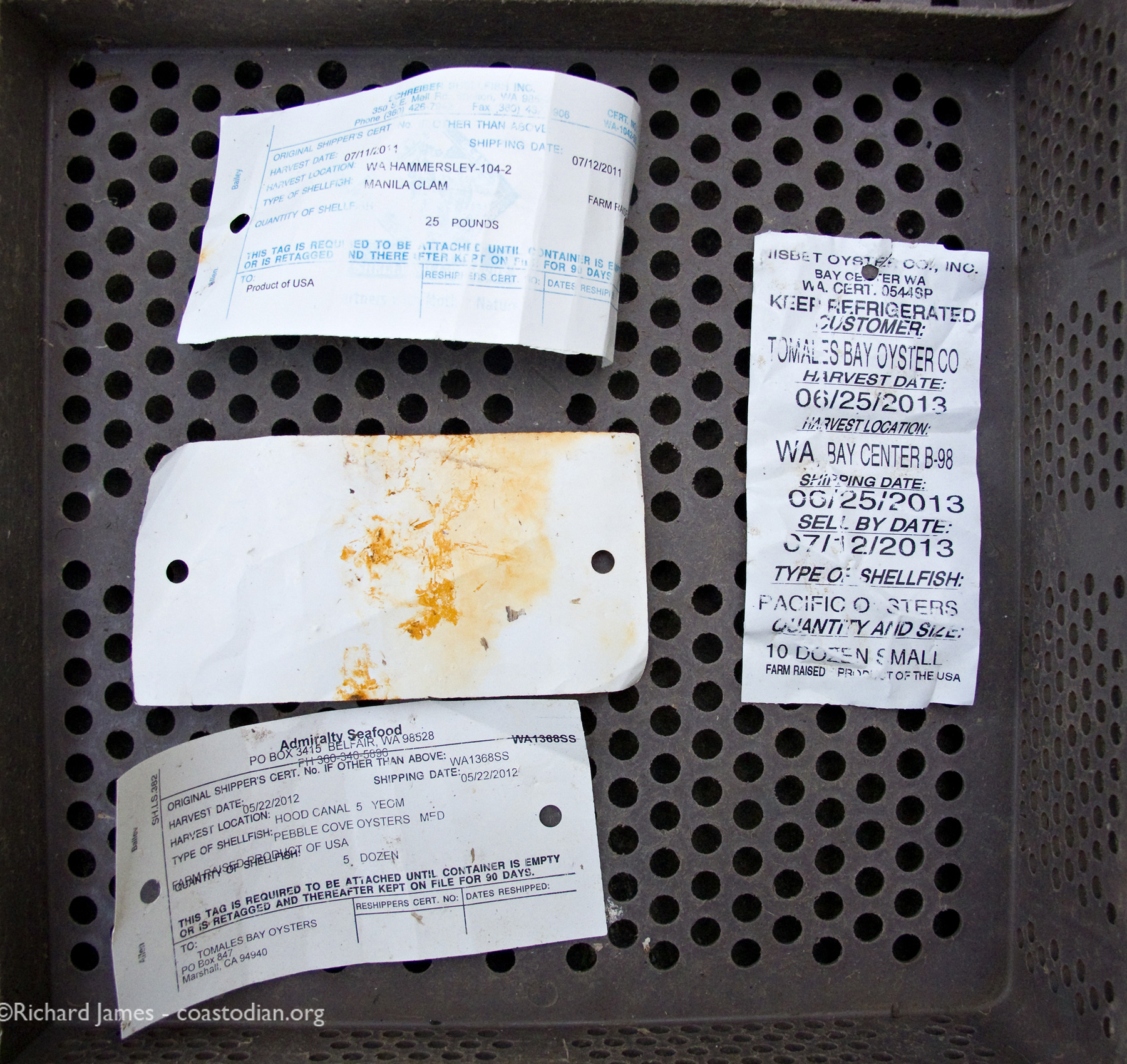
Not only do the oyster farmers of Tomales Bay leave the tools of their trade all over the environment, they leave the tags from the bags shipped here from Washington State.

IMG_0656.cc

Let’s have a closer look at those tags

IMG_0657.banner.cc

It says, “This tag is required to be attached until container is empty or retagged and thereafter kept on file for 90 days.

90 days from May 21st would be August 21st. Yet, I found these tags littering the shore (along with hundreds of grow out bags) in June, July and August. Does keeping tags on file in the oyster business mean scattering them to the winds to be deposited on the shores of Tomales Bay and Point Reyes Seashore?

There is so much to learn about this local, sustainable, easy on the land business of growing, er shipping from Washington, oysters.

Do you know your oyster farmer? Call them, all the Washington numbers are there on those tags you can see better below.

Does it make sense to ship oysters so far to sell them? Maybe farming what local, non-protected waters can support is the wiser course in the long run. If the local waters can only support X pounds of oysters per year, harvest X pounds.

Either way, picking up after yourself is a given. Why is it accepted that these mariculture operations can leave such a mess in the waters and on the shore? The Leysan Albatross and other pelagic birds that scoop up all the plastic garbage humans dump in the sea, and feed it to their chicks who then die, they have no seat at the table where decisions are made by those in power, those extracting a profit. Who speaks for the animals of the sea?

West Marin oyster farmers want to greatly expand the number of acres in Tomales Bay where they can practice their trade.

From what I have seen so far in my many days on the water and along the shore picking up after them, they don’t deserve to farm the acres they mis-use now. If these farmers sent two people out one day each week, or even every other week to clean up THEIR mess, I’d have nothing to write about. More importantly, the animals of the sea would be less likely to die by ingesting our waste.

This farming can be done responsibly if the farmers are willing to act in a manner many talk about. Are short-term profits going to fog the eyes of these business people such that they are blind to the damage being done?

I hope not.

As always, to see a larger version of the following images, click on it.

IMG_0657.cc

IMG_0660.cc

IMG_0658.cc

IMG_0659.cc

IMG_0662.cc

.

Next related post may be found here.

Previous related post may be found here.

See the first post in this series “Save our Tomales Bay” here.

Save our Tomales Bay – Part 5

Click the words above “Save our Tomales Bay…” to see this post as it was meant to be seen.

The past several weeks I’ve been picking up the trash left behind by local oyster farming operations on Tomales Bay.

In this post from 29 June, I wondered aloud if those responsible for the mess would pick up after themselves, or would I need to find more help to rid the environment of the trash of private enterprise.

A week later and a few of the larger bales of plastic oyster grow-out bags had been recovered.

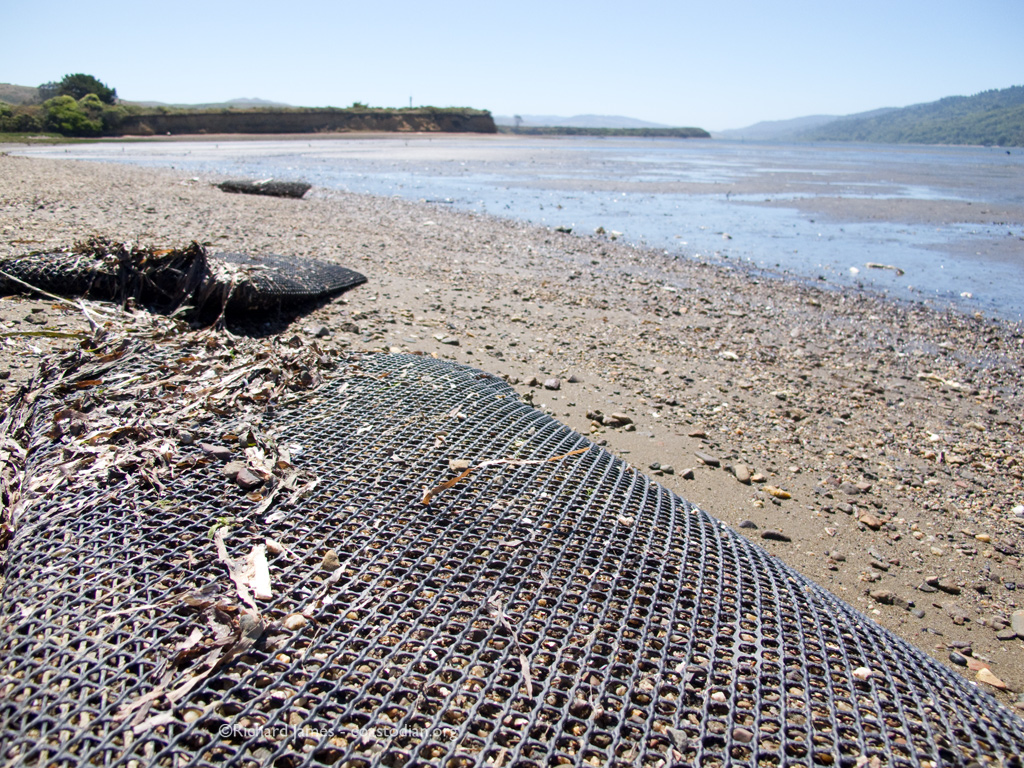
This past weekend I went back to have a look at some of the submerged bags, those filled with gravel and embedded in the sand, mud and gravel.

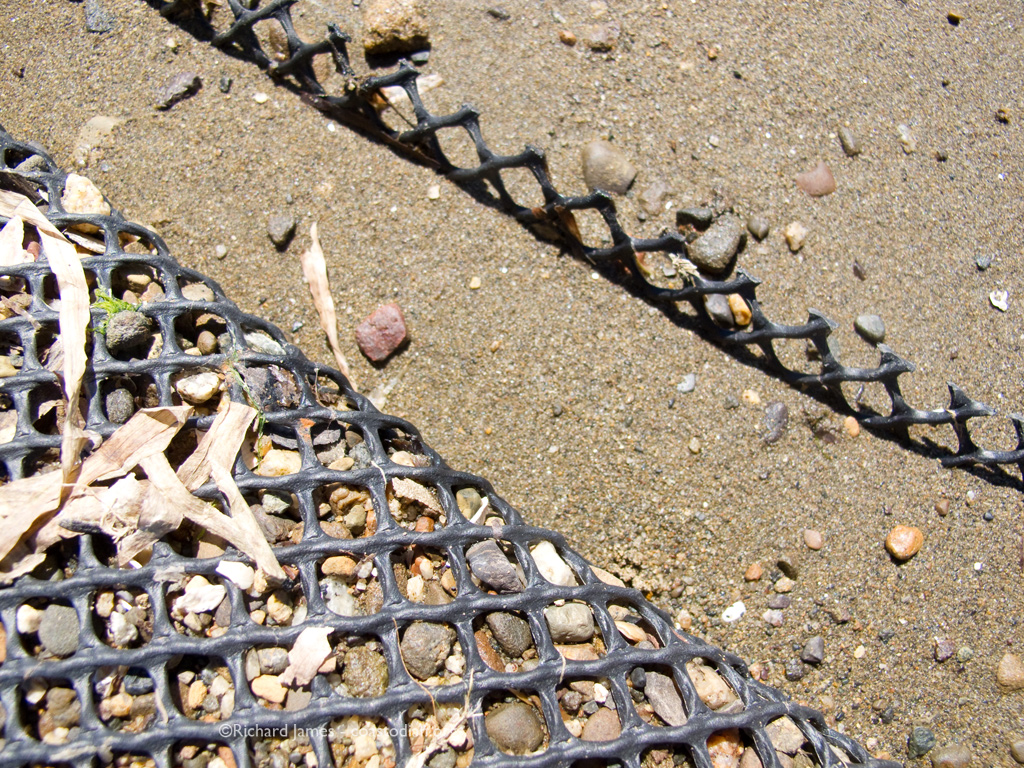
Unfortunately they were still there. as were the many bags I had tossed up high on the shore to keep the tide from carrying them away.

I found that by slicing along one edge of the buried bags, the sand and gravel can be more easily emptied out. But, the freshly sliced plastic is also very sharp. My punctured thumb bled profusely after learning this the hard way.

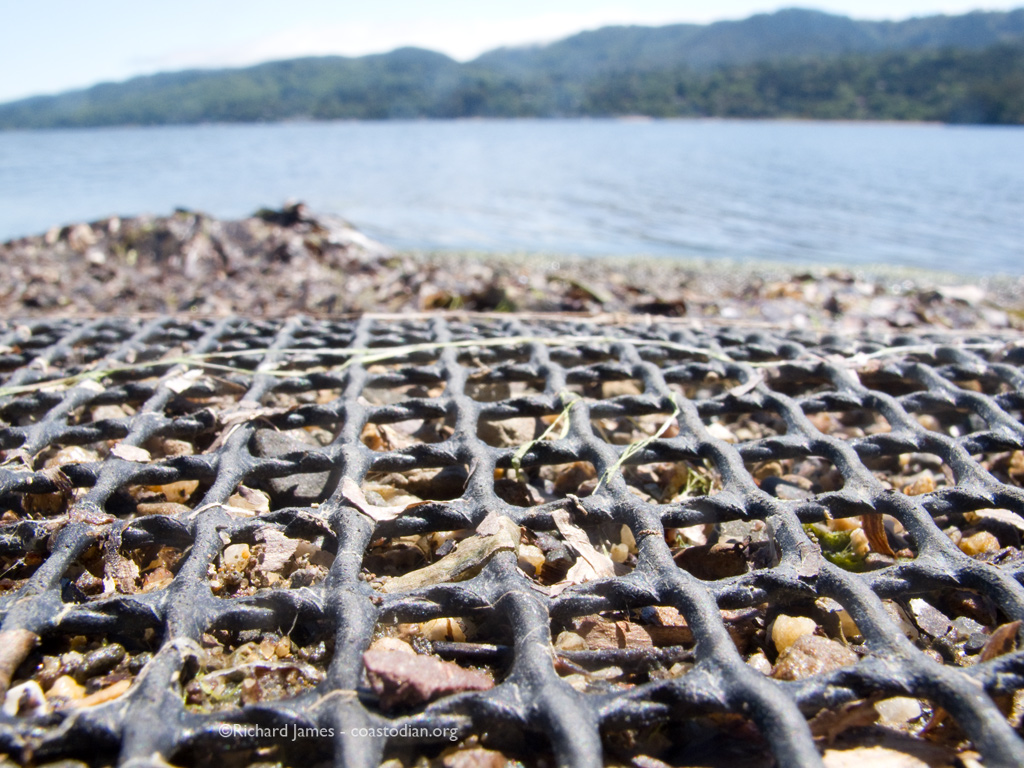
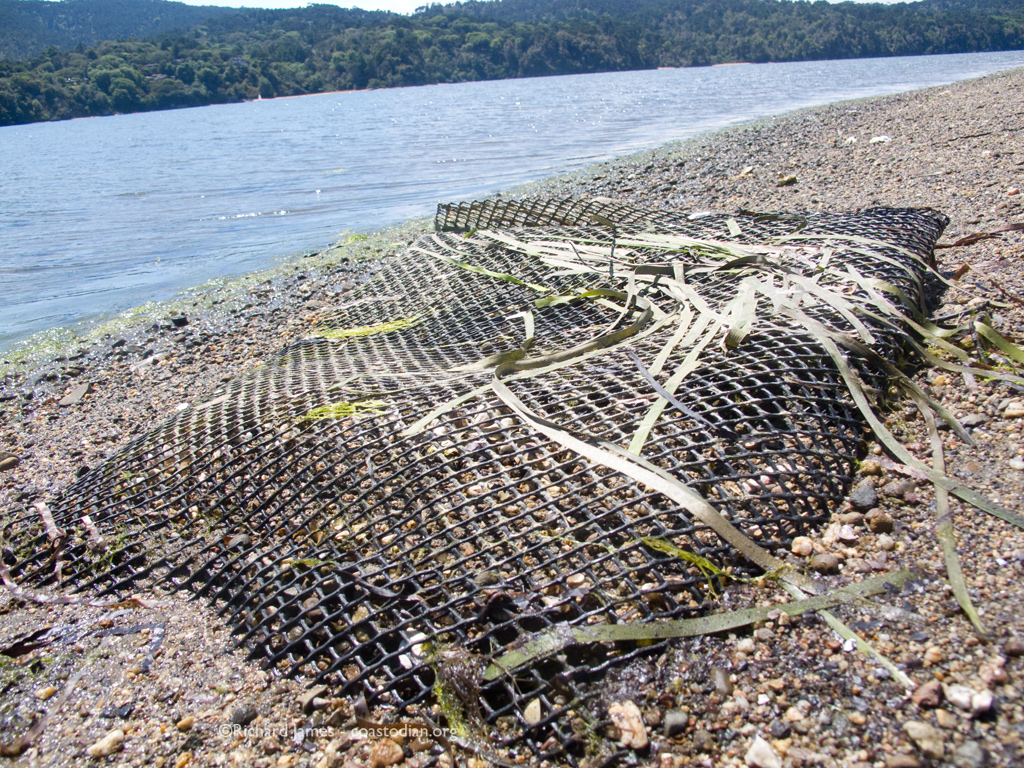
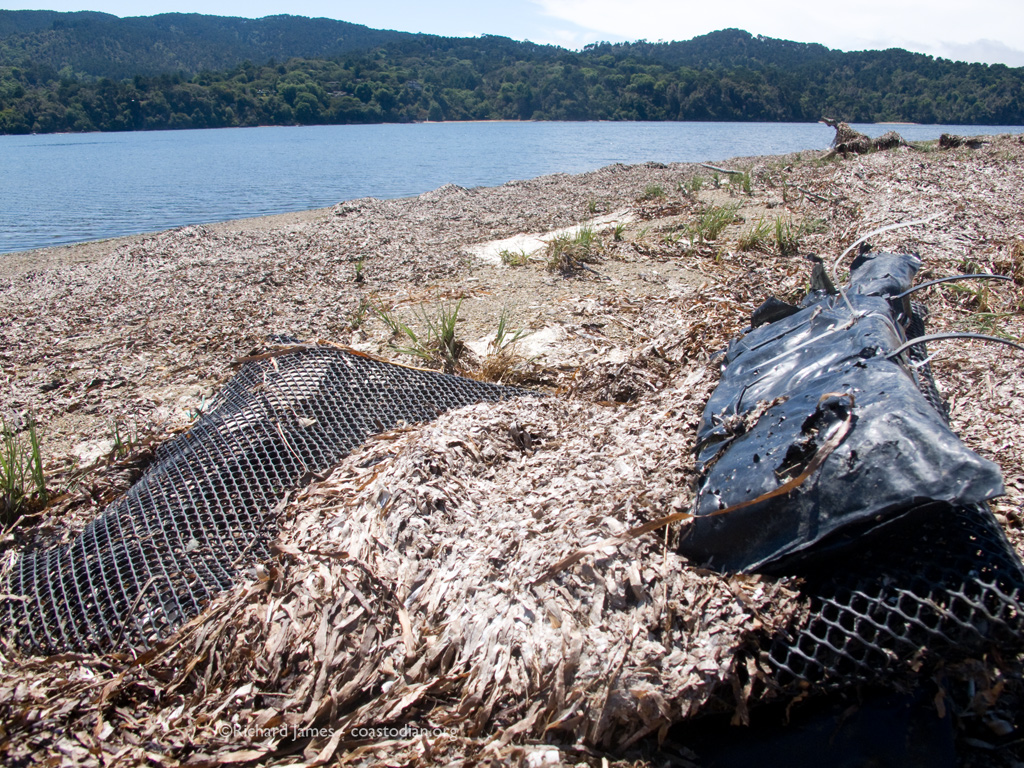
What follows are images showing the consequences of sustainable, low-impact, no inputs required mariculture of West Marin.

Have a look and ask yourself if this truly is as earth-friendly as it is being portrayed. I imagine with some thought, as well as more labor, oysters could be grown and harvested without leaving such a mess behind.

In a future post, you’ll see evidence of the origin of many of the oysters sold in West Marin to a public that thinks they are buying “local”, as well as sustainable.

All images can be seen larger simply by clicking on them.

IMG_0655


click image for larger version

IMG_0654


IMG_0653


click image for larger version

IMG_0651


IMG_0650


click image for larger version

IMG_0649


IMG_0647


click image for larger version

IMG_0645


IMG_0644


click image for larger version

IMG_0641


IMG_0639


click image for larger version

RJames.MVI_0622


RJames.IMG_0637


click image for larger version

RJames.IMG_0636


RJames.IMG_0635


click image for larger version

RJames.IMG_0634


RJames.IMG_0632


click image for larger version

RJames.IMG_0630


Above or below, which view do you prefer?

RJames.IMG_0629


click image for larger version

RJames.IMG_0628


RJames.IMG_0627


click image for larger version

RJames.IMG_0626


RJames.IMG_0625


click image for larger version

RJames.IMG_0621


RJames.IMG_0619


click image for larger version

RJames.IMG_0617


RJames.IMG_0614


click image for larger version

RJames.IMG_0613


RJames.IMG_0612


click image for larger version

RJames.IMG_0611


RJames.IMG_0610

.

Next related post may be found here.

Previous related post may be found here.

See the first post in this series “Save our Tomales Bay” here.

Save our Tomales Bay – Part 4

Click on the words “Save our Tomales Bay” above to see this post as it was meant to be seen.

As always, to see a larger version of an image below, click on the image.

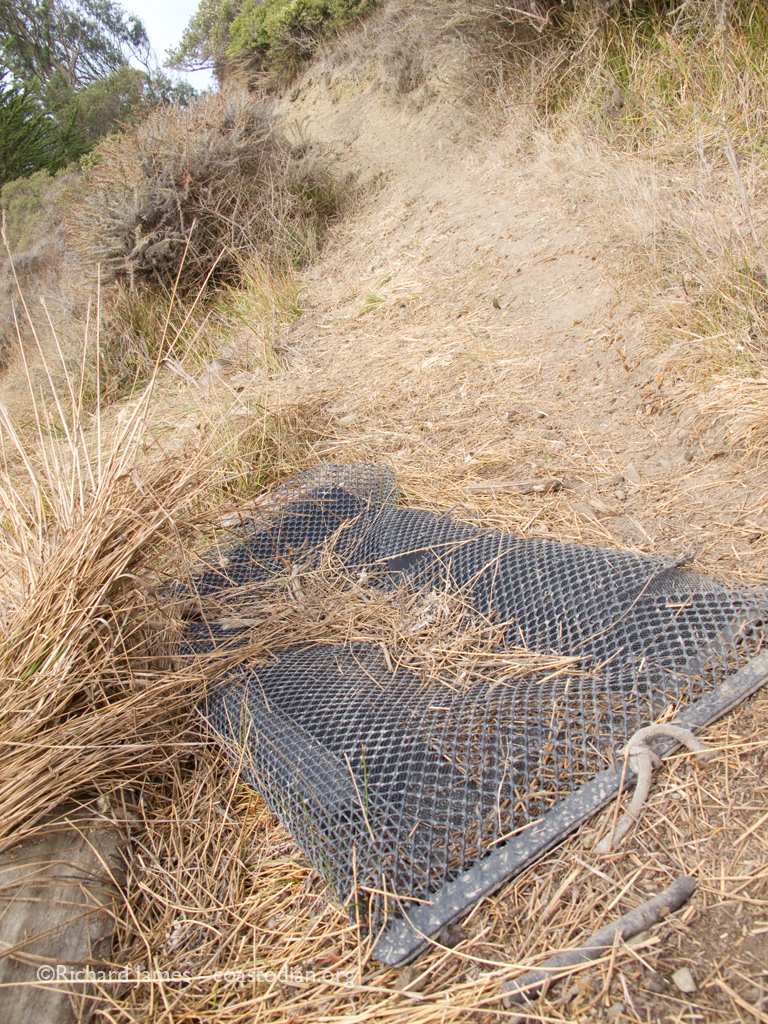
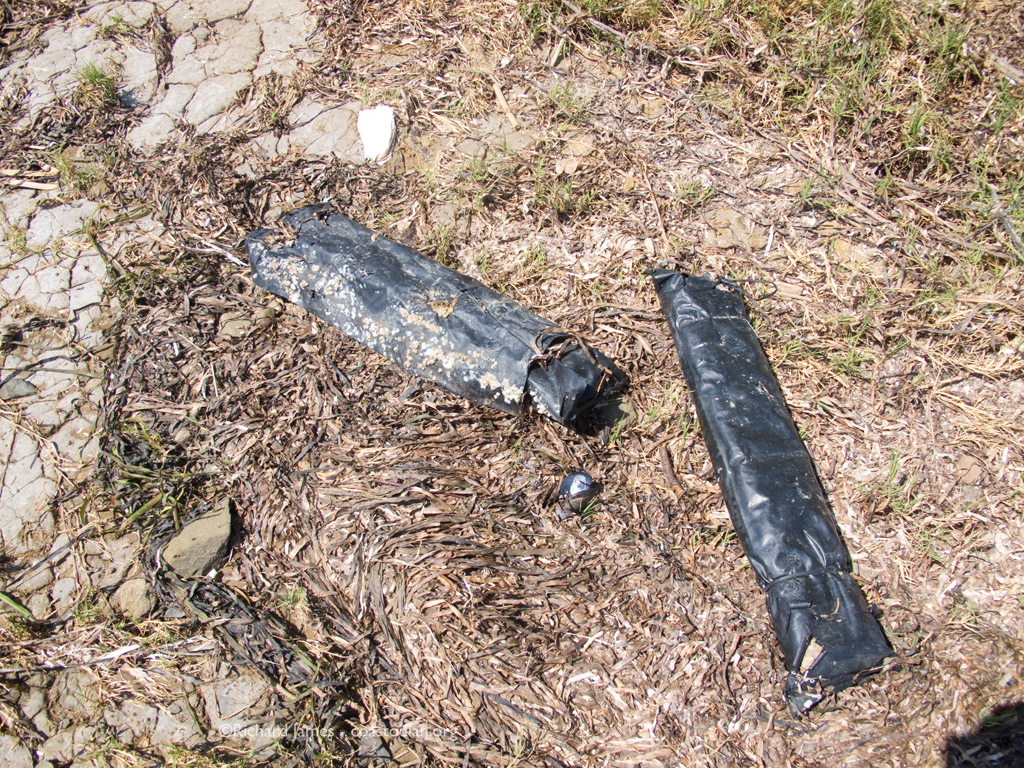
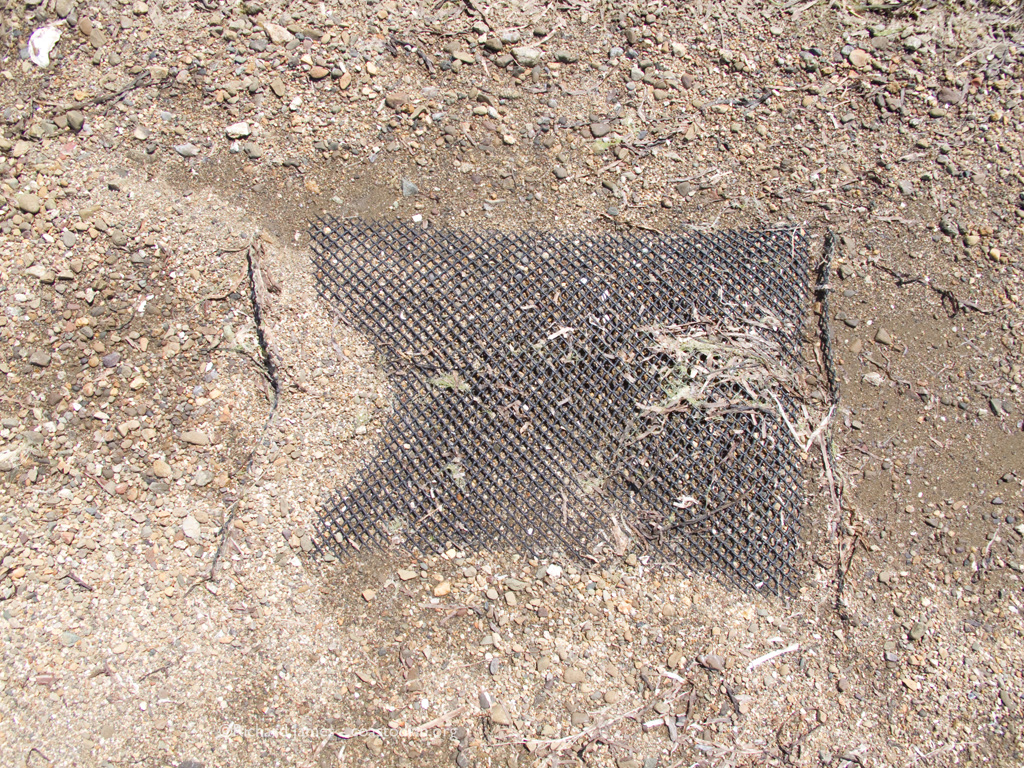
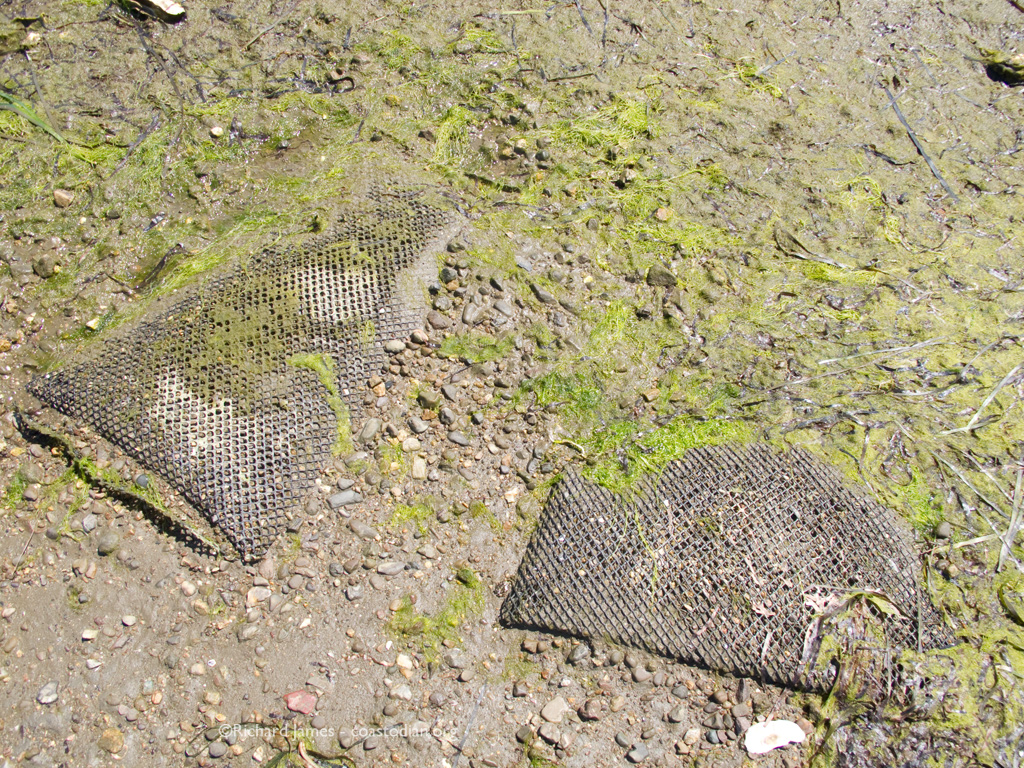
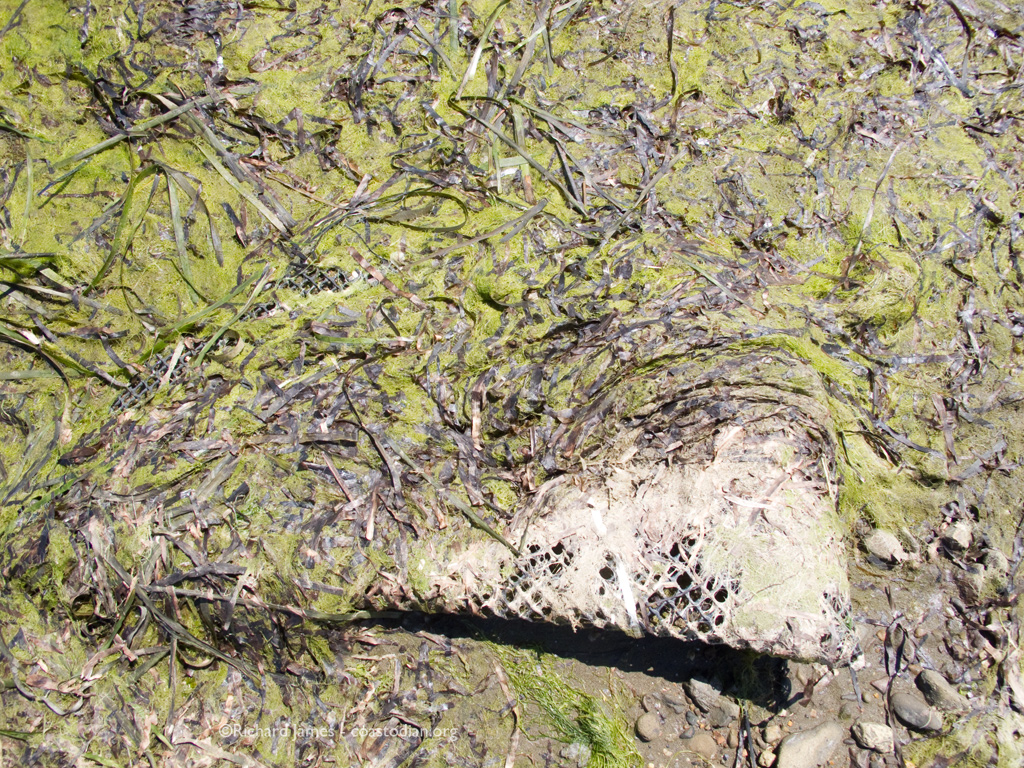
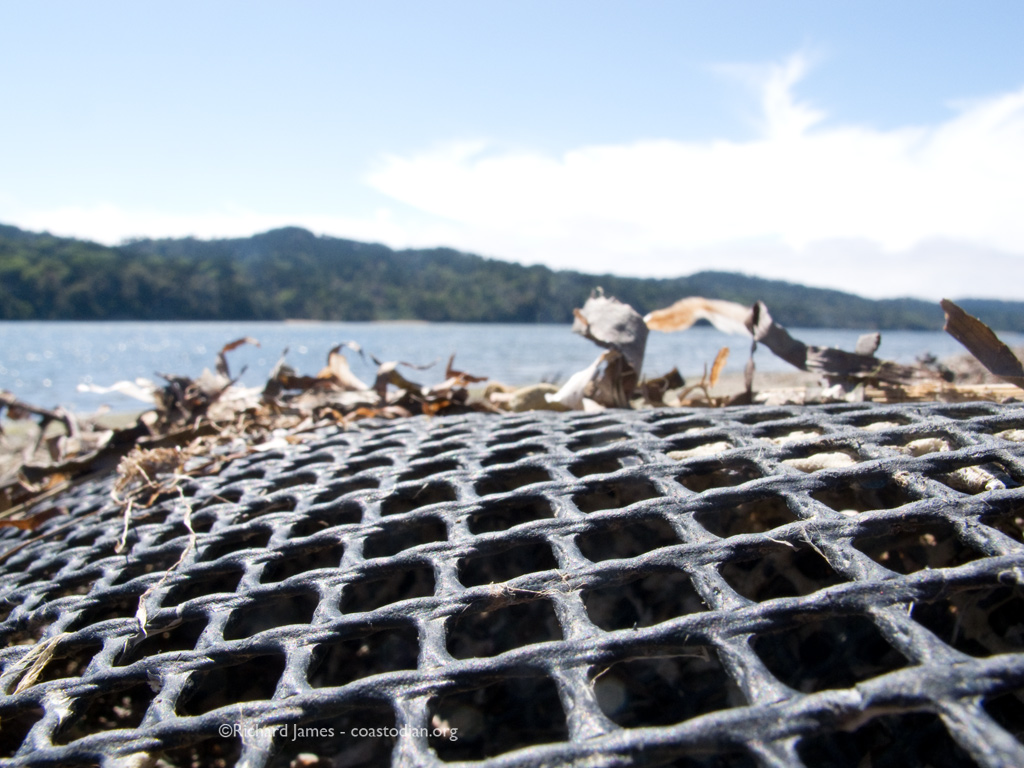
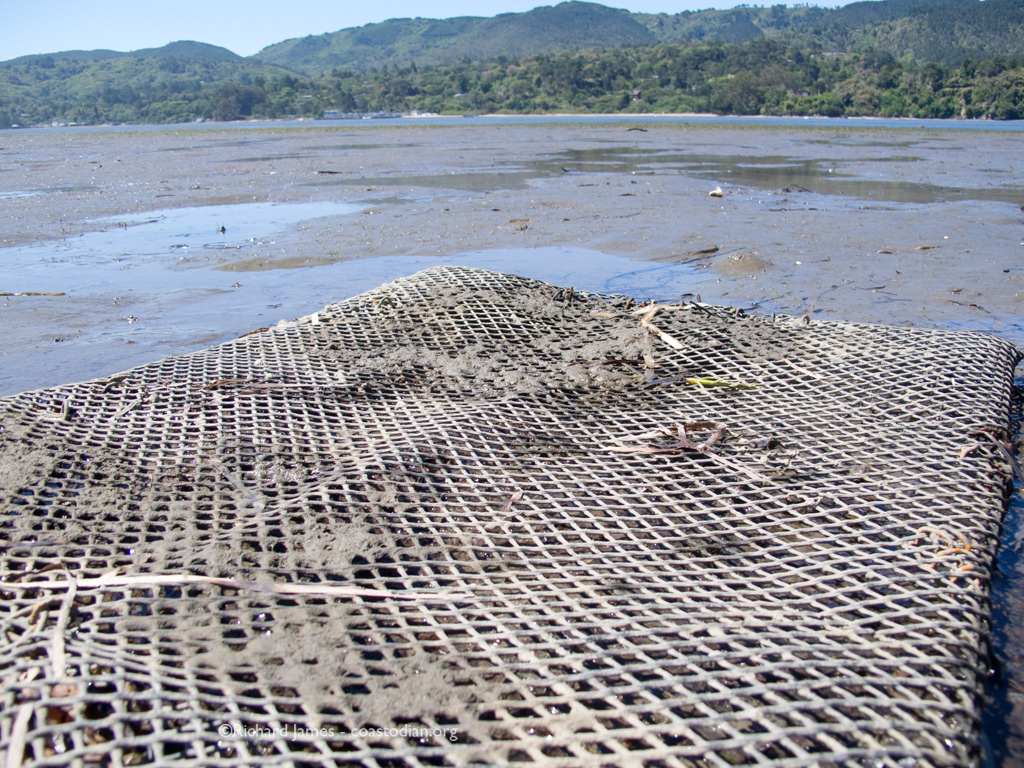
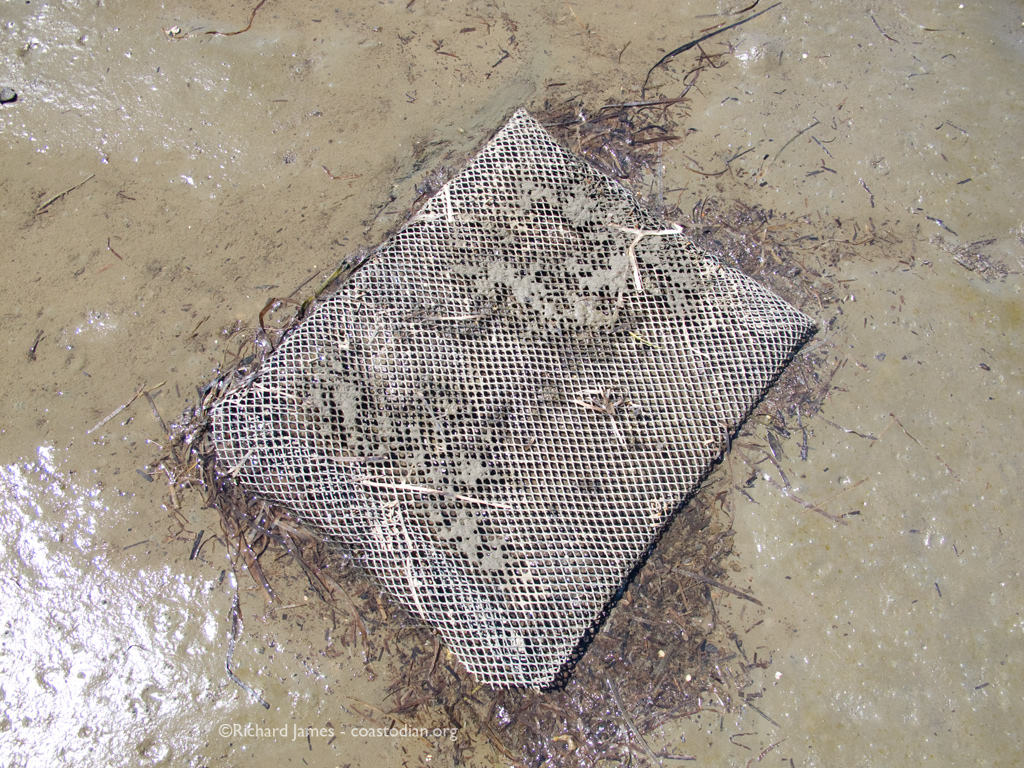
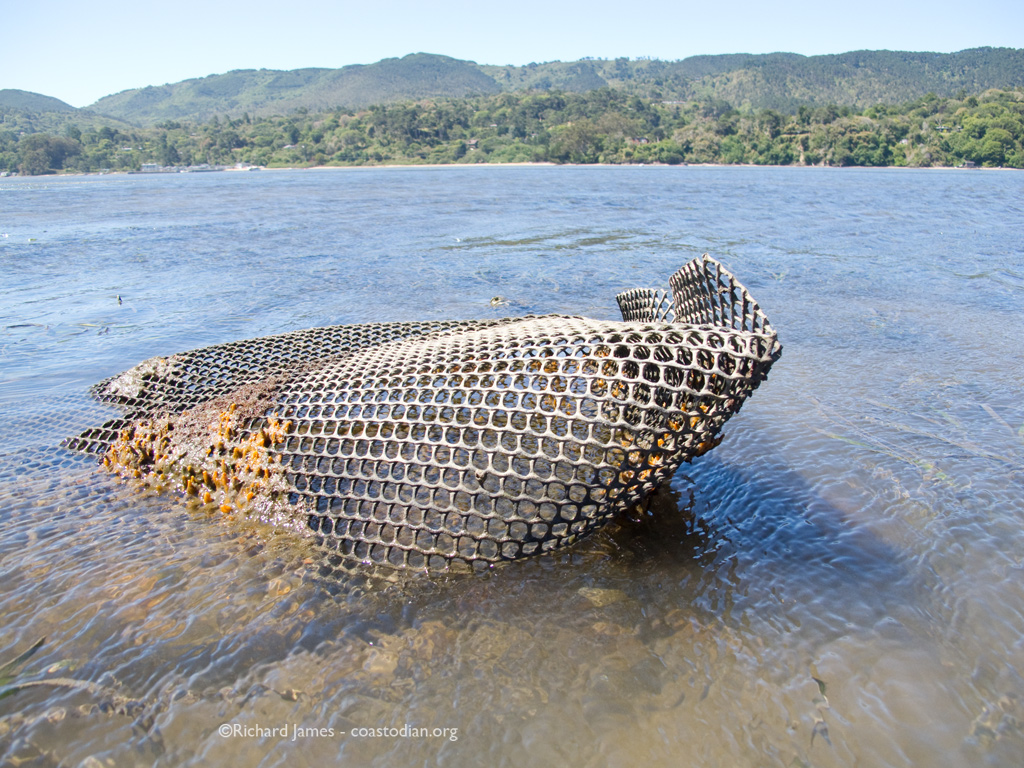
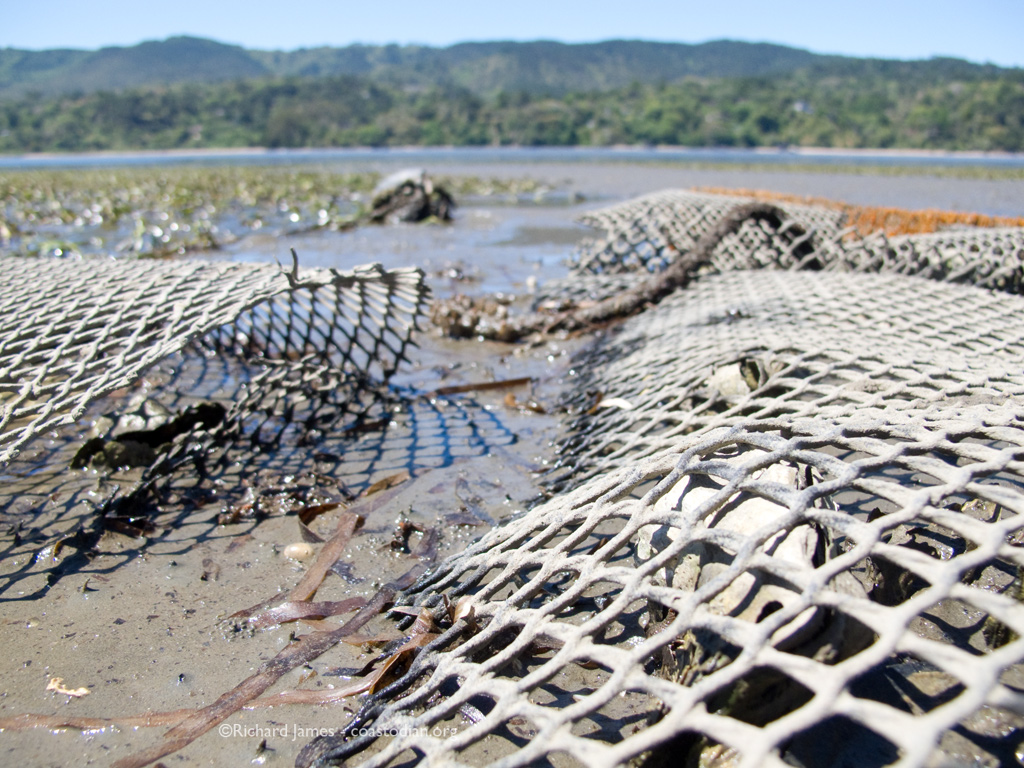
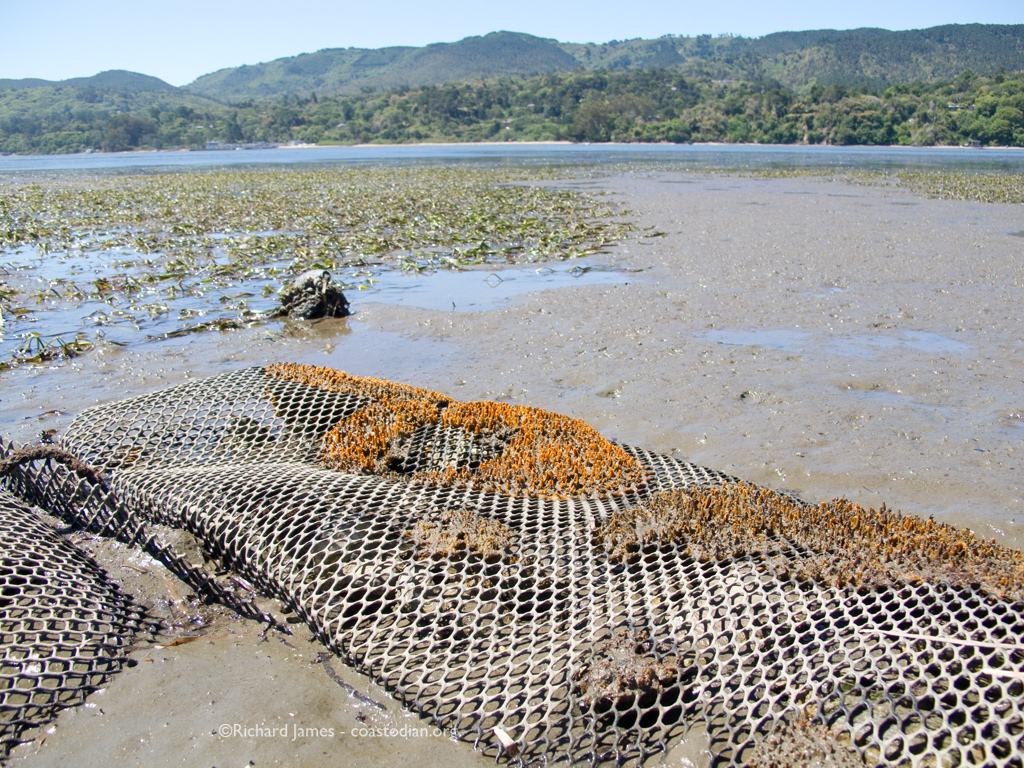
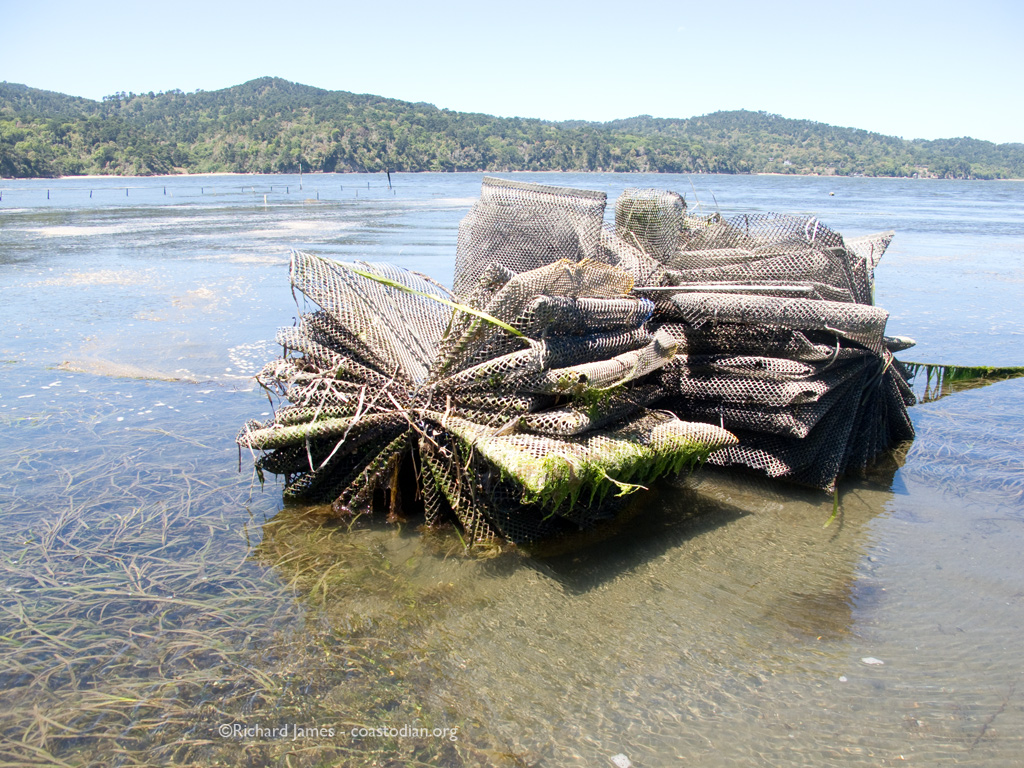
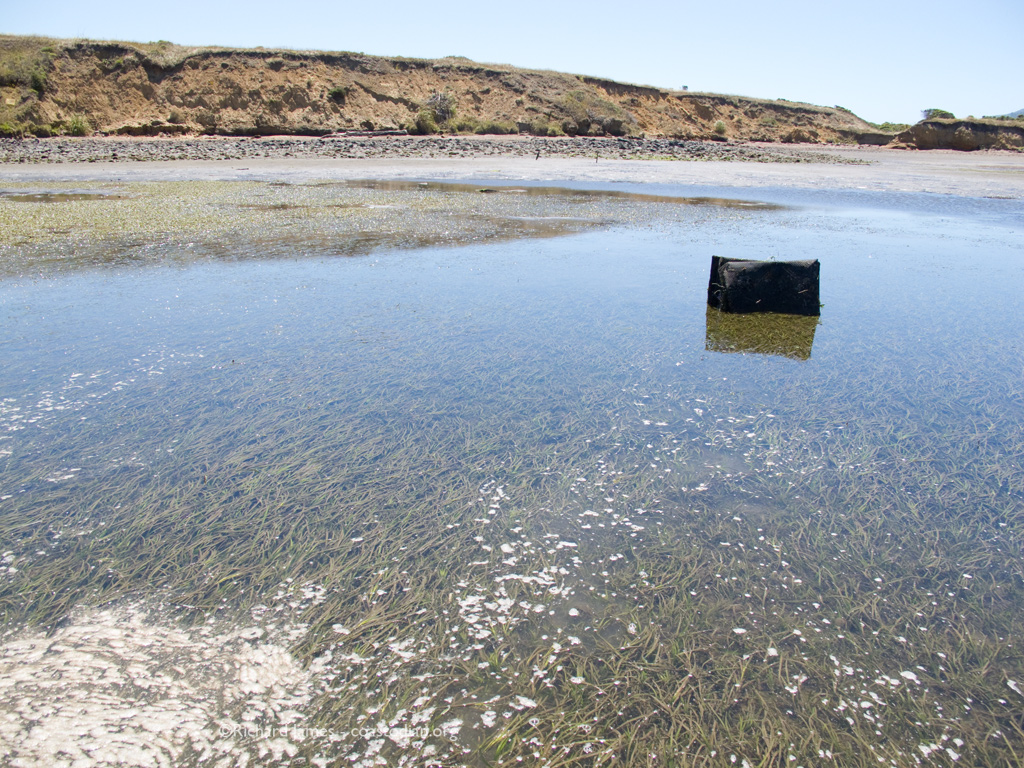
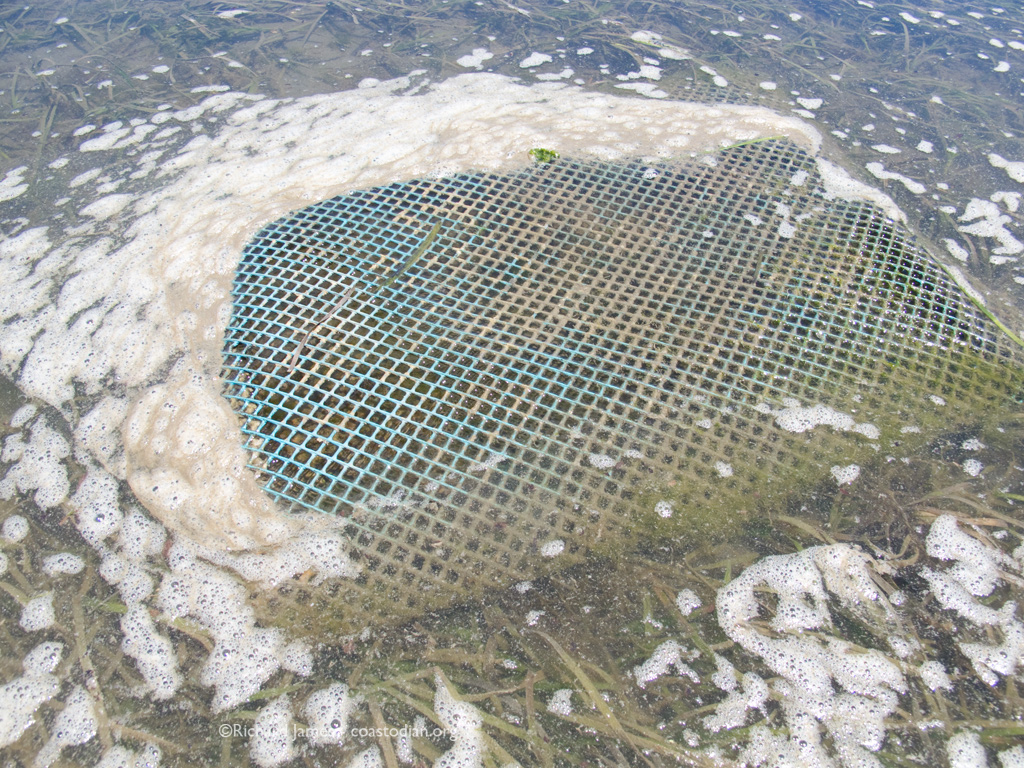
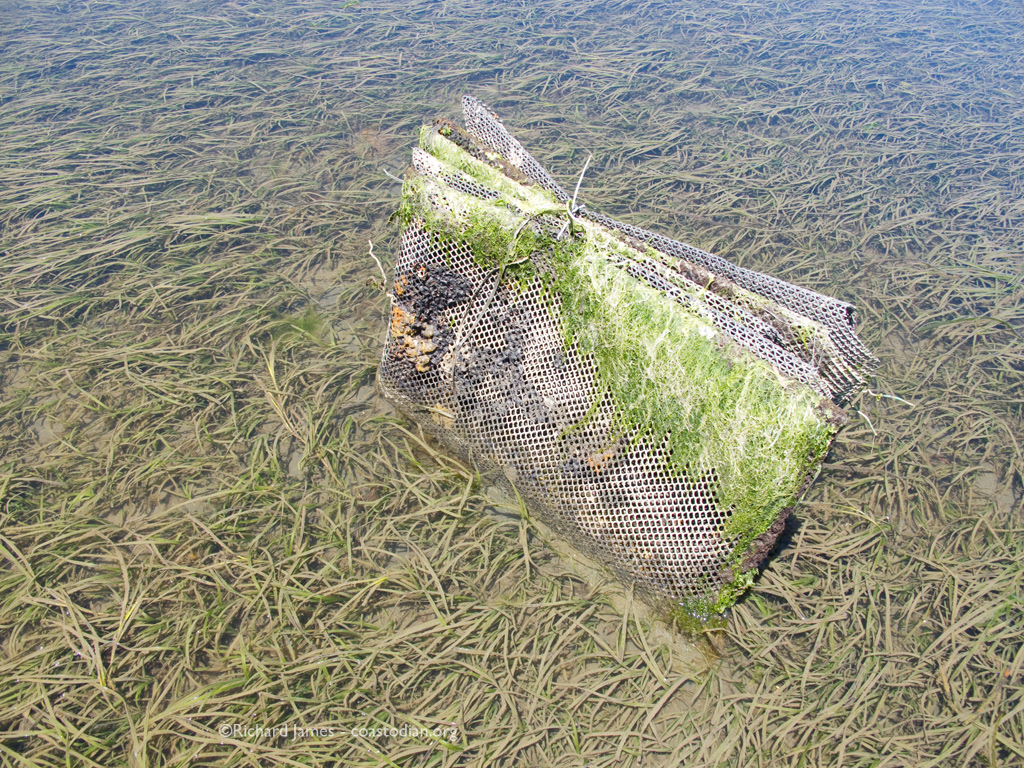
Last week while kayaking on Tomales Bay I came upon this grow out bag floating in the hot, bath-like water and mud south of Inverness Park – nearly to White House Pool. It had gotten loose from the area the commercial operation had placed it to grow and drifted a few miles south.

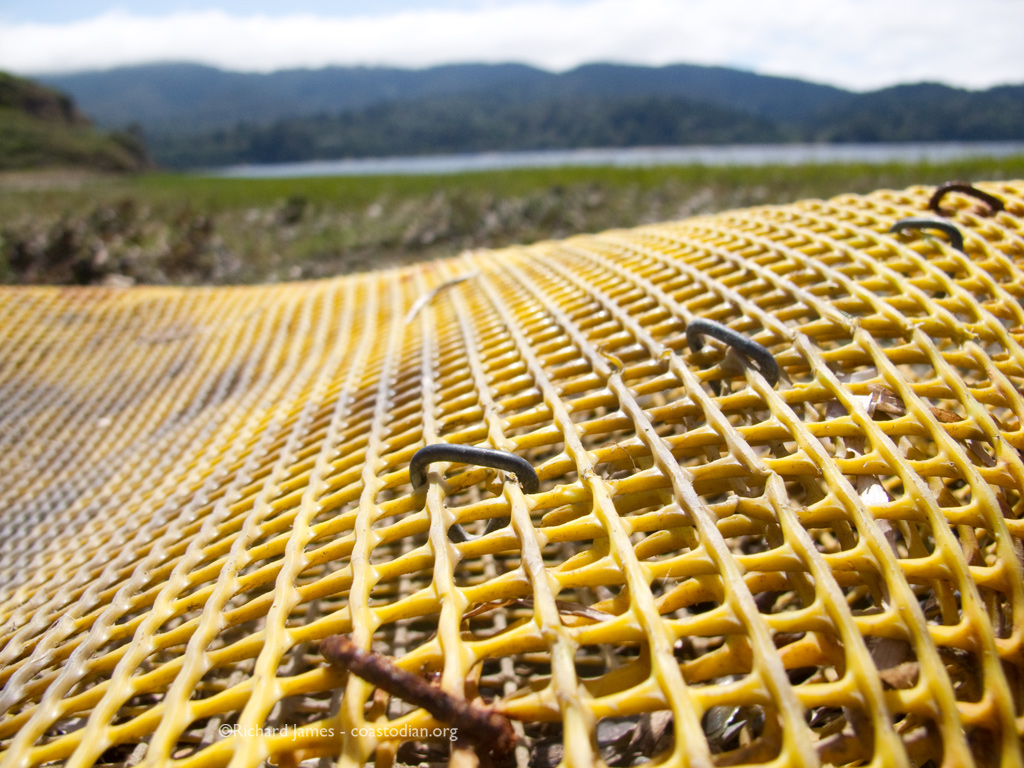
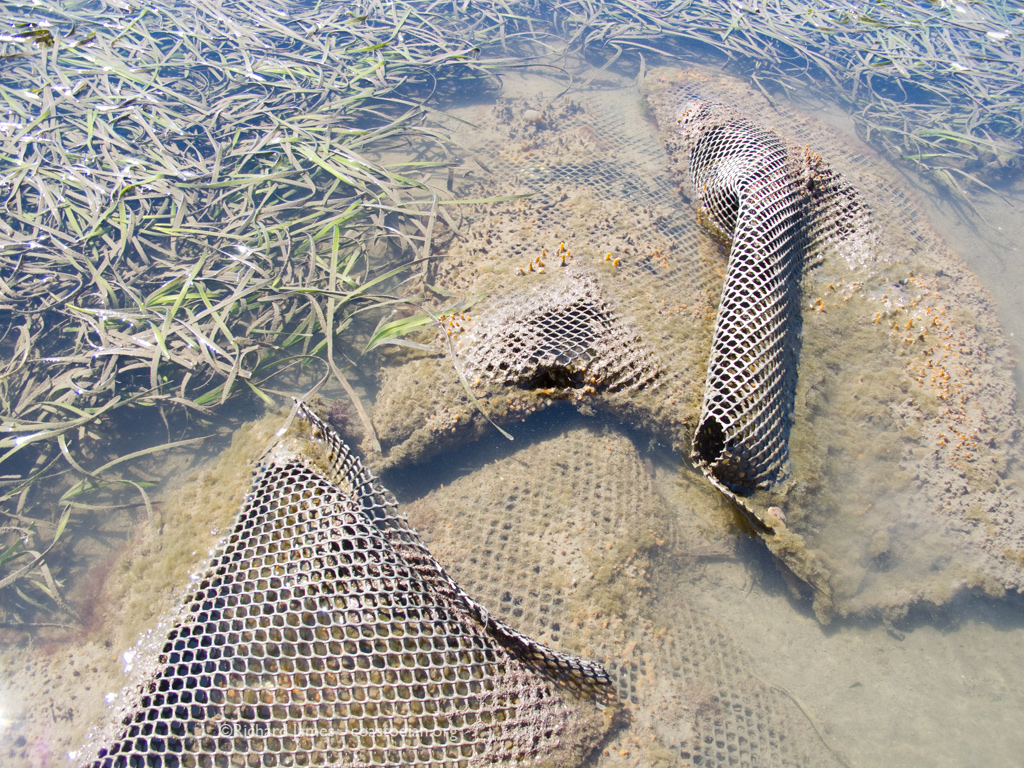
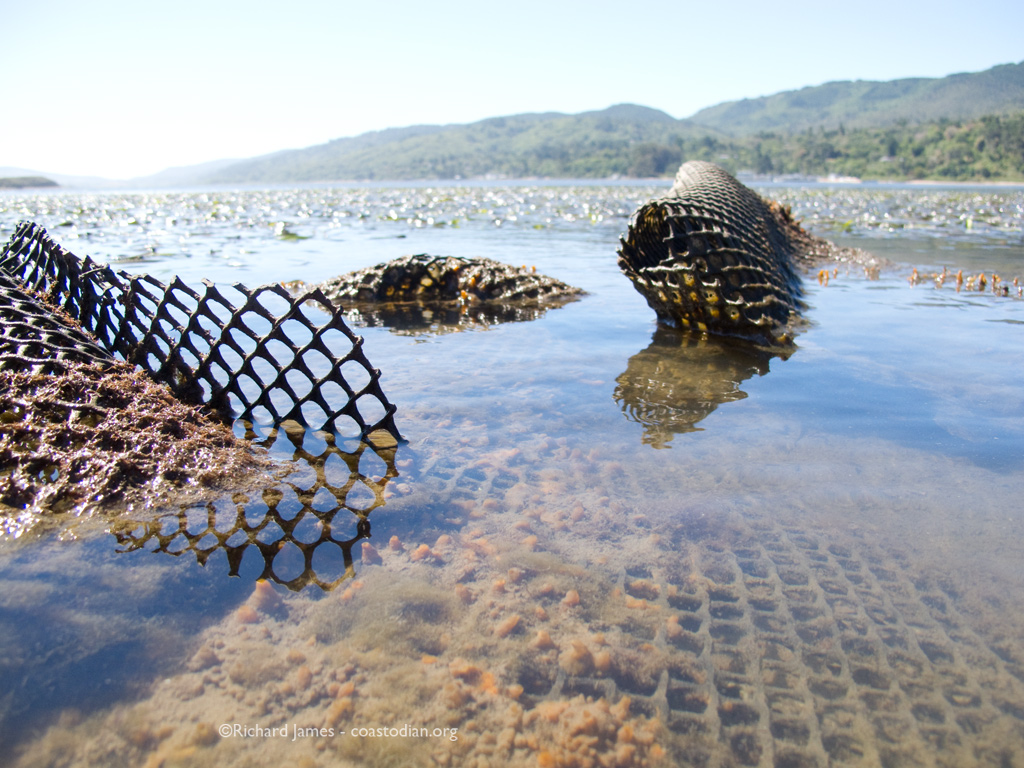
These bags get loose by the hundreds each year and drift all over the ocean, breaking down into smaller and smaller pieces of deadly plastic, one day to be eaten by a hapless bird out looking for food.

One idea that could address employment as well as ocean debris problems is for the oyster farms to hire more people to keep a closer eye on things.

Depending on the outcome of the seemingly never-ending dance of the liars, err lawyers, we may soon have many very experienced oyster-workers looking for work. And, as can be seen by anyone that takes the time to visit the waters of Tomales Bay, we have a never ending supply of feral plastic that needs tending to.


IMG_4703.cc


IMG_4705.crop.cc.cw

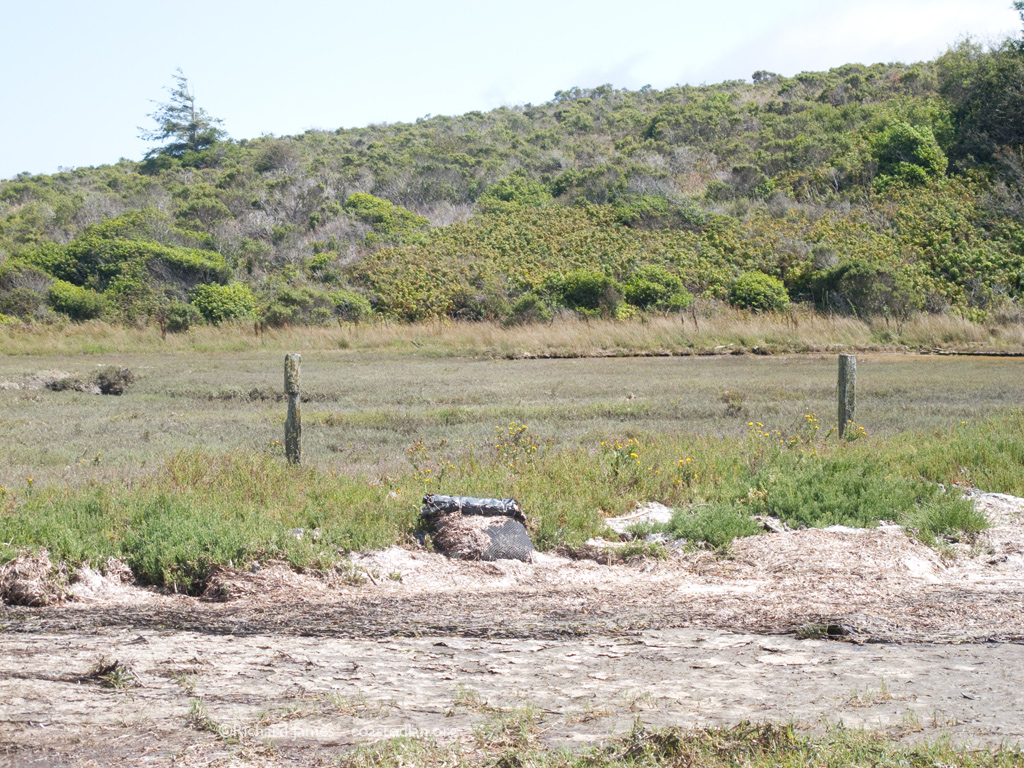
No matter which side of the fence you stand on the oyster issue, there is no denying that the view is sublime, and one which we all need to be doing our utmost to protect from degradation.


IMG_4712.cc.cw


I shall not tire in my efforts to ameliorate the impact of humans on this most sacred of places, earth.

IMG_4588.cc

.

Next related post may be found here.

Previous related post may be found here.

See the first post in this series “Save our Tomales Bay” here.
Save our Tomales Bay – Part 2

Click on the words “Save our Tomales Bay” above to see the related banner image.

Today and last week I boated across Tomales Bay with the intention of seeing what sort of plastic debris I could find and haul out.

Given my last post about the oyster farming debris I dug out of the shore of Tomales Bay and packed out, I did not think I’d find nearly so much.

How wrong I was.

Last week, a little north of the area of my last visit on the SE shoreline of Tomales Bay, I beached my boat and began to walk the wrack.

I stopped counting oyster grow-out bags after 20.

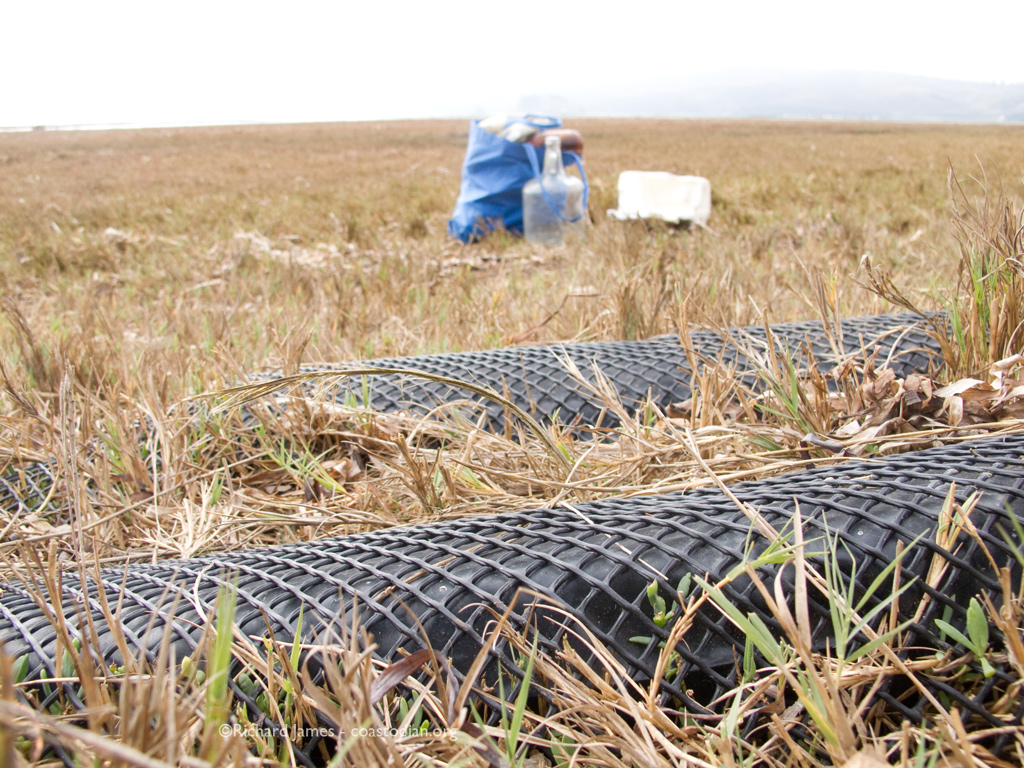
There were so many, I had to make 3 trips back across after loading my boat as tall as I dare. Digging the heavy bags out of the mud high on the beach was exhausting. Lack of energy and daylight prevented me from making another 3-4 trips that I figured were needed to remove all the bags littering the sand, plants and water.

Today I went back to the same area with photography in mind. I wanted to be sure to record the impact of mariculture on our shared bay. To be honest, I also did not want to feel like I’d been hit by a truck, as I felt the day after 8 hours of picking up trash last week.

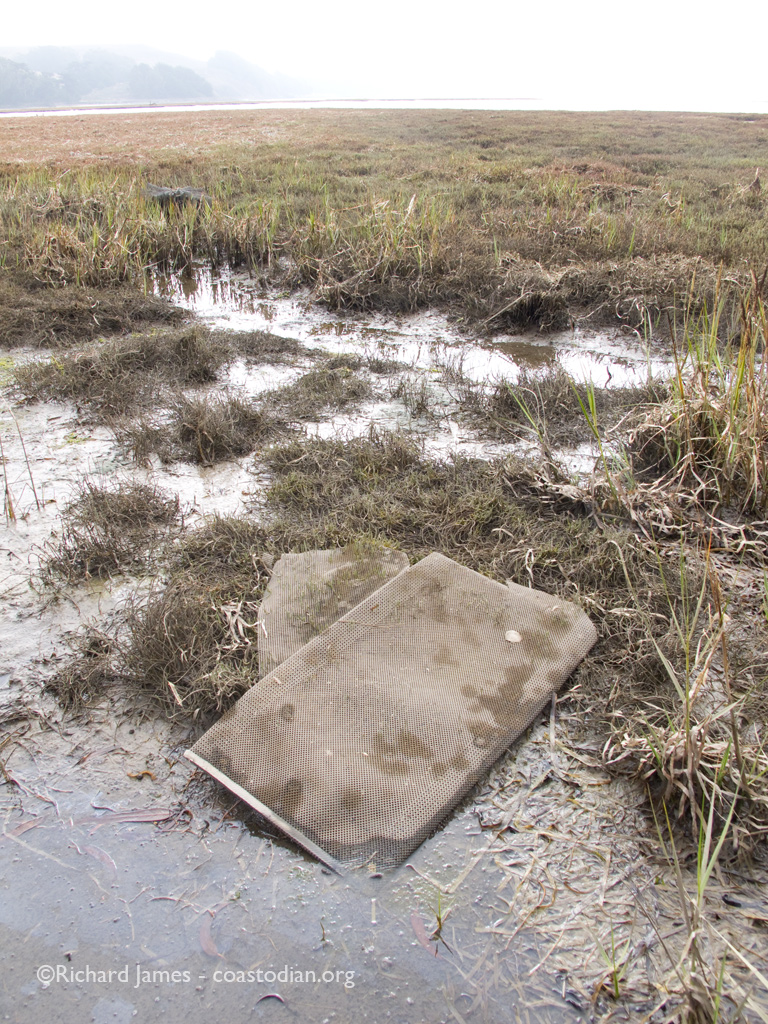
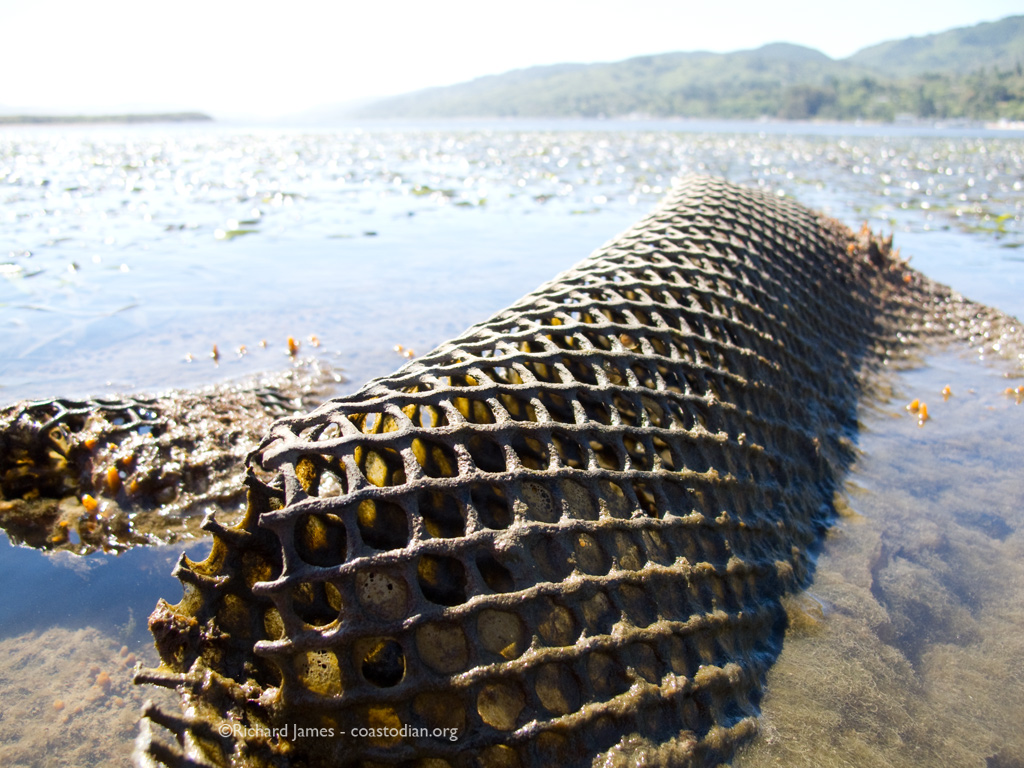
In four trips across Tomales Bay in a small sit on top kayak, I hauled out 160 grow out bags, along with lots of other bottles, wrappers, foam etc. There is easily twice that many more in this one area. I wonder if the farm(s) that leave this mess there will begin to clean-up after themselves? If not, I am going to need lots of help.

Commerce makes a profit, consumers enjoy a meal. The earth pays a steep price never to be compensated.

When will humans learn that the unpaid compensation will be recovered one day in the form of a dead planet, no longer able to sustain humans as well as many other life forms?

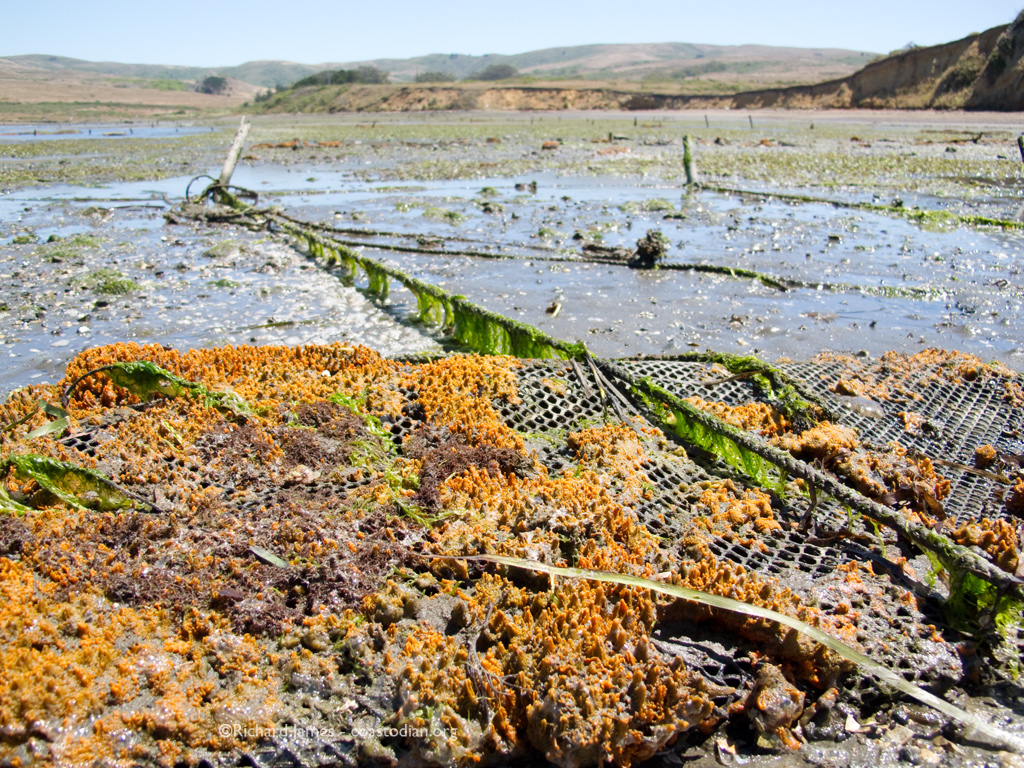
What follows are images that to me, are proof positive that the decision to let the oyster lease in Drakes Estero expire was the right choice. These same scenes repeated themselves throughout The Estero, though I never personally saw this many bags washed ashore on one boating trip in The Estero. I did see dozens of them that had been pulled out by the tides into Drakes Bay and deposited on Limantour and Drakes Beaches, as well as other nearby beaches. How many escaped unnoticed?

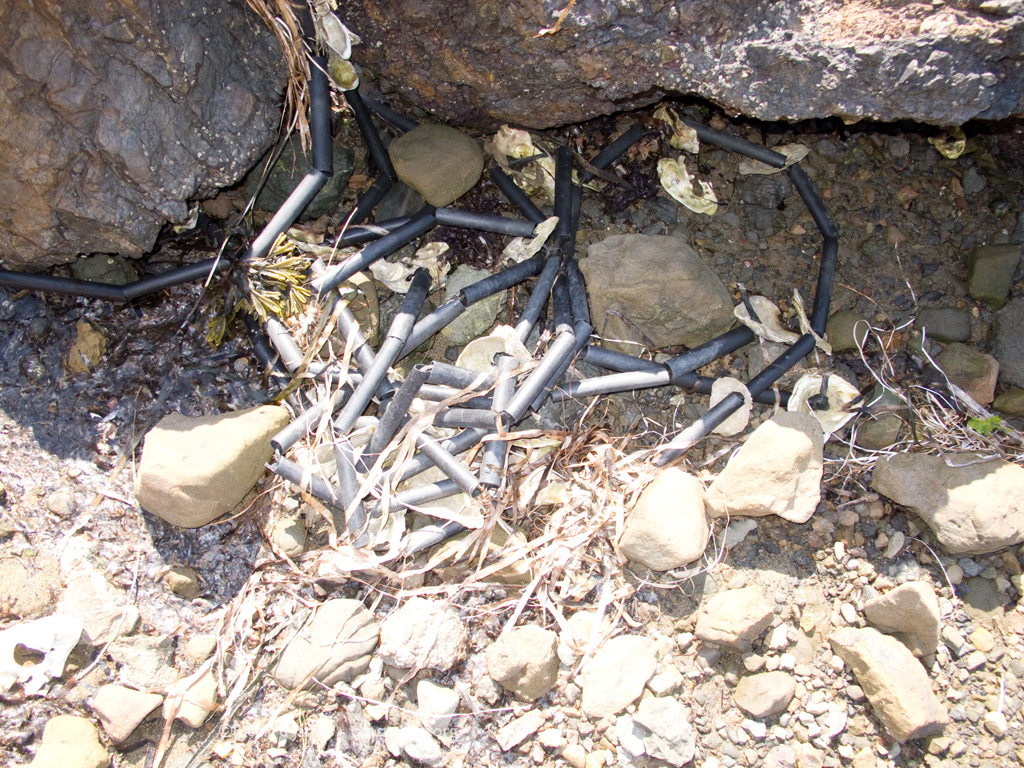
See earlier post about the nearly 6000 PVC pipe spacers I collected from Point Reyes beaches.

All of the images can be clicked on to see a larger image.

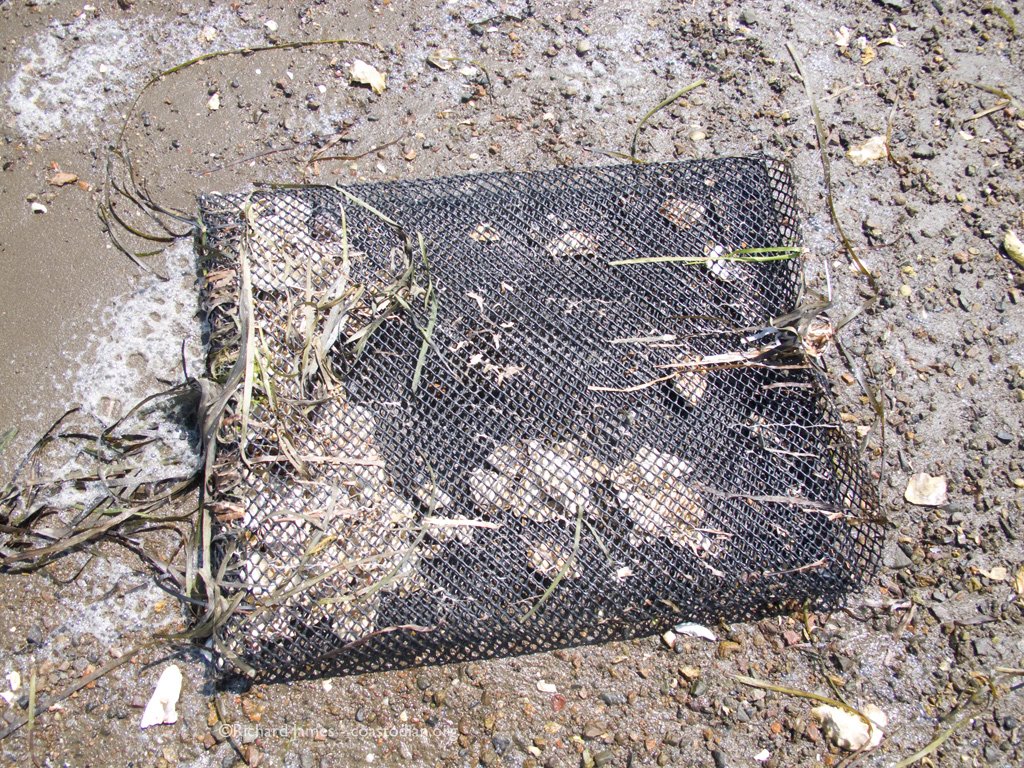
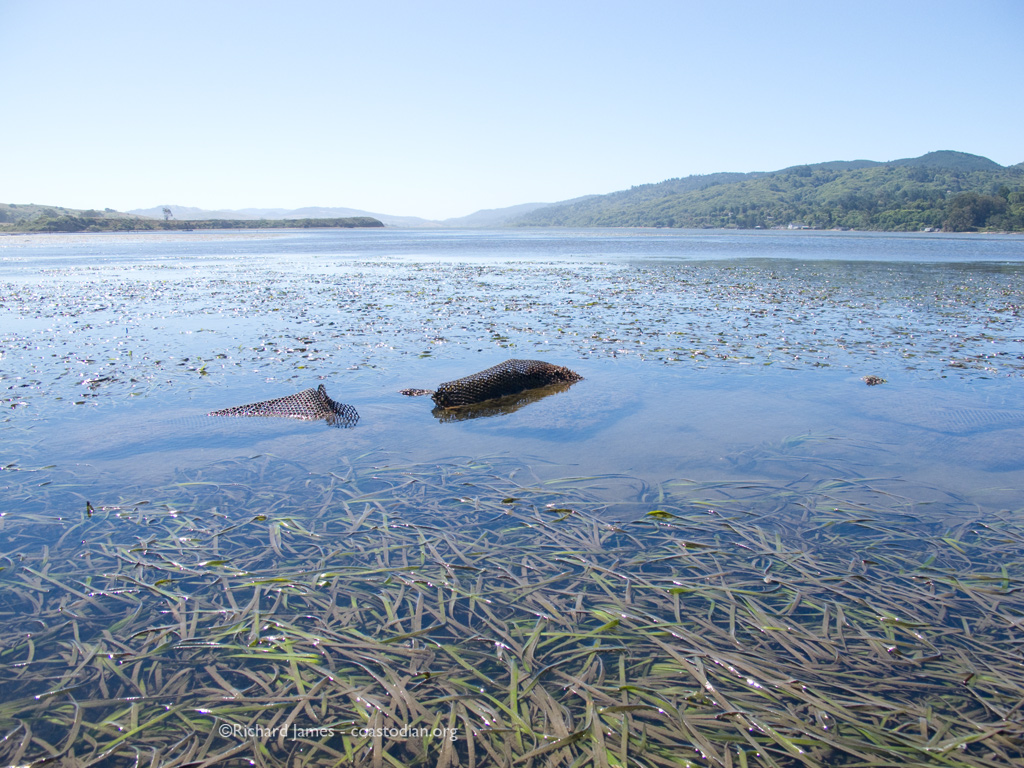
160 polyethelene oyster grow out bags left to the elements in Tomales Bay

160 polyethelene oyster grow out bags left to the elements in Tomales Bay

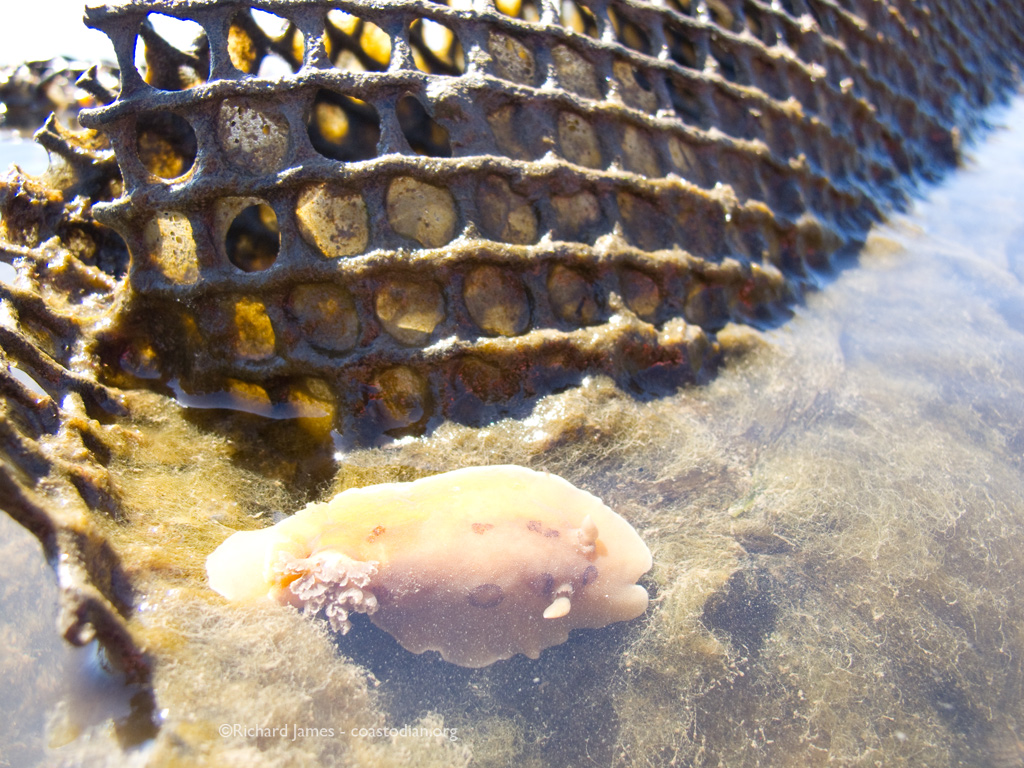
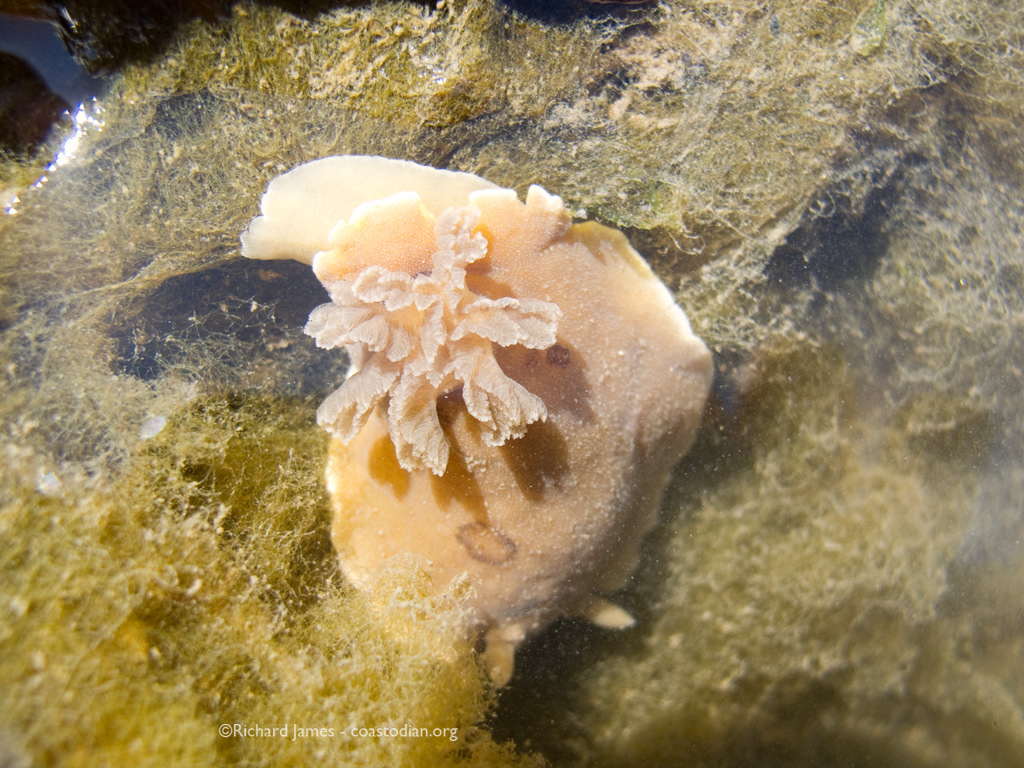
Nudibranch dining on a grow out bag

Nudibranch dining on a grow out bag

RJames.IMG_0455

Click on image to see a larger version.

RJames.IMG_0454

IMG_0542

IMG_0532

Click on image to see a larger version.

IMG_0518

IMG_0494

Click on image to see a larger version.

IMG_0482

160 polyethelene oyster grow out bags left to the elements in Tomales Bay

160 polyethelene oyster grow out bags left to the elements in Tomales Bay

160 polyethelene oyster grow out bags left to the elements in Tomales Bay

160 polyethelene oyster grow out bags left to the elements in Tomales Bay

Click on image to see a larger version.

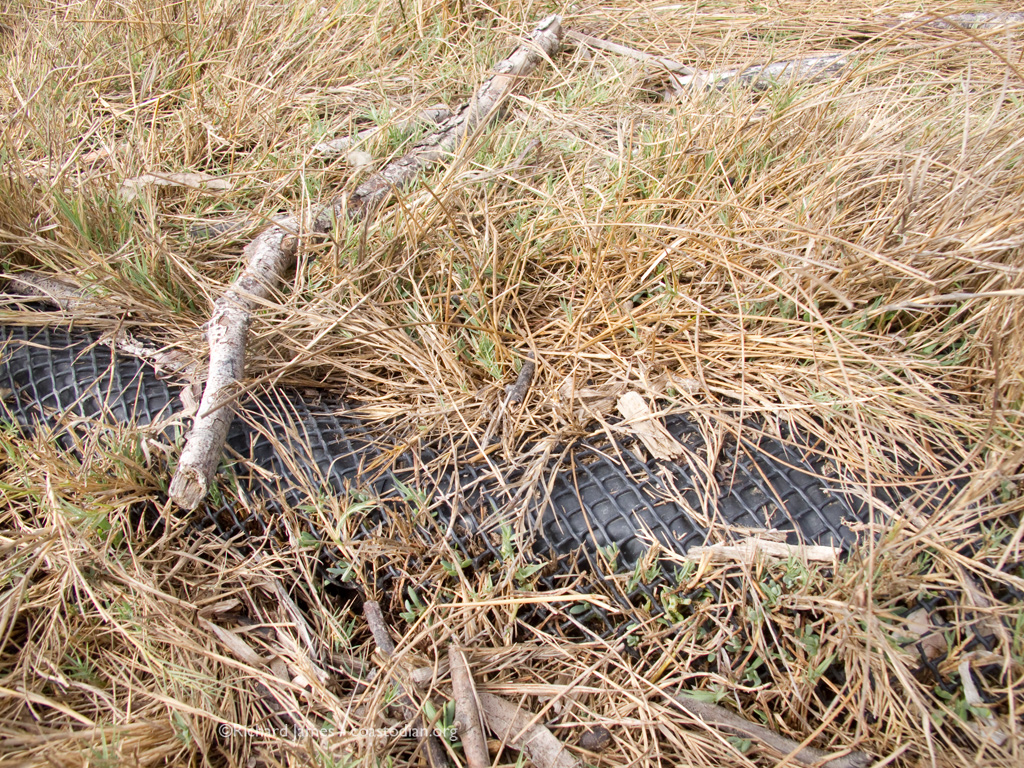
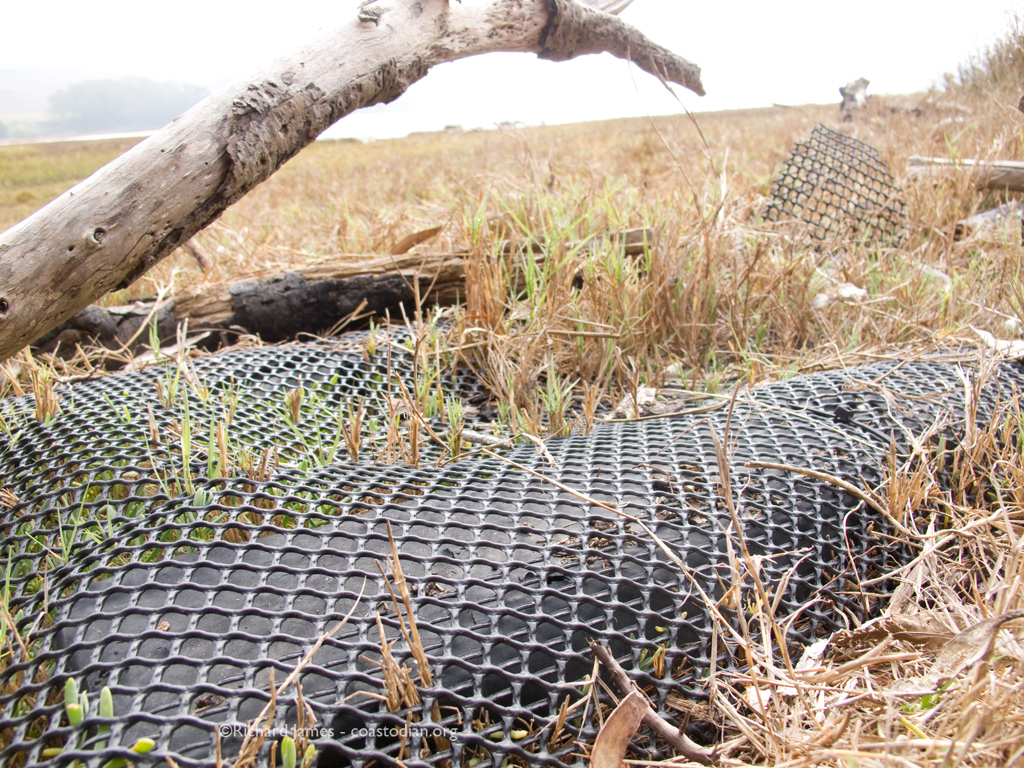
Been there so long, pickleweed is growing through it.

Been there so long, pickleweed is growing through it.

RJames.IMG_0480

RJames.IMG_0478

RJames.IMG_0477

Click on image to see a larger version.

RJames.IMG_0475

RJames.IMG_0474

RJames.IMG_0473

Click on image to see a larger version.

RJames.IMG_0471

RJames.IMG_0470

RJames.IMG_0469

Click on image to see a larger version.

RJames.IMG_0467

RJames.IMG_0465

RJames.IMG_0463

Click on image to see a larger version.

Nudibranch dining on a grow out bag

Nudibranch dining on a grow out bag

RJames.IMG_0516

RJames.IMG_0515

Click on image to see a larger version.

RJames.IMG_0513

RJames.IMG_0512

RJames.IMG_0511

Click on image to see a larger version.

RJames.IMG_0510

RJames.IMG_0509

RJames.IMG_0506

Click on image to see a larger version.

RJames.IMG_0505

RJames.IMG_0504

RJames.IMG_0503

Click on image to see a larger version.

RJames.IMG_0499

RJames.IMG_0495

RJames.IMG_0541

Click on image to see a larger version.

RJames.IMG_0540

RJames.IMG_0539

RJames.IMG_0538

Click on image to see a larger version.

RJames.IMG_0537

RJames.IMG_0536

RJames.IMG_0535

Click on image to see a larger version.

RJames.IMG_0534

RJames.IMG_0531

RJames.IMG_0530

Click on image to see a larger version.

RJames.IMG_0528

RJames.IMG_0527

RJames.IMG_0526

Click on image to see a larger version.

RJames.IMG_0524

RJames.IMG_0523

RJames.IMG_0522

Click on image to see a larger version.

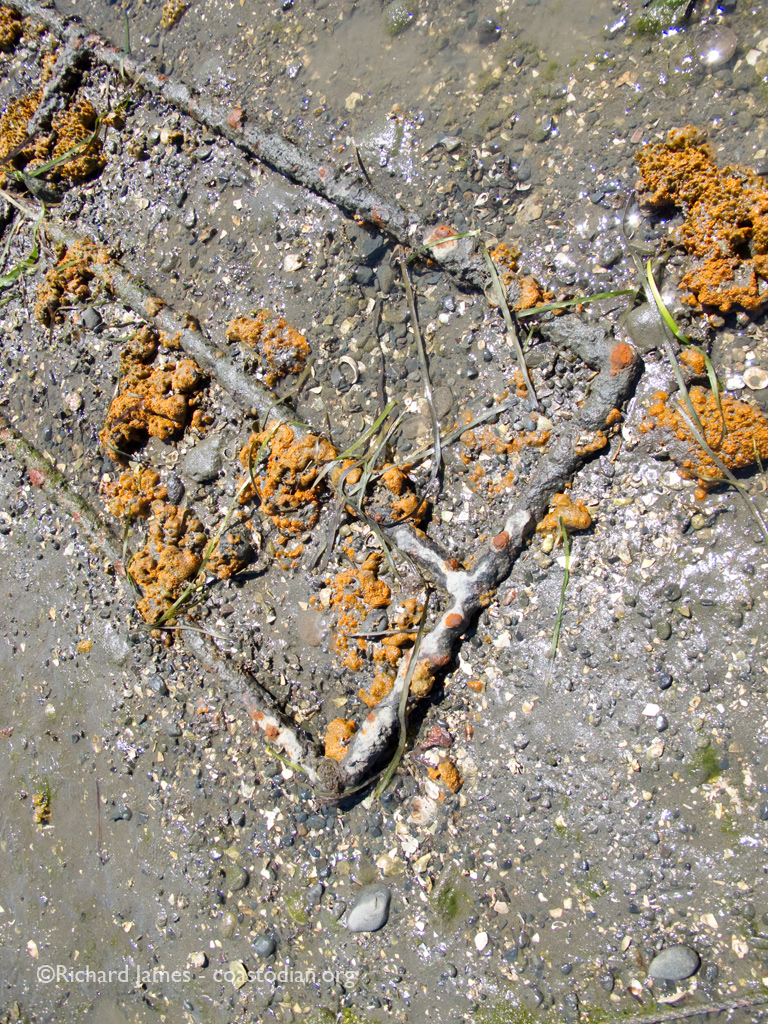
been there so long it is buried

been there so long it is buried

been there so long it is buried

been there so long it is buried

been there so long it is buried

been there so long it is buried

Click on image to see a larger version.

NOT good!

NOT good!

RJames.IMG_0546

Click on image to see a larger version.

RJames.IMG_0545

RJames.IMG_0543

In West Marin of all places!

Calling this sustainable mariculture would be as crazy as saying The Inverness Garden Club sprayed Roundup® in a public area near Tomales Bay, without permits, telling no one.


.

Next related post may be found here.
See the first post in this series “Save our Tomales Bay” here.