Jenner by the sea – Same as it ever was

Click the words above “Jenner by the sea – Same as it ever was” to see this entire post.

Once in a lifetime may we all see such beauty as Drakes Estero at dusk, surrounded by hundreds of godwits. Serenaded by a single loon. In this respect my life is complete.

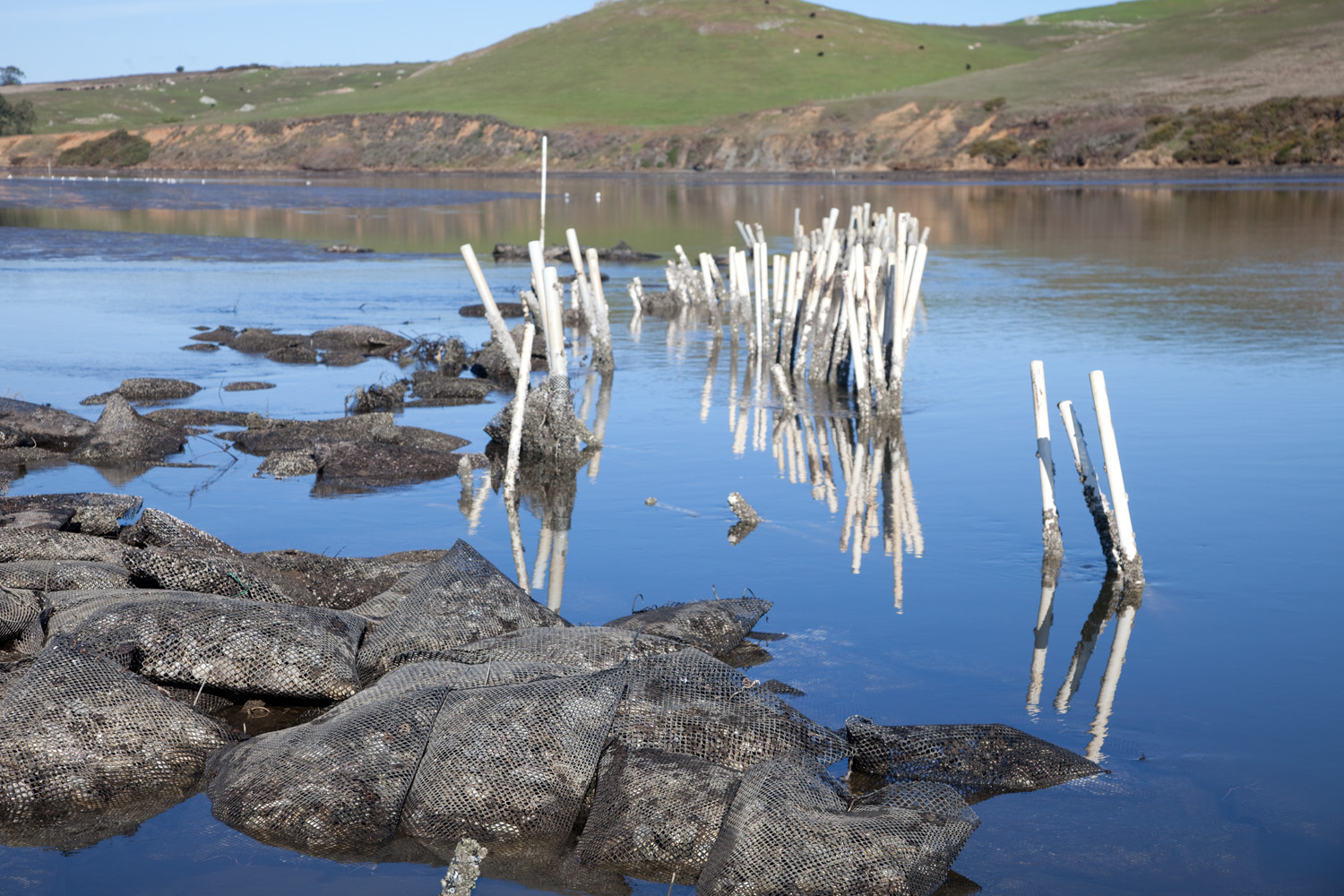
On the first day of 2015 I was blessed with the beauty of Drakes Estero sans mariculture.

1 January, 2015 - Black Turnstones over Drakes Estero. ©Richard James

1 January, 2015 – Black Turnstones over Drakes Estero. ©Richard James

On the last day of 2015, I had the company of Dan Gurney, fellow boater and nature aficionado as we toured the estuary at the mouth of the Russian River.

This is a common venue for Dan and my first trip to these calm waters.

We put in at the boat ramp near the visitor center and made our way towards the mouth, careful not to venture out to the sea. Our boats and skills not suited for the crashing waves.

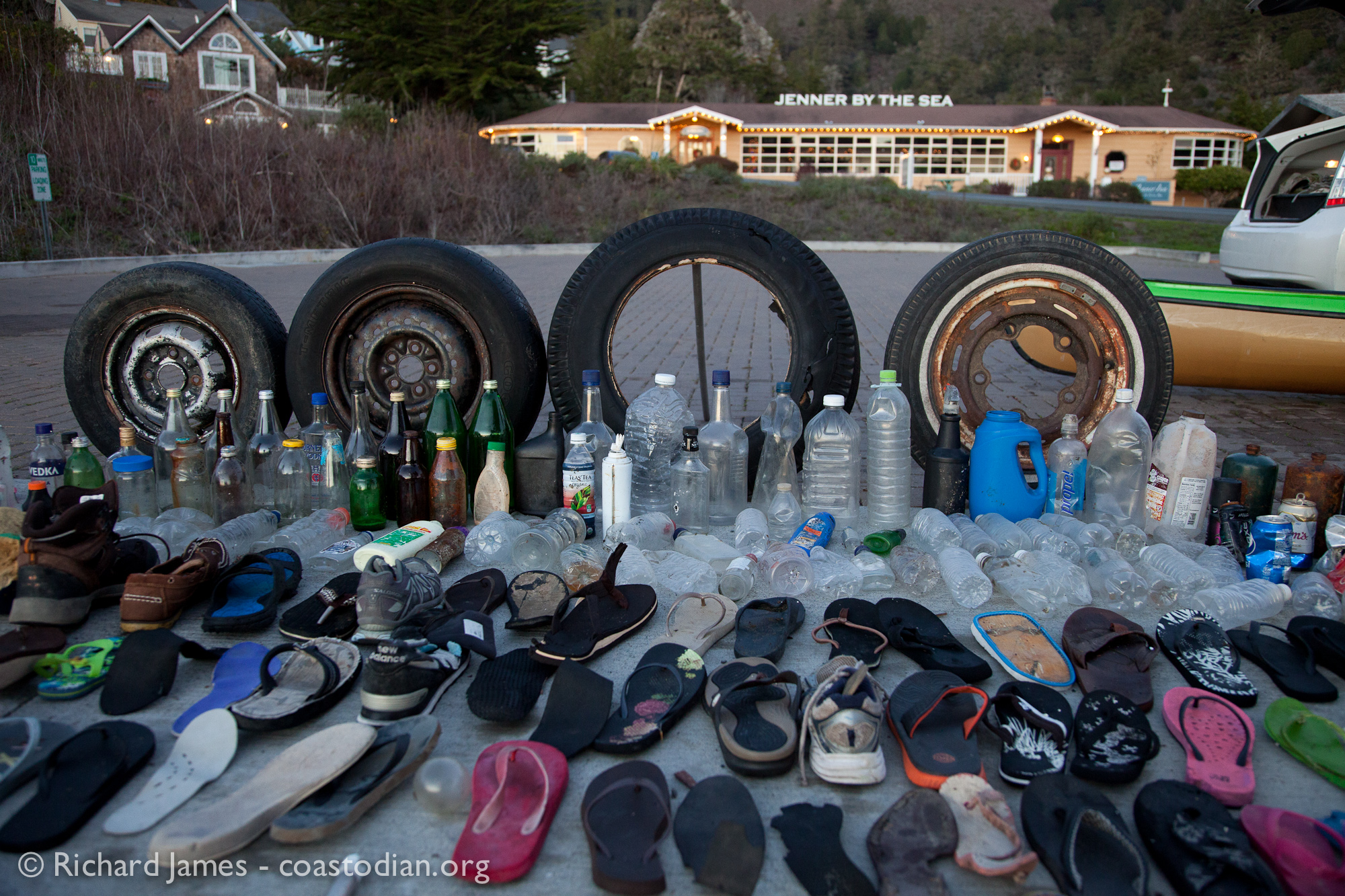
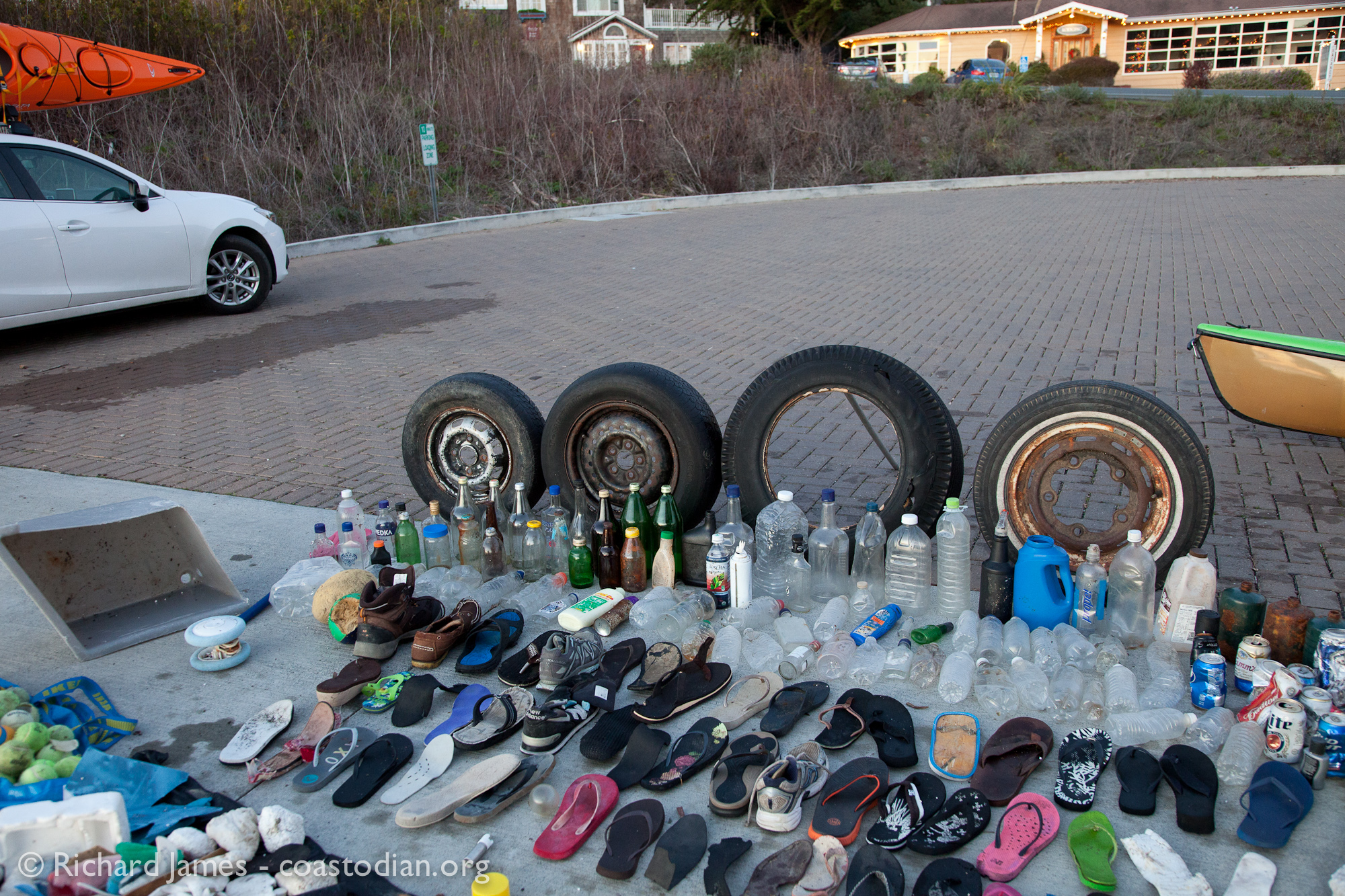
Besides enjoying the birds, seals and sounds, our destination was the beach north of the mouth, covered with driftwood and countless pieces of plastic, bottles and other mindless items. Inquisitive harbor seals swam close to us, noses in the air, inspecting us for food or threat, then silently sliding back beneath the cloak of the sea-surface.

We beach our boats, bags in hand we set off to the north, ready to return the scene to a more fitting state, free from out trash. Though we would later learn we had not pulled our boats far enough out of the rising waters.

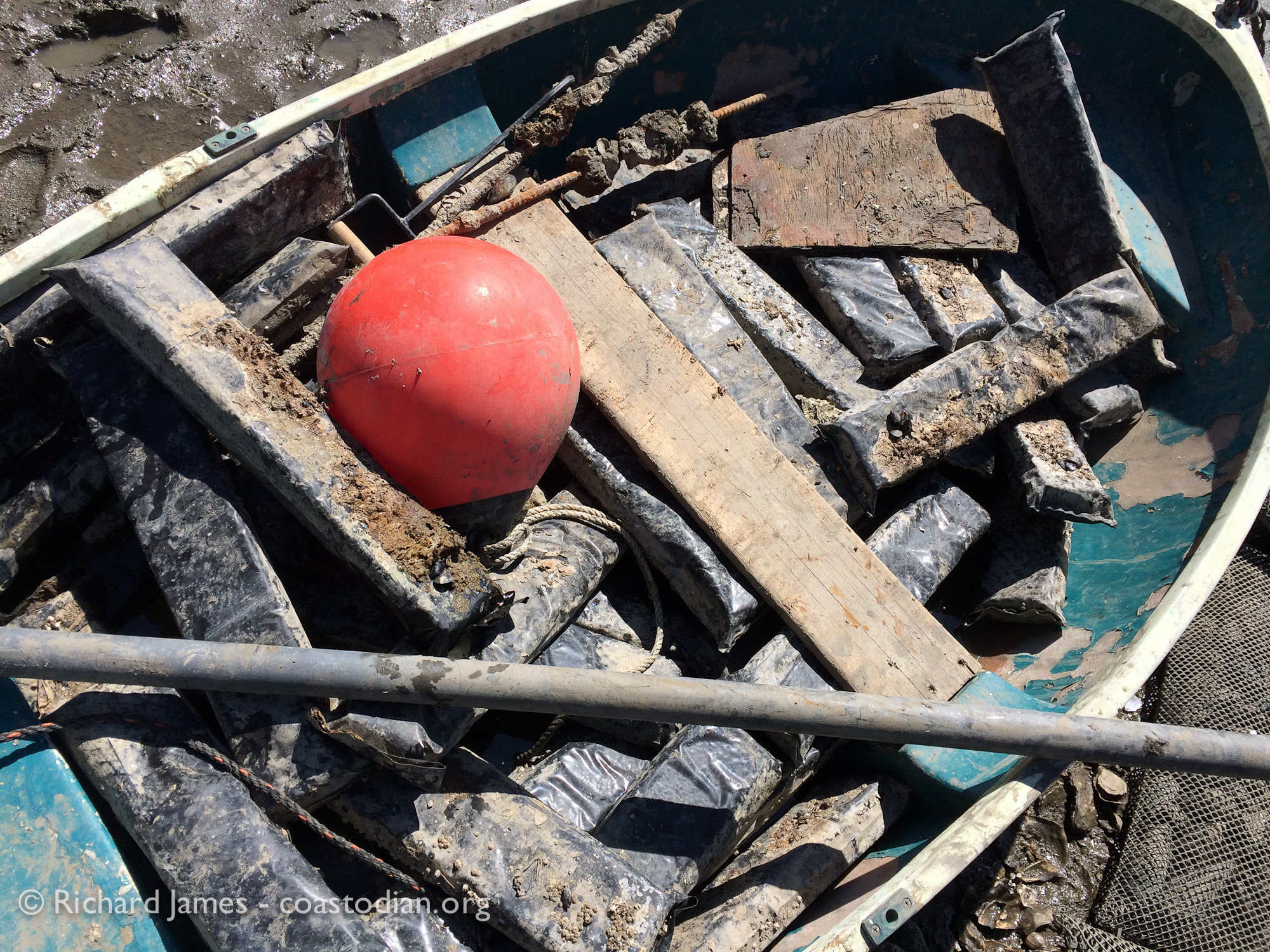
Dan and I had previously met 2-3 times on Tomales Bay, he with a larger group of boaters, and I out walking the shores, filling my boat with trash, oyster farming debris and derelict drifting duck decoys. This was the first time he and I had boated and walked the shore, intent on cleaning up the place.

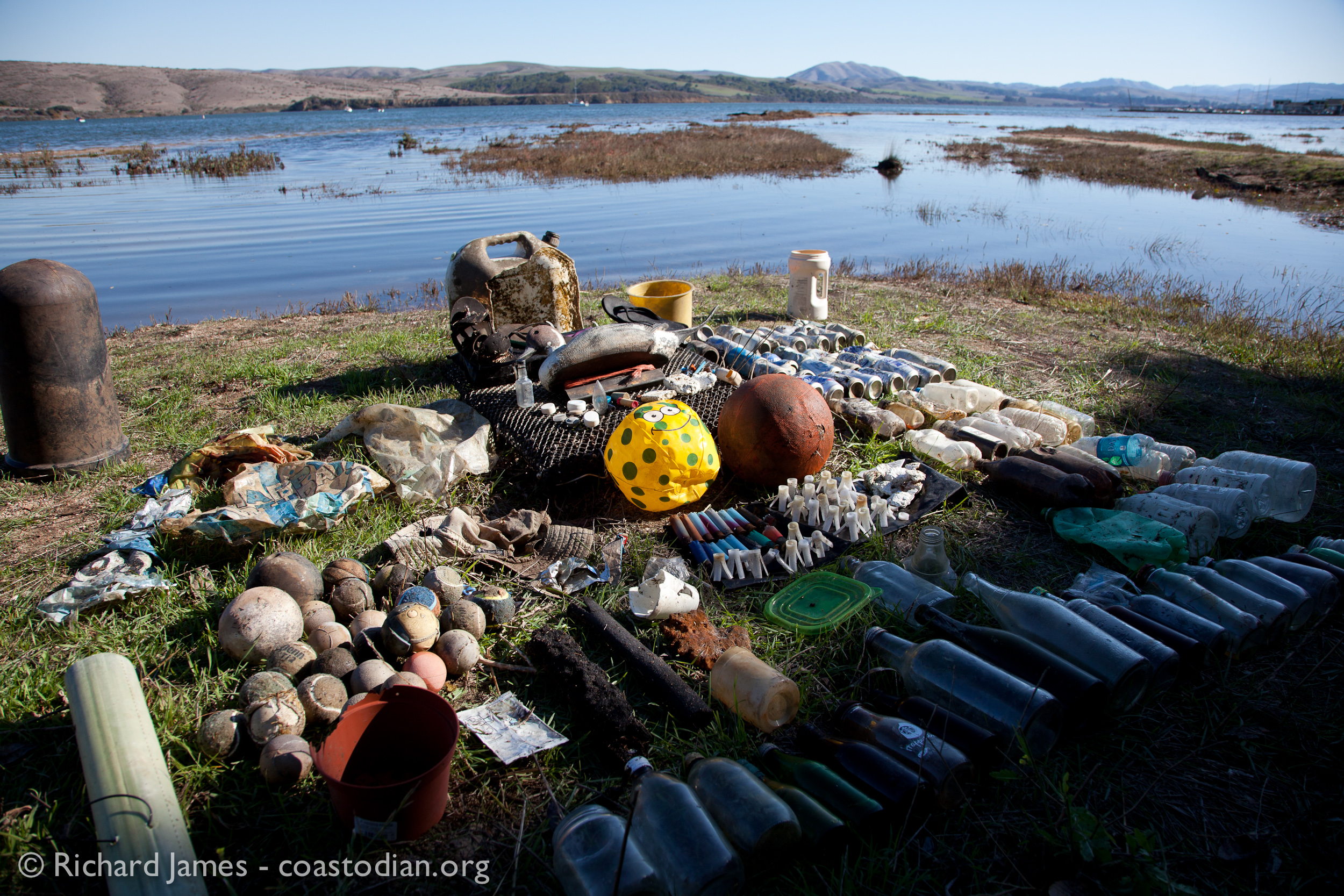
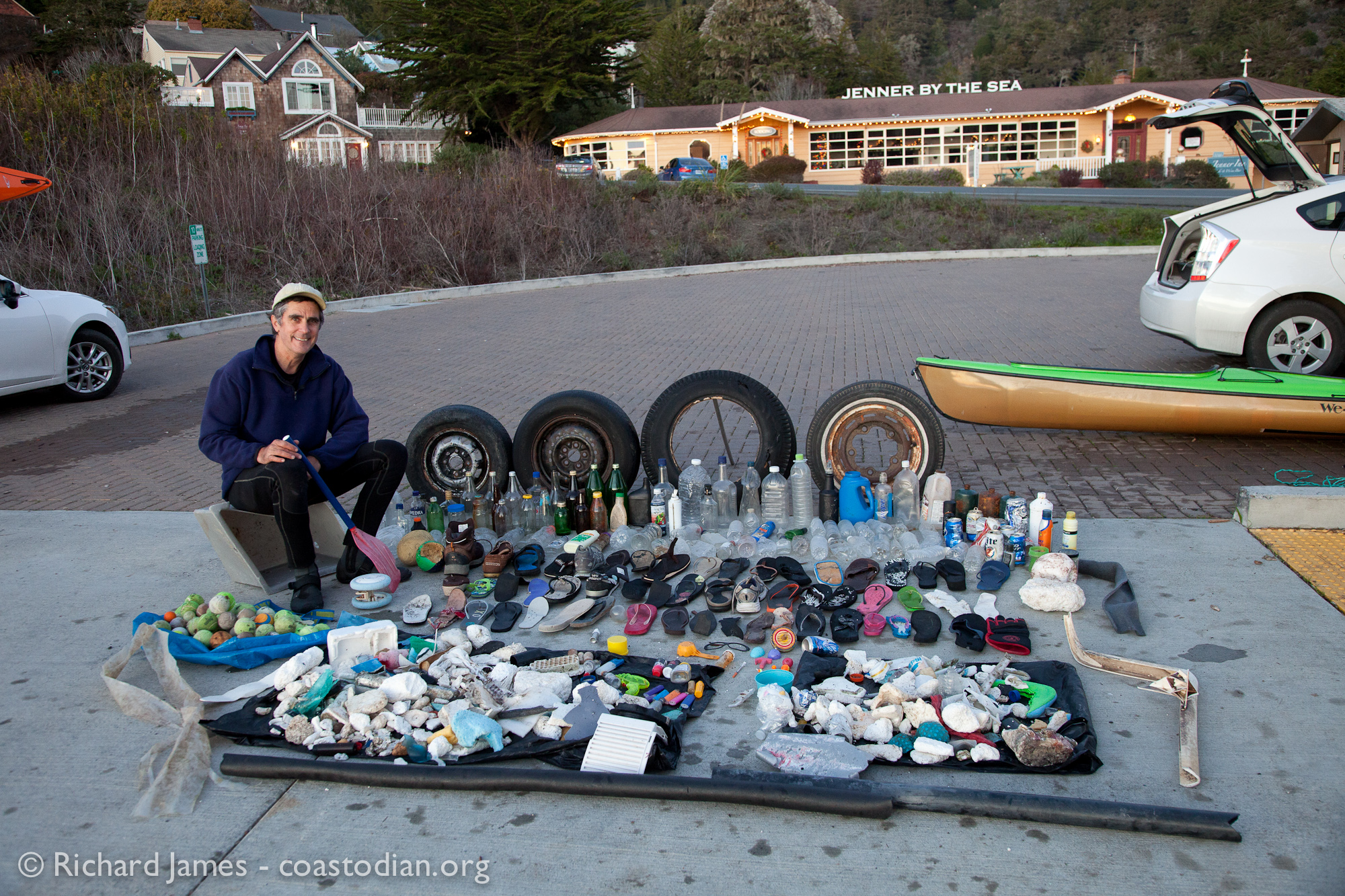
Instead of 10-15 minutes and back in the boat to paddle up to Penny Island for a bite to eat, we spent the next 90 minutes gathering foam bits, tennis balls, plastic and glass beverage containers and this lone steelhead.

A large meal, unnoticed by gulls, vultures and eagles. The all white gums of this fish told me it is a steelhead, chinook are all black, coho are black & white.

A large meal, unnoticed by gulls, vultures and eagles. The all white gums of this fish told me it is a steelhead, chinook gums are all black, coho gums black & white.

Perhaps the sand coating had sealed in the scent sufficiently to hide this meal from being discovered. I carried it out to the surf and the gulls and vultures quickly took notice.

Dan was a bit worried, as we had left our boats unattended for quite a while (and had not secured them very well either)

After piling up trash into caches for retrieval later, we hustled back to find our boats swirling in an eddy, off-shore, being herded by Dan’s good friend Bob. Bob boats here nearly every day and knows the land, as well as the boats. He was kind enough to push them to shore where we secured them and spent a while talking about all manner of seaside topics.

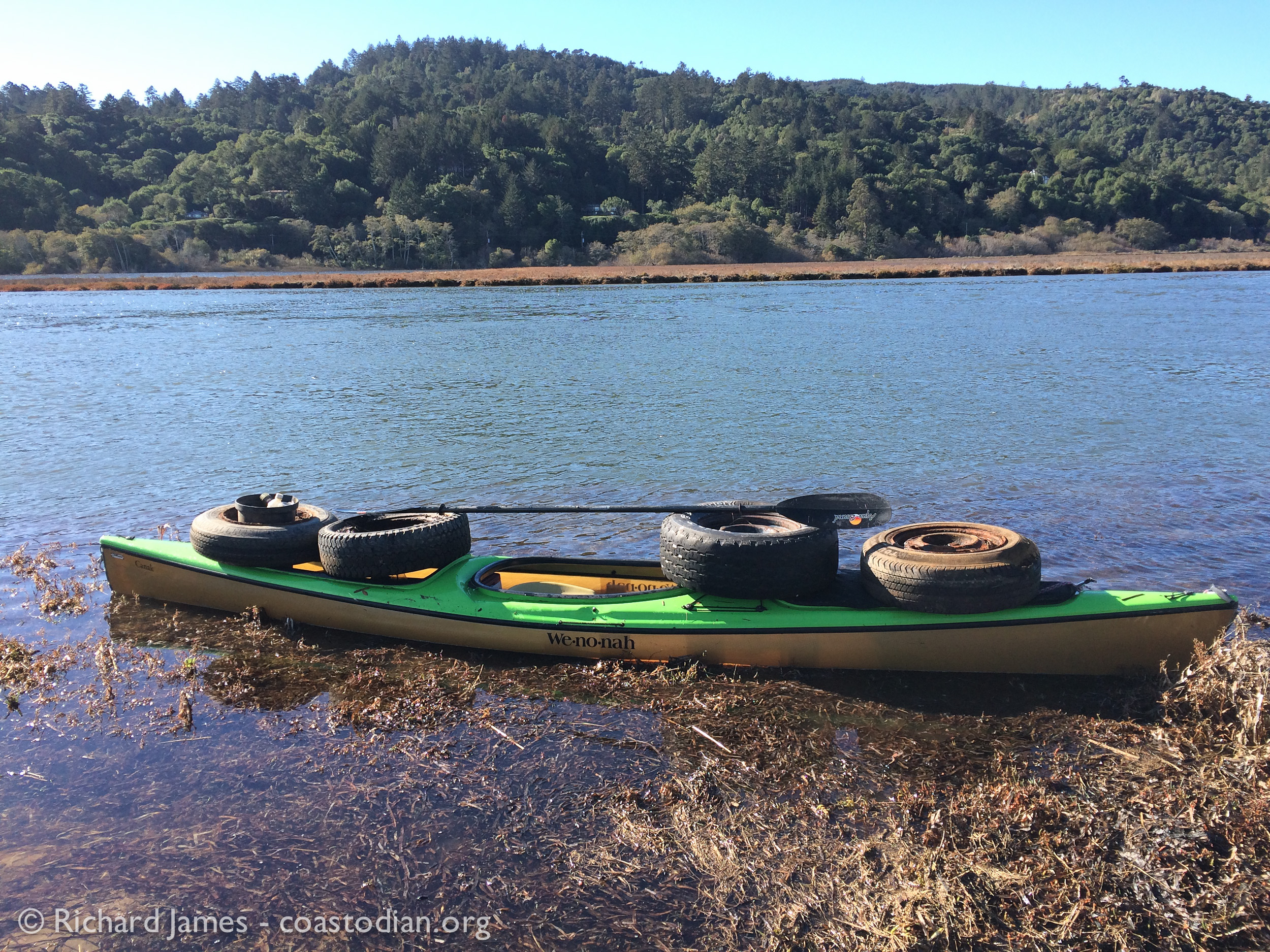
After returning to our caches to recover them, lashing everything (except one large truck tire we left up high for another caring individual to pack out), we carefully made our way to Penny Island for a late lunch.

Dan was nice enough to share his sandwich, for I had only arrived with drinks and pastries from Tomales Bakery. We devoured our meal as buffleheads and mergansers floated by.

Once the sun had dipped behind the ridge, the temp dropped and my wet wetsuit became downright chilly. (the day started out quite chilly, the drive up from Inverness was on ice-coated roads. My usual put-in along Walker Creek was occupied by Cheda’s tow truck hoisting the Hog Island Oyster delivery van from the creek, a sheepish driver pacing the shoulder)

Dan and I quickly paddled to the boat ramp to disgorge our discoveries and load boats back on to cars for the drive back.


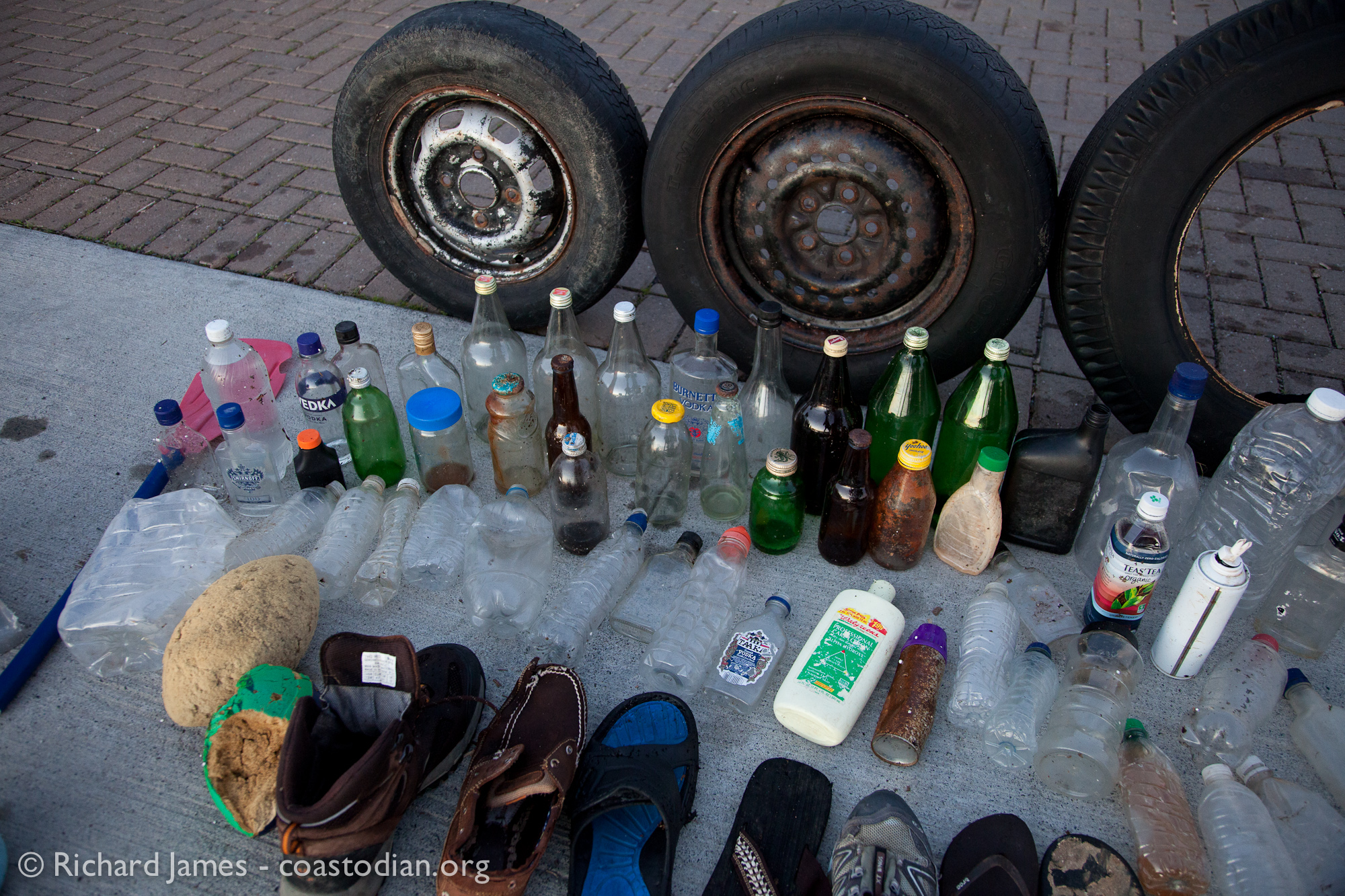
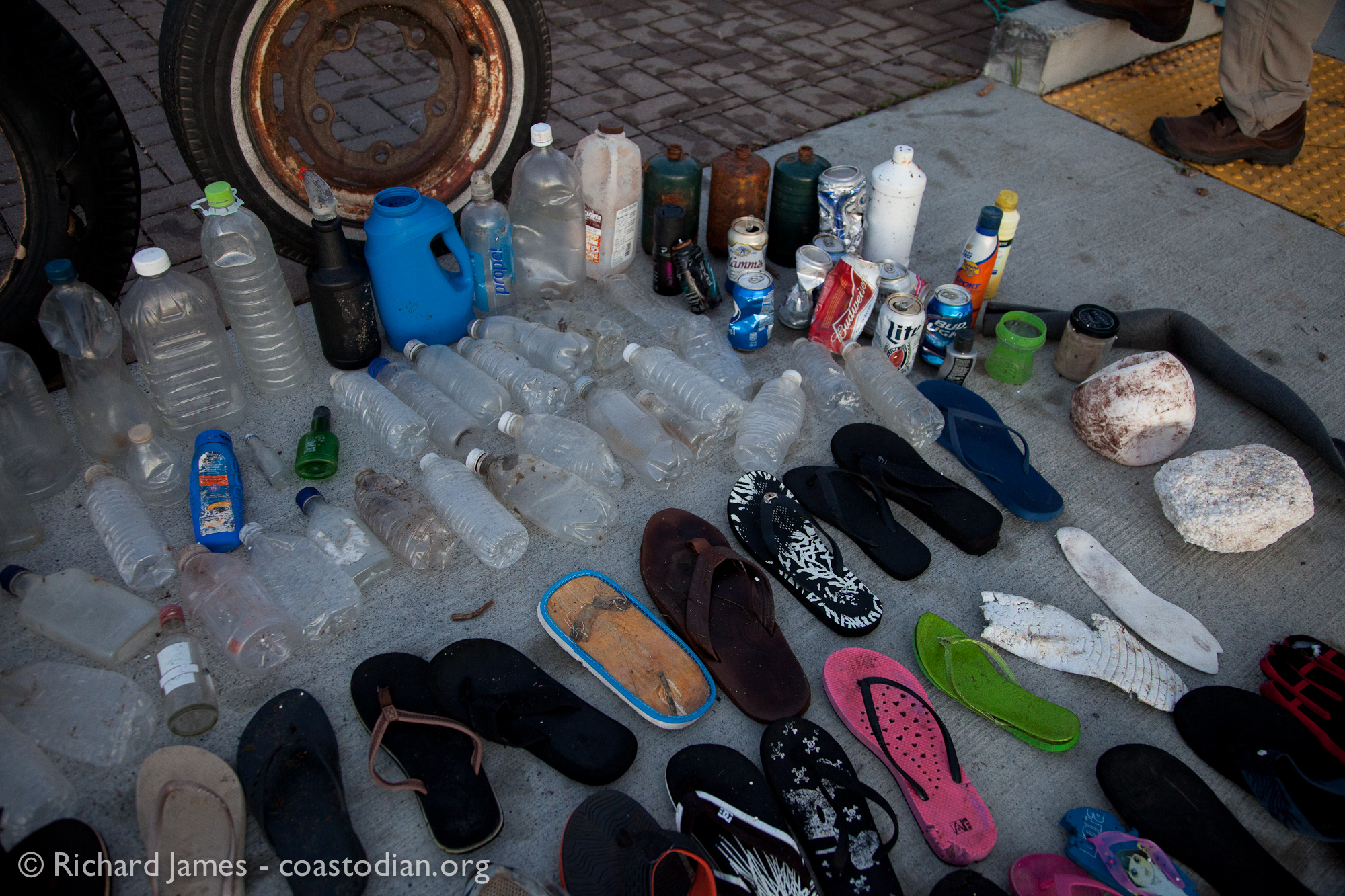
See below what washes down the Russian River on a daily basis.


Same as it ever was…Same as it ever was…Same as it ever was…
Same as it ever was…Same as it ever was…

Water dissolving…and water removing
There is water at the bottom of the ocean
Carry the water at the bottom of the ocean
Remove the water at the bottom of the ocean!

Letting the days go by/let the water hold me down
Letting the days go by/water flowing underground
Into the blue again/in the silent water
Under the rocks and stones/there is water underground.

Letting the days go by/let the water hold me down
Letting the days go by/water flowing underground
Into the blue again/after the money’s gone
Once in a lifetime/water flowing underground.
 

IMG_0993

IMG_0981

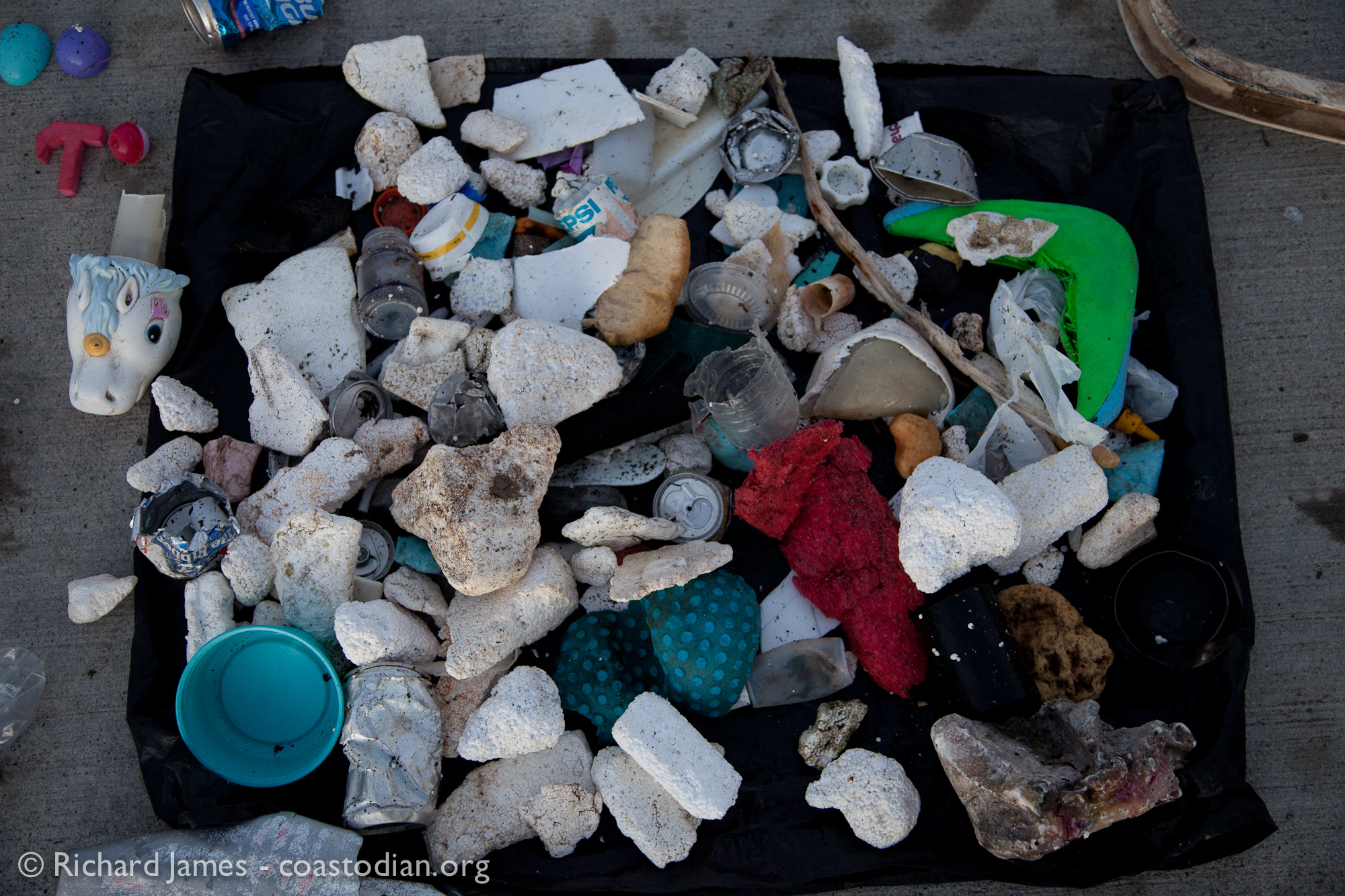
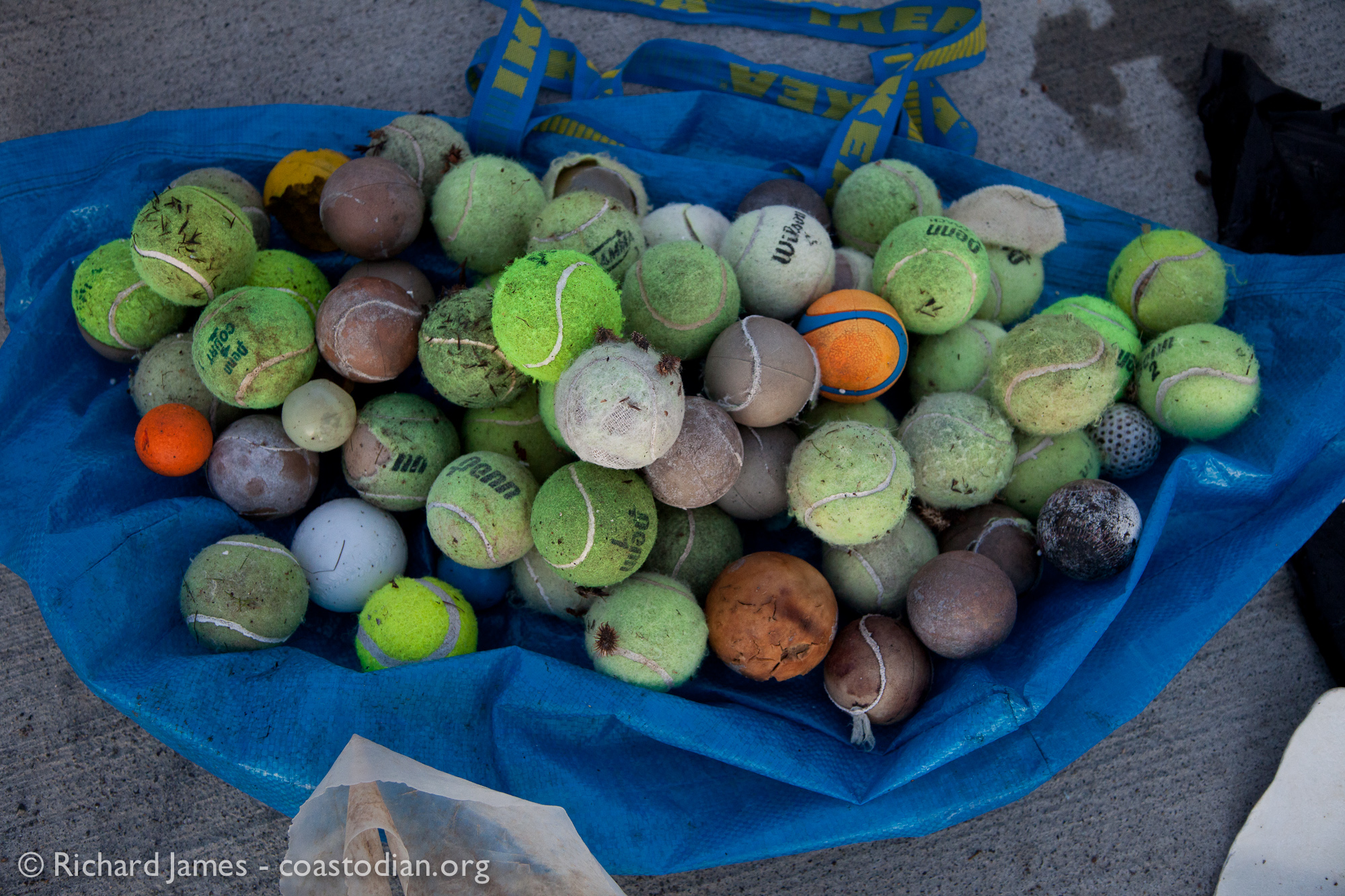
56 tennis balls on second ever ikea bag. This one in great shape, sure to help haul hundreds of pounds of trash off many beaches.

IMG_0987

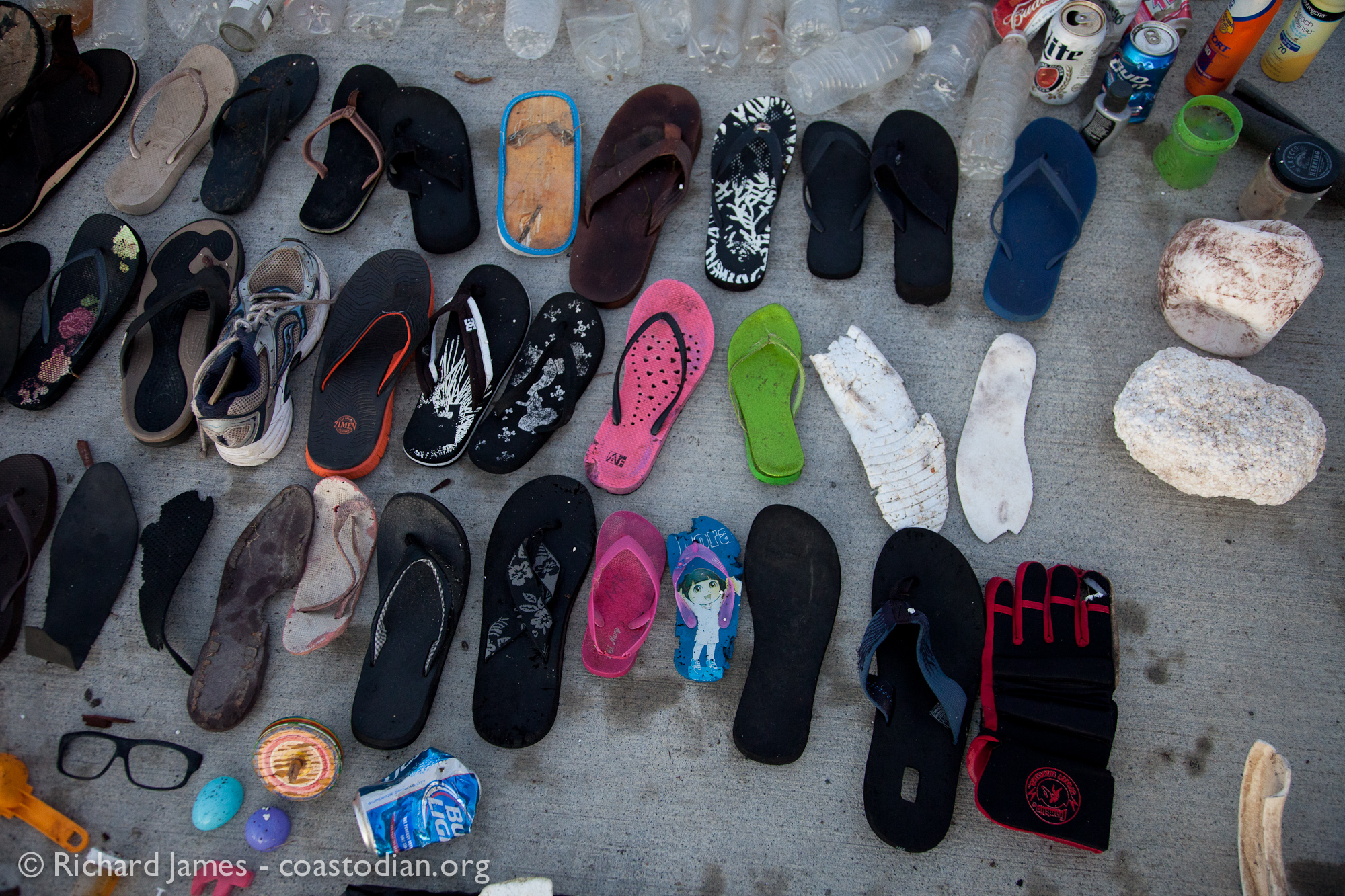
56 shoes, soles or footbeds

IMG_0985

Second syringe of the litter season.

IMG_0984

First ever unicorn.

IMG_0982 IMG_0983 IMG_0986 IMG_0988 IMG_0989 IMG_0990 IMG_0991

.


Save our Tomales Bay – 35 Legacy oyster farming trash we want removed NOW.

All images ©richard james – no use without written permission.

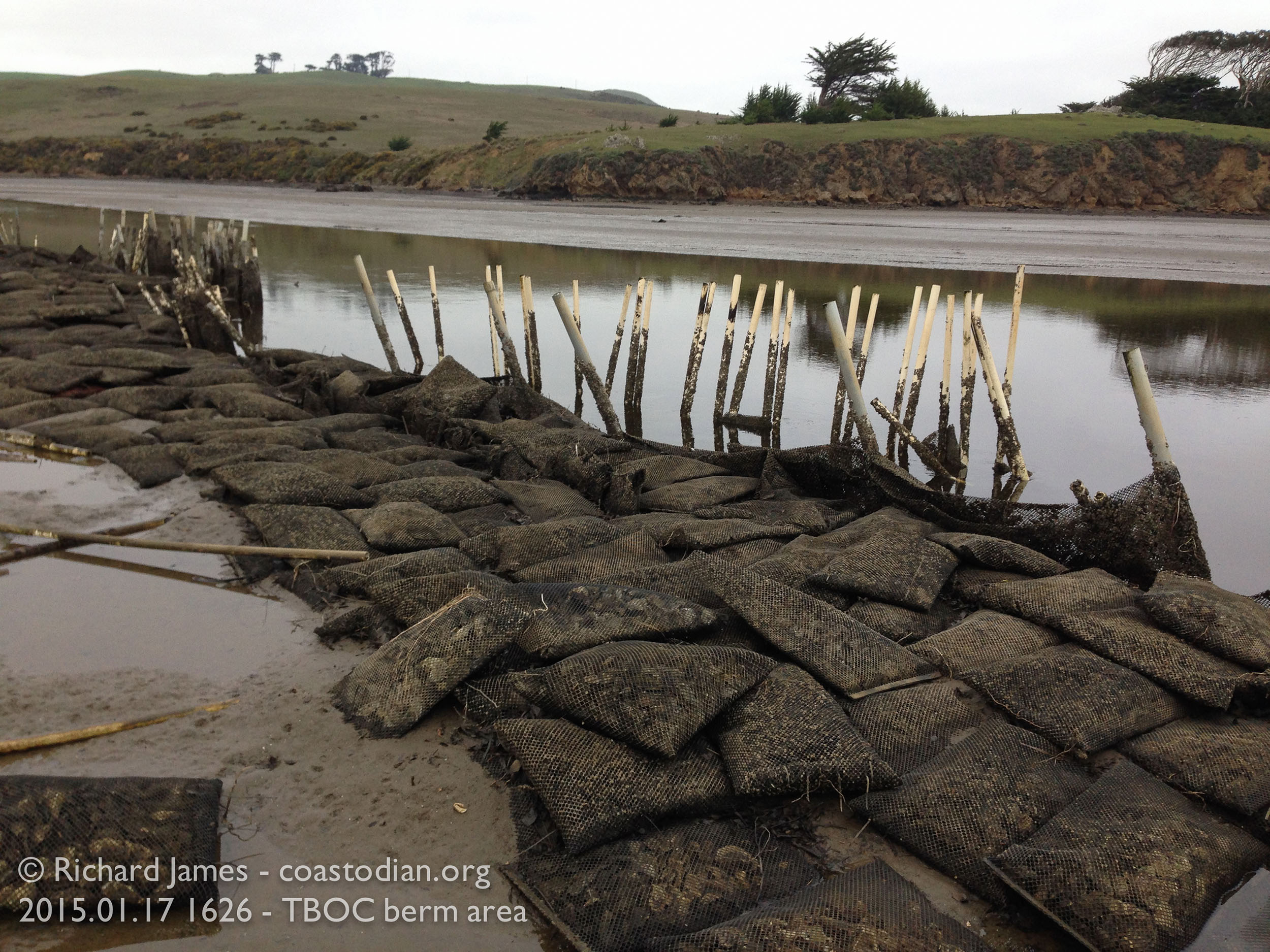
Partially removed – thank you mystery entity, nature

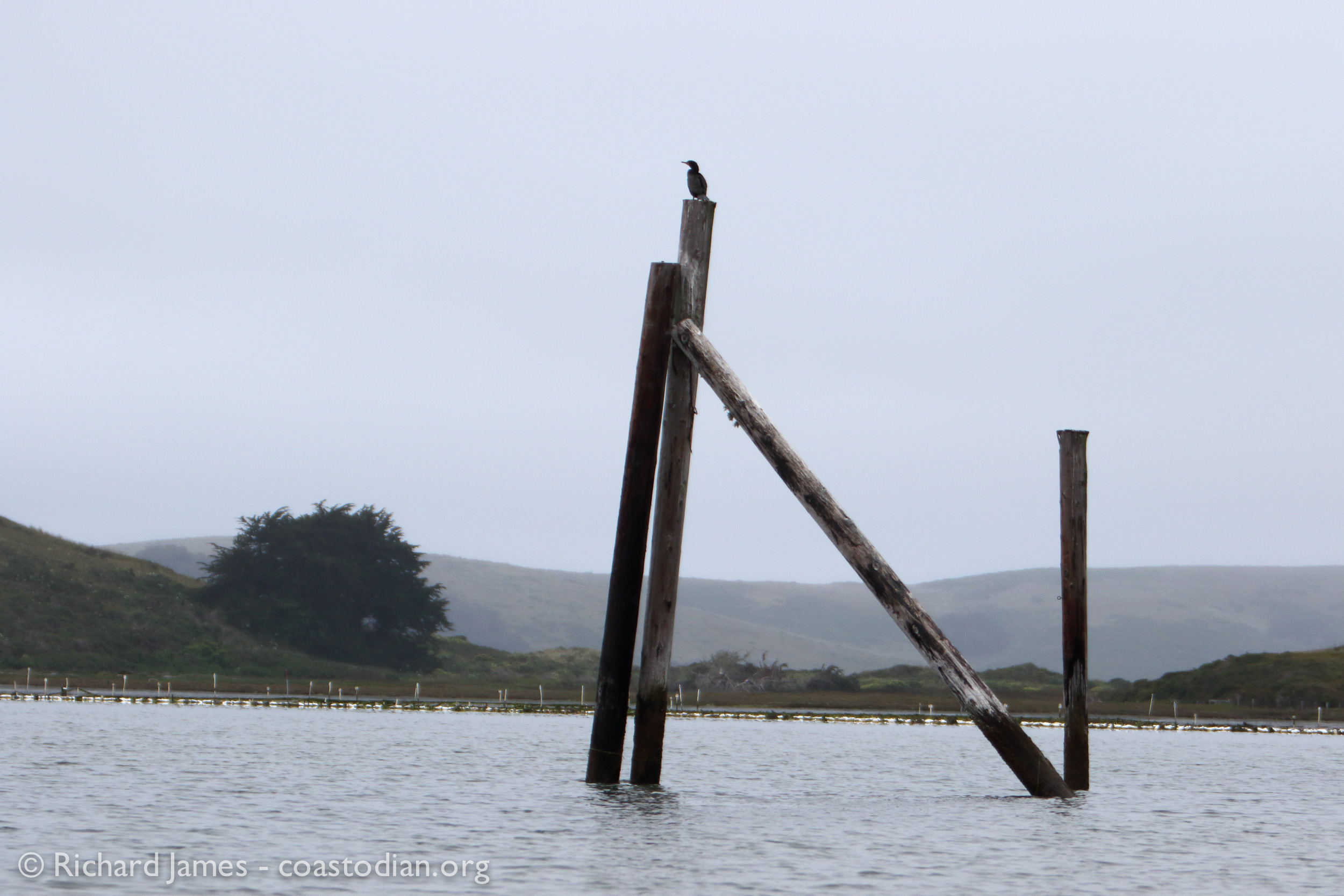
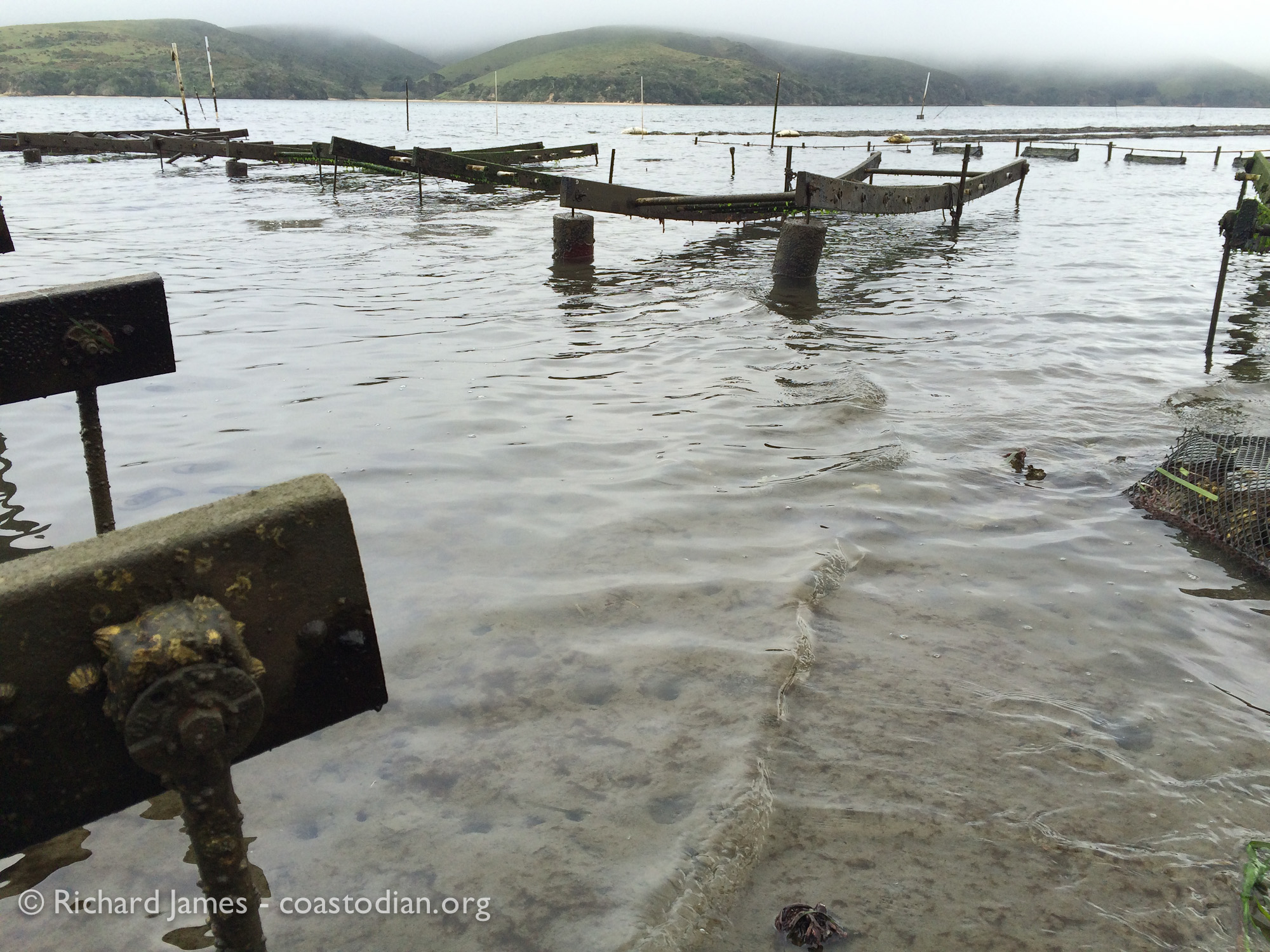
Highline pilings awaiting removal

Highline pilings awaiting removal

.

.

Partially removed – thank you TBOC

.

Partially removed – thank you TBOC

Partially removed, still more awaiting removal TBOC

Partially removed, still more awaiting removal TBOC

.

All images ©richard james – no use without written permission.

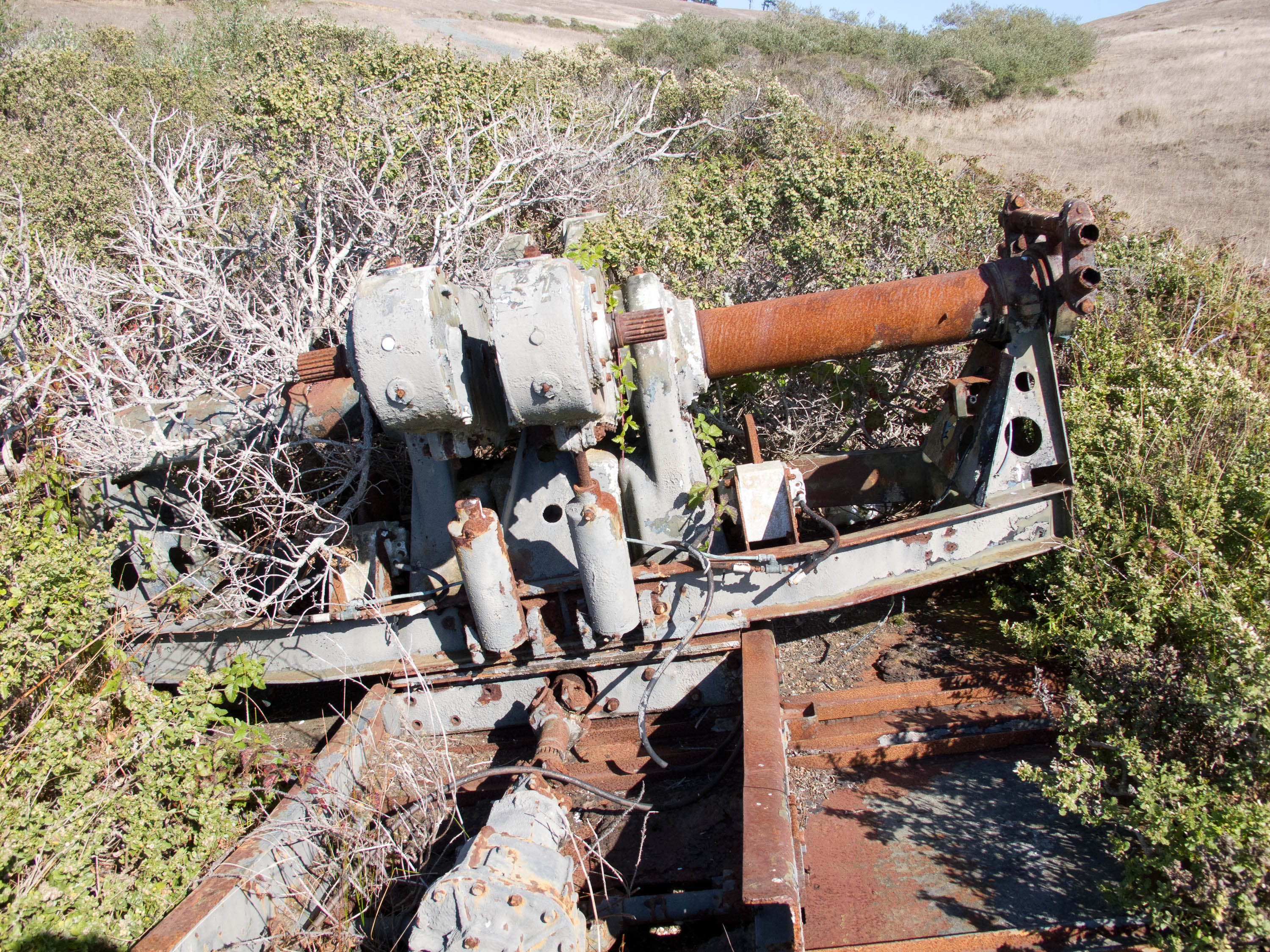
Winches from highline awaiting removal

Winches from highline awaiting removal

.

Winches from highline awaiting removal

Winches from highline awaiting removal

.

Removed – thank you Coastal Commission, HIOC

150 chemically treated posts from many decades ago near Tom's Point awaiting removal

150 chemically treated posts from many decades ago near Tom’s Point awaiting removal

.

Removed! - Thank you Hog Island Oyster Company

Removed! – Thank you Hog Island Oyster Company

.

All images ©richard james – no use without written permission.

Removed! - Thank you TBOC

Removed! – Thank you TBOC

.

Removed! - Thank you TBOC

Removed! – Thank you TBOC

.

Removed! - Thank you TBOC

Removed! – Thank you TBOC

.

Removed! - Thank you TBOC

Removed! – Thank you TBOC

.

All images ©richard james – no use without written permission.

Removed! - Thank you TBOC

Removed! – Thank you TBOC

.

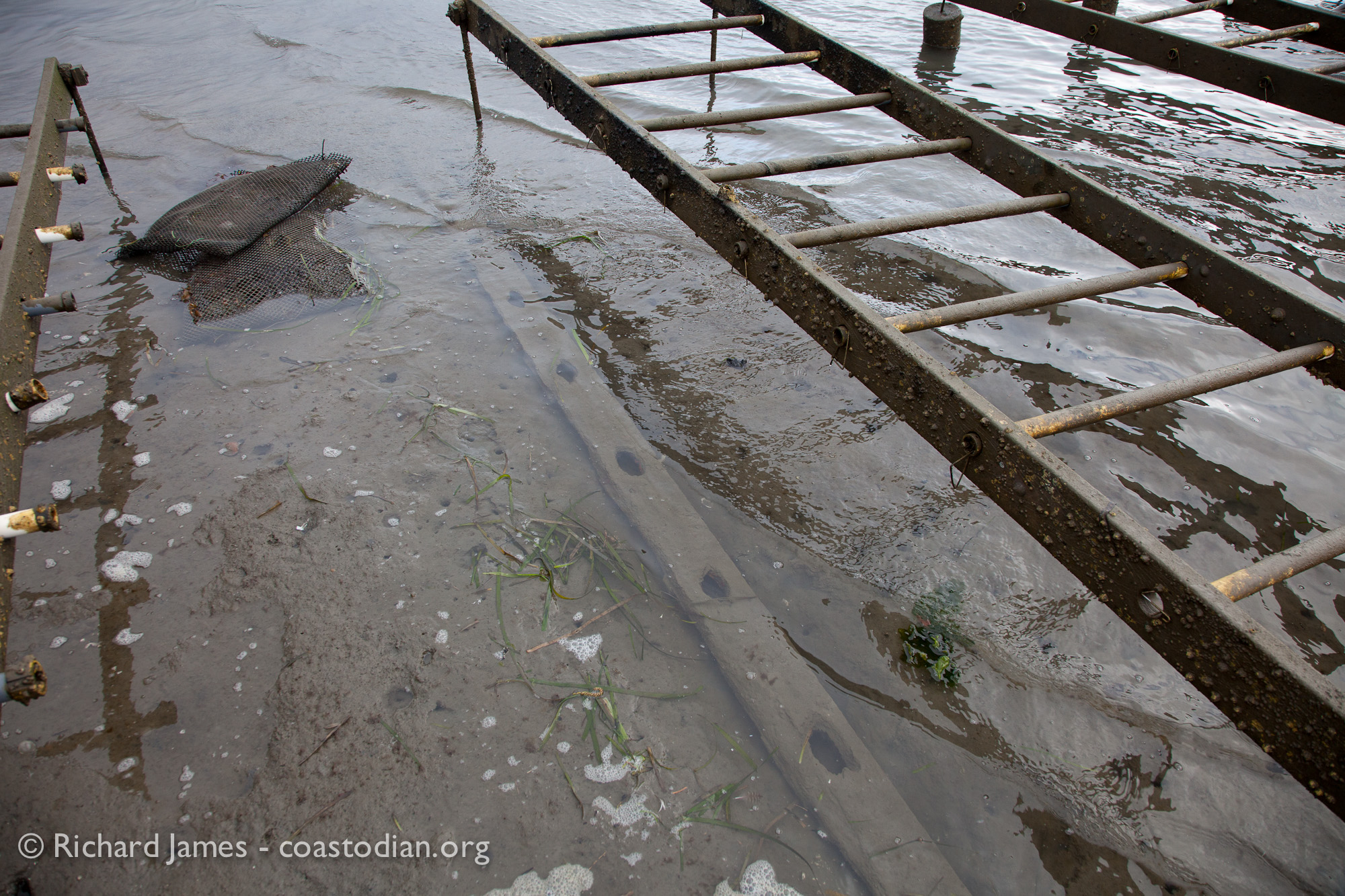
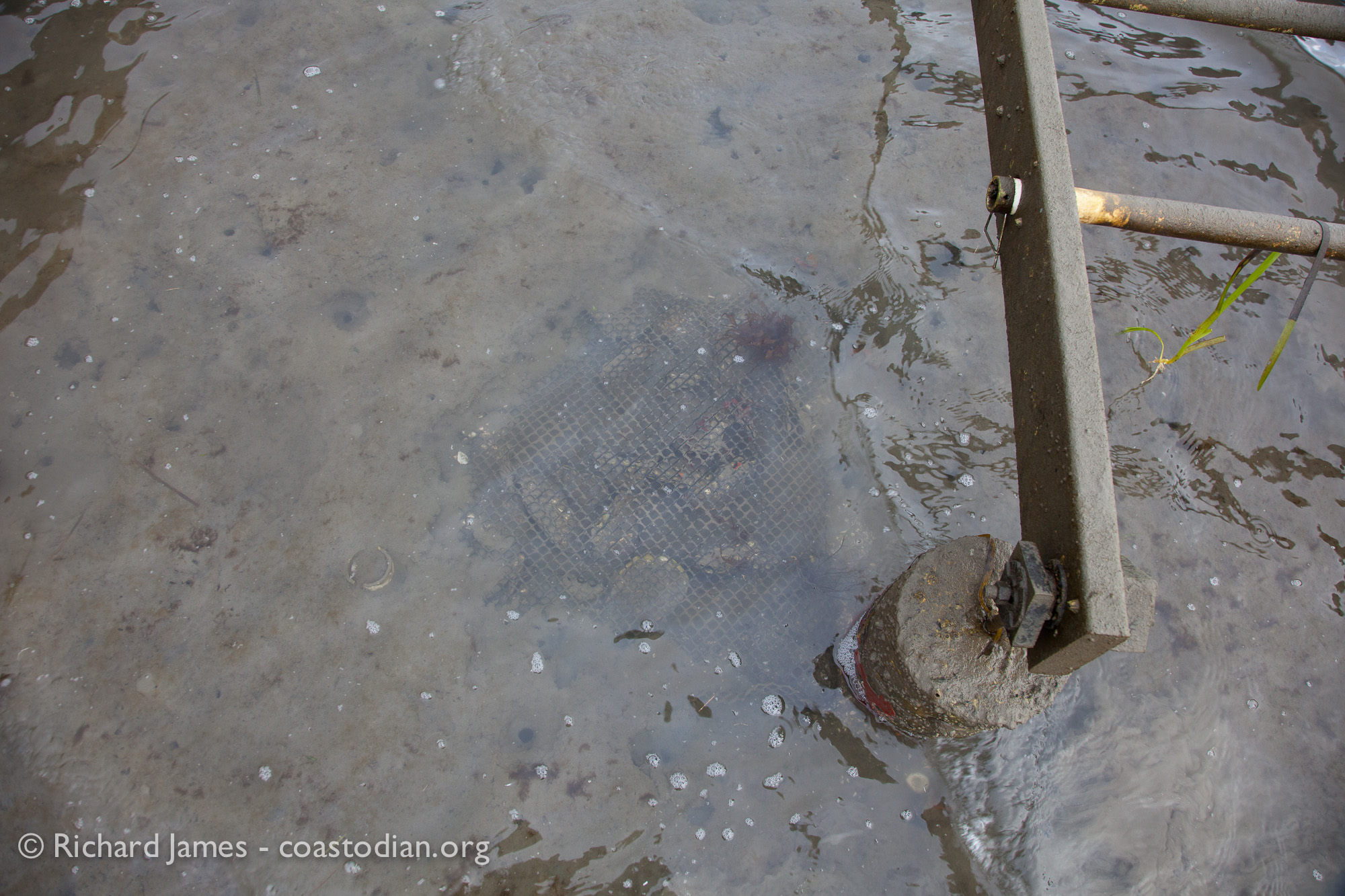
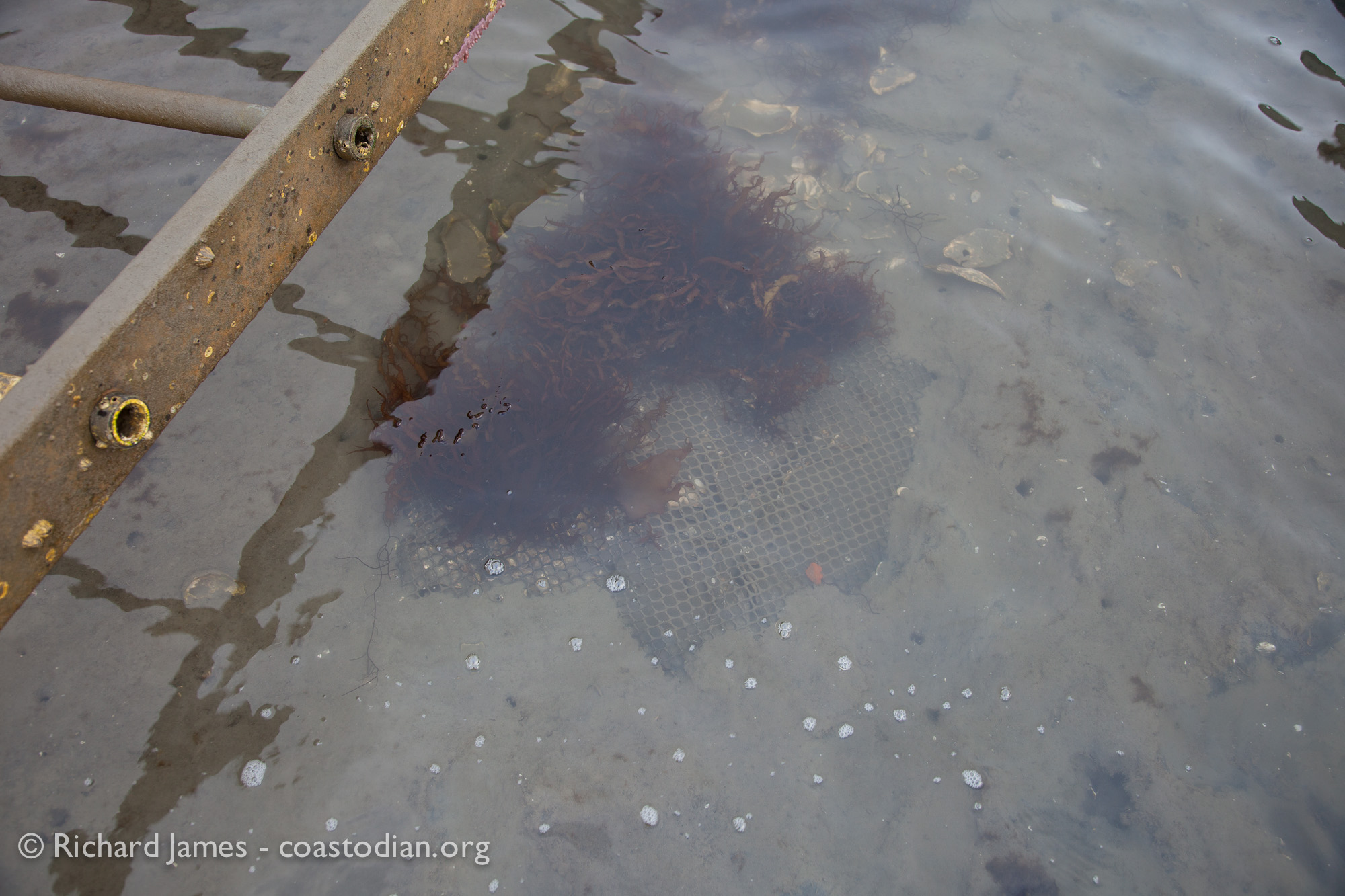
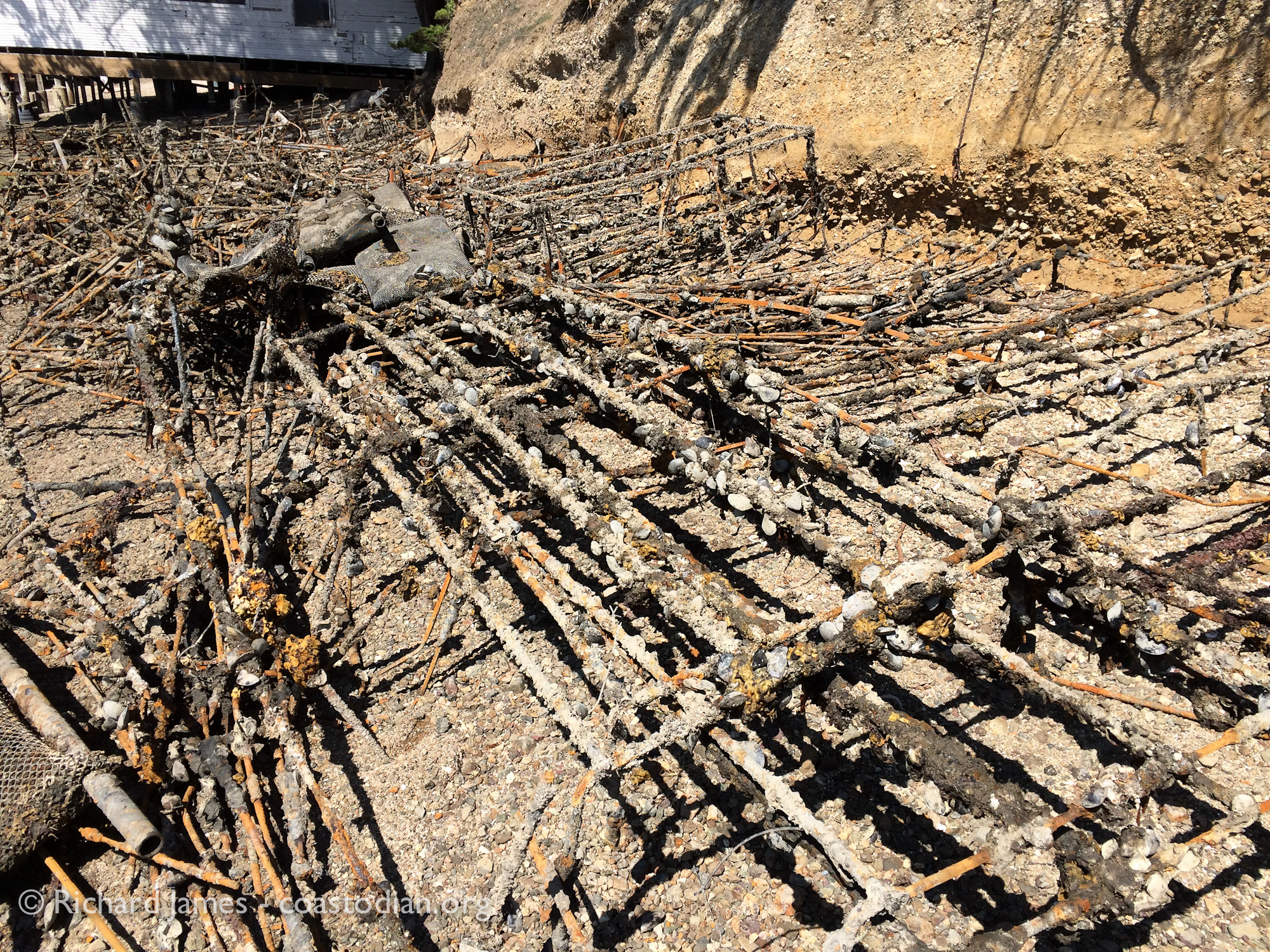
Rusty iron racks litter many parts of Tomales Bay

Rusty iron racks litter many parts of Tomales Bay

.

Removed! - Thank you Hog Island Oyster Company

Removed! – Thank you Hog Island Oyster Company

.

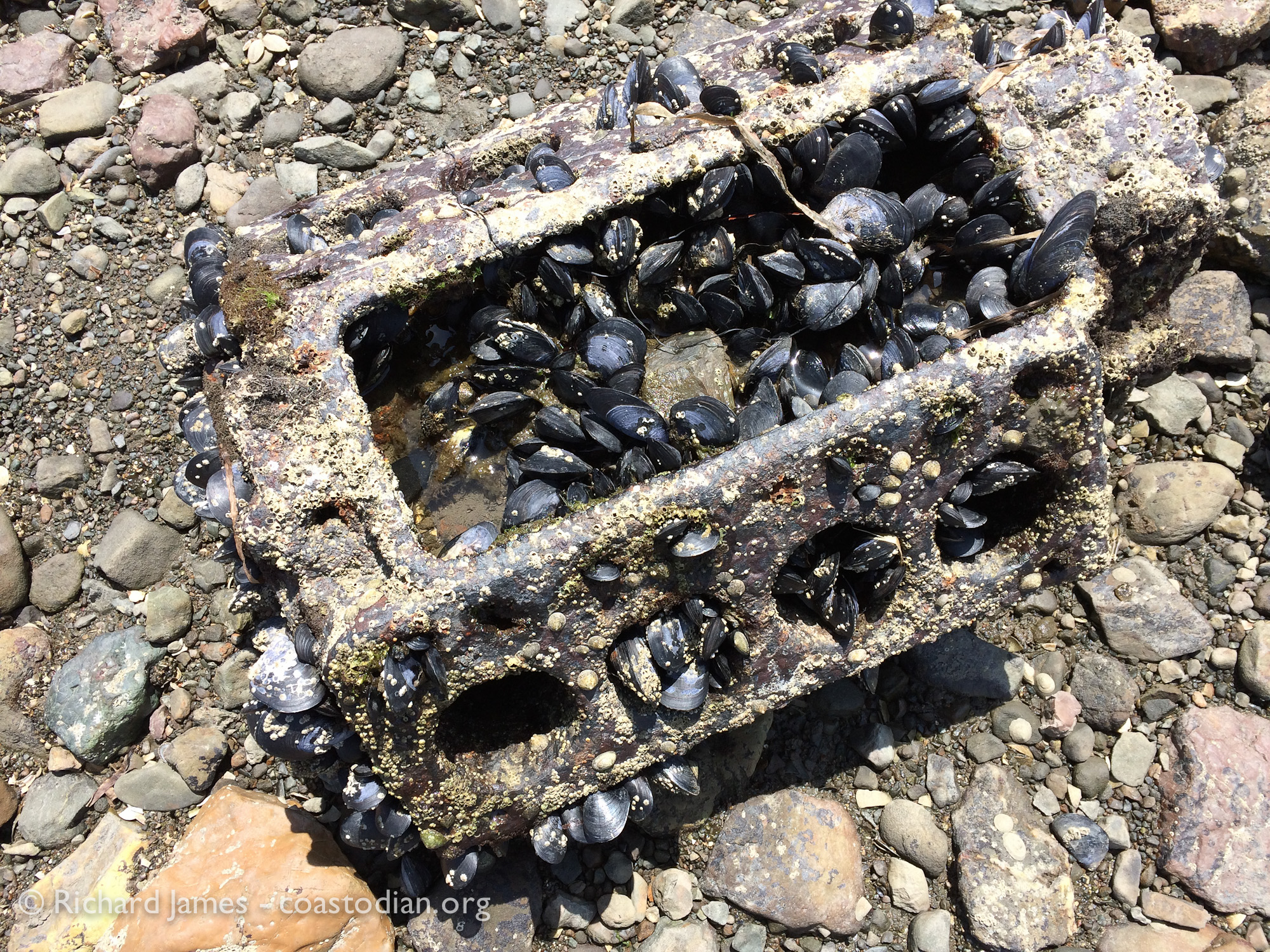
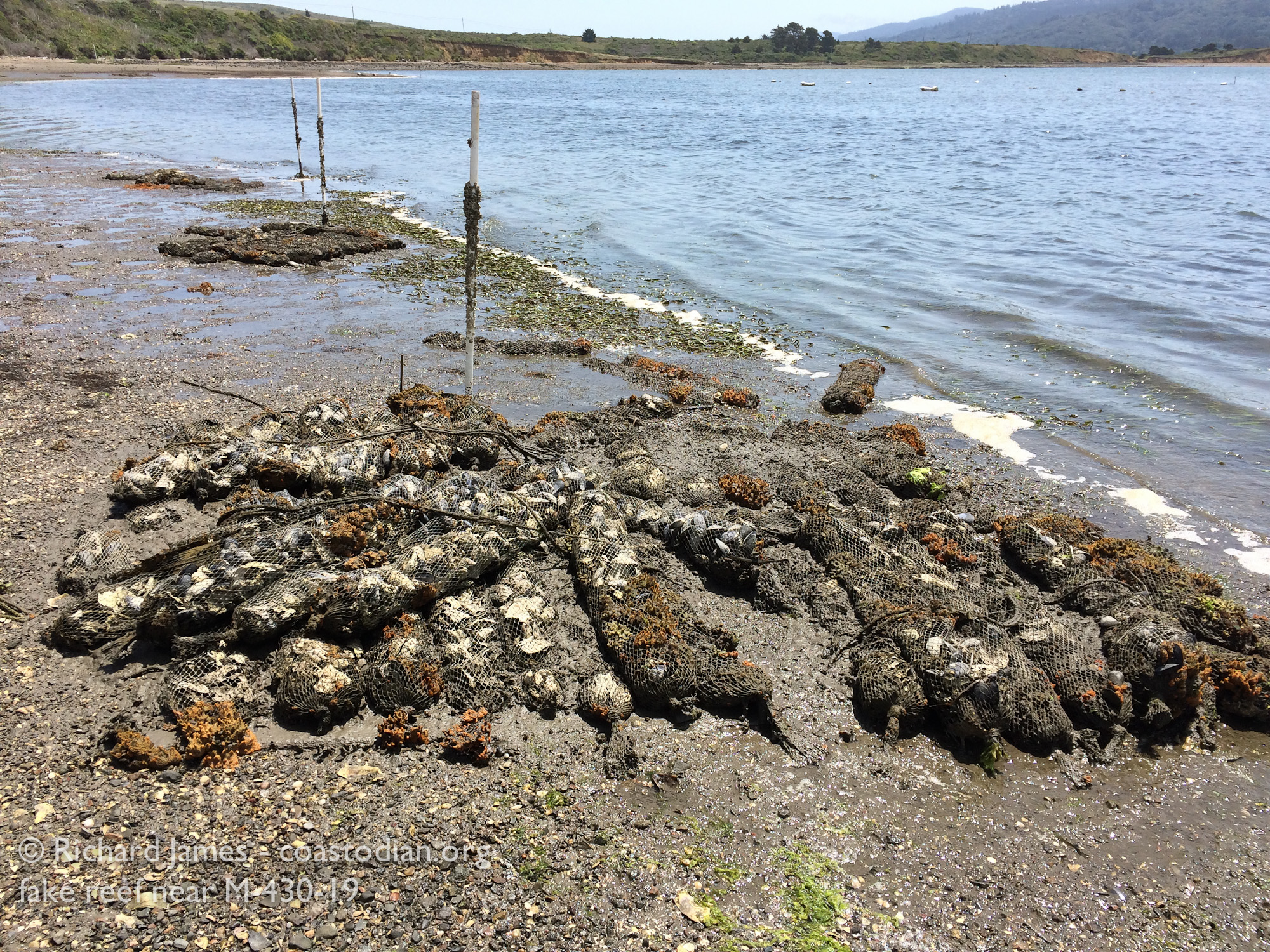
Experimental artificial reefs near Tomassini Point awaiting removal

Experimental artificial reefs near Tomassini Point awaiting removal. Removed – Thank you Sea Grant!

.

All images ©richard james – no use without written permission.

Experimental artificial reefs near Tom's Point awaiting removal

Experimental artificial reefs near Tom’s Point awaiting removal. Removed – Thank you Sea Grant!

.

Next related post may be found here.

Previous related post may be found here.

See the first post in this series “Save our Tomales Bay” here.

Save our Tomales Bay – 34 King sized tides, king sized mess

Please click on the above text “Save our Tomales Bay – 34 King sized tides, king sized mess” to see this entire post

Wednesday was the King Tide of the year. A full moon, aligned with sun and earth create conditions that produce the highest and lowest tides of the year. With a near non-existent swell, a perfect day to be on Tomales Bay.

Looking west across Tomales Bay at Inverness Ridge during the King Tide of 25 Nov 2015.

Looking west across Tomales Bay at Inverness Ridge during the King Tide of 25 Nov 2015.

These high tides allow me and my boat to easily access areas with high concentrations of plastic trash.

On my way south while in the Tomales Bay Ecological Preserve [where ducks must be careful], I spotted what I thought was a white plastic bag. Grounding my boat on the mud near one of the “blinds” used by duck hunters, I waded across knee deep water in my wetsuit towards the item of interest, taking care to lift my large padded camera bag strapped to my chest away from the splashing saltwater.

Alas, as I neared the bright white item, it became clear it was only a raft of pure white foam, drifting south with the flood tide. Laughing at myself, I turned back towards the boat to continue my venture to the south. As I got to my boat and maneuvered myself to drop my butt into the seat, I stepped off the submerged mudflat, into the channel. I bobbed up and down, a champagne cork, my feet gaining no purchase on the bottom. I cried out in alarm as the water reached halfway up the black appendage strapped to my front, cradling my baby, the camera. Up and down I bobbed, more and more alarmed I became that my camera would be reduced to junk. Pushing upward on the black blob to keep at bay the watery tentacles splashing all around, I had to let go of the boat, toss the paddle to higher ground and pull myself ashore. Which I did without problem. The immediate danger of a swamped camera handled, I grabbed the paddle and started sloshing south to track my now drifting boat as it carried on towards Bolinas without me.

Splashing as I ran in calf deep water, occasionally jumping over deep sub-channels, I put 30 meters between myself and the approaching boat. This gave me time to remove most of my wet upper garments and the camera bag. I was preparing to go for a swim and haul the boat ashore. As I disassembled the camera bag and all the hydrophobic items therein, it became clear that the boat would soon come to me, within reach of the shore. So I continued to get all parts precious laid out in the sun on the bird-pellet, fox dung festooned log that would be my rest stop for the next hour. As the sun dried my camera, jacket and bag, the boat came right to me and was soon tied to my drying log, where it bobbed and tried to get away more than once as the wind buffeted it, me and my drying items.

Lessons learned from this: have more dry towels in dry bags, watch were I walk, bring a wind-shell always.

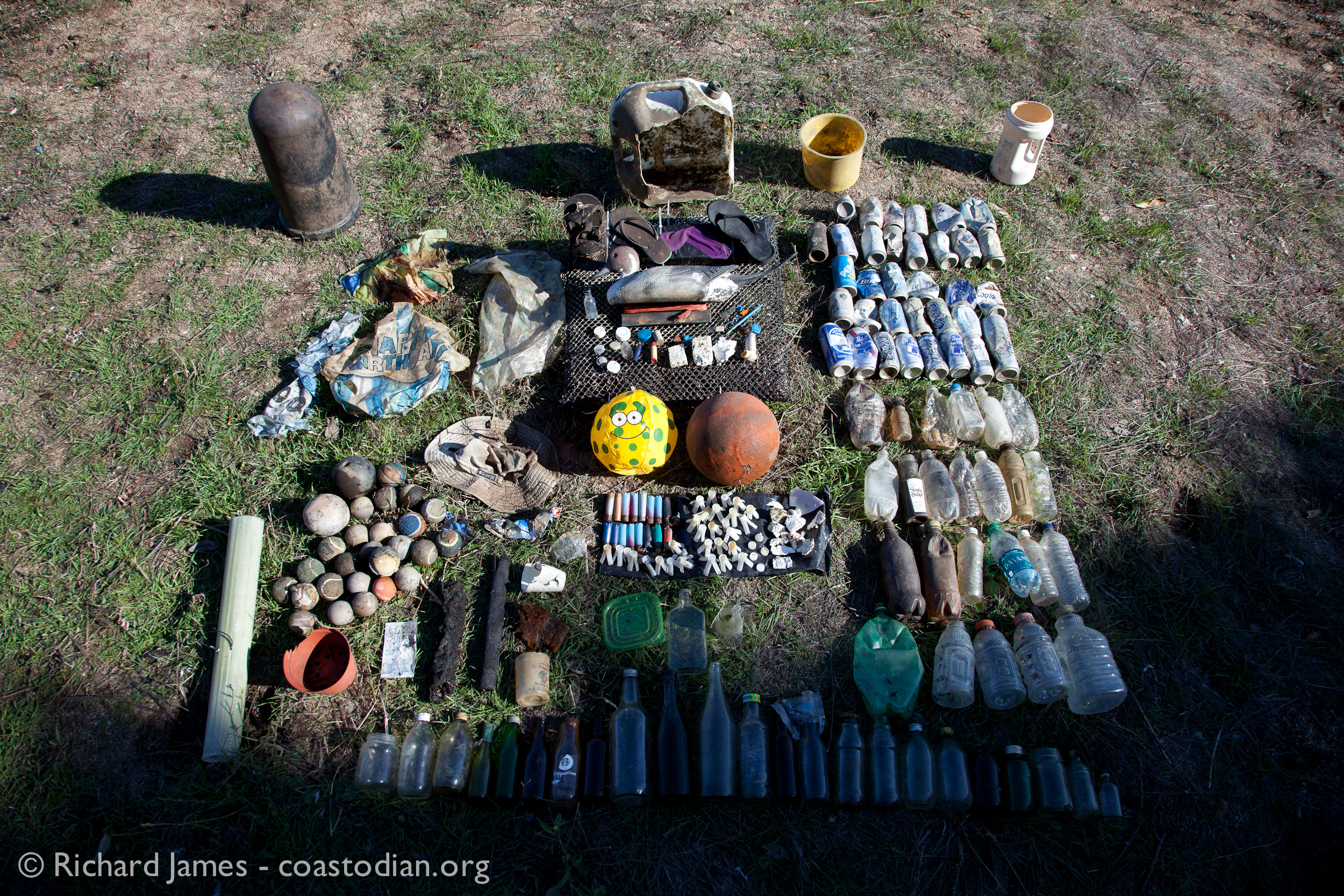
Have a look below at what I plucked from the southern corners of Tomales Bay.

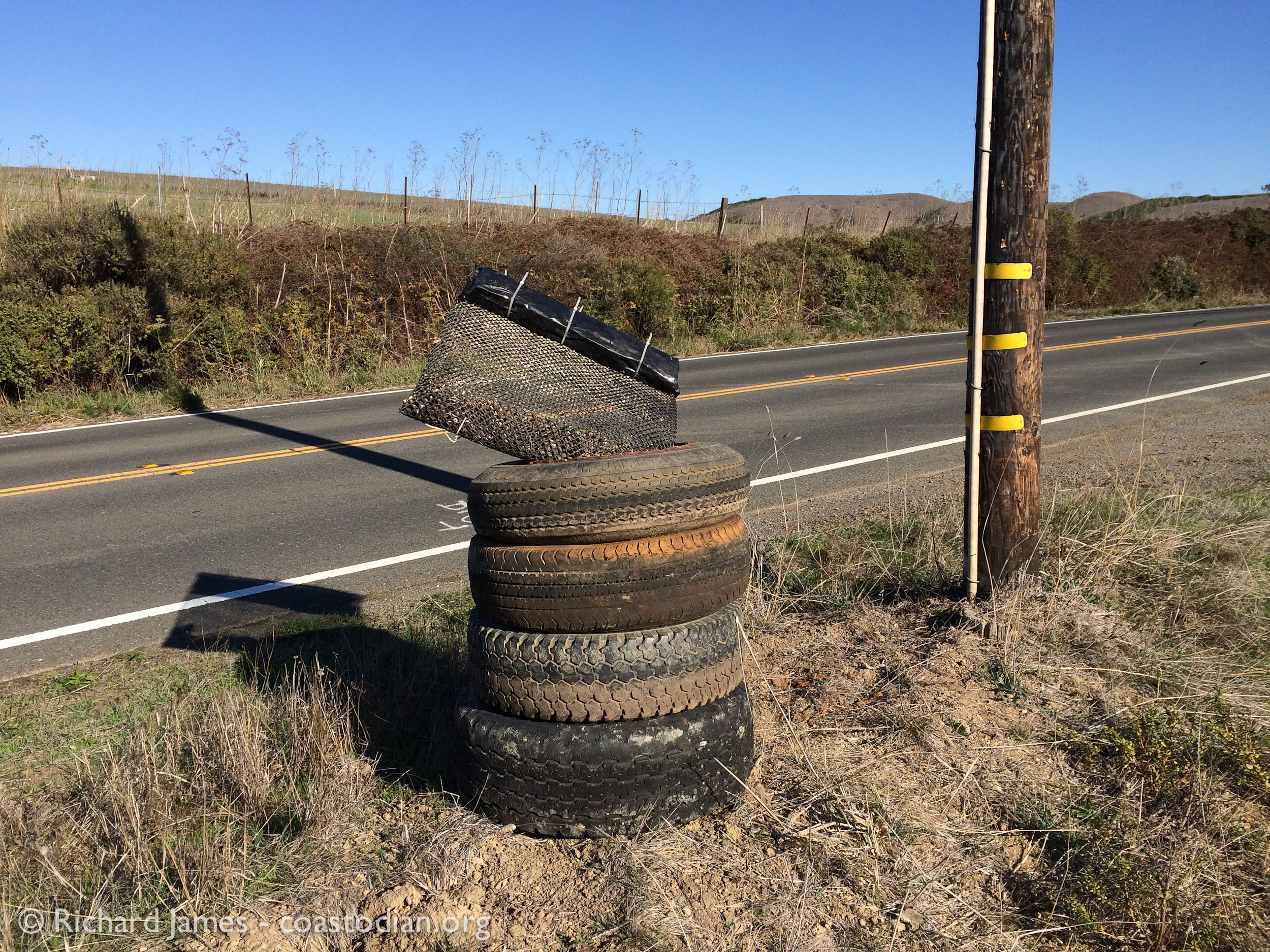
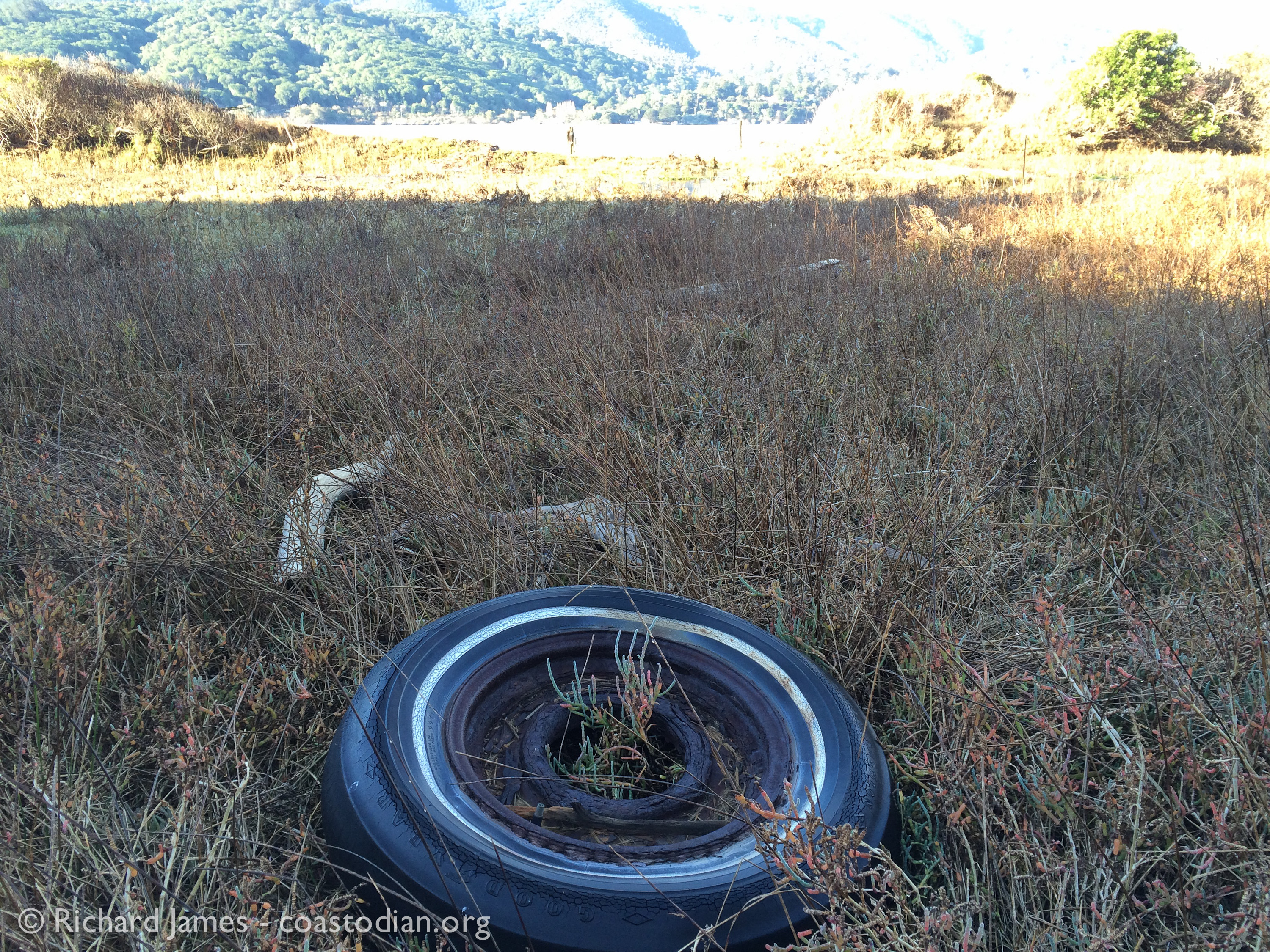
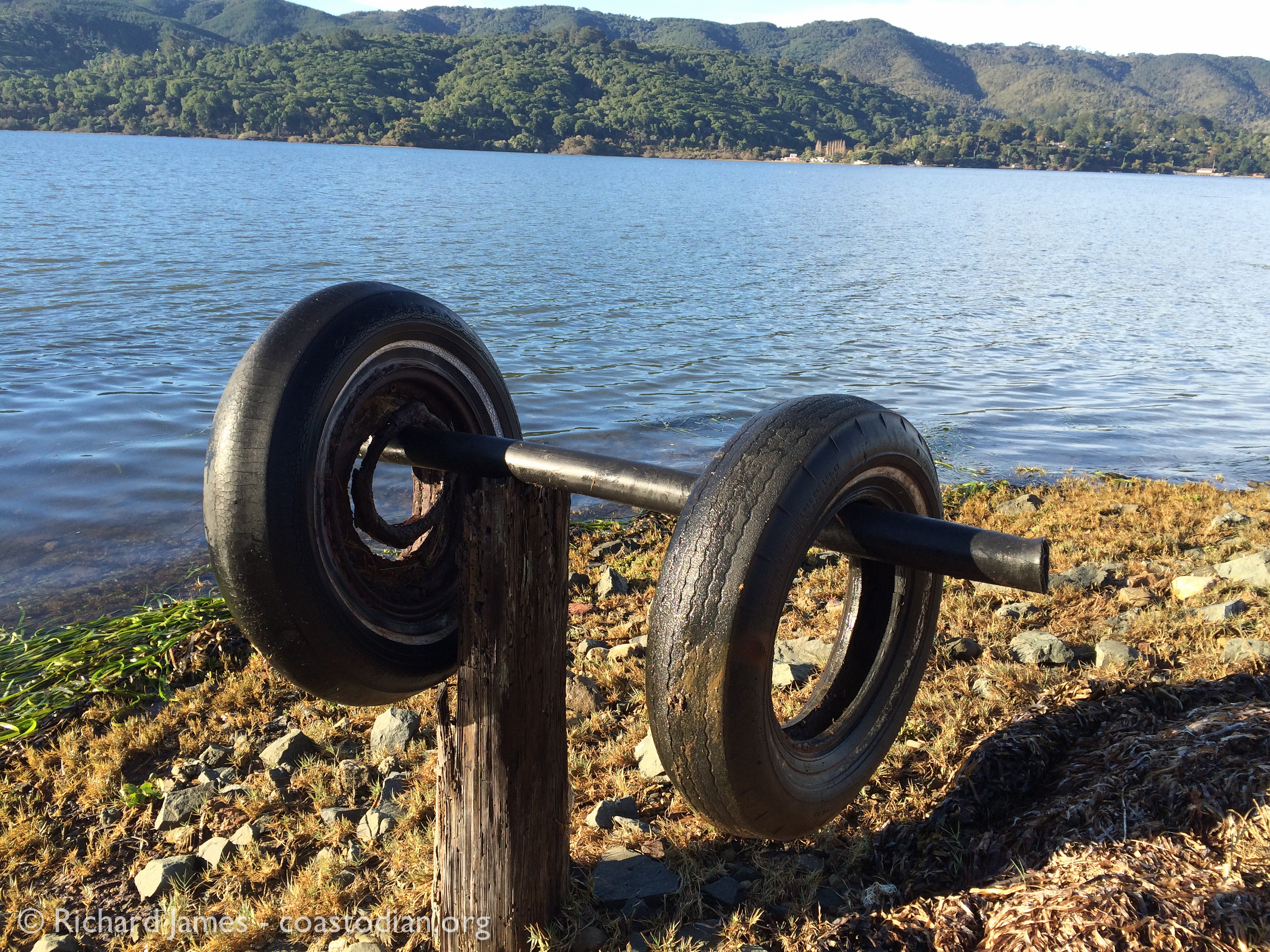
Four more tires!

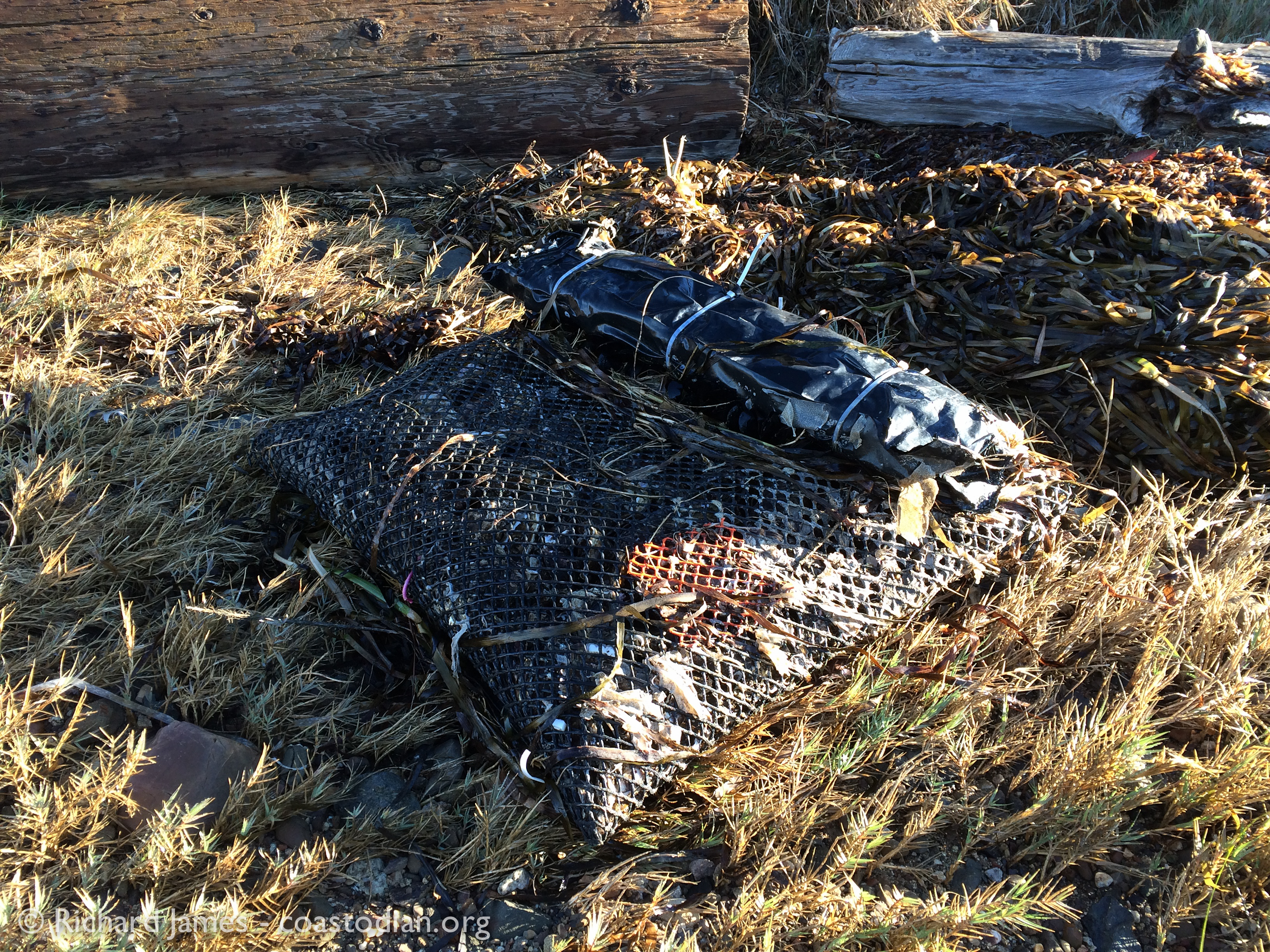
One, only one oyster grow out bag [me thinks the growers are paying more attention and losing less gear!]

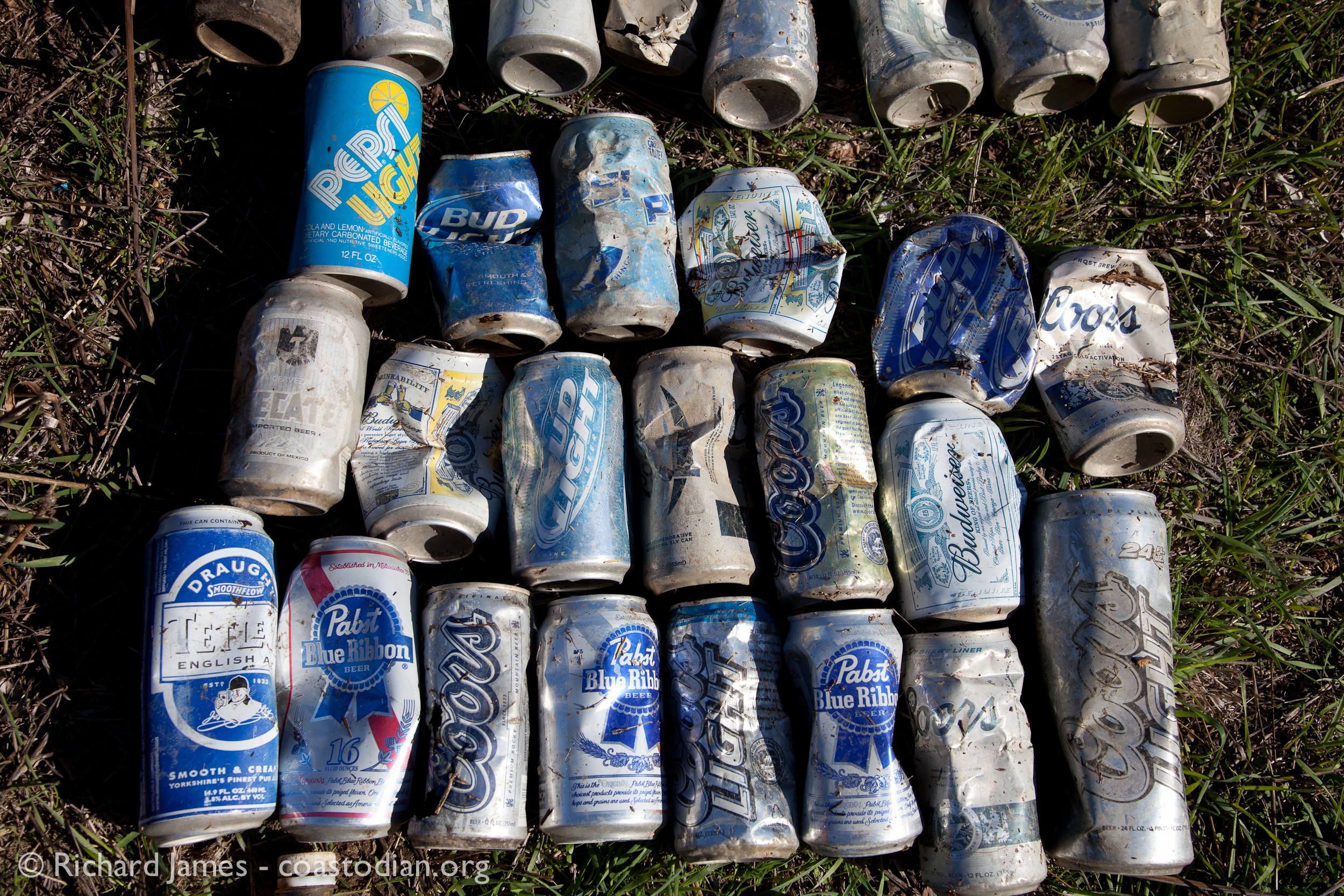
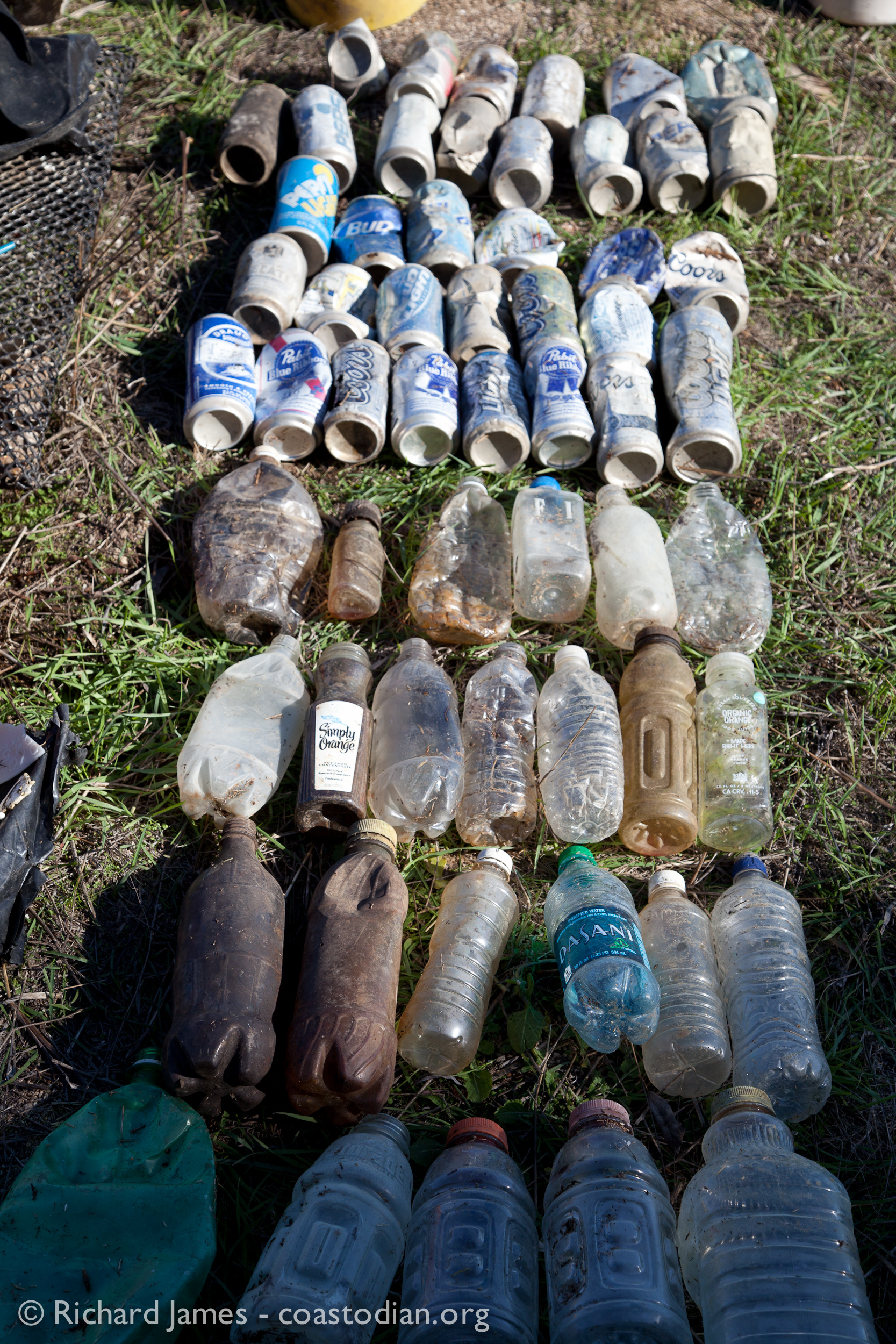
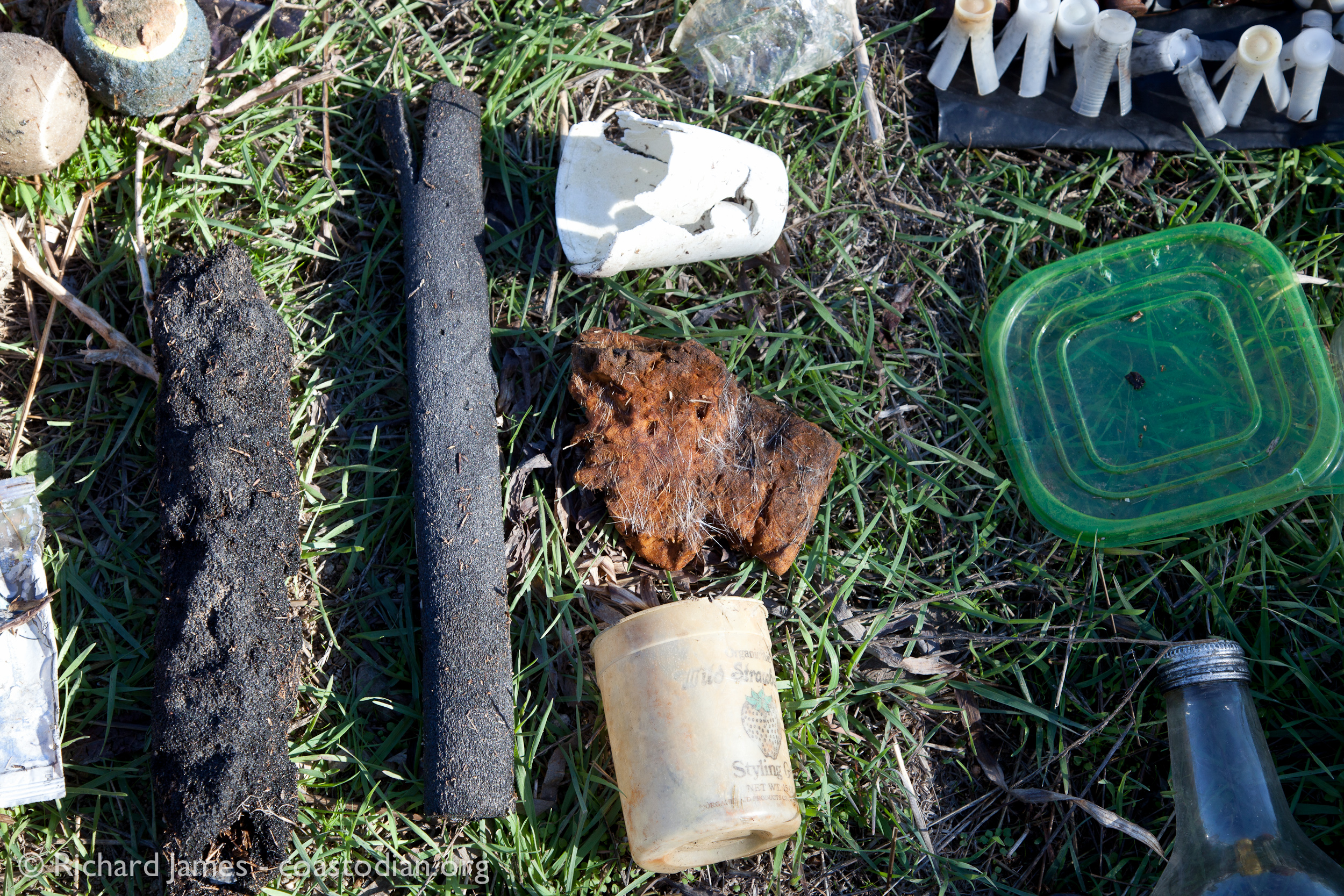
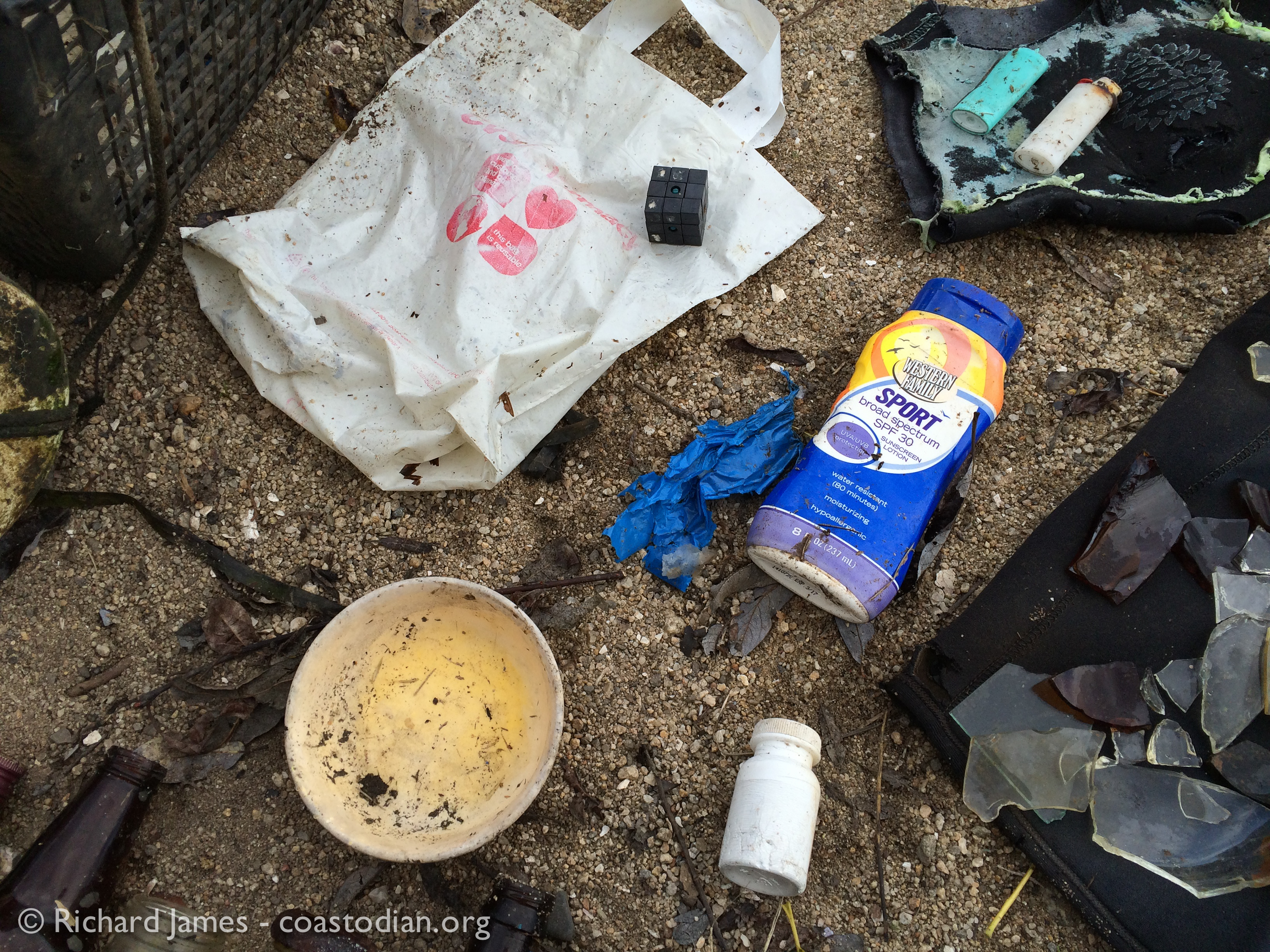
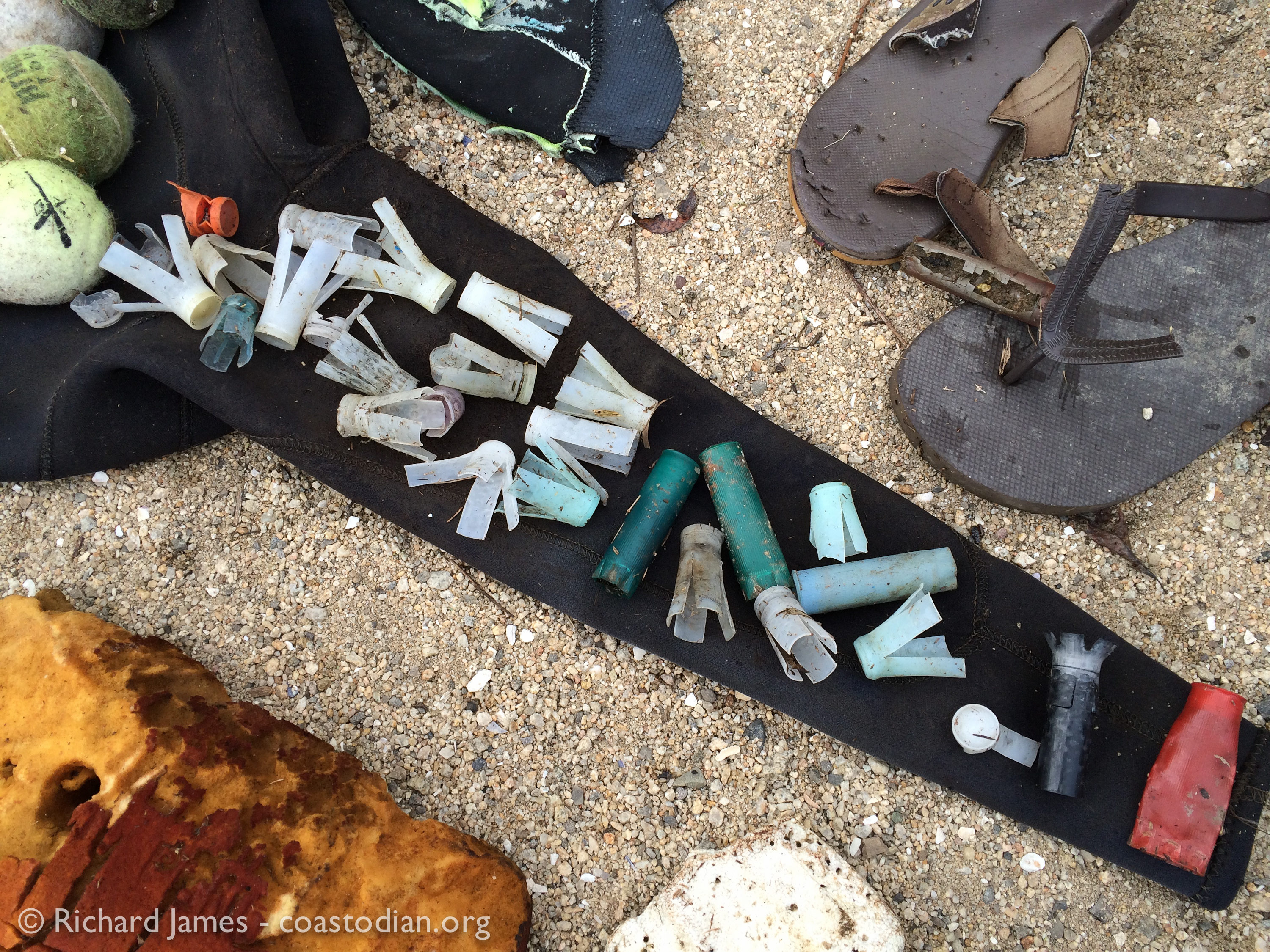
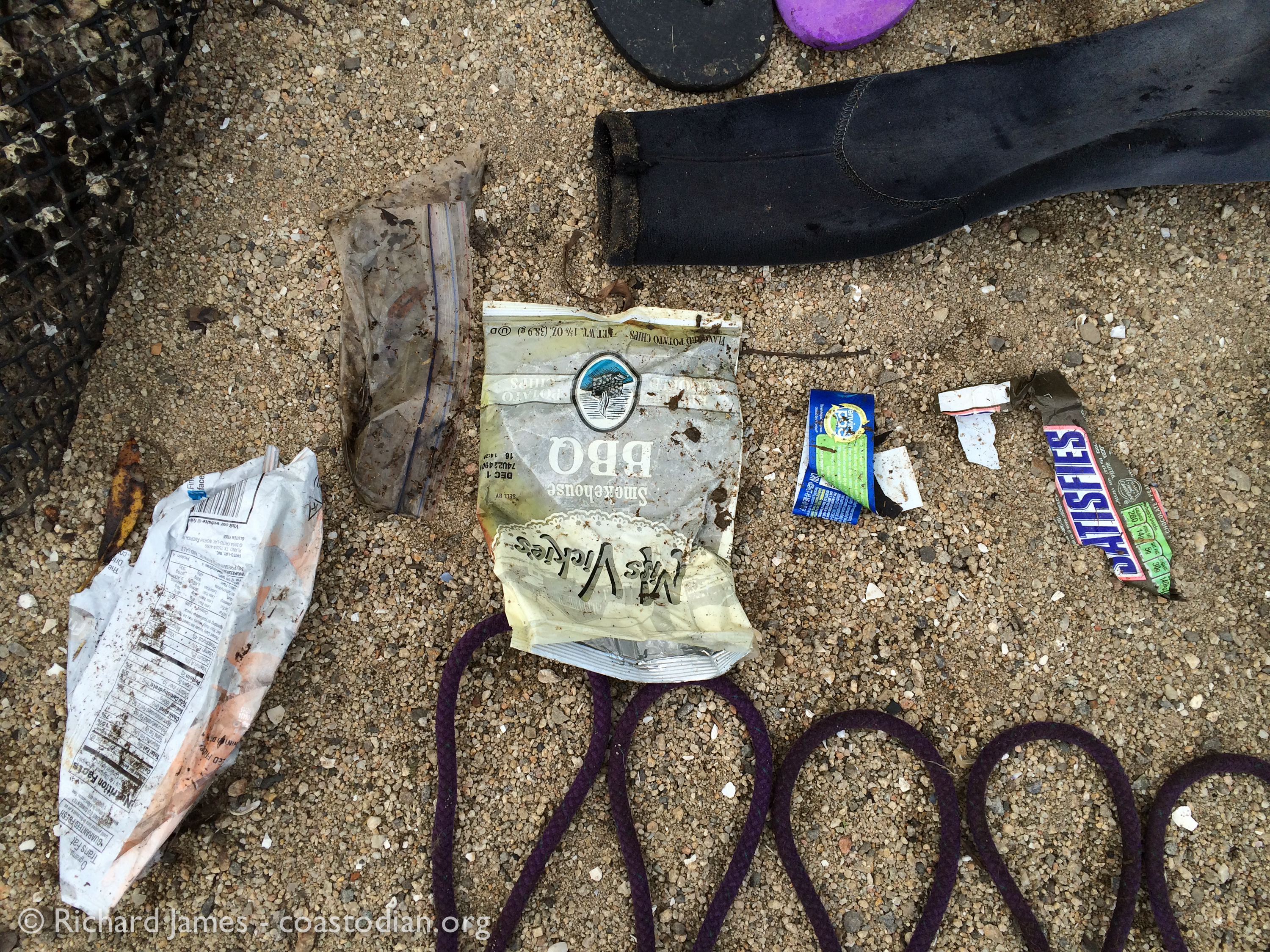
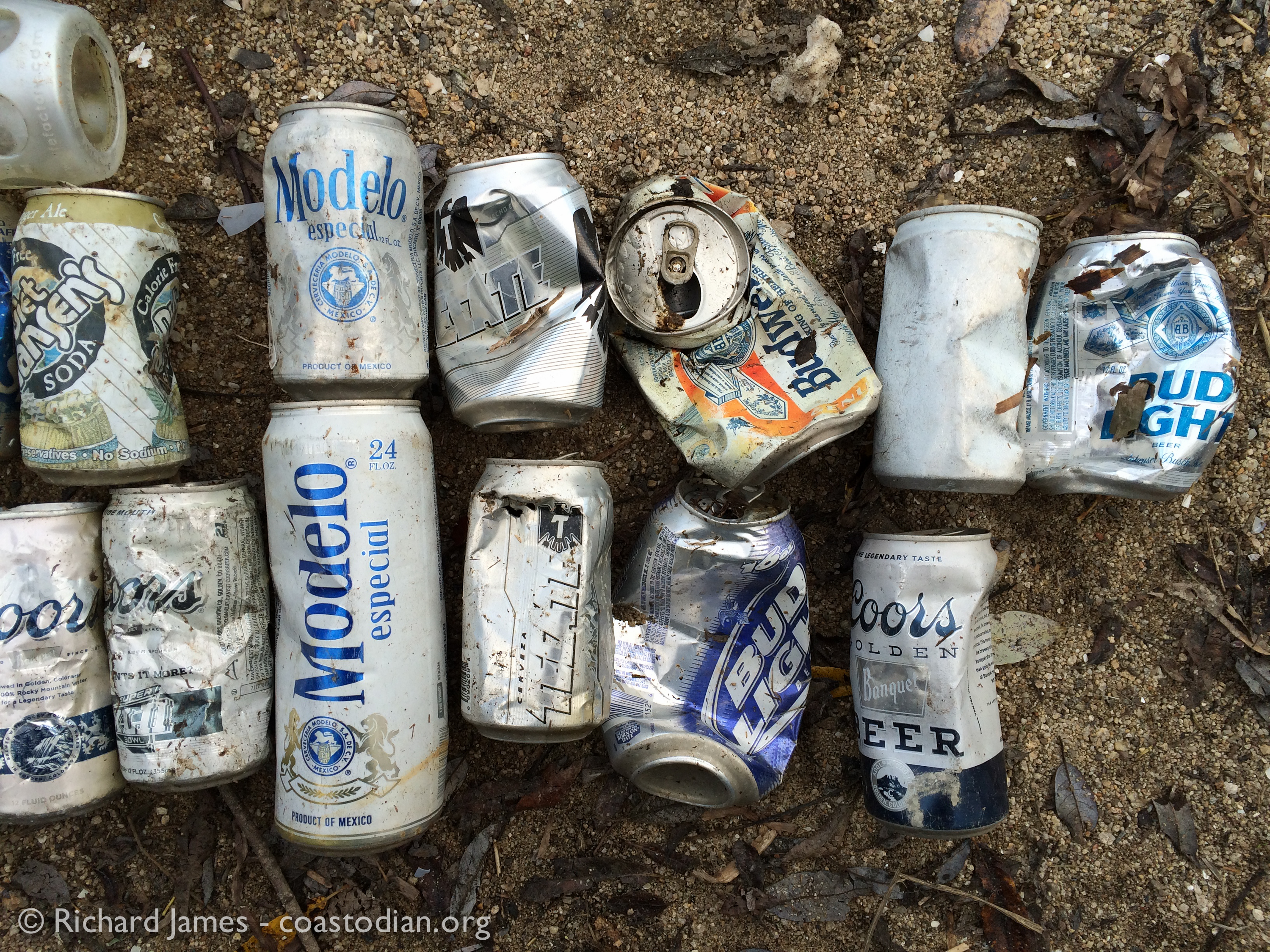
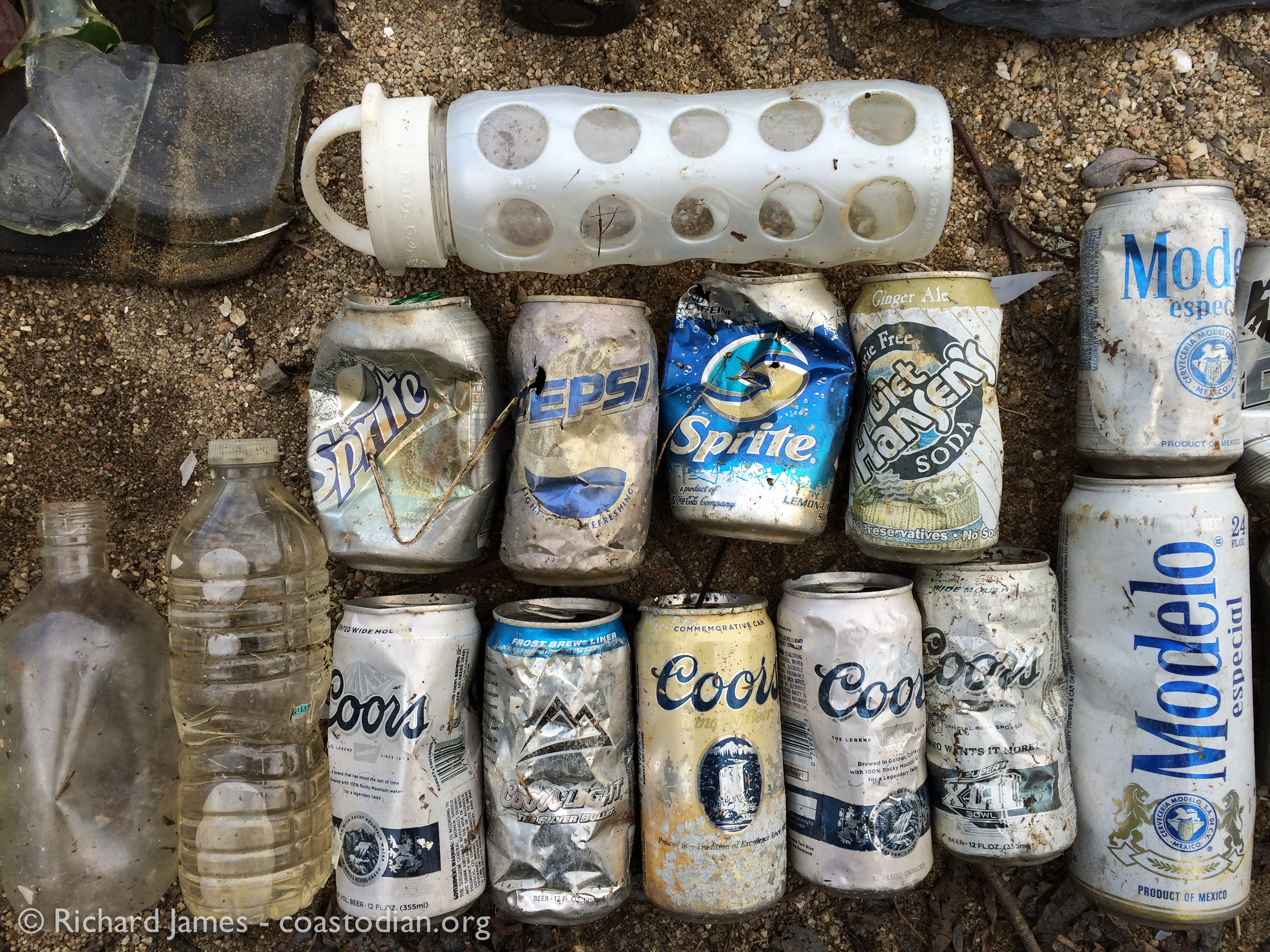
Plus the usual assortment of plastic wrappers, cans, bottles, tennis balls, shotgun paraphernalia.

These images are presented not for self-promotion. Rather, they are to show people who think of Tomales Bay as this untarnished jewel [jewel yes, untarnished, hardly], that our planet is being trashed by us, some of us much more than others. If we are to slow down the yearly flow of 8 million metric tons of plastic that enters the oceans each year, we need to radically change how we live our lives. So Mr. Green Airstream, please continue to pocket your butts, I’ll continue sharing what I find in Tomales Bay, whether that is abandoned oyster gear, cigarette butts, or Common Snipe and Leopard Sharks. See this comment for background on why I felt compelled to write this last paragraph.

As always, click on an image to see a larger version.

.

Debris removed from Southern Tomales Bay on 25 Nov. ©Richard James - coastodian.org

Debris removed from Southern Tomales Bay on 25 Nov. ©Richard James – coastodian.org

.

Three tires is a full load it seems.  ©Richard James - coastodian.org

Three tires is a full load it seems. ©Richard James – coastodian.org

.

Four tires is indeed a full load. All on the rim, meaning very heavy.  ©Richard James - coastodian.org

Four tires is indeed a full load. All on the rim, meaning very heavy. ©Richard James – coastodian.org

.

Placed within easy reach, awaiting pickup, hopfully by the owner of that grow-out bag....Tod.  ©Richard James - coastodian.org

Placed within easy reach, awaiting pickup, hopfully by the owner of that grow-out bag….Tod. ©Richard James – coastodian.org

Speaking of tires, still waiting to hear from someone on who to contact to remove the hundreds of tires blighting Marconi Cove. A big shout out to Hog Island Oyster Company for pulling out dozens from the boat ramp area!

.

©Richard James - coastodian.org

©Richard James – coastodian.org

.

Debris removed from Southern Tomales Bay on 25 Nov. ©Richard James - coastodian.org

Debris removed from Southern Tomales Bay on 25 Nov. ©Richard James – coastodian.org

.

Debris removed from Southern Tomales Bay on 25 Nov. ©Richard James - coastodian.org

Debris removed from Southern Tomales Bay on 25 Nov. ©Richard James – coastodian.org

.

How about biodegradable corn starch shotgun shells and shot cups (AKA wads).   ©Richard James - coastodian.org

How about biodegradable corn starch shotgun shells and shot cups (AKA wads). ©Richard James – coastodian.org

.

How about recycling containers, or, using a reusable water container?   ©Richard James - coastodian.org

How about recycling containers, or, using a reusable water container? ©Richard James – coastodian.org

.

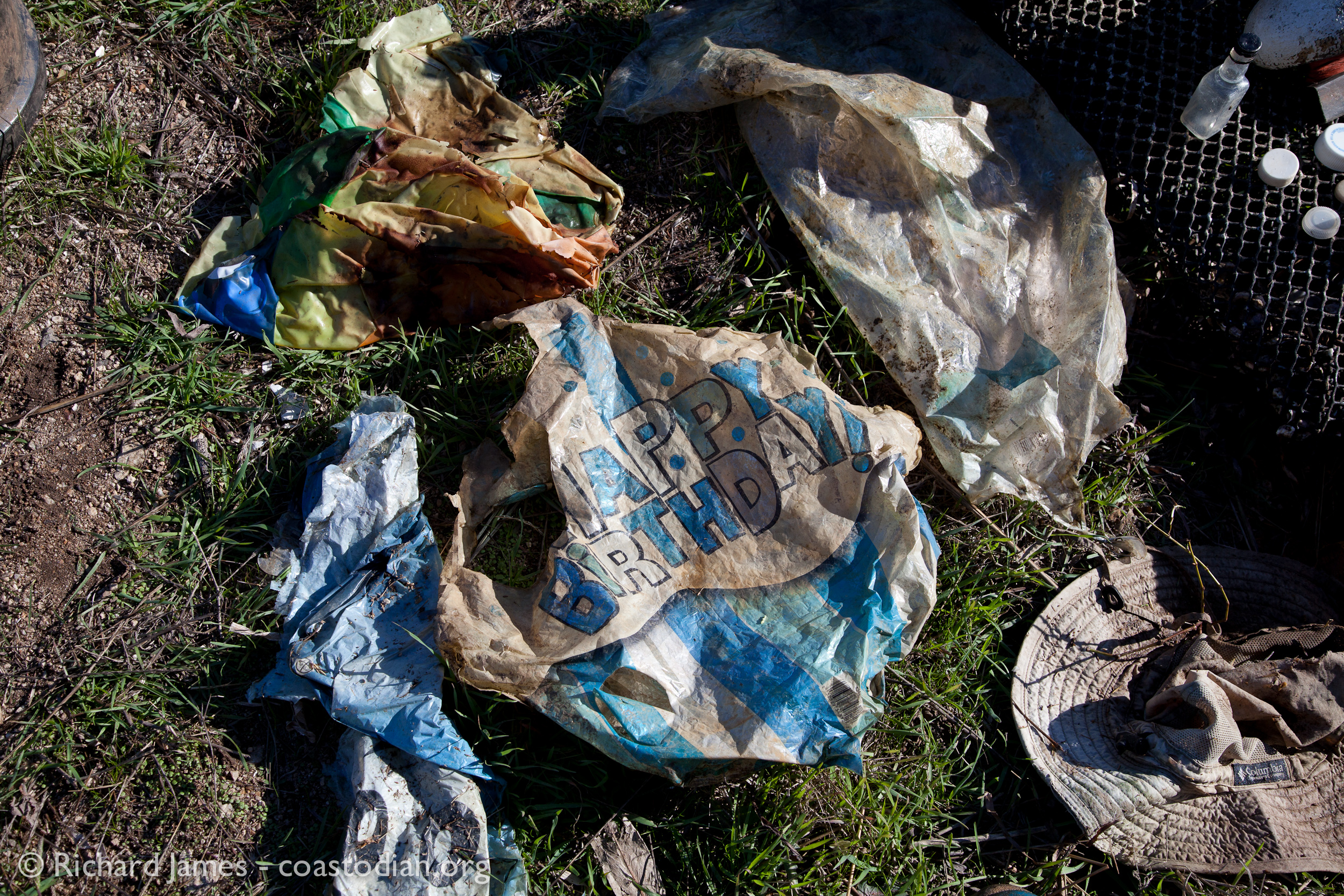
Hope the party was happy. Wildlife has another thought on this senseless tradition of releasing balloons. ©Richard James - coastodian.org

Hope the party was happy. Wildlife has another thought on this senseless tradition of releasing balloons. ©Richard James – coastodian.org

.

©Richard James - coastodian.org

©Richard James – coastodian.org

.

Lots of unhappy (or lazy) dogs that failed to retrieve these balls. ©Richard James - coastodian.org

Lots of unhappy (or lazy) dogs that failed to retrieve these balls. ©Richard James – coastodian.org

.

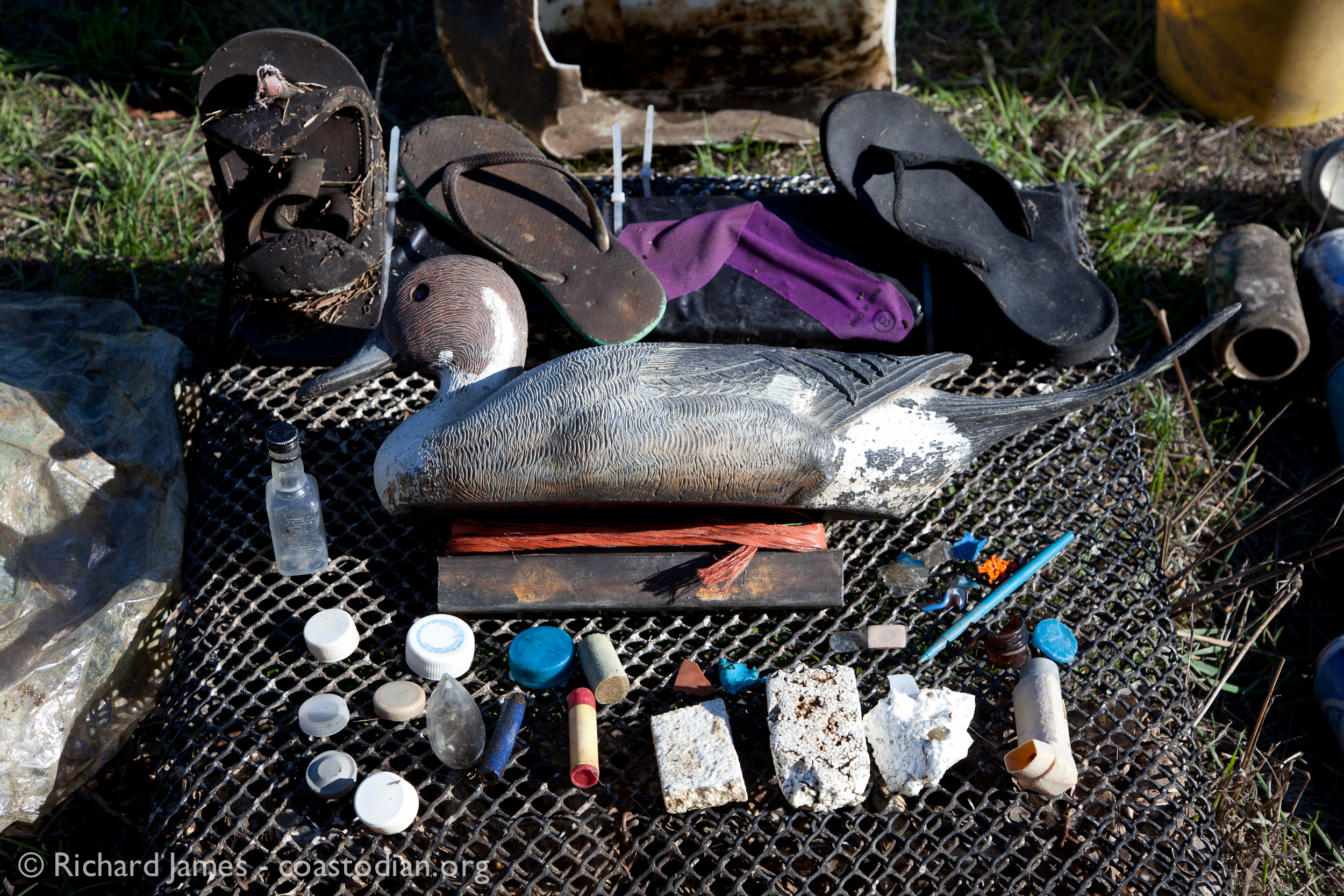
No shots were fired in the taking of this Pintail. ©Richard James - coastodian.org

No shots were fired in the taking of this Pintail. ©Richard James – coastodian.org

.

Next relate post may be found here.

Previous related post may be found here.

See the first post in this series “Save our Tomales Bay” here.

Save our Tomales Bay – Part 33 Litter, litter everywhere, not a bite to eat

Please click on the above text “Litter, litter everywhere, not a bite to eat” to see this entire post

Gorgeous day to be out on Tomales Bay.

Tomales Bay - looking south. Please pardon iphone image on rocking boat. ©Richard James coastodian.org

Tomales Bay – looking south. Please pardon iphone image on rocking boat. ©Richard James coastodian.org

Flat water and light wind made for delicious paddling. The water was pretty turbid from the recent winds, so visibility down below was poor, even with polarized glasses. So I only saw clouds of mud kicked up by rays and sharks, instead of seeing actual rays and sharks.

Did see eight common snipe (or at least that is what they looked like to me). Have not seen many of this bird, they like to keep a low profile. I’ll bring a long lens next time I head over to this area of the bay and try to record some images to share.

Found three tires, two of them on the rim, one of which was pretty well ensconced in poison oak (so I left it for later). Speaking of tires, a big shout out to Hogi Island Oyster Company for collecting dozens of abandoned tires from the boat launch at Marconi Cove. It looks a lot better there. Thank you. Don’t de-spare, there are still plenty of tires despoiling the shore at the south end of Marconi Cove. Perhaps 150 or more.

tires littering Tomales Bay at Marconi Cove.

tires littering Tomales Bay at Marconi Cove.

.

tires littering Tomales Bay at Marconi Cove.

tires littering Tomales Bay at Marconi Cove.

.

Two oyster bags, full of medium oysters, all dead. As well as a shellfish purse full of mussels. I think somebody must have “borrowed” this from up by Walker Creek and moved it south for a personal mussel farm, as it had a custom float attached.

Also found my second paddle which I plan to give to a friend.

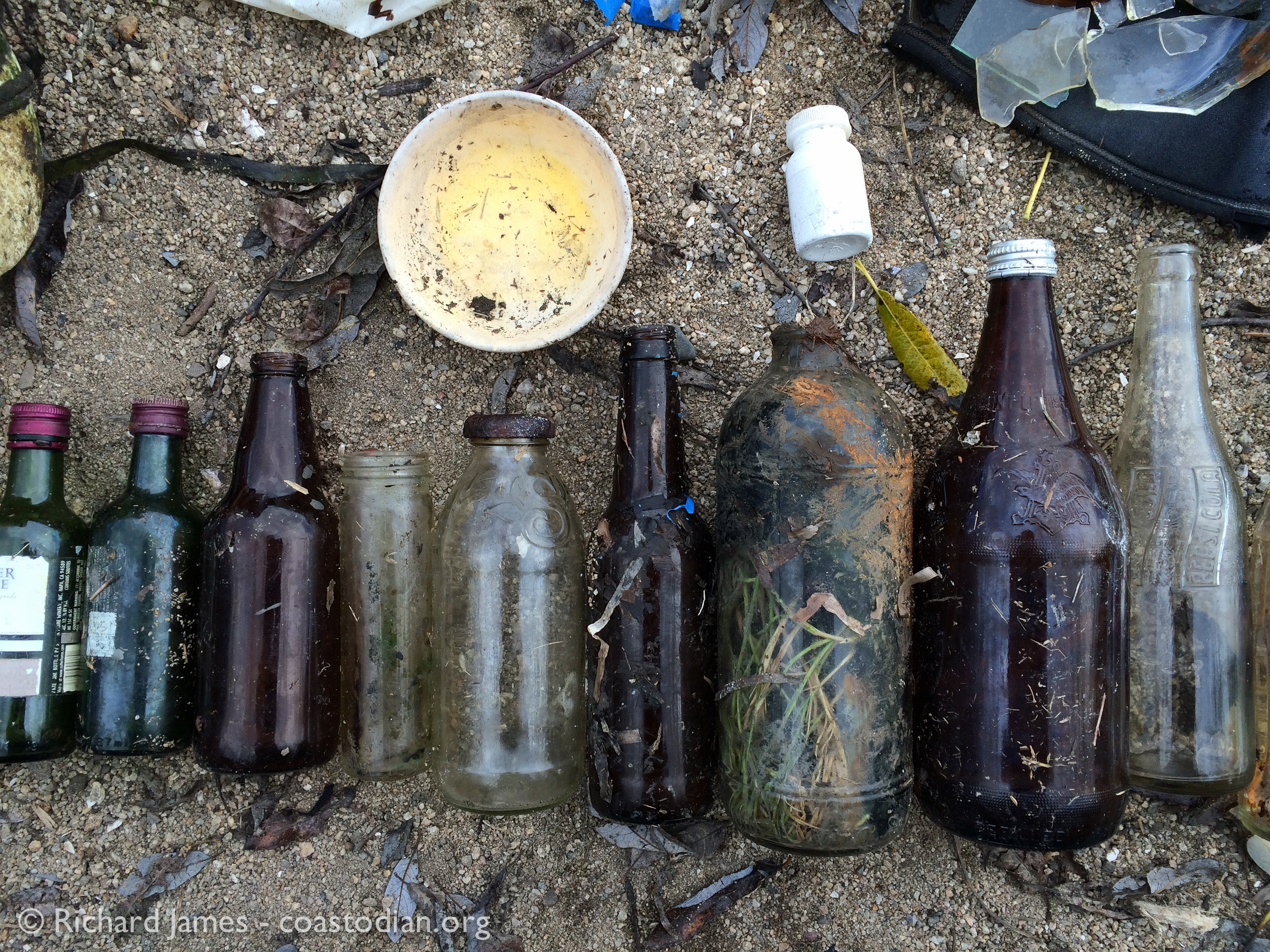
Find of the day was an intact vintage Pepsi Cola bottle.

See below for the sadly large haul for a short day on the water.

As always, click on an image to see a larger version.

.

Litter from southern Tomales Bay ©Richard James coastodian.org

Litter from southern Tomales Bay ©Richard James coastodian.org

.

oyster farmers litter in Tomales Bay ©Richard James coastodian.org

oyster farmers litter in Tomales Bay ©Richard James coastodian.org

.

car owners litter in Tomales Bay ©Richard James coastodian.org

car owners litter in Tomales Bay ©Richard James coastodian.org

.

car owners litter in Tomales Bay ©Richard James coastodian.org

car owners litter in Tomales Bay ©Richard James coastodian.org

.

oyster farmers litter in Tomales Bay ©Richard James coastodian.org

oyster farmers litter in Tomales Bay ©Richard James coastodian.org

.

dog owners and bottle smashers litter in Tomales Bay ©Richard James coastodian.org

dog owners and bottle smashers litter in Tomales Bay ©Richard James coastodian.org

.

Drugstore shoppers and skin protectors litter in Tomales Bay ©Richard James coastodian.org

Drugstore shoppers and skin protectors litter in Tomales Bay ©Richard James coastodian.org

.

Duck hunters litter in Tomales Bay ©Richard James coastodian.org

Duck hunters litter in Tomales Bay ©Richard James coastodian.org

.

Rope owners and junkfood eaters littter in Tomales Bay ©Richard James coastodian.org

Rope owners and junkfood eaters littter in Tomales Bay ©Richard James coastodian.org

.

Shoeless people litter in Tomales Bay ©Richard James coastodian.org

Shoeless people litter in Tomales Bay ©Richard James coastodian.org

.

plastic lovers and frisbee throwers litter in Tomales Bay ©Richard James coastodian.org

plastic lovers and frisbee throwers litter in Tomales Bay ©Richard James coastodian.org

.

Thirsty people litter in Tomales Bay ©Richard James coastodian.org

Thirsty people litter in Tomales Bay ©Richard James coastodian.org

Thirsty people litter in Tomales Bay ©Richard James coastodian.org

Thirsty people litter in Tomales Bay ©Richard James coastodian.org

.

Thirsty people litter in Tomales Bay ©Richard James coastodian.org

Thirsty people litter in Tomales Bay ©Richard James coastodian.org

.

Thirsty people litter in Tomales Bay ©Richard James coastodian.org

Thirsty people litter in Tomales Bay ©Richard James coastodian.org

.

oyster farmers and foam lovers litter in Tomales Bay ©Richard James coastodian.org

oyster farmers and foam lovers litter in Tomales Bay ©Richard James coastodian.org

.

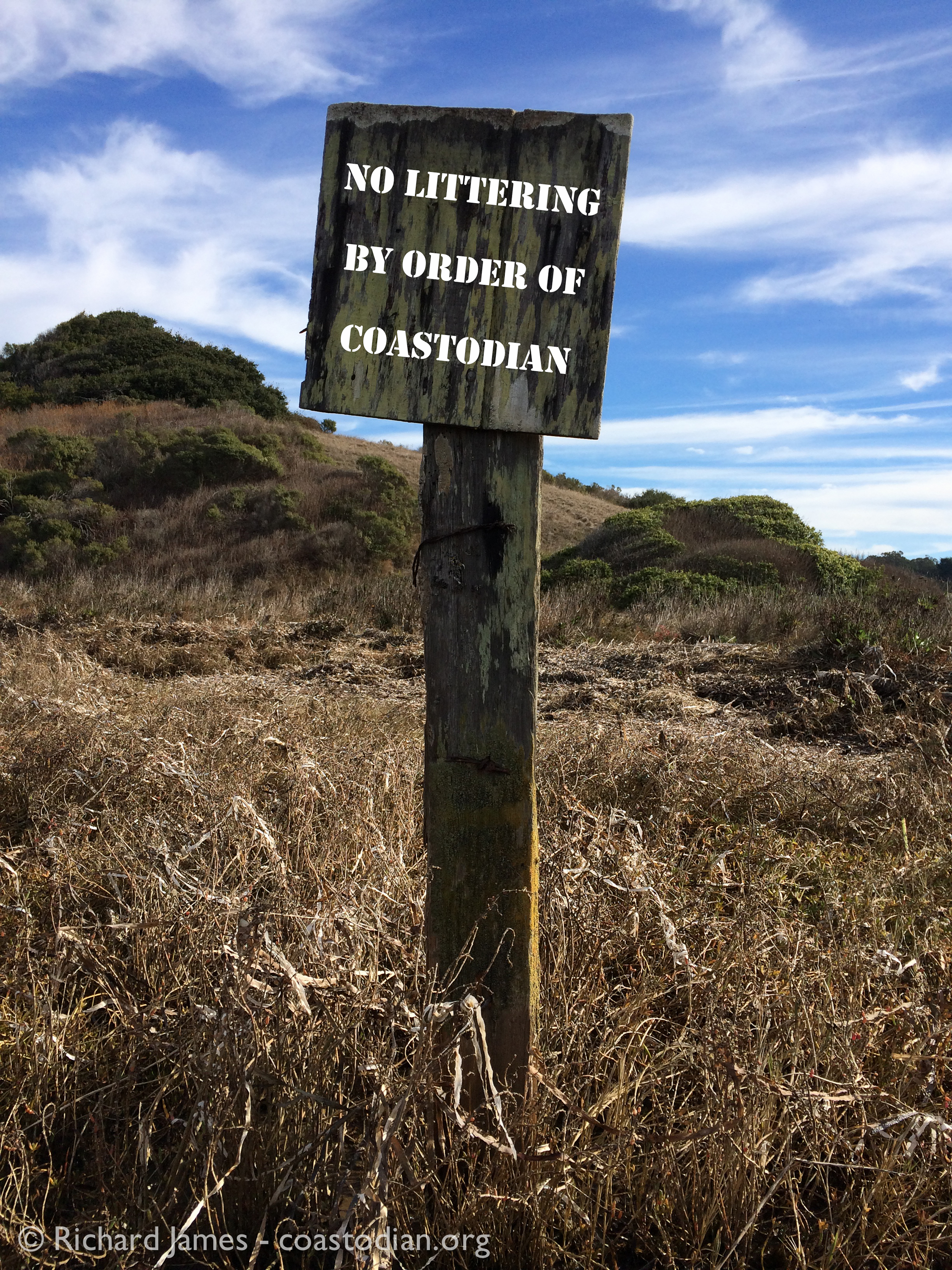
New signage in Tomales Bay ©RIchard James coastodian.org

New signage in Tomales Bay ©RIchard James coastodian.org

.

Next related post may be found here.

Previous related post may be found here.

See the first post in this series “Save our Tomales Bay” here.

Save our Tomales Bay – Part 27 Good news continues

Click the above words “Save our Tomales Bay – Part 26 Good news and great news” to see this entire post.

As I slipped on my mud boots yesterday in preparation for my seventy-seventh week of walking the shore near the TBOC retail site to pick up their trash, an odd sound filled the air.

Power tools, like none I’d heard before at the farm. Hmmmm?

Found zip-tie number one as soon as I set foot on the beach. No zero-day day today Tod. Soon, the second and third were in the bag. Along with some “tourist trash”, or likely oyster customer trash given the location. Still that sound…..

Then I turned the corner to see Tod and nine of his guys fanned out in the mud, picking up trash. Was I hallucinating?

No, there they were.

.

Tomales Bay Oyster Company owner and staff picking up their trash. What a great idea!

Tomales Bay Oyster Company owner and staff picking up their trash. What a great idea!

.

The truck was on the beach too, but no oysters in it.

.

Truck full of Tomales Bay Oyster Company trash no longer creating an eyesore in the bay, nor a risk to wildlife.

Truck full of Tomales Bay Oyster Company trash no longer creating an eyesore in the bay, nor a risk to wildlife.

.

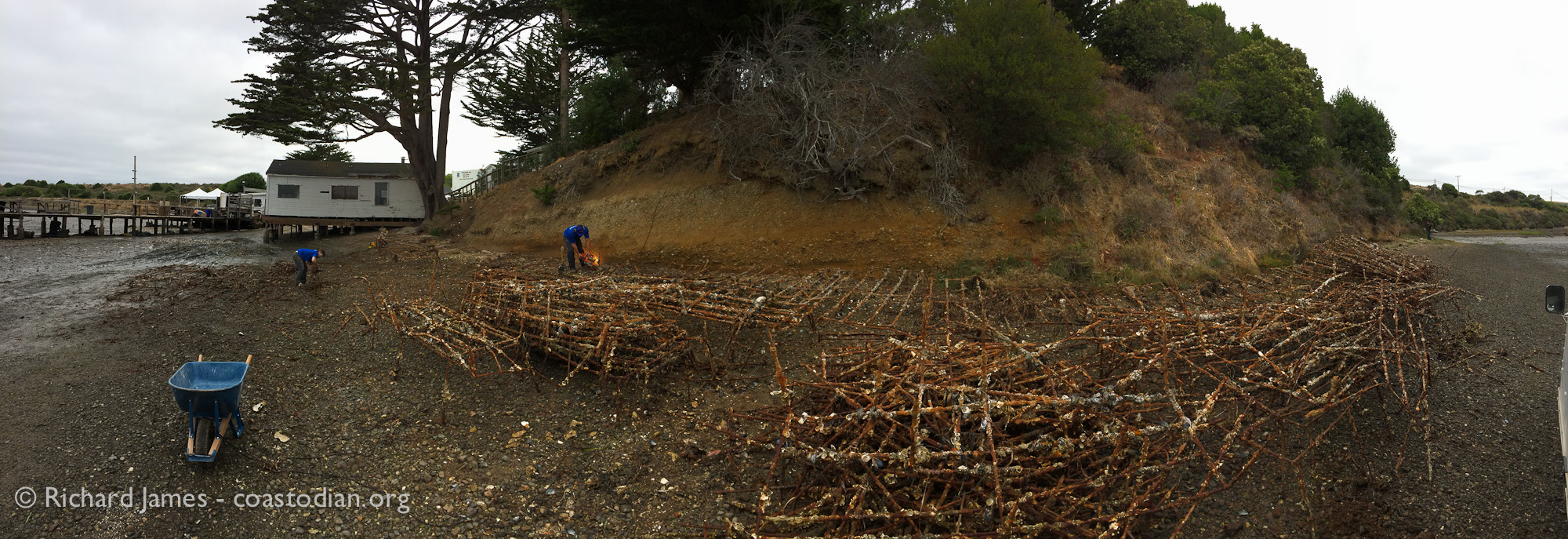
Next to the truck was the source of the noise. Tod had hired 1-800-got-junk to cut up the large mountain of rusting oyster racks that had been in the bay for 25 years, and on this beach for a few months at least.

This is a great sight to see. I thanked Tod and his workers and even tried to help them, but was shooed away by Tod.

Let’s hope that this trend continues. That is, any mess made by the oyster companies gets picked up by the oyster companies. Tod and his workers told me there are at least as many old, rusting racks spoiling the bay still to be removed.
Not to mention the thousands of PVC tubes and other plastic trash left over from Drew Alden, the previous leaseholder that left this in the bay for somebody else to deal with.

Preferably, we’ll see oyster companies that make very little mess.

Redesigning their gear to reduce loss, regular patrols of the beaches and bay to pickup their lost gear in a timely fashion and workers that do not take shortcuts or purposely drop garbage in the bay will all contribute to a healthier ecosystem.

Panorama of the area blighted by Tomales Bay Oyster Company, in the process of being de-blighted.

Panorama of the area blighted by Tomales Bay Oyster Company, in the process of being de-blighted.

.

1-800-got-junk guys removing oyster farming junk from Tomales Bay.

1-800-got-junk guys removing oyster farming junk from Tomales Bay.

.

.

Please take a moment to read this brief document, then write Sonke Mastrup, the Executive Director of the Fish & Game Commission, as well as Randy Lovell, the State Aquaculture Coordinator at the CA Dept Fish & Wildlife and tell them you want stronger language in the leases they provide to growers using your waters to make a profit.

Sonke can be reached at: fgc@fgc.ca.gov – 916-653-4899

Randy can be reached at: randy.lovell@wildlife.ca.gov – 916-445-2008

.

Next related post may be found here.

Previous related post may be found here.

See the first post in this series “Save our Tomales Bay” here.

Save our Tomales Bay – Part 26 Good news and great news

Click the above words “Save our Tomales Bay – Part 26 Good news and great news” to see this entire post.

Boated out to Tom’s Point on Saturday to pull ice plant and pick up trash.

The good news is I only found four grow out bags, three from Hog Island and one purse-type bag from another grower, a type I have never found loose before. Had that purse been uniquely labeled, I, and anyone else out picking up trash would know exactly whose gear it was and we could contact the owner about it. This is good news because usually I find dozens, or even hundreds of abandoned grow out bags in this area.

One reason I found so few is because the tide was high, so I was not able to pull what are usually, but not always legacy trash from many years ago.
Rather, I only scanned the shore. Still, finding only three bags is a great sign. Because fewer bags getting lost means fewer bags to become buried in the mud or plant-life, never to be seen again.

A likely reason I found only three bags can be found in the next paragraph.

The great news is I found four Hog Island workers out walking the beaches with bags in hand, picking up trash!

I was pleasantly amazed.

Spoke with two of them, shared info on where I find particular items and thanked them again and again.

.

Hog Island Oyster worker on trash patrol, Tom's Point - Tomales Bay

Hog Island Oyster worker on trash patrol, Tom’s Point – Tomales Bay

.

When I explained the large wooden rack mess left in place by the brother of Charlie Johnson (who long ago raised oysters in this area) to one of them, he said that Hog might be interested in removing the hundreds of vertical pilings from the bay. I told him that the NPS was in the process of hiring a firm to remove over 5 lineal miles of racks from Drakes Estero and that the techniques learned would likely be transferable.

These Hog guys told me they had been coming out every two weeks for a while now, which is fantastic.

Come winter time, with harsher weather, this schedule will really pay off in keeping lost gear from being entombed in the wetlands and bay bottom, or pulled out into the Pacific Ocean.

A great day indeed.

Prediction: more jobs at oyster farms as the importance of regularly patrolling the shores of the bay, as well as the lease and non-lease areas of the bay become evident.

So stoked was I, that the next nearly 3 hours was spent pulling out one of several large plots of invasive ice plant, creating a pile almost six feet high for the Audubon people that own the land.

As always, click an image to see a larger version.

.

Large pile of ice plant pulled out by one coastodian

Large pile of ice plant pulled out by one coastodian

.

Large pile of ice plant pulled out by one coastodian

Large pile of ice plant pulled out by one coastodian

.

View of Tomales Bay from Tom's Point

View of Tomales Bay from Tom’s Point

.

Next related post may be found here.

Previous related post may be found here.

See the first post in this series “Save our Tomales Bay” here.

Save our Tomales Bay – Part 25 Why?

Click the words above “Save our Tomales Bay – Part 25 Why?” to see this entire post.

Over the years I’ve packed thousands of pounds of trash off the beaches of Point Reyes National Seashore and Tomales Bay, one question asked of me often is:

Where does this stuff come from?

Initially, when I found a plastic water bottle labeled “Made in China”, I thought that it had floated from China to make landfall on Pierce Point for me to find and remove.

Then something happened that changed my mind.

During 2010, the craziest year for trash I have ever seen, I cleaned the 2+ mile portion of Point Reyes Beach between North Beach parking lot and South Beach parking lot.

I cleaned it not once, not twice, but three days in a row.

Each day it looked as bad, if not worse than the day before.

On the third day, I found two identical, pristine water bottles from China. By pristine, I mean they looked as if someone had just come from Palace Market, drank the water, then dropped them on the beach.

Brand new.

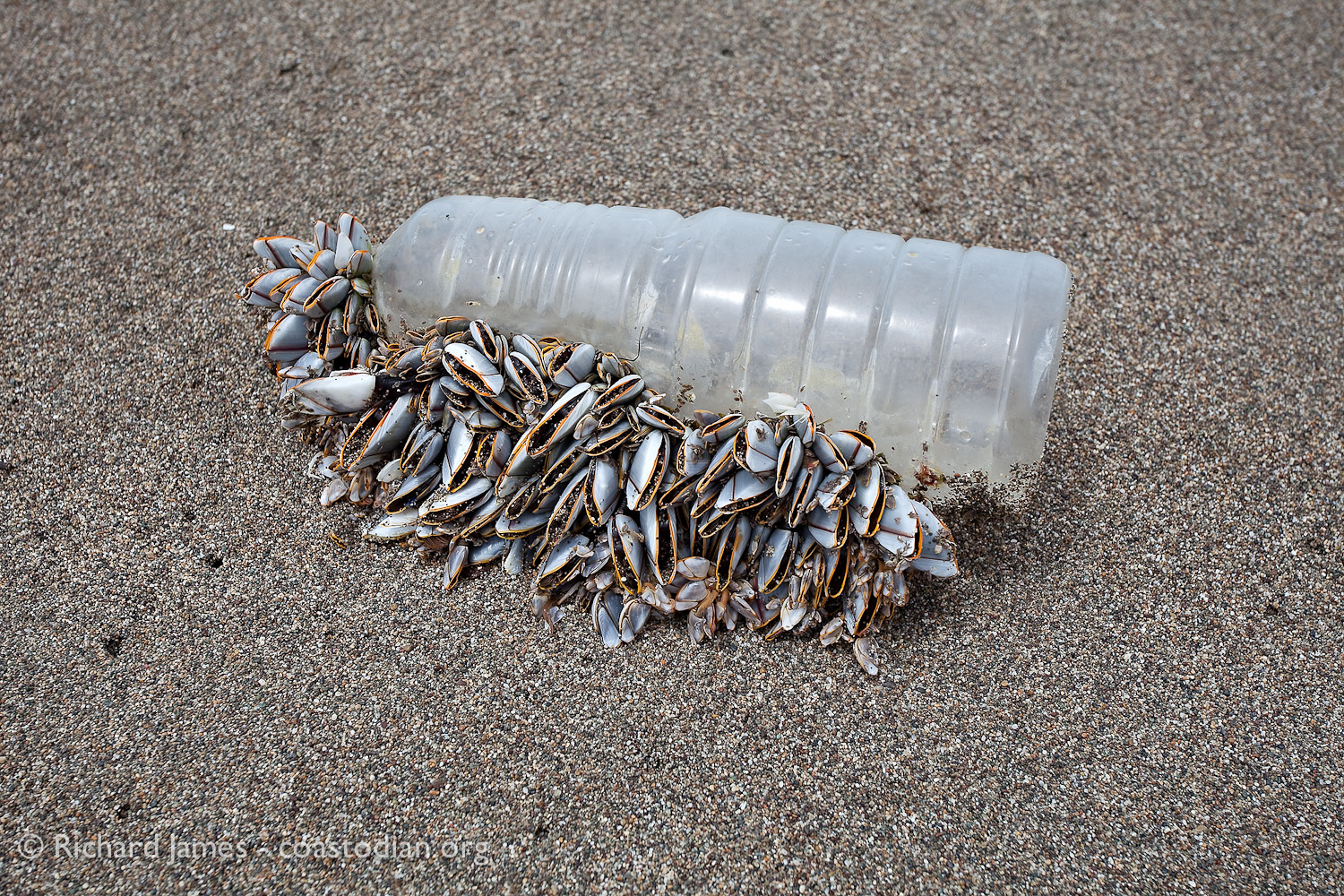
Not covered with goose-neck barnacles or bryozoan as would a bottle that had spent months or years bobbing around the Pacific Ocean.

Gooseneck barnacle encrusted plastic water bottle - South Beach, 7 June, 2010

Gooseneck barnacle encrusted plastic water bottle – South Beach, 7 June, 2010

These new bottles I’d found hadn’t drifted over from China on their own.

They had likely been tossed overboard by a crew-member of one of the thousands of container ships that bring countless millions of tons of cheap diversions to the world each year.

After contacting the Port of Oakland, I learned the following about container ships visiting Oakland:

       Only 19 hours or less to unload and load all the containers from one enormous ship.
       See here for a time lapse video of the loading of 18,000 containers.

       Less than 20 crew, most from the Philippines.

For a few months I tried to get my “Thirsty” image of 5 large meta-bottles hung in the room where this crew stays during unloading/loading. The woman with whom I spoke at the Port of Oakland really wanted to do this, but her superiors got in the way and in the end I failed in my attempt to educate the crews of these ships to not toss their trash into the sea.

BUT

I learned something that day.

I never really now where the litter I find comes from, I only know where it ends up.

Which is mostly true.

Mostly, because I know where the 6000+ black plastic spacer tubes I have picked up came from (Drakes Estero – oyster farming operations)

I know where the oyster grow-out bags come from.

Abandoned grow-out bags from Tomales Bay Oyster Company returned to them.

Abandoned grow-out bags from Tomales Bay Oyster Company returned to them.

.

©Richard James - coastodian.org Abandoned Hog Island Oysters grow-out bags collected adjacent to lease M-430-15 on 22 March, 2015

©Richard James – coastodian.org
Abandoned Hog Island Oysters grow-out bags collected adjacent to lease M-430-15 on 22 March, 2015

.

I know where the thousands upon thousands of plastic zip-ties and lengths of plastic coated copper wire and plastic floats pecked by hungry birds that are discarded into Tomales Bay come from.

TBOC oyster bag float, pecked by birds looking for food. Zip-ties, blue foam bits of all sizes and the black plastic cover can be found by the thousands all around Tomales Bay.

TBOC oyster bag float, pecked by birds looking for food.
Zip-ties, blue foam bits of all sizes and the black plastic cover can be found by the thousands all around Tomales Bay.

.

Small fraction of the zip-ties (en español: los cinchos) collected from leases of TBOC

Small fraction of the zip-ties (en español: los cinchos) collected from leases of TBOC

.

Small fraction of the plastic coated copper wire (en español: cables) collected from leases of TBOC

Small fraction of the plastic coated copper wire (en español: cables) collected from leases of TBOC

.

Tiny fraction of the discarded PVC pipes and pipe shards left by TBOC in Tomales Bay

Tiny fraction of the discarded PVC pipes and pipe shards left by TBOC in Tomales Bay

They come from the growers of oysters, clams and mussels in Tomales Bay.

I may not be able to stop the people around the world from polluting our planet.

But I will do all I can in my local area to stop the rampant disregard for the Tomales Bay by local oyster, clam and mussel growers.

And until these growers stop polluting the earth with their trash,

until the Fish & Game Commission takes its responsibility as the “landlord” of these public waters seriously,

I’ll continue to boat the bay and walk the shore, picking up their mess and reporting on it, just as I found it.

If, when I go boating on the bay, all I see are godwits, dowitchers and willets, that is what I’ll share with photos and words.

The true "owners" of Tomales Bay.

The true “owners” of Tomales Bay.

So growers, if you don’t wish to read about your mess, stop making one.


Three leases are coming up for renewal soon. Leases that, as written are pretty loose in terms of holding these companies responsible for the mess they make on a daily basis.

It will end up costing US tax payers more than a few million dollars to clean up the mess left by Johnsons / Drakes Bay Oyster Company in Drakes Estero.

The escrow fund language used in the current leases is over 25 years old. We need a contract worthy of the land it is designed to protect!

If you’d like to see the leases re-written so that growers pay fines if they leave a mess,

If you’d like to see the Fish & Wildlife Department more actively monitor the activities of growers that have made a mess of Tomales Bay for over a hundred years

If you’d like to take an active role in protecting the environment of West Marin

Write Sonke Mastrup, the Executive Director of the California Fish & Game Commission and tell him so.

You can reach him here:

Mr. Sonke Mastrup
Executive Director, Fish and Game Commission
fgc@fgc.ca.gov
phone 916-653-4899

California Fish and Game Commission P.O. Box 944209, Sacramento, CA 94244-2090

Please also ask him when he plans to hold the public meeting in West Marin so that the public can weigh in on how the public lands are being treated (mistreated).

.

Next related post may be found here>.

Previous related post may be found here.

See the first post in this series “Save our Tomales Bay” here.

Save our Tomales Bay – Part 22 Leasewalk M430-17, Point Reyes Oyster Company

Click the words above “Save our Tomales Bay – Part 22 Leasewalk M430-17…” to see this entire post.

On 14 March I paid a visit to the large lease operated by Point Reyes Oyster Company (PROC) at the mouth of Walker Creek.

Below you can see some images showing the state of this leased area on that day.

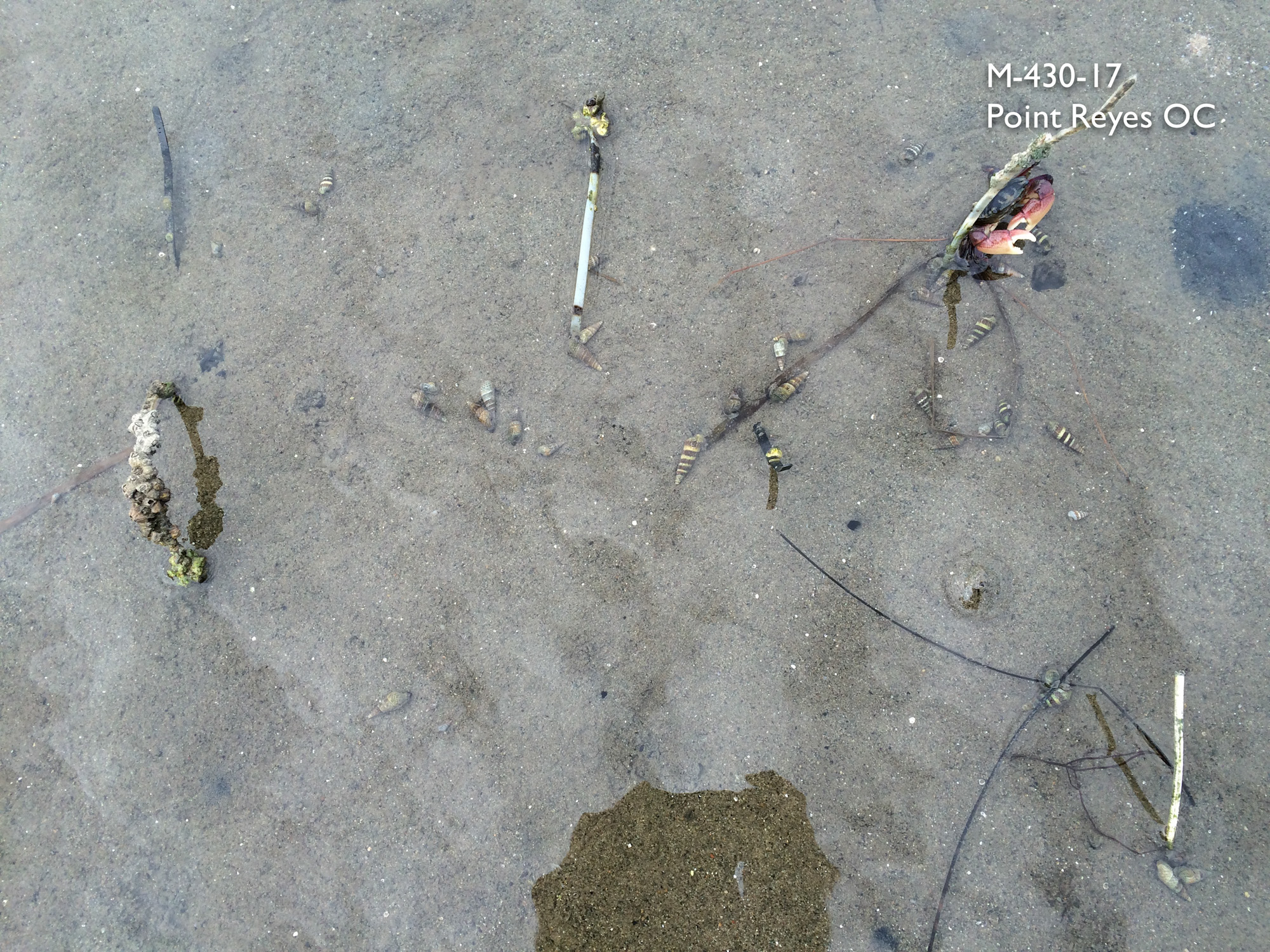
I have lifted and shaken many bags on this lease, and as far as I can tell, all the oysters in these bags are dead.

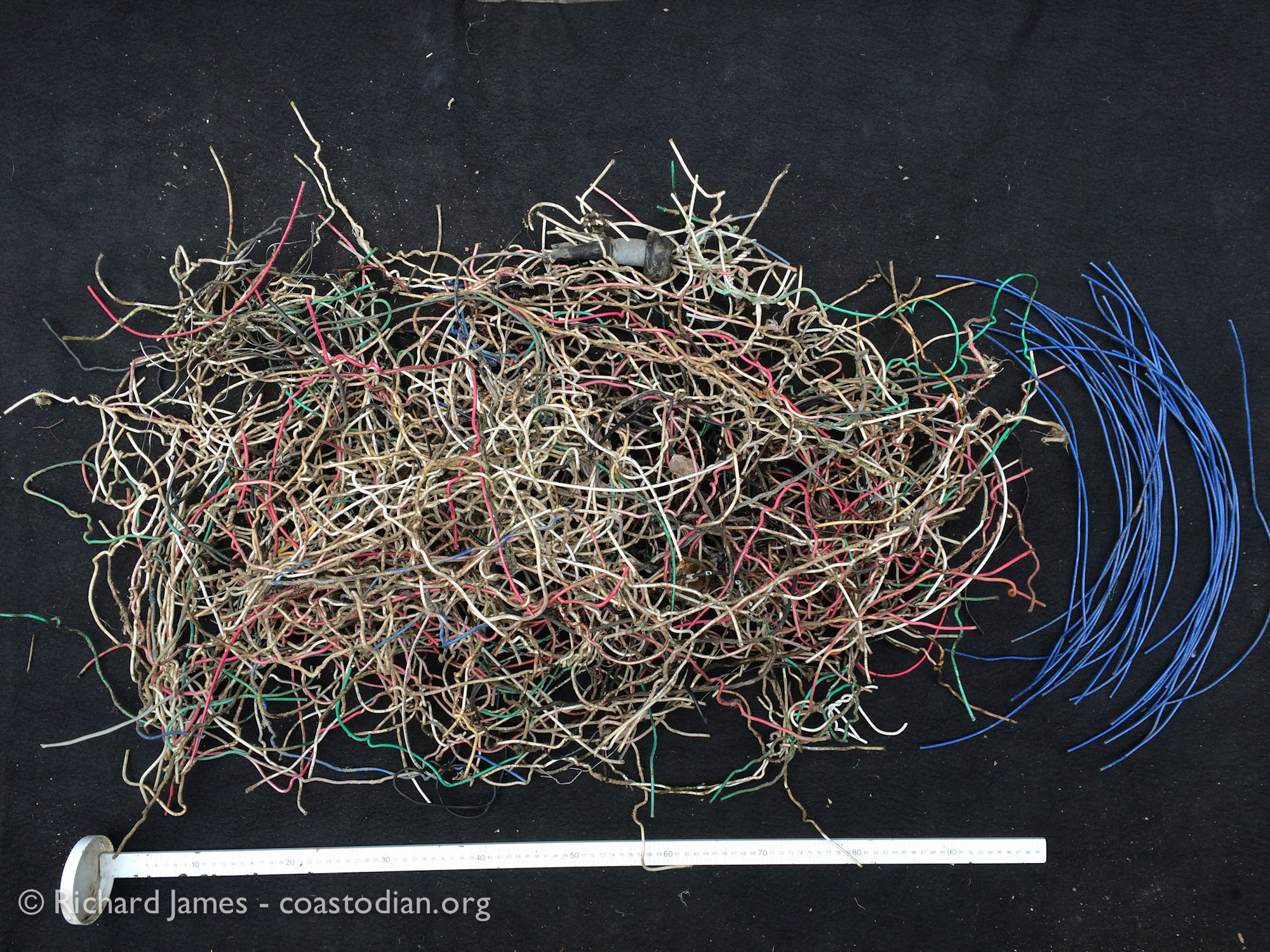
Other oyster growers may be dropping zip ties by the thousands into Tomales Bay, but Point Reyes Oyster Company seems to prefer to drop plastic coated copper wire with the same fervor.

Can all this plastic and copper be good for the native organisms living (trying to live) in Tomales Bay?

.

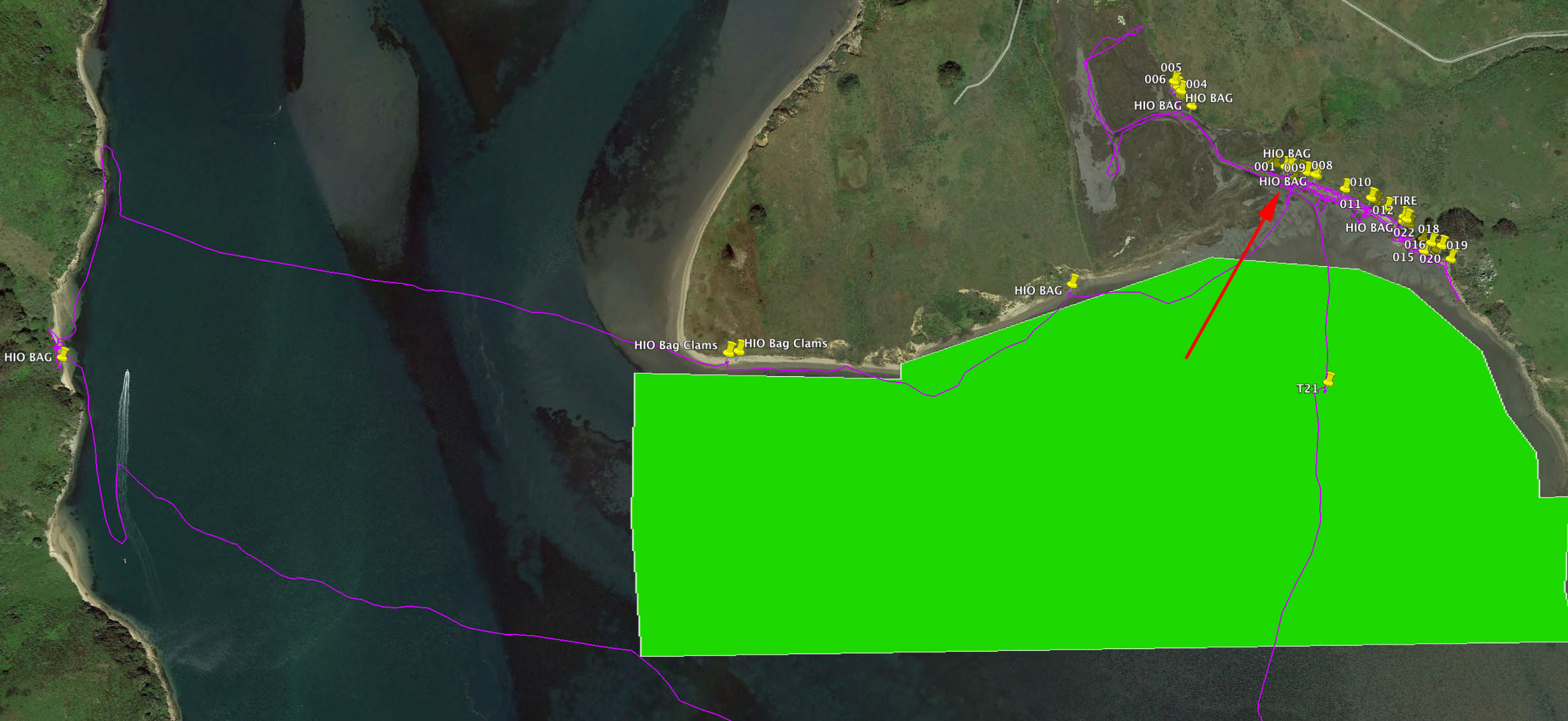
Area in bright polygon depicts lease M-430-17, the area shown in the images below.

Area in bright polygon depicts lease M-430-17, the area shown in the images below.

.

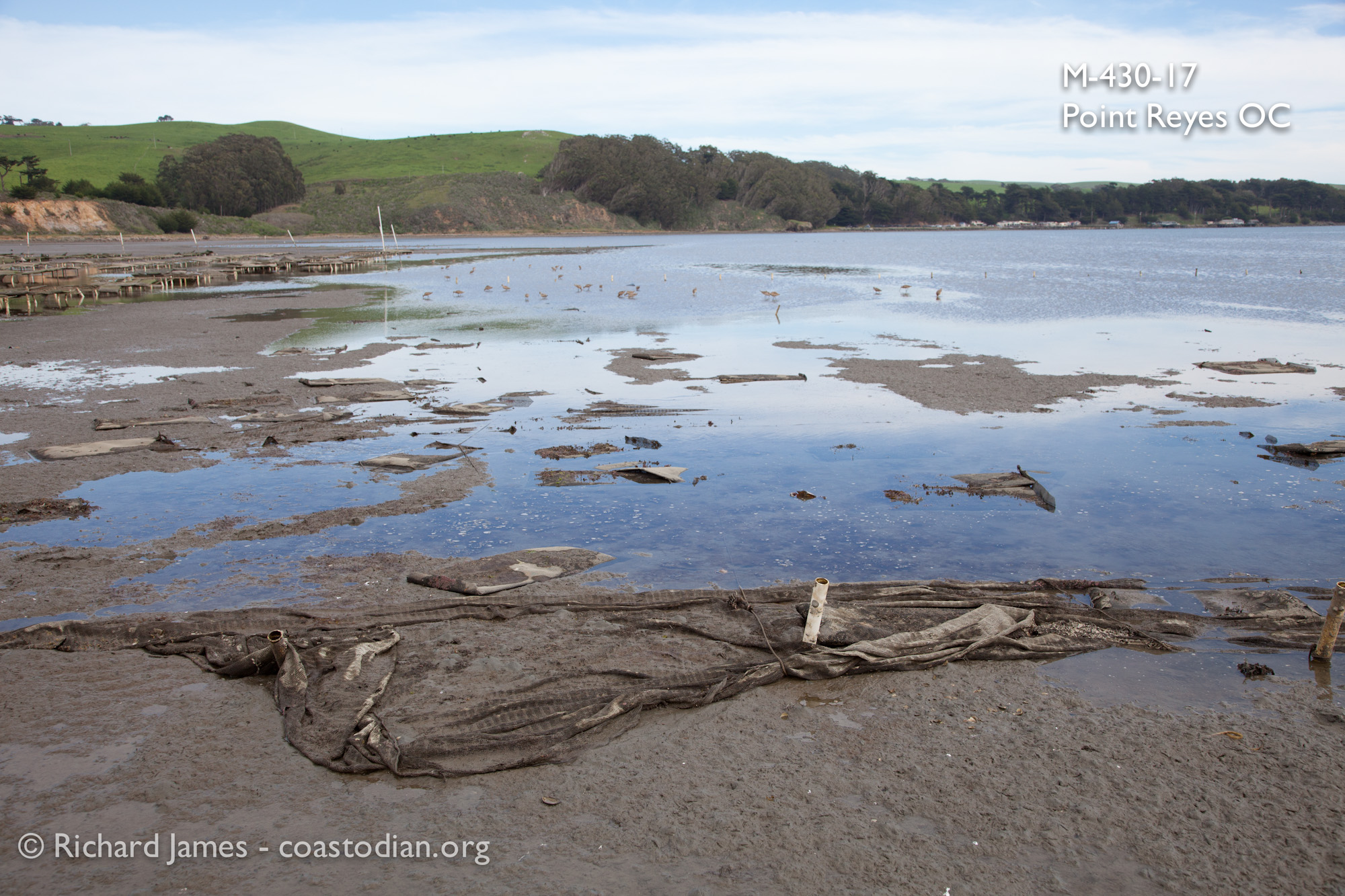
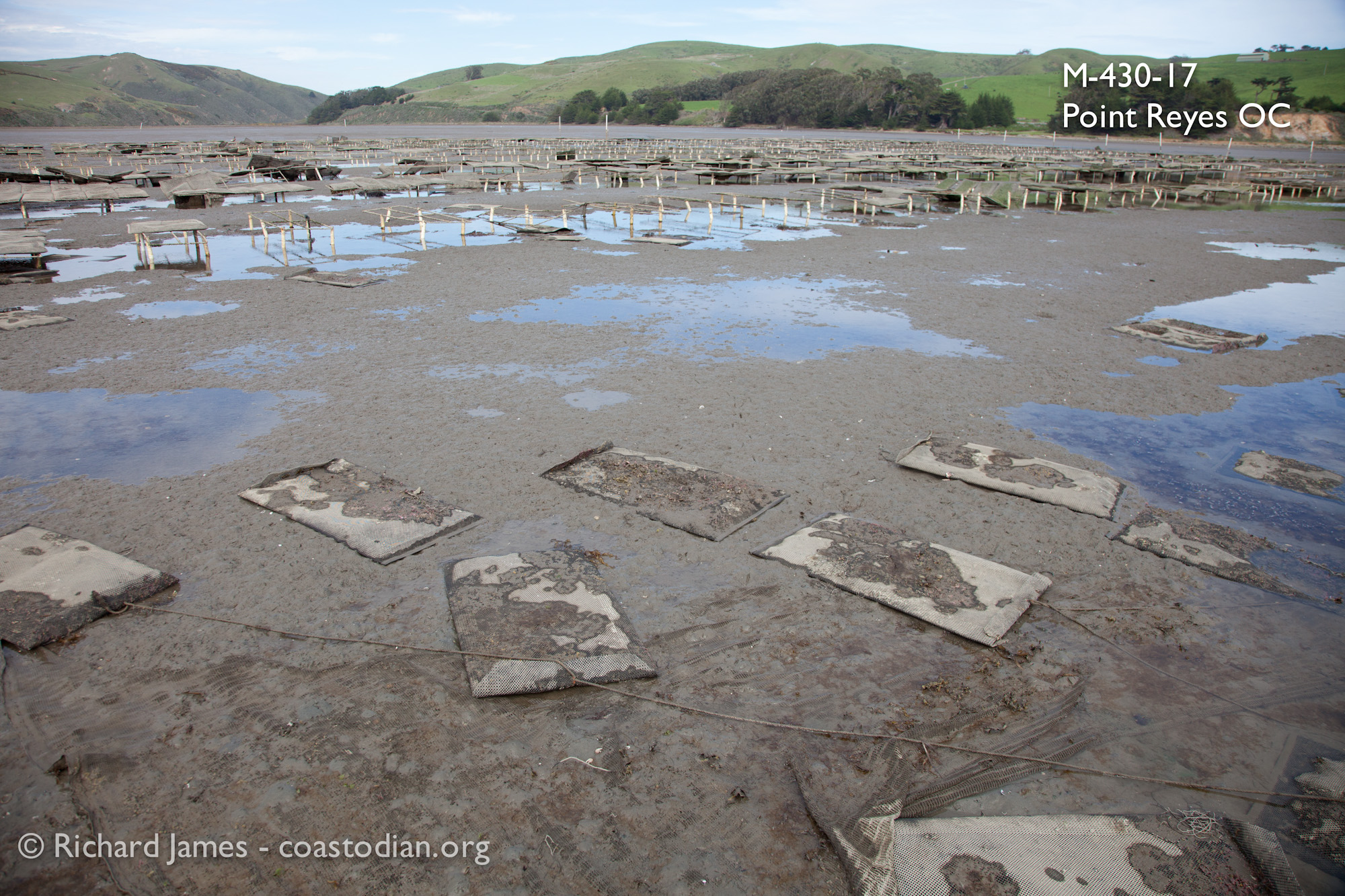
Grow-out bags laying in the mud, racks in a state of disrepair on lease M-430-17, run by Point Reyes Oyster Company.

Grow-out bags laying in the mud, racks in a state of disrepair on lease M-430-17, run by Point Reyes Oyster Company.

.

About 20 pounds of plastic coated copper wire i picked up from under the racks, laying in the mud on lease M-430-17, run by Point Reyes Oyster Company.

About 20 pounds of plastic coated copper wire i picked up from under the racks, laying in the mud on lease M-430-17, run by Point Reyes Oyster Company.

.

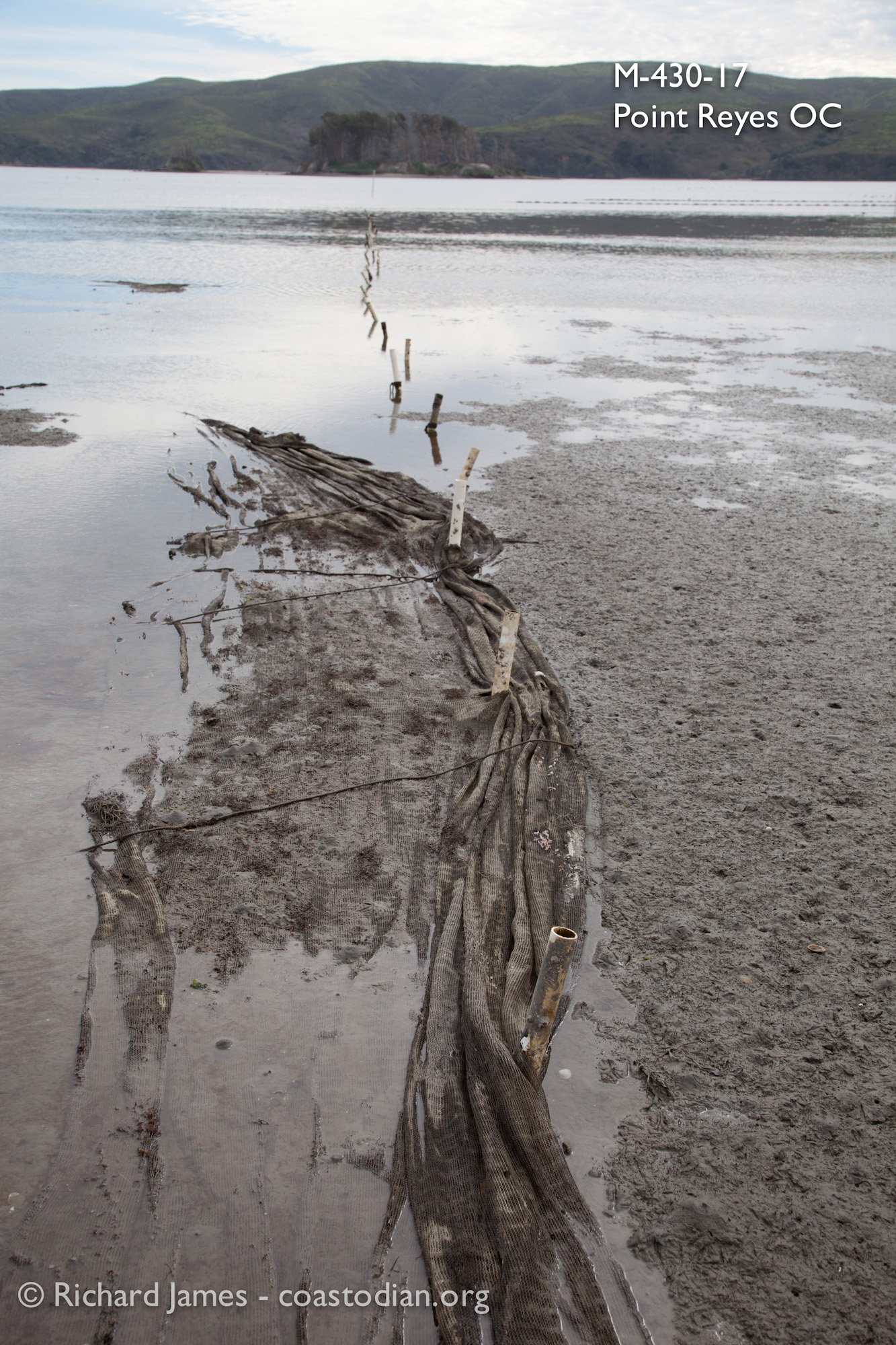
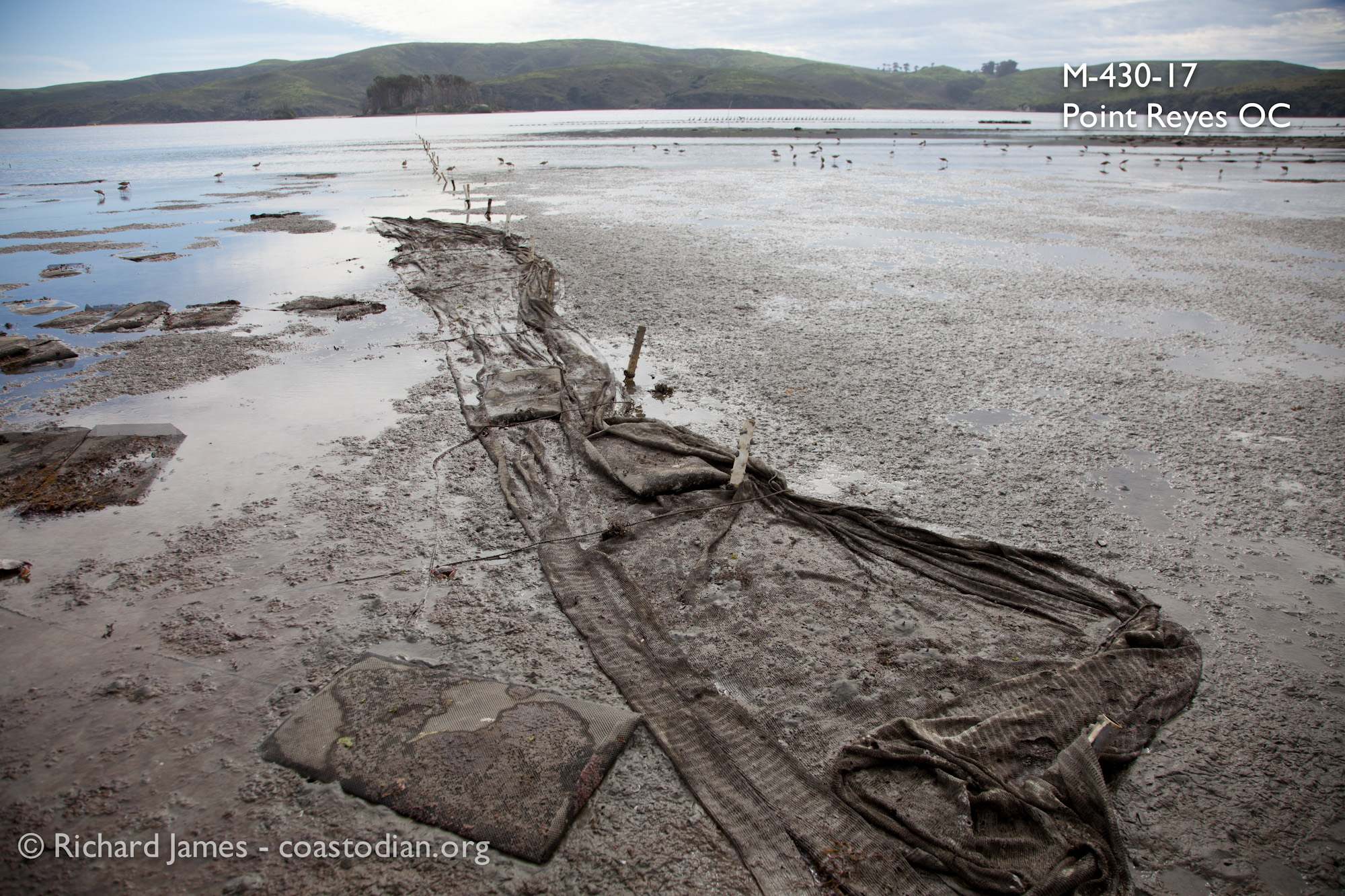
Mystery cloth serving unknown purpose (other than littering) on lease M-430-17, run by Point Reyes Oyster Company.

Mystery cloth serving unknown purpose (other than littering) on lease M-430-17, run by Point Reyes Oyster Company.

.

Mystery cloth serving unknown purpose (other than littering) on lease M-430-17, run by Point Reyes Oyster Company.

Mystery cloth serving unknown purpose (other than littering) on lease M-430-17, run by Point Reyes Oyster Company.

.

Mystery cloth serving unknown purpose (other than littering) on lease M-430-17, run by Point Reyes Oyster Company.

Mystery cloth serving unknown purpose (other than littering) on lease M-430-17, run by Point Reyes Oyster Company.

.

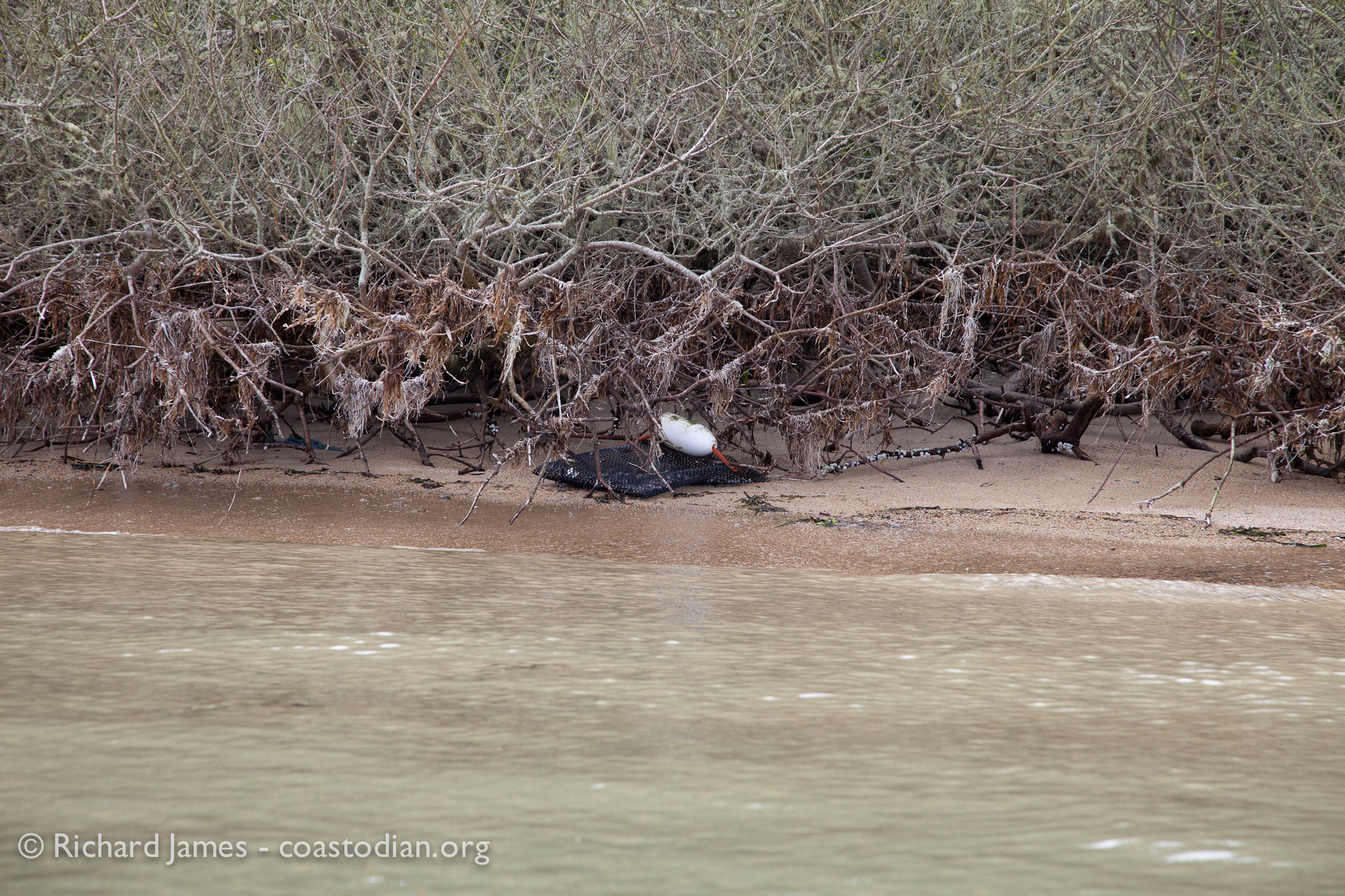
Abandoned grow-out bag laying in the mud on lease M-430-17, run by Point Reyes Oyster Company.

Abandoned grow-out bag laying in the mud on lease M-430-17, run by Point Reyes Oyster Company.

.

Abandoned grow-out bag laying in the mud on lease M-430-17, run by Point Reyes Oyster Company.

Abandoned grow-out bag laying in the mud on lease M-430-17, run by Point Reyes Oyster Company.

.

Grow-out bags laying in the mud on lease M-430-17, run by Point Reyes Oyster Company.

Grow-out bags laying in the mud on lease M-430-17, run by Point Reyes Oyster Company.

.

Grow-out bags laying in the mud on lease M-430-17, run by Point Reyes Oyster Company.

Grow-out bags laying in the mud on lease M-430-17, run by Point Reyes Oyster Company.

.

Racks in a state of disrepair on lease M-430-17, run by Point Reyes Oyster Company.

Racks in a state of disrepair on lease M-430-17, run by Point Reyes Oyster Company.

.

Grow-out bags laying in the mud, racks in a state of disrepair on lease M-430-17, run by Point Reyes Oyster Company.

Grow-out bags laying in the mud, racks in a state of disrepair on lease M-430-17, run by Point Reyes Oyster Company.

.

Next related post may be found here.

Previous related post may be found here.

See the first post in this series “Save our Tomales Bay” here.

Save our Tomales Bay – Part 21 Leasewalk M430-15, M-430-10 of Hog Island Oysters

Click the words above “Save our Tomales Bay Part 21 Leasewalk M430-15…” to see this entire post.

On 22 March I paid a visit to the large lease operated by Hog Island Oysters (HIO) near Tom’s Point (lease M-430-15), and another Hog Island lease at the mouth of Walker Creek (lease M-430-10).

I’ve been mostly sharing findings on the leases run by Tomales Bay Oyster Company (TBOC) due to the ease of access to the southern lease, as well as because their leases are some of the messiest places on the bay.

Getting to the far north lease of HIO takes more time and energy, so I don’t get there too often.

Often I am asked by people “What about Hog Island? Do they make as big a mess as TBOC?)

My usual response is “All the growers make a mess, HIO makes the least mess from what I can tell.”

Until now, I thought TBOC and crew were the only culprits when it came to cutting and dropping zip-ties into the bay during harvest. I found 54 zip-ties on this day along a very short section of shore, with only moderate effort.

As you can see from the images below, HIO has room to improve their methods.

As always, click on an image to see a larger version.

.

Green polygon depicts Hog Island Oysters lease M-430-15, near Tom's Point. Red arrow points to location where abandoned grow-out bags were left on 22 March. Each yellow pin shows location of abandoned grow-out bag. T21 is where I reattached 3 bags of live oysters to anchor line.

Green polygon depicts Hog Island Oysters lease M-430-15, near Tom’s Point. Red arrow points to location where abandoned grow-out bags were left on 22 March. Each yellow pin shows location of abandoned grow-out bag. T21 is where I reattached 3 bags of live oysters to anchor line.

.

.

©Richard James - coastodian.org Abandoned Hog Island Oysters grow-out bag hauled out on Pierce Point (PRNS) on 22 March, 2015

©Richard James – coastodian.org
Abandoned Hog Island Oysters grow-out bag hauled out on Pierce Point (PRNS) on 22 March, 2015

.

©Richard James - coastodian.org Abandoned??? Hog Island Oysters grow-out bags on lease M-430-10 on 22 March, 2015

©Richard James – coastodian.org
Abandoned??? Hog Island Oysters grow-out bags on lease M-430-10 on 22 March, 2015

.

©Richard James - coastodian.org Hog Island Oysters grow-out bags on lease M-430-10 on 22 March, 2015

©Richard James – coastodian.org
Hog Island Oysters grow-out bags on lease M-430-10 on 22 March, 2015

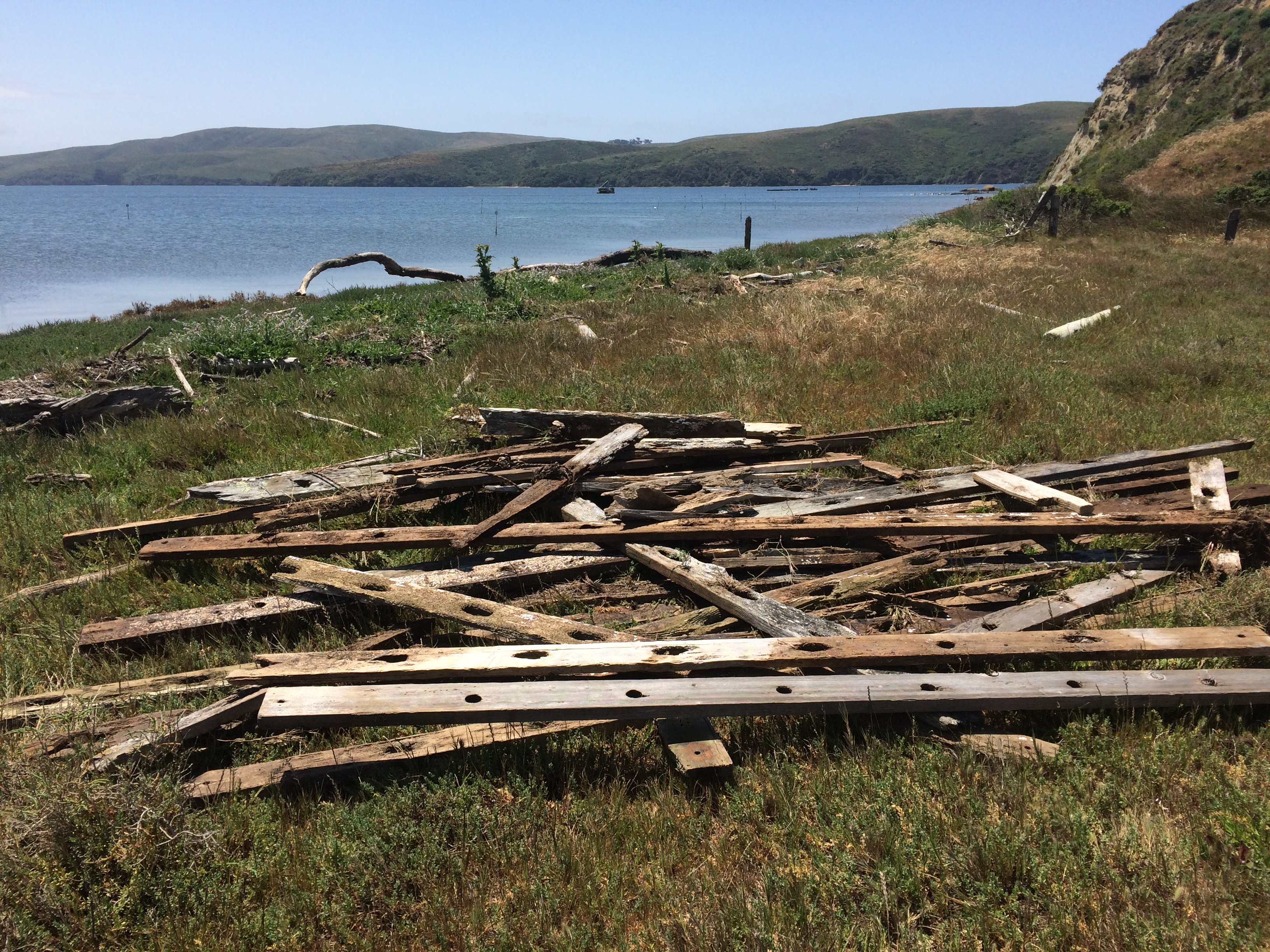
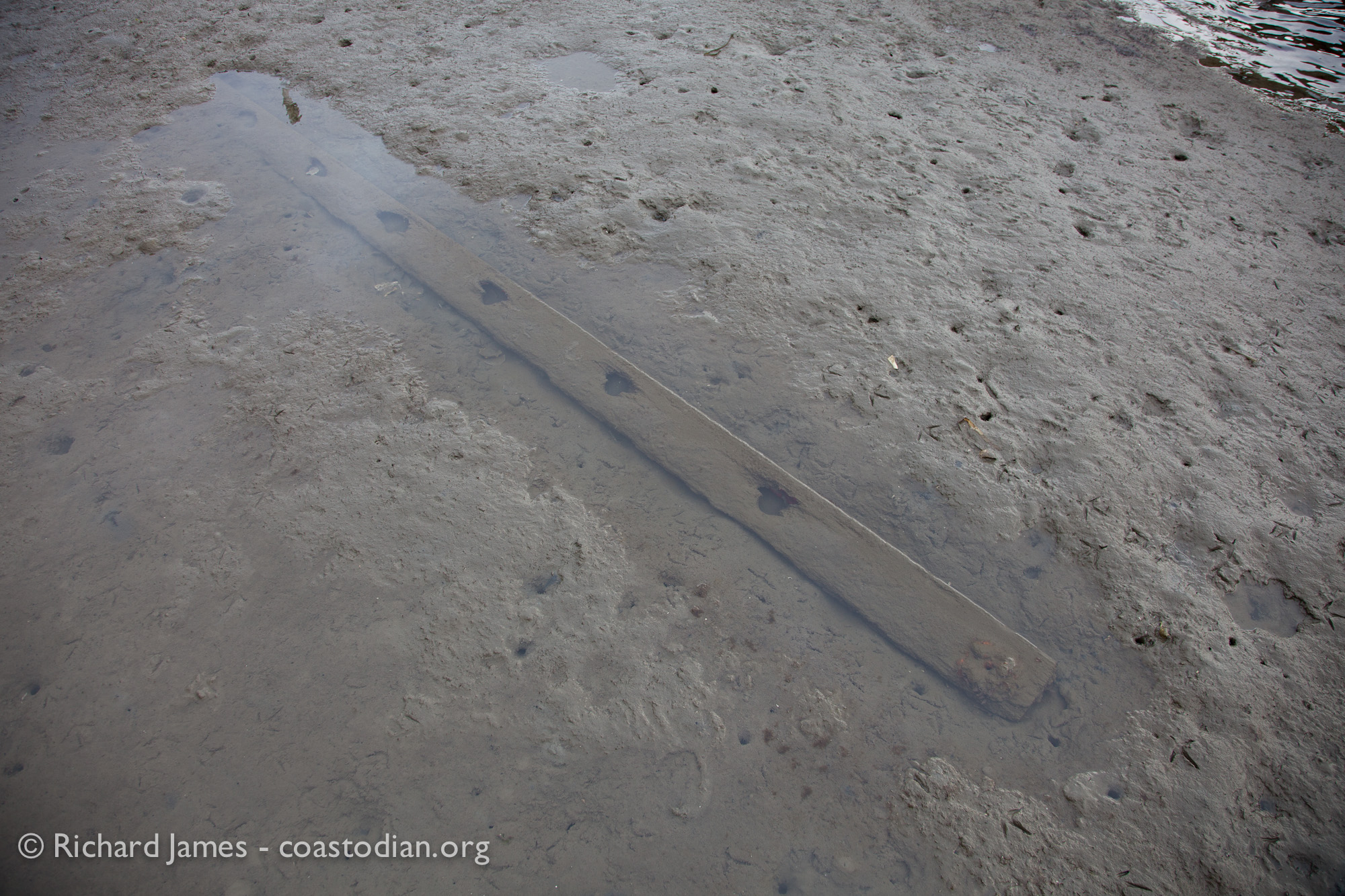
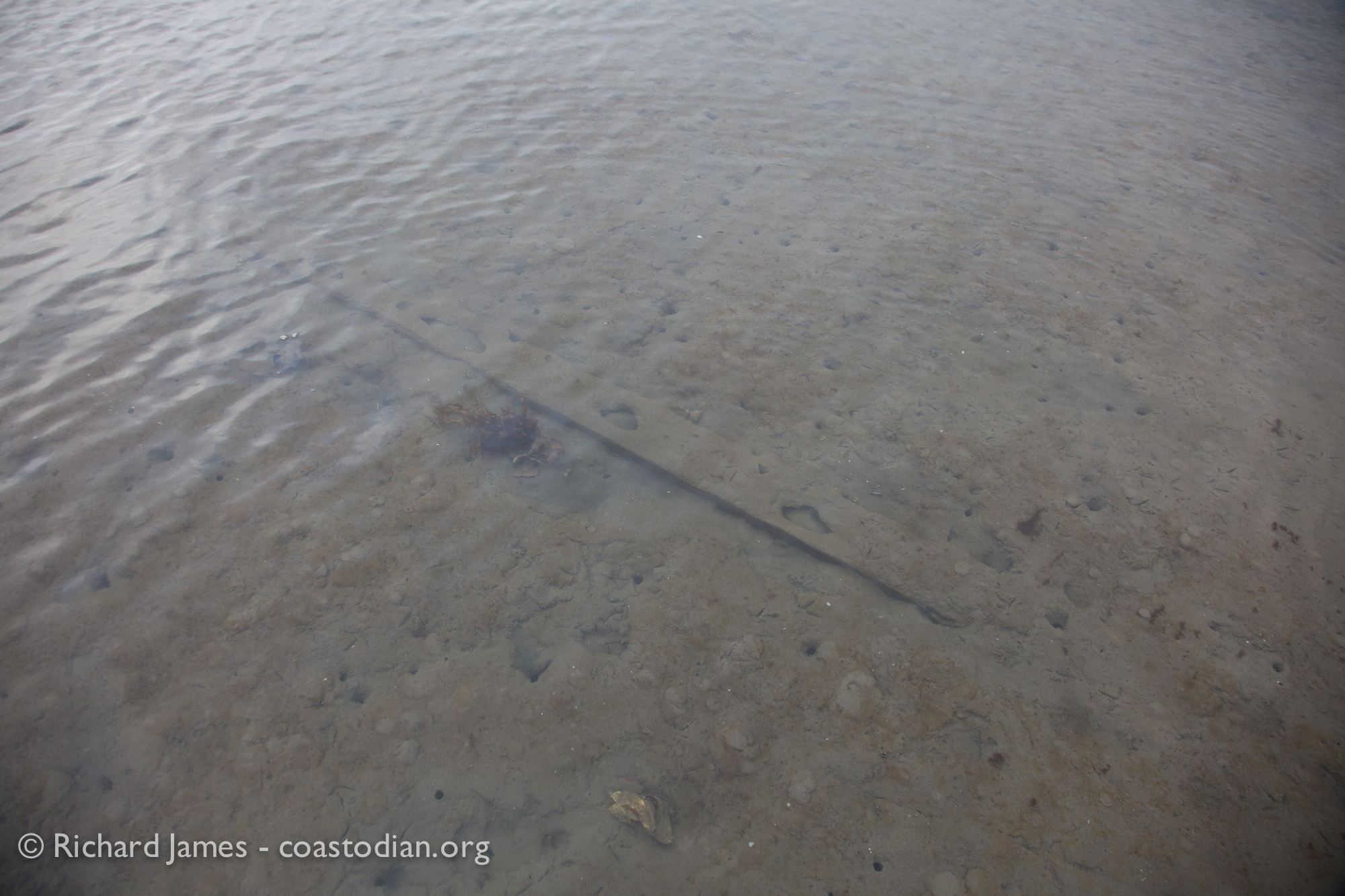
©Richard James - coastodian.org Abandoned oyster rack lumber on Hog Island Oysters lease M-430-10 on 22 March, 2015

©Richard James – coastodian.org
Abandoned oyster rack lumber on Hog Island Oysters lease M-430-10 on 22 March, 2015

.

©Richard James - coastodian.org Abandoned oyster rack lumber on Hog Island Oysters lease M-430-10 on 22 March, 2015

©Richard James – coastodian.org
Abandoned oyster rack lumber on Hog Island Oysters lease M-430-10 on 22 March, 2015

.

©Richard James - coastodian.org Abandoned??? oyster grow-out bag on Hog Island Oysters lease M-430-10 on 22 March, 2015

©Richard James – coastodian.org
Abandoned??? oyster grow-out bag on Hog Island Oysters lease M-430-10 on 22 March, 2015

.

©Richard James - coastodian.org Abandoned oyster rack lumber on Hog Island Oysters lease M-430-10 on 22 March, 2015

©Richard James – coastodian.org
Abandoned oyster rack lumber on Hog Island Oysters lease M-430-10 on 22 March, 2015

.

©Richard James - coastodian.org Abandoned oyster rack lumber on Hog Island Oysters lease M-430-10 on 22 March, 2015

©Richard James – coastodian.org
Abandoned oyster rack lumber on Hog Island Oysters lease M-430-10 on 22 March, 2015

.

©Richard James - coastodian.org Abandoned oyster grow-out bag on Hog Island Oysters lease M-430-10 on 22 March, 2015

©Richard James – coastodian.org
Abandoned oyster grow-out bag on Hog Island Oysters lease M-430-10 on 22 March, 2015

©Richard James - coastodian.org Abandoned oyster grow-out bag on Hog Island Oysters lease M-430-10 on 22 March, 2015

©Richard James – coastodian.org
Abandoned oyster grow-out bag on Hog Island Oysters lease M-430-10 on 22 March, 2015

.

©Richard James - coastodian.org Abandoned ??? oyster grow-out bags on Hog Island Oysters lease M-430-10 on 22 March, 2015

©Richard James – coastodian.org
Abandoned ??? oyster grow-out bags on Hog Island Oysters lease M-430-10 on 22 March, 2015

.

©Richard James - coastodian.org Abandoned oyster rack lumber on Hog Island Oysters lease M-430-10 on 22 March, 2015

©Richard James – coastodian.org
Abandoned oyster rack lumber on Hog Island Oysters lease M-430-10 on 22 March, 2015

.

©Richard James - coastodian.org Abandoned oyster rack lumber on Hog Island Oysters lease M-430-10 on 22 March, 2015

©Richard James – coastodian.org
Abandoned oyster rack lumber on Hog Island Oysters lease M-430-10 on 22 March, 2015

.

©Richard James - coastodian.org Recovered bags with live oysters, now reattached on lease M-430-15, see waypoint T21 on map at top of post.

©Richard James – coastodian.org
Recovered bags with live oysters, now reattached on lease M-430-15, see waypoint T21 on map at top of post.

.

©Richard James - coastodian.org Abandoned Hog Island Oysters grow-out bags collected adjacent to lease M-430-15 on 22 March, 2015

©Richard James – coastodian.org
Abandoned Hog Island Oysters grow-out bags collected adjacent to lease M-430-15 on 22 March, 2015

.

©Richard James - coastodian.org Abandoned Hog Island Oysters grow-out bags collected adjacent to lease M-430-15 on 22 March, 2015

©Richard James – coastodian.org
Abandoned Hog Island Oysters grow-out bags collected adjacent to lease M-430-15 on 22 March, 2015

.

©Richard James - coastodian.org Abandoned Hog Island Oysters grow-out bags collected adjacent to lease M-430-15 on 22 March, 2015

©Richard James – coastodian.org
Abandoned Hog Island Oysters grow-out bags collected adjacent to lease M-430-15 on 22 March, 2015

.

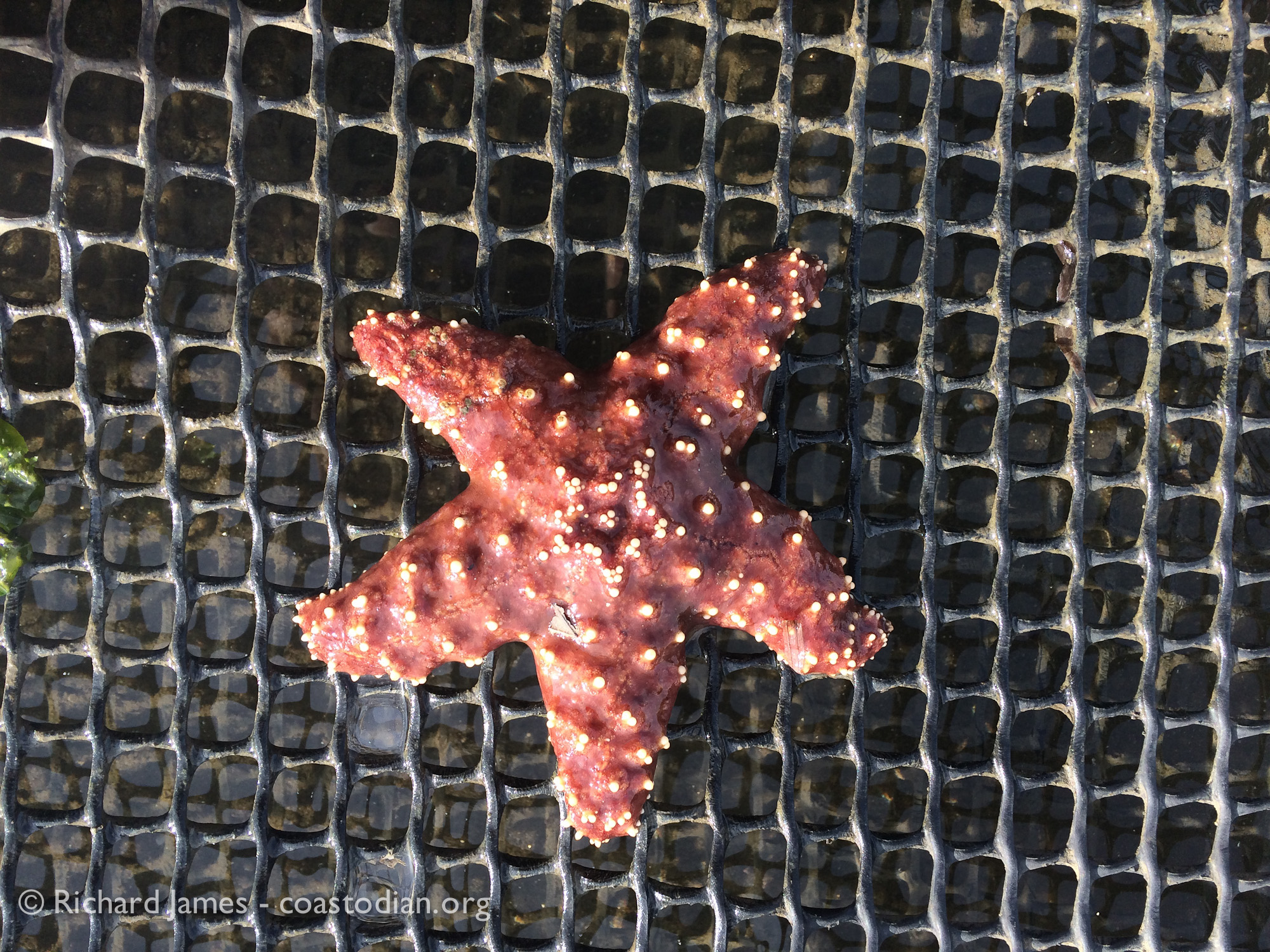
©Richard James - coastodian.org Pisaster ocreceus that was inside a nearly empty, mostly buried in mud, bag of dead manilla clams

©Richard James – coastodian.org
Pisaster ocreceus that was inside a nearly empty, mostly buried in mud, bag of dead manilla clams

.

©Richard James - coastodian.org Abandoned Hog Island Oysters grow-out bags (with live oysters) collected adjacent to lease M-430-15 on 22 March, 2015

©Richard James – coastodian.org
Abandoned Hog Island Oysters grow-out bags (with live oysters) collected adjacent to lease M-430-15 on 22 March, 2015

.

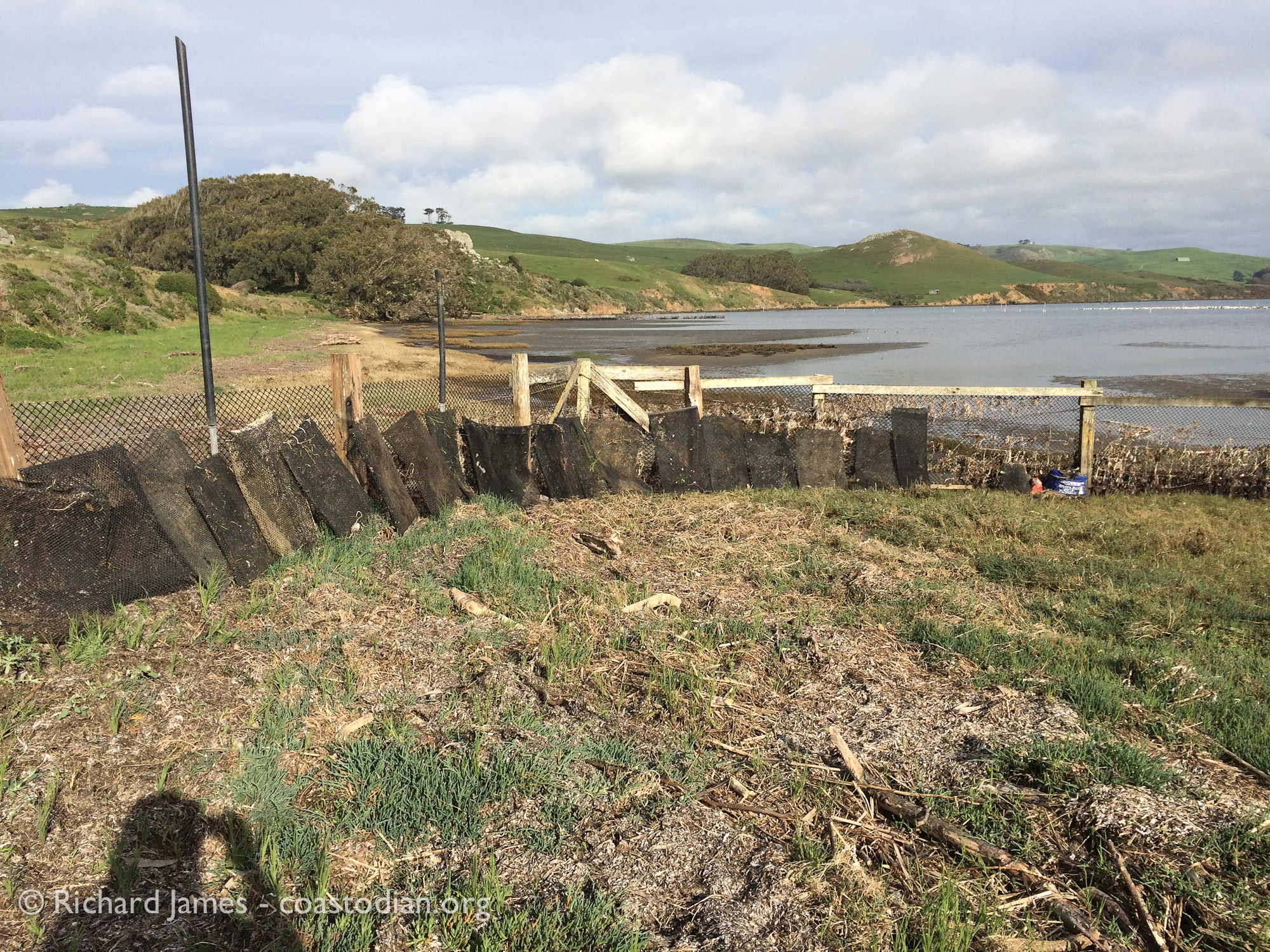
©Richard James - coastodian.org Stanway oyster racks and abandoned rack lumber on Hog Island Oysters lease M-430-10 on 22 March, 2015

©Richard James – coastodian.org
Stanway oyster racks and abandoned rack lumber on Hog Island Oysters lease M-430-10 on 22 March, 2015

.

©Richard James - coastodian.org Stanway oyster racks on Hog Island Oysters lease M-430-10 on 22 March, 2015

©Richard James – coastodian.org
Stanway oyster racks on Hog Island Oysters lease M-430-10 on 22 March, 2015

.

©Richard James - coastodian.org Stanway oyster racks on Hog Island Oysters lease M-430-10 on 22 March, 2015

©Richard James – coastodian.org
Stanway oyster racks on Hog Island Oysters lease M-430-10 on 22 March, 2015

.

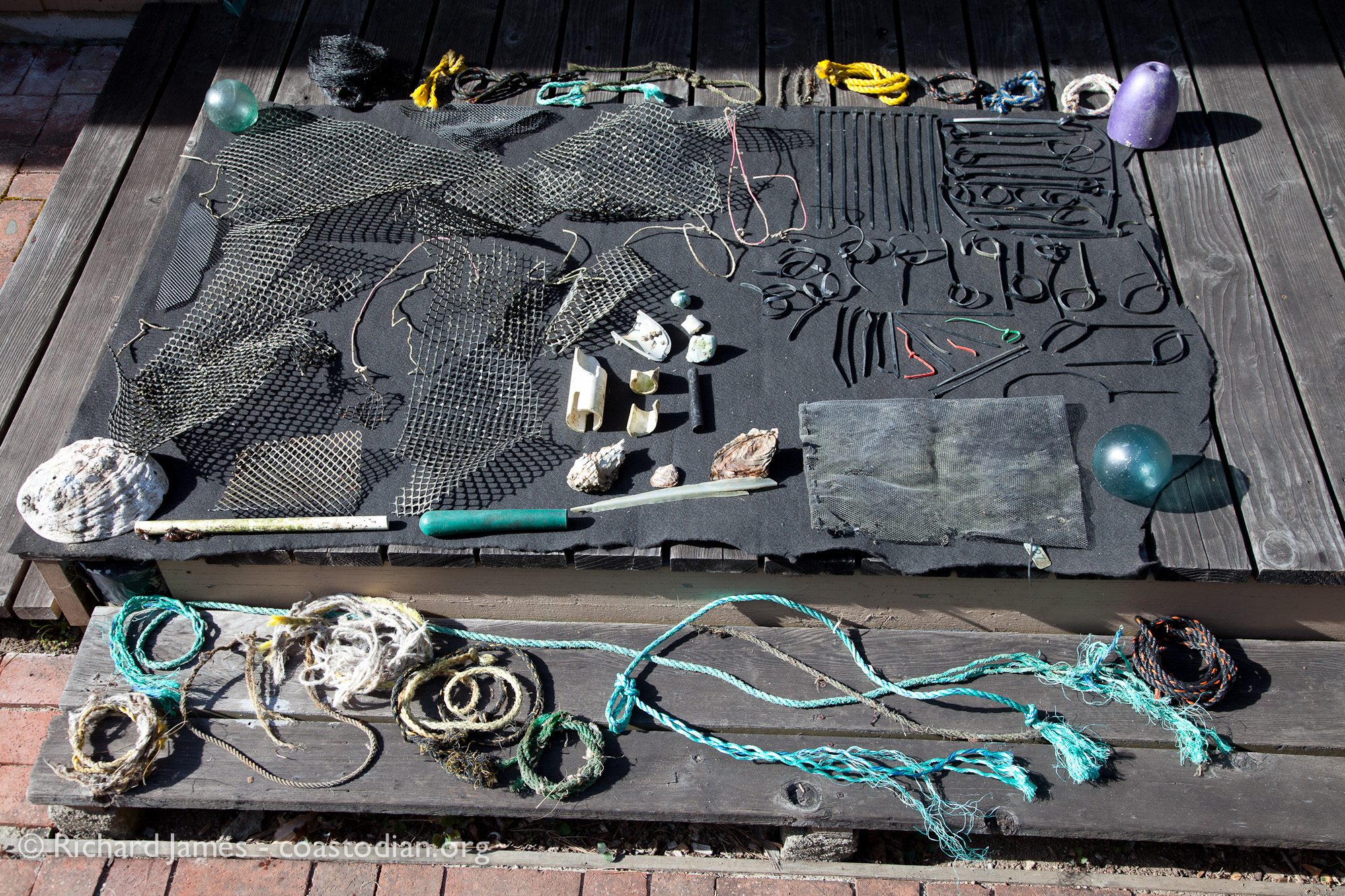
©Richard James - coastodian.org Abandoned zip-ties, rope remnants, float, grow-out bag remnants, PVC pipe remnants, collected from shore adjacent to Hog Island Oysters lease M-430-15 and Tomales Bay Oyster Company lease M-430-04 on 22 March, 2015

©Richard James – coastodian.org
Abandoned zip-ties, rope remnants, float, grow-out bag remnants, PVC pipe remnants, collected from shore adjacent to Hog Island Oysters lease M-430-15 and Tomales Bay Oyster Company lease M-430-04 on 22 March, 2015

.

©Richard James - coastodian.org Abandoned zip-ties, rope remnants, float collected from shore adjacent to Hog Island Oysters lease M-430-15 on 22 March, 2015

©Richard James – coastodian.org
Abandoned zip-ties, rope remnants, float collected from shore adjacent to Hog Island Oysters lease M-430-15 on 22 March, 2015

.

©Richard James - coastodian.org Abandoned zip-ties & rope remnants, float collected on shore adjacent to Hog Island Oysters lease M-430-15 on 22 March, 2015

©Richard James – coastodian.org
Abandoned zip-ties & rope remnants, float collected on shore adjacent to Hog Island Oysters lease M-430-15 on 22 March, 2015

.

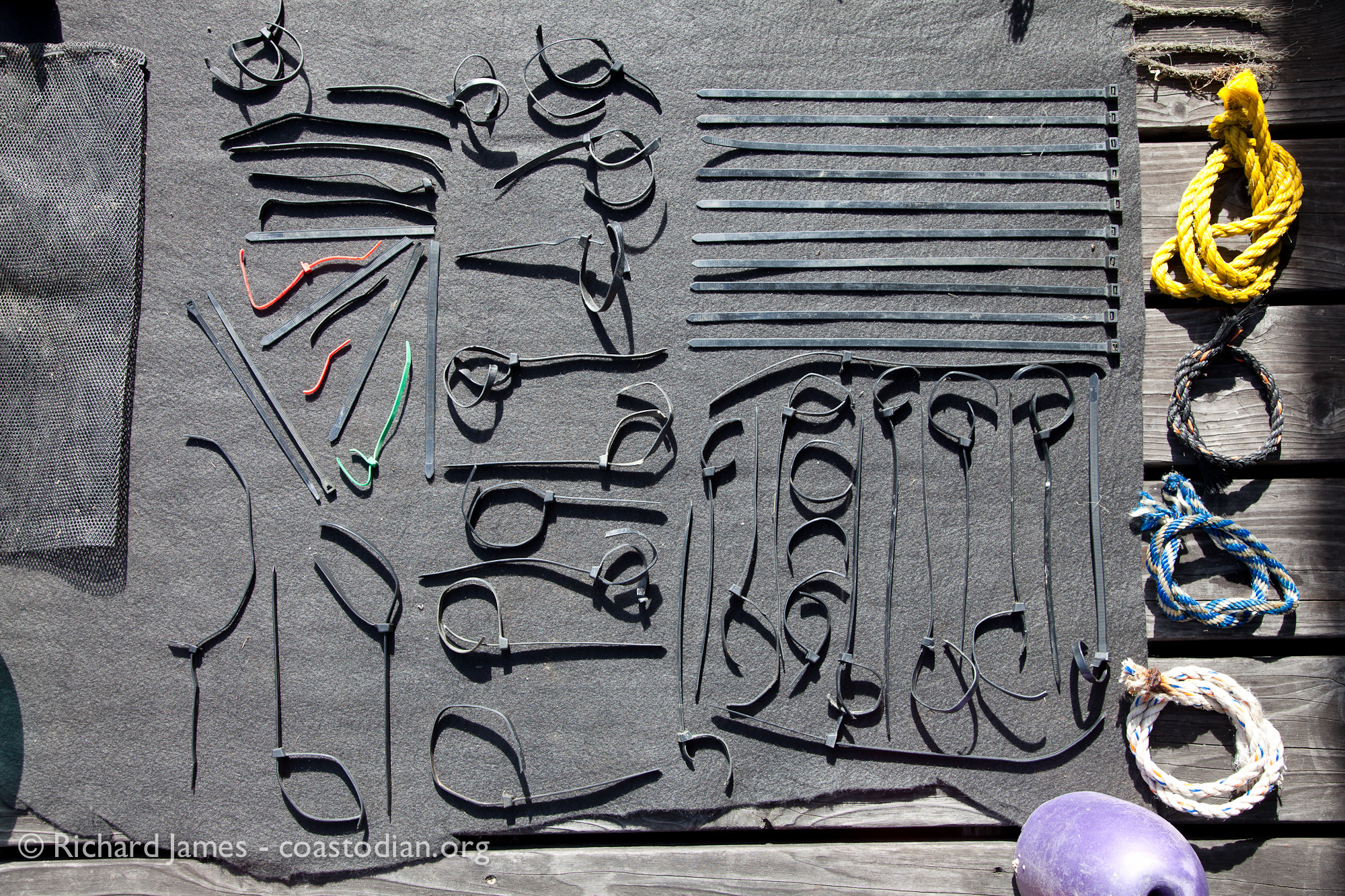
©Richard James - coastodian.org Abandoned zip-ties collected on shore adjacent to Hog Island Oysters lease M-430-15 on 22 March, 2015

©Richard James – coastodian.org
Abandoned zip-ties collected on shore adjacent to Hog Island Oysters lease M-430-15 on 22 March, 2015

.

©Richard James - coastodian.org Abandoned rope remnants collected on shore adjacent to Hog Island Oysters lease M-430-15 on 22 March, 2015

©Richard James – coastodian.org
Abandoned rope remnants collected on shore adjacent to Hog Island Oysters lease M-430-15 on 22 March, 2015

.

©Richard James - coastodian.org Abandoned zip-ties collected on shore adjacent to Hog Island Oysters lease M-430-15 on 22 March, 2015

©Richard James – coastodian.org
Abandoned zip-ties collected on shore adjacent to Hog Island Oysters lease M-430-15 on 22 March, 2015

.

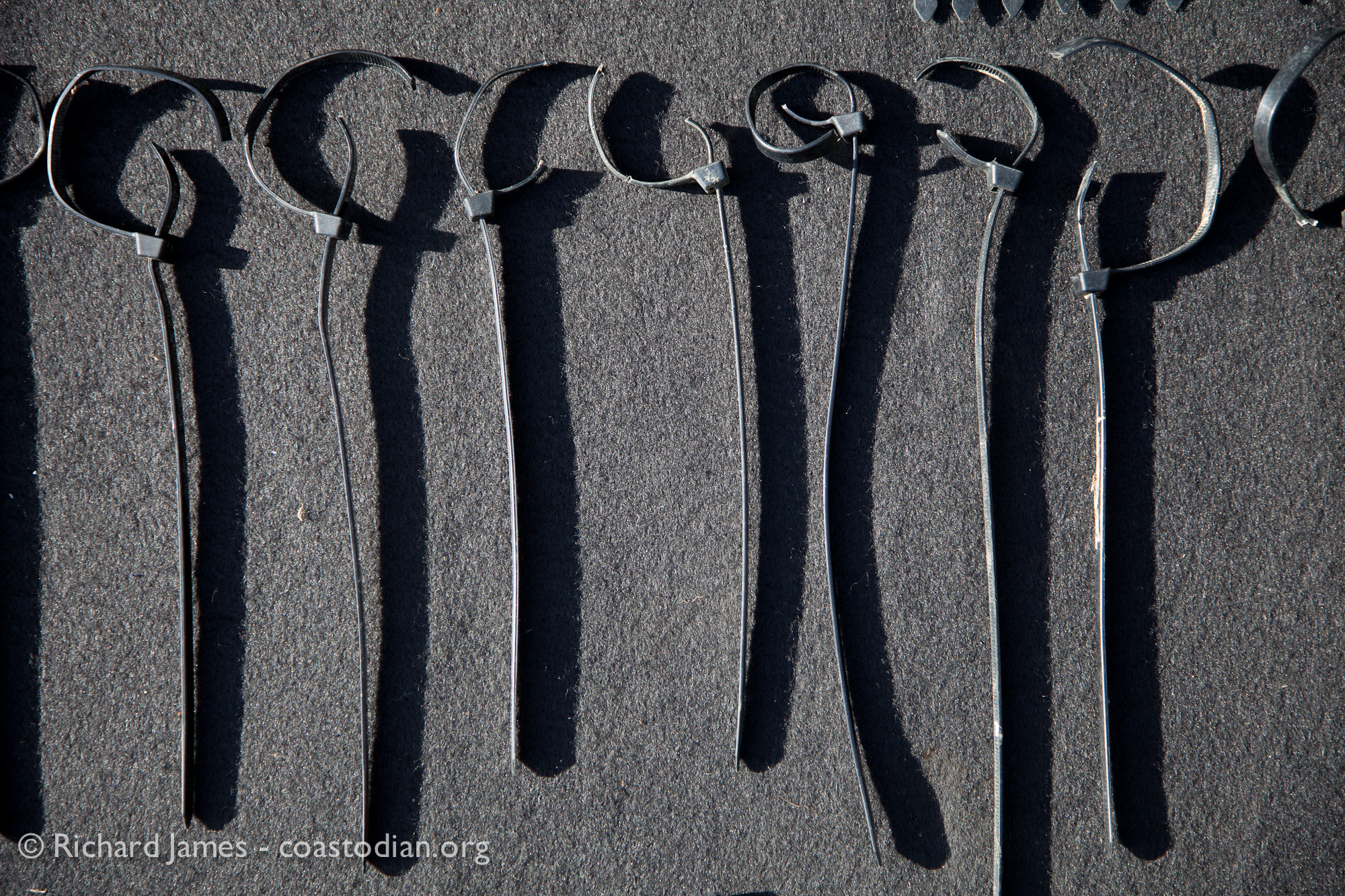
©Richard James - coastodian.org Abandoned zip-ties collected on shore adjacent to Hog Island Oysters lease M-430-15 on 22 March, 2015

©Richard James – coastodian.org
Abandoned zip-ties collected on shore adjacent to Hog Island Oysters lease M-430-15 on 22 March, 2015

.

©Richard James - coastodian.org Abandoned zip-ties collected on shore adjacent to Hog Island Oysters lease M-430-15 on 22 March, 2015

©Richard James – coastodian.org
Abandoned zip-ties collected on shore adjacent to Hog Island Oysters lease M-430-15 on 22 March, 2015

.

Next related post may be found here.

Previous related post may be found here.

See the first post in this series “Save our Tomales Bay” here.

Save our Tomales Bay – part 20, Tomales Bay Oyster Company ushers in new era in responsible oyster farming

Click the words “Save our Tomales Bay…..” above to see this entire post.

Over the past two years I’ve been boating the waters and walking the shore of Tomales Bay cleaning up all the trash I find, most of it from the oyster farmers.

I’ve focused on TBOC given my proximity to their ~160 acre southern lease and their proclivity to make a mess. Soon you will be seeing reports showcasing the activities of the other growers of Tomales Bay.

In the meantime, I am very pleased to share images of a very positive change of events.

One of my big gripes of the oyster farmers is how they blame messes on the prior leaseholder.

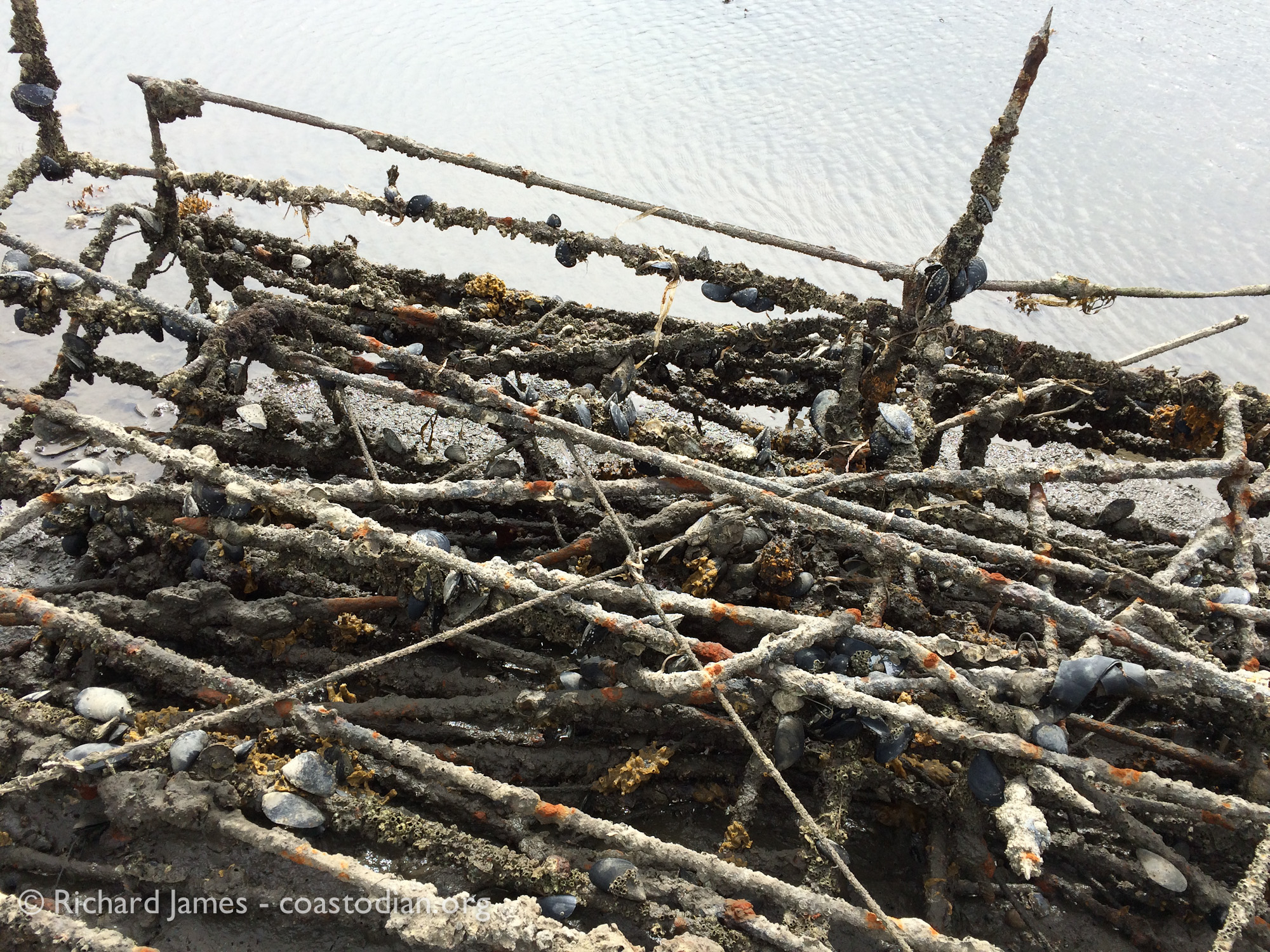
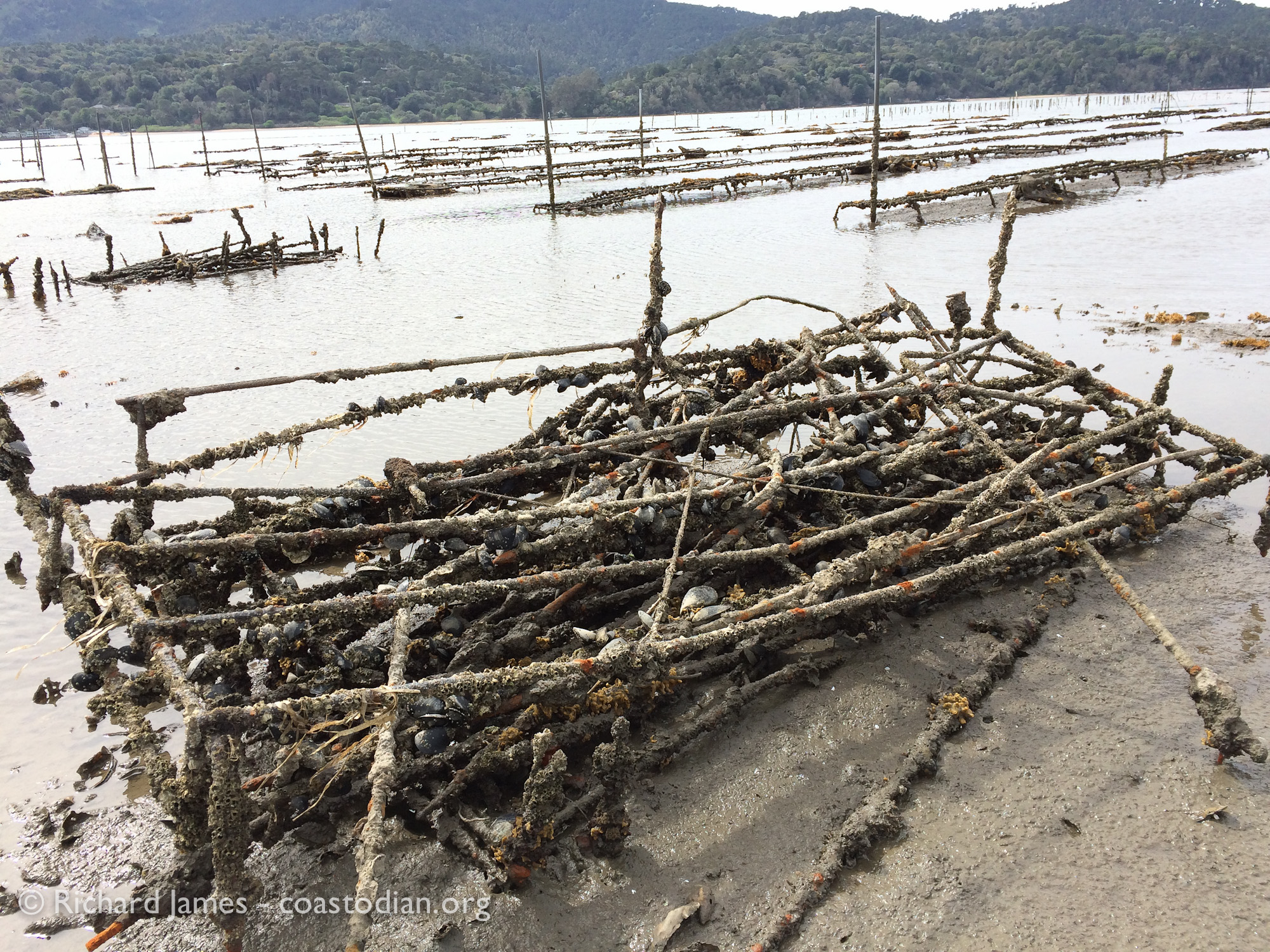
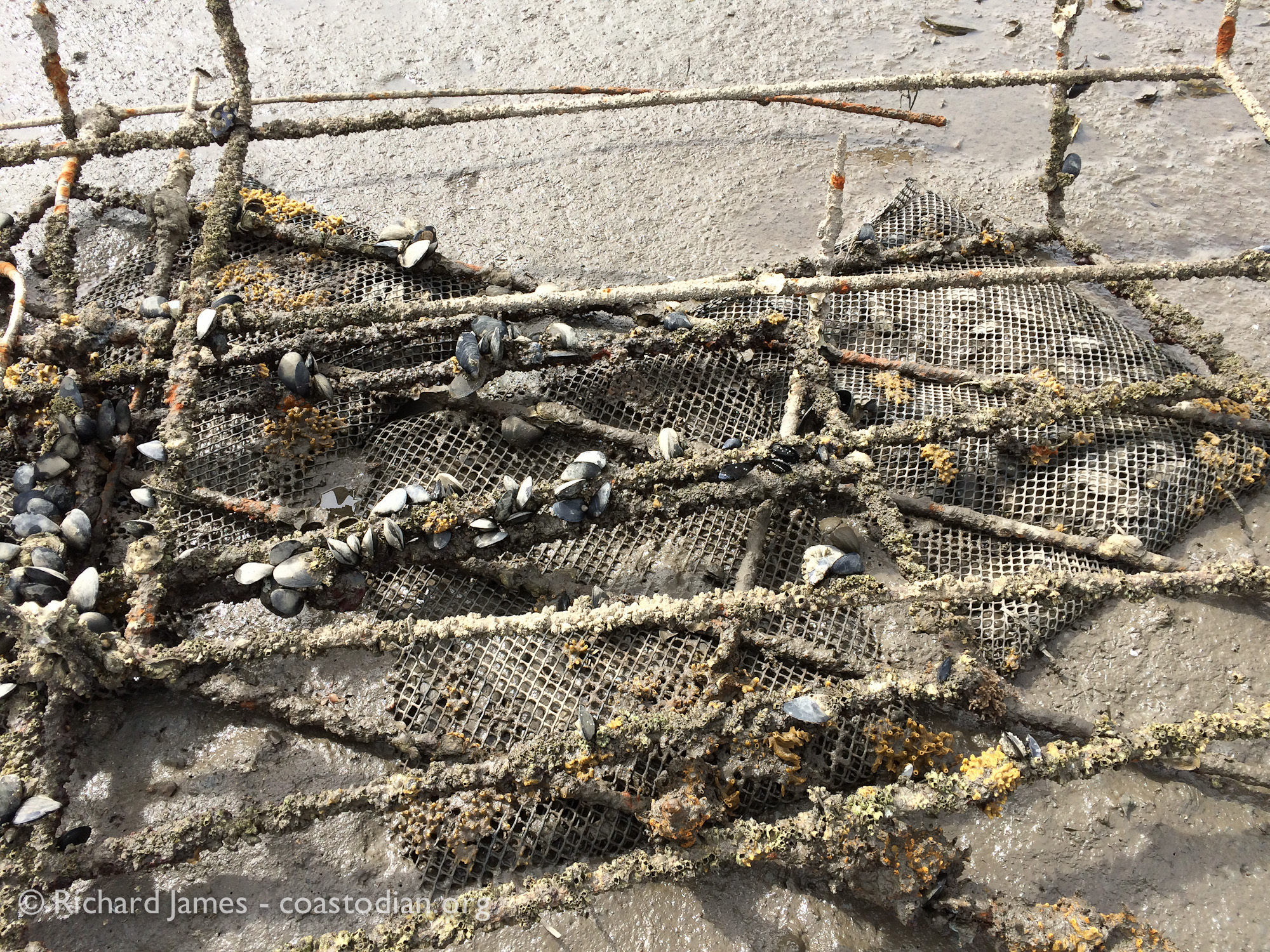
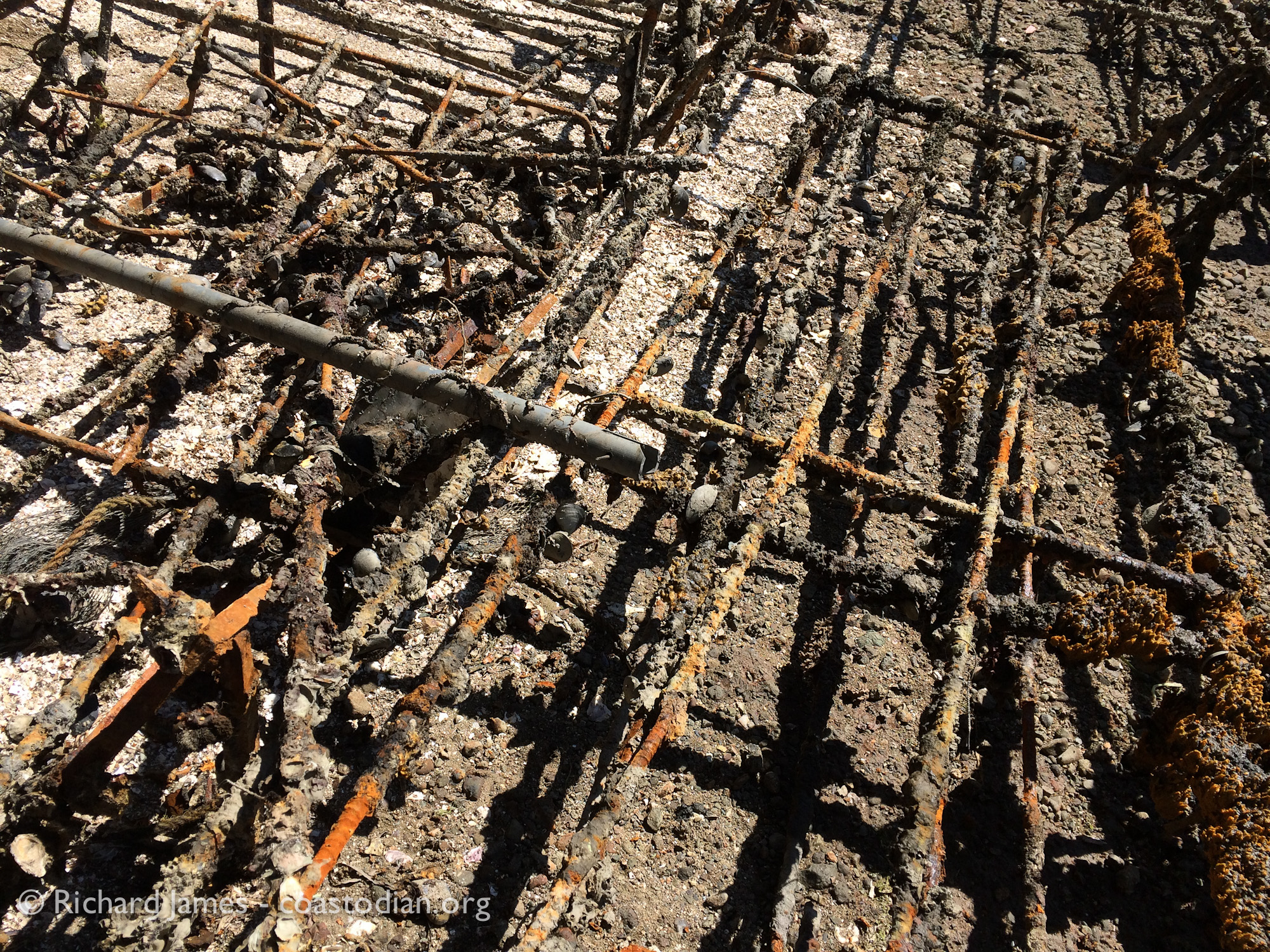
I’ve been gently suggesting to the owner of TBOC for some time that it would be a good idea to remove the thousands of PVC tubes and hundreds of rusting re-bar racks that sit idle, an unsightly testament to the past.

Well, Saturday while out for my weekly walk of the shore near to the TBOC retail site, a longtime TBOC worker showed me how he had removed two rows of rusting racks. A very time-consuming, but welcome effort.

There are hundreds of racks left to remove on the southern TBOC lease, as well as hundreds more up at Walker Creek on other growers’, leases.

But, this is a HUGE and welcome effort by TBOC and I want to thank them and encourage them to keep at it.

Thank you TBOC. Tomales Bay thanks you, the flora and fauna of Tomales Bay thank you, and I hope the people of West Marin thank you for cleaning up what has been a blight on the bay for nearly two decades.

See this post for the area I am speaking of.

Here are some images of a portion of the TBOC southern lease area that needs to be cleaned up.

.

©Richard James - coastodian.org rebar racks that have blighted Tomales Bay for 25 years, on their way to the recycle center.

©Richard James – coastodian.org
rebar racks that have blighted Tomales Bay for 25 years, on their way to the recycle center.

.

©Richard James - coastodian.org rebar racks that have blighted Tomales Bay for 25 years, on their way to the recycle center.

©Richard James – coastodian.org
rebar racks that have blighted Tomales Bay for 25 years, on their way to the recycle center.

.

©Richard James - coastodian.org Debris from the Drew Alden era of farming this lease. There are many scores of rigs just like this, littering the bottom of Tomales Bay.

©Richard James – coastodian.org
Debris from the Drew Alden era of farming this lease. There are many scores of rigs just like this, littering the bottom of Tomales Bay.

.

©Richard James - coastodian.org rebar racks that have blighted Tomales Bay for 25 years, on their way to the recycle center.

©Richard James – coastodian.org
rebar racks that have blighted Tomales Bay for 25 years, on their way to the recycle center.

.

©Richard James - coastodian.org rebar racks that have blighted Tomales Bay for 25 years, on their way to the recycle center.

©Richard James – coastodian.org
rebar racks that have blighted Tomales Bay for 25 years, on their way to the recycle center.

.

Now for some of the cleanup work going on to right this wrong.

See the video and stills below of the progress being made.


.

©Richard James - coastodian.org rebar racks that have blighted Tomales Bay for 25 years, on their way to the recycle center.

©Richard James – coastodian.org
rebar racks that have blighted Tomales Bay for 25 years, on their way to the recycle center.

.

©Richard James - coastodian.org rebar racks that have blighted Tomales Bay for 25 years, on their way to the recycle center.

©Richard James – coastodian.org
rebar racks that have blighted Tomales Bay for 25 years, on their way to the recycle center.

.

©Richard James - coastodian.org rebar racks that have blighted Tomales Bay for 25 years, on their way to the recycle center.

©Richard James – coastodian.org
rebar racks that have blighted Tomales Bay for 25 years, on their way to the recycle center.

.

©Richard James - coastodian.org plastic wrapped high-density blue foam floats that disintegrate and foul Tomales Bay, and the oceans of the world, destined for the landfill.

©Richard James – coastodian.org
plastic wrapped high-density blue foam floats that disintegrate and foul Tomales Bay, and the oceans of the world, destined for the landfill.

.

©Richard James - coastodian.org rebar racks that have blighted Tomales Bay for 25 years, on their way to the recycle center.

©Richard James – coastodian.org
rebar racks that have blighted Tomales Bay for 25 years, on their way to the recycle center.

.

Next related post may be found here.

Previous related post may be found here.

See the first post in this series “Save our Tomales Bay” here.