Save our planet – Stop Nestlé from taking our water and wrapping it in plastic

Dear Readers,

Nestlé thinks it can buy its way to a positive public image. So the corporation is mounting a major misinformation campaign in Southern California. From billboards to newspaper spots to ads on popular local websites, Nestlé is scrambling to convince the people of California that it’s a good steward of the environment. But with your help, we can fight back with educational ads of our own, ensuring people know the truth: Nestlé needs to be stopped for the public good.

Our campaign against Nestlé is already making waves. On April 25th, I’ll be representing the more than one million members of the Story of Stuff Community in a federal courtroom as our lawsuit to hold Nestlé accountable for its unpermitted withdrawal of water from the San Bernardino National Forest goes before a judge. Along with with our partners Courage Campaign and Center for Biological Diversity, we’ll argue that the U.S. Forest Service should turn off the spigot on Nestlé’s continuing, illegal extraction of water from these drought-ravaged public lands.

But we know Nestlé won’t go away quietly, which is why we’re asking you to help us fund a full-page ad in the San Bernardino Sun newspaper to raise publicity about Nestlé’s illegal actions, and help more people get engaged.

Help us show Nestlé and the U.S. Forest Service that the public wants our water to stay in the mountains, not in Nestlé’s bottles.

Nestlé knows that the public support behind the Story of Stuff Project and our partners has the potential to put an end to its bad behavior, which is why Nestlé spends millions of dollars on vague advertisements claiming it has a strong environmental record. But the facts couldn’t be further from the truth. The water level in the stream from which Nestlé is taking water in San Bernardino is at 10% of a 90-year historic average, and similar abuses are occurring worldwide.

Nestlé’s ability to suppress public debate is powerful. In fact, a billboard company that operates near the San Bernardino National Forest refused to do business with us in part because they fear losing out on Nestlé’s advertising dollars. So we’re buying a full-page ad in the San Bernardino Sun that will reach tens of thousands of local residents to set the record straight.

It’s time to show both Nestlé and the public that citizens around the world stand in solidarity with local efforts to protect the forest and its water. Please help us fund our full-page ad.

Donate to help us fight back against Nestlé’s misleading advertisements with a newspaper placement calling out their abuses and explaining how people can join our campaign.

Our lawsuit and your pressure have already had a significant impact, persuading the Forest Service to begin reviewing Nestlé’s expired permit for the first time in almost three decades. As the date of our hearing approaches, our opportunity to curtail Nestlé’s illegal water grab in San Bernardino is at an all-time high. We know that millions of people around the world support our efforts, and we want to bring that message directly to San Bernardino, where Nestlé employees AND Forest Service officials charged with protecting this forest will see it.

With your help we can deliver our message in the most commonly read newspaper in San Bernardino. With enough funds, we’ll buy more strategic ad space elsewhere in the region. It’s time to set the record straight and let local folks how they can get involved in our global campaign to hold Nestlé accountable.

Preview the ad text on our donation page, and contribute to make it a reality!

Together we can show Nestlé that our planet’s people and ecosystems aren’t for sale. With the water level in the National Forest’s Strawberry Creek now far below historic averages, the plant and animal life that depend on the water don’t have time to spare.

Thanks to your support our campaign is growing, and we’re starting to see Nestlé react. We know that if we keep the pressure up, amazing change is possible!
Are you in?

Yes, I’ll pledge $10

Yes, I’ll pledge $25

Yes, I’ll pledge $50

Yes, I’ll pledge $100

Yes, I will pledge another amount

In Solidarity,

Michael O’Heaney
Executive Director
The Story of Stuff
Action Alert – Sonoma Coast needs you to speak up 13 April, Santa Rosa

Please click on the words above “Action Alert – Sonoma Coast needs you …” to see this entire post.

The people of Sonoma County oppose the California State Parks proposal that aims to add many new fee locations along the Sonoma Coast. The proposal will charge the public $8/day to access some of Sonoma County’s favorite beaches including Bodega Head, Shell Beach, Goat Rock, Stump Beach more. The California Coastal Commission will decide on whether or not the proposed fees will go into effect.

PLEASE ATTEND THIS MEETING ON APRIL 13th IN SANTA ROSA – VETERAN’S HALL.
Map found here

Respect Tomales Bay – The glass tells a story

Click the words above “The glass tells a story” to see this entire post.

Two months ago I put my boat in at grassy point, the place windsurfers like, a little north of Cypress Point. Then I paddled south to explore Marshall and the area around Hog Island Oyster.

I’ve spent so much time cleaning up the shore around Tomales Bay Oyster Company given the proximity to me (and no end of trash), it seemed fair to spend some time near the other oyster company with a retail presence on the bay. Plus, it is always good to explore places never before seen.

Let’s have a look.

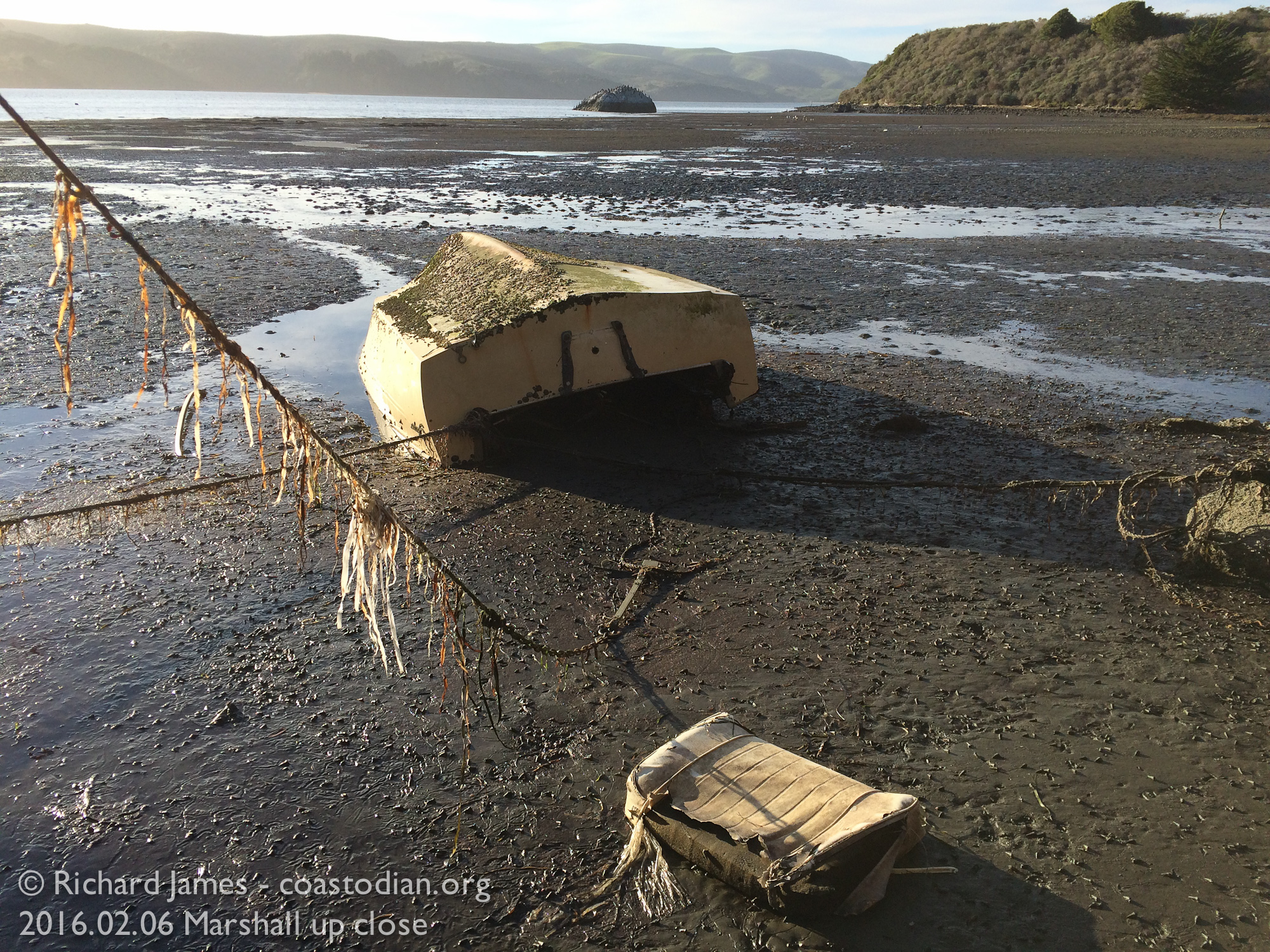
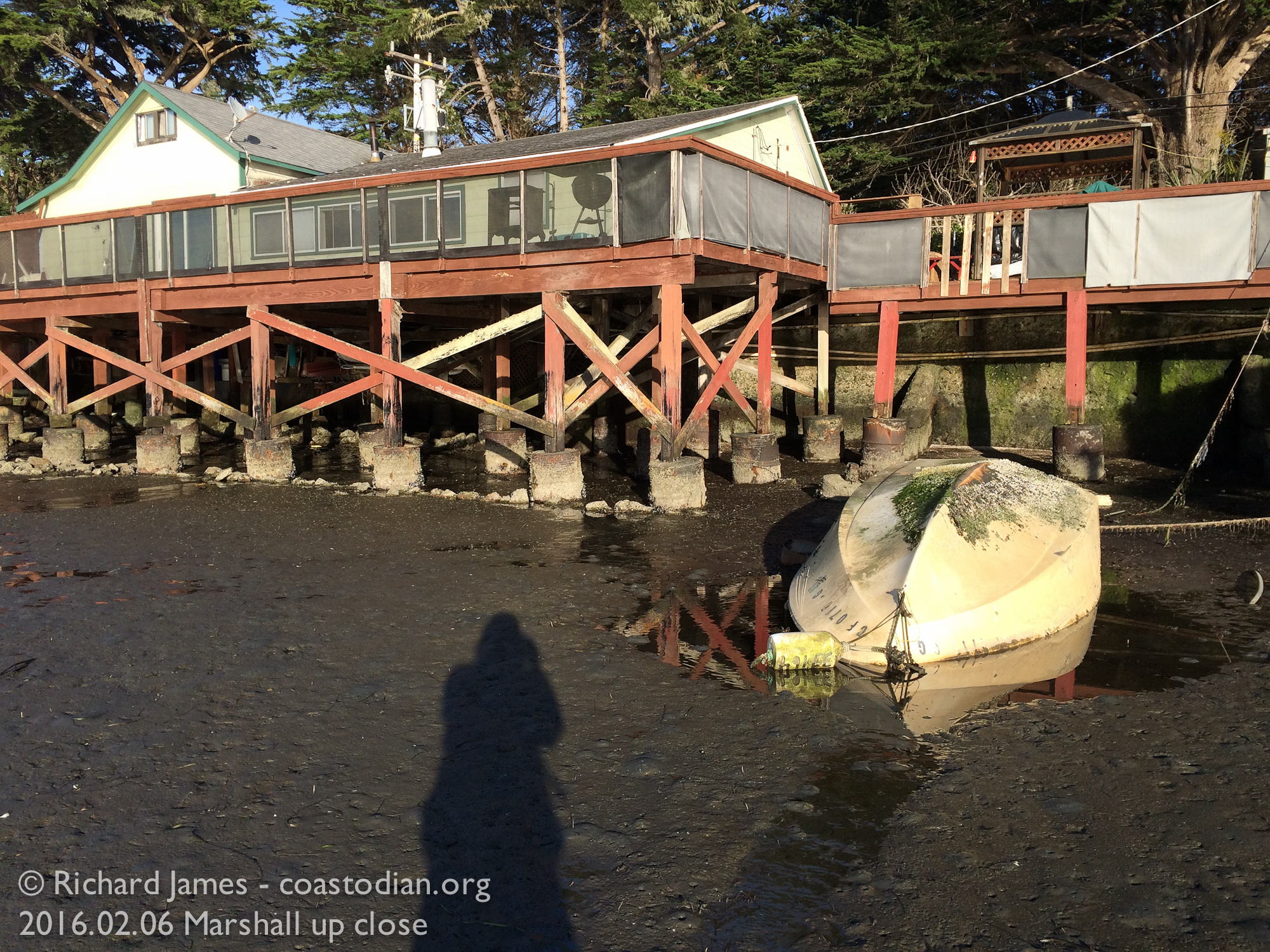
One of the first things to catch my eye was this boat laying in the mud, upside down.

.

As always, click on an image to increase size

Capsized boat ©Richard James - coastodian.org

Capsized boat
©Richard James – coastodian.org

.

There seemed to be items from the boat scattered nearby, so I walked closer to have a look.

.

Capsized boat, seat cushion making an escape. ©Richard James - coastodian.org

Capsized boat, seat cushion making an escape.
©Richard James – coastodian.org

.

As always, click on an image to increase size

Capsized boat ©Richard James - coastodian.org

Capsized boat
©Richard James – coastodian.org

.

Capsized boat ©Richard James - coastodian.org

Capsized boat
©Richard James – coastodian.org

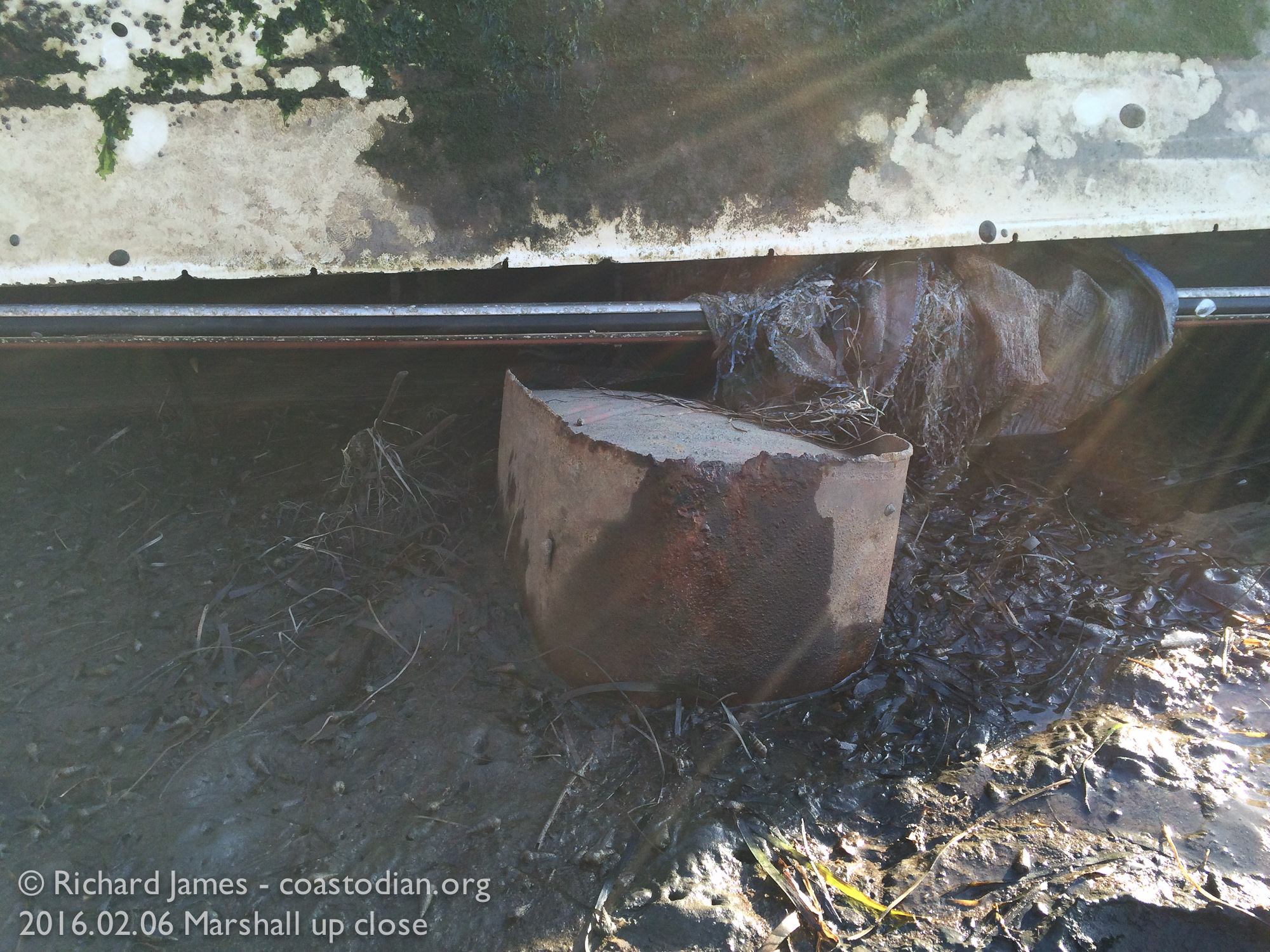
Hmmm, what is that wedged under the boat?

.

Capsized boat - 5 gallon gas tank, rusting in Tomales Bay ©Richard James - coastodian.org

Capsized boat – 5 gallon gas tank, rusting in Tomales Bay
©Richard James – coastodian.org

Oh my, up to 5 gallons of gasoline in a rusty tank on the floor of Tomales Bay. I wonder how long THAT has been there?

.

As always, click on an image to increase size

Capsized boat - 5 gallon gas tank, rusting in Tomales Bay ©Richard James - coastodian.org

Capsized boat – 5 gallon gas tank, rusting in Tomales Bay
©Richard James – coastodian.org

I carefully slid the tank out from under the boat. It was then that I discovered the tank had rusted through.

.

Capsized boat - 5 gallon gas tank, rusting in Tomales Bay ©Richard James - coastodian.org

Capsized boat – 5 gallon gas tank, rusting in Tomales Bay
©Richard James – coastodian.org

Smelling the liquid leaking from the tank, it smelled odd, not strongly of gas, but not seawater either. An odd, stale fragrance.

I couldn’t leave it here. Nor could I put it in my boat, as it would leak that odd fluid in my boat. What to do? Hog Island Oyster was nearby so I hiked over to see what I could borrow. One of the workers, after hearing my explanation, pointed me to a stack of large garbage cans and said put it in one of those. We will make sure to dispose of it properly.

Hiking back to the upright gas can, I carefully placed the tank in the plastic can, careful not to spill anything into the bay. (Was there anything left to spill? Had the contents already tainted the bay long ago?)

I carried it back to Hog and placed it where the fellow asked me to, thanked him and went on my way.

More on this boat later….

Exploration continued.

As always, click on an image to increase size

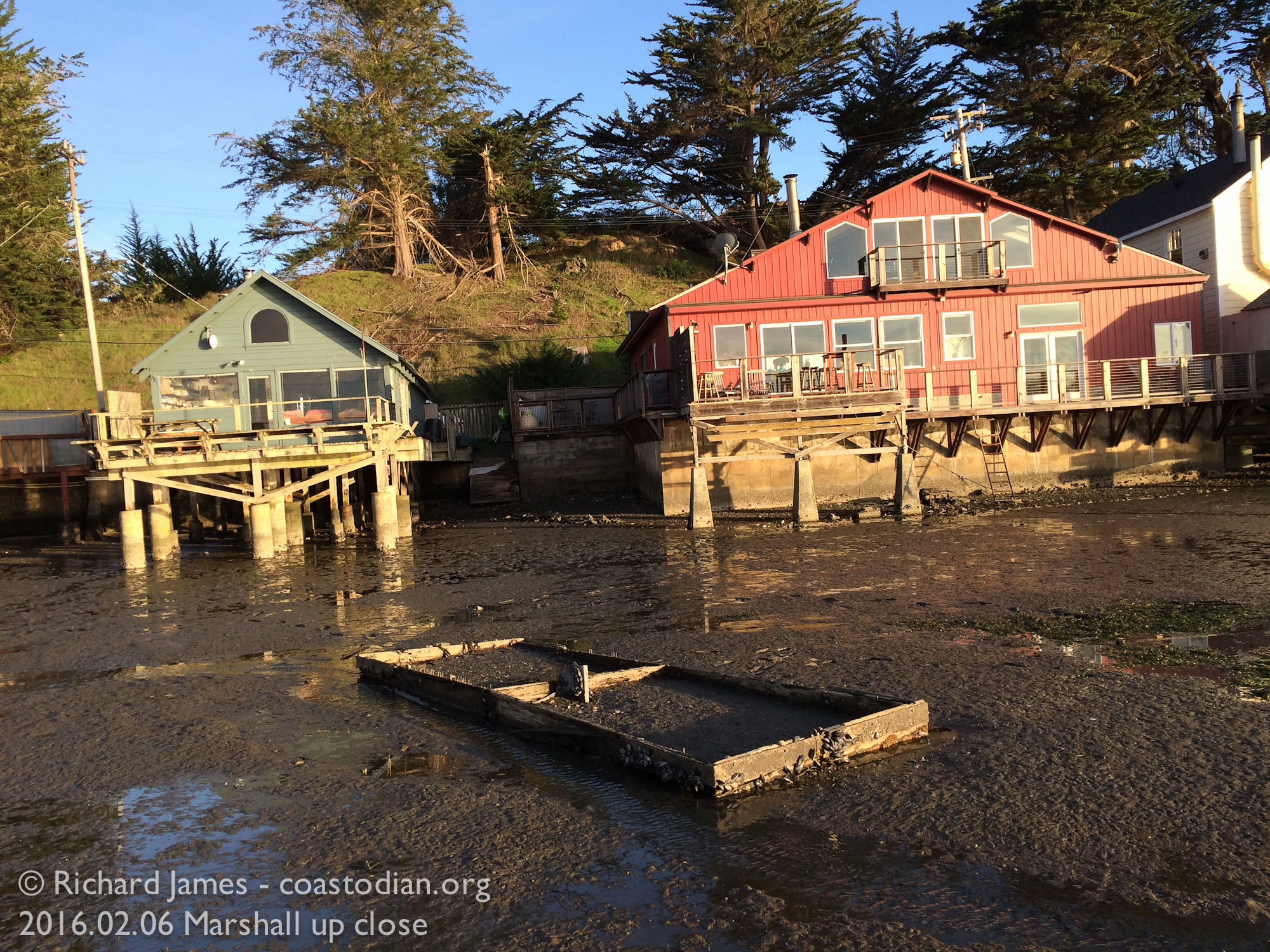
Abandoned platform laying in the mud ©Richard James - coastodian.org

Abandoned platform laying in the mud
©Richard James – coastodian.org

Perhaps someone from one of those houses will come out and remove this mess from Tomales Bay.

.

Abandoned platform laying in the mud ©Richard James - coastodian.org

Abandoned platform laying in the mud
©Richard James – coastodian.org

Hog Island Oysters in the background

.

As always, click on an image to increase size

Abandoned drain pipe in the mud ©Richard James - coastodian.org

Abandoned drain pipe in the mud
©Richard James – coastodian.org

.

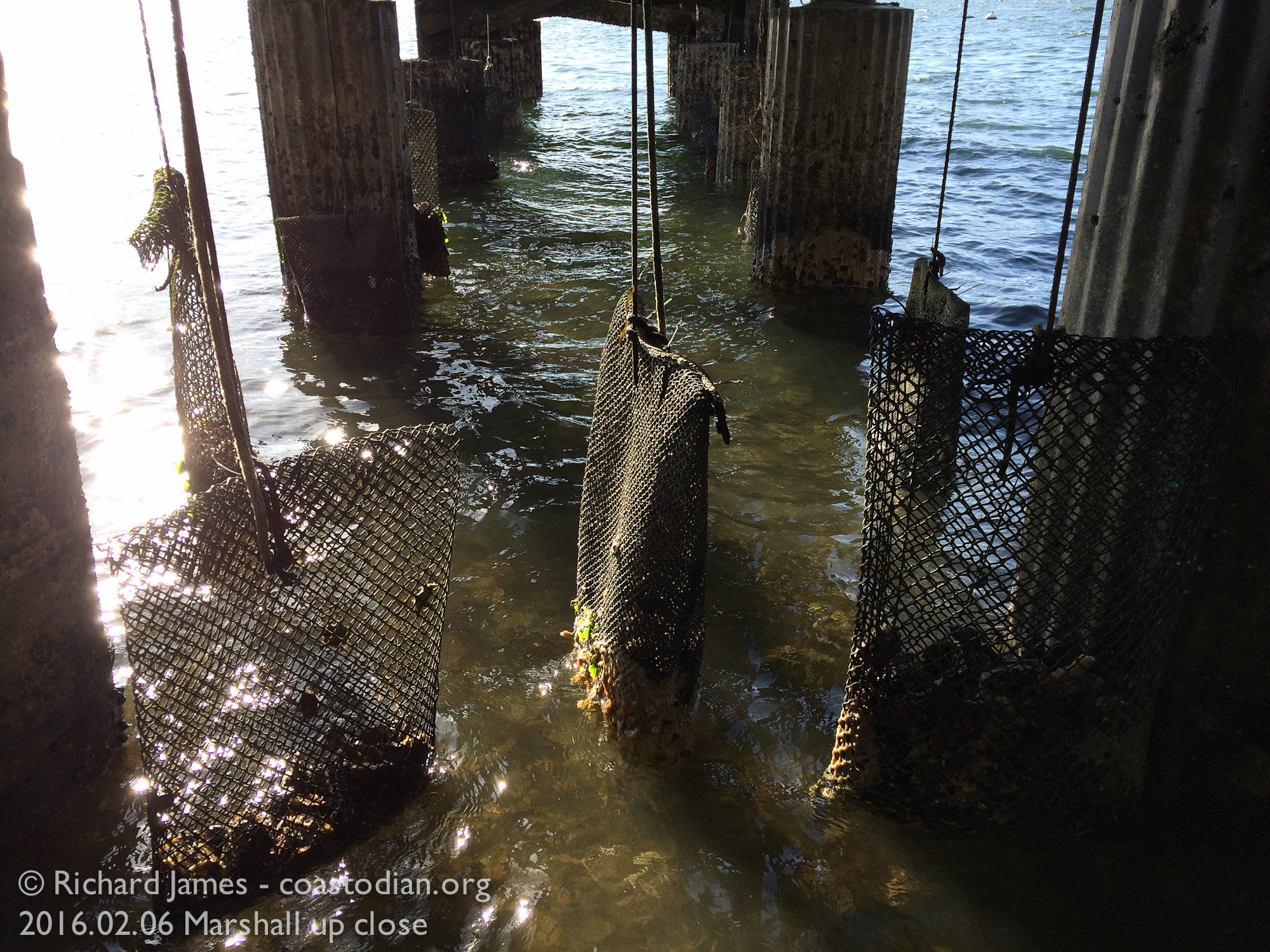
I thought I knew where all the oyster leases were in Tomales Bay. Guess not.

small scale oyster farming ©Richard James - coastodian.org

small scale oyster farming
©Richard James – coastodian.org

.

As always, click on an image to increase size

small scale oyster farming ©Richard James - coastodian.org

small scale oyster farming
©Richard James – coastodian.org

.

small scale oyster farming ©Richard James - coastodian.org

small scale oyster farming
©Richard James – coastodian.org

.

As always, click on an image to increase size

Sketchy foundation...

Sketchy foundation…

.

Sketchy foundation...

Sketchy foundation…

.

Sketchy foundation...

Sketchy foundation…

.

Sketchy foundation...

Sketchy foundation…

.

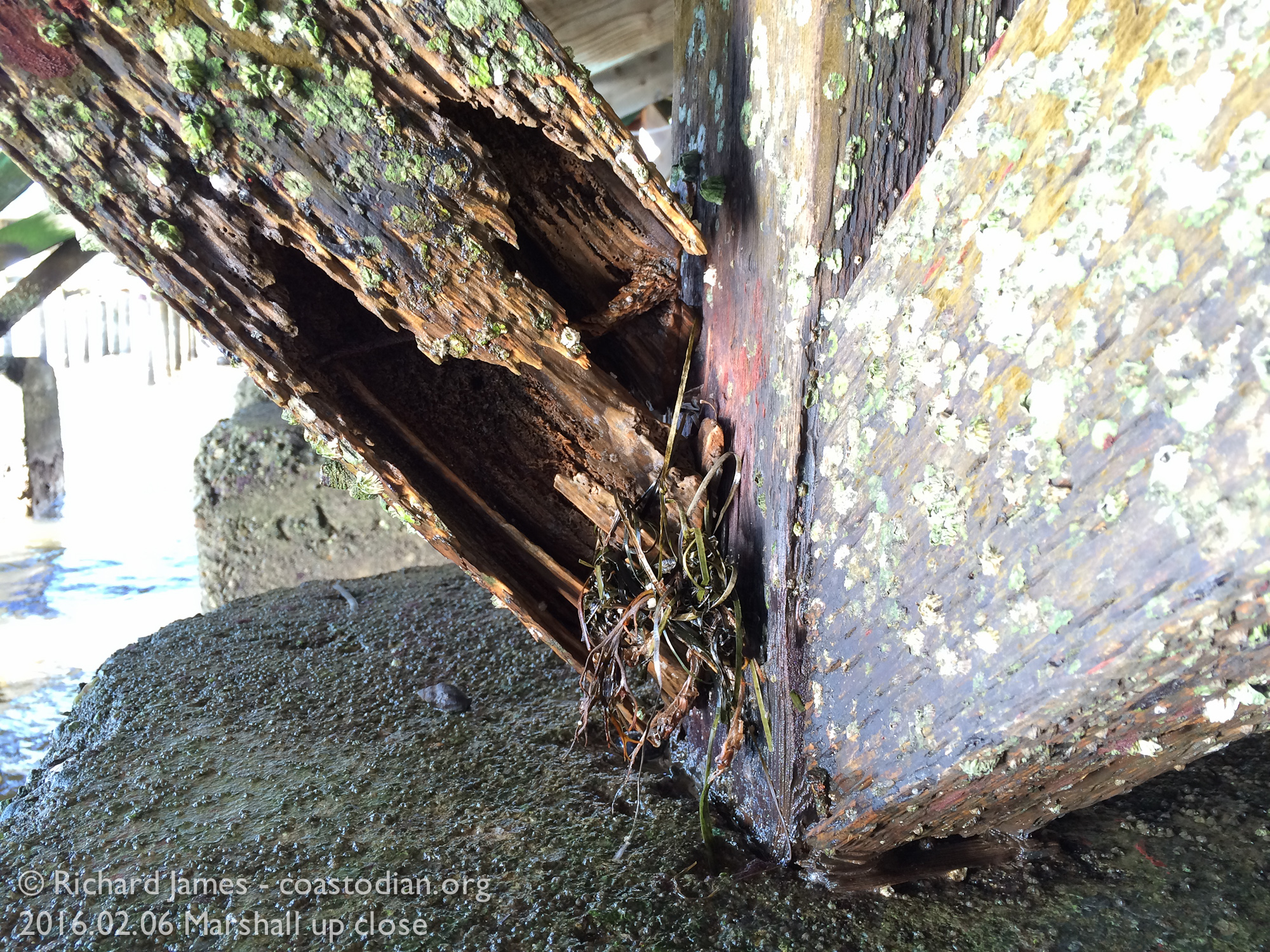
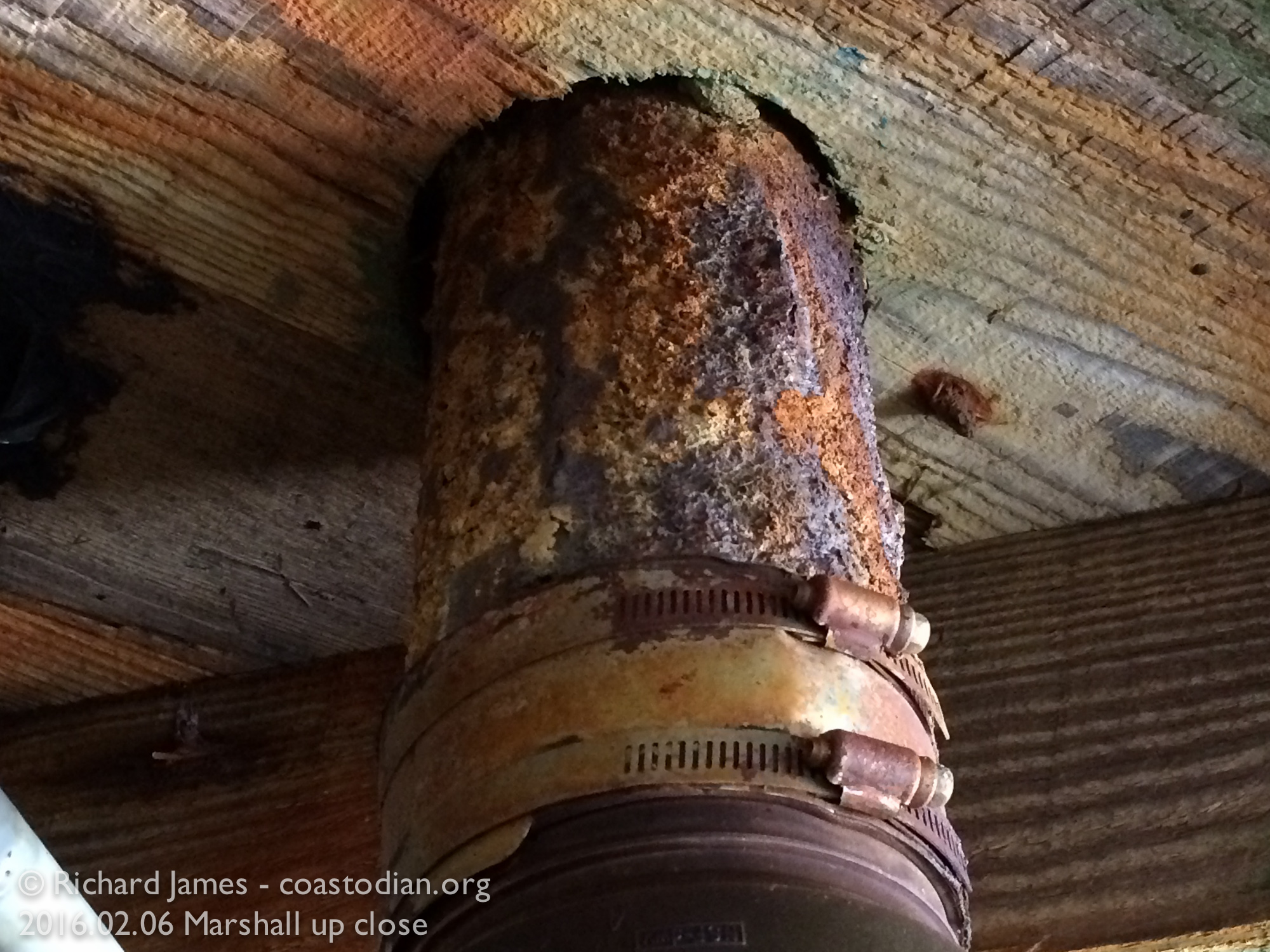
Sketchy plumbing...

Sketchy plumbing…

.

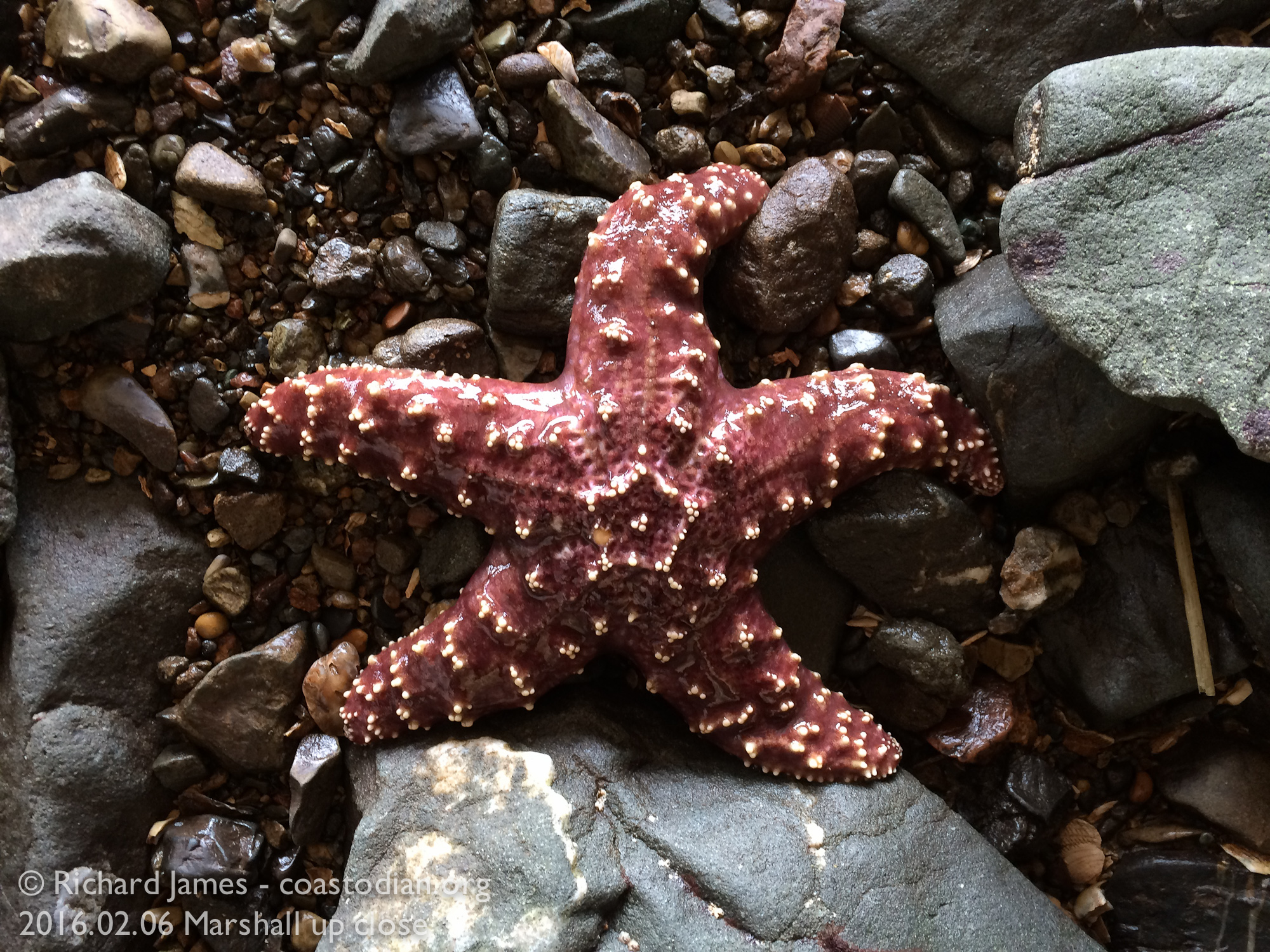
Pisaster.o A rarity these days due to a virus laying waste to these and other species of sea stars

Pisaster.o
A rarity these days due to a virus laying waste to these and other species of sea stars

.

As always, click on an image to increase size

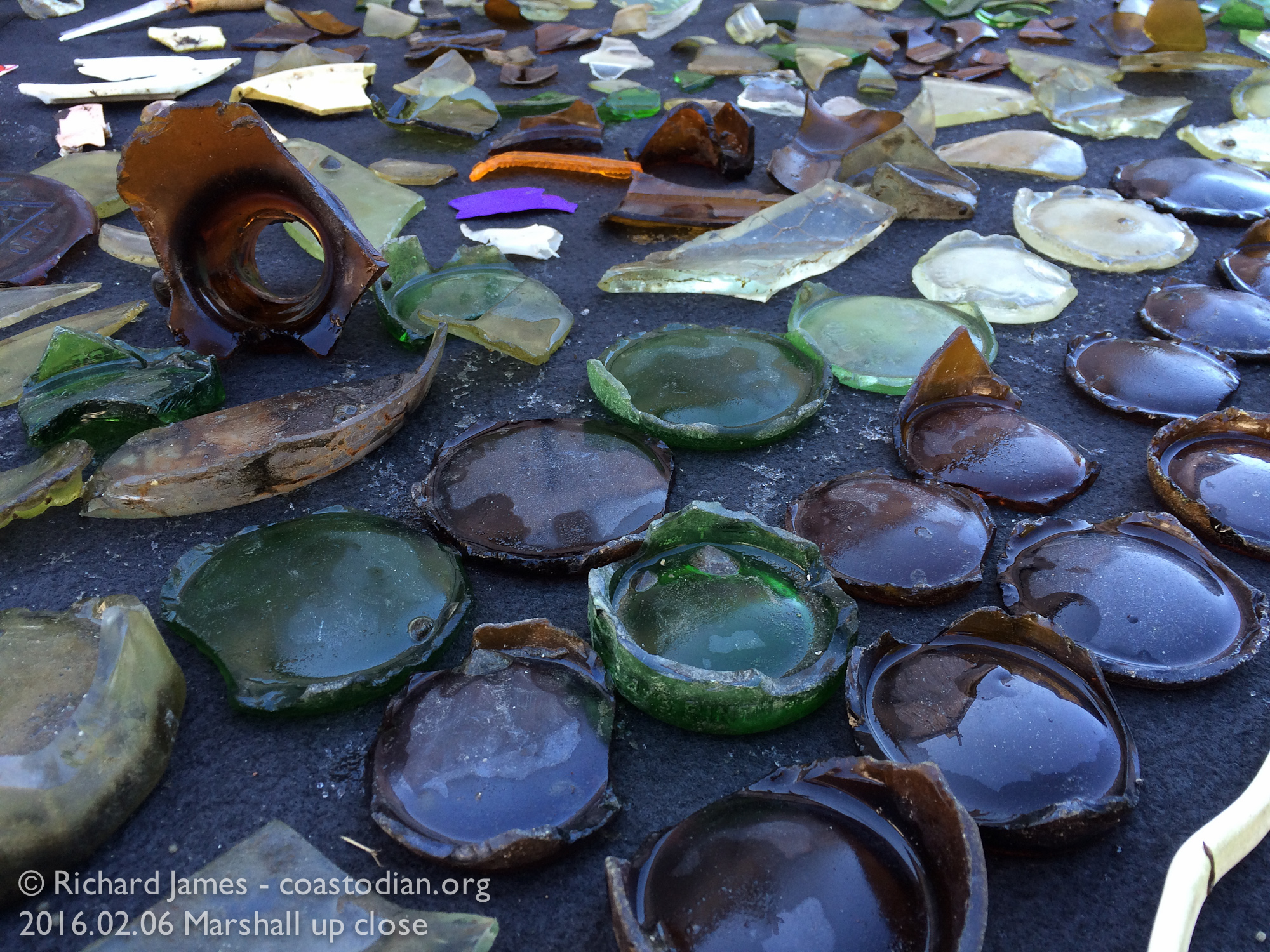
Glass shards and other trash from below Marshall Tavern ©Richard James - coastodian.org

Glass shards and other trash from below Marshall Tavern
©Richard James – coastodian.org

.

Glass shards and other trash from below Marshall Tavern ©Richard James - coastodian.org

Glass shards and other trash from below Marshall Tavern
©Richard James – coastodian.org

.

Disposable diaper from mud below Marshall Tavern ©Richard James - coastodian.org

Disposable diaper from mud below Marshall Tavern
©Richard James – coastodian.org

.

As always, click on an image to increase size

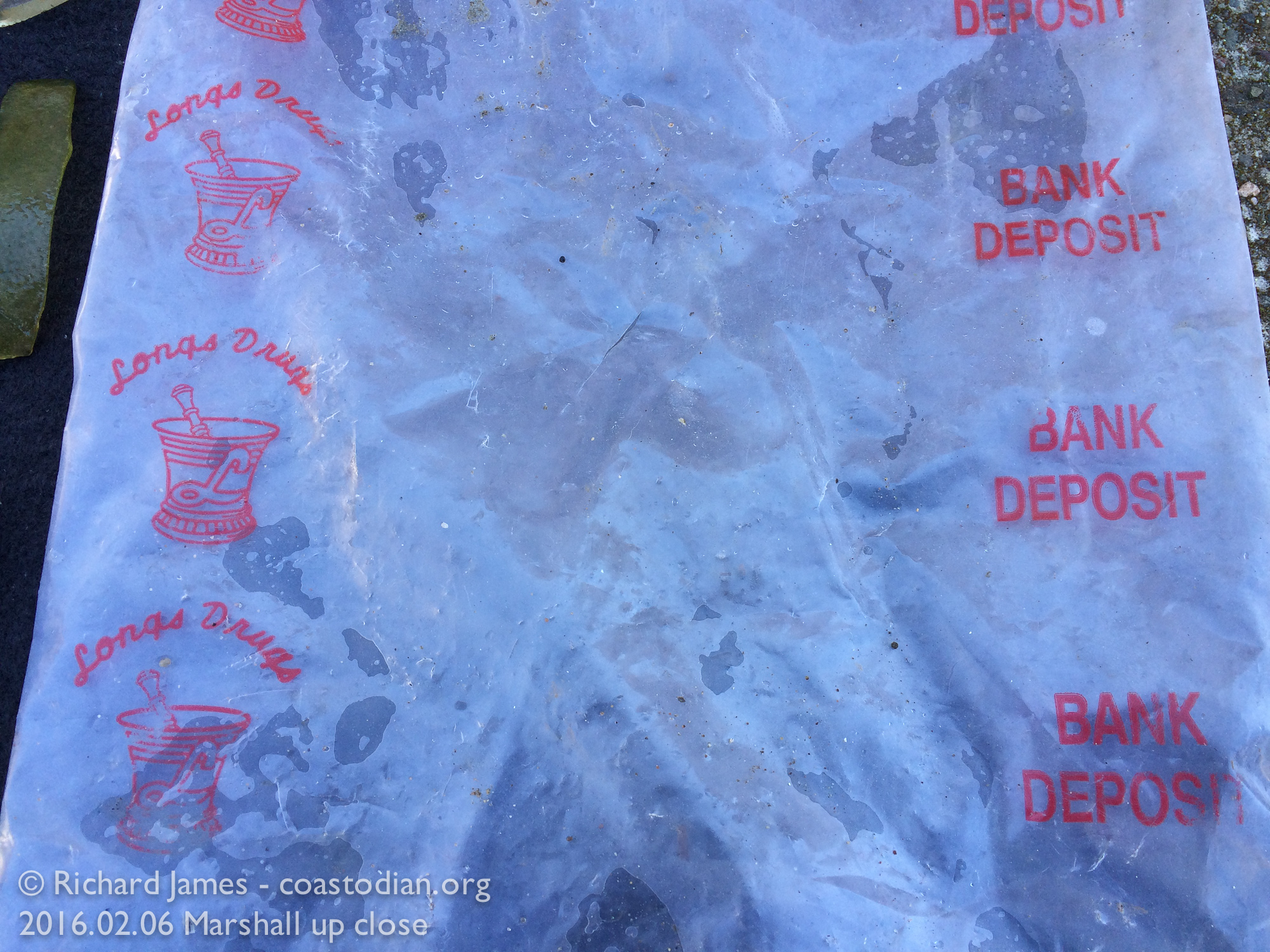
Longs Drug bank deposit bag from mud below Marshall Tavern. ©Richard James - coastodian.org

Longs Drug bank deposit bag from mud below Marshall Tavern.
©Richard James – coastodian.org

.

This glass certainly does tell a story ©Richard James - coastodian.org

This glass certainly does tell a story
©Richard James – coastodian.org

Fast forward to after this trip in the bay, I’d packed up and drove back, stopping in Marshall to look around from on shore.

A fellow was getting out of a car, I asked him if he lived here, motioning to the house he was parked in front of. He said “yes”.

I explained the boat out in the mud with the leaking gas can. He knew who owned the boat and assured me that the last time the owner had used his boat (many months prior), he had run out of gas and had paddled back to shore. “So there was likely no gas at all in that tank.”

“Hmmm” was my response.

Next I explained how I boat around the bay and pack out all the trash I find. He expressed thanks upon learning this. “You should have seen all the broken bottle shards I found below the Tavern.” I shared.

His face became quite serious. “Please, don’t pick up those bottles.” He pronounced.

“There are no bottles, only bits and pieces.” I replied.

“Please leave those bits, they tell a story.”

They sure do tell a story, I thought to myself, thankful I had not cut my foot on any of them.

.

Next related post may be found here.

Previous related post may be found here.

See the first post in this series “Respect our Tomales Bay” here.

Save our planet – Let’s send Nestlé a message

Dear Richard,

California is experiencing its most severe drought in recorded history. Lakes and rivers are drying up, and cities are instituting water rationing. Meanwhile, Nestlé Waters’ bottling plants are operating at full volume, taking water from cities and National Forests alike.

Take Action, sign this petition.

Nestlé’s unethical actions are part of a trend – for years Nestlé has been working around the world to privatize community water resources, selling it back to people at significant markup and trashing our planet with plastic. It’s clear that Nestlé won’t change its practices without significant public pressure. But if enough people – and businesses – stand together to say “enough is enough,” we can start to change things around.

Sprouts is a grocery chain that operates 212 stores around the U.S., many of them in California. Sprouts says it cares about our environment – so why is it selling Nestlé’s unethically sourced Arrowhead Springs water? We’re organizing green retailers, starting with “sustainable” grocery chain Sprouts, to let Nestlé know that its refusal to conserve water is unacceptable.

With California drying up, the state can hardly afford to waste water. Tell Sprouts Farmers Market to stop selling Nestlé’s illegally sourced Arrowhead Springs water!

In one particularly egregious example, Nestlé is pumping water from the San Bernardino National Forest in California for their Arrowhead Springs brand using a U.S. Forest Service special use permit that expired over 25 years ago. The company pays only $524 each year to profit off of this public land. Legal pressure from The Story of Stuff Project and our partners at the Courage Campaign and Center for Biological Diversity has convinced the Forest Service they should begin to review the expired permit, but there is no reason public citizens should stand idly by in the meantime.

Nestlé is giving the people – and ecosystems – of California short shrift. It’s time to send a message to Nestlé that exploiting California’s National Forests for water is unacceptable.

Sprouts Farmers Market is a large company that cares about sustainability, stating “Responsible retailing for Sprouts is… partnering with suppliers and vendors to ensure that the products we sell are responsibly sourced; reducing waste and our environmental footprint.” Yet Sprouts carries bottles of Nestle’s Arrowhead Springs, the same water being taken unsustainably from the National Forest in San Bernardino!

Nestlé’s Arrowhead Springs is not a sustainable product – quite the opposite, in fact. Tell “sustainable” grocery chain Sprouts to stop carrying Arrowhead Springs today!

Selling Nestlé’s Arrowhead Springs water contradicts Sprouts’ principles of sustainable sourcing and minimizing waste. This is a product that is draining a unique ecosystem dry AND trashing our planet with plastic! If retailers like Sprouts refuse to continue supporting Nestlé’s bad practices, it will grab Nestlé’s attention and force the company to change.

Story of Stuff Community members who recently attended an organized hike with our Campaigns Director in San Bernardino, California want to launch a campaign calling on Sprouts to stop selling Nestlé’s Arrowhead Springs water immediately. In doing so they plan to impact Nestlé’s sales directly while also educating fellow public citizens who shop at Sprouts about Nestlé’s actions. You can help their great idea sprout by signing our petition today.

The truth is that Nestlé’s operations in California have worldwide ramifications, as does our response. While Nestlé makes millions of dollars exporting water from a federal drought disaster area, our waterways fill with plastic, and our ecosystems pay the price. If we’re going to live sustainably on this planet, we all need to pitch in and do our part.

Ask grocery retailer Sprouts to stop selling Nestle’s unsustainable Arrowhead Springs water today!

Thank you for all you do!

Emma Cape, on behalf of The Story of Stuff team

Source
Sprouts Farmers Market, Responsible Retailing

Respect Tomales Bay 43 – Best Management Practices in the oyster farming industry

Click the words above “Respect Tomales Bay – Best Management Practices” to see this entire post.

First, there is a name change to these related posts about the health & beauty of Tomales Bay.

Initially, I published some words and pictures under the title “Save our Tomales Bay” meant as a parody on the many black & white & blue signs that sprung up along the coast like toadstools a few years back in support of what is now history, except for the mess that still rests on the bottom of Drakes Estero. From now on, these posts will start out with “Respect Tomales Bay”.

Recently I was contacted by an “Oceanic CSA” in Santa Cruz CA looking to add responsibly farmed oysters to their offerings. They’d been reaching out to various oyster farmers in the Tomales Bay area and my name kept coming up. Read about what a CSA is here, and here.

I explained my connection to oyster farming and Tomales Bay as well as who I thought grew oysters responsibly (few), who I thought grew oysters questionably (most).

The caller was most appreciative. I’ve invited their company to a Tomales Bay kayak tour like never before experienced. They accepted.

If oyster growers used gear that was marked to make it easy for an independent observer to identify who was causing problems for the environment (from said gear being let loose on mother earth by wind, wave and poor design/practices) it would be easier to promote responsible growers and to contact those growers in need of improvement to their practices, instead of painting the entire region as mess-makers. Uniquely marked gear has been suggested to the Fish & Game Commission (FGC) for some time now.

The FGC has been mulling over the implementation of Best Management Practices (BMP’s) for at least a year now, likely much longer than that, with little more than meeting agenda items to show for it. I did hear the President of the Dept. of Fish & Wildlife say at the last meeting I attended (Feb 2016 – Sacto) that they need to update the escrow language in the leases, they need to get BMP’s in the leases, and they need to do it right. Let’s hope they also do it soon!

To be fair, The Commission has, at last count three vacancies. Which means more work for the current three commissioners. I wish them the best in filling those vacant seats with capable commissioners. I’ll do all I can to show The Commission what is actually taking place on the oyster leases in California.

You can read about what I suggested as BMP’s in April 2015 here.

.

Click on image to see larger version

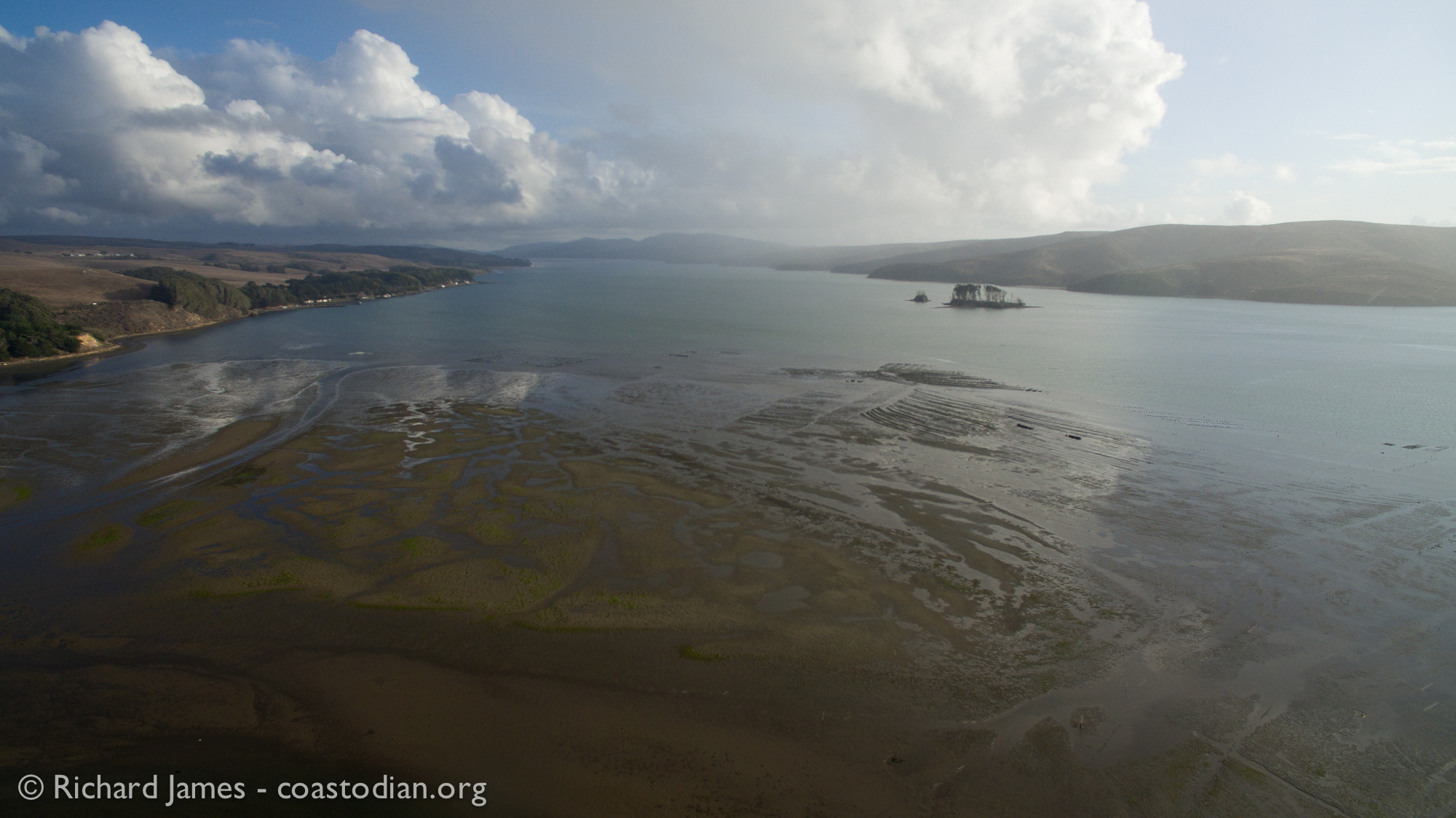
Tomales Bay at mouth of Walker Creek - public land leased to private companies to grow Japanese oysters, Atlantic oysters, Manilla clams. ©Richard James - coastodian.org

Tomales Bay at mouth of Walker Creek – public land leased to private companies to grow Japanese oysters, Atlantic oysters, Manilla clams.
©Richard James – coastodian.org

.

Next related post maybe found here.

Previous related post may be found here.

See the first post in this series “Save our Tomales Bay” here.

Save our planet – Our Water, Our Future – No to Nestlé

Dear Readers,

If you’ve been following The Story of Stuff Project this last year, you probably know that it’s high time Nestlé changes how it does business. All around the world, Nestlé has been a leader in the effort to privatize our public water, and sell it back to us in little plastic bottles. But more brave communities are starting to fight back. One group in Cascade Locks, Oregon is doing something truly historic, and we need your help to spread their story.
The more people who learn about this campaign against Nestlé, the harder it will be to ignore. Nestlé puts millions of dollars each year into advertising, trying to convince people around the world that bottled water is good for people and our planet. Upon discovering that The Story of Stuff Project planned to release a new film about Cascade Locks, Nestlé even tried to preempt us by releasing a misleading video of their own. But we know the truth: a sustainable society and a healthy planet requires protecting water as a public right, NOT as a source for corporate profits!
We may not have Nestlé’s financial resources, but our community of a million supporters worldwide is a force to be reckoned with. With your help, we can spread this story even farther than Nestlé’s advertising dollars.

Will you help us share this story with your friends and neighbors?

https://www.facebook.com/storyofstuff/videos/10154741725385884/

.

We’ve already gotten Nestlé’s attention; now we need to keep up the pressure. Nestlé thinks it can continue expanding its water bottling operations indefinitely, until public springs run dry and our oceans fill with plastic. We need to let Nestlé and communities know that a better alternative exists.

We’re standing with the people in Cascade Locks as they defend their community against the influence of Nestlé and other bottling corporations. Our demands are simple: we want clean public water for everyone, and we want Nestlé to stop bottling in communities like this one, where citizens are protesting the privatization of their resources. This Story belongs to everyone, and you can help write the ending. By sharing our new video, you can help us increase public pressure on Nestlé AND connect with more communities making a difference.

When enough people act together, we can change the way corporations do business – for the better. To challenge global giant Nestlé, we need your help growing this movement, from coast to coast and country to country.

Will you help spread the word by sharing the story of these brave changemakers’ campaign to defend their public water from Nestlé on Facebook?

Thank you for all you do!
Emma Cape, on behalf of The Story of Stuff team

Save our Tomales Bay – 42 East shore roadside trash update

Click on the words above “Save our Tomales Bay – 42 East Shore Potpourri” to see this entire post

Tomales Bay is so beautiful, people come from all over to enjoy it in a variety of ways.

South of Tony’s Seafood is a popular spot with the roadside fishing crowd. Read past posts on this here and here.

They seem to have improved their habits lately and are packing out most of what they bring with them.

But some are still in need of some education on how to respect a place as special as Tomales Bay

©Richard james - coastodian.org bottle empty, why recycle it when you can smash it on the shore of this gorgeous bay.

©Richard james – coastodian.org
bottle empty, why recycle it when you can smash it on the shore of this gorgeous bay.

.
As always, click on an image to see a larger version of it.

Further north is a place the wind-surfing crowd calls Grassy Point.

Windy days you can see some high speed surfing near here.

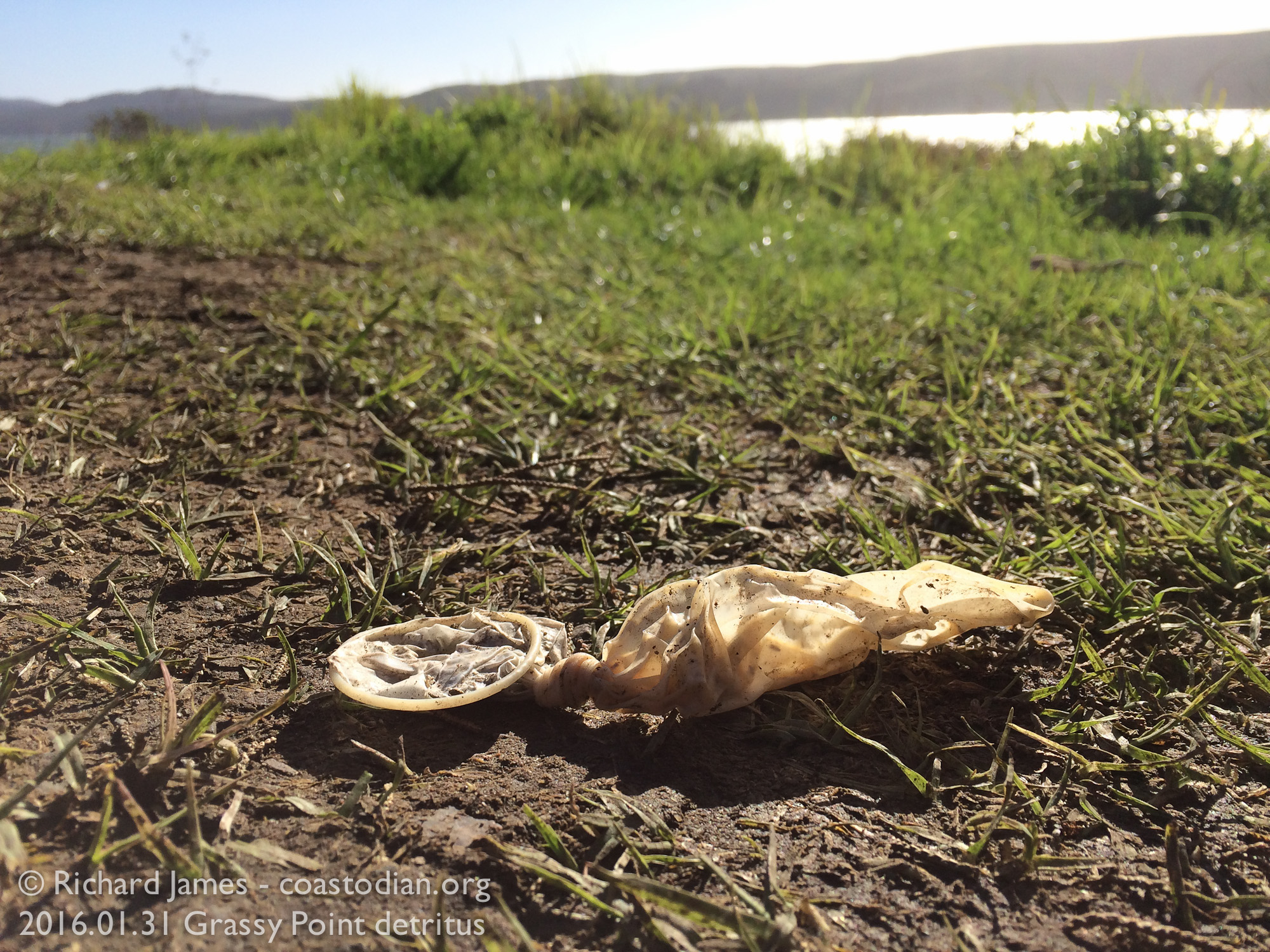
Unfortunately, some people seem to think that once they are finished consuming a beverage or meal, or engaging in other activities, all they have to do is toss anything they don’t want along the shore of the very beauty that brought them here.

.

©Richard James - coastodian.org These two were responsible up to a point.

©Richard James – coastodian.org
These two were responsible up to a point.

.

©Richard James - coastodian.org Such respect for so beautiful a place as Tomales Bay.

©Richard James – coastodian.org
Such respect for so beautiful a place as Tomales Bay.

.

©Richard James - coastodian.org Cormorants and Pelicans resting, keeping warm

©Richard James – coastodian.org
Cormorants and Pelicans resting, keeping warm

.

Back to the road south of Tony’s, we see more of the same

©Richard James - coastodian.org

©Richard James – coastodian.org

.

©Richard James - coastodian.org

©Richard James – coastodian.org

.

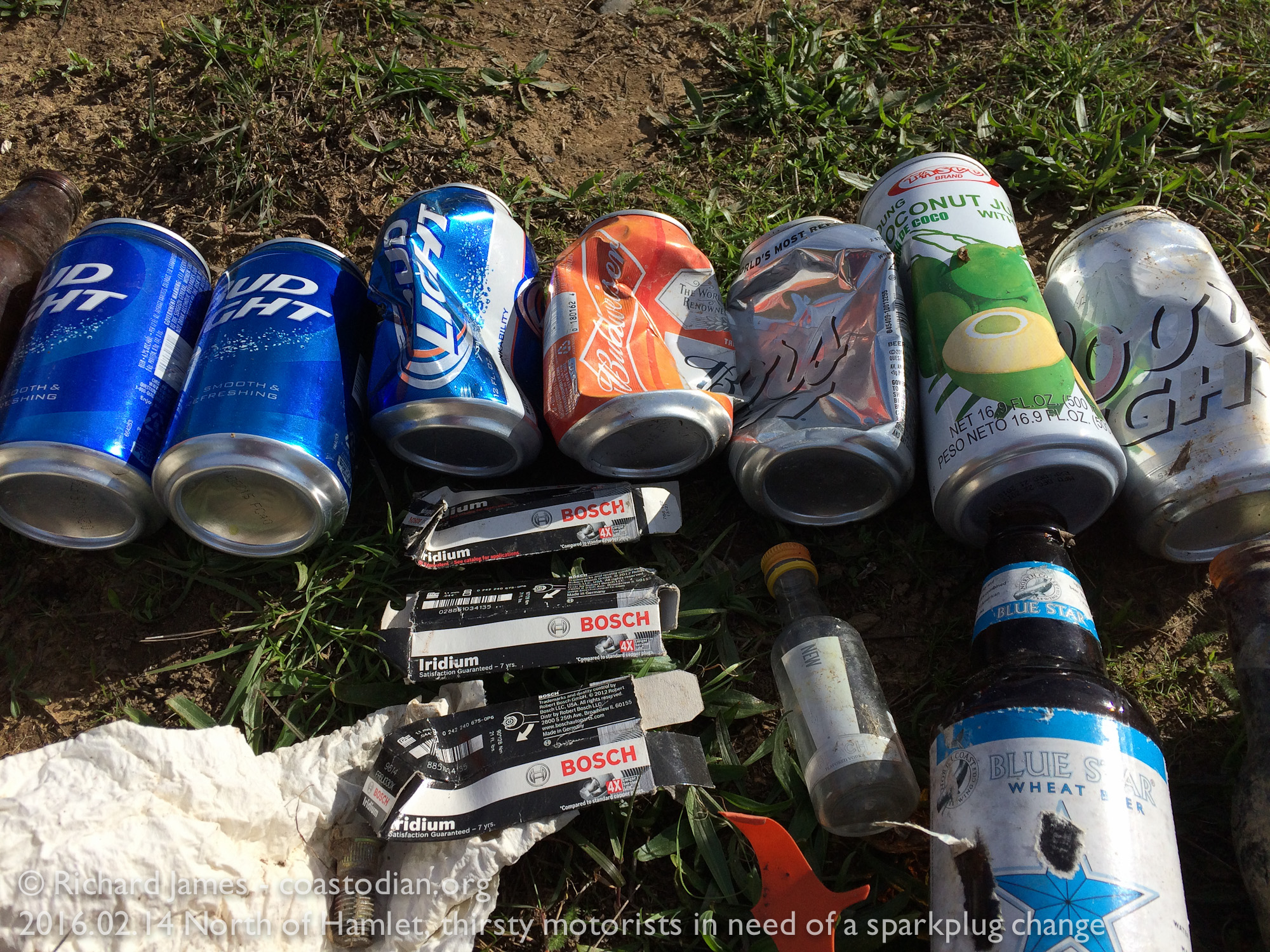
Further north, just above Hamlet we find where some thirsty motorists decided to change the spark plugs in their ride. Too bad they felt the need to dump their trash along the shore of beautiful Tomales Bay.

©Richard James - coastodian.org That ramen cup below the orange cone was home to a sleeping garter snake I rudely awoke. My first snake sighting of 2016 and a very early start to spring. I declare it spring upon seeing my first snake in the wild.

©Richard James – coastodian.org
That ramen cup below the orange cone was home to a sleeping garter snake I rudely awoke. My first snake sighting of 2016 and a very early start to spring. I declare it spring upon seeing my first snake in the wild.

.

IMG_3290

.

Tomales Bay brings me much joy, that is why I spend so much time cleaning up the messes I find made by others. I show respect for something I cherish.
Seeing what I’ve shown you above, ask yourself, “What can I do to protect this place that brings me joy?”

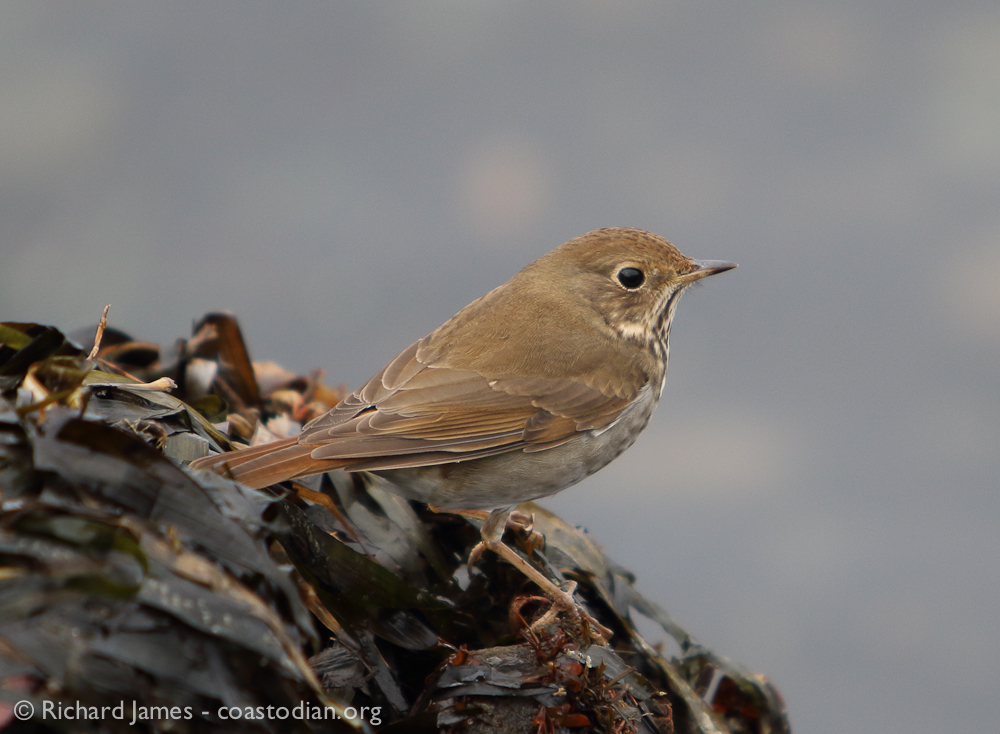
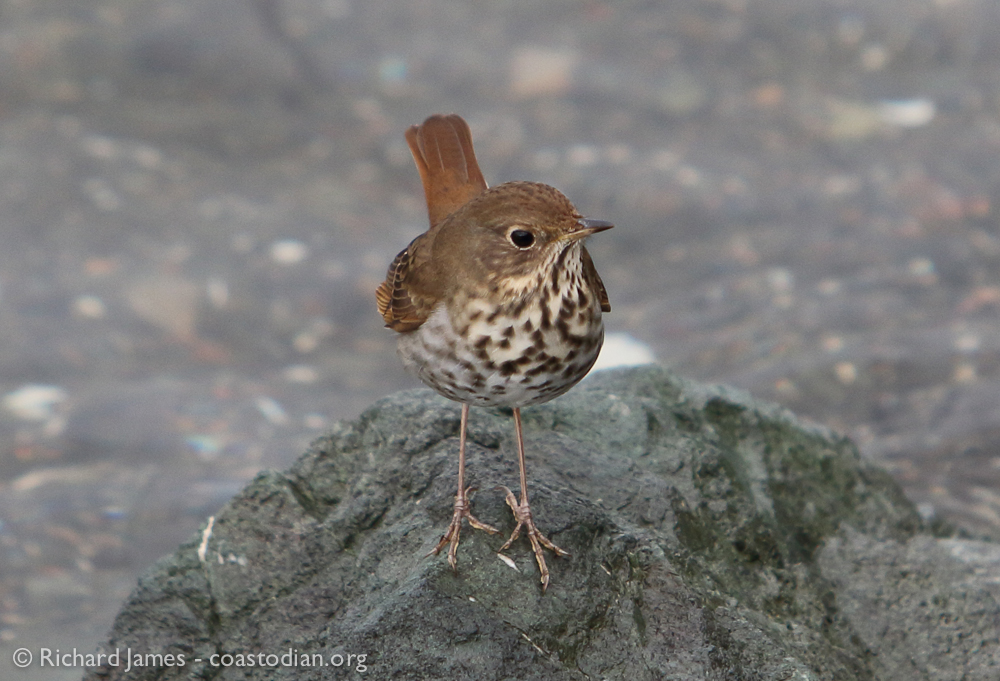
Let’s end this post on a more upbeat, beautiful note with some close-ups of a juvenile hermit thrush hopping on the rocks in search of food at Nick’s boat ramp.

Don’t for a second think I knew that it was a hermit thrush, much less a juvenile.

I am a bird enthusiast, not a birder.

One of a cadre of experts I rely upon, Keith Hansen clued me in to the species, as well as the pale-tipped upper wing covers of a juvenile hermit thrush.

.

©Richard James - coastodian.org

©Richard James – coastodian.org

.

©Richard James - coastodian.org

©Richard James – coastodian.org

.

©Richard James - coastodian.org

©Richard James – coastodian.org

.

Next related post may be found here.

Previous related post may be found here.

See the first post in this series “Save our Tomales Bay” here.

Warhead ransom

Click the words above “Warhead Ransom” to see this entire post

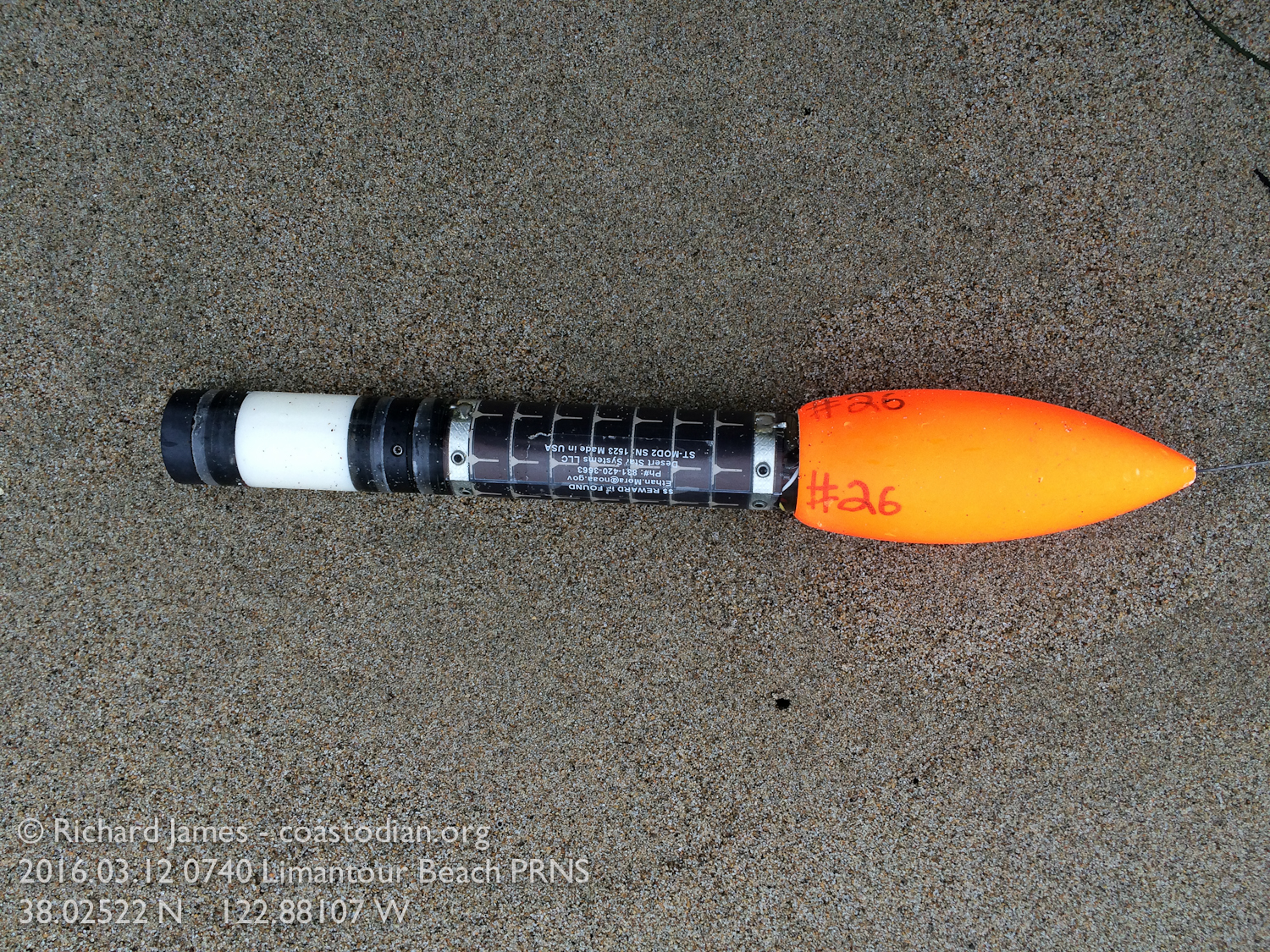
President Mora, we have your warhead.

If you wish to recover your device, you must do exactly as we say.

Any deviation from these instructions will result in your warhead being delivered to the Plasteekans.

Deliver 100 billion pieces of free-floating pelagic plastic to each of the following:

Diddams

The Container Store

Nestle

China

For those of you unclear on the danger imposed by this potentially devastating discovery made on Limantour Beach this morning at 0740 hours 12 March, 2016 at location 38.02522 N 122.88107 W datum = WGS84

Watch this

Or have a read here to learn about the green sturgeon tagging project.

.

As always, click on an image to see a larger version

Visit this link to learn about this amazing tag technology.
Honestly, I think I am letting these guys off easy at 100 billion x 4 pieces of pelagic plastic!
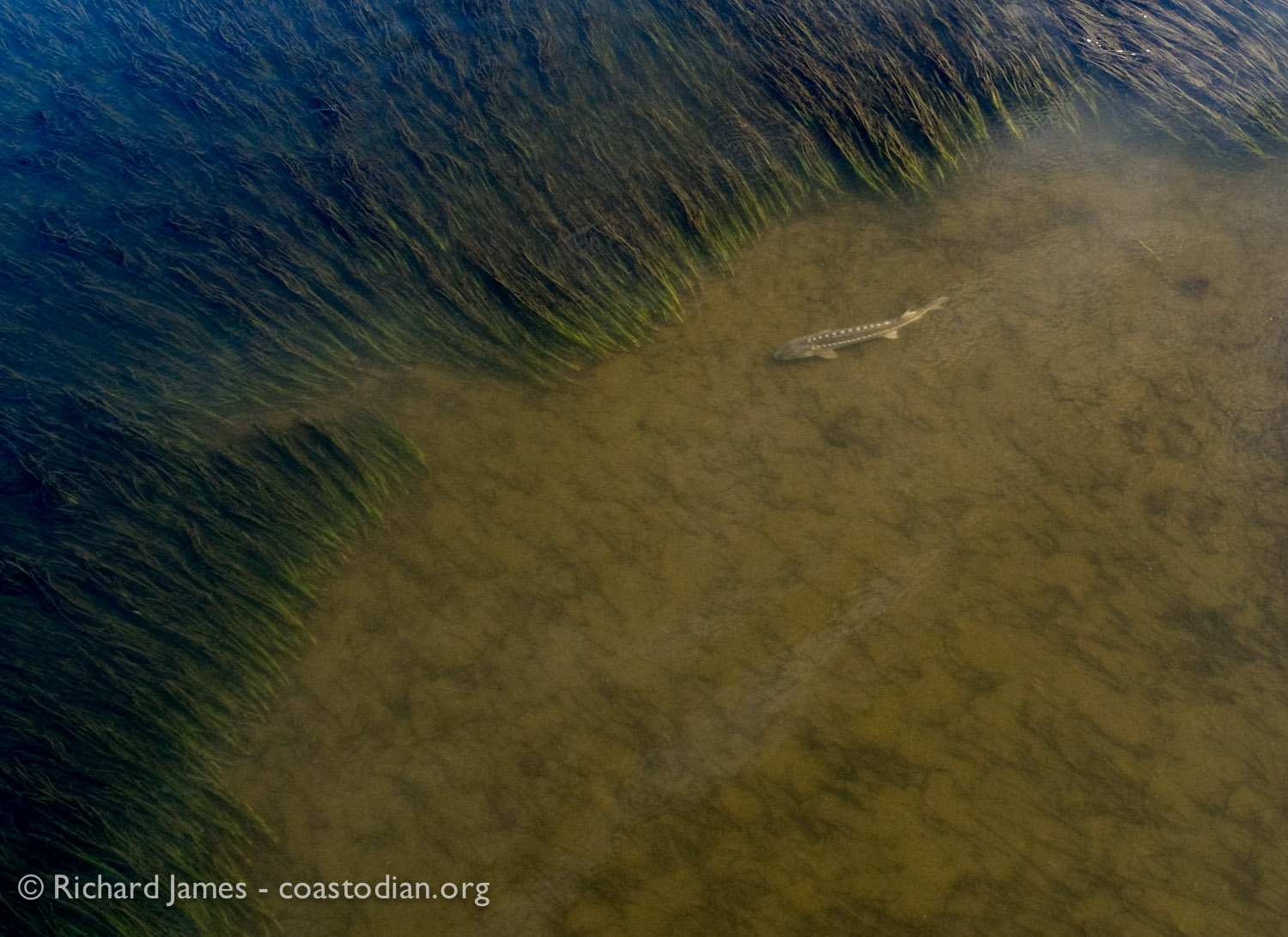
Mysterious discovery on Limantour Beach... ©Richard James - coastodian.org

Mysterious discovery on Limantour Beach… ©Richard James – coastodian.org


Datum = WGS84 on above lat/lon

.

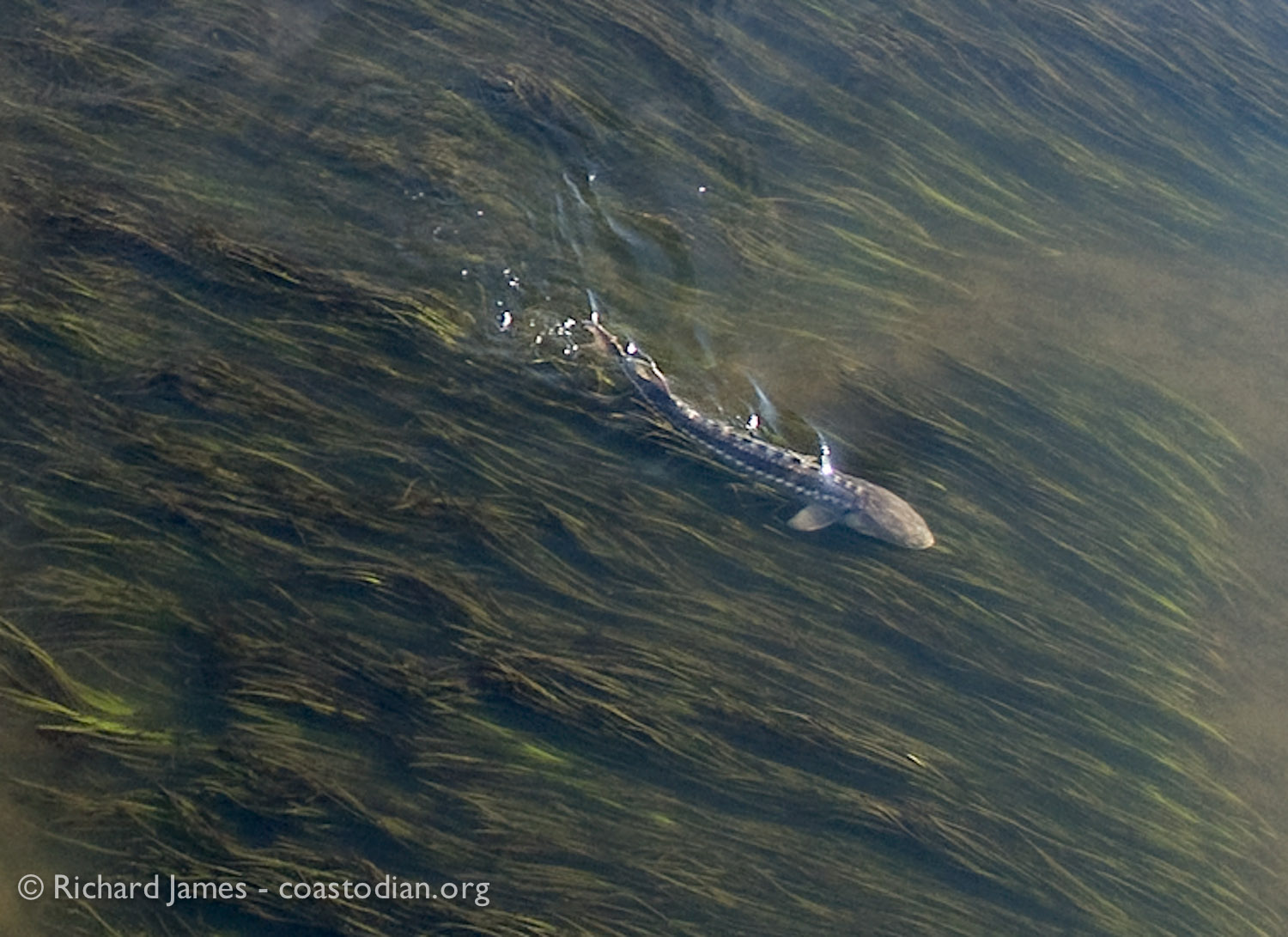
NOTE: the following two images show a white sturgeon, NOT a green sturgeon which is the subject of the study that this tag I found is part of.

This is the only sturgeon I have ever seen, hence the only sturgeon images I have. Though I still thought they were cool enough to share.

©Richard James

©Richard James

.

©Richard James

©Richard James

Save our Tomales Bay – 41 Oyster growers put on notice by fish & game commission!

Click the words above “Save our Tomales Bay …” to see this entire post

For the past four years I’ve paddled, snorkled and walked in and around Tomales Bay as I enjoy this jewel of nature. Drawn to the natural beauty, I’ve recorded thousands of images of the bay and those who call it home.

Humans make their home along the shore of Tomales Bay, recreate in the bay and along the shore, as well as extract a living by growing non-native shellfish in the waters of the bay.

Unfortunately, humans are too often careless in how we treat our home, which also happens to be home to thousands of other species too.

I’ve made it a mission of mine to clean up and protect Tomales Bay from further degradation.

In service of this mission, I’ve spent a lot of time over the past year sharing my findings with the growers and government agencies tasked with protecting nature from us humans. This past week I took another day off work (my fifth over the last year) to drive to Sacramento and speak to the Fish & Game Commission (FGC) on the topic of renewing two leases operated by Point Reyes Oyster Company (PROC) to grow oysters & clams in Tomales Bay. PROC is a company whose questionable practices have had a huge and horrible impact on Tomales Bay. I was shocked to hear that these leases were going to be renewed for another fifteen years.

Thankfully, after hearing from myself and others, the FGC decided to NOT renew these leases. Rather, FGC gave a one year lease extension to PROC. Time to correct past mistakes, clean up debris and prove oysters & clams can be grown in Tomales Bay without destroying Tomales Bay.

This happened 8 days ago.

.
Click on the image to see a larger version

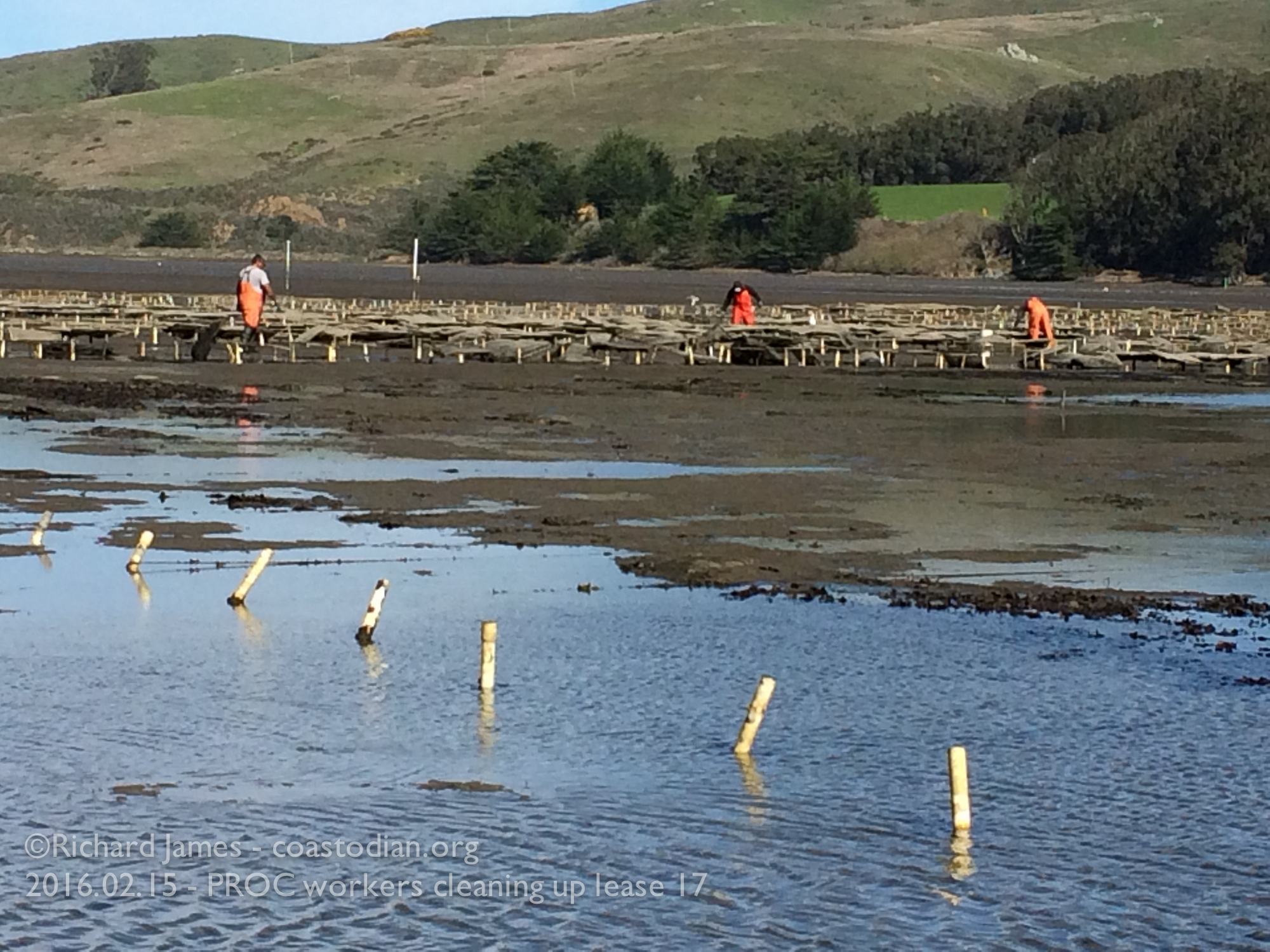
PROC workers undoing years of neglect in Tomales Bay at Walker Creek. ©Richard James - coastodian.org

PROC workers undoing years of neglect in Tomales Bay at Walker Creek.
©Richard James – coastodian.org

.

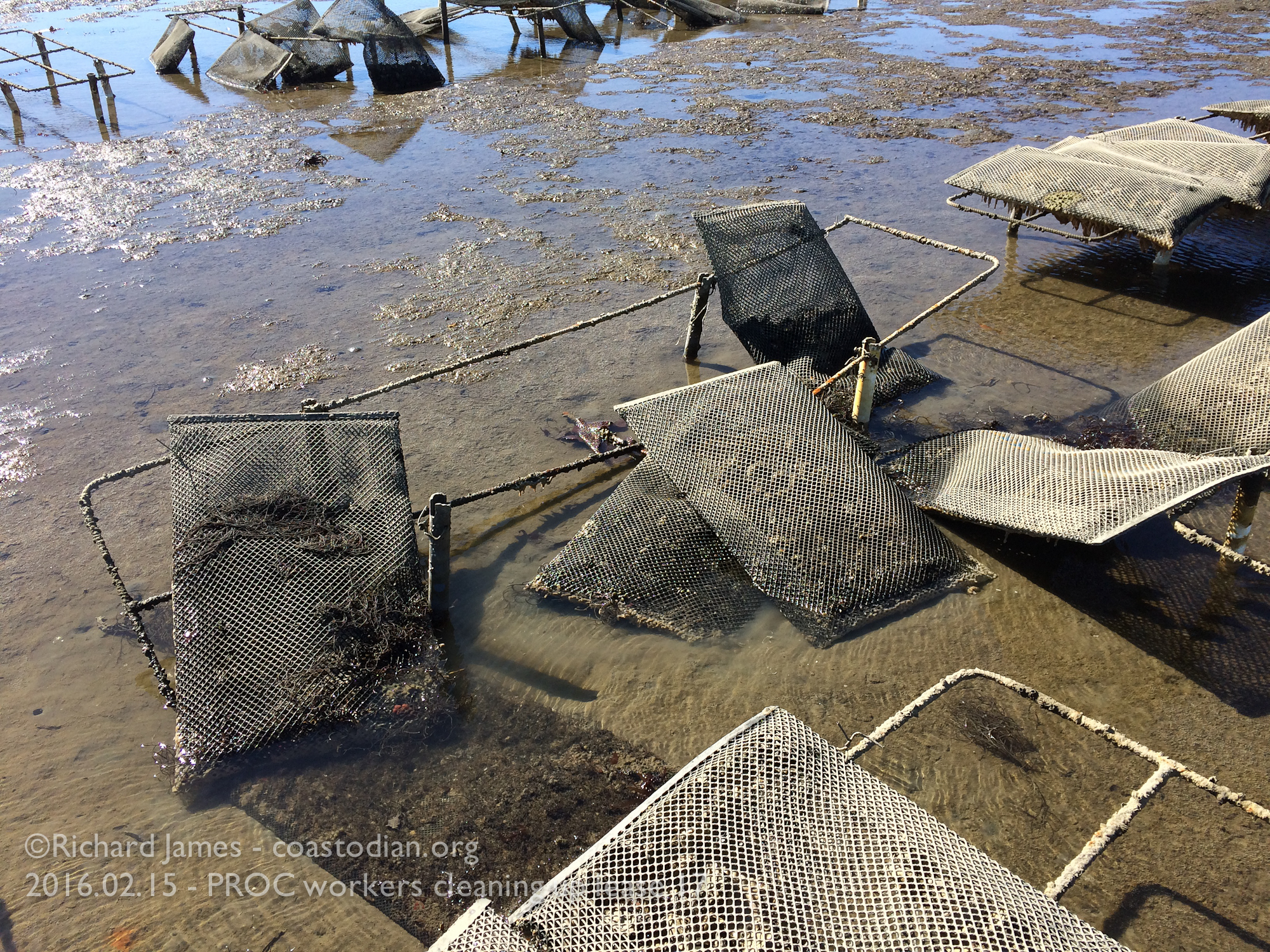
Five days later, this past Monday, five PROC workers were on their northern lease (lease 17) to pick up bags of dead clams & oysters littering the bay, secure bags of oysters to racks that were long ago pushed off by the tides far and wide. Pick up broken iron racks and bits of racks and hundreds, possibly thousands of lengths of plastic coated copper wire dropped in the bay to rot and leach plastic into the very waters in which these oysters grow. One of their workers assured me that the next day there would be ten workers on this task and that if I came back in two weeks, I’d not recognize the place. I happily took him up on his offer.

.

PROC workers undoing years of neglect in Tomales Bay at Walker Creek. ©Richard James - coastodian.org

PROC workers undoing years of neglect in Tomales Bay at Walker Creek.
©Richard James – coastodian.org

.

PROC workers undoing years of neglect in Tomales Bay at Walker Creek. ©Richard James - coastodian.org

PROC workers undoing years of neglect in Tomales Bay at Walker Creek.
©Richard James – coastodian.org

.

An oyster lease in disarray, leakng plastic into Tomales Bay, the Pacific Ocean. ©Richard James - coastodian.org

An oyster lease in disarray, leakng plastic into Tomales Bay, the Pacific Ocean. ©Richard James – coastodian.org

.

An oyster lease tended with pride, showing respect to Tomales Bay. ©Richard James - coastodian.org

An oyster lease tended with pride, showing respect to Tomales Bay. ©Richard James – coastodian.org

.

At the same meeting PROC was denied lease renewal, Tomales Bay Oyster Company (TBOC) was given their formal non-renewal (a one year lease extension) for one of their two leases. Since learning of their non-renewal, TBOC has stepped up their efforts in cleaning up the bay in which they make their living.

I applaud and thank TBOC and PROC in stepping up to undo the damage caused by years of shoddy practices. It is my sincere hope each company continues to refine their work practices and strive to grow oysters in a truly responsible, sustainable way.

I also applaud the FGC in not rubber-stamp renewing these leases. Instead, sending a clear message to growers that the public is watching and demanding that growers respect the bay while extracting profit from public waters. They too need to refine their processes, update lease agreements written decades ago, regularly send their staff out to monitor the public lands in their care.

Dept. of Fish & Wildlife staff explained to me that these extensions are for up to 12 months. If these growers can demonstrate by authentic, continual action that they have corrected their many years of neglect in less time, the topic of lease renewal can be brought before the FGC sooner. Let’s hope they do.

This past week has been a huge one. I look forward to reporting on many more successes of a similar nature.

.

Next related post may be found here.

Previous related post may be found here.

See the first post in this series “Save our Tomales Bay” here.

Save our Tomales Bay – 40 Point Reyes Oyster Company put on notice – lease not renewed

Click the words above “Save our Tomales Bay …” to see this entire post

At today’s California Fish & Game Commission meeting the commission voted unanimously to not renew two state water bottom leases operated by Point Reyes Oyster Company (PROC).

The Commission voted to give PROC a one year lease extension instead. This is time for PROC to clean up their mess, improve their processes and show they can grow oysters without damaging Tomales Bay and all that lives in it.

I applaud and thank the commission for taking this action and look forward to working with them as they develop Best Management Practices (BMP) and other lease template improvements to bring their aging lease agreements up to current standards.

Tomales Bay deserves strong protection from businesses profiting from it.

Tomales Bay deserves strong protection from businesses profiting from it.

.

Next related post may be found here.

Previous related post may be found here.

See the first post in this series “Save our Tomales Bay” here.