Save our Tomales Bay – part 18.1, Walker Creek mess, construction

Click the words “Save our Tomales Bay…..” above to see this entire post.

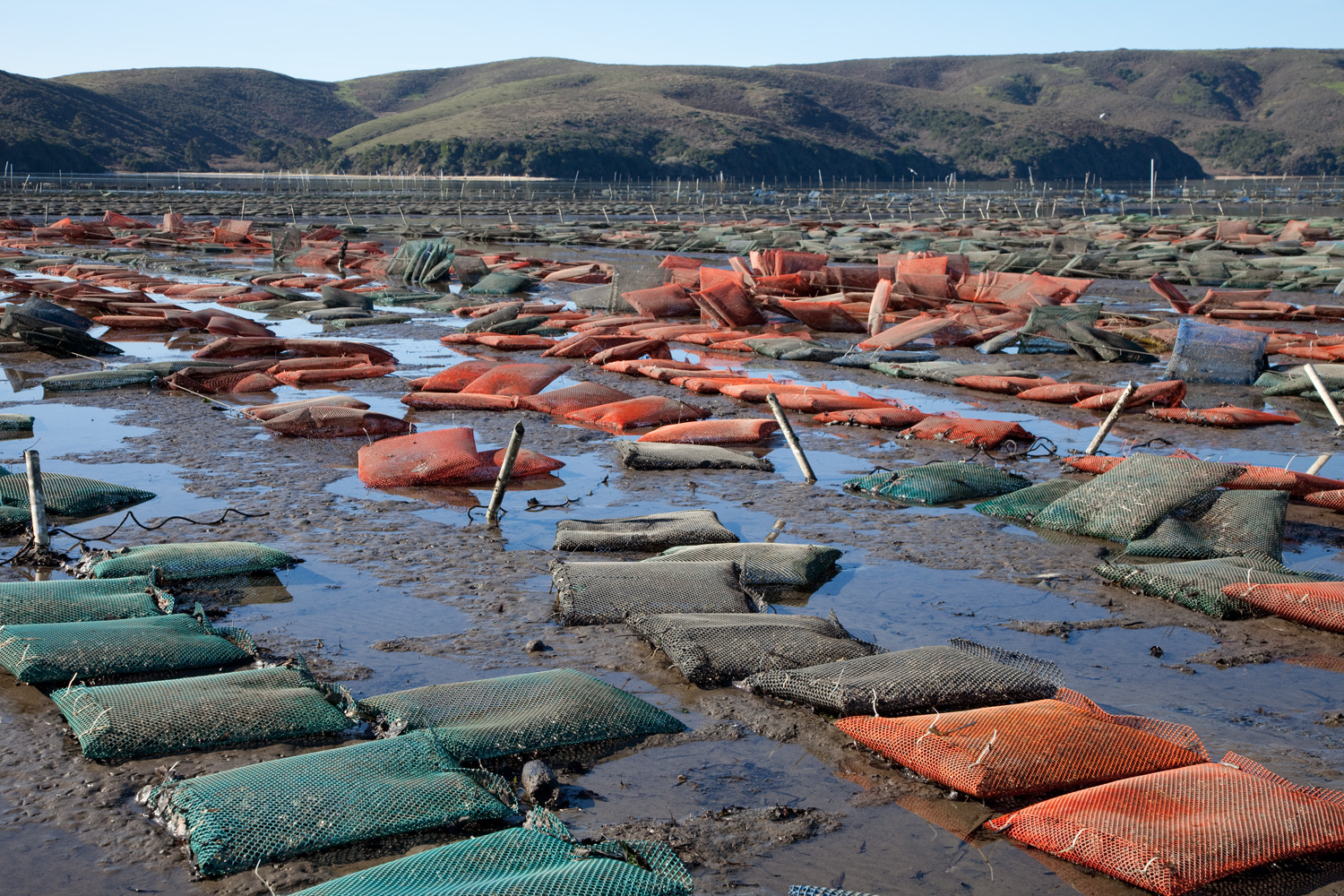
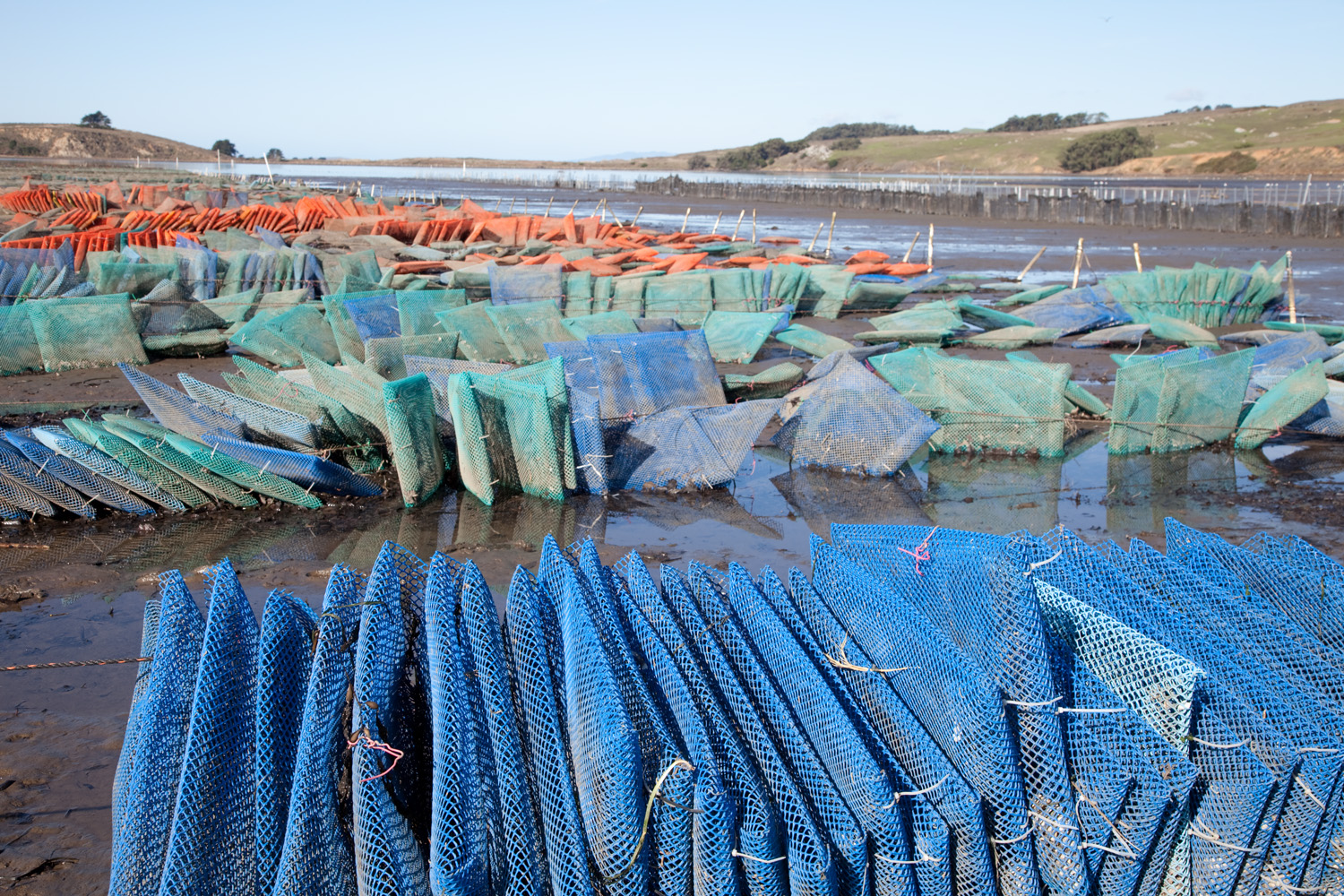
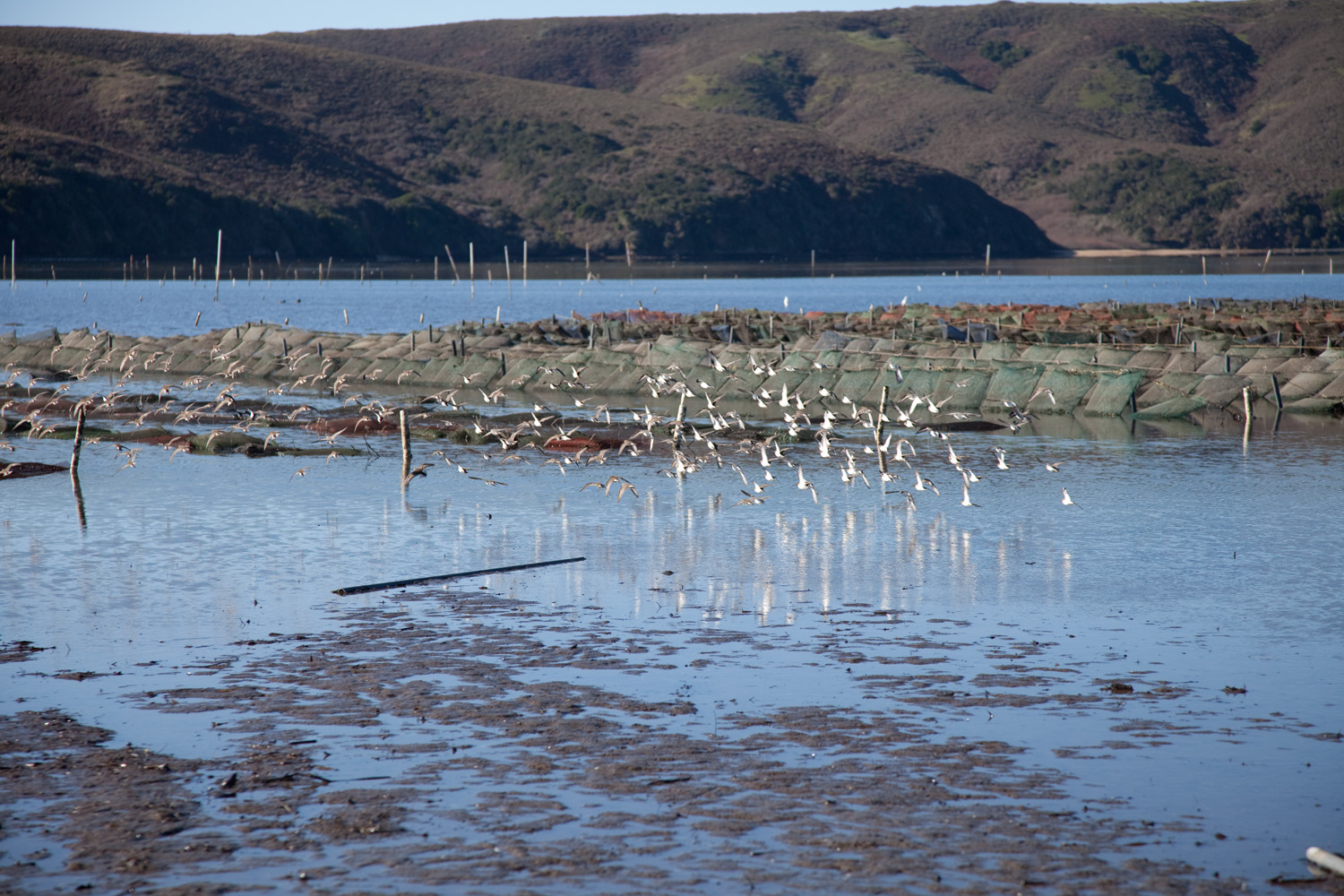
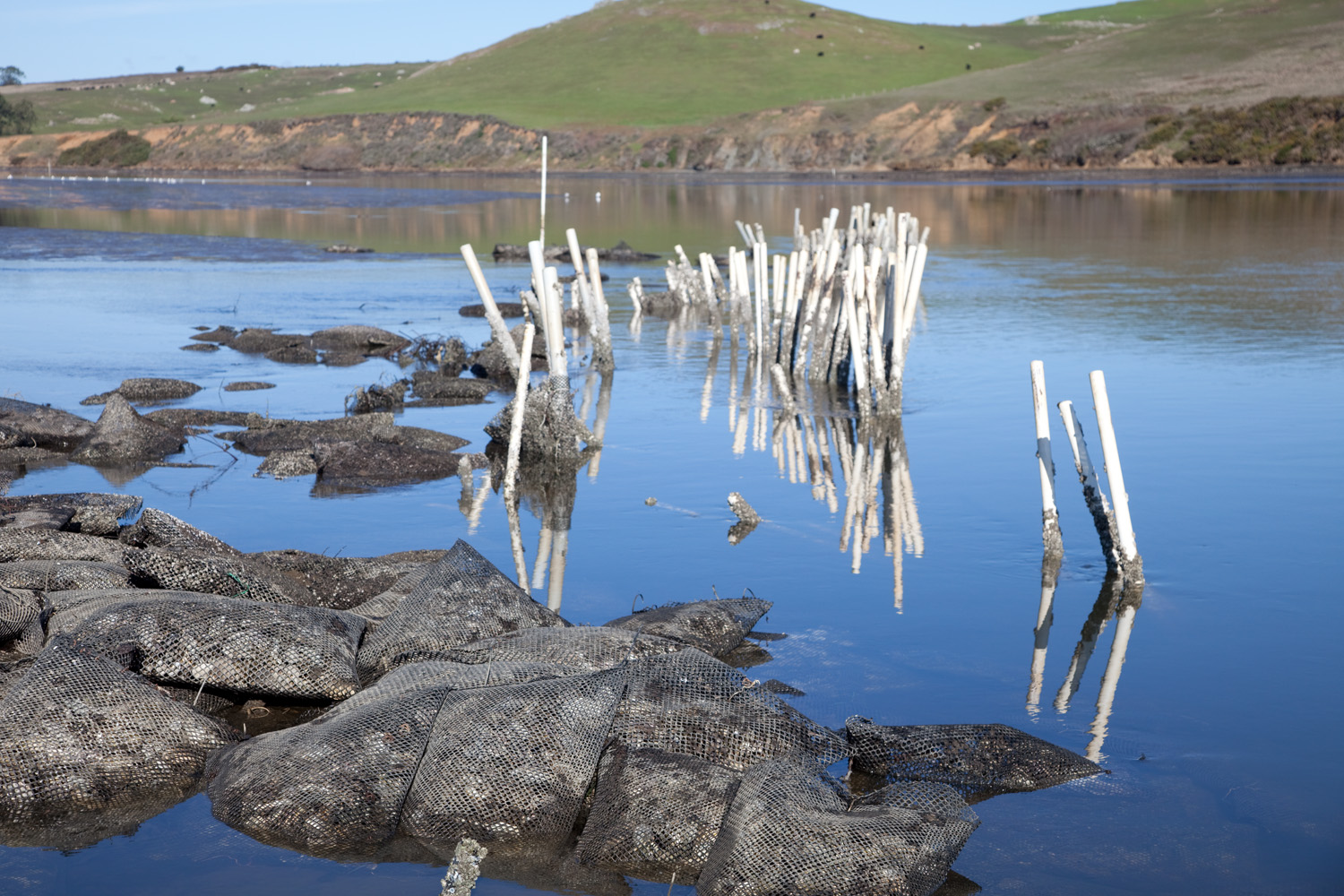
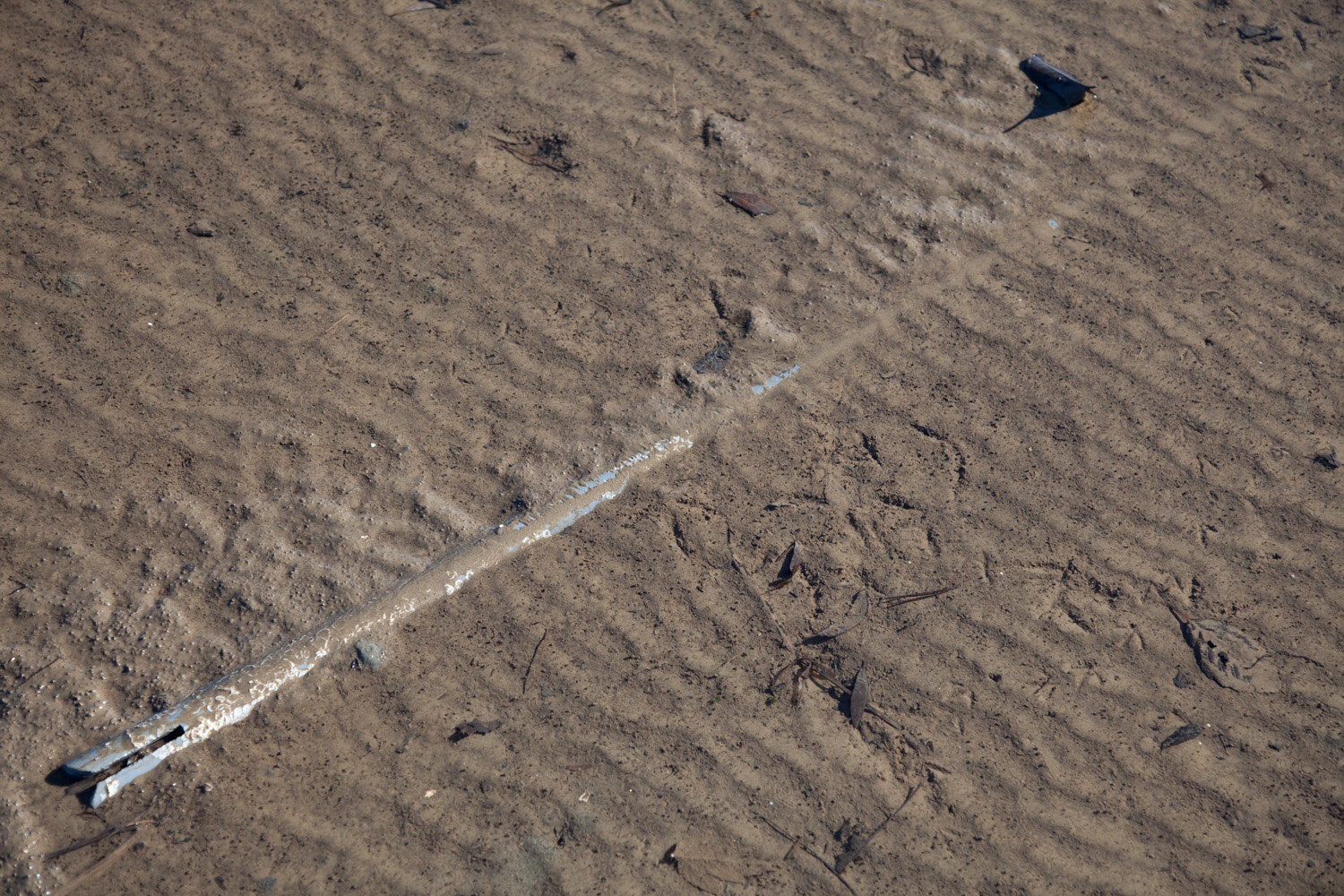
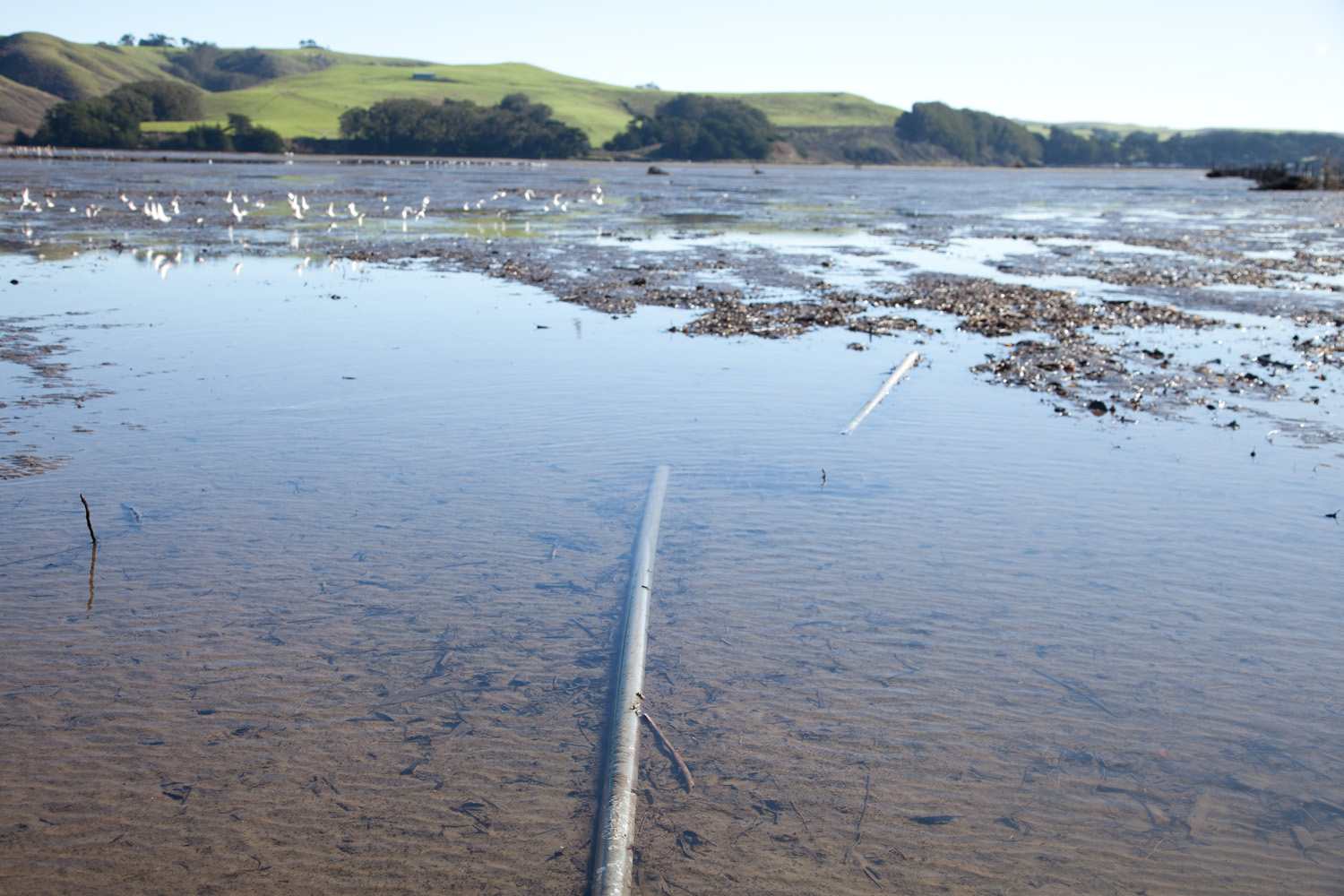
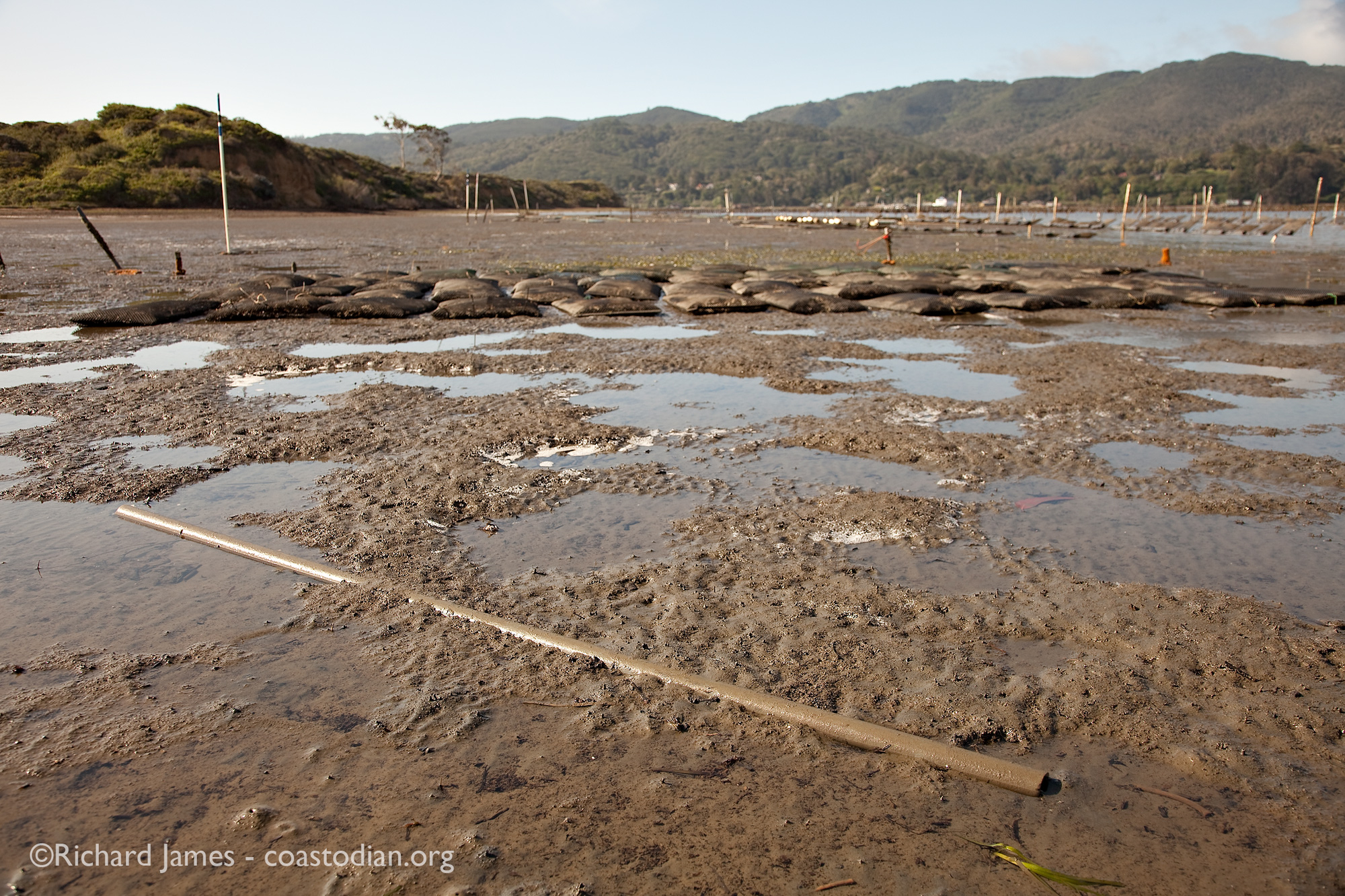
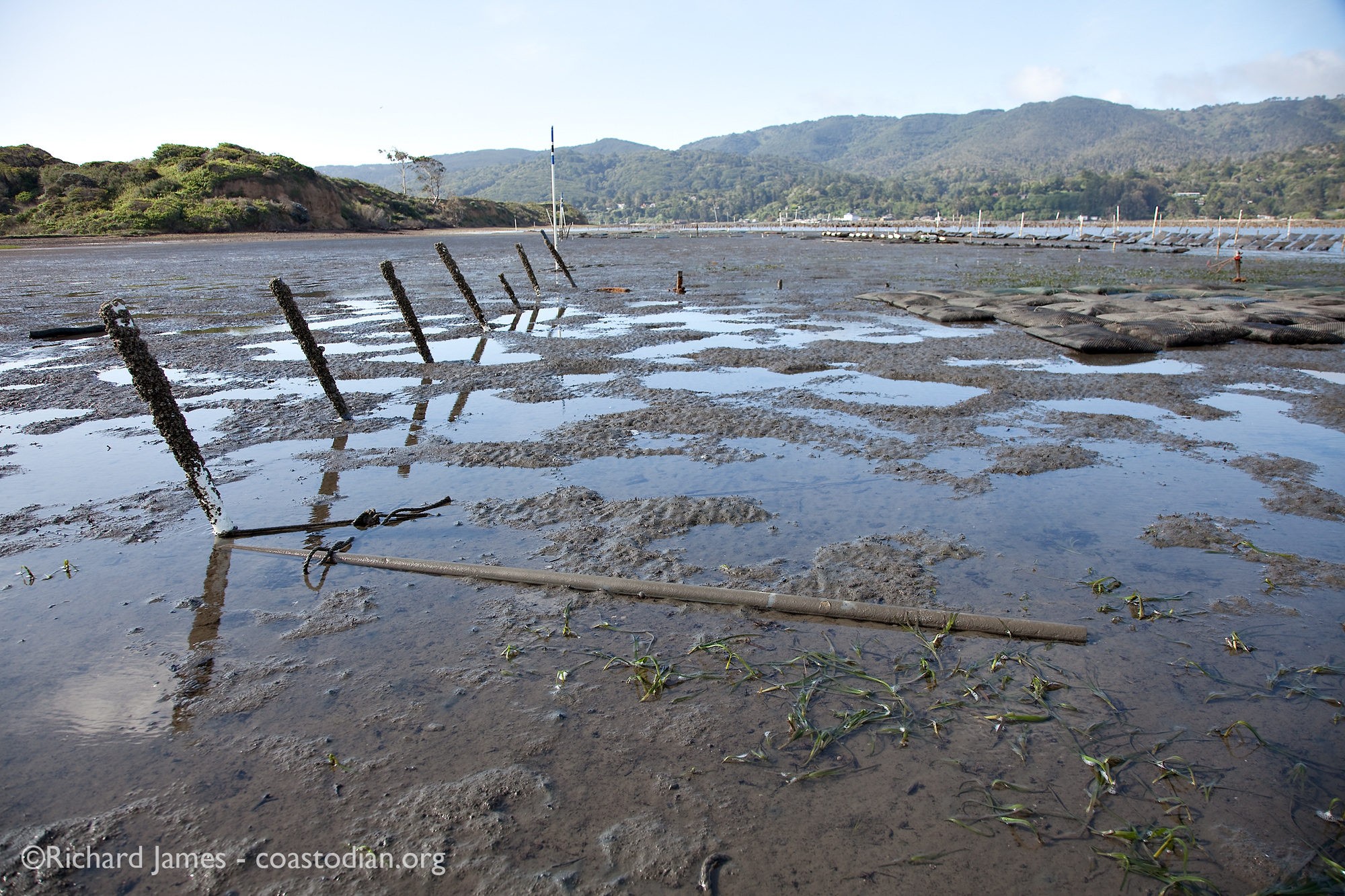
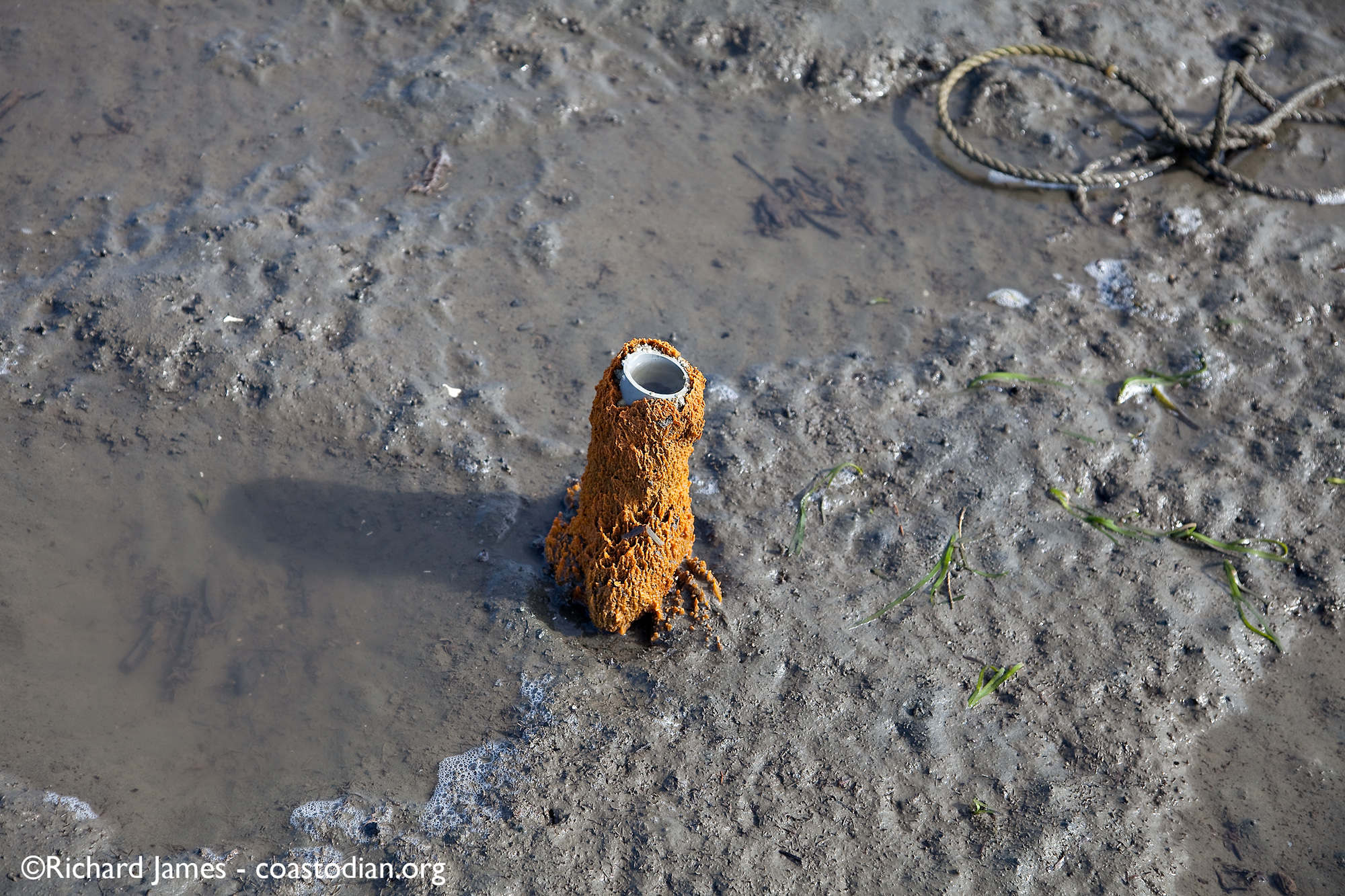
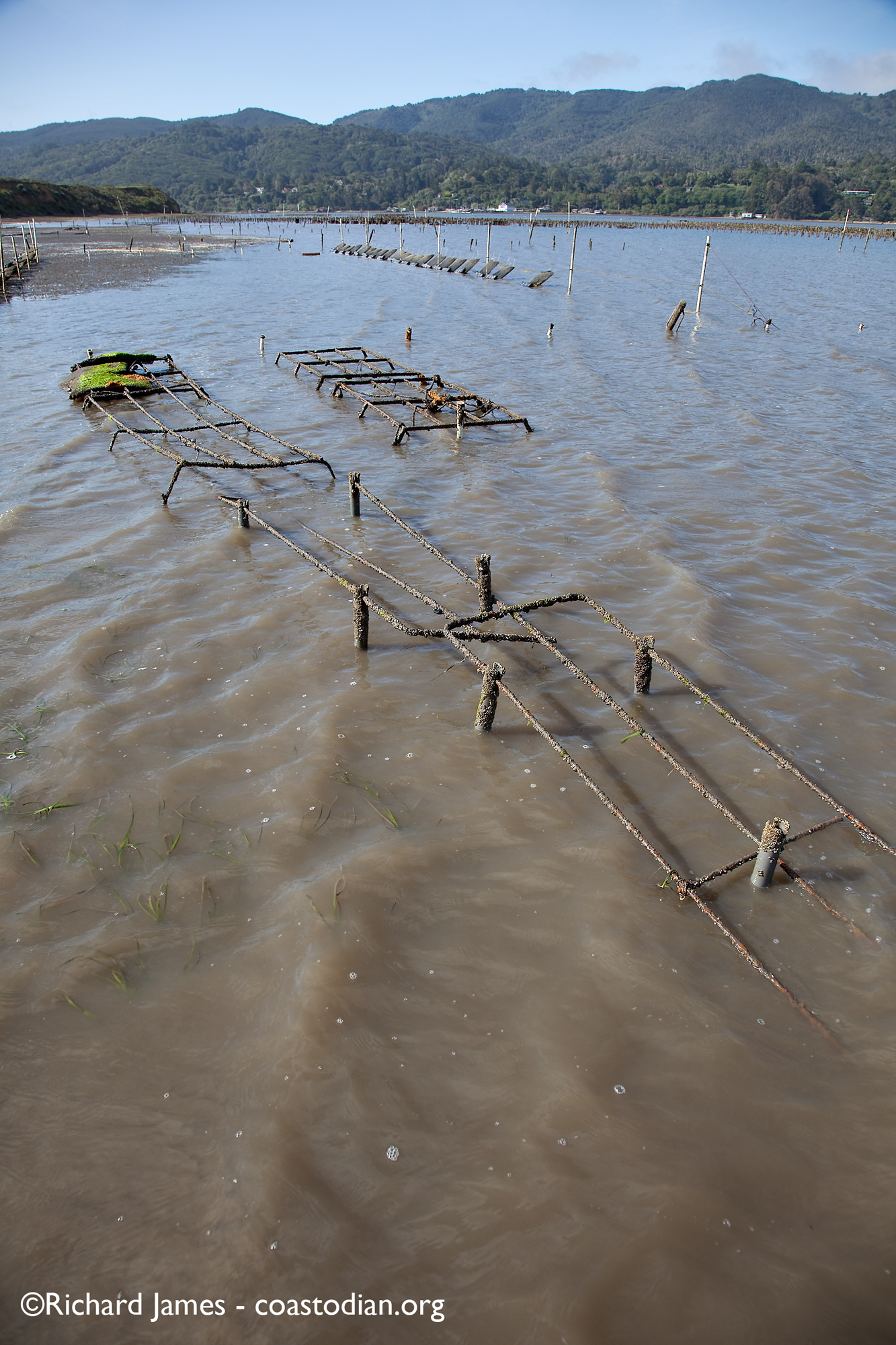
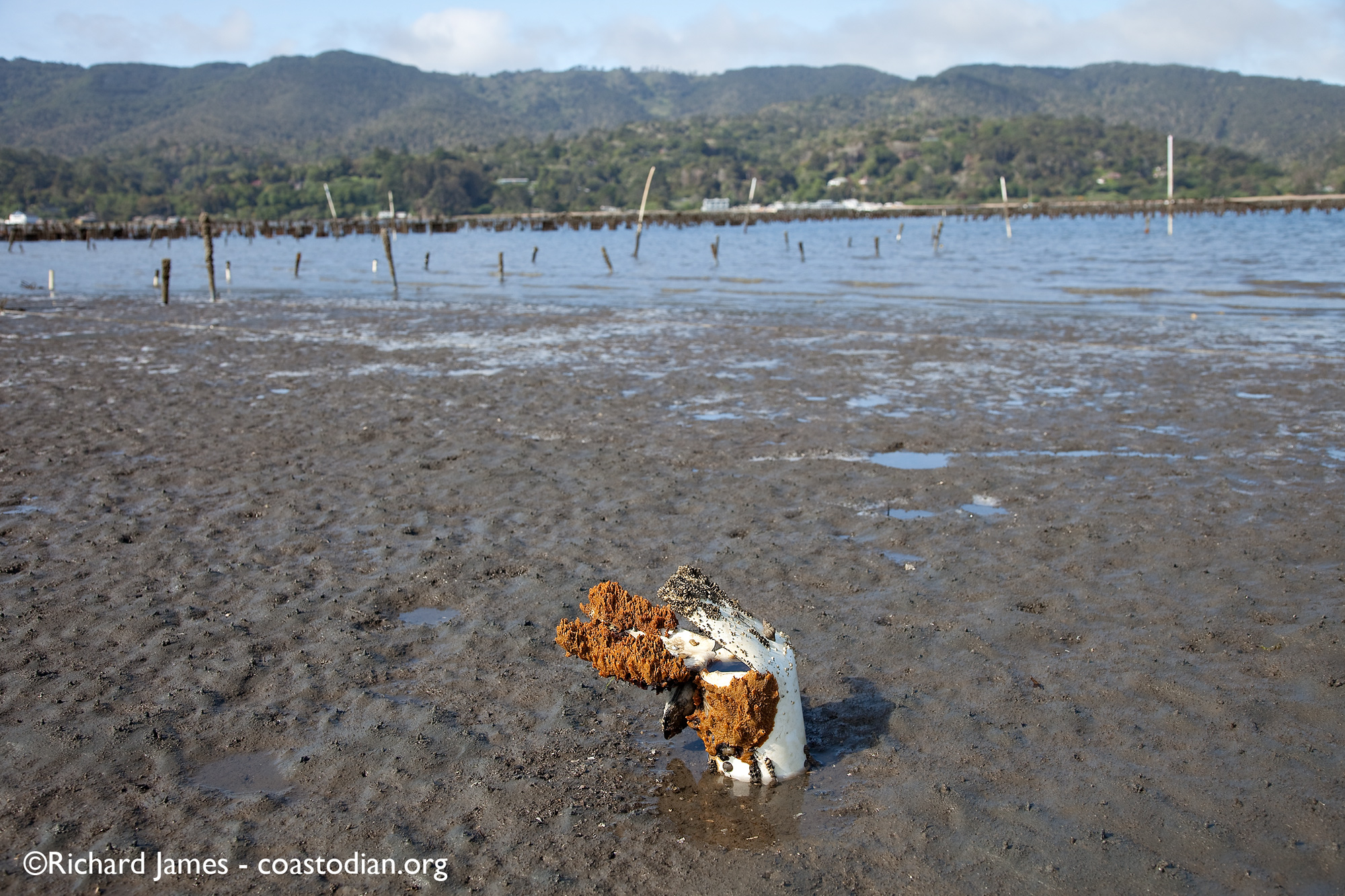
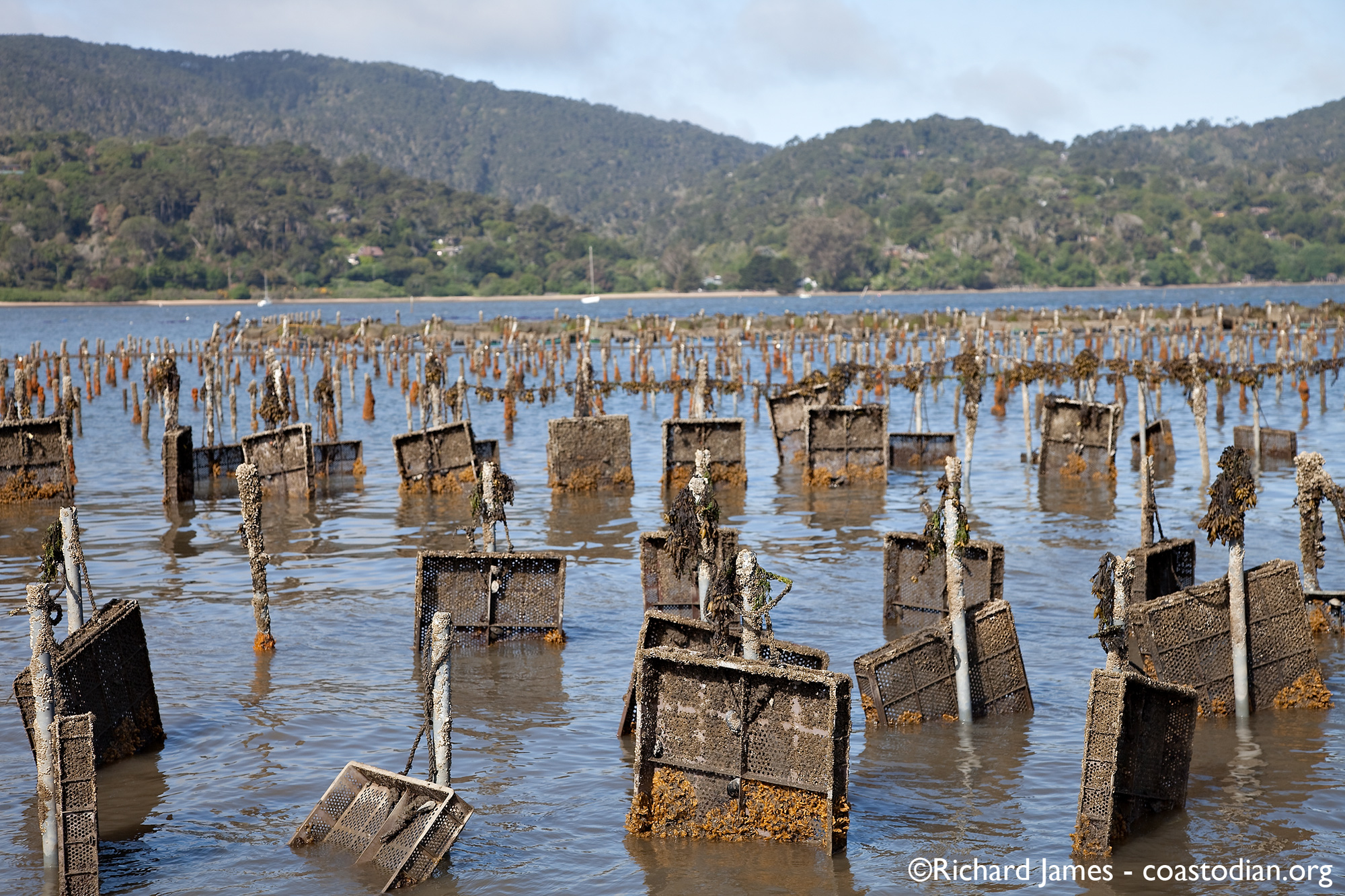
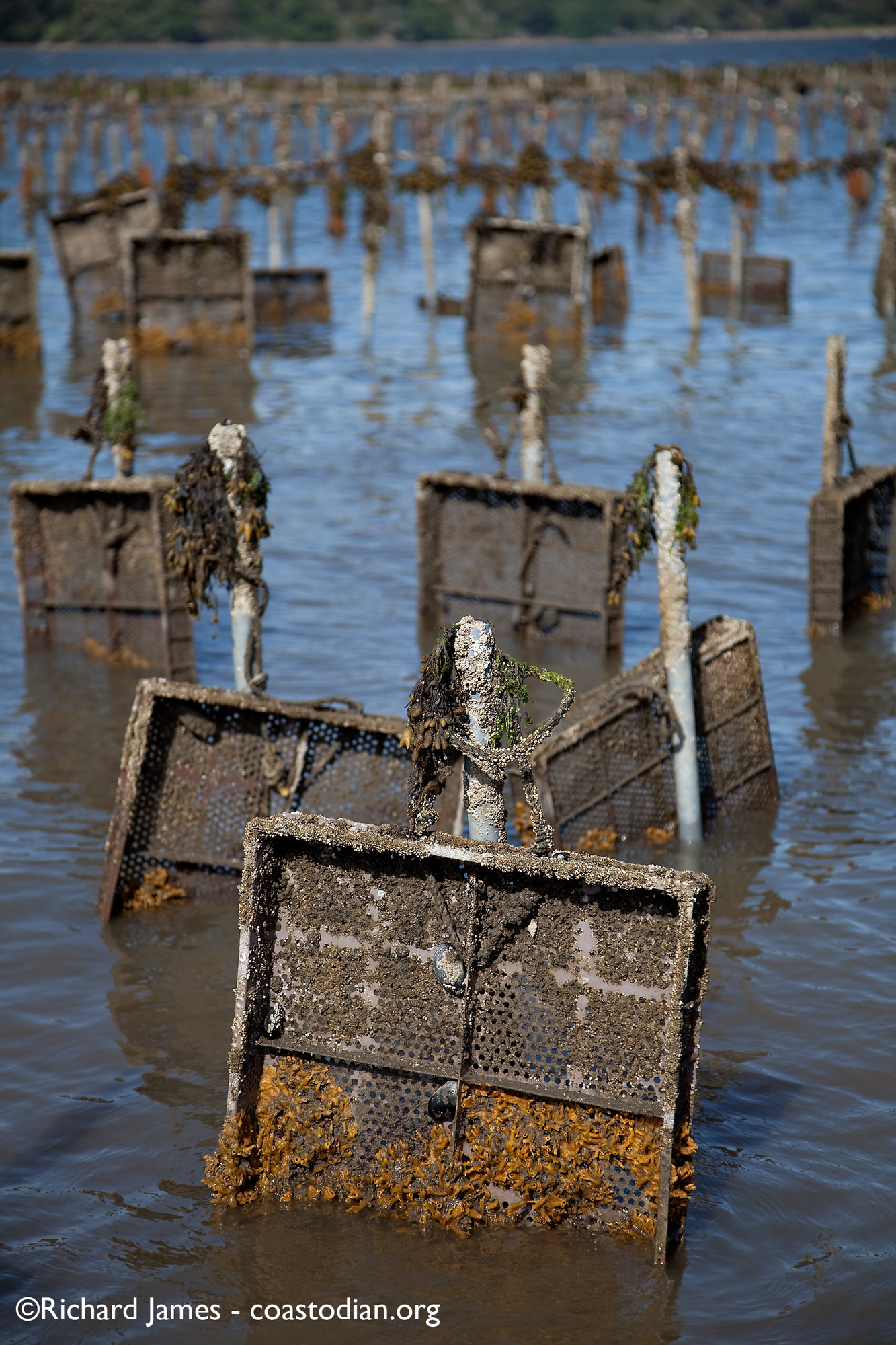
Yesterday I paid a visit to the mouth of Walker Creek where it enters Tomales Bay.

There are 4 growers that extract profits in the form of oysters in this area.

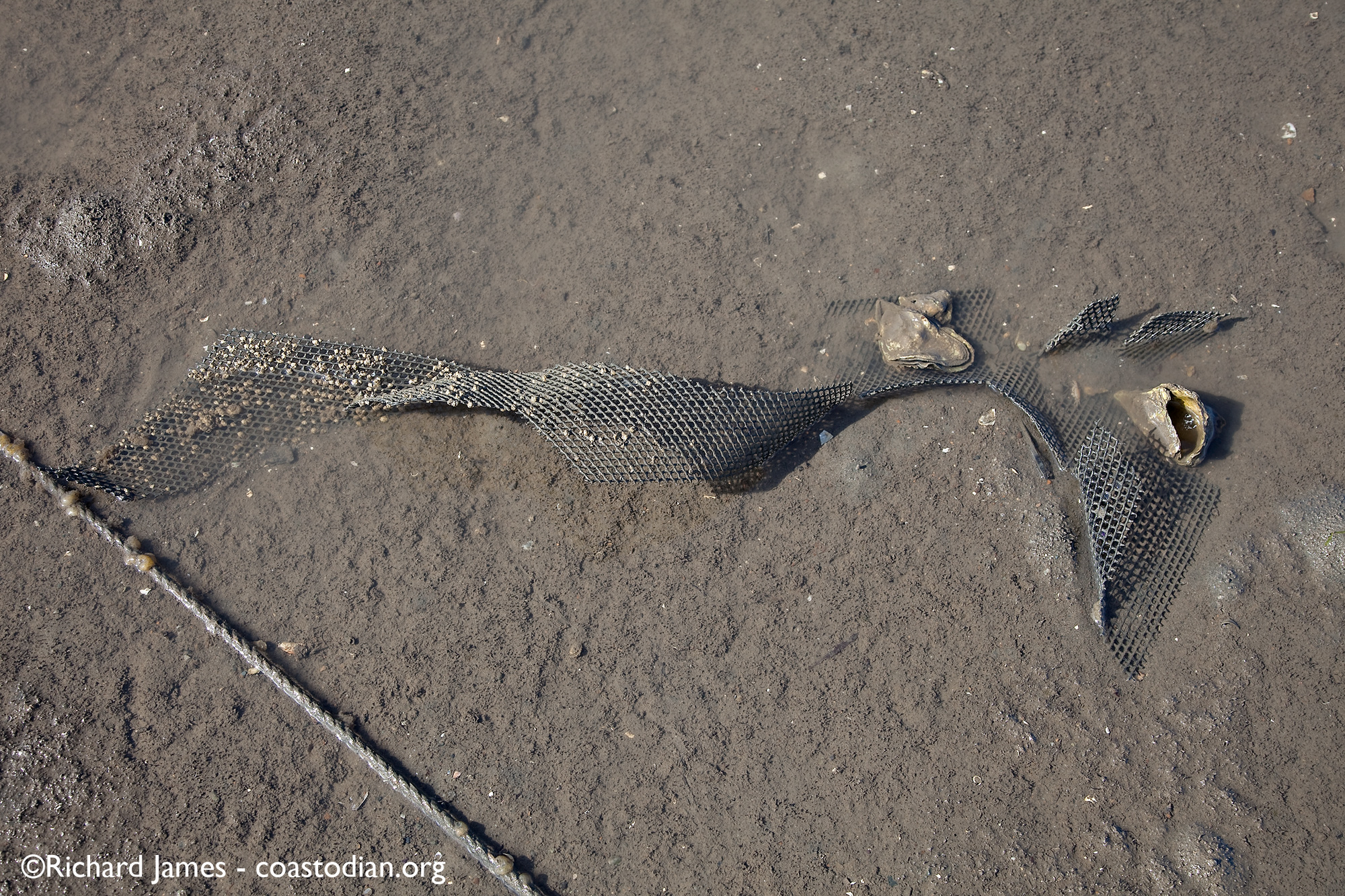
Storms regularly rip their equipment out and paint it all over Tomales Bay, and the entire ocean.

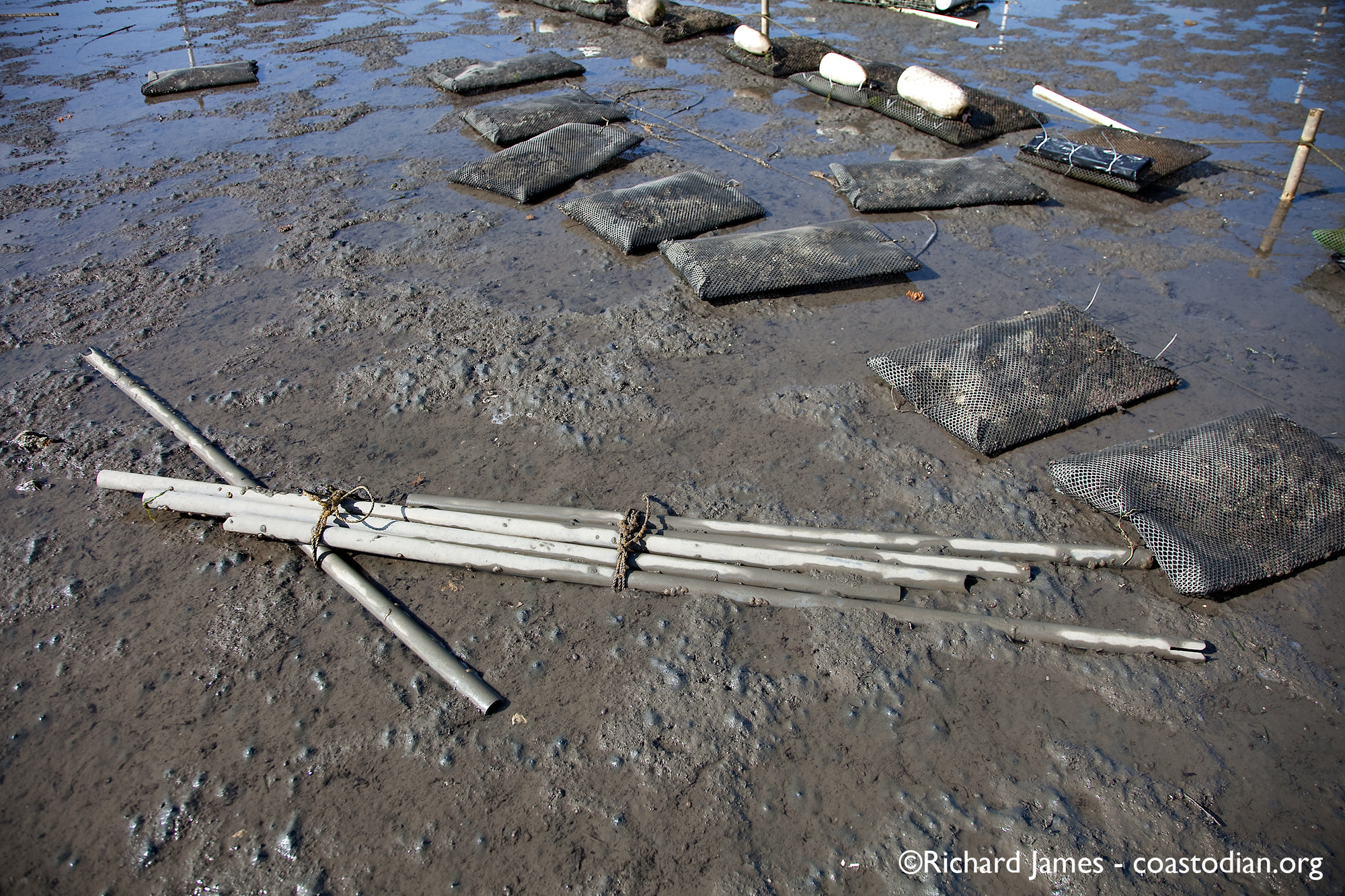
These bags become lodged in the mud and pickleweed and are buried, to be ground into plastic bits forever.

The farmers must walk these areas every month, if not more often, to ensure the mess they make gets cleaned up before being buried in the mud and pickleweed.

The regulating agencies must exercise their authority and ensure that laws are being observed, fining those that continue to break the laws enacted to protect the environment.


This post will be updated, so come back to see more of the damage caused to our fragile planet by oyster farming.

Volume warning, turn your sound down

.

.

.

.

Next related post may be found here.

Previous related post may be found here.

See the first post in this series “Save our Tomales Bay” here.

Save our Tomales Bay – part 18, Walker Creek mess, construction

Click the words above “Save our Tomales Bay – part 18,…” to see this entire post.

We’ve had some strong weather around these parts.

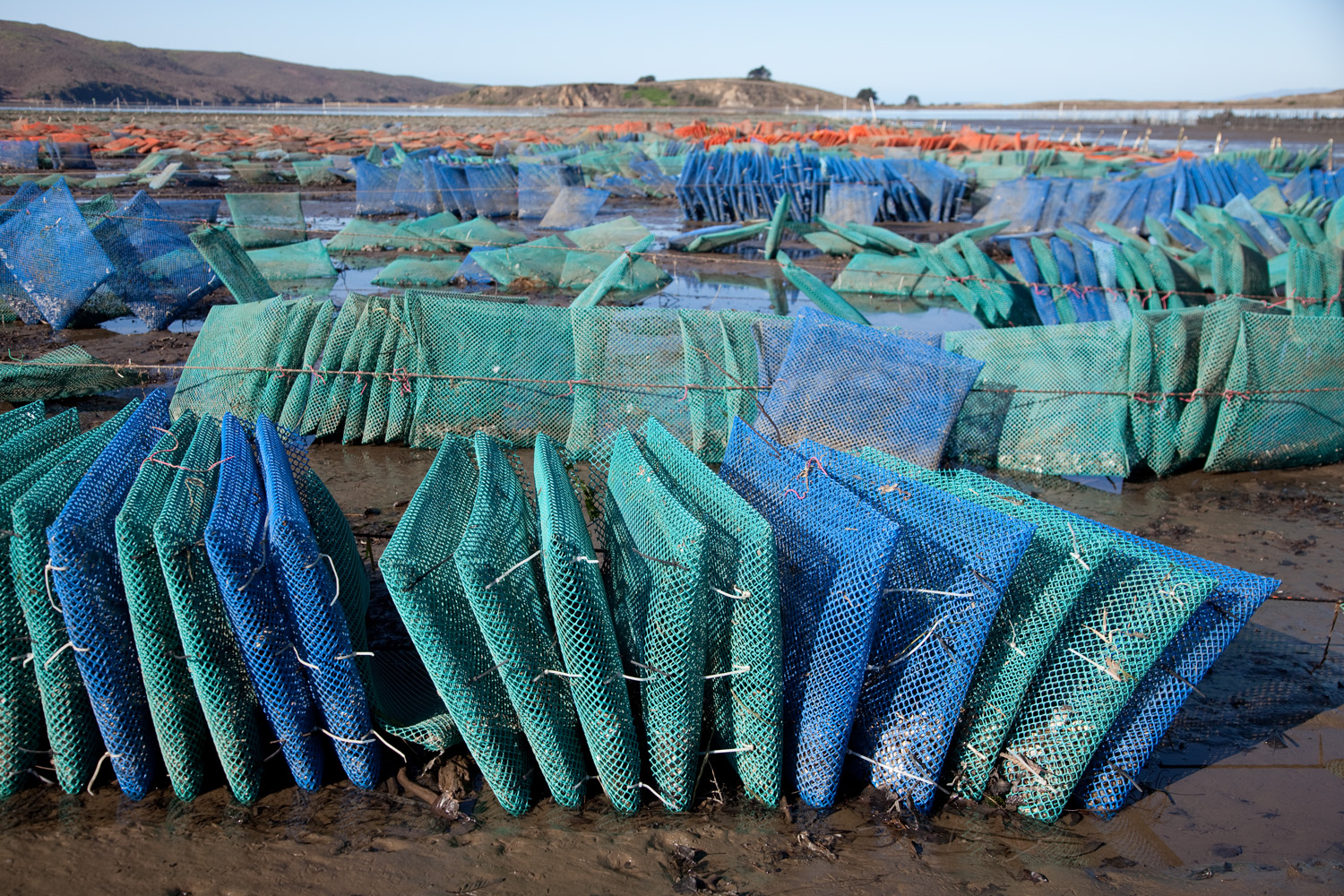
Witness the following images recorded today (29 Dec) showing the area at the mouth of Walker Creek.

There are four different oyster-farming leaseholders at this location. Maybe you can determine who runs which lease…

As always, click on an image to see a larger version.

©Richard James - coastodian.org - Here is one way to operate a lease....

©Richard James – coastodian.org – Here is one way to operate a lease….


©Richard James - coastodian.org - And here is another way....

©Richard James – coastodian.org – And here is another way….


Click on image to see larger version

©Richard James - coastodian.org

©Richard James – coastodian.org


©Richard James - coastodian.org

©Richard James – coastodian.org


Click on image to see larger version

©Richard James - coastodian.org

©Richard James – coastodian.org


©Richard James - coastodian.org

©Richard James – coastodian.org


Click on image to see larger version

©Richard James - coastodian.org

©Richard James – coastodian.org


©Richard James - coastodian.org

©Richard James – coastodian.org


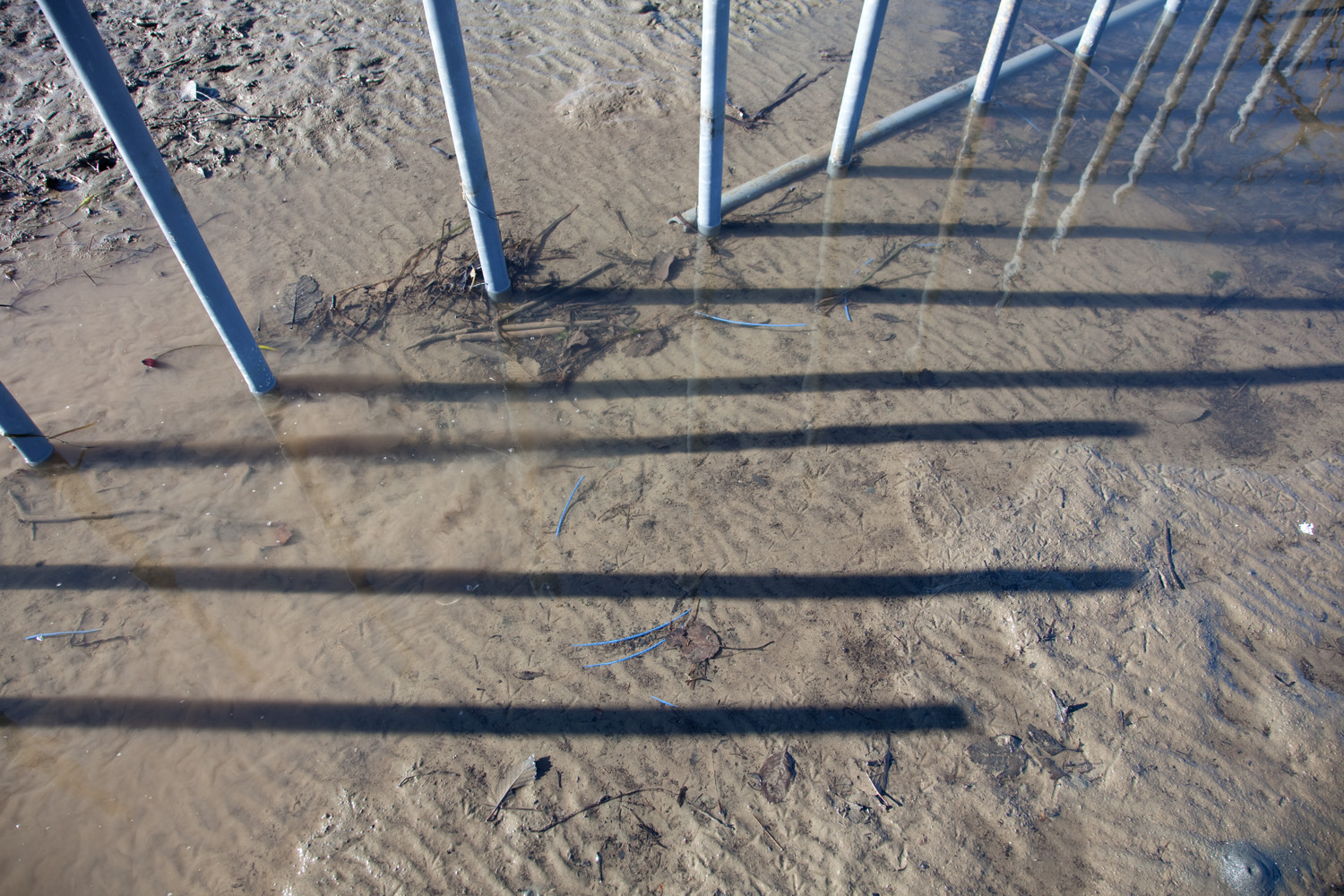
Seems some new construction has been going on in Tomales Bay.

A fence, of sorts has sprung up.

©Richard James - coastodian.org

©Richard James – coastodian.org

To get an idea where it is located, here are two images from Google Earth showing waypoints I marked when at this new structure.

Fence in Google Earth


Here is a closeup version of the image above.

The red line shows where two "fences" are in Tomales Bay. Note the length of these structures, as well as the length of a previous structure from last year that is no longer present, yet shown in the google earth image from last year.

The red line shows where two “fences” are in Tomales Bay. Note the length of these structures, as well as the length of a previous structure from last year that is no longer present, yet shown in the google earth image from last year.


Click on image to see larger version

©Richard James - coastodian.org

©Richard James – coastodian.org


Click on image to see larger version

©Richard James - coastodian.org

©Richard James – coastodian.org


©Richard James - coastodian.org

©Richard James – coastodian.org


Click on image to see larger version

©Richard James - coastodian.org

©Richard James – coastodian.org


©Richard James - coastodian.org

©Richard James – coastodian.org


Click on image to see larger version

©Richard James - coastodian.org

©Richard James – coastodian.org


©Richard James - coastodian.org

©Richard James – coastodian.org


Click on image to see larger version

©Richard James - coastodian.org

©Richard James – coastodian.org


©Richard James - coastodian.org

©Richard James – coastodian.org


Click on image to see larger version

©Richard James - coastodian.org

©Richard James – coastodian.org


©Richard James - coastodian.org - Plastic coated copper wire left as so much garbage....This sort of dis-respect of the very environment being  capitalized upon really irks me.

©Richard James – coastodian.org – Plastic coated copper wire left as so much garbage….This sort of dis-respect of the very environment being capitalized upon really irks me.


Click on image to see larger version

©Richard James - coastodian.org

©Richard James – coastodian.org


©Richard James - coastodian.org

©Richard James – coastodian.org


Click on image to see larger version

©Richard James - coastodian.org

©Richard James – coastodian.org


©Richard James - coastodian.org

©Richard James – coastodian.org


Click on image to see larger version

©Richard James - coastodian.org

©Richard James – coastodian.org


©Richard James - coastodian.org - More tools of the trade left in Tomales Bay, as if it were the leaseholders' garage and this were a hobby.

©Richard James – coastodian.org – More tools of the trade left in Tomales Bay, as if it were the leaseholders’ garage and this were a hobby.


Click on image to see larger version

©Richard James - coastodian.org - Ah what the heck, let's just leave these here, nobody will notice.

©Richard James – coastodian.org – Ah what the heck, let’s just leave these here, nobody will notice.


©Richard James - coastodian.org

©Richard James – coastodian.org


Click on image to see larger version

©Richard James - coastodian.org

©Richard James – coastodian.org


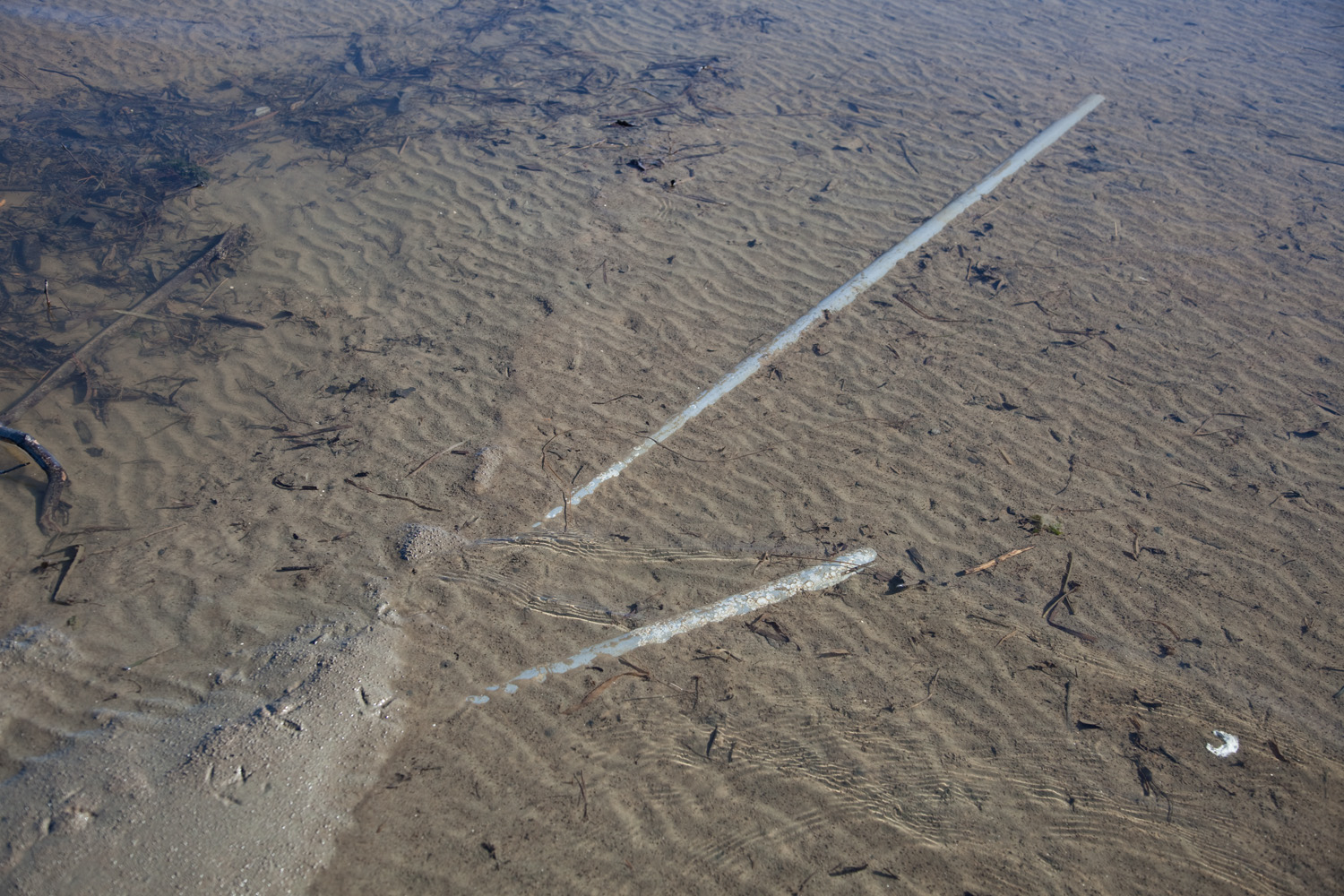
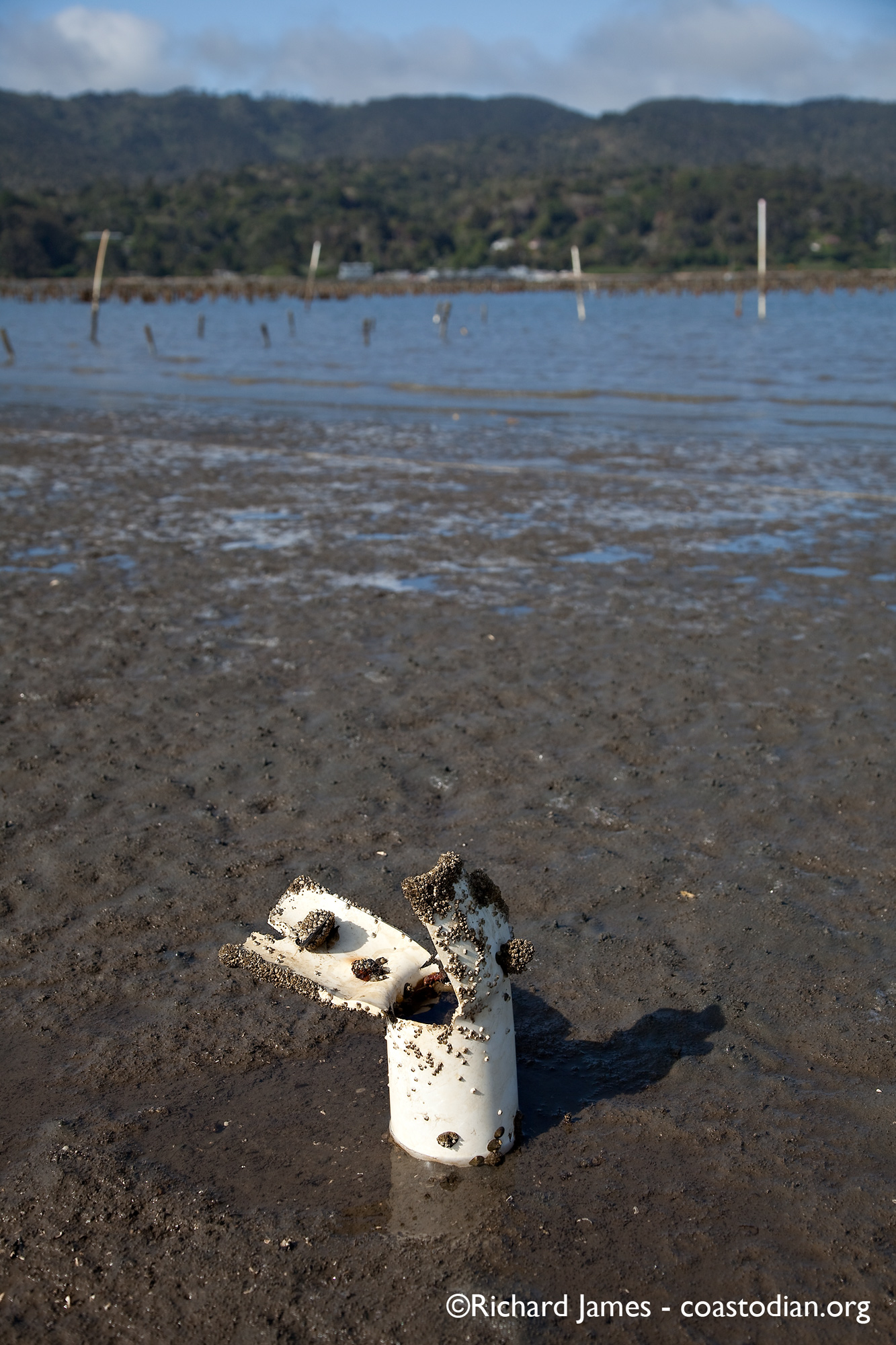
©Richard James - coastodian.org - All of these PVC pipes you see are different pieces left to the sun and tides.

©Richard James – coastodian.org – All of these PVC pipes you see are different pieces left to the sun and tides.


Click on image to see larger version

©Richard James - coastodian.org

©Richard James – coastodian.org


©Richard James - coastodian.org

©Richard James – coastodian.org


Click on image to see larger version

©Richard James - coastodian.org - Yet another tool left in the Tomales Bay.

©Richard James – coastodian.org – Yet another tool left in the Tomales Bay.


©Richard James - coastodian.org

©Richard James – coastodian.org


Click on image to see larger version

©Richard James - coastodian.org

©Richard James – coastodian.org


©Richard James - coastodian.org

©Richard James – coastodian.org


Click on image to see larger version

©Richard James - coastodian.org

©Richard James – coastodian.org


©Richard James - coastodian.org

©Richard James – coastodian.org


Click on image to see larger version

©Richard James - coastodian.org

©Richard James – coastodian.org


©Richard James - coastodian.org

©Richard James – coastodian.org


Click on image to see larger version

©Richard James - coastodian.org

©Richard James – coastodian.org


©Richard James - coastodian.org

©Richard James – coastodian.org


Click on image to see larger version

©Richard James - coastodian.org

©Richard James – coastodian.org


©Richard James - coastodian.org

©Richard James – coastodian.org


Click on image to see larger version

©Richard James - coastodian.org

©Richard James – coastodian.org


©Richard James - coastodian.org

©Richard James – coastodian.org


Click on image to see larger version

©Richard James - coastodian.org

©Richard James – coastodian.org


©Richard James - coastodian.org

©Richard James – coastodian.org


Click on image to see larger version

©Richard James - coastodian.org

©Richard James – coastodian.org


©Richard James - coastodian.org

©Richard James – coastodian.org


Click on image to see larger version

©Richard James - coastodian.org

©Richard James – coastodian.org


©Richard James - coastodian.org

©Richard James – coastodian.org


Click on image to see larger version

©Richard James - coastodian.org

©Richard James – coastodian.org


©Richard James - coastodian.org

©Richard James – coastodian.org


Click on image to see larger version

©Richard James - coastodian.org

©Richard James – coastodian.org


©Richard James - coastodian.org

©Richard James – coastodian.org


Click on image to see larger version

©Richard James - coastodian.org

©Richard James – coastodian.org


©Richard James - coastodian.org

©Richard James – coastodian.org


Click on image to see larger version

©Richard James - coastodian.org

©Richard James – coastodian.org


©Richard James - coastodian.org

©Richard James – coastodian.org


Oyster farming is very, very hard work, no doubt about that. But if it cannot be done without leaving the sort of mess you see in the above images, perhaps the leases need to be reduced in size so that the existing crews CAN keep everyone’s environment looking much better. In addition, workers need to NOT leave their tools, gloves, bottled water etc. out on “their worksite”, AKA Tomales Bay, home to a multitude of birds, fish and insects.


Next installment may be found here.

Previous related post may be found here.

See the first post in this series “Save our Tomales Bay” here.

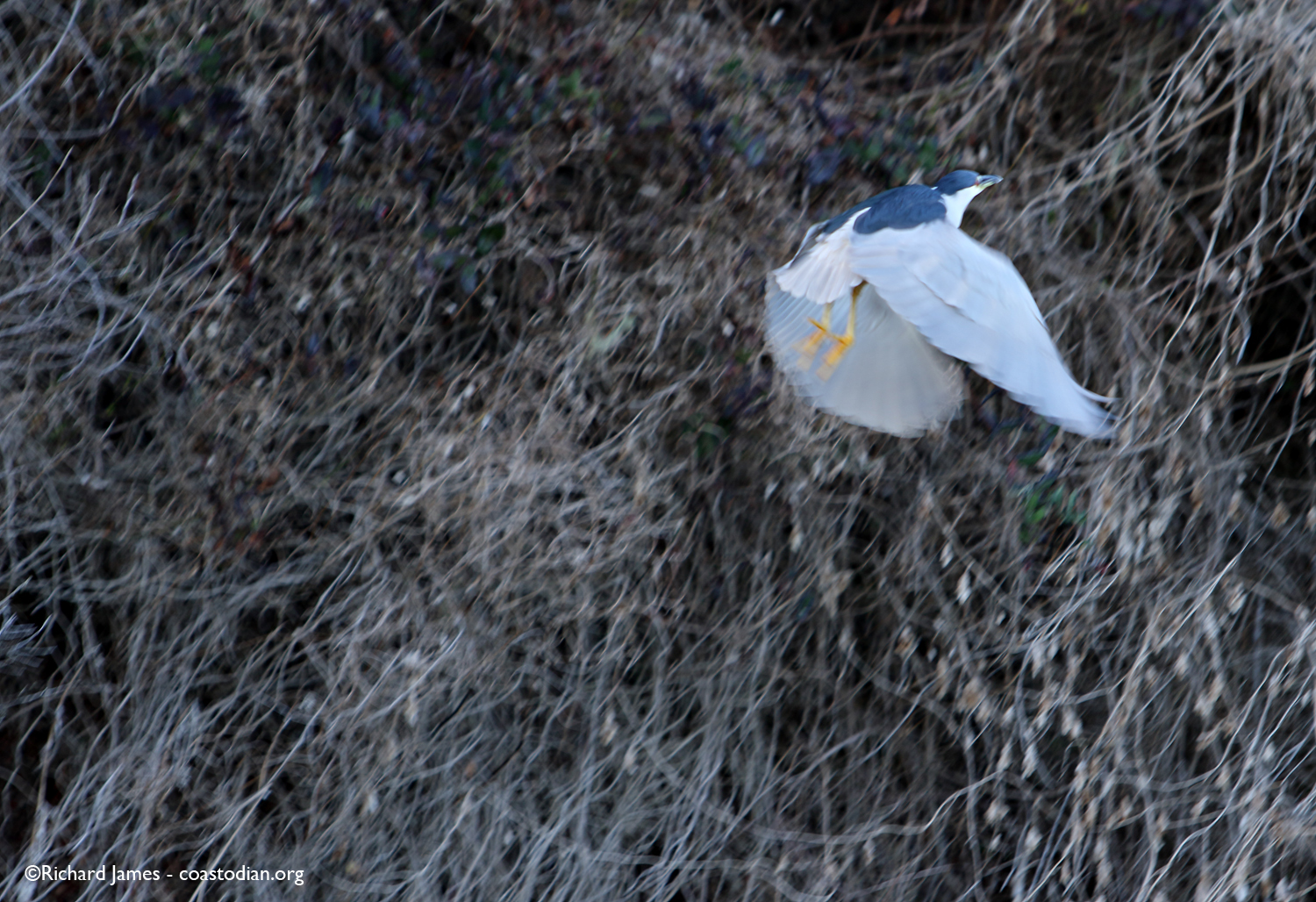
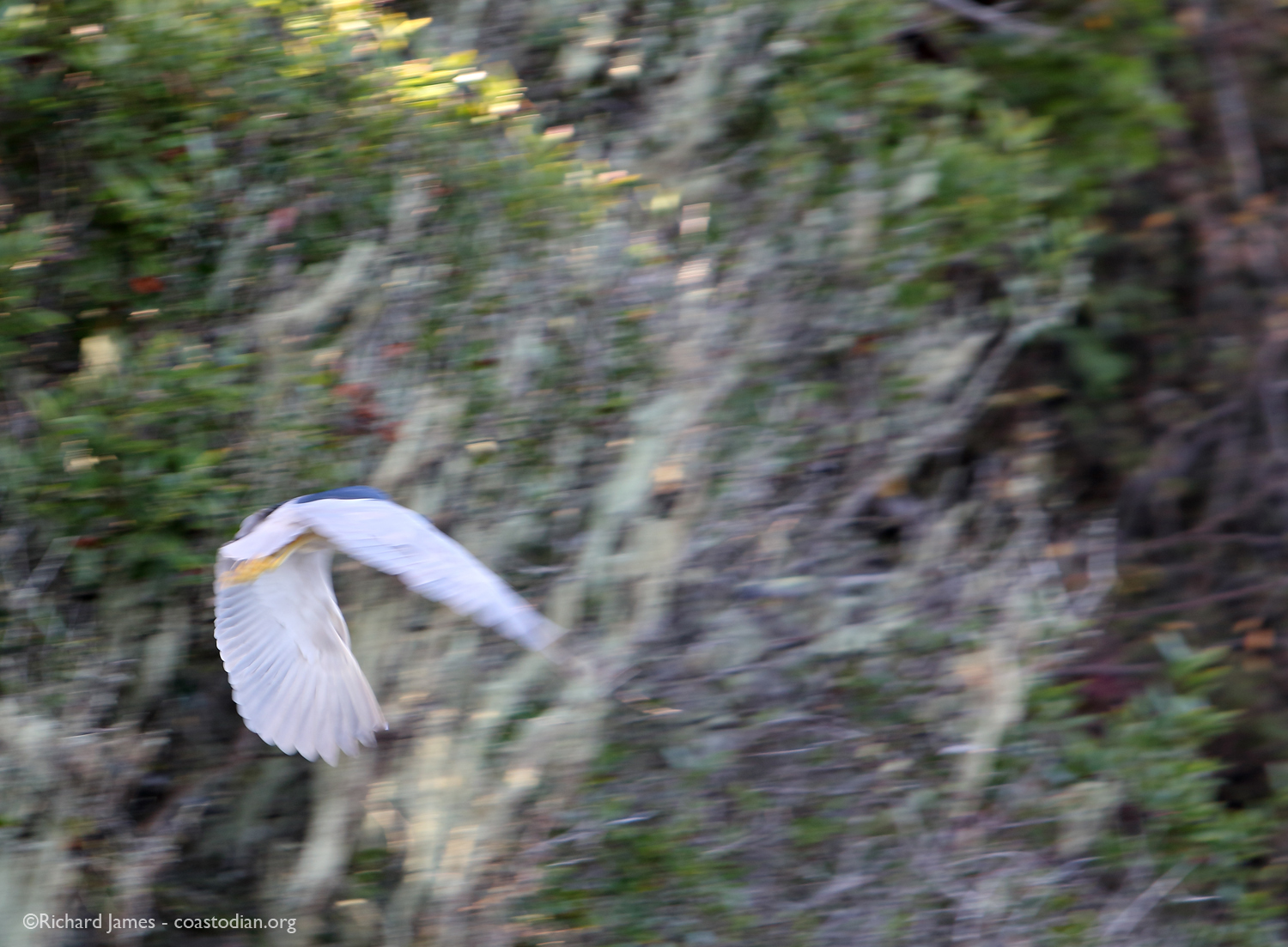
Tomales Bay Triptych – Black-crowned night heron style

Click on the words “Tomales Bay Triptych” above to see this entire post.

Happy holidays.

The weather has been sublime of late.

Water in the creeks bringing a variety of salmon, Reservoirs filled, clear atmosphere with all the dust and smoke washed out.

This bird calls the area just north of Chicken Ranch its home. I never tire of seeing it roosting in the bayside trees or perched on a piling or the rocks below.

As always, click on an image to see a larger version.

560A7422.crop.cc.cw

.

560A7416.crop.cc.cw

.

560A7409.crop.cc.cw

Save our Tomales Bay – part 16 Weekly pickup after TBOC – preview

Click the words above “Save our Tomales Bay – part 16 Weekly pickup after TBOC – preview” to see this entire post.

I had hoped to publish this weekend images of the garbage I picked up near Tomales Bay Oyster Company over the past four months. Shooting images and fiddling with a video editing program makes for slow going.

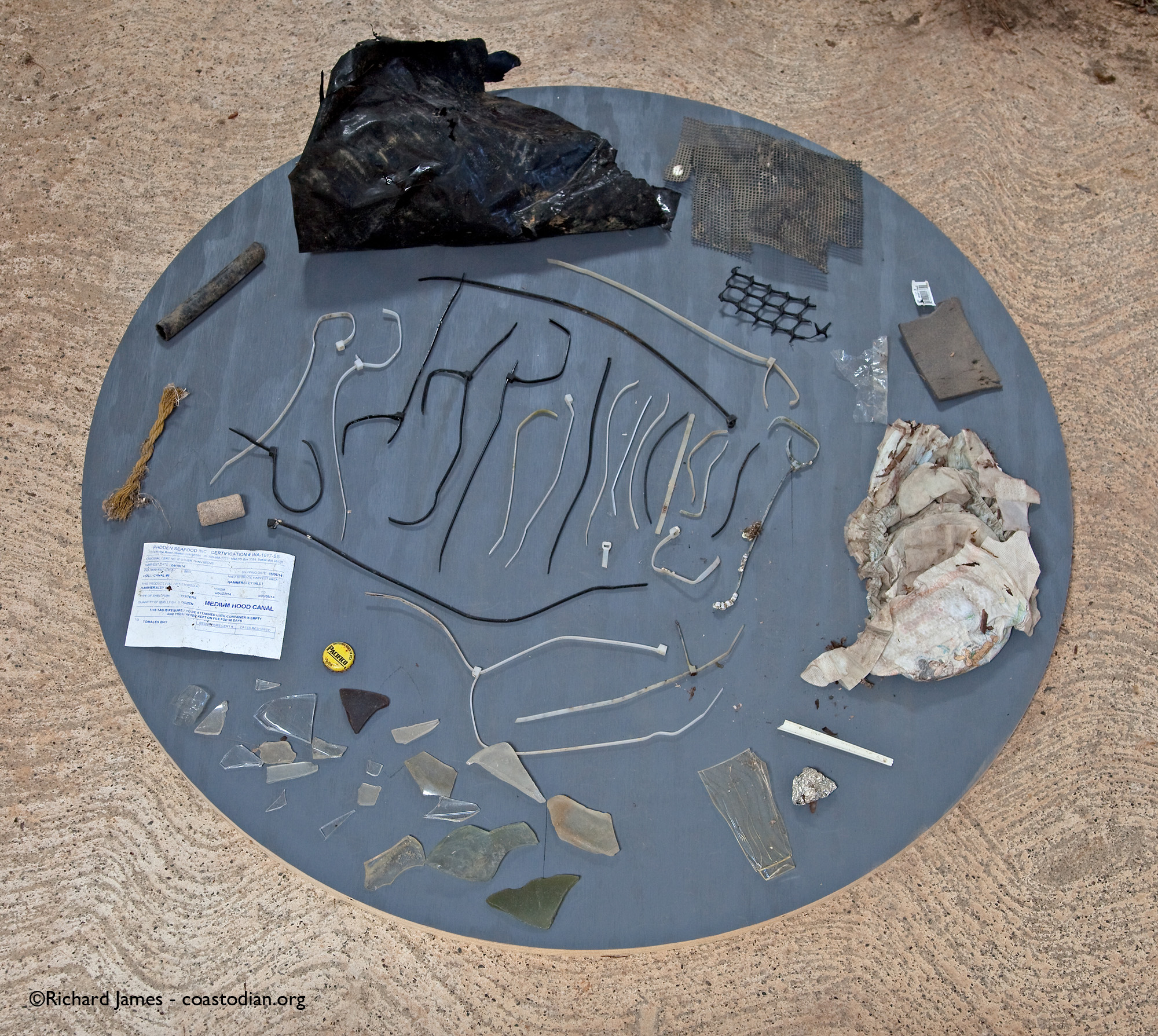
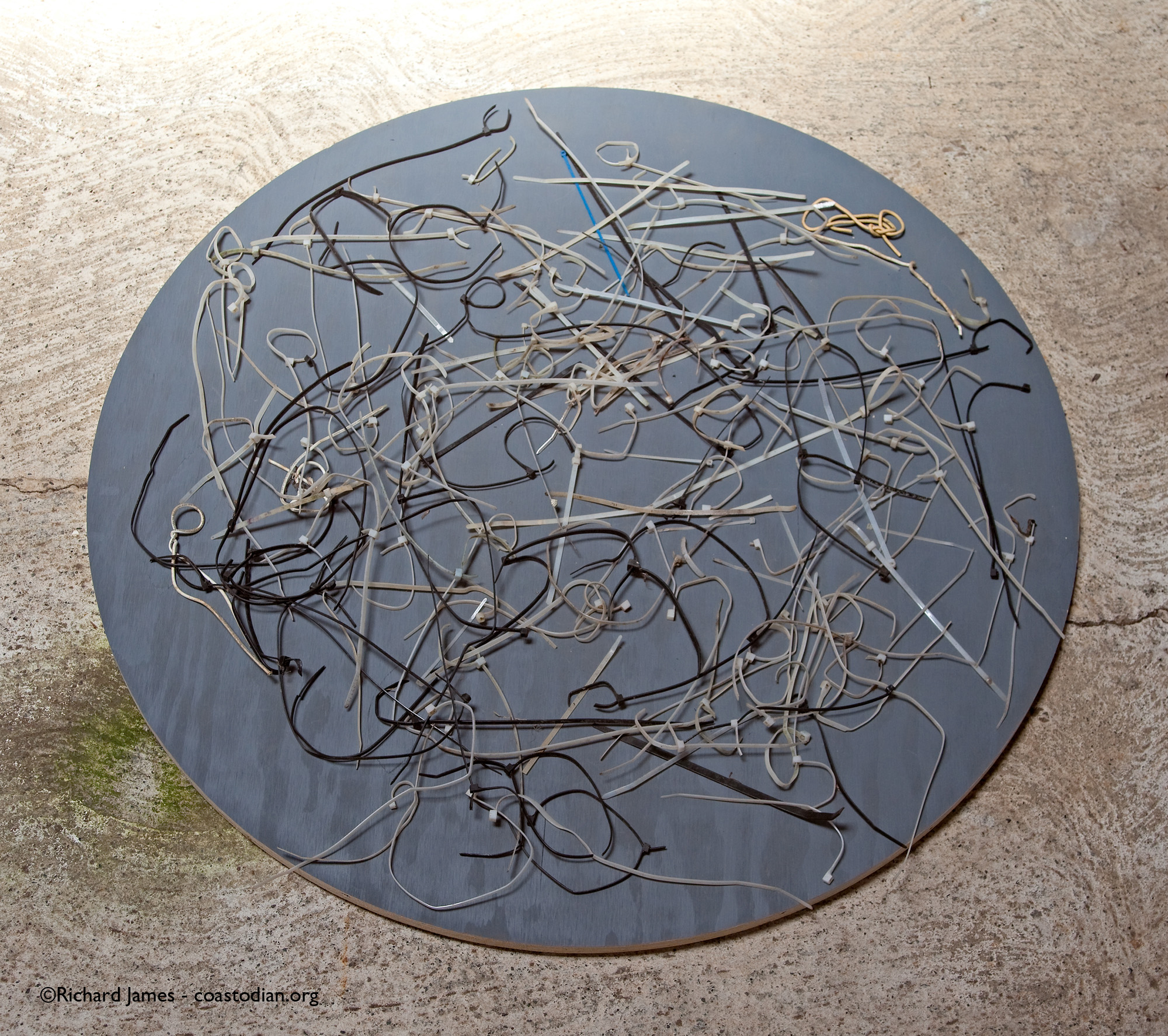
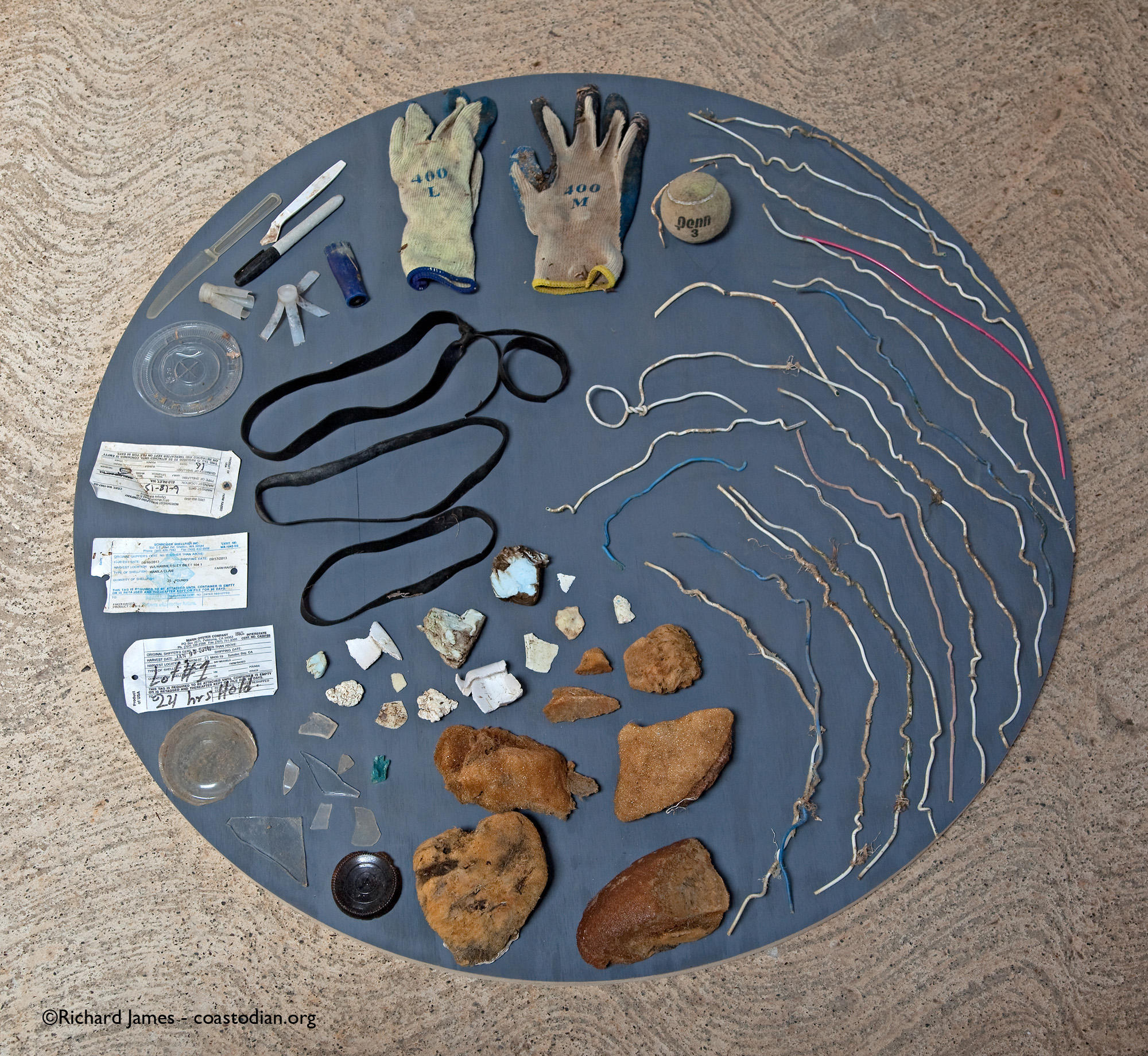
So here are three images showing a subset of what I picked up on three different occasion.

I’ll get the entire set of images up as soon as I can.

The gray disk in the image is 35 and 3/4 inches across.

I have been in touch with Todd at Tomales Bay Oyster Company. He assures me that he is taking serious the issues my images of his trash in Tomales Bay bring up. He told me he pulled out 1700 PVC pipes from the area I visit often. I stopped by this weekend to see how it looked, the tide, swell and murky water prevented me from seeing the fruits of his labors. I’ll check next weekend and report back.

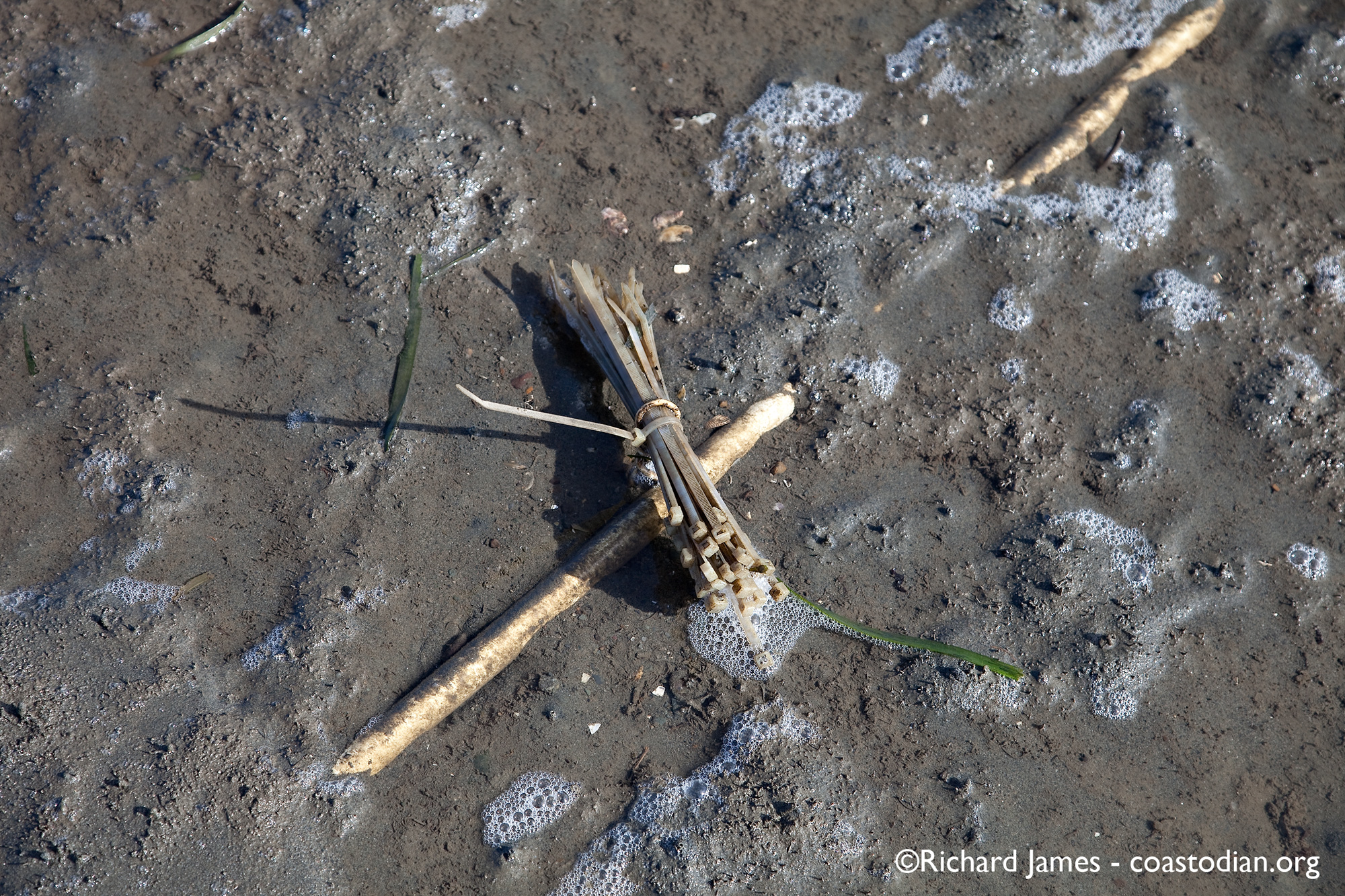
25 zip-ties, black plastic from oyster bag, oyster bag bits, and yes, that is a disposable diaper found on the shore of Tomales Bay.

25 zip-ties, black plastic from oyster bag, oyster bag bits, and yes, that is a disposable diaper found on the shore of Tomales Bay.


click image to see an enormous version

Workers cut the zip-tie securing the bag to the anchoring rope during harvest and simply let the plastic go into the bay. Sounds like they went to the Charlie Johnson school of oyster farming. Thankfully that school is now closed.

Workers cut the zip-tie securing the bag to the anchoring rope during harvest and simply let the plastic go into the bay.
Sounds like they went to the Charlie Johnson school of oyster farming.
Thankfully that school is now closed.


click image to see an enormous version

Oyster worker gloves, oyster bag tags, copper wire used to tie oyster bags closed, broken glass, blue foam from oyster bags, brown foam from work platforms, shot shell, shot shell wads and the ubiquitous tennis ball.

Oyster worker gloves, oyster bag tags, copper wire used to tie oyster bags closed, broken glass, blue foam from oyster bags, brown foam from work platforms, shot shell, shot shell wads and the ubiquitous tennis ball.

.

Next related post may be found here.

Previous related post may be found here.

See the first post in this series “Save our Tomales Bay” here.

Save our Tomales Bay – part 15 Tomales Bay Oyster Company stuck in the mud, along with all their trash

Click the words “Save our Tomales Bay…” above to see this post in its entirety.

Nearly two months ago I wrote about a chance meeting with the owner of Tomales Bay Oyster Company on the beach near his operation on the shore of Tomales Bay. This was not the first time I had spoken with Tod about the mess his company makes in Tomales Bay.

You can read that post here.

I thought he had finally come to see the error in his methods and was going to instruct his employees to quit throwing trash into Tomales Bay, make simple changes to some of his processes and reduce the amount of plastic his business knowingly dumped into the bay.

How wrong I was.

Since January I have walked a quarter mile section of coastline adjacent to his business each week and picked up anything that did not belong. Plastic bags, hundreds of plastic zip-ties, ropes, glass, rubber gloves etc. The vast majority from the oyster company, but not all of it.

For months, I had been gathering a large bag of this trash each week and putting the date on it. A few times I packed out numerous large grow out bags as well, full of dead oysters.

Then, after speaking with Tod, three weeks in a row I found barely more than a handful. Woo hoo I thought. They are going to stop polluting so much, maybe even pick up their own trash.

Alas, my excitement was short-lived. The trash was back, same volume as before.

WTF I thought to myself. Their boss and I talked. The workers see me week after week, knowing I am telling the world of their selfish littering, and still they dump their mess in Tomales Bay.

Well, enough is enough. In the coming week, I’ll show you what I have gathered from the shore where they farm oysters at Tomales Bay Oyster Company. You decide if this is the type of operation that should be expanded up and down the coast of California. The California Department of Fish & WIldlife (DFW) is pushing the “California Shellfish Initiative”. If this is what they are selling, I want no part of it. And neither should anyone else. (Except perhaps a company more interested in short-term profits over a clean environment for those that come after us)

For now, you’ll have to enjoy what appears to me to be a failed experiment left to rot in Tomales Bay.

The images that follow show what I have seen laying in the mud for years – out of sight to all but a fool such as myself, barely 500 meters from the tables filled to capacity each weekend with oyster eaters, ignorant what is being done to the planet to put shellfish on their table and money in the pockets of a few hard-working, yet uncaring, selfish shellfish individuals.

Feast your eyes on the carnage wrought by Tomales Bay Oyster Company, then call them and ask that they stop trashing Tomales Bay. (415) 663-1243.

All of the following images were made on 19 April, 2014 between 8:24 am and 9:12 am.

Click any image to see a huge version

abandoned PVC pipes  - Tomales Bay Oyster Company

abandoned PVC pipes – Tomales Bay Oyster Company

abandoned PVC pipes  - Tomales Bay Oyster Company

abandoned PVC pipes – Tomales Bay Oyster Company

Click any image to see a huge version

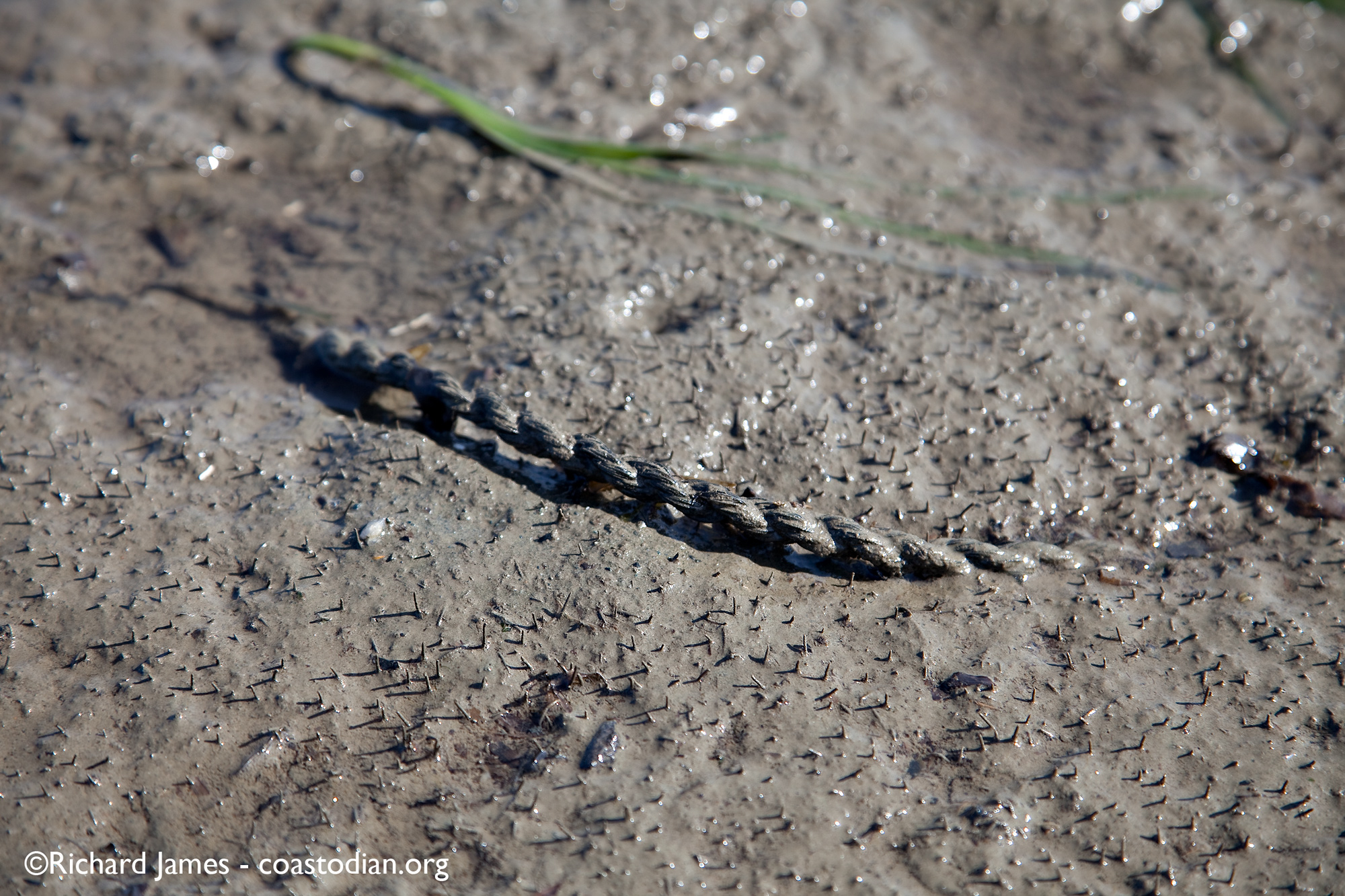
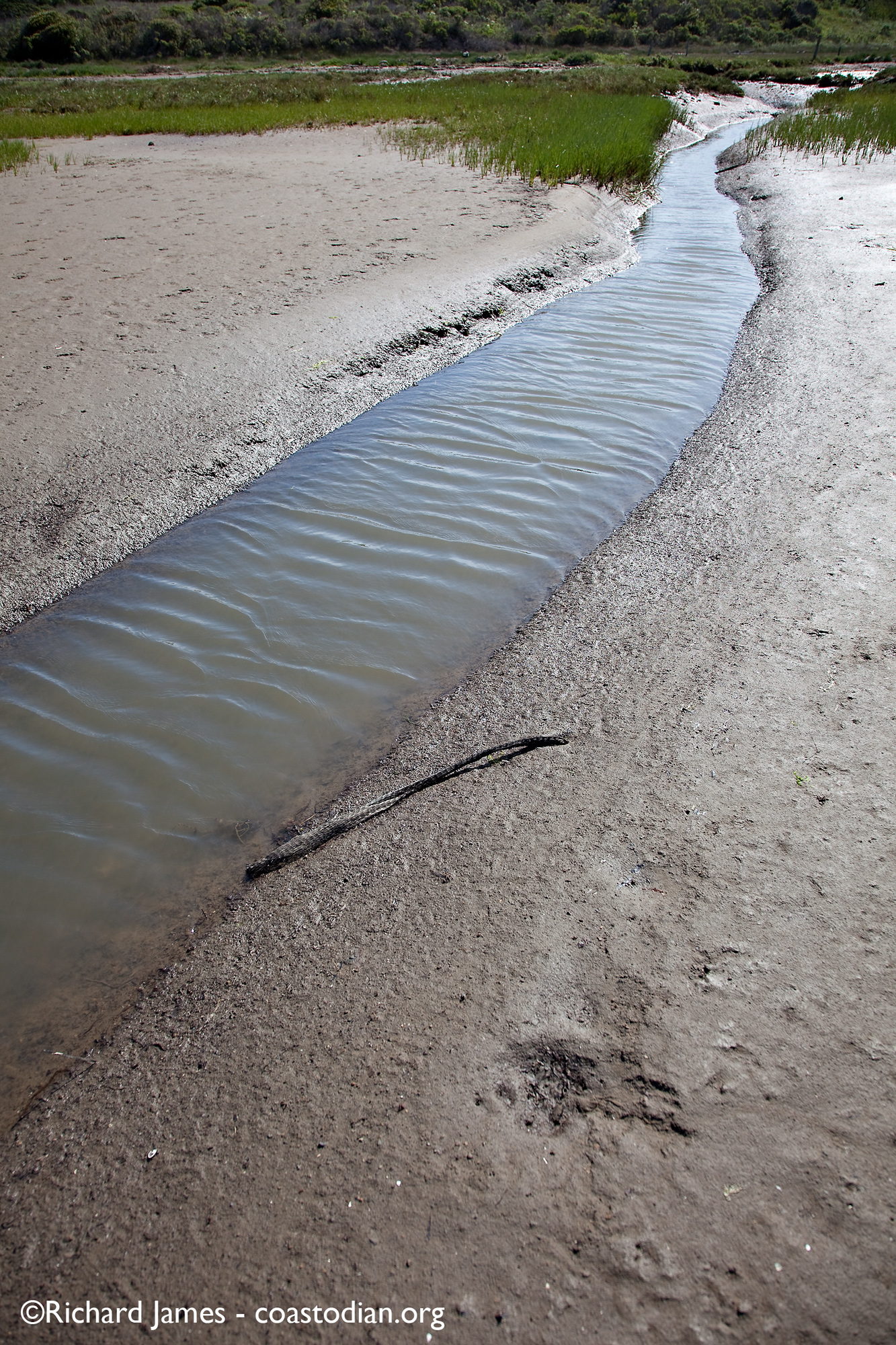
abandoned rope - Tomales Bay Oyster Company

abandoned rope – Tomales Bay Oyster Company

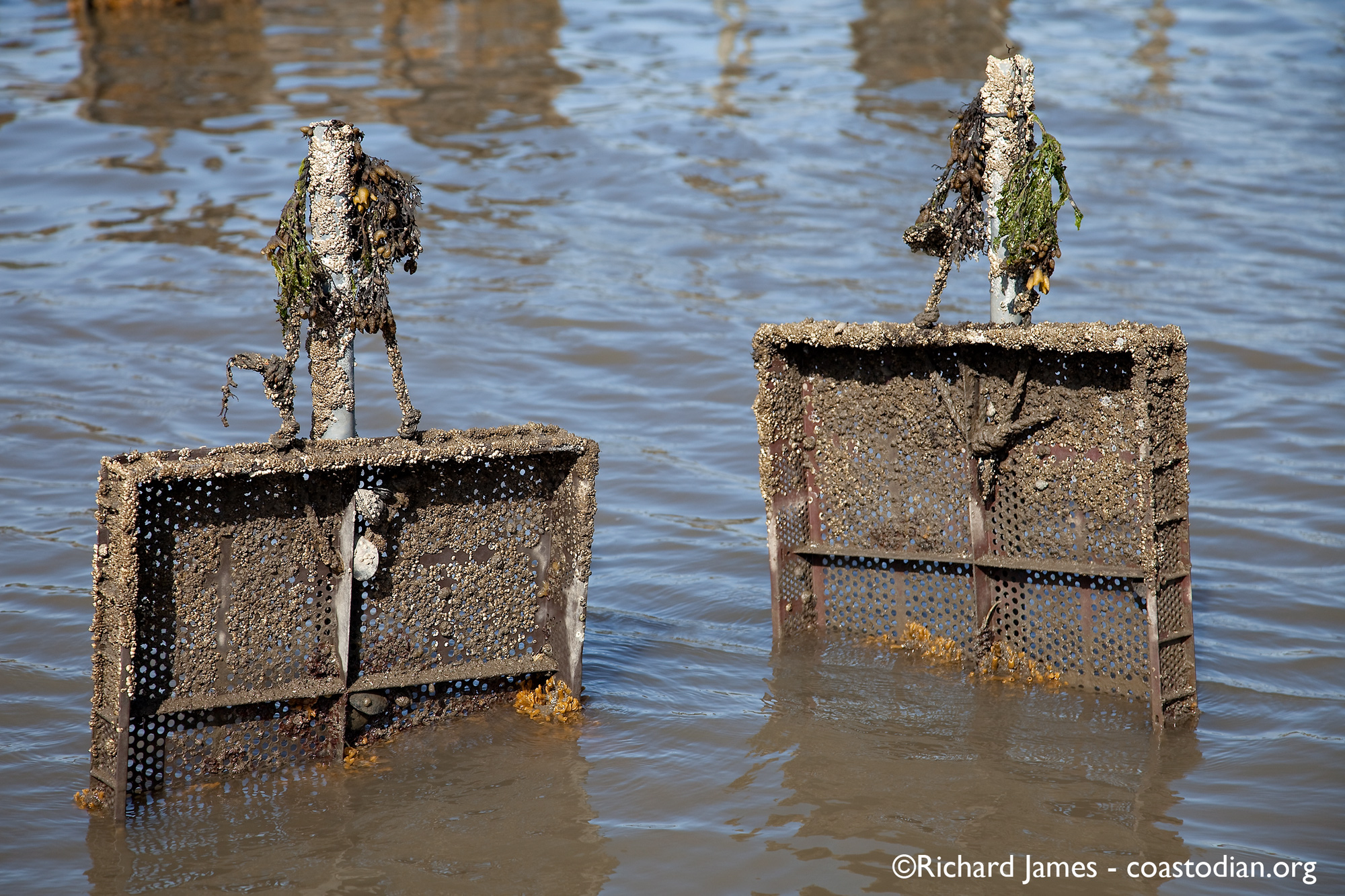
abandoned oyster rack mount covered with marine growth - Tomales Bay Oyster Company

abandoned oyster rack mount covered with marine growth – Tomales Bay Oyster Company

Click any image to see a huge version

abandoned oyster bags - Tomales Bay Oyster Company

abandoned oyster bags – Tomales Bay Oyster Company

abandoned oyster racks - Tomales Bay Oyster Company

abandoned oyster racks – Tomales Bay Oyster Company

Click any image to see a huge version

abandoned oyster racks - Tomales Bay Oyster Company

abandoned oyster racks – Tomales Bay Oyster Company

abandoned PVC pipes  - Tomales Bay Oyster Company

abandoned PVC pipes – Tomales Bay Oyster Company

Click any image to see a huge version

abandoned PVC pipes and in use grow out bags - Tomales Bay Oyster Company Looks like a hurricane hit a hardware store. If a hardware store looked like this, it would either get cleaned up, or go out of business. Hardware stores are easy to build. There is only one Tomales Bay. So.....clean it up, or go out of business!

abandoned PVC pipes and in use grow out bags – Tomales Bay Oyster Company
Looks like a hurricane hit a hardware store. If a hardware store looked like this, it would either get cleaned up, or go out of business.
Hardware stores are easy to build. There is only one Tomales Bay.
So…..clean it up, or go out of business!

abandoned PVC pipes and in use grow out bags - Tomales Bay Oyster Company

abandoned PVC pipes and in use grow out bags – Tomales Bay Oyster Company

Click any image to see a huge version

abandoned PVC pipes - Tomales Bay Oyster Company

abandoned PVC pipes – Tomales Bay Oyster Company

abandoned zip-ties - Tomales Bay Oyster Company

abandoned zip-ties – Tomales Bay Oyster Company

Click any image to see a huge version

abandoned oyster rack gear - Tomales Bay Oyster Company

abandoned oyster rack gear – Tomales Bay Oyster Company

abandoned oyster rack mount covered with marine growth - Tomales Bay Oyster Company

abandoned oyster rack mount covered with marine growth – Tomales Bay Oyster Company

Click any image to see a huge version

abandoned oyster rack mount covered with marine growth - Tomales Bay Oyster Company

abandoned oyster rack mount covered with marine growth – Tomales Bay Oyster Company

abandoned grow out bags, rope and PVC pipes - Tomales Bay Oyster Company

abandoned grow out bags, rope and PVC pipes – Tomales Bay Oyster Company

Click any image to see a huge version

abandoned grow out bags covered with marine growth - Tomales Bay Oyster Company

abandoned grow out bags covered with marine growth – Tomales Bay Oyster Company

abandoned grow out bags covered with marine growth - Tomales Bay Oyster Company

abandoned grow out bags covered with marine growth – Tomales Bay Oyster Company

Click any image to see a huge version

abandoned grow out bags covered with marine growth - Tomales Bay Oyster Company

abandoned grow out bags covered with marine growth – Tomales Bay Oyster Company

abandoned plastic trays - Tomales Bay Oyster Company

abandoned plastic trays – Tomales Bay Oyster Company

Click any image to see a huge version

abandoned plastic trays - Tomales Bay Oyster Company

abandoned plastic trays – Tomales Bay Oyster Company

abandoned plastic trays - Tomales Bay Oyster Company

abandoned plastic trays – Tomales Bay Oyster Company

Click any image to see a huge version

abandoned plastic trays - Tomales Bay Oyster Company

abandoned plastic trays – Tomales Bay Oyster Company

abandoned plastic trays - Tomales Bay Oyster Company

abandoned plastic trays – Tomales Bay Oyster Company

Click any image to see a huge version

abandoned plastic trays - Tomales Bay Oyster Company

abandoned plastic trays – Tomales Bay Oyster Company

abandoned oyster rack - Tomales Bay Oyster Company

abandoned oyster rack – Tomales Bay Oyster Company

Click any image to see a huge version

abandoned grow out bags covered with marine growth - Tomales Bay Oyster Company

abandoned grow out bags covered with marine growth – Tomales Bay Oyster Company

abandoned grow out bags covered with marine growth - Tomales Bay Oyster Company

abandoned grow out bags covered with marine growth – Tomales Bay Oyster Company

Click any image to see a huge version

abandoned grow out bags covered with marine growth - Tomales Bay Oyster Company

abandoned grow out bags covered with marine growth – Tomales Bay Oyster Company

abandoned grow out bags covered with marine growth - Tomales Bay Oyster Company

abandoned grow out bags covered with marine growth – Tomales Bay Oyster Company

Click any image to see a huge version

abandoned grow out bags covered with marine growth - Tomales Bay Oyster Company

abandoned grow out bags covered with marine growth – Tomales Bay Oyster Company

abandoned grow out bags covered with marine growth - Tomales Bay Oyster Company

abandoned grow out bags covered with marine growth – Tomales Bay Oyster Company

Click any image to see a huge version

abandoned grow out bags covered with marine growth - Tomales Bay Oyster Company

abandoned grow out bags covered with marine growth – Tomales Bay Oyster Company

retail oyster bag stuck in the mud - Tomales Bay Oyster Company

retail oyster bag stuck in the mud – Tomales Bay Oyster Company

Click any image to see a huge version

plastic rope by the miles lost each year in the mud - Tomales Bay Oyster Company

plastic rope by the miles lost each year in the mud – Tomales Bay Oyster Company

retail oyster bag stuck in the mud - Tomales Bay Oyster Company

retail oyster bag stuck in the mud – Tomales Bay Oyster Company

Click any image to see a huge version

retail oyster bag stuck in the mud - Tomales Bay Oyster Company

retail oyster bag stuck in the mud – Tomales Bay Oyster Company

.

Next related post may be found here.

Previous related post may be found here.

See the first post in this series “Save our Tomales Bay” here.
Save our Tomales Bay – part 14 Tomales Bay Oyster Company poised to improve business practices

Click the words “Save our Tomales Bay…” above to see this post in its entirety.

Saturday morning while walking the shore of the Bay picking up oyster farming debris just south of TBOC, as I have done for the past few months, something most interesting happened.

Two TBOC employees saw me with bag in hand heading south along the shore, stooping down to pick up the bazillionth discarded cable-tie (zip-tie, tie-wrap), they shouted at me in their accented english, “Hello mister, hey, hello, can we help you?”

Can they help me I thought to myself?

They sure can I thought to myself. I stopped and turned, waiting a few seconds as they jogged over to me.

You sure can help me.“, I offered.

You can stop leaving all the plastic garbage along this beach and all over Tomales Bay

They both looked a little confused.

Basura, mucho basura todas.” I offered in my simplistic spanish.

Porque basura siempre aqui?” [Why always trash here?]

I dug into my bag and showed them the handful of cable-ties, wire segments, oyster tags and rope I had collected.

Eric, I later learned his name, said “We do the best cleanup of the bay of all the oyster growers!

I chuckled a few times, shaking my head. “I’ll have to disagree with you there. I have cleaned up nearly this entire bay shoreline a couple times, and the area around TBOC is by far the messiest, covered with oyster trash.

I explained that I had been cleaning this shore near their operation for months, bagging what I’d found, and dating each bag, as well as photographing the hundreds of grow out bags I’d found nearby. These photos are up on the internet I told them.

They asked me if I’d talked to Todd about this. Yes was my reply, with little to show for our discussion.

After a little more discussion, I thanked them for their time, we shook hands and parted ways.

I continued walking south, picking up what I’d missed on the way north.

Not five minutes after the boys had left, I turned a corner of the shore and not two-hundred feet south was Todd Friend walking towards me, with a large stick in his hand.

Hmmm, this could get interesting, I thought to myself.

He saw me and then reached down to pull a large two by four out of the driftwood pile, abandoned oyster racks likely.

As we closed on one another, it became apparent that Todd was picking up trash as well.

In another minute we were upon each other and he said “Hello Richard.

Hello Todd.

We talked a bit about what I’d been finding, I showed him the contents of my bag, explaining this was a fraction of what I had usually found. He explained the likely source of each item.

The upshot of our conversation is that he agreed that TBOC had been leaving a mess and that they could do better.

I explained that if they did good things on the bay, I’d write good things about them. He looked me in the eye and said “Deal!

But, if you continue to do what you’ve been doing, I’ll continue to document that as well.

I asked about changing methods so that less gear was lost. I also asked if TBOC talked with other growers about best practices. He said not really, but a meeting of all the growers was coming up.

I shared a different way of attaching bags to the line used by a grower further north, the clips cost more, but they lose much fewer bags, so it actually costs less.

This is great news and I hope to hear more of their plans to reduce lost gear.

I’ll continue to record debris locations and offer maps to the growers. It would be great if they could use their boats to get to remote areas, then walk the shore to recover gear, as walking is the best way I have found to find lost gear.

A great morning indeed.


Next related post may be found here.

Previous related post may be found here.

See the first post in this series “Save our Tomales Bay” here.

Save our Tomales Bay – part 13.2 Hog Island Oysters gets it done!

Click the words “Save our Tomales Bay…” above to see this post in its entirety.

The folks up at Hog Island saw my recent going on about the bumper crop of tractor tires spoiling the beauty of Tomales Bay near Millerton Point.

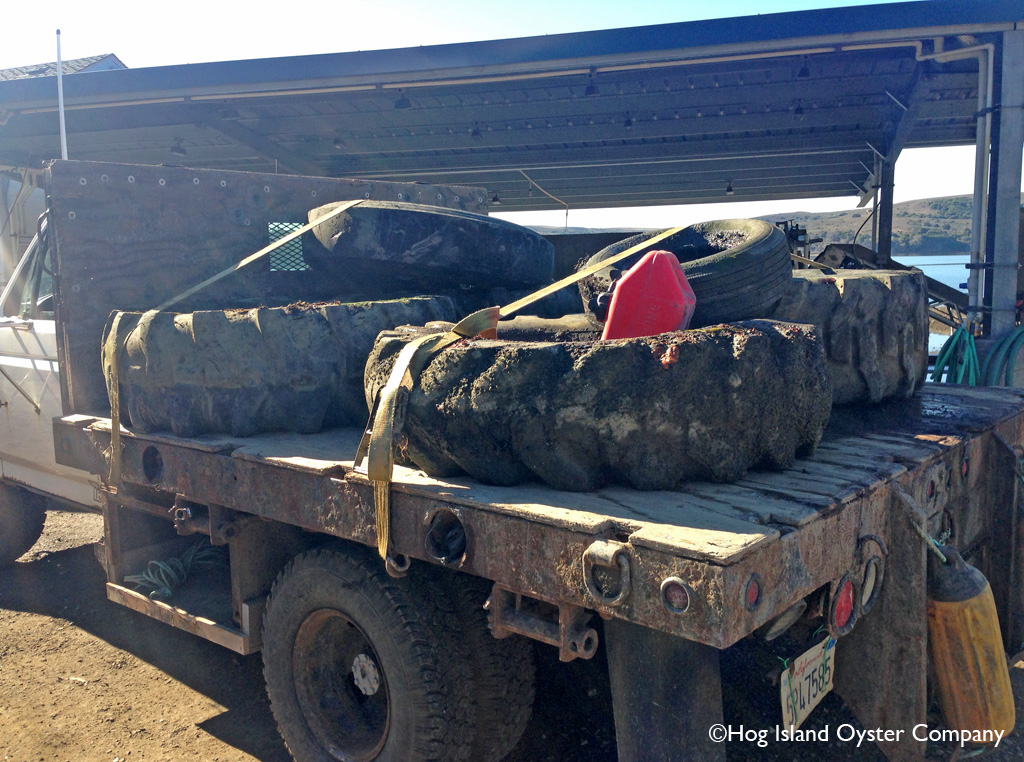
They went down this morning, Zane Finger and one other and pulled out 6 tires between them. 5 Big ones and 1 auto-sized tire.

See below what two experienced water-workers can get done in short order.

Two workers from Hog Island Oyster Company drove to Millerton Point on 20 January, 2014 and recovered six discarded tires from Tomales Bay. - - Bravo!

Two workers from Hog Island Oyster Company drove to Millerton Point on 20 January, 2014 and recovered six discarded tires from Tomales Bay.


Bravo!


Click image for a larger version

Huge thanks to Hog Island Oysters for coming down from Marshall to get these tires from a hopefully bygone era of thoughtless discarding of items no longer wanted.

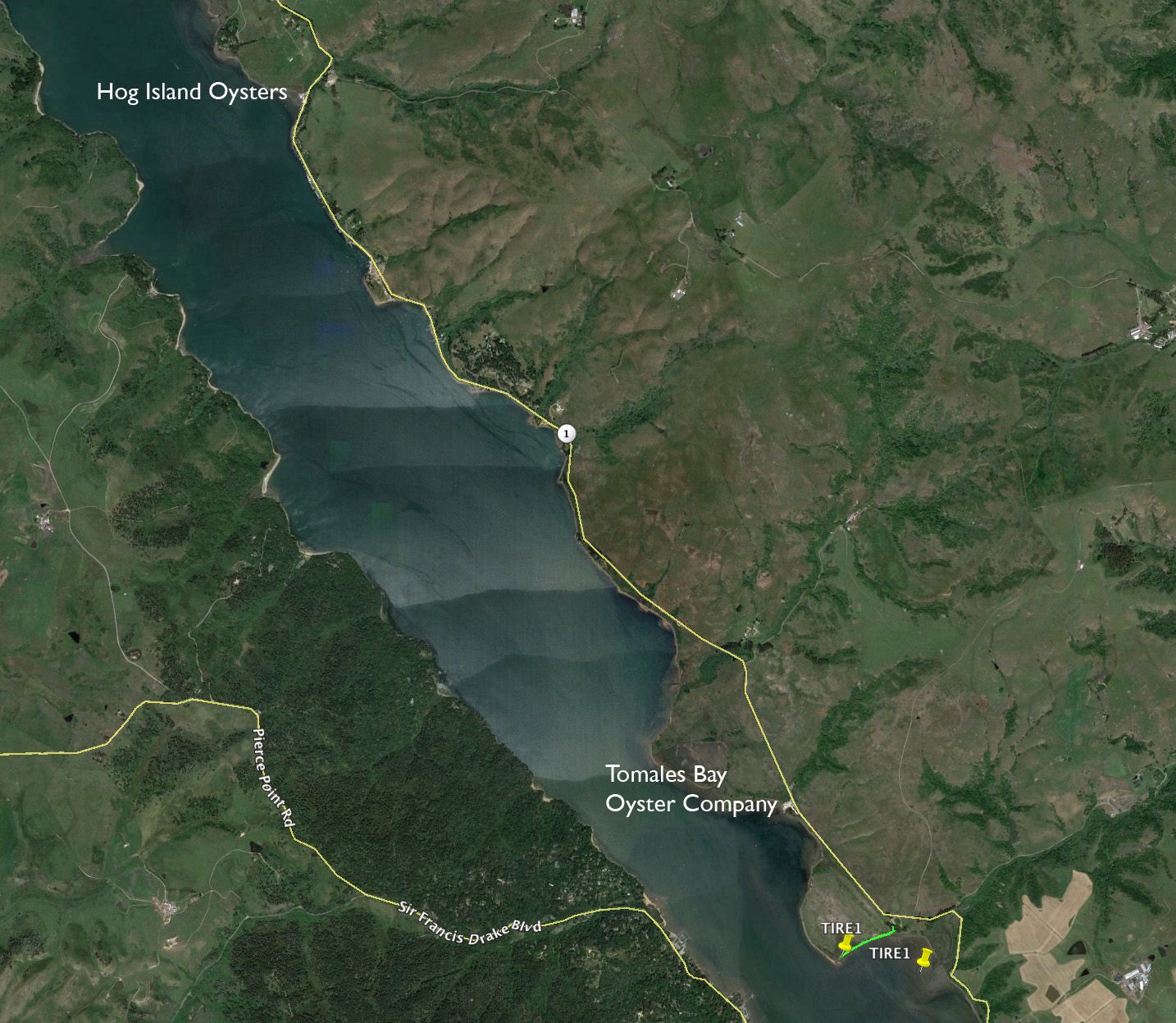
Lower right of this image shows where I attached the floats (yellow pin to the right) and where it drifted with the high tide the next morning a third of a mile away. - - Kudos to Hog Island Oysters for taking a leadership role in cleaning up their oyster debris, as well as the errant trash of others.

Lower right of this image shows where I attached the floats (yellow pin to the right) and where it drifted with the high tide the next morning a third of a mile away.


Kudos to Hog Island Oysters for taking a leadership role in cleaning up their oyster debris, as well as the errant trash of others.


Click image for a larger version

See the short video below for how much work it is for one less experienced water worker to get 1 large tire out of Tomales Bay.


Next installment of this series may be found here.

See the first post in this series “Save our Tomales Bay” here.

Save our Tomales Bay – part 13 (Tractor tires)

Click on the words “DBOC Denied. Nature Affirmed!” to see this post in its entirety.

Seeing tires in Tomales Bay makes me sad. Seeing them in any body of water makes me sad. That humans can be so selfish to think it is ok to dispose of their trash in our collective treasures such as Tomales Bay is deeply troubling.

After posting about pulling four tires out of the muck (with some help, TYVM), I received some notes from readers. One from a person that works to eradicate non-native plants from our waterways. She told of seeing untold amounts of trash in SF Bay as she does her work. Another from someone that works in San Rafael and wanted to know of any tips I had for pulling tires from the muck. My tire knowledge is all learned on the job.

Pull up a chair and see my latest idea.

Not far from the most recent tires I recovered (read about that here), I found 8 more strewn about the landscape. Most of them in the muck of the bay, some close to shore. All huge tractor tires, bigger than those found on an 18-wheeler.

I did not want to wrestle those out of the mud, to the shore and up the hill to where park officials could take over to get them to a more suitable place.

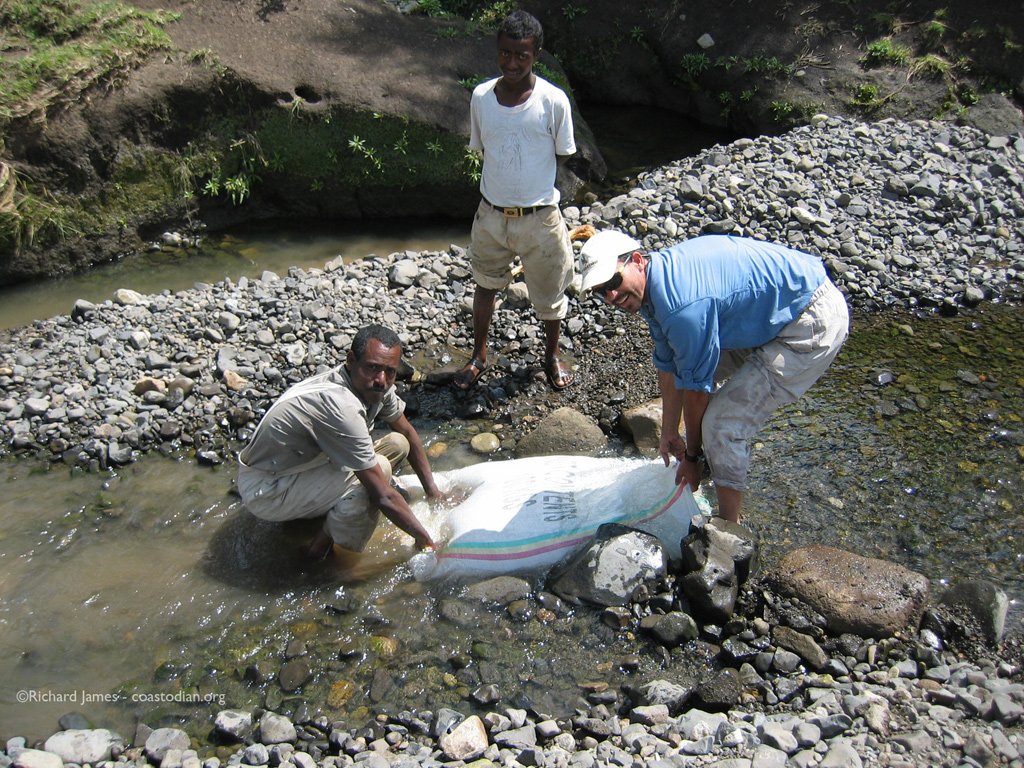
After some thought, I was reminded of my time building foot-bridges in Ethiopia. We had to use what we found on site in the form of sand, water and rocks when we mixed concrete for foundations. The sand was usually dug out of the river we were bridging. Yet, it was very muddy, and muddy sand makes for weak concrete. So we had to wash it.


Click image for a larger version

Two women washing river sand in buckets. We mixed concrete on site with hand cracked gravel, locally hewn rocks, river water and cement that was trucked in and hand-carried to the work site. Keranyo, Addis Ababa

Two women washing river sand in buckets. We mixed concrete on site with hand cracked gravel, locally hewn rocks, river water and cement that was trucked in and hand-carried to the work site. Keranyo, Addis Ababa


Click image for a larger version

Two women washing river sand in buckets. We mixed concrete on site with hand cracked gravel, locally hewn rocks, river water and cement that was trucked in and hand-carried to the work site. Keranyo, Addis Ababa

Two women washing river sand in buckets. We mixed concrete on site with hand cracked gravel, locally hewn rocks, river water and cement that was trucked in and hand-carried to the work site. Keranyo, Addis Ababa


With two languages (English and Amharic) as a barrier, explaining the need to wash the sand was quite a task. Initially the locals were moving the sand to an area, washing it, then moving it to where we mixed it with gravel. Very inefficient.

After doing it the hard way for too long, I came upon an idea to reduce movement of dirty sand and wash it in place, in the river. I later had someone make some teaching aids in Amharic, one of them read “Let the water do the work“.


Click image for a larger version

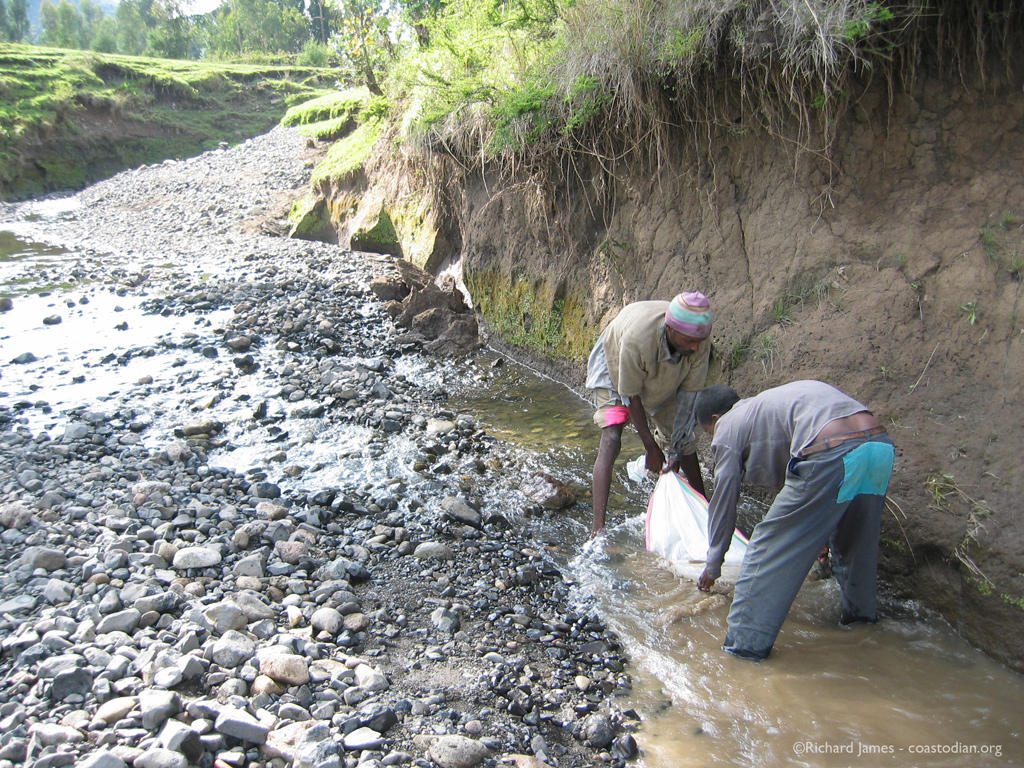
Ethiopians washing a bag of sand in the river. When heavy rains come, this trickle turns to a torrent. Many lives are lost attempting to cross to get to school, market, clinic. Marye, Ethiopia.

Ethiopians washing a bag of sand in the river. When heavy rains come, this trickle turns to a torrent. Many lives are lost attempting to cross to get to school, market, clinic. Marye, Ethiopia.


Click image for a larger version

Ethiopians (and one yank) washing a bag of sand in the river. When heavy rains come, this trickle turns to a torrent. Many lives are lost attempting to cross to get to school, market, clinic. Marye, Ethiopia.

Ethiopians (and one yank) washing a bag of sand in the river. When heavy rains come, this trickle turns to a torrent. Many lives are lost attempting to cross to get to school, market, clinic. Marye, Ethiopia.


Click image for a larger version

Ethiopians washing a bag of sand in the river. When heavy rains come, this trickle turns to a torrent. Many lives are lost attempting to cross to get to school, market, clinic. Marye, Ethiopia.

Ethiopians washing a bag of sand in the river. When heavy rains come, this trickle turns to a torrent. Many lives are lost attempting to cross to get to school, market, clinic. Marye, Ethiopia.

With these memories in mind, I had an idea to let the water do the work with these tires.

I collected 4 large plastic fishing floats I had gathered off the outside beaches of Point Reyes, crab fishing rope from the same area, and a plastic trowel, again collected from the beach.

Along with these items I packed into a dry bag a portable electric drill, 4 batteries (my drill is old and the batteries don’t hold much charge), a 1/2 inch bit, a headlamp, towels, gloves and a knife.

With all of the above stowed in or on my scow (what I call my kayak), I paddled over to Millerton Point as both sun and tide were dropping.

Two tires came into view and I picked one to test my idea on. After carrying my tools across squishy, sticky mud to the tire, I walked back 100 feet to my scow and pulled it further away into deeper water to tie to a post from an old oyster fence. Having learned the hard way doing work during a dropping tide, I knew if I left my boat near the work-site, I’d be dragging it a hundred yards or more to water deep enough to float.


Click image for a larger version

IMG_1196.cc.cw


Click image for a larger version

IMG_1197.cc.cw

Using the drill, I bored two holes in four locations and secured the floats to the tire.

With my found trowel and bare hands, I then scooped probably 70 pounds of horribly stinky mud out of the tire to help it float. You can see some of the mud in the foreground of the last image with the floats attached.


Click image for a larger version

IMG_1206.cc.cw


I’ve no idea if these four floats will float the tire and allow it to be brought to an area for extraction.

I hope the water will do the work and will go out tomorrow to see if the tides pushed this test tire away from where it has likely sat for many years.

If you want to see some bridge building, go here to visit the website of the NGO I volunteered with.

.

Next related post may be found here.

Previous related post may be found here.

See the first post in this series “Save our Tomales Bay” here.
Save our Tomales Bay – part 12 (Millerton style)

Click on the words above “Save our Tomales Bay…” to see this post as it was meant to be seen.

This past weekend we experienced King Tides, exceptionally high (and low) tides that happen this time of year.

To see some even higher tides, go here.

The water was so high I was able to launch my boat from the bridge at Chicken Ranch.

My goal was to head south into some formerly diked off areas to the east that only flood deep enough to get into during high tides. With the added benefit of the high water floating all the human-made plastic for easy finding and retrieval.

Down near Bivalve I recovered a second swim area buoy that had gotten loose and drifted far from its’ usual spot. I found the first one last year, a few hundred meters south of this one.

Paddling back I ran into Dan from Sebastopol, we’d met a few weeks prior a bit north of here. We visited briefly as we recounted how we each enjoyed the high tides. I had to split off to pick up some trash I had cached. Dan was with a large group of paddlers from Petaluma. My plan was to pick up my cache, then stop by Millerton (where they had put in) and visit on my way back as they pulled their boats to the car. As we parted, Dan shouted that he found another duck decoy just then. He found one as well on our first meeting. I too have a pair of found plastic ducks, one pintail and one mallard.
Yet, there was too much trash to pick up and I missed him by moments.

I still stopped at Millerton, a place I had not visited on the water in all my travels in Tomales Bay.

As I approached the shore I began counting tires, one, two three. Large ones. Tractor tires. All within 200 feet of the where the trail hits the water. I was nonplused. All these years I had been out to remote areas of Point Reyes Seashore gathering trash likely never to be seen except by divers or other intrepid adventurers, and here these tires lay in the mud. On the shore for what appears to be decades by the looks of them, not 200 feet from the cars bringing all the dog owners to this busy beach.

I may have missed Dan, I was not going to miss the opportunity to clear the Bay of these huge tires.

Tires all over the shore, and this in the parking lot, two days running. Is this status quo for Millerton?

Tires all over the shore, and this in the parking lot, two days running.
Is this status quo for Millerton?

I had to dig them out of the mud, stand them up, scoop 20-30 pounds of mud out of them and roll them to the hill that leads to the parking lot. As I rolled the first one along the bumpy shore, A man out with his family picnicking got up and walked over to me,

“Do you need some help?” he asked.

“That would be great” was my reply.

“But you are going to get very muddy.” I offered.

“No problem.” was Armando’s response.

Together we rolled it, wobbly, up the hill. He took it the rest of the way to the parking lot. I was off to get another.

“If you get more, my sons and I can help.”

Armando from Berkeley told me he loves to come to this beach with his family. When he saw me struggling with the huge tire, he became inspired.

He and I rolled a second tire, as big as the first up to the lot. I was not sure I was up to a third so I suggested he enjoy the new year day with his family and thanked him for his help.

As I neared my boat, I was drawn to a third tire, laying in the shallow water, filled with mud. This one required a lever and fulcrum to pull it out of the mud. Fiddling with sticks and logs to make my mechanical advantage, Kevin “KC” form Inverness Park saw me and he too asked if he could help. He was dressed even nicer than Armando was. I explained the mud and he would not be deterred. He stripped off his jacket and came right over to help. Together we got another large tire up the hill and out of the Bay.

His wife snapped these photos of us.

KC and I roll a tractor tire out of Tomales Bay to the parking lot for removal.

KC and I roll a tractor tire out of Tomales Bay to the parking lot for removal.


20140101_151009


Afterwards he then offered me a cold beer (which I gladly accepted) and he opened it for me, as my hands were still coated with thick black mud, bleeding profusely from where the barnacles had sliced them.

Thank you KC.

I plucked a fourth tire, this one a tiny 18-wheeler that was on dry ground and rolled it up the hill solo.

This makes fifteen tires pulled from the bay so far.

There are still at least 2-3 more here, as well as a large rear axle from some ancient vehicle of some sort laying in the tiny creek nearby.

I placed the swim buoy in with them. Later I called the state dispatcher for parks and the folks from Samuel Taylor had them taken care of by that evening.

This six cylinder GM engine in the water earlier sure looked out of place. Clearly left by some lazy SOB that had backed his truck up to the cliff next to route 1 and pushed it over, saving a trip over the hill to the recycler. His problem was now everyone’s problem. This is the third block I have found in Tomales Bay. The other two are likely remnants of boat wrecks, both on the west shore.

Just what every body of water needs - NOT.

Just what every body of water needs – NOT.


Oyster grow-out bag filled with bottles and cans. My first toaster and fourth TV.

Oyster grow-out bag filled with bottles and cans. My first toaster and fourth TV.


Four tires, a buoy and two oyster grow-out bags.

Four tires, a buoy and two oyster grow-out bags.

A few days later I paid a visit to Hog Island Oysters, having been invited to come talk about my clean-up efforts and the goals of Hog Island in terms of reducing the amount of plastic the oyster farms inject into the environment.

John Finger explained that in the past, a yearly cleanup had taken place to pick up oyster gear from around the bay.

Hog Island is committed to running a clean operation, reducing plastic loss and recovering as much as possible that is lost.

After seeing what I was digging out of the wrack on a regular basis, he decided that once a year was not enough. So he plans to work with the other growers to make a concerted effort four times per year. If I can, I’ll go out before the planned cleanup to see what is there to get, as well as to visit after the cleanup to see if the participants are actually recovering their gear.

I am going to reduce the number of “Save our Tomales Bay” reports for a while. A wait and see approach, if you will.

Let us hope that all the Tomales Bay Oyster growers step up and help manage the mess that their operations are creating, hopefully figuring out how to prevent the mess in the first place.

I’ll still be out there picking up stuff and photographing it.

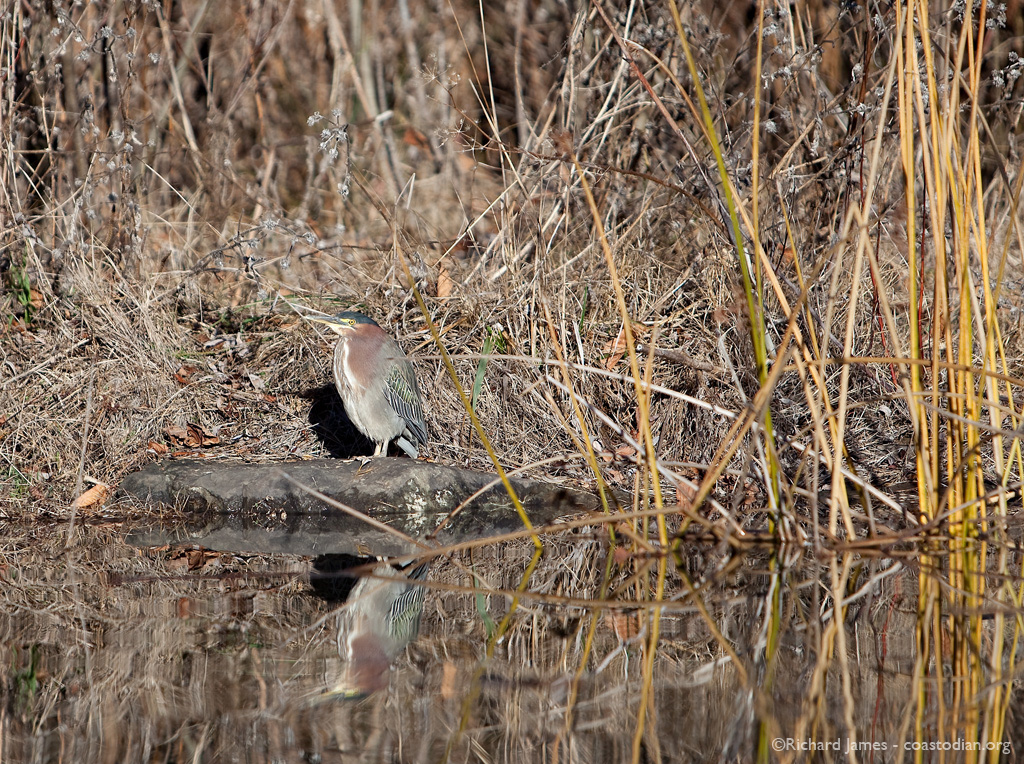
In the meantime, enjoy this green heron I drifted by on christmas day.

IMG_7066.crop.cc.cw

IMG_7066.crop2.cc.cw

IMG_7076.crop.cc.cw

Now this is what I expect to see in a Bay as gorgeous as Tomales!

Coming soon, we’ll pay a visit to Drakes Estero to see what a “sustainable oyster operation” looks like under the surface.

.

Next related post may be found here.

Previous related post may be found here.

See the first post in this series “Save our Tomales Bay” here.