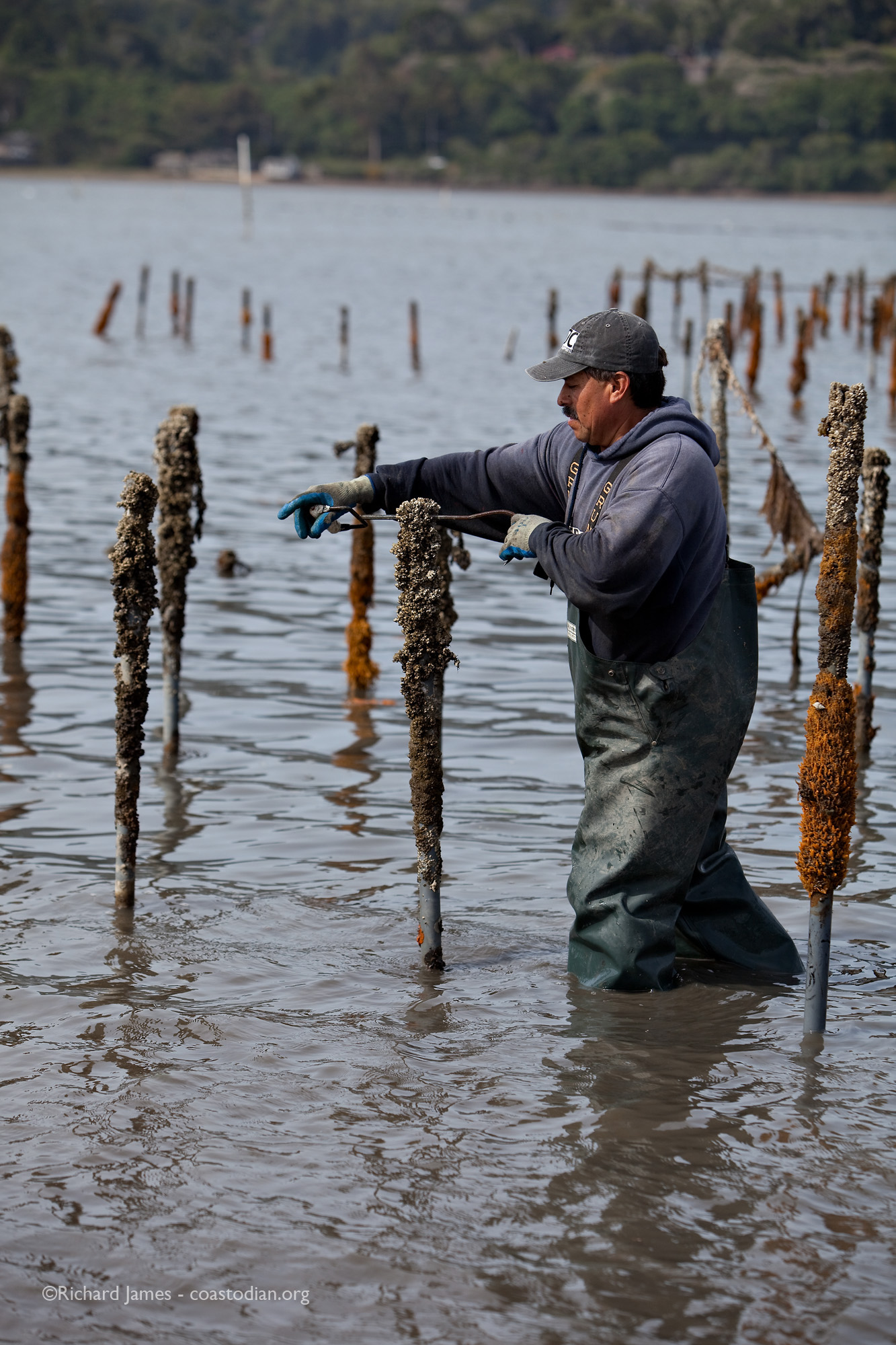
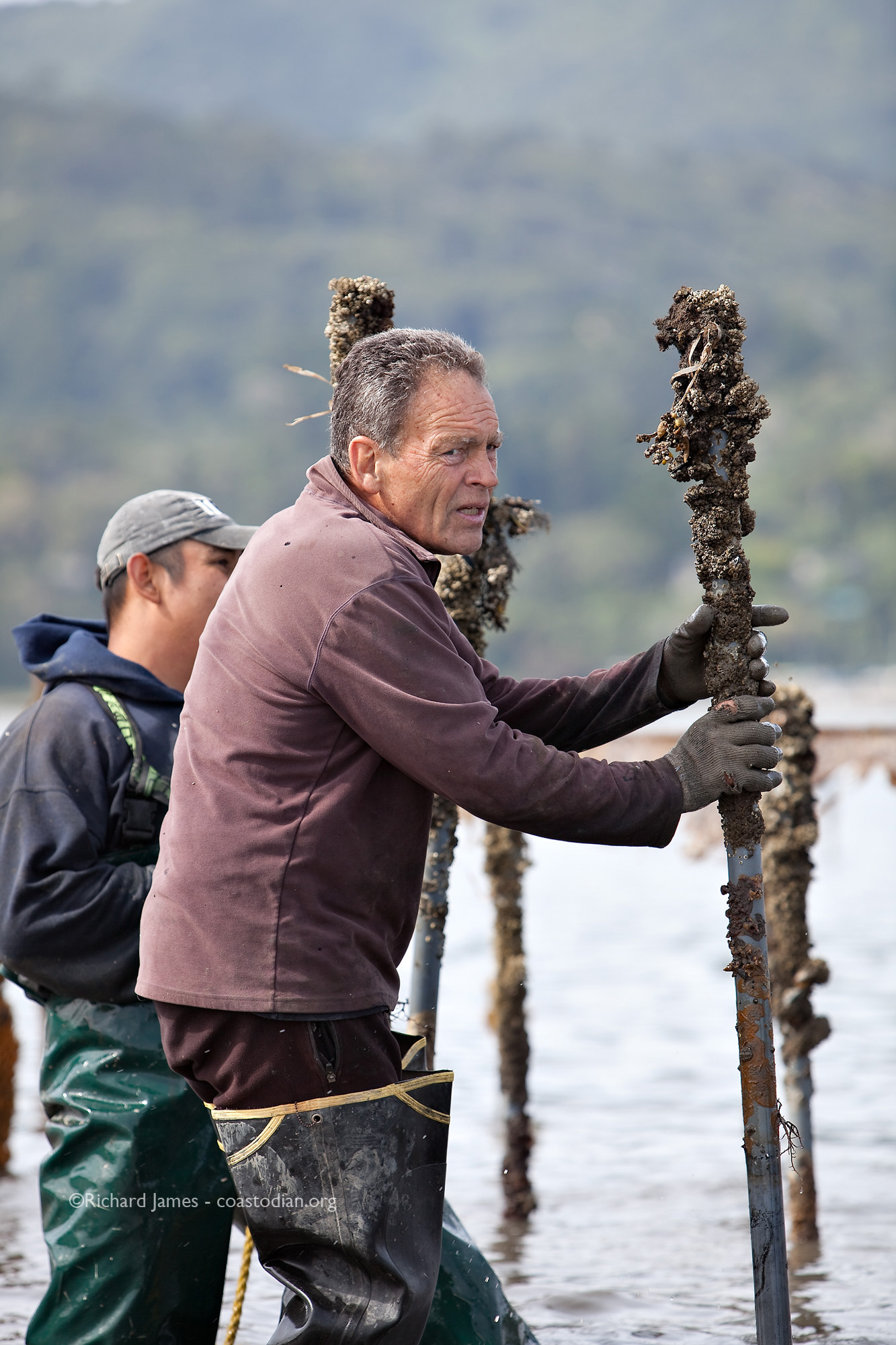
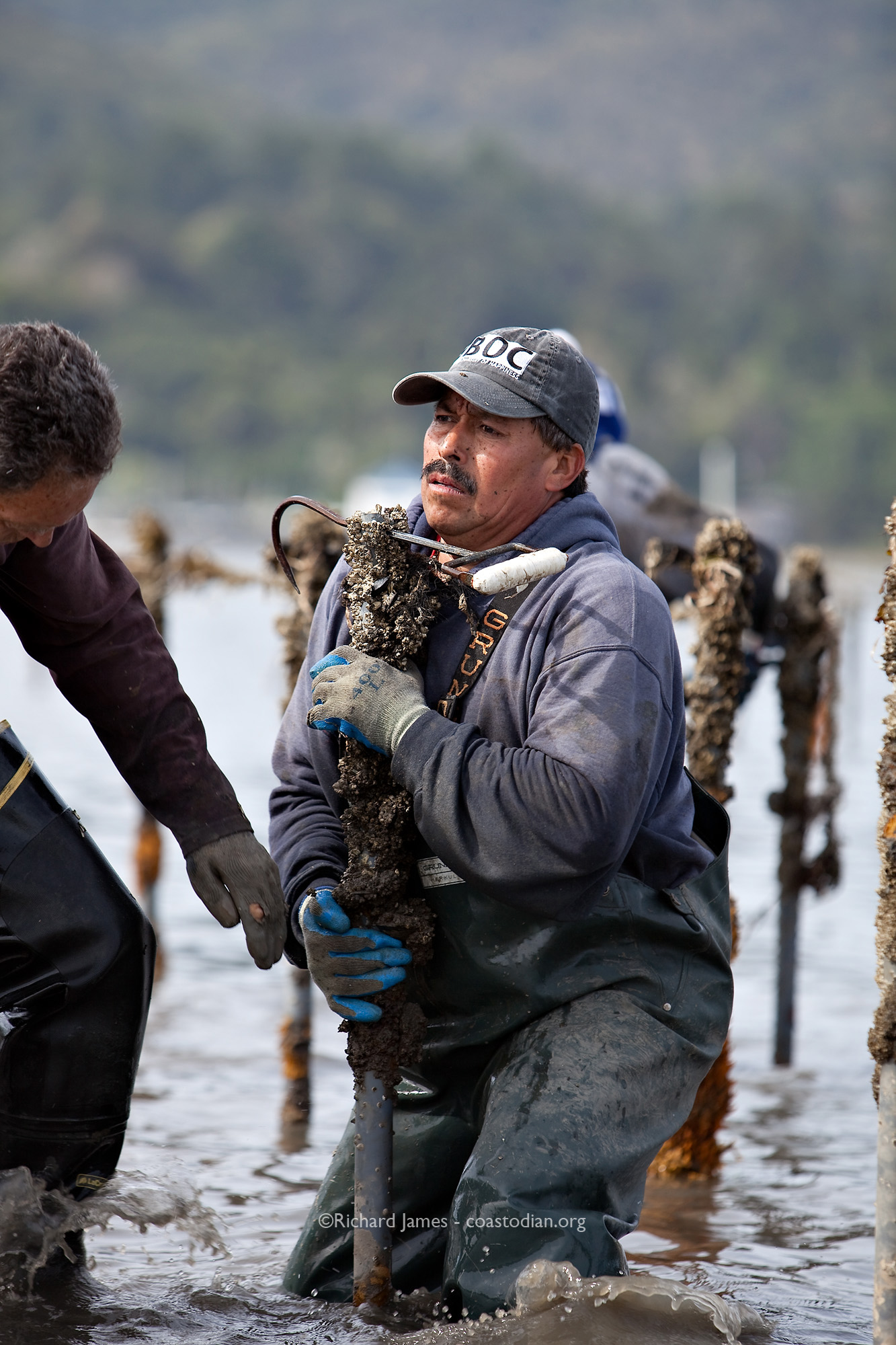
Sustainable Oyster Farming, West Marin Style – part 7 Stewardship in Home Bay

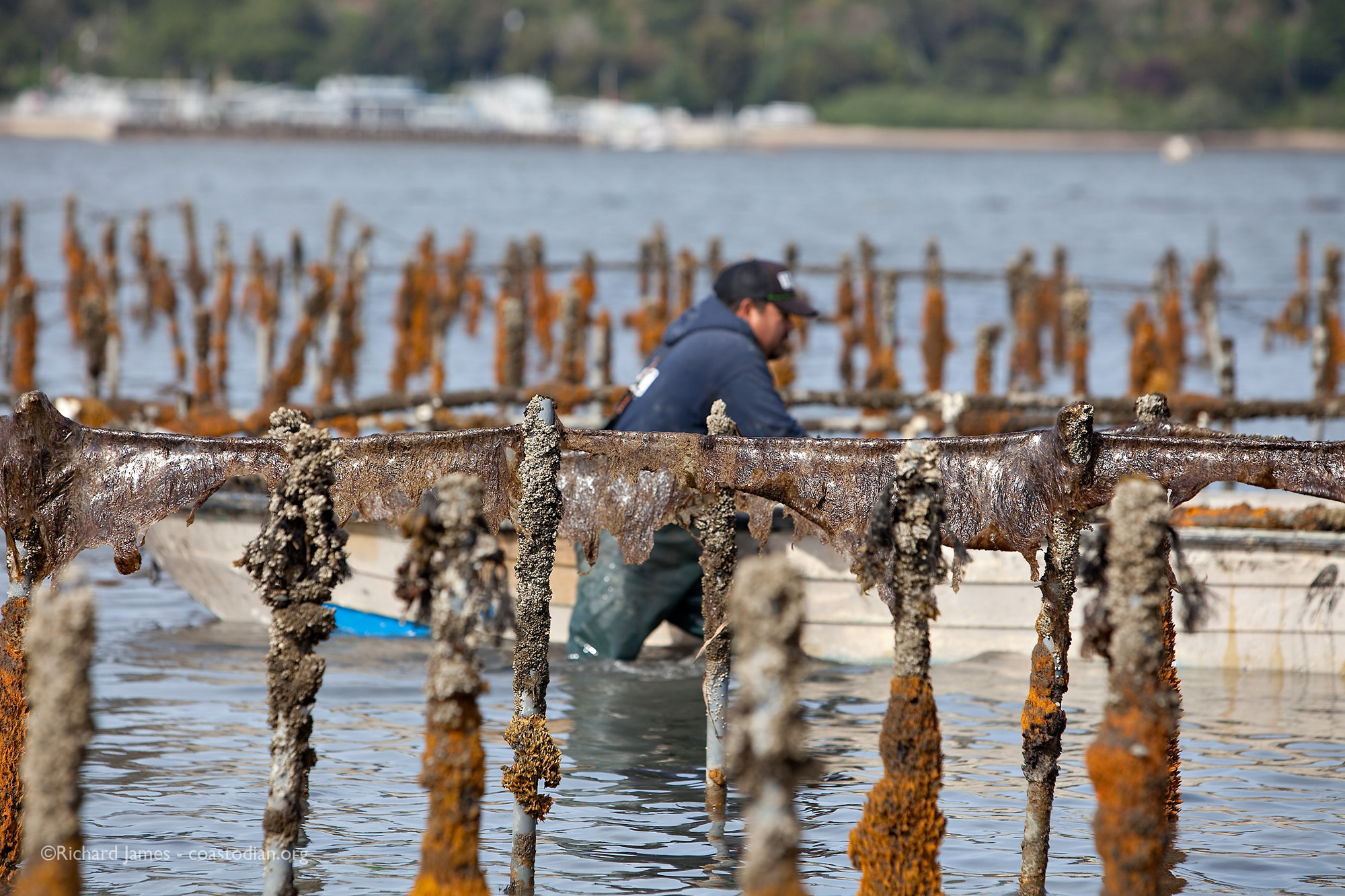
Click the words above “Sustainable Oyster Farming…” to see this entire post. In particular, the banner image that shows two of the miles of racks in Drakes Estero, upon which I have placed several plastic bags filled with oyster shells that I found on the bottom, directly below the where they sit in this image.

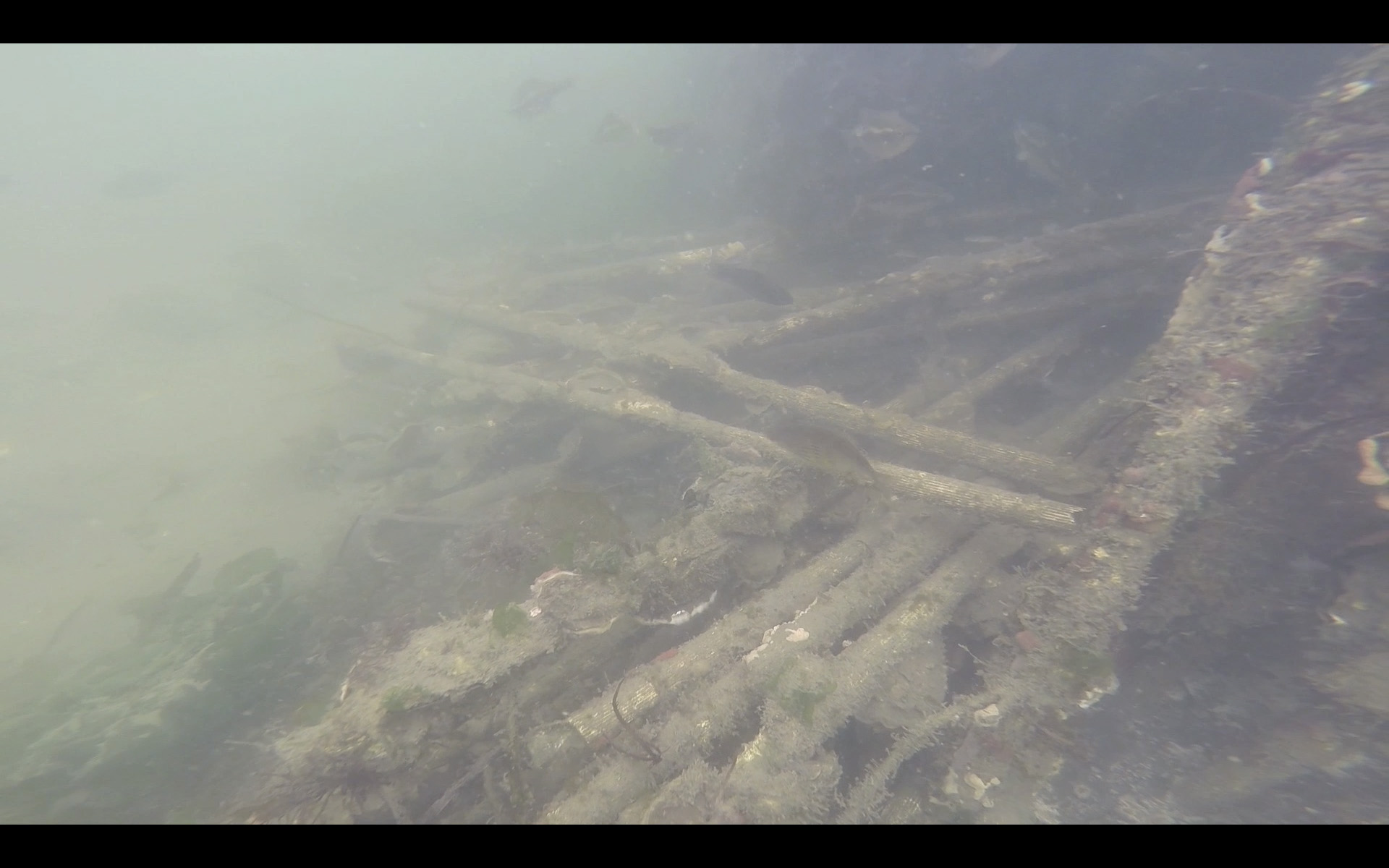
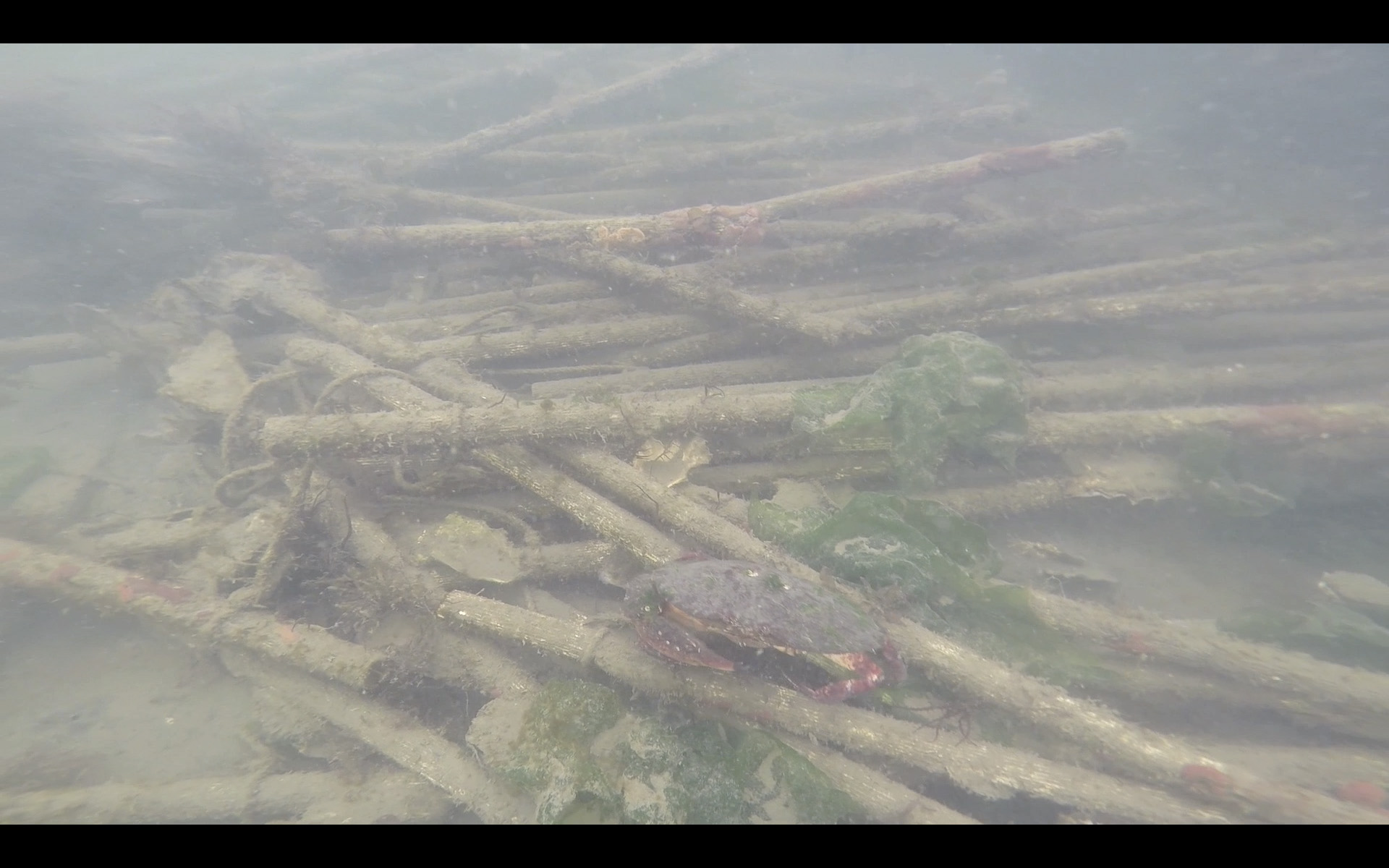
Earlier this month I spent a few hours recording the mess left behind by DBOC under the oyster racks in Home Bay.

No surprises, simply more of the same disgraceful mess left behind by a firm that repeatedly touted itself as a steward of the land, with deep respect for the waters of The Estero.

Below is three brief minutes from hours of video I recorded.

Be sure to click the small rectangular icon in the lower right corner of the video window so you can see this HD footage fill up your screen. That way you’ll have a better idea of how the floor of Drakes Estero is filled with the remnants of a farce, foisted on us all as the model of sustainable farming.


See the next post in this series here

Sustainable Oyster Farming, West Marin Style – You think you’re doing something good….

Click on the words above “Sustainable Oyster Farming, West Marin Style ….” to see this entire post.

Lately I’ve been boating and diving various areas of Drakes Estero in order to get a handle on how enormous of a mess is being left by Drakes Bay Oyster Company. I assure you, it is a disaster out there. For them to suggest that the cleanup cost would be only $10,000 (which they did, more than once), is one mighty big whopper!

After diving under 8 long racks today, over one half mile of lineal rack space, I put up my sail and let the wind drive me back to the put in near the oyster processing facility.

As I pulled my boat out of the water, the manager of DBOC approached me, saying she had a couple questions she’d like to ask me. I said sure.

“We’ve been trying to figure out who is putting the tubes [french tubes] up on top of the racks.”

“That would likely be me.” I replied

“Well, there are live oysters on those tubes, and when you do that, it kills the oysters.”

“The tubes I’ve placed on the racks are from the mud on the bottom of The Estero.”

“We don’t want you to do that. We are still harvesting oysters, and that is like stealing from us.”

“Those oysters have been abandoned on the bottom of The Estero, they are not on the racks. I’m cleaning up the mess out there that you folks refuse to clean up.”

“What you are doing would be like me taking your boat and putting it in my car,” she said to me.

I will digress for a moment to correct her remark, given all that has transpired over the past almost two years.

She thinks that my picking up the mess that DBOC has been leaving in Drakes Estero for the past six and a half years or so, is like her stealing my kayak.

Sure, that is correct, if:

1 I signed a contract with a landlord to lease a place to store my kayak and was told that after 7 years, I could no longer store my kayak there.

2 During the lease, I enlisted the help of all manner of politicians, lobbyists and other groups to put pressure on the landlord to extend my lease.

3 At the end of my lease, the “home-owners association” that my landlord belonged to told me my lease would not be extended.

4 I sued the landlord and HOA. The court hearing the case rejected my claim.

5 I appealed my case to a higher court, they too, rejected my case.

6 I appealed my case to the entire bench of said higher court, they rejected my claim.

7 I appealed my claim to the Supreme Court of the United States, they refused to hear my case.

8 Lots of my buddies sued on my behalf, trying to get my lease to store my kayak extended. That case was tossed out, my buddies were scolded.

9 For the nearly 2 years I was fighting against the lease I signed, I continued to store my kayak, yet did not pay rent. And I earned income renting out my kayak to others.

And then, I ran my kayak through a shredder and left all the pieces scattered about the place I had leased.

Yeah, I can see how my picking up the abandoned mess left by DBOC is just like her stealing my kayak.

Now back to the conclusion of our exchange today…

“I’ll stop placing tubes on top of the racks”, I said.

“Are you going to pick up all the live oysters from off the bottom?” I asked her.

“We are still harvesting oysters and will continue to do so.”

“You didn’t answer my question. Are you going to pick up all the live oysters off the bottom of The Estero?”

“We are going to keep harvesting until they kick us out. After December 31, you can do whatever you want.”

“You still haven’t answered my question. I’m gonna stop placing french tubes on top of the racks, are you going to pick up all the live oysters off the bottom of The Estero?” I asked for a third time.

“Yes we will.”

Great! Then I won’t have to pick them up.

Her last words to me were, “You seem to think you are doing something good out there.”

Later, I thought to myself, “yeah, I’m showing some respect to Drakes Estero, something DBOC is good at talking about, and not so good at actually doing.

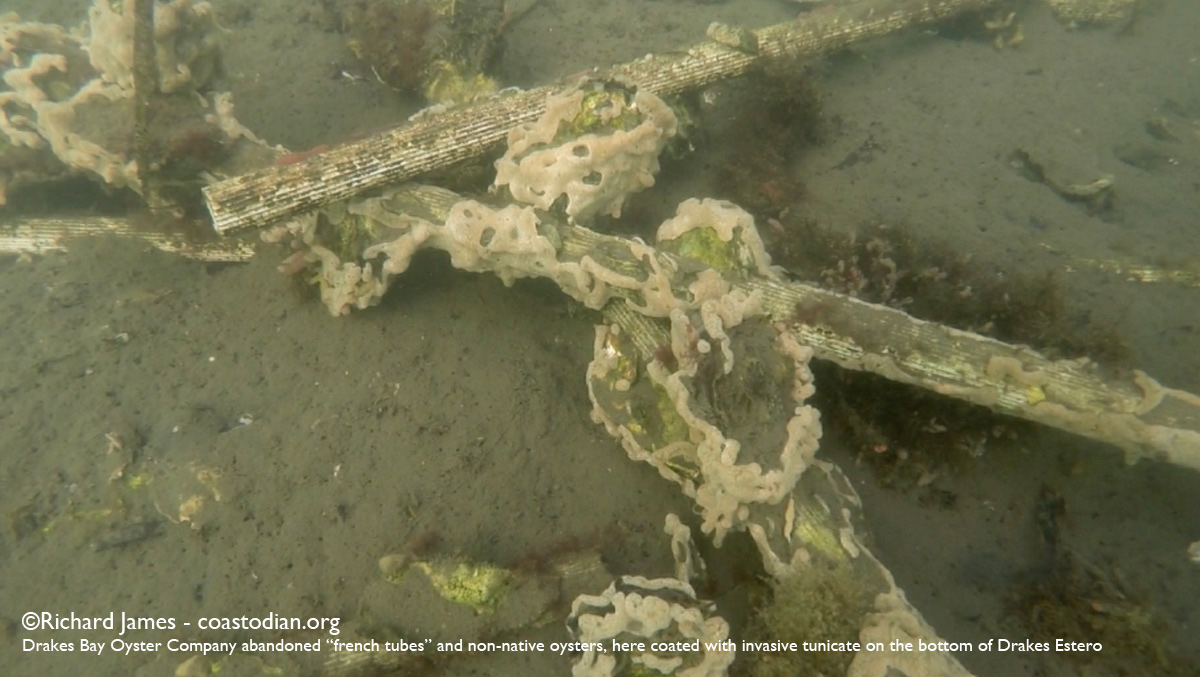
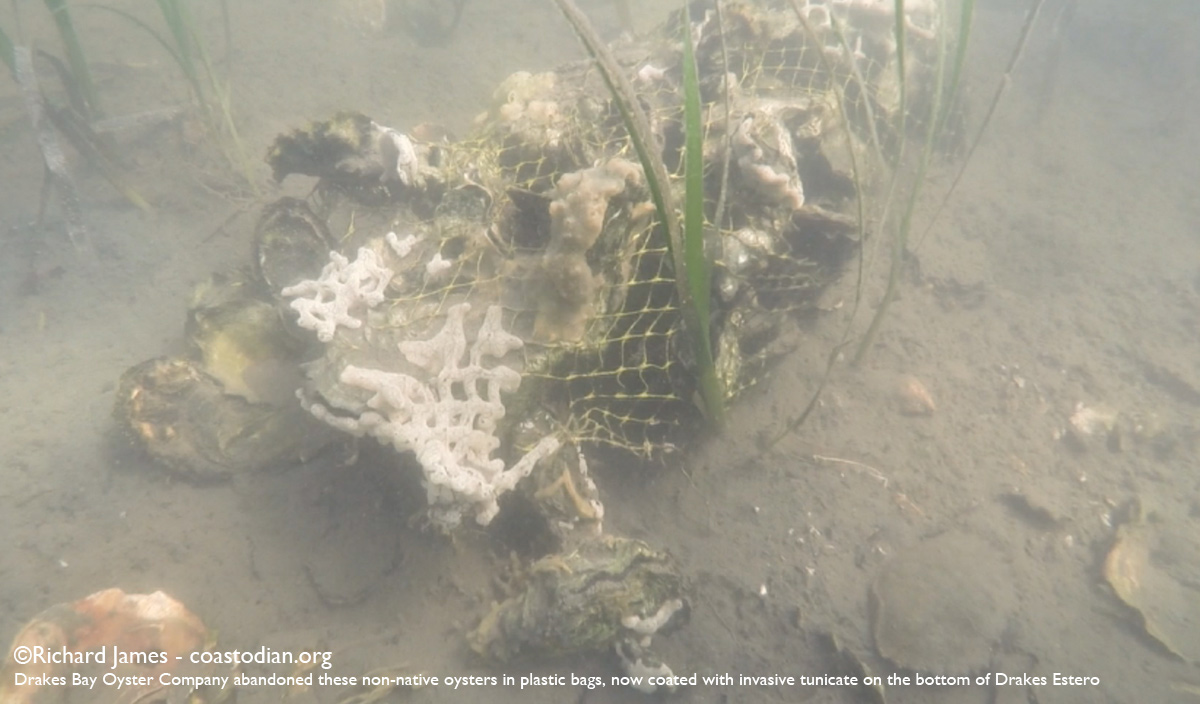
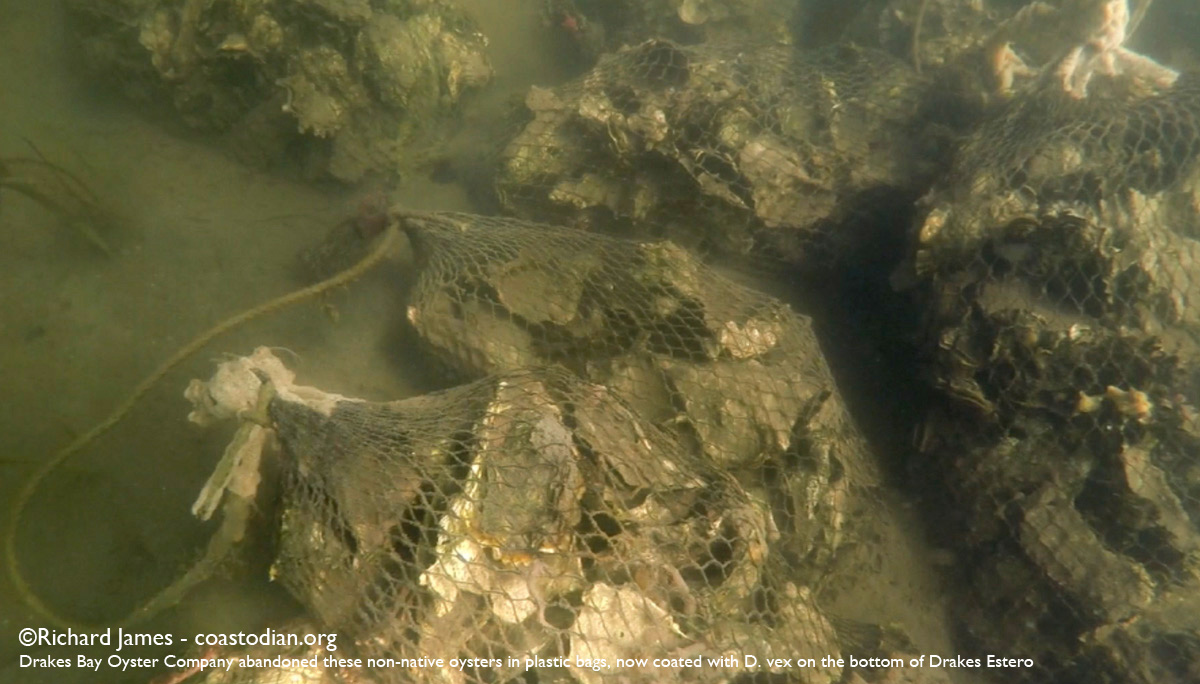
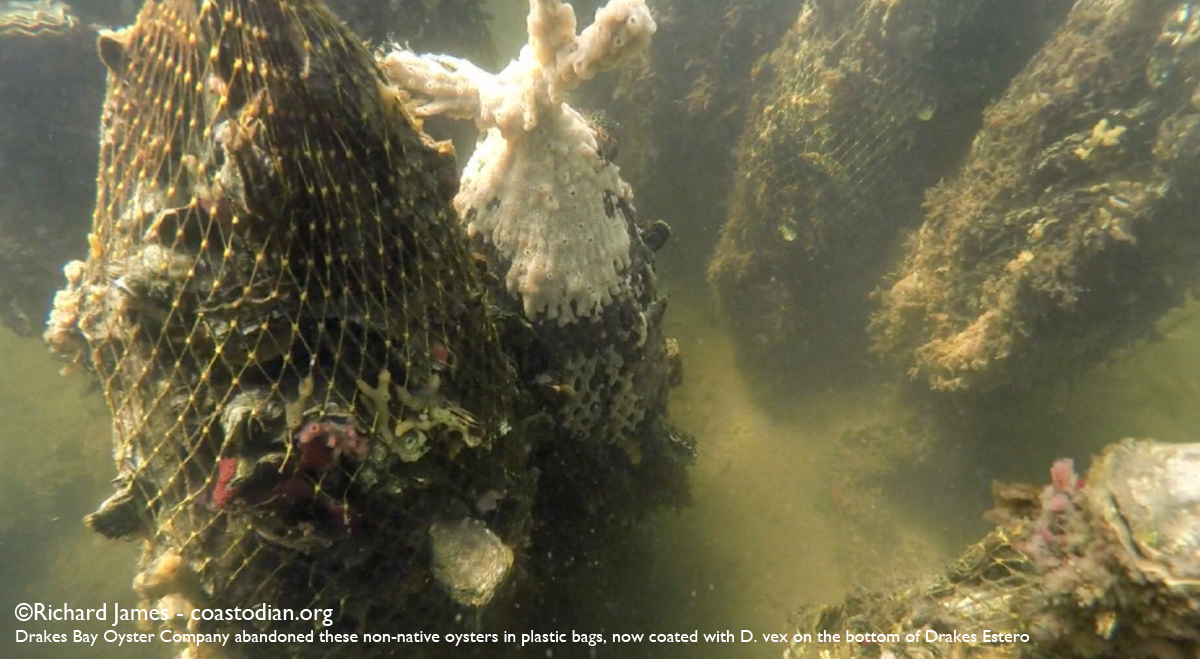
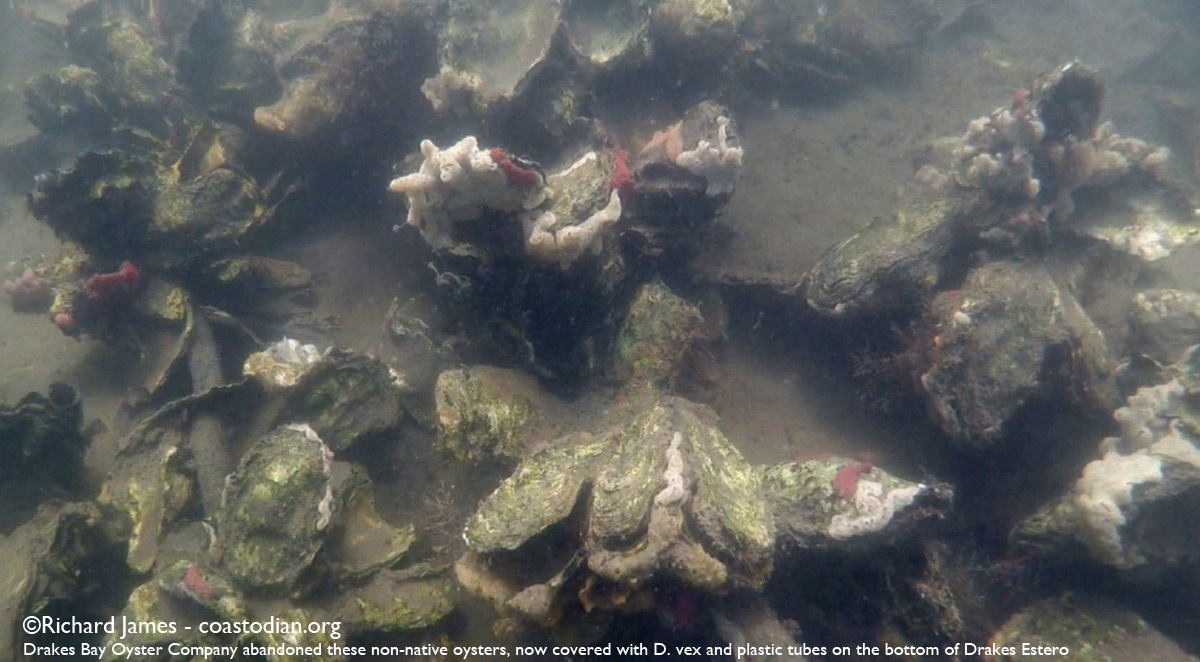
Below are images from what I saw today. They represent a fraction of the disaster left by DBOC on the bottom of Drakes Estero.

All images ©Richard James and may not be used or reproduced without written permission.

As always, click on an image to see a larger version.


RJames.2014.10.13.56.cap

.

RJames.2014.10.13.53.cap

.

As always, click on an image to see a larger version.

.
RJames.2014.10.13.45.cap

.

RJames.2014.10.13.44.cap

.

As always, click on an image to see a larger version.

.
RJames.2014.10.13.42.cap

.

RJames.2014.10.13.35.cap

.

As always, click on an image to see a larger version.

.

RJames.2014.10.13.34.cap

.

RJames.2014.10.13.32.cap

.

As always, click on an image to see a larger version.

.
RJames.2014.10.13.27.cap

.

RJames.2014.10.13.25.cap

.

As always, click on an image to see a larger version.

.
RJames.2014.10.13.24.cap

.

RJames.2014.10.13.22.cap

.

As always, click on an image to see a larger version.

.
RJames.2014.10.13.19.cap

.

RJames.2014.10.13.15.cap

.

As always, click on an image to see a larger version.

.

RJames.2014.10.13.14.cap

.

RJames.2014.10.13.12.cap

.

As always, click on an image to see a larger version.

.
RJames.2014.10.13.03.cap

.

See the next post in this series here

Commercial fishermen are extremely conscious of their impact

Click on the words above “Commercial fishermen are extremely conscious of their impact” to see this entire post.

The other day while visiting Spud Point at Bodega Bay, I noticed the signs you see below affixed to the railing along the harbor. Their poor condition led me to believe they have been there a long, long time.

IMG_2435.s


Click the image to see a larger version

IMG_2436.s

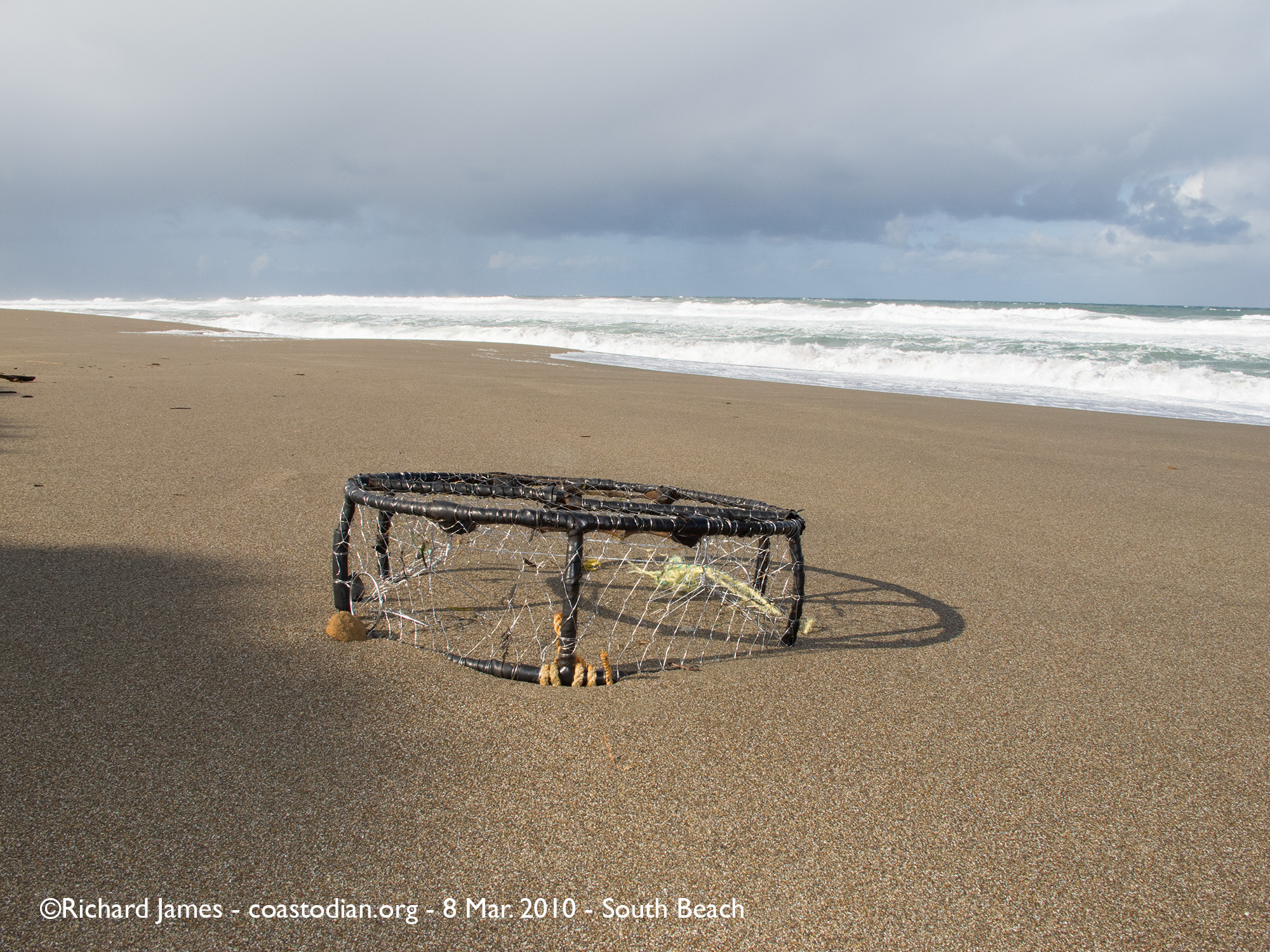
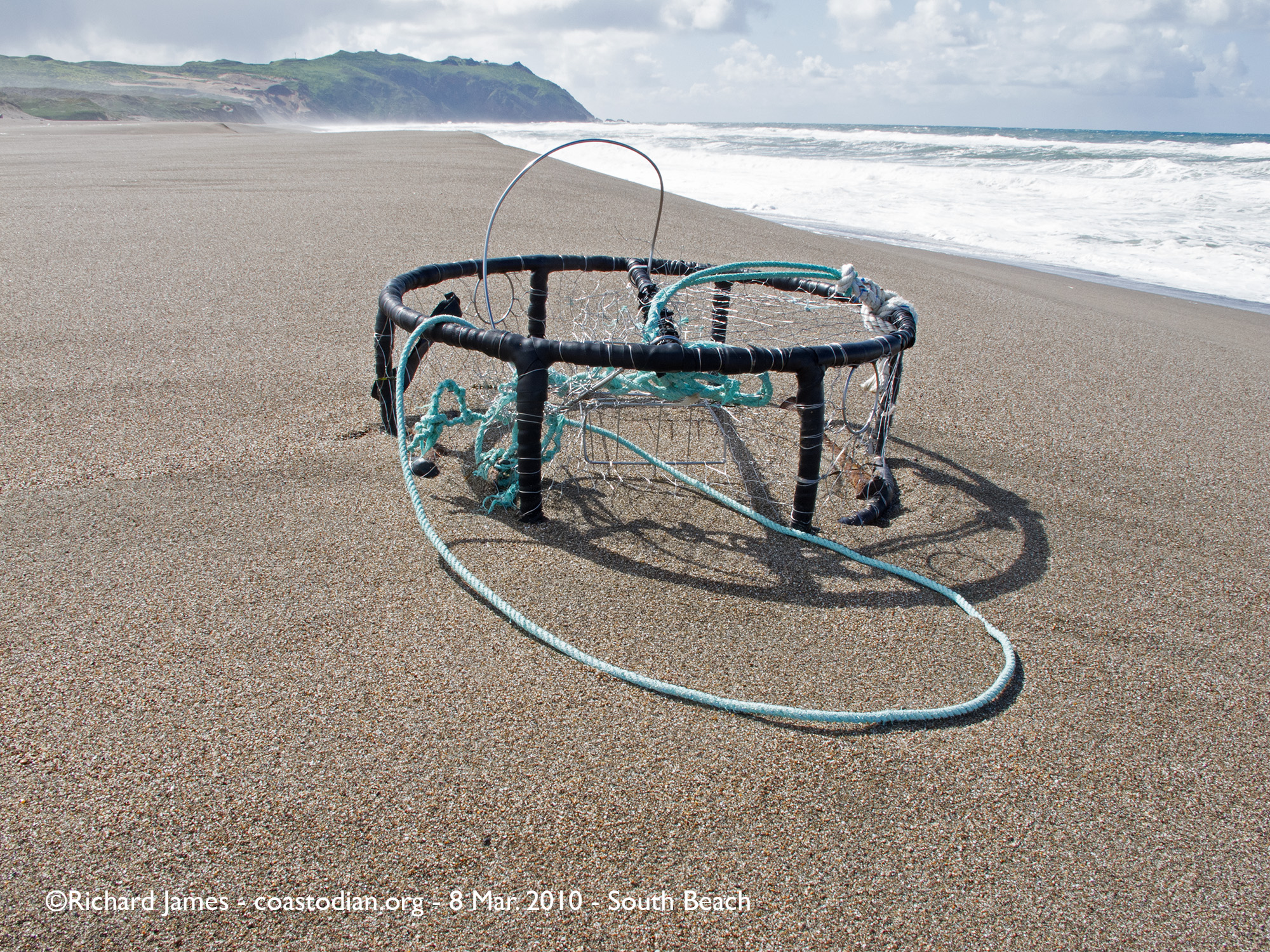
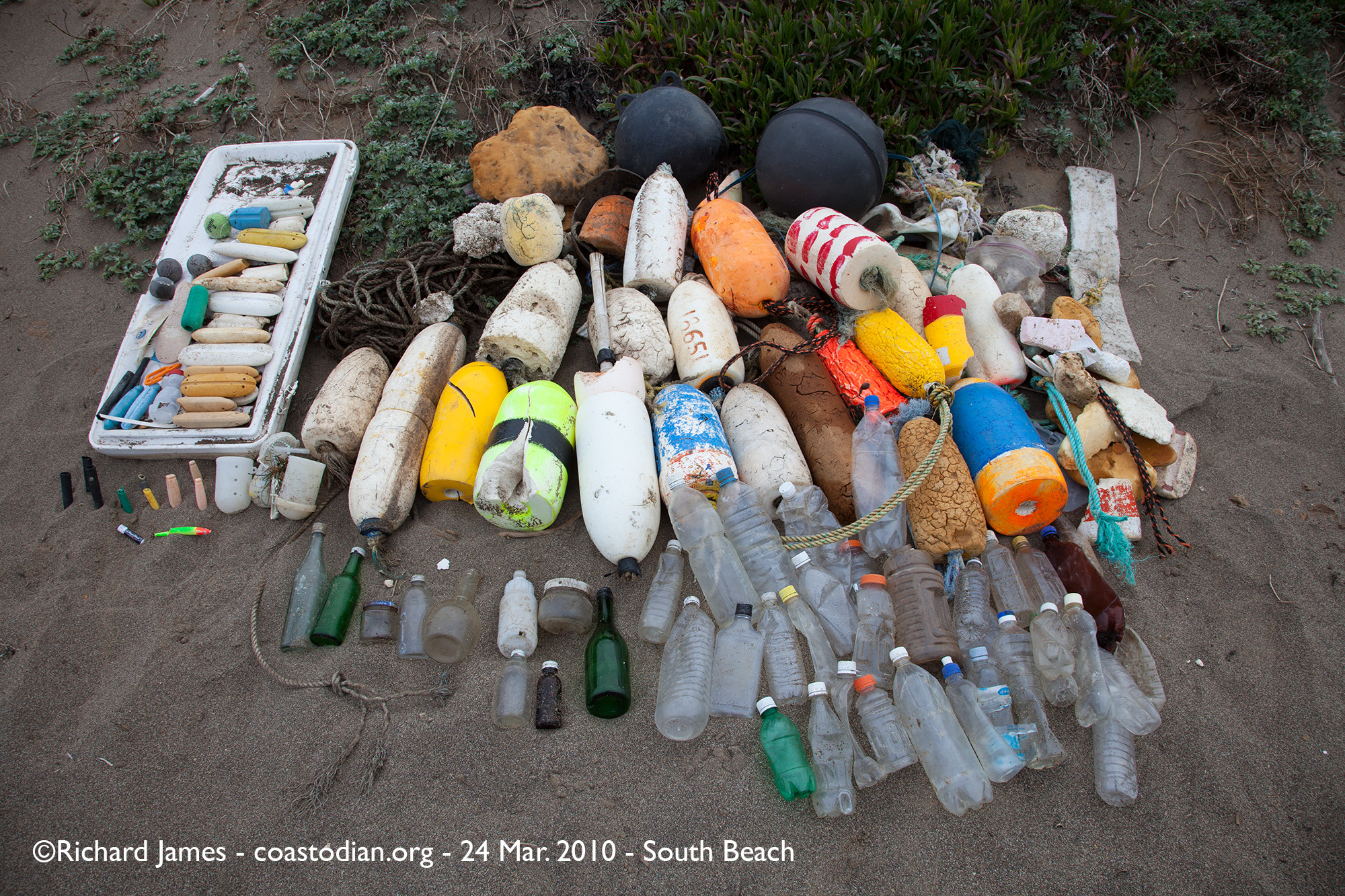
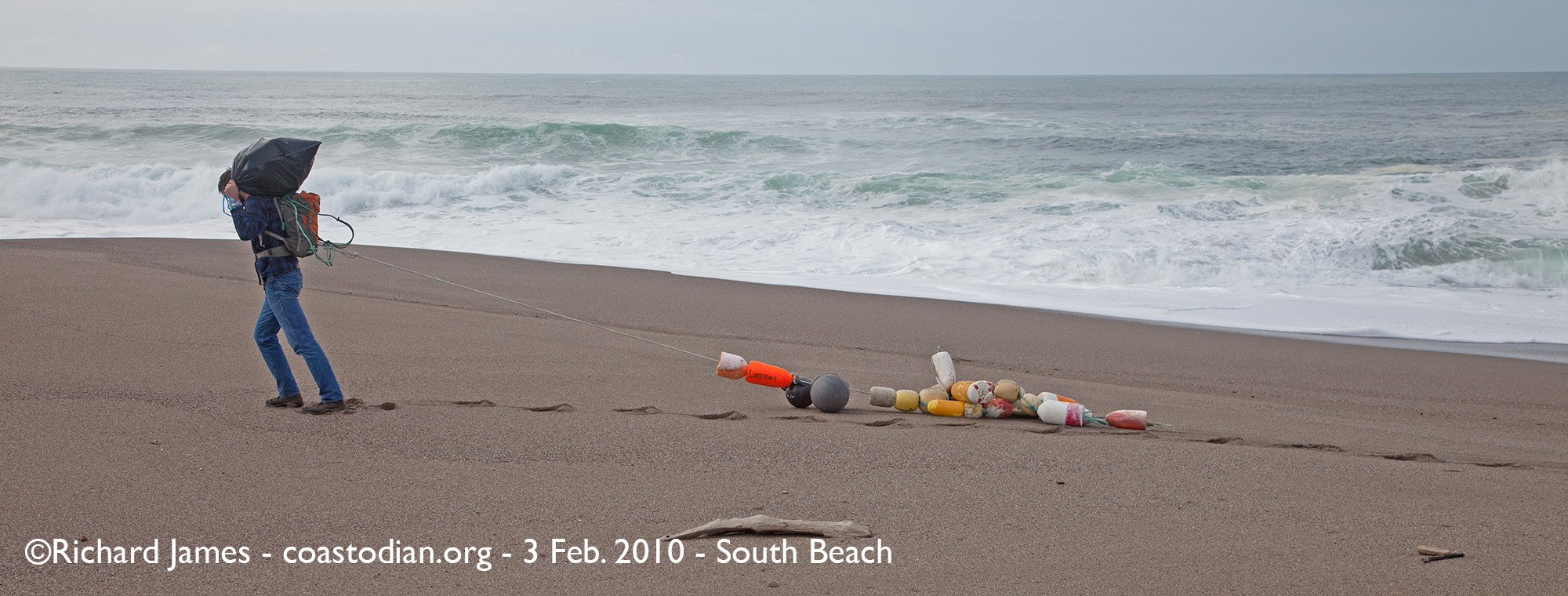
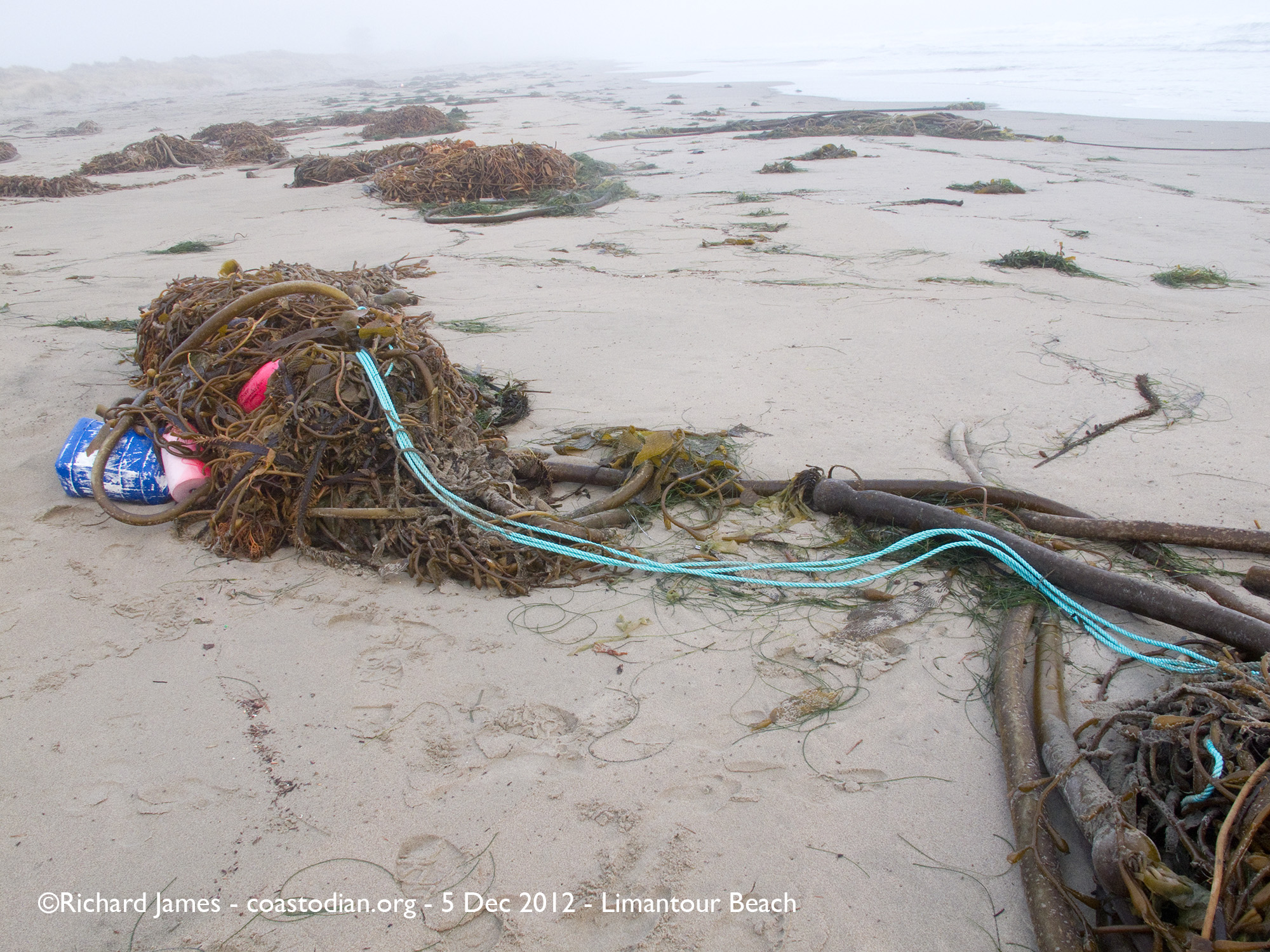
Since 2008, I have personally packed off Point Reyes Beaches:

miles of plastic rope

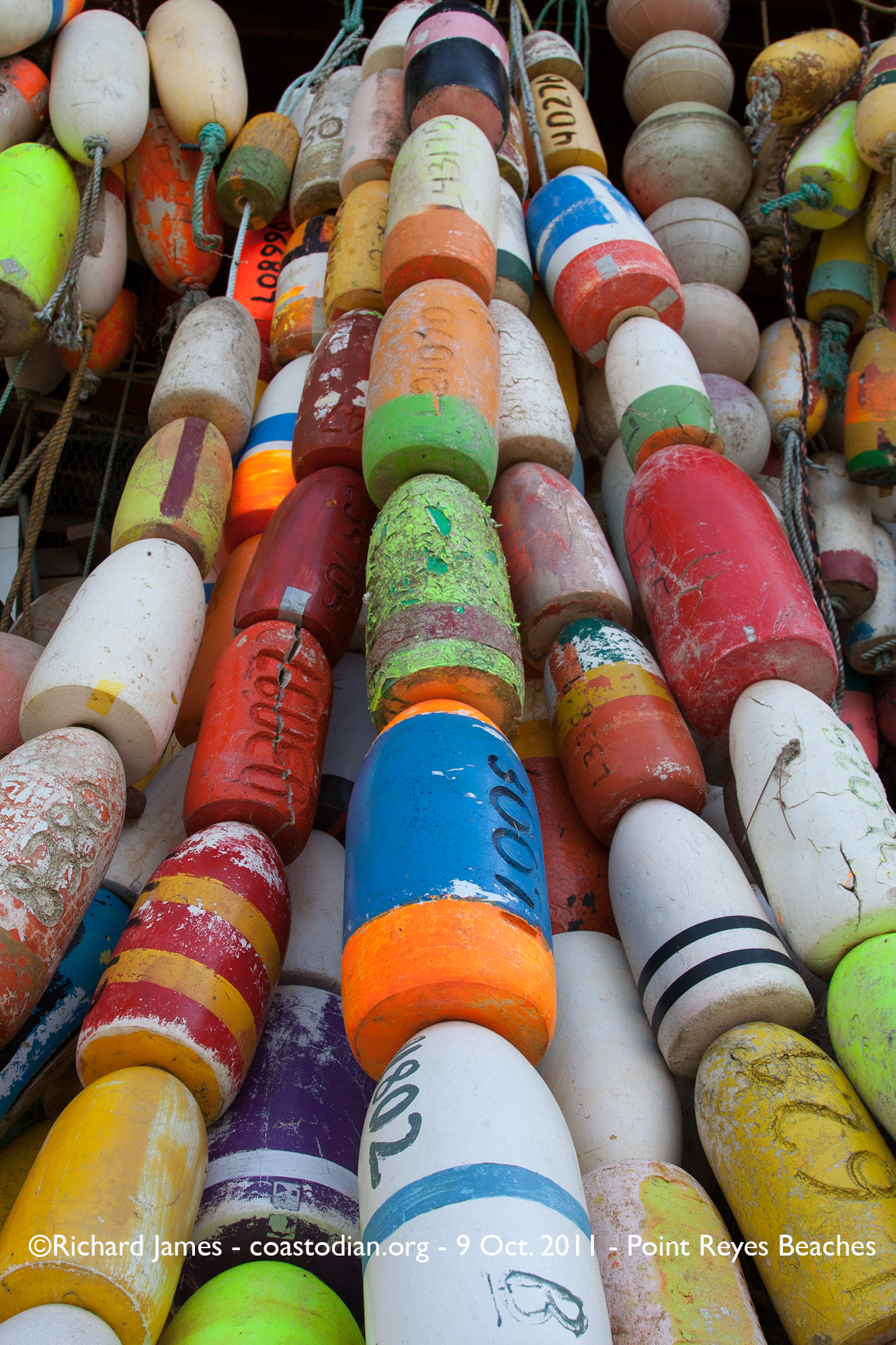
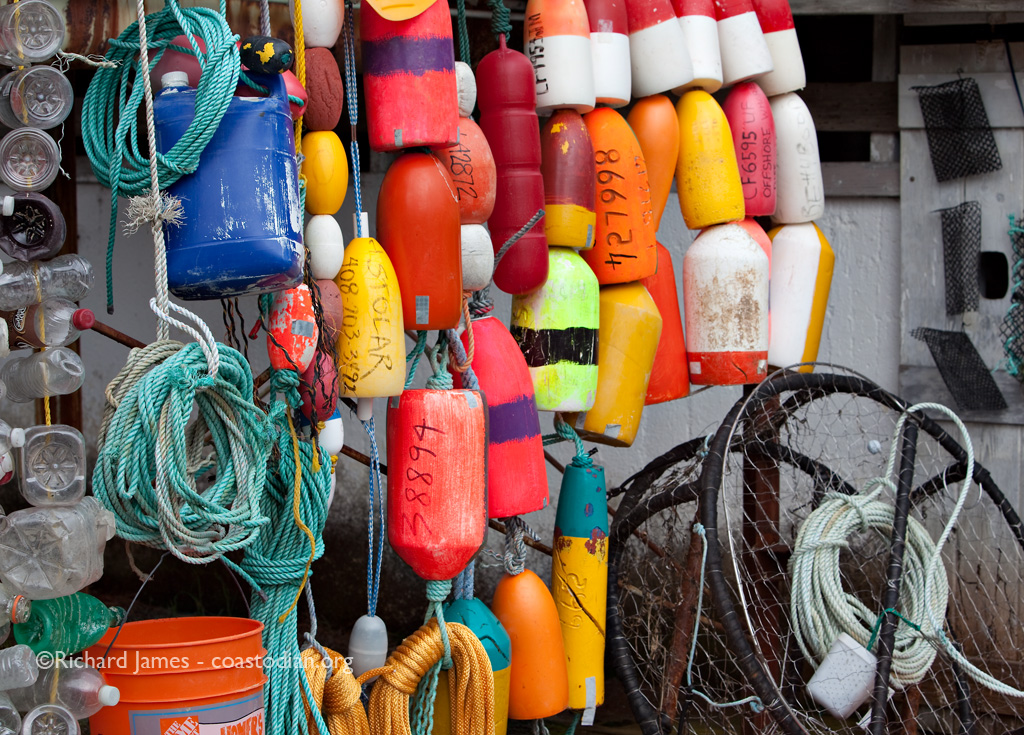
thousands of crab buoys (one very well known bodega fisherman demanded that I give them back to him, no charge, as they belonged to him. Reminding him that he abandoned them on the beach (they were now mine) and that I hauled them out on my back, I declined his offer. This same fisherman also apologized for his meth-addict brother (his words) who nearly ripped my head off when I offered to sell him back his gear for a fraction of what it cost him to build.)

hundreds of crab bait jars

hundreds of empty bleach bottles – It was only this spring that I learned why I find so many bleach bottles on the beach in the winter. Crab fisherman use pure bleach to dunk their buoys while out at sea to kill the marine growth on them. I witnessed a fisherman at Spud Point hauling dozens of gallons to his boat in a wheel barrow. I asked him about it and he told me he usually uses swimming pool bleach, it is stronger.

A friend of mine lives perhaps a 1/4 mile from the harbor at Bodega and frequently is overcome with the strong smell of bleach.

perhaps 7-8 commercial crab pots (they weigh 70-100 lbs., I leave them above the high water mark now)

It appears the same person who wrote the book on sustainable oyster farming in West Marin (where stewards of the land have deep respect for the waters they ply), also wrote the book on how to be a commercial fisherman who is “extremely conscious”.

Meriam-Webster defines conscious thusly: awake and able to understand what is happening around you.

This past year, California adopted rules used by Washington and Oregon with the hope of avoiding the mad dash to race out and catch every single crab as quickly as possible so nobody else can catch it. The jury is still out on whether it has had the intended effect.

Something needs to be done to reduce the huge and devastating effect wrought on the sea by these greedy, often drug addled fishermen. No doubt fishing is a difficult and dangerous job. When the name of the game is get it all now, any means are used to stay awake for days on end. I’ve been told that sitting in the back of the boat, pulling pots, breathing diesel fumes for hours and hours on end is how it is. If you want to stay awake, you take whatever you need: coffee, speed, meth.

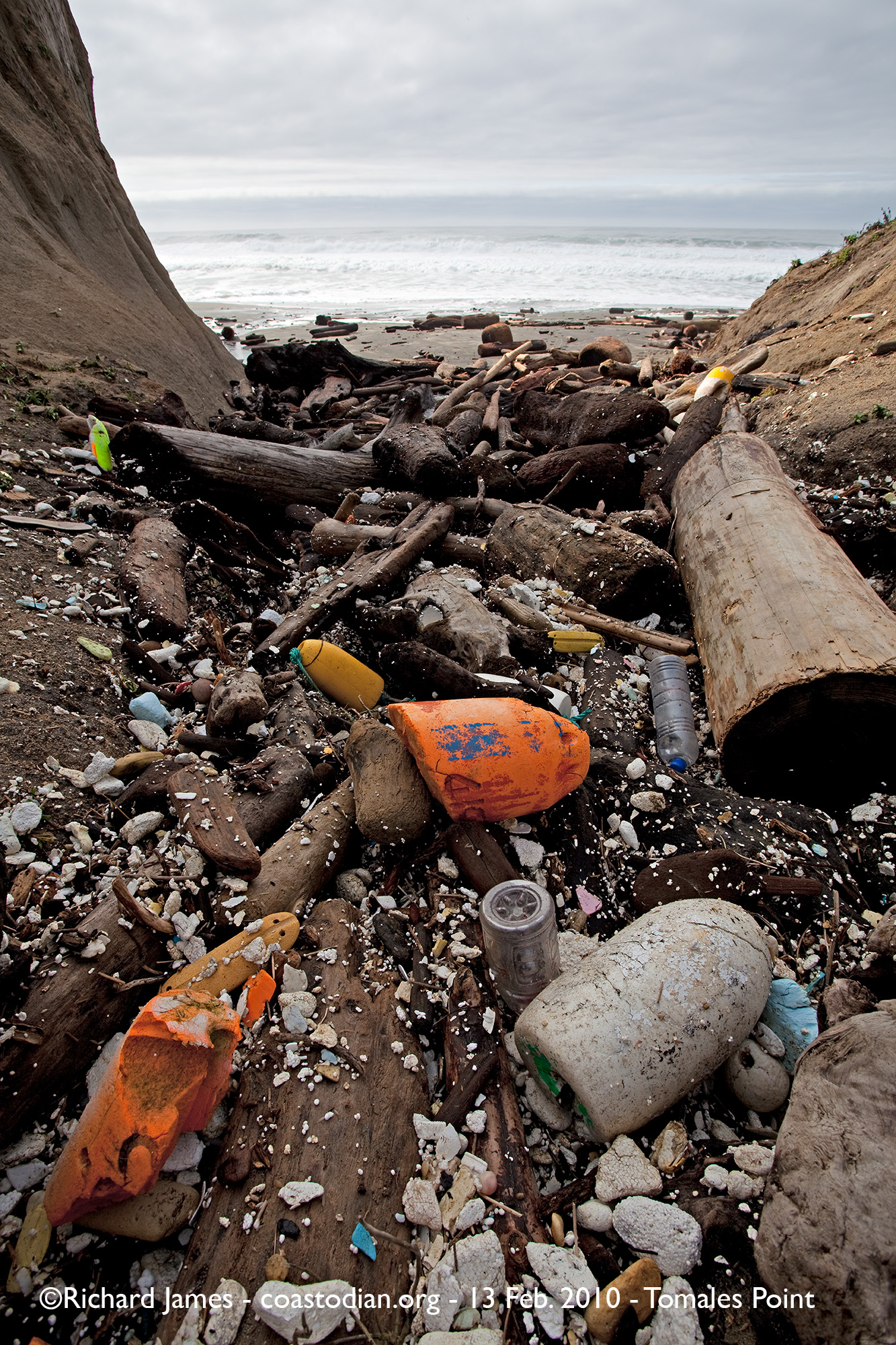
Not all fishermen are greedy, nor drug addicts – likely a small fraction. But, with the amount of garbage left in the sea (who knows how many hundreds, thousands of miles of nylon rope lay on the bottom offshore), and on our local beaches (see below), we need more and stronger enforcement of the laws. We also need fishing regulations designed to reduce the “mad dash to catch it all now.” Perhaps of greatest importance, these conscious commercial fishermen need to self-monitor their ranks. And I don’t mean pulling the other guys’ pots, stealing his crabs, cutting the rope and dumping 25, 50 or 100 pots to the bottom just because he put his pots too close to “your” spot. I do mean not dumping bleach and bleach bottles in the sea, when you change out light bulbs, don’t toss the burned out bulb into the sea. Don’t put your gear where it is likely to be cut by tugs. Don’t leave your abandoned gear all over local beaches (or national seashores), come pick up your mess, and tell your fellow fisherman to not make a mess! Salmon fishermen need to stop shooting seals and sea lions.

This winter, as you enjoy your cracked crab, remember the hard work put in by fishermen, as well as the huge impact on this one and only planet we all call home.

Perhaps crab should be $40/pound, along with mandatory drug testing for all fishermen!

After looking over the images below, you’ll surely agree that “Commercial fishermen have played a very active role in causing lasting environmental damage.”


_MG_0233.crop.s


Click the image to see a larger version

_MG_6318.s


IMG_4549.9x15


Click the image to see a larger version

IMG_0242.cc


IMG_0045


Click the image to see a larger version

IMG_0064


_MG_6309


Click the image to see a larger version

_MG_5379.s


_MG_4559.cc.s


Click the image to see a larger version

_MG_3896.crop


IMG_0114


Click the image to see a larger version

IMG_0118


_MG_6224


Click the image to see a larger version

_MG_6229.cc


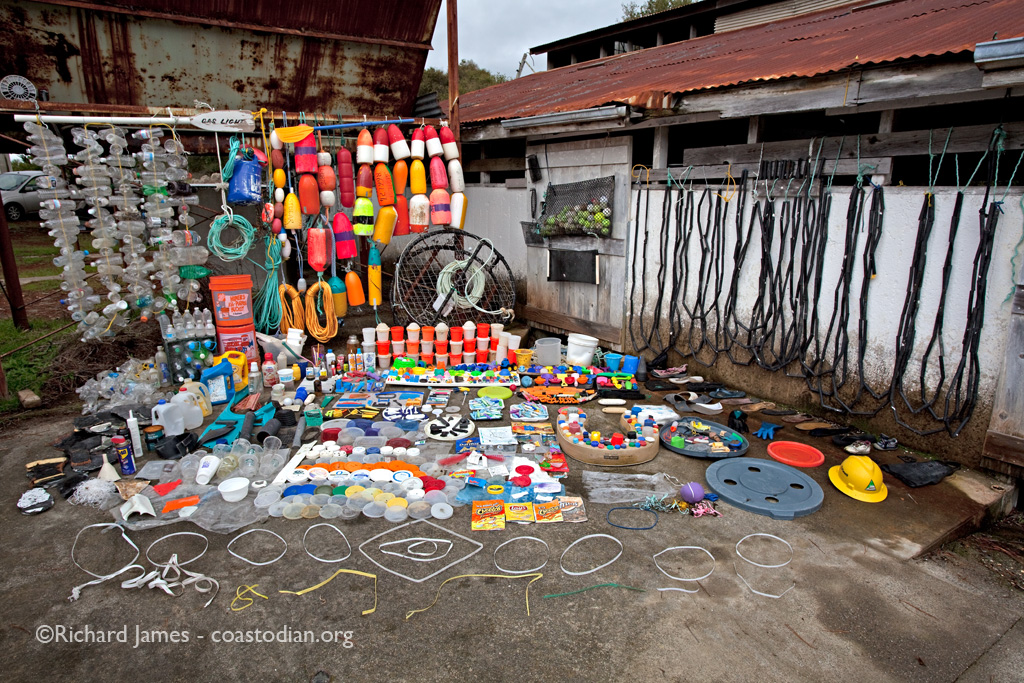
Human trash collected from Point Reyes beaches during six visits

Human trash collected from Point Reyes beaches during six visits


Click the image to see a larger version

©RJames.IMG_1977.cc


©RJames.IMG_1985.crop.cc


Click the image to see a larger version


Commercial crab trap tags. Recognize anyone you know? I do.

Commercial crab trap tags. Recognize anyone you know? I do.

Vacation, to leave one’s brain at home

Click the words above “Vacation, to leave one’s brain at home” to see this entire post.

After a summer working in Yosemite Valley many years ago, the word vacation took on new meaning for me.

Watching tourons, as we called them, hacking down living trees to burn, stopping bus-sized RV’s in the middle of the road to get out and gape at a deer, hiking in 4-inch heels to vernal falls – all activities I witnessed again and again.

Imagine dealing with people like this on a daily basis and you can understand how an NPS employee might take on a misanthropic pallor.

Labor day is upon us. And so are the throngs of city dwellers eager for one last glimpse of nature. What a shame it is so many of them are unable to give nature even a sliver of respect.

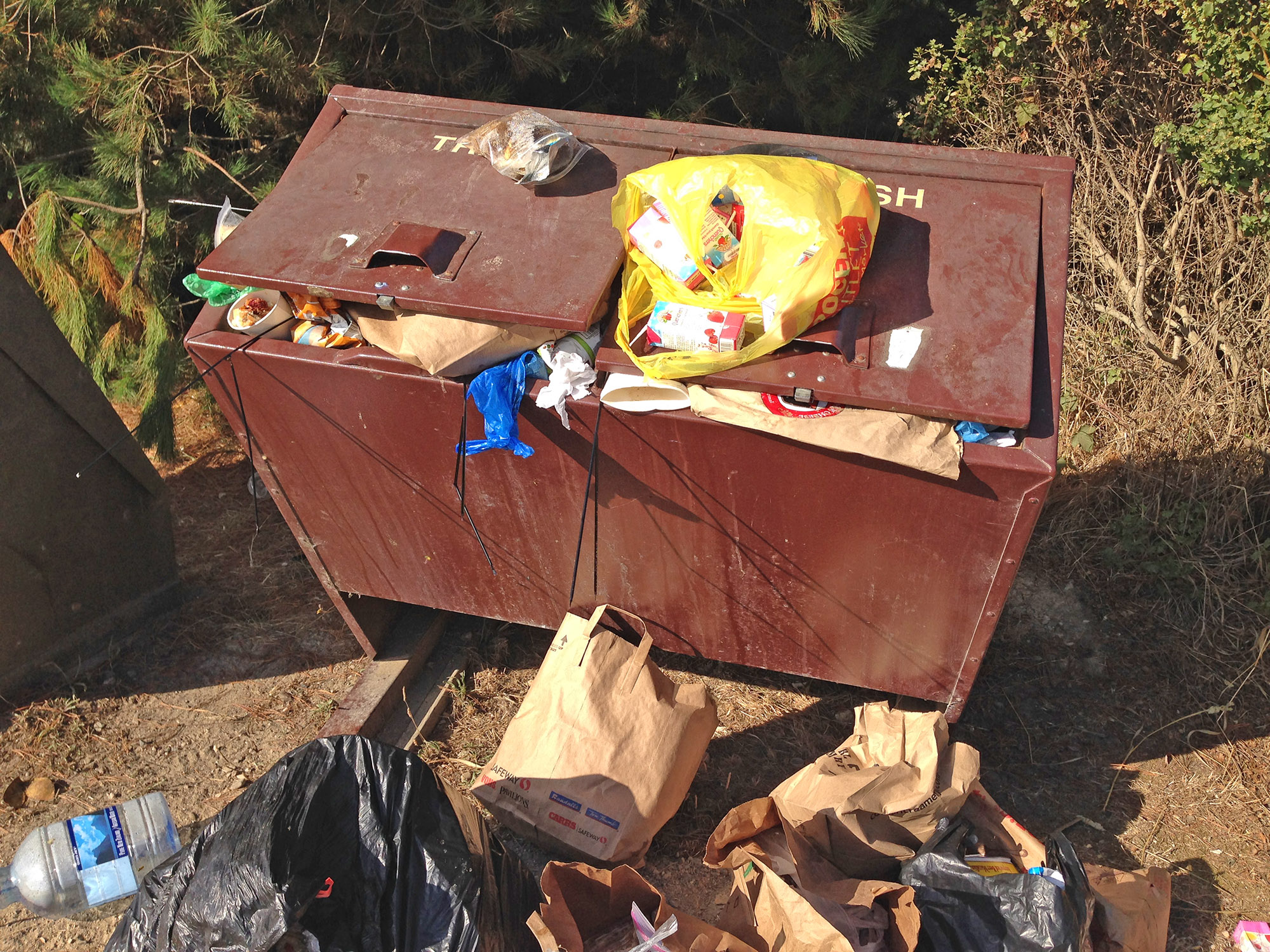
While standing in line at The Bovine after plucking dozens of bottles and cans out of the dumpsters and cleaning both beaches at Drakes and Limantour, a lycra-clad fellow walked up and dumped a large paper bag FULL of bottles and cans into the trash bin by the door.

Kindly, I said “You know, there is a recycle bin right over there by your bike.”

He stopped, turned, glared and spat at me with a thick German/Austrian accent “Vye dont you mind your own fucking business!”

“Seeing as how I live out here, the state of our planet IS my fucking business. So won’t you put those recyclables in that bin over by your bike.”

He begrudgingly did, telling me “You could have said please.”

Seeing what has been left at the Limantour main trail-head, along with the above exchange, makes me think that humans have no business on this planet.

Happy holidays. Think kind thoughts for the 4 young men caught in the water at the mouth of The Estero, rescue/recovery underway as I write.

As always, click on an image to see a larger version.

Items left at Drakes and Limantour beach over Labor Day Weekend

Items left at Drakes and Limantour beach over Labor Day Weekend


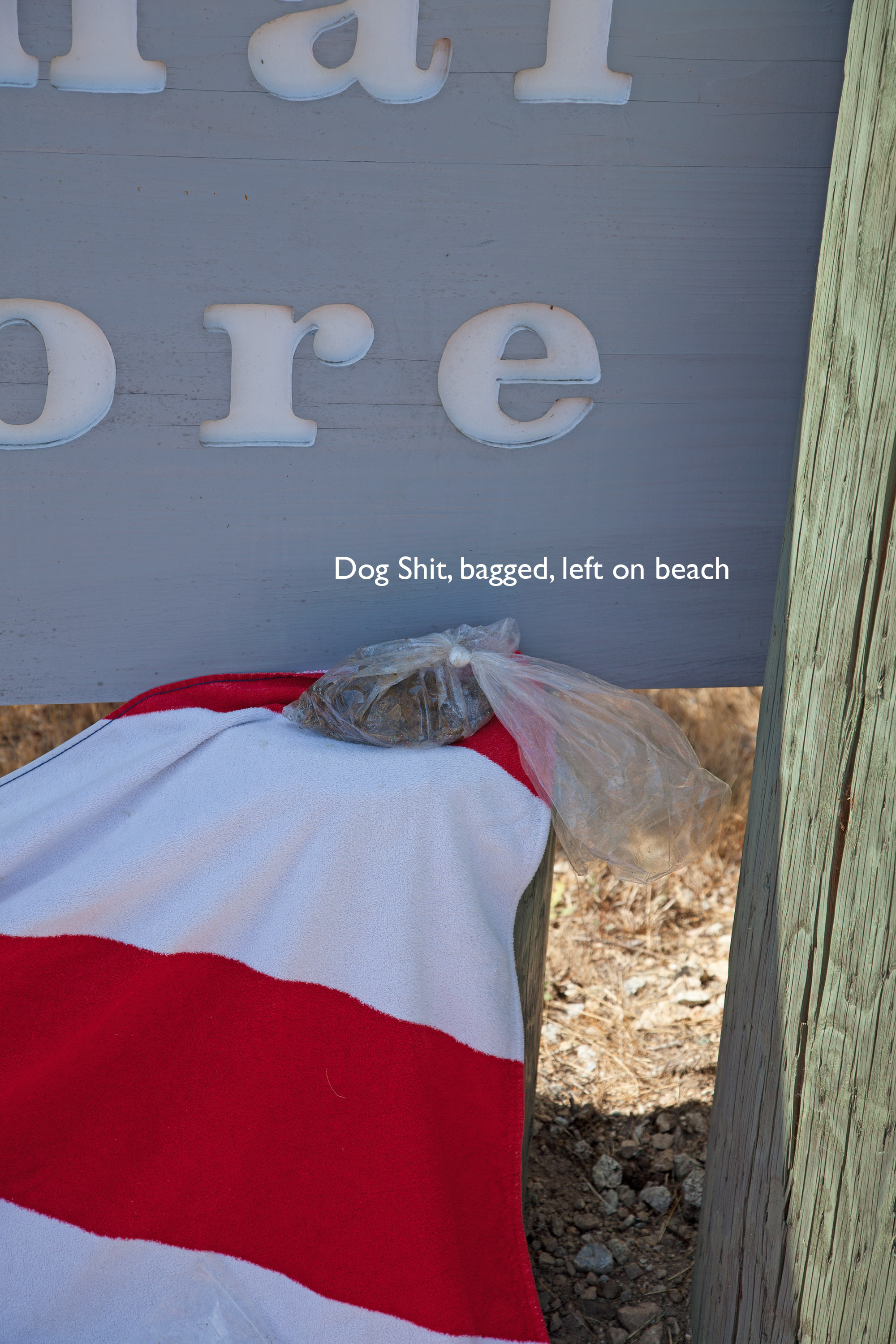
Dog shit, bagged by dog owner, left on beach for the rest of us to enjoy.

Dog shit, bagged by dog owner, left on beach for the rest of us to enjoy.


Dog shit, bagged by dog owner, left on beach for the rest of us to enjoy.

Dog shit, bagged by dog owner, left on beach for the rest of us to enjoy.


Items left at Drakes and Limantour beach over Labor Day Weekend

Items left at Drakes and Limantour beach over Labor Day Weekend


Trash and recycle bins at Limantour. A large dumpster is 80 feet away.

Trash and recycle bins at Limantour. A large dumpster is 80 feet away.


Trash and recycle bins at Limantour. A large dumpster is 80 feet away.

Trash and recycle bins at Limantour. A large dumpster is 80 feet away.

Whose job is it anyhow….?

Click the words above “Whose job is it anyhow….?” to see this entire post.

Can anyone tell me whose job is it to ensure that the mess left by The Drakes Bay Oyster Company gets cleaned up?

I’ve asked people at the California Coastal Commission, Department of Fish & Wildlife and the National Park Service this very question. Twice!

I’ve not heard a peep from anyone, after nearly two weeks.

It seems important to find out whose job it is. In the past, when oyster leases changed hands in West Marin, or operations shut down, big messes get left – see images below.

All those years profits being made, and every time, the earth gets left holding the [grow-out]bag, [polyethylene]tube, [nylon]rope, [PVC]pipe, zip-tie etc….

As always, click on a picture to see a larger version.

Sustainable oyster farming, West Marin style. Click image to see larger version.

Sustainable oyster farming, West Marin style.
Click image to see larger version.


Above is what Charlie Johnson (and now Kevin Lunny) want to gift to the planet.
No thanks, please clean up YOUR mess.

.

Oyster farming trash left on the floor of Drakes Estero by Drakes bay Oyster Company

Oyster farming trash left on the floor of Drakes Estero by Drakes bay Oyster Company

.

DBOC Mess in Estero001
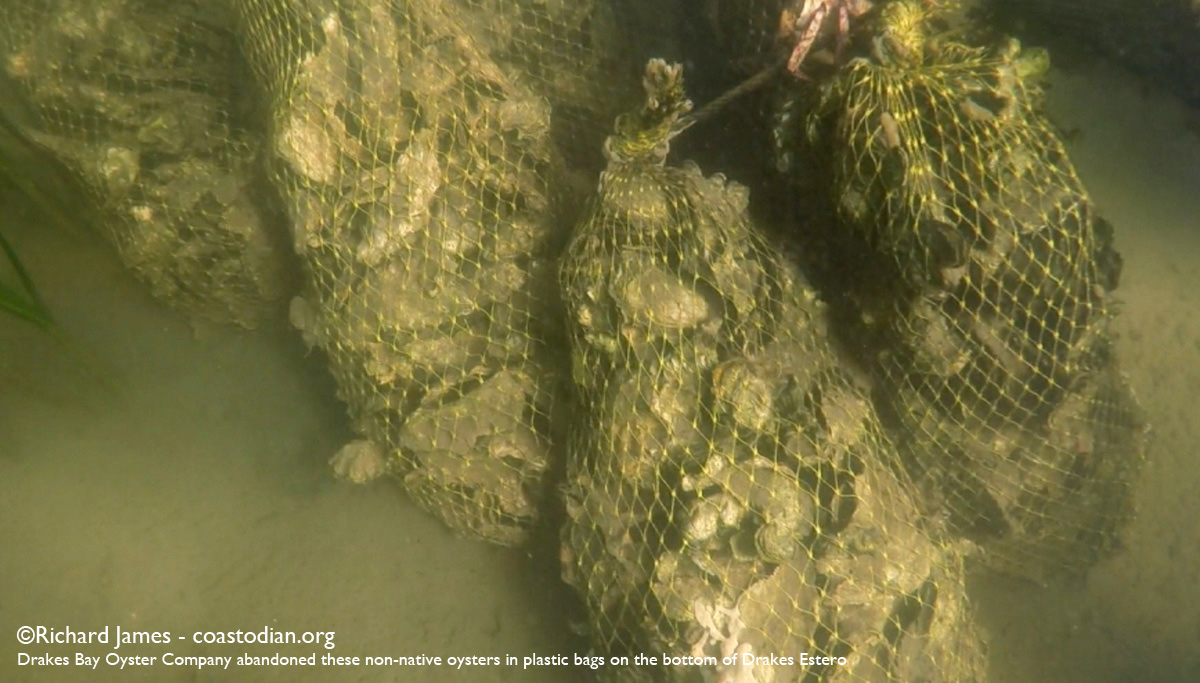
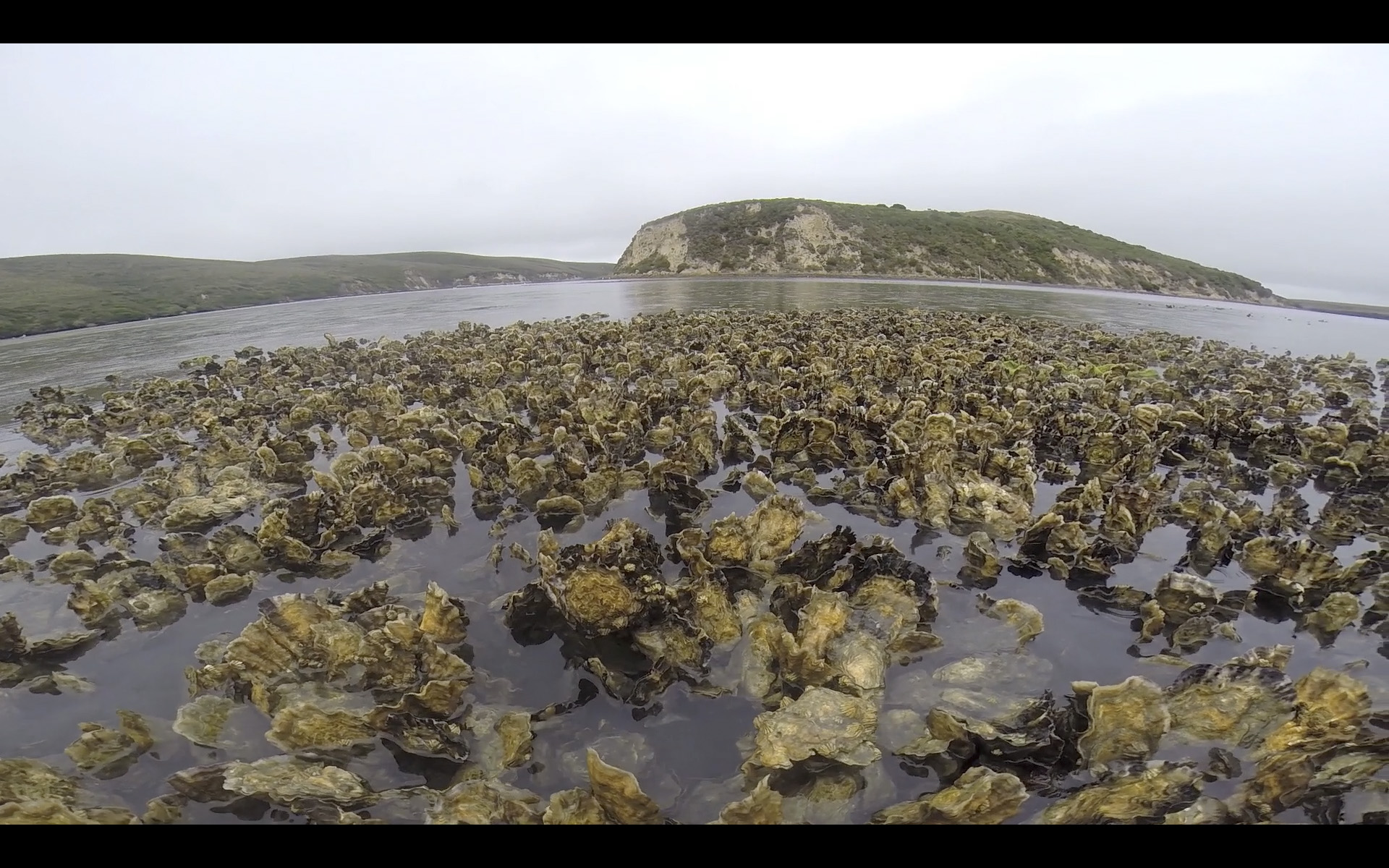
Thousands of feral non-native oysters left growing in Drakes Estero by DBOC

.

DBOC Mess in Estero002
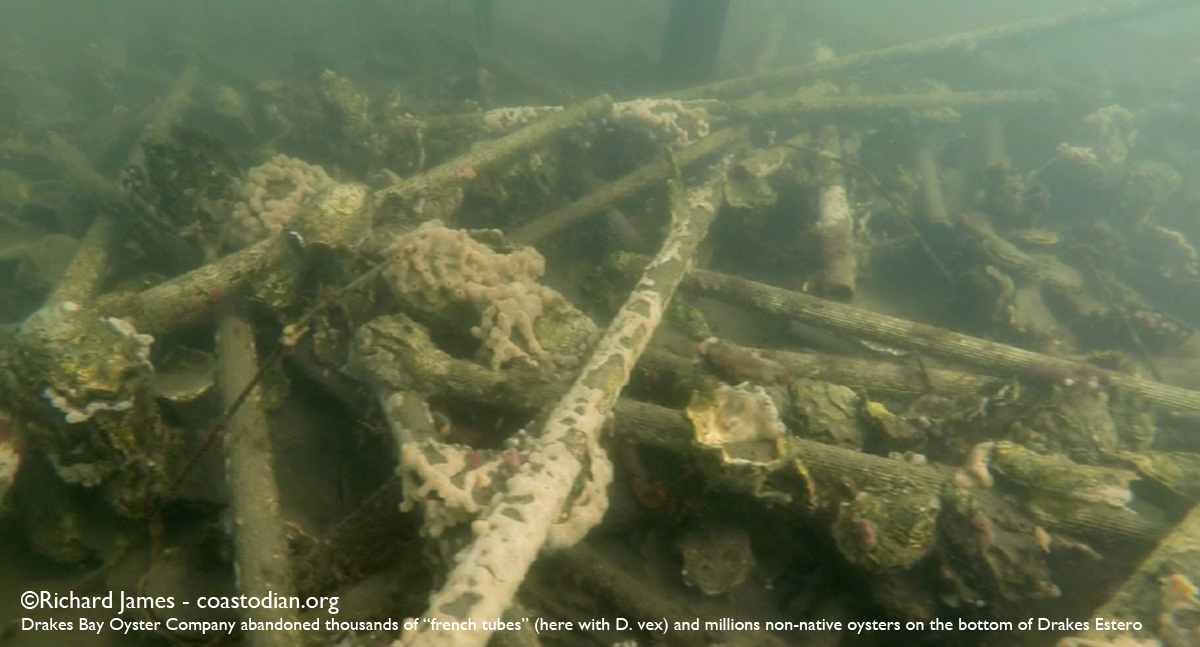
Some of the hundreds, likely thousands of “french tubes” left to rot on the floor of Drakes Estero by DBOC.

.

DBOC Mess in Estero003
Some of the hundreds, likely thousands of “french tubes” left to rot on the floor of Drakes Estero by DBOC.

.

DBOC Mess in Estero004
Some of the hundreds, likely thousands of “french tubes” left to rot on the floor of Drakes Estero by DBOC.

.

DBOC Mess in Estero005
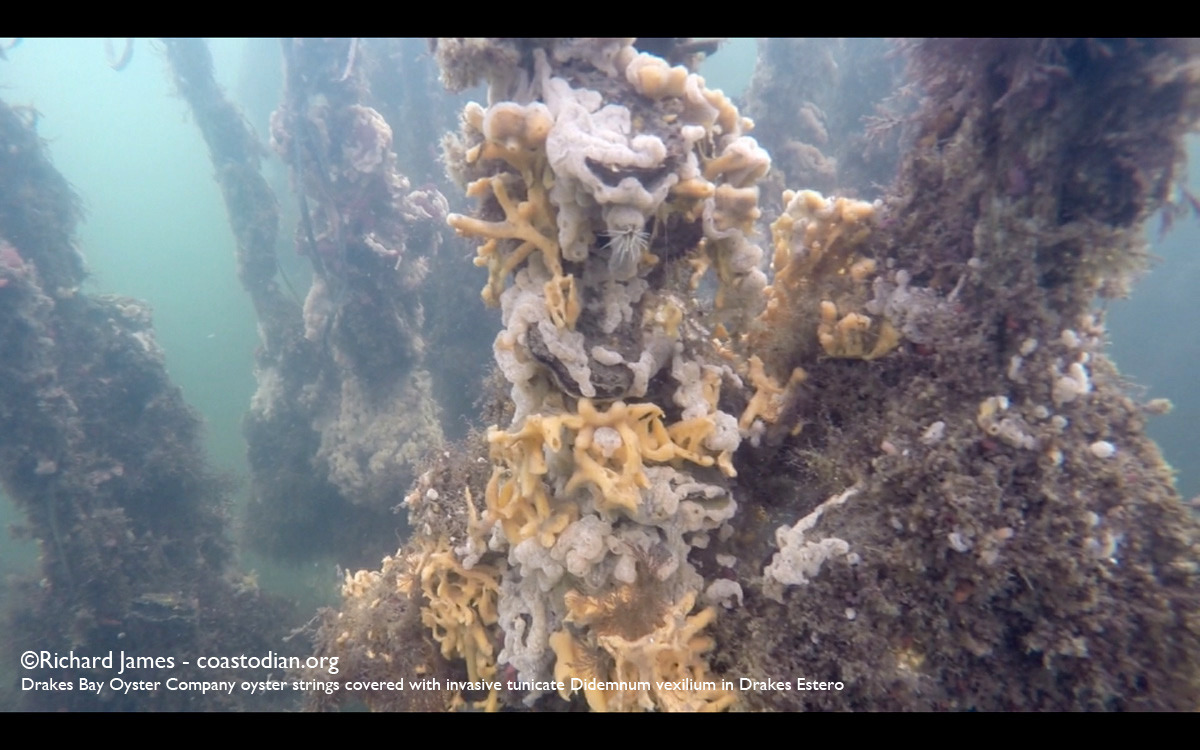
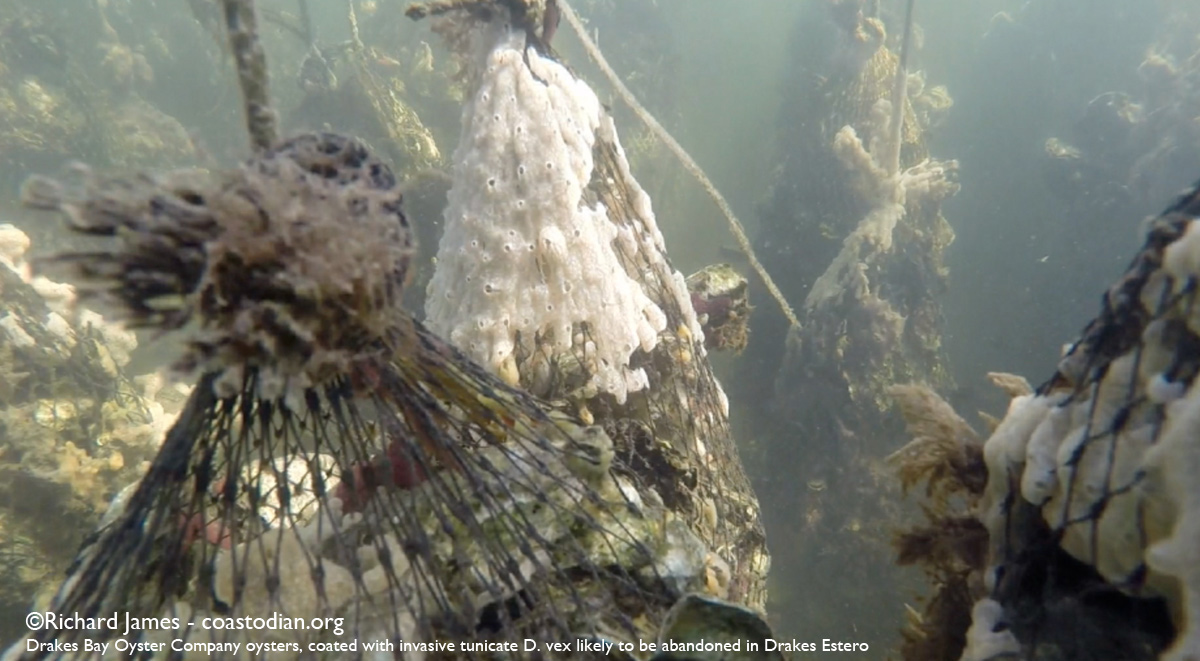
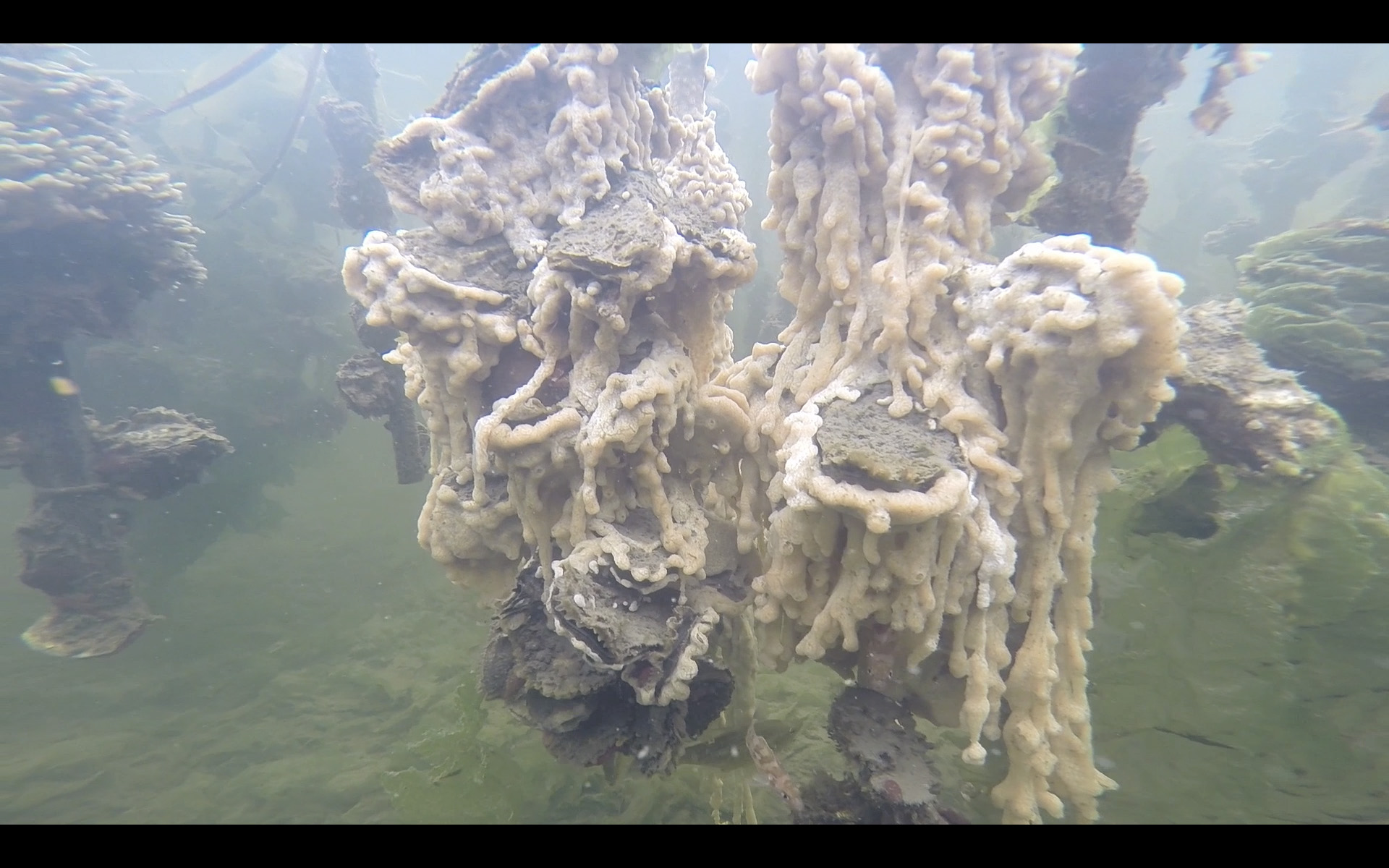
One string of oysters covered with non-native, invasive tunicate D. vexilium. There are many dozens, possibly hundreds more just like this, left in Drakes Estero by DBOC.

.

IMG_0542
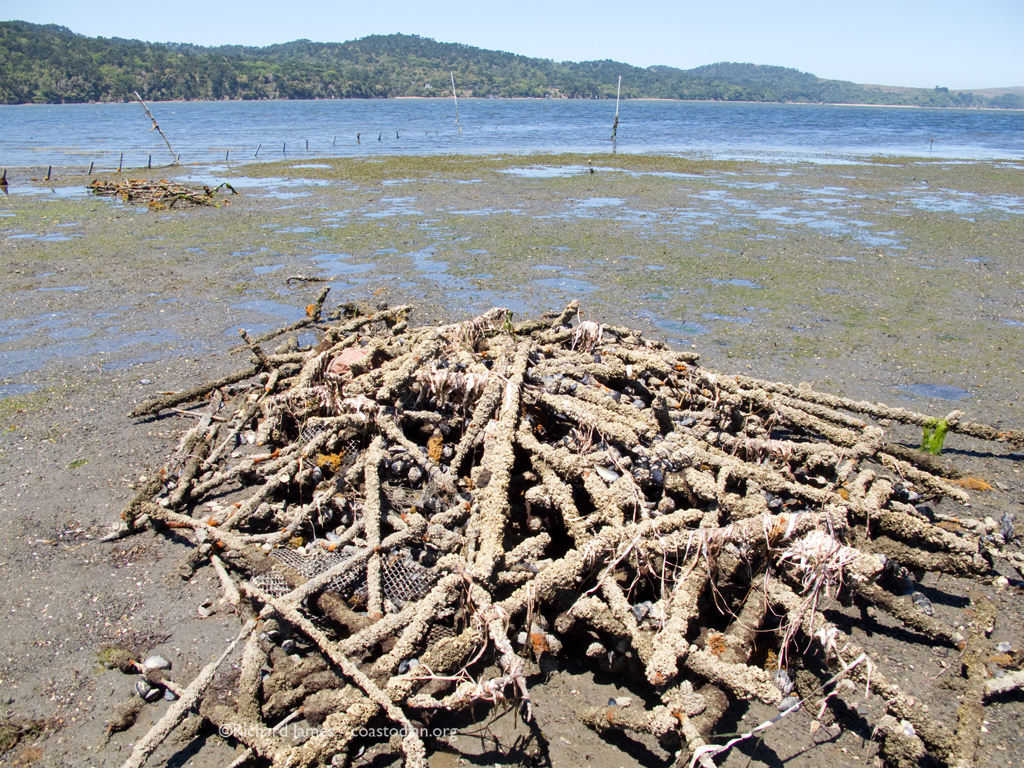
Above are iron oyster racks, likely from Drew Alden, left in the southern Tomales Bay lease now operated by Todd Friend at TBOC.
No thanks, please clean up YOUR mess.

.

abandoned plastic trays - Tomales Bay Oyster Company

abandoned plastic trays – Tomales Bay Oyster Company


Above was left when Drew Alden sold his lease to Todd Friend over 5 years ago.
Why is this mess still disgracing Tomales Bay?

.

abandoned grow out bags covered with marine growth - Tomales Bay Oyster Company

abandoned grow out bags covered with marine growth – Tomales Bay Oyster Company


Above was left when Drew Alden sold his lease to Todd Friend over 5 years ago.
Why is this mess still disgracing Tomales Bay?

.

Location -  38.128490° N   -122.864172° W   Datum WGS84

Location – 38.128490° N -122.864172° W Datum WGS84


Not sure who so generously left this mess in Tomales Bay.
No thanks, please clean up YOUR mess.

.

RJames.IMG_0770
On the eastern shore of Tomales Bay, north of Walker Creek you’ll find this mess from oyster operations begun and abruptly ended decades ago.
Why is this mess still disgracing Tomales Bay?

.

RJames.IMG_0779
On the eastern shore of Tomales Bay, north of Walker Creek you’ll find this mess from oyster operations begun and abruptly ended decades ago.
Why is this mess still disgracing Tomales Bay?

.

RJames.IMG_0787
On the eastern shore of Tomales Bay, north of Walker Creek you’ll find this mess from oyster operations begun and abruptly ended decades ago.
Why is this mess still disgracing Tomales Bay?

.

If people want to make an honest buck farming oysters, that is fine by me. It is hard work, no question about that. But, taking shortcuts, short-sighted business practices and just plain arrogance has been trashing the planet.

The disgraceful disaster scattered on the bottom of the thousand acre lease of precious Drakes Estero is at zero to ten feet below sea level usually.

We now have an opportunity to see the stewards of the land, with a deep respect for the waters of Drakes Estero show us just how deep their respect is.

.

Sustainable Oyster Farming, West Marin Style – part 5 DBOC trash in Drakes Estero, director’s cut

Click the words above, “Sustainable Oyster Farming, West Marin Style…” to see this entire post.

Due to popular demand, a shorter version of the staggeringly popular seven minute film showing the garbage left behind by the Drakes Bay Oyster Company has been released.

See below for the distilled three minute version.

Be sure to click the rectangle icon in lower right of video window to fill your screen with the image.


See the next post in this series here

Sustainable Oyster Farming, West Marin Style – part 4 DBOC – Stewardship examined

Click on the words above “Sustainable Oyster Farming, West Marin Style…” to see this entire post

Sunday the 20th found me out on Drakes Estero on a superb day to enjoy this wilderness jewel. A light south headwind on my paddle out made for a light tailwind, coupled with a strong flood tide to push me back after a day diving to see what lay beneath the surface.

Having replaced my polarized glasses I’d broken two years ago, this was my first time boating on The Estero with the ability to easily see underwater. An amazing world of kelp, eal-grass, nudibranchs, bat rays, leopard sharks, fish and crabs all went about their business of eating, trying not to be eaten and reproducing.

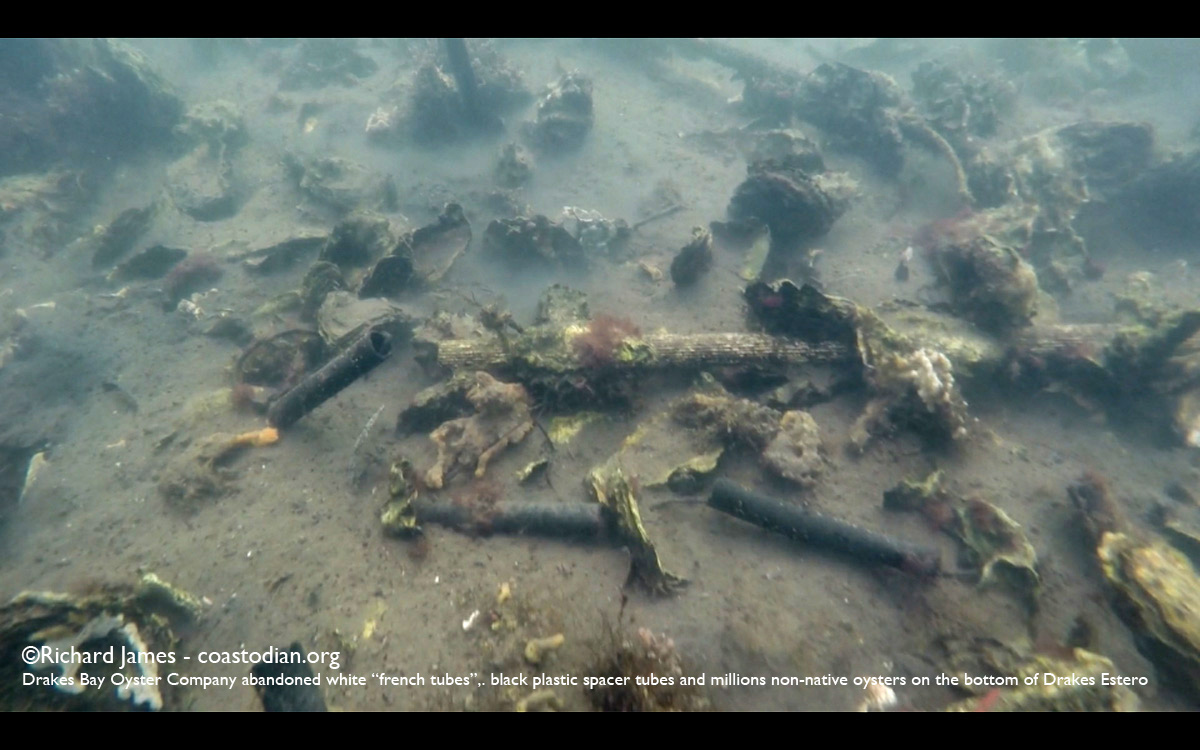
Sadly, after years of use by a “Sustainable, respectful of the land oyster farm”, the Estero floor is now littered with abandoned plastic, oyster shells and lumber treated with toxic chemicals.

Thankfully, Drakes Bay Oyster Company has a “deep respect for the land and waters of the Estero ecostystem”.

Just imagine what the place would look like if some company without such strong morals had been running the show…..

Below is a 7 minute view of Drakes Estero, below the surface. It is High Definition, so click the small rectangle in the lower right corner of the video window to fill your screen, especially nice when the large shark comes into view.

While not the best footage (drifting with the tide holding a camera on a pole), it does give an accurate representation of what, sadly, is found under many of the oyster racks encroaching on The Estero.

As my camera skills develop, I plan to venture out to the northern part of Tomales Bay and share equally disturbing views of the side-effects from years of resource extraction in those waters.


See the next post in this series here
Save our Tomales Bay – part 17, TBOC gets after it in a big way

Click on the words above “Save our Tomales Bay – part 17, TBOC gets after it in a big way” to see this entire post.

As you may have noticed if you’ve been keeping up with the Series “Save our Tomales Bay…”, I have a big problem with people that trash the planet. Same goes for companies that those people often hide behind in the courts.

Apparently Todd and his crew at Tomales Bay Oyster Company do too!

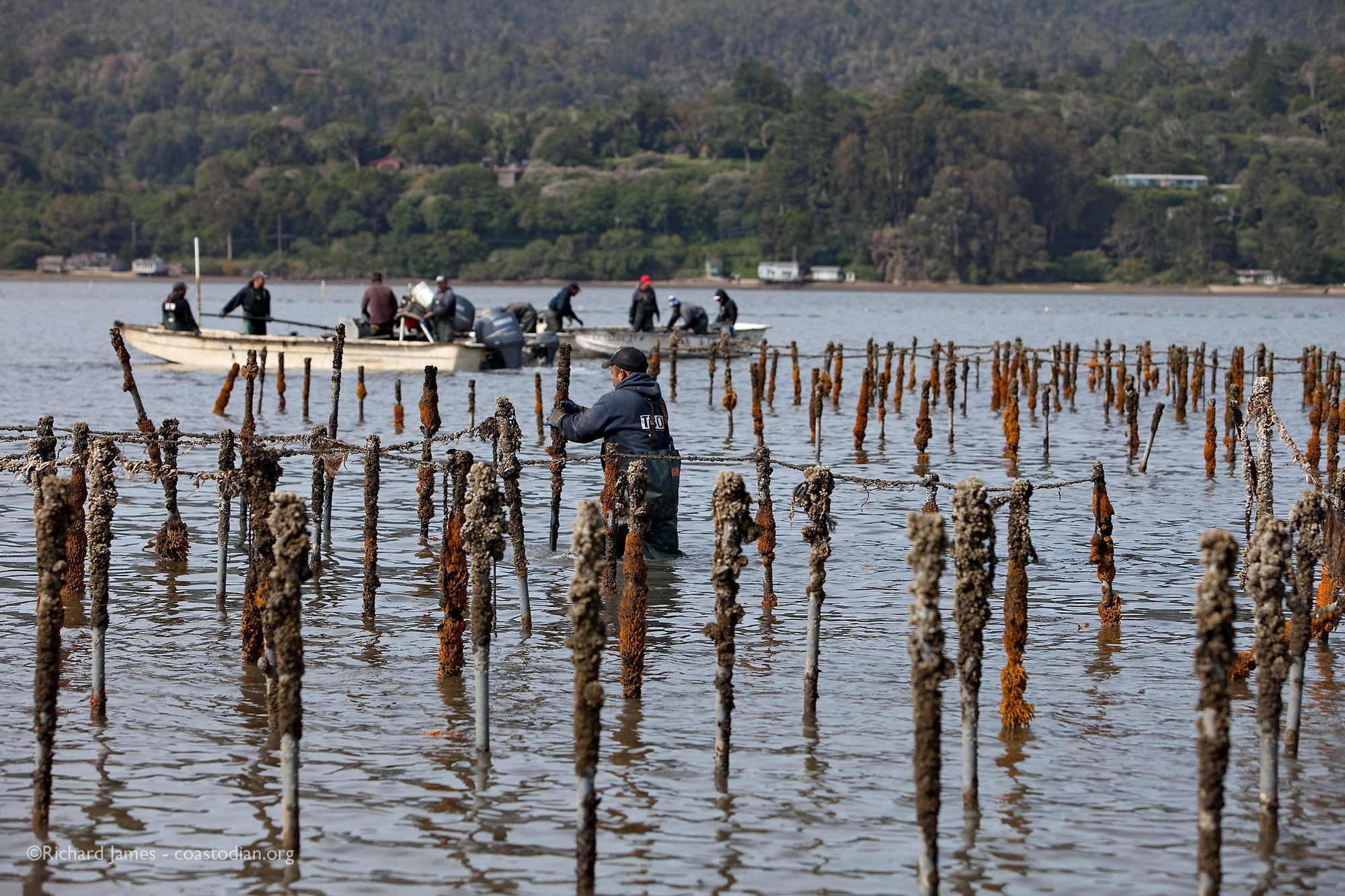
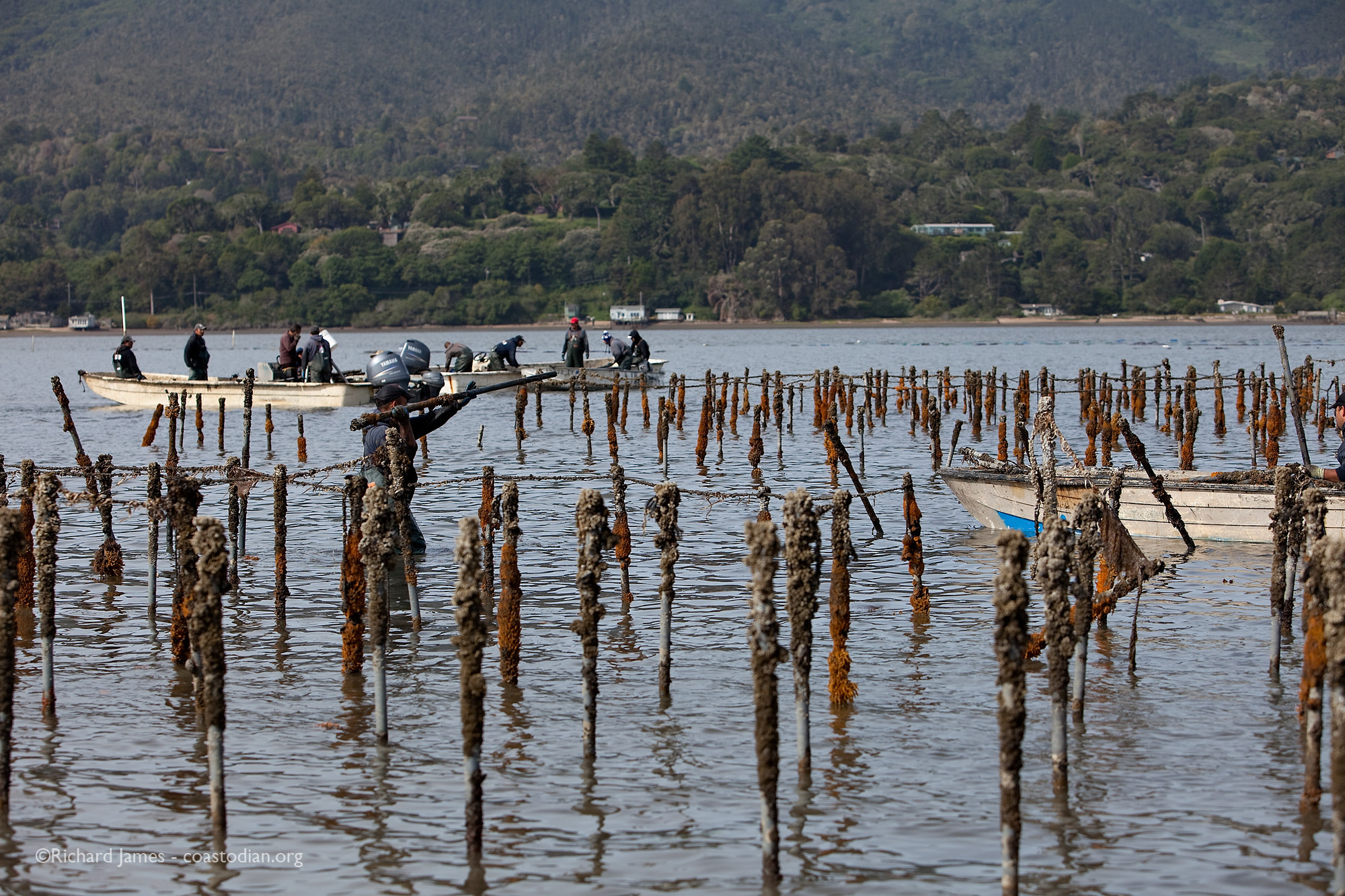
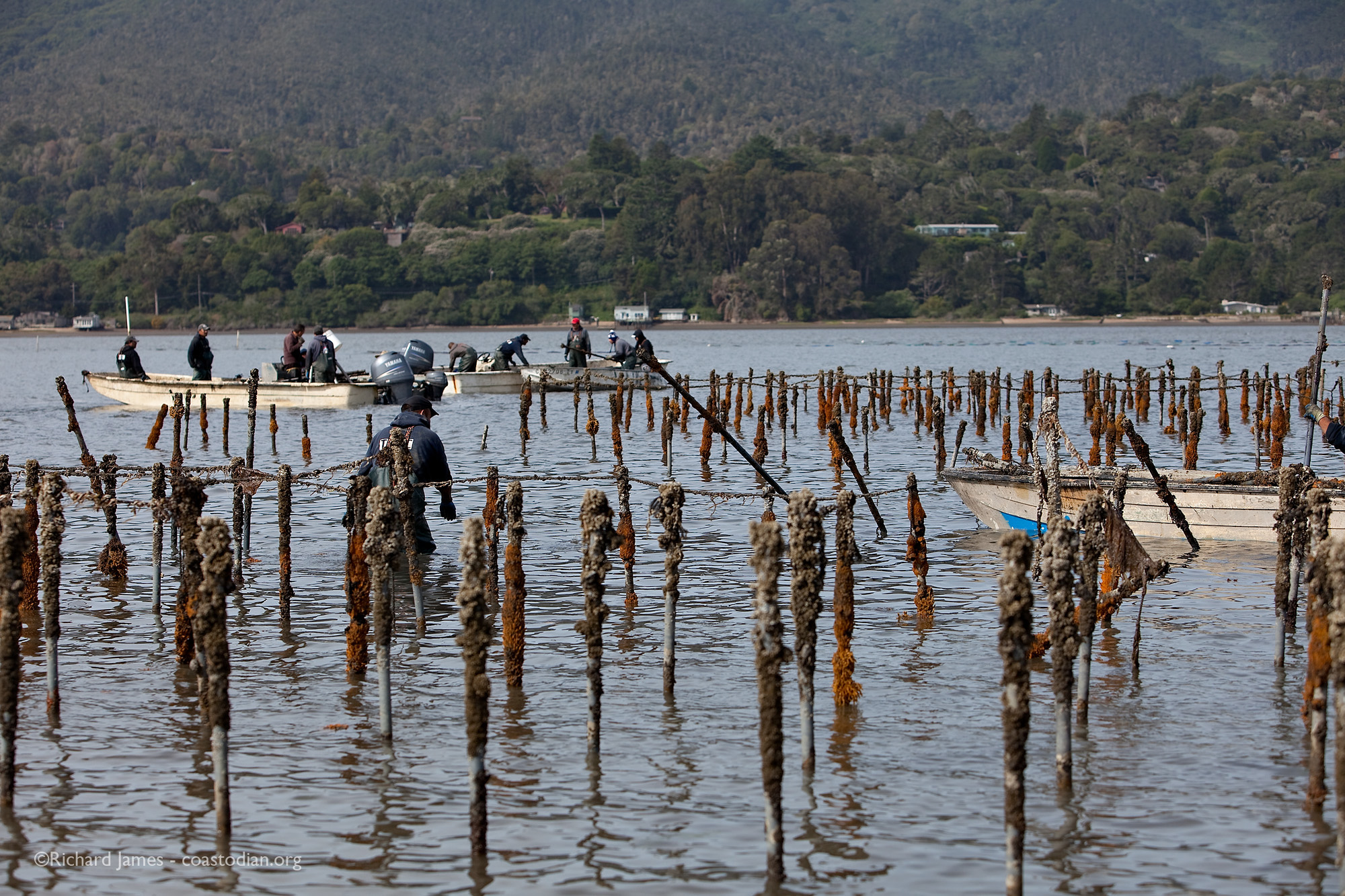
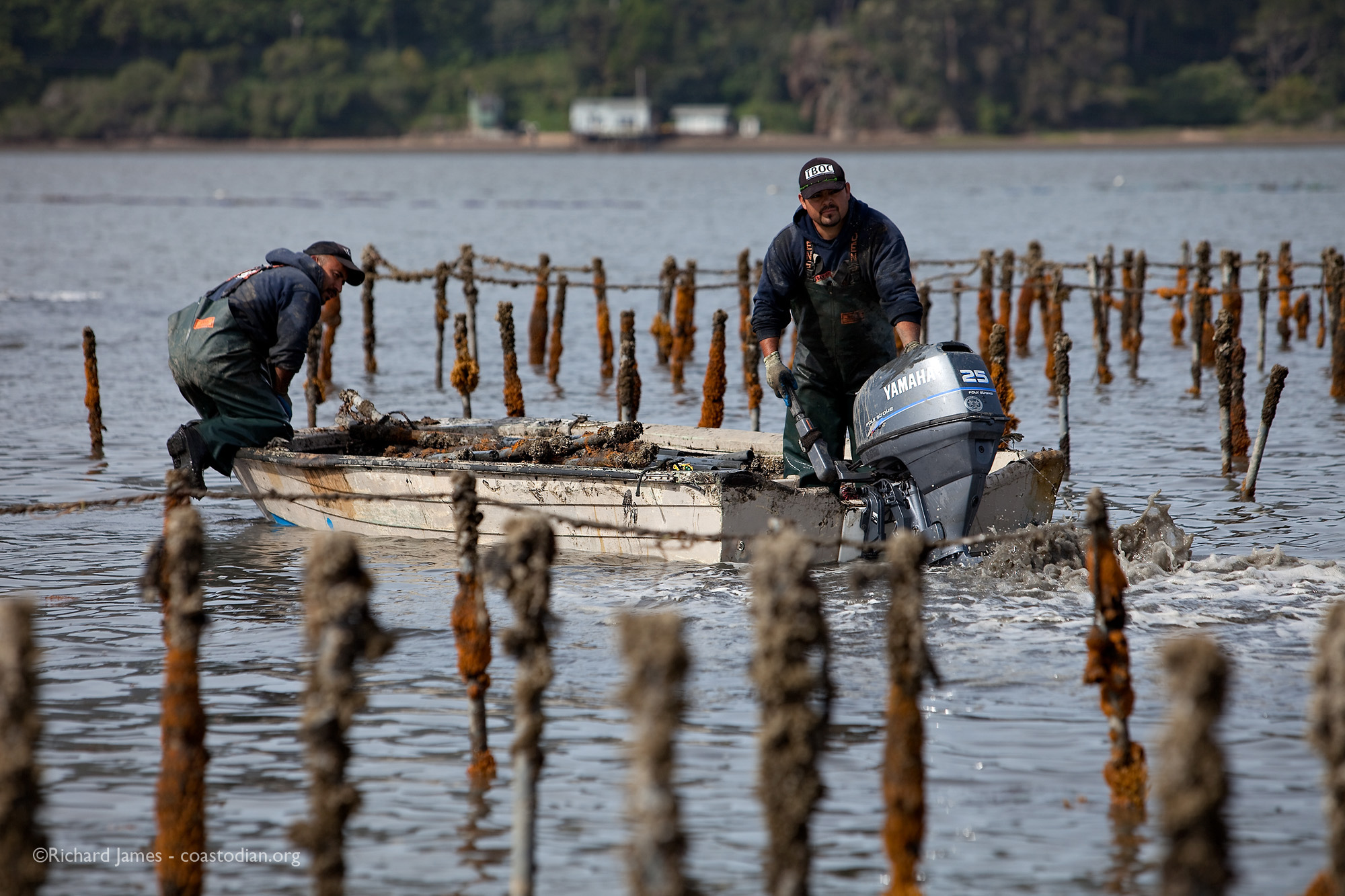
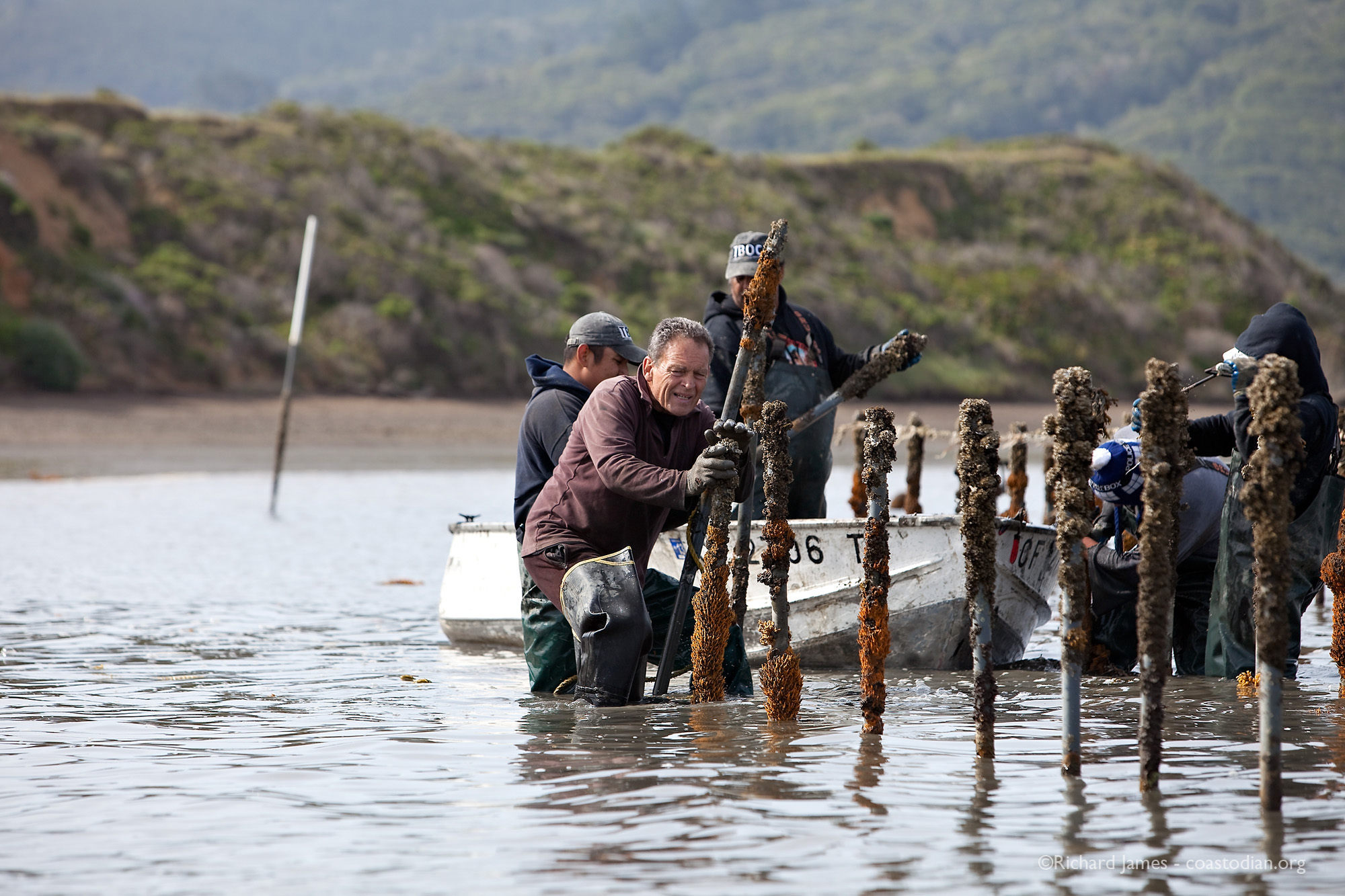
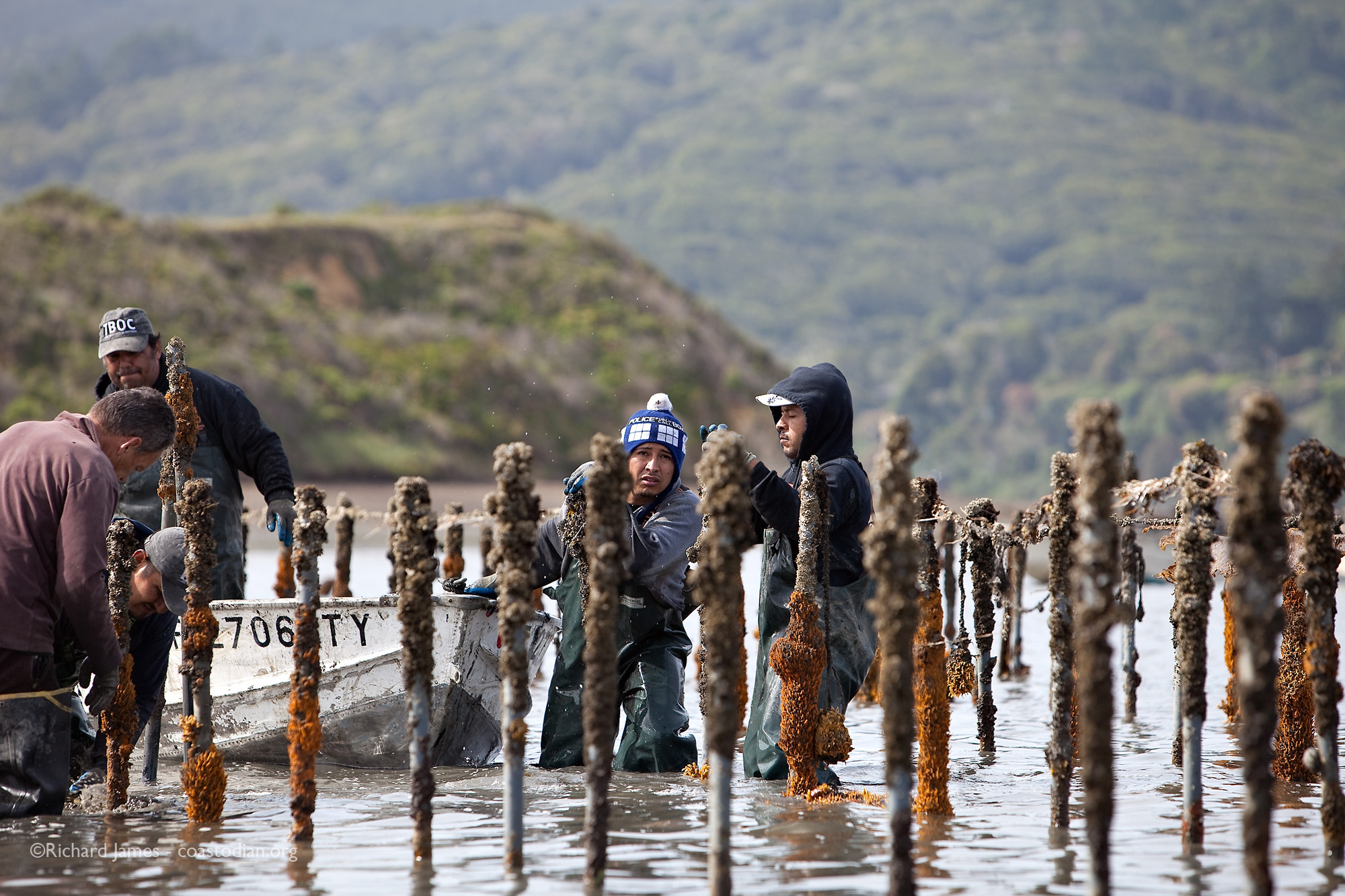
The images below, recorded on 16 May, show the latest of a few big days where the TBOC staff made time to pick up the mess left behind by a previous oyster farmer whose lease they purchased.

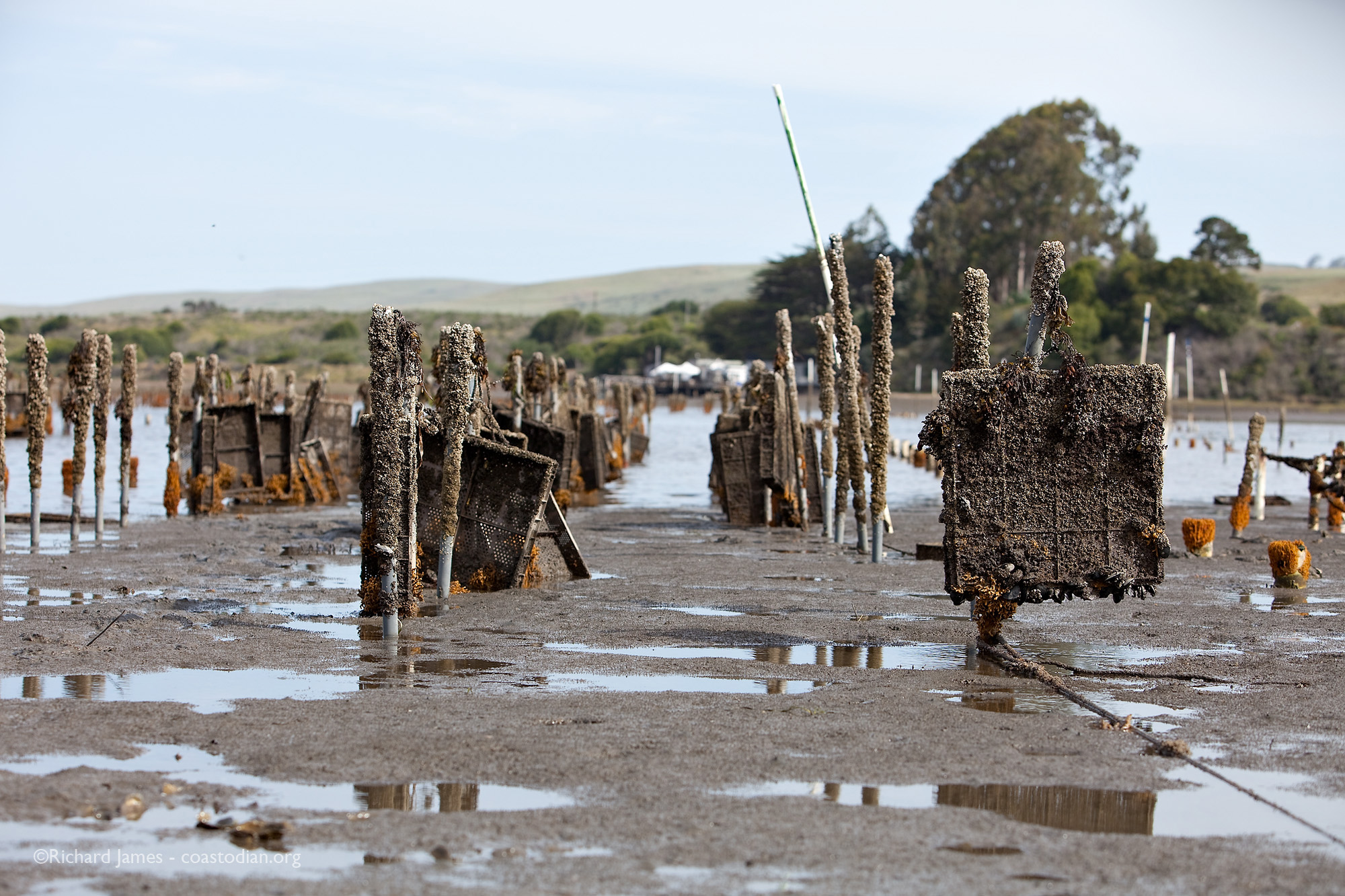
Todd tells me he has removed over 3000 of the PVC pipes you see in the images. He likely has several thousand more to go. He tells me he plans to remove those soon. And I believe him.

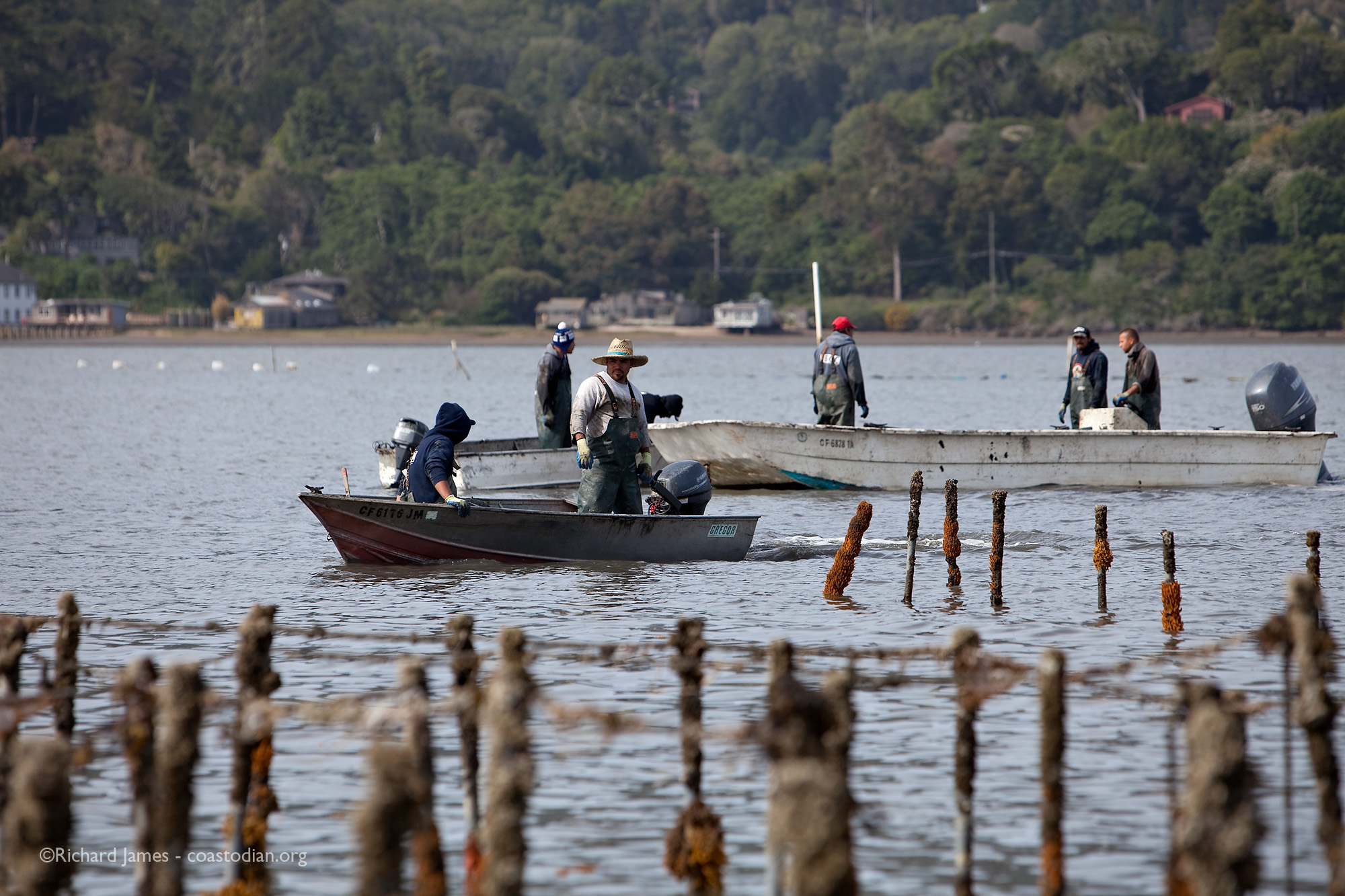
Kudos to the TBOC crew for their efforts at being a good steward of the very bay they depend upon for their livelihood. The same bay that hundreds, perhaps thousands of species called home long before humans decided to complicate matters with all our trash.

Oyster farmers in California pay into an escrow account when they lease an area. Those funds were designed to be used to pay for cleanup under certain conditions. The problem as I see it is, that fund is inaccessible due to complicated rules. So, the cleanup that should be taking place, especially when leases change hands, never happens. Witness the messes we see in Tomlaes Bay, Drakes Estero and all along the Marin coast, thanks to Johnson’s oysters [now Drakes Bay Oyster Company].

I plan to work with the Fish & Wildlife Commission to change the language in the lease agreement so that no more of these messes get left behind. More on that later.

If the people pushing the California Shellfish Initiative want to expand oyster farming up and down the coast of California, they best get on board with lease agreements that have teeth, stopping all the finger pointing between present and past lease owners over who made the mess. Better yet, define best practices for all oyster farmers such that the mess does NOT get made in the first place.

Anyone that wants a copy of the current lease agreement in use, and is willing to help modify the language to ensure a clean California coast, send me a note and I’ll send you a copy.

As always, click on an image to see a much larger version.

IMG_8534.cc.cw


IMG_8546.cc.cw


Click on image to see larger version

IMG_8551.cc.cw


IMG_8552.cc.cw


Click on image to see larger version

IMG_8556.cc.cw


IMG_8562.cc.cw


Click on image to see larger version

IMG_8570.cc.cw


IMG_8572.cc.cw


Click on image to see larger version

IMG_8573.cc.cw


IMG_8576.cc.cw


Click on image to see larger version

IMG_8580.cc.cw


IMG_8581.cc.cw


Click on image to see larger version

IMG_8582.cc.cw


IMG_8585.cc.cw


Click on image to see larger version

IMG_8588.cc.cw


IMG_8593.cc.cw


Click on image to see larger version

IMG_8595.cc.cw


IMG_8597.cc.cw


Click on image to see larger version

IMG_8600.cc.cw


IMG_8609.cc.cw


Click on image to see larger version

IMG_8614.cc.cw


IMG_8616.cc.cw


Click on image to see larger version

IMG_8620.cc.cw


IMG_8623.cc.cw


Click on image to see larger version

IMG_8624.cc.cw


Next related post may be found here.

Previous related post may be found here.

See the first post in this series “Save our Tomales Bay” here.

Hello Portosan, please come pickup the port-o-pottie….

Click the words above “Hello Portosan, please come pickup the port-o-pottie….” to see this entire post.

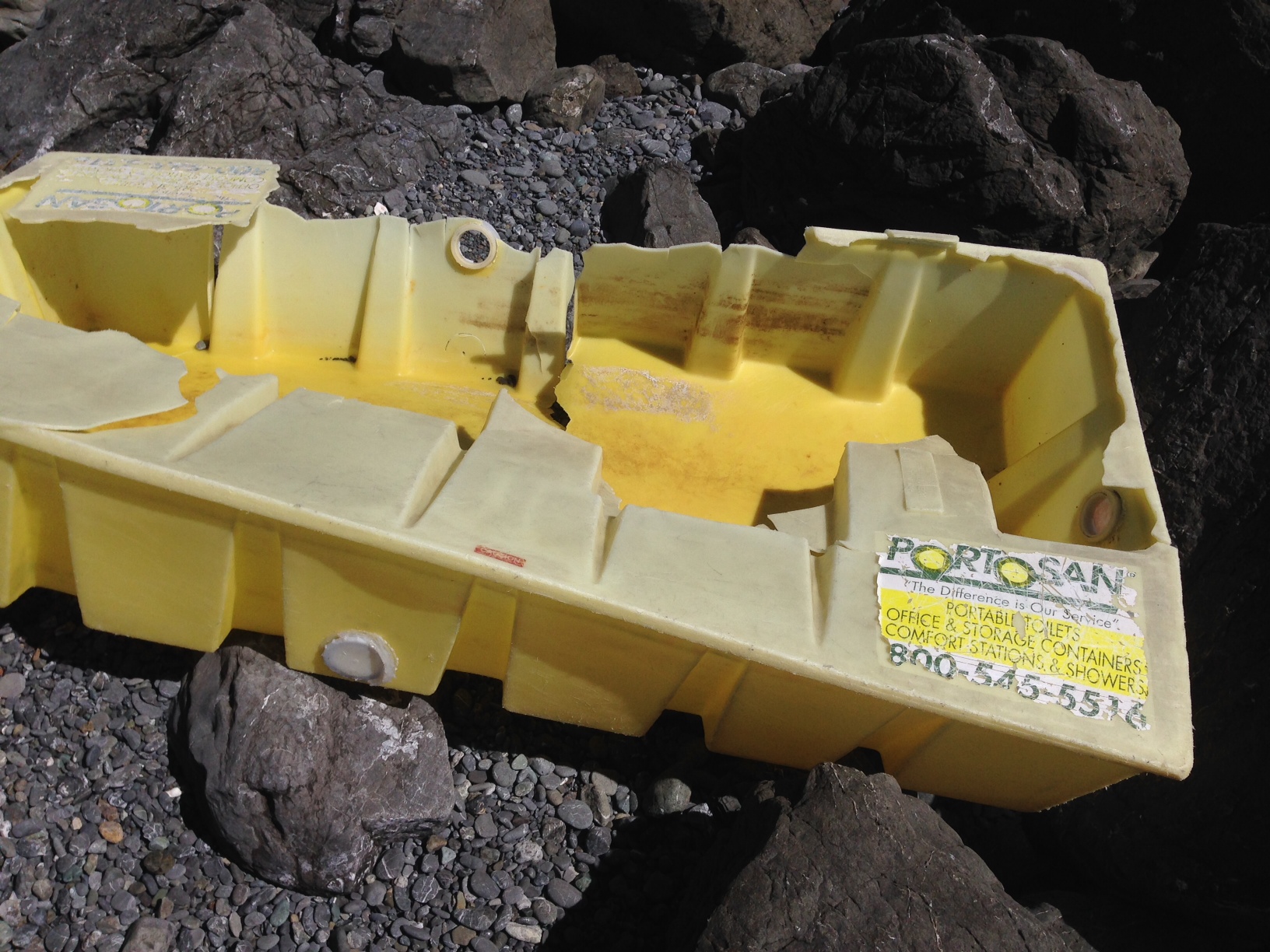
While cleaning a remote beach south of Stinson today, I came across this discarded port-o-pottie tank.

PortoSan1


PortoSan2


I’ll give them a call in the morning to come pick it up.

GPS waypoints and a trail-head should be good enough.

Don’t you think?

UPDATE: After sending the company that owns this garbage a note containing pictures, maps and the exact location, asking for them to come pick it up, (Nicole, how come you never called me back?), I have heard nothing. This huge mess is likely still laying on the beach near Stinson Beach, being ground into fine yellow plastic fish food by the surf and rocks.

Save our Tomales Bay – part 16 Weekly pickup after TBOC – preview

Click the words above “Save our Tomales Bay – part 16 Weekly pickup after TBOC – preview” to see this entire post.

I had hoped to publish this weekend images of the garbage I picked up near Tomales Bay Oyster Company over the past four months. Shooting images and fiddling with a video editing program makes for slow going.

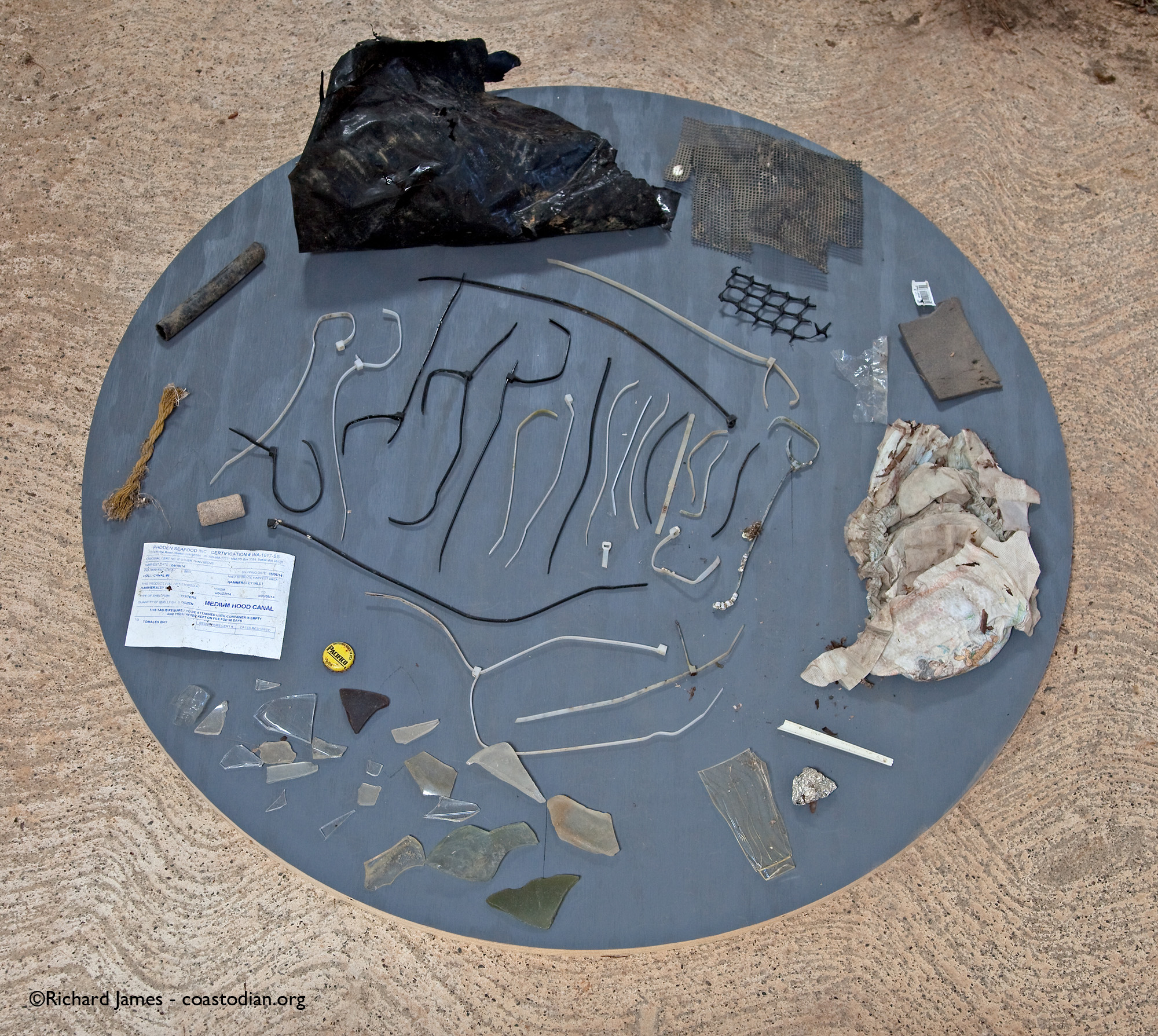
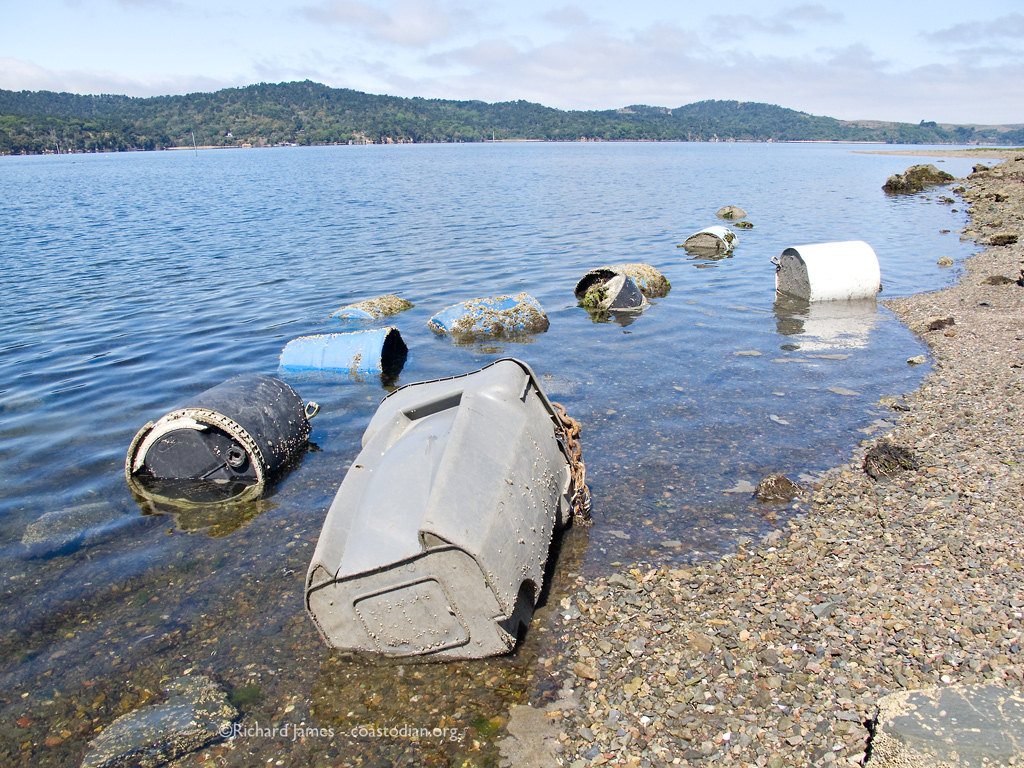
So here are three images showing a subset of what I picked up on three different occasion.
I’ll get the entire set of images up as soon as I can.

The gray disk in the image is 35 and 3/4 inches across.

I have been in touch with Todd at Tomales Bay Oyster Company. He assures me that he is taking serious the issues my images of his trash in Tomales Bay bring up. He told me he pulled out 1700 PVC pipes from the area I visit often. I stopped by this weekend to see how it looked, the tide, swell and murky water prevented me from seeing the fruits of his labors. I’ll check next weekend and report back.

25 zip-ties, black plastic from oyster bag, oyster bag bits, and yes, that is a disposable diaper found on the shore of Tomales Bay.

25 zip-ties, black plastic from oyster bag, oyster bag bits, and yes, that is a disposable diaper found on the shore of Tomales Bay.


click image to see an enormous version

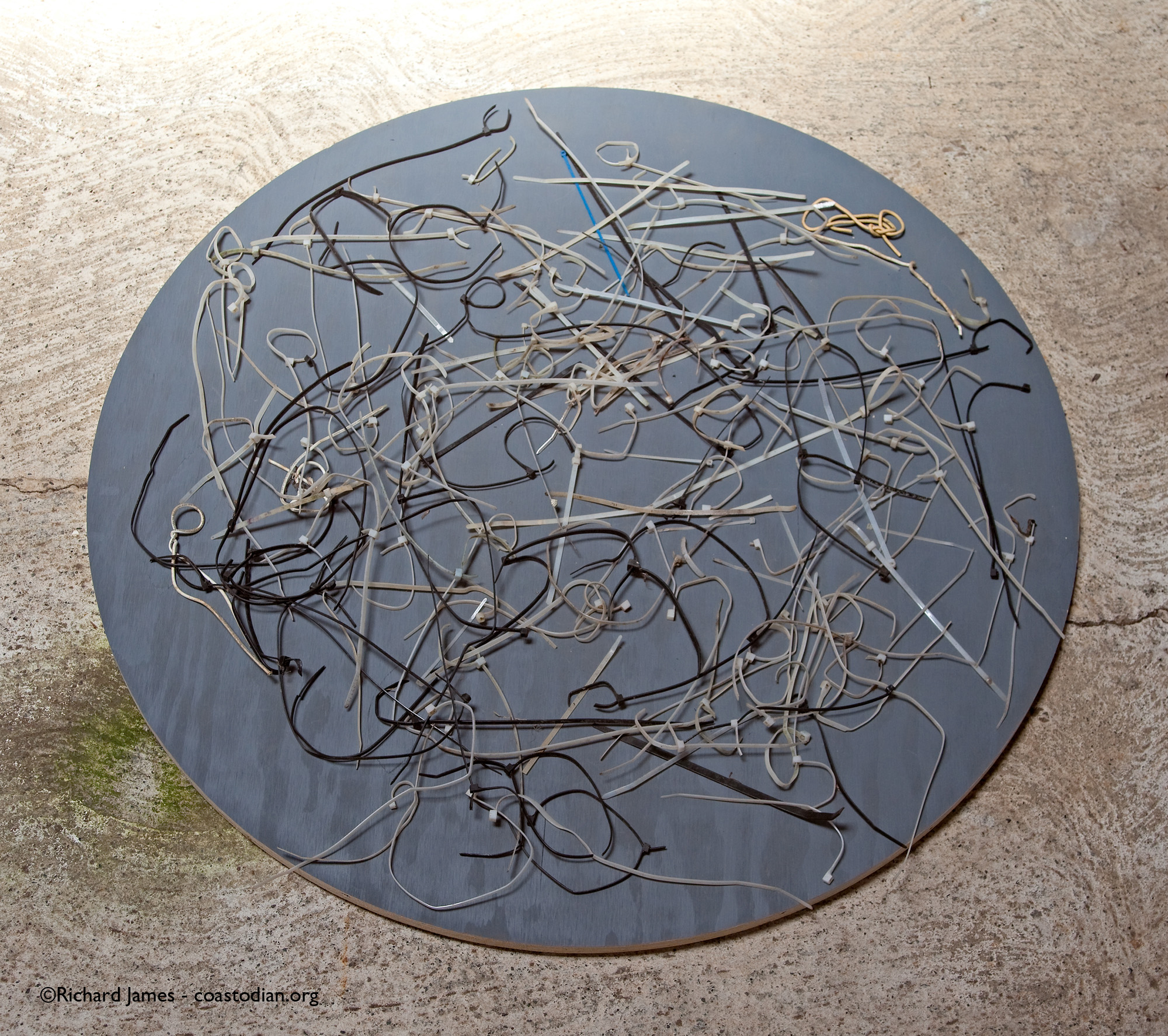
Workers cut the zip-tie securing the bag to the anchoring rope during harvest and simply let the plastic go into the bay. Sounds like they went to the Charlie Johnson school of oyster farming. Thankfully that school is now closed.

Workers cut the zip-tie securing the bag to the anchoring rope during harvest and simply let the plastic go into the bay.
Sounds like they went to the Charlie Johnson school of oyster farming.
Thankfully that school is now closed.


click image to see an enormous version

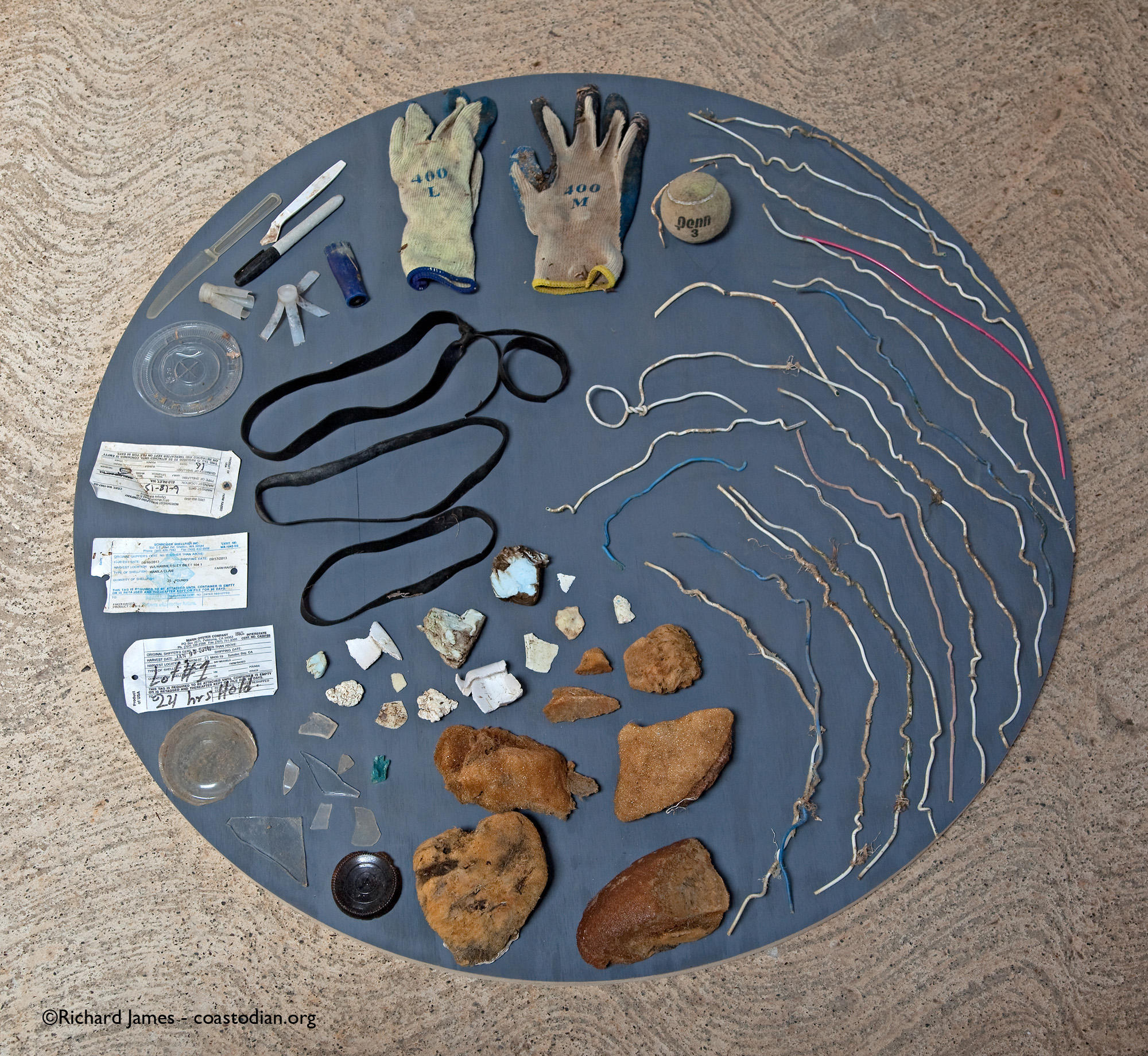
Oyster worker gloves, oyster bag tags, copper wire used to tie oyster bags closed, broken glass, blue foam from oyster bags, brown foam from work platforms, shot shell, shot shell wads and the ubiquitous tennis ball.

Oyster worker gloves, oyster bag tags, copper wire used to tie oyster bags closed, broken glass, blue foam from oyster bags, brown foam from work platforms, shot shell, shot shell wads and the ubiquitous tennis ball.

.

Next related post may be found here.

Previous related post may be found here.

See the first post in this series “Save our Tomales Bay” here.